Girlfriend Discovers Boyfriend’s Family’s Disturbing Christmas Tradition—and Leaves Immediately

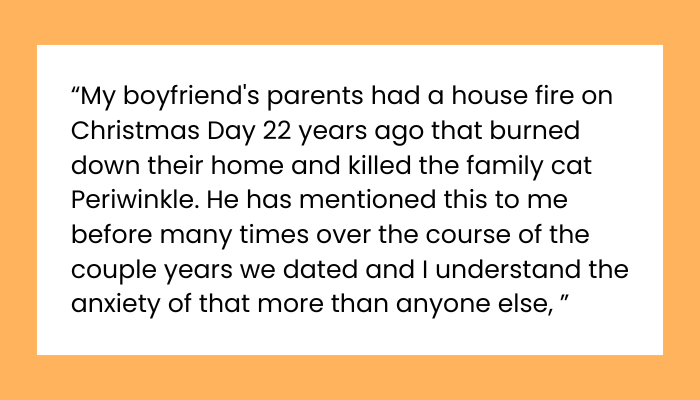
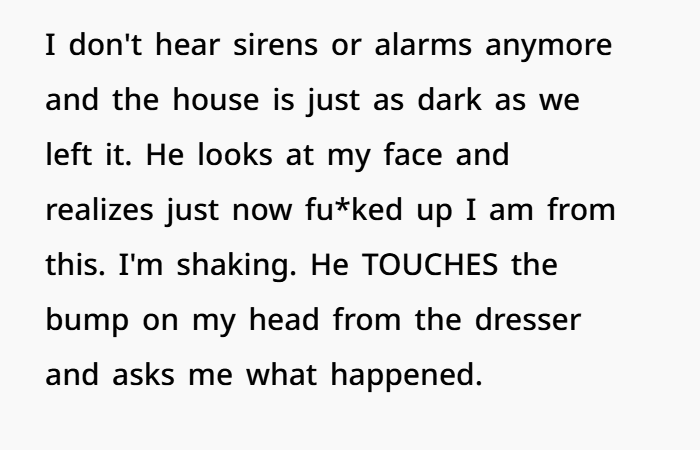
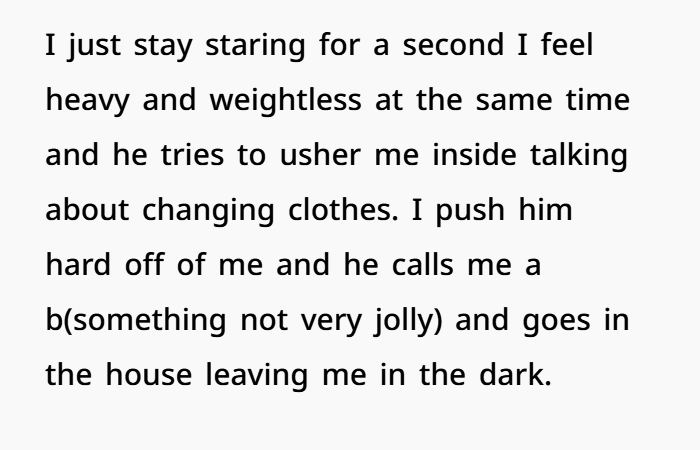
What was supposed to be a calm Christmas night became a very stressful experience for a woman visiting her boyfriend’s family. After spending time with them, she woke up around 2 a.m. because she heard loud noises, barking dogs, and someone shouting that there was a fire. She did not have time to think and immediately reacted to what felt like a dangerous emergency.
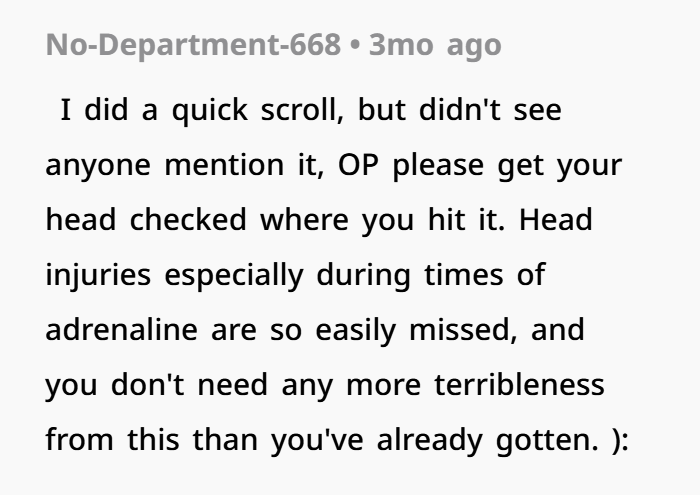
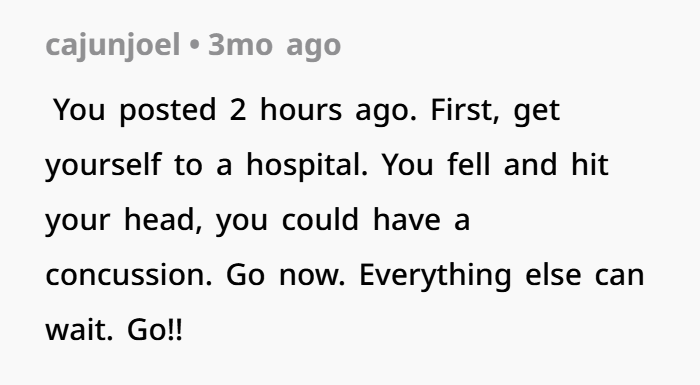
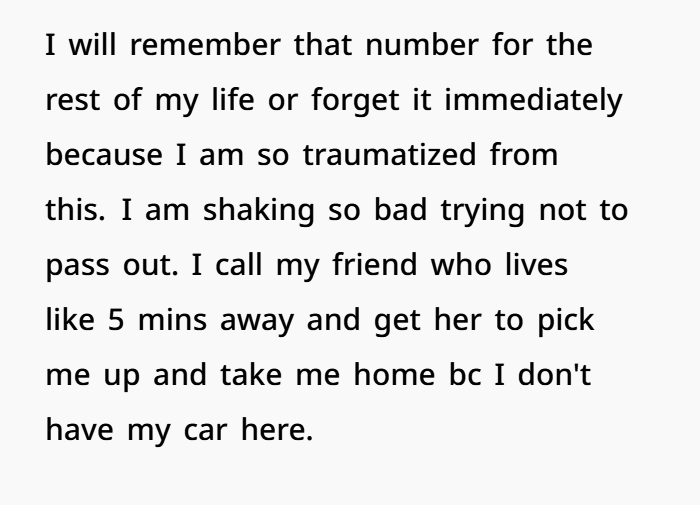
Her reaction was connected to a painful experience from her childhood. She had survived a fire when she was younger, so the situation brought back strong fear and panic. She quickly tried to help by grabbing her boyfriend’s younger sister and getting outside. During the rush, she became injured and experienced a strong stress response. These reactions can happen when someone faces a situation that reminds them of past trauma.
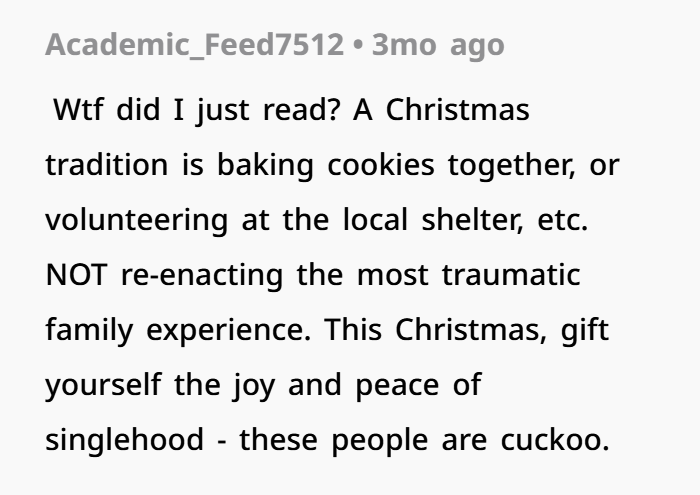
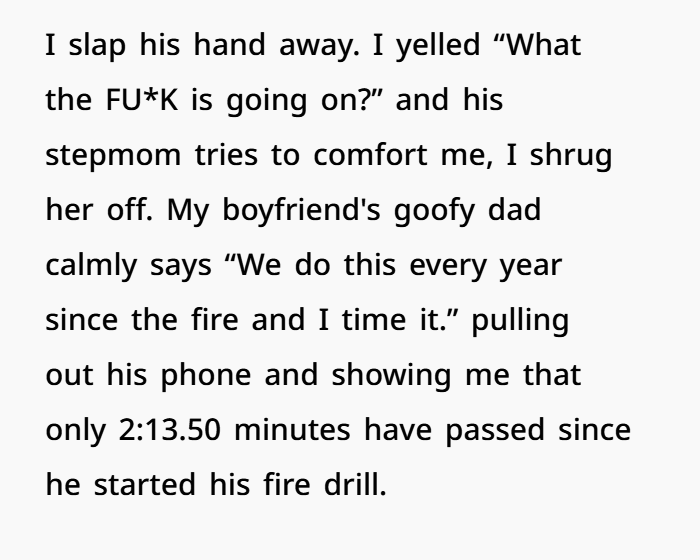
When she reached outside, she expected to see a real emergency. Instead, she saw people smiling and acting normal. She soon learned that it was a planned family fire drill that they had done for years as a safety activity. The family saw it as a way to practice emergency preparation and fire safety.
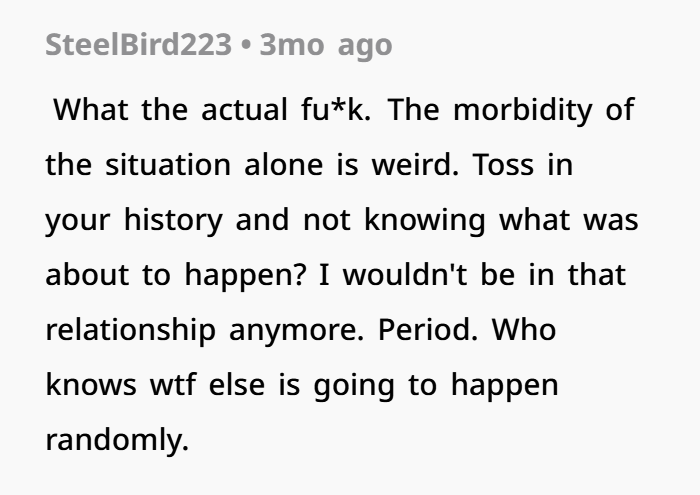
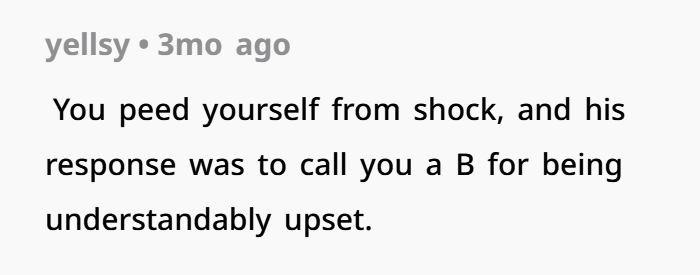
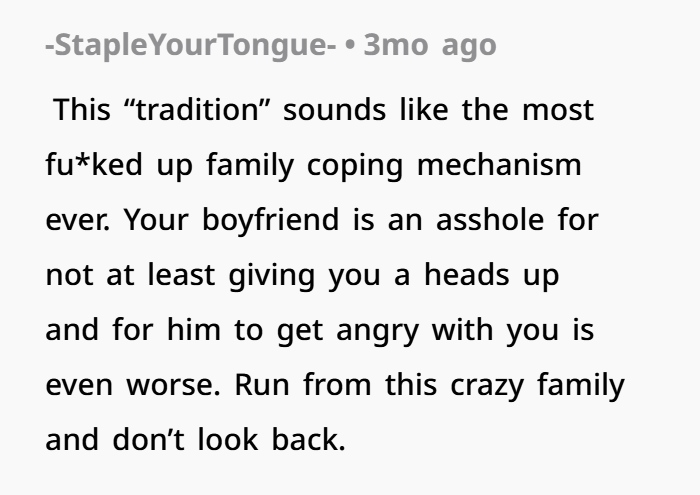
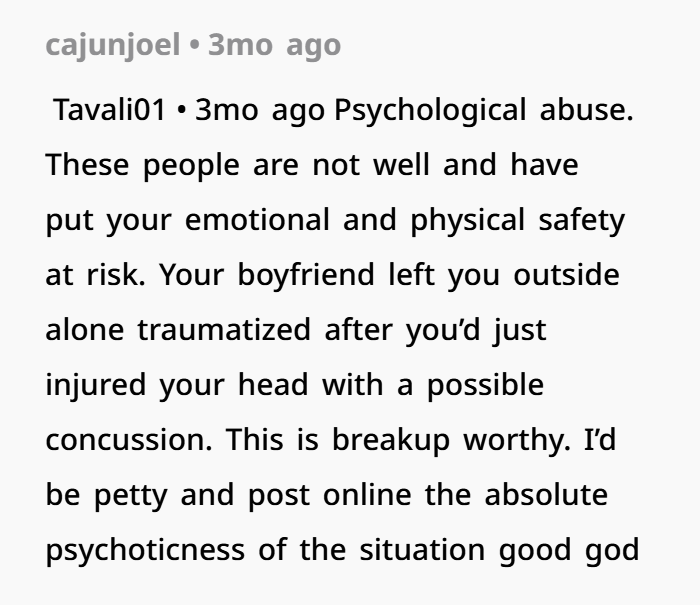
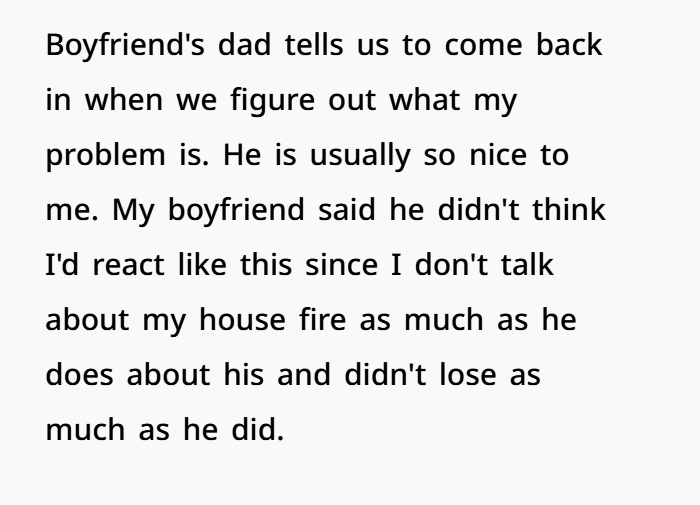
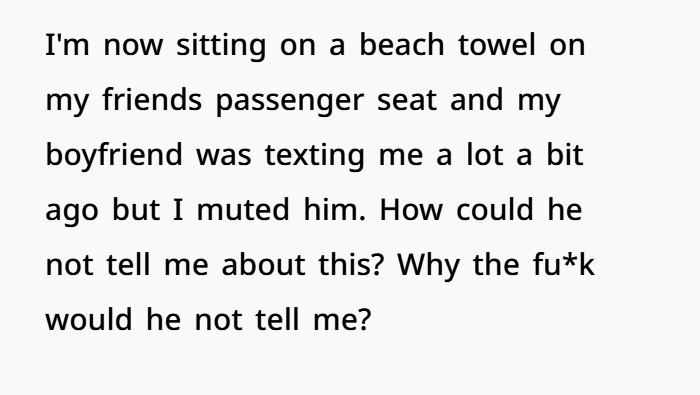
However, for her, the experience felt completely different. Because of her past experience with a fire, the drill caused fear, stress, and emotional distress. The situation became even harder because her boyfriend already knew about the tradition but did not warn her beforehand.
Now she is struggling with feelings of fear, embarrassment, and disappointment. She is questioning whether her boyfriend understood her feelings and whether better communication could have prevented the situation. This experience shows why it is important to consider people’s personal histories, emotional needs, and boundaries when planning unexpected events.
When a Family Tradition Triggers Trauma: Understanding Emotional Safety and Communication
Some relationship problems are not really about one single event.
They are about what that event represents.
This situation may look like a simple family tradition or a misunderstanding, but it involves deeper issues like past trauma, emotional safety, trust, and communication in relationships.
Sometimes something that feels normal to one person can feel frightening or overwhelming to someone else.
How Trauma Can Affect the Brain
When someone experiences a serious event, especially during childhood, the memory can stay very powerful.
A traumatic experience is not always stored like a normal memory.
Certain sounds, words, smells, or situations can bring back the same fear and stress someone felt during the original event.
This is why some people have strong reactions to things that remind them of past experiences.
The body can react before the person has time to think.
For example, hearing the word “fire” after surviving a childhood house fire may immediately create fear and panic.
The brain may treat the situation as a real danger instead of a harmless event.
A Trauma Response Is Not Always a Choice
When someone experiences a trauma trigger, their body may go into survival mode.
They may experience:
- A racing heart
- Panic
- Shaking
- Feeling overwhelmed
- Trouble thinking clearly
- A strong need to escape
These reactions can feel automatic.
The person is not choosing to overreact.
Their nervous system is responding to something that feels dangerous.
In situations like this, understanding trauma and mental health can help people respond with more compassion.
The Difference Between a Safety Drill and a Surprise Event
Family traditions around safety are not always bad.
Some families create emergency drills because they want to feel prepared. Practicing what to do during a fire or emergency can be part of home safety planning.
The idea itself can be helpful.
However, communication and timing matter.
There is a big difference between:
“Tomorrow we are doing a planned fire drill.”
and:
A loud alarm or emergency situation happening suddenly in the middle of the night.
For someone with a history of trauma, a surprise event can feel completely different from a planned activity.
Why Communication Matters in Relationships
The biggest issue in this situation may not have been the family tradition.
It was the lack of communication.
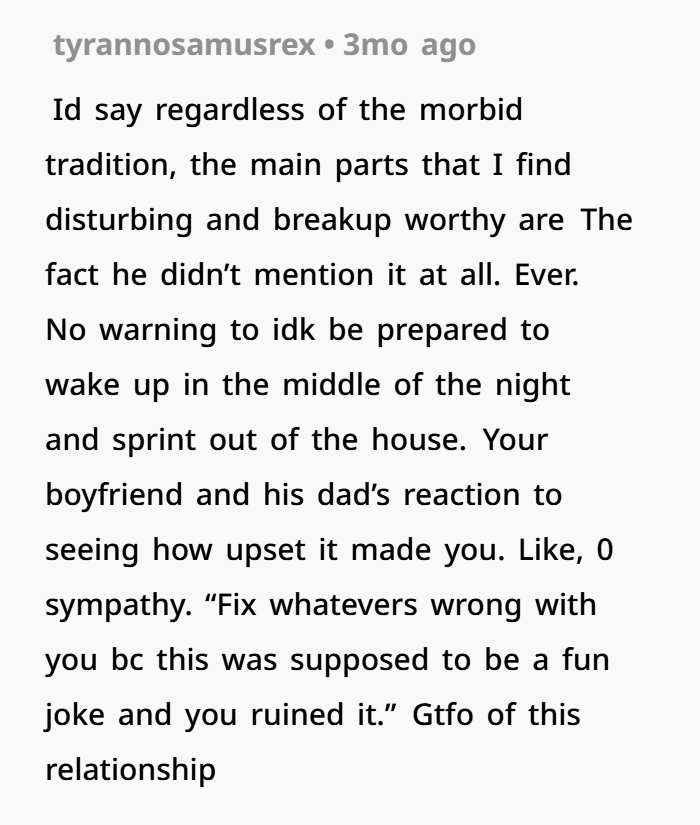
The boyfriend knew about the family’s yearly drill.
He also knew about his partner’s childhood fire experience.
That information was important.
A simple conversation could have changed the entire situation.
Something like:
“My family does a very realistic fire drill every Christmas. I want to warn you because it can feel intense.”
That small warning would have given her a chance to prepare emotionally.
She could have asked questions, shared her concerns, or decided how comfortable she felt participating.
This is what emotional safety in a relationship looks like.
When Someone Feels Overwhelmed
After a frightening experience, people may react strongly because their body is trying to return to a feeling of safety.
Crying, leaving the situation, or needing space can be normal responses after feeling overwhelmed.
It does not always mean someone is being dramatic.
Sometimes it means they need time to calm down and process what happened.
Emotional regulation is an important part of mental health and relationship well-being.
Why The Family’s Reaction Made Things Harder
The family may have seen the drill as successful.
They may have felt proud that everyone reacted quickly.
However, they may not have understood what the experience felt like from another person’s perspective.
For someone who believed there was a real emergency, seeing others celebrate immediately afterward could feel confusing and upsetting.
The emotional shift can be difficult:
One moment, the person feels unsafe.
The next moment, everyone else is happy and relaxed.
This difference in experience can create emotional distress.
The Importance of Emotional Validation
One of the most important parts of supporting someone after a difficult experience is validation.
Validation does not mean agreeing with everything.
It means recognizing that someone’s feelings are real.
A response like:
“I understand why that scared you.”
can be much more helpful than:
“You are overreacting.”
When people feel dismissed, it can increase stress and make communication harder.
Comparing Trauma Does Not Help
Another problem is comparing one person’s pain to another person’s pain.
Trauma is personal.
Two people can experience different events and both have real emotional reactions.
Someone does not need to have experienced the exact same thing as another person to deserve understanding.
Pain is not a competition.
The Impact on Relationship Trust
The deeper issue here is trust.
A partner should feel like someone who understands their needs and tries to protect their emotional well-being.
Even if someone does not intend to cause harm, the impact of their actions still matters.
The difficult question becomes:
“If you knew this could affect me, why did we not talk about it first?”
Questions like this can create distance in a relationship.
Building Healthier Relationships Through Awareness
This situation shows why emotional intelligence matters.
Before bringing someone into a new family environment, it is important to consider:
- Their past experiences
- Their comfort level
- Possible emotional triggers
- Their need for information and preparation
What feels normal to one person may not feel safe to another.
Healthy relationships require empathy, communication, and respect for personal boundaries.
The Bigger Lesson
This was not only about a fire drill.
It was about how people handle differences in experience.
A tradition that feels harmless to one person can create real distress for someone with a painful history.
The solution is not always to avoid difficult situations.
The solution is better communication.
When people understand each other’s experiences, they can create relationships where both partners feel safe, respected, and supported.
Emotional safety is not about never making mistakes.
It is about how people respond when those mistakes happen.
See The Comments Below