AITA for Having a Revenge Affair After My Wife Cheated — Then Serving Her Divorce Papers?
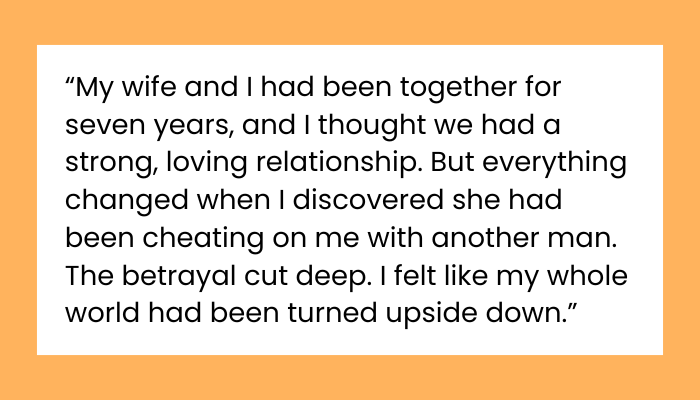
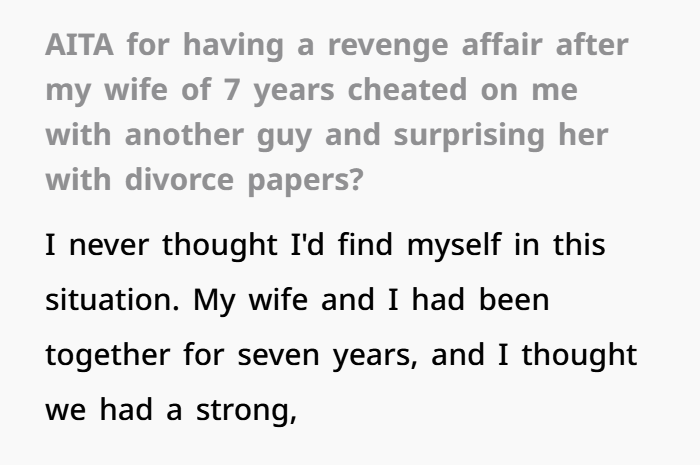
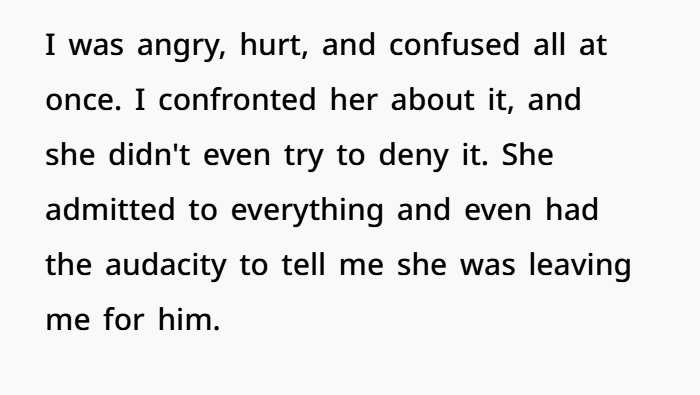
This story comes from a husband whose seven-year marriage completely fell apart after he discovered his wife had been cheating with another man. Until that moment, he believed their relationship was solid — the kind of stable marriage built on trust and commitment. But everything flipped the moment he confronted her. She didn’t deny it. Instead, she admitted to the extramarital affair and even said she planned to leave him for the other guy. That level of blunt betrayal hit hard. He suddenly found himself dealing with marriage breakdown, emotional trauma, and serious relationship trust issues all at once.
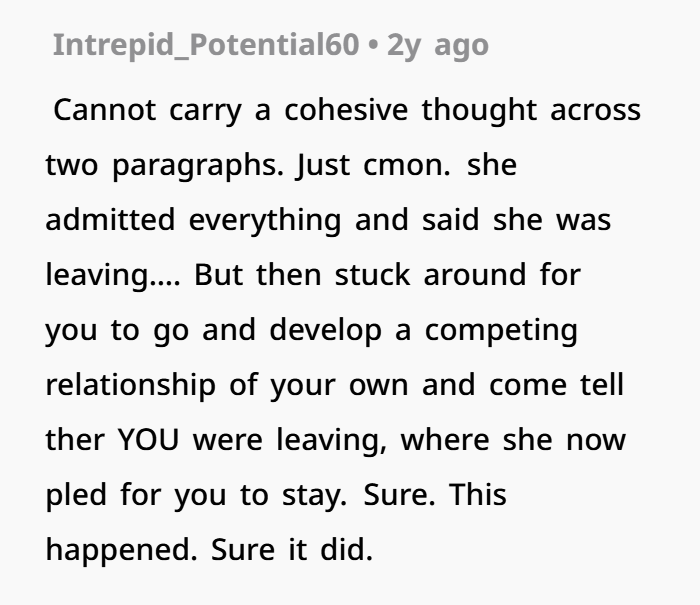
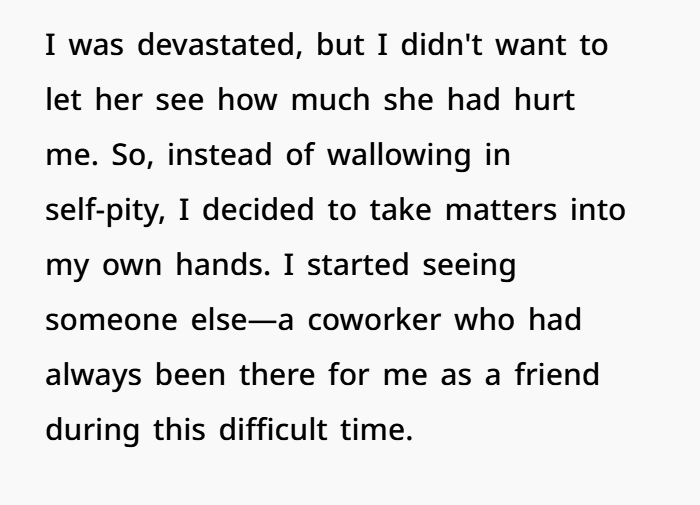
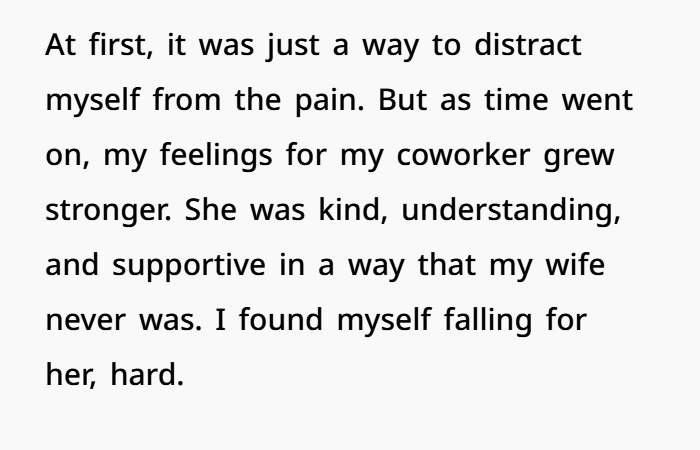
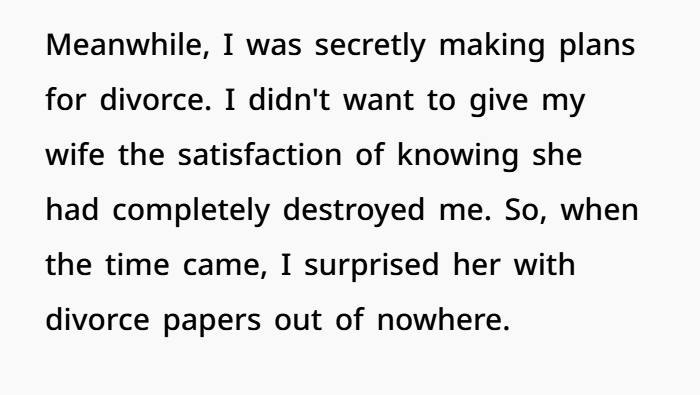
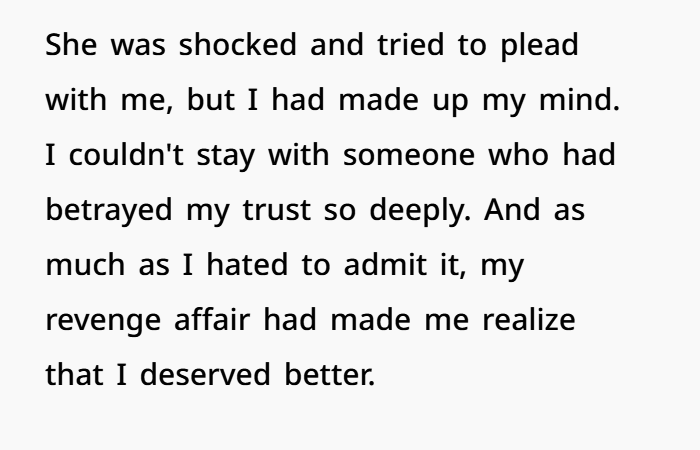
Instead of begging her to stay or showing how much the betrayal destroyed him, he went a different direction. He started spending time with a coworker who had been supporting him during the emotional fallout. At first it looked like a simple distraction — something to take his mind off the pain. But slowly it turned into real feelings and what many people would call a rebound relationship after infidelity. While all this was happening, he quietly started planning his divorce process and legal separation. Eventually he served his wife divorce papers without warning. That’s when things flipped again. She reacted with shock and suddenly started pleading to save the marriage. But by then he had emotionally checked out. Now he’s stuck wondering if the revenge affair, rebound relationship, and surprise divorce filing were fair responses to betrayal — or if he ended up falling into the same toxic relationship behavior as the partner who cheated first.


Infidelity is widely considered one of the most devastating events in a long-term relationship. Many psychologists say the moment someone discovers a partner’s affair can feel like a major emotional trauma. It can damage marriage trust, emotional safety, and personal stability all at once. In a lot of relationship counseling reports and marriage therapy studies, cheating is listed as one of the leading reasons couples end up in divorce proceedings, right alongside financial problems and long-term communication issues.
In this situation, the starting point is simple. The wife cheated and admitted the affair openly. That alone can shake the foundation of a marriage. But what makes the story more complex is what happened afterward — the husband’s revenge relationship and quiet divorce preparation. Instead of immediately ending the marriage or attempting reconciliation, the situation turned into a chain reaction involving emotional retaliation, rebound dating, and divorce planning.
To understand this kind of reaction, it helps to look at the psychological effects of betrayal and cheating in marriage.
When someone finds out their spouse has been unfaithful, the brain often triggers what therapists call a betrayal trauma response. That response can include anger, humiliation, shock, and a deep need to regain control. Many people describe the experience as if their entire reality suddenly collapsed. The relationship they believed was real suddenly feels built on deception, which can lead to serious emotional instability and relationship identity loss.
Some couples try to recover from that damage through couples counseling, marriage therapy sessions, and trust rebuilding strategies. But others react very differently. Instead of repairing the relationship, they turn toward retaliation or emotional escape.
That’s where the concept of a revenge affair after a cheating spouse comes in.
A revenge affair usually happens when someone starts a new romantic or sexual relationship after discovering their partner’s betrayal. For many people, it’s a way to rebuild self-confidence, emotional validation, and personal pride after being cheated on. In many infidelity recovery discussions and relationship advice forums, therapists often say betrayed partners feel a strong urge to prove they are still attractive and wanted.
In this story, the coworker first appeared as emotional support. That kind of connection is actually common in workplace relationships during emotional crises. Research on rebound relationships after divorce or breakups shows that people often feel drawn to someone who listens to them, validates their emotions, and offers stability when their personal life suddenly falls into chaos.
One detail that stands out in this story is how the husband describes his relationship with the coworker. He says it began as a distraction but slowly turned into real emotions. That pattern actually fits with something psychologists call emotional transition relationships. These are connections that often start during periods of emotional vulnerability — especially after infidelity, divorce stress, or relationship betrayal — and then gradually grow into legitimate romantic relationships. In many breakup recovery studies and relationship therapy discussions, people naturally form these bonds while trying to rebuild their self-esteem and emotional balance.
But revenge affairs rarely stay simple.
From a relationship ethics and couples therapy perspective, many people believe cheating back doesn’t cancel out the first betrayal. Instead, it creates another break in trust. Even if the marriage was already damaged, some argue it complicates the moral side of the situation and adds another layer of relationship conflict and emotional fallout. Others see it differently. They argue that once a partner commits marital infidelity, the emotional contract of the relationship is already broken, so the betrayed partner doesn’t owe the same level of loyalty or commitment anymore.
Another major element in the story is the unexpected divorce filing.
In many family law systems and divorce courts, a spouse is allowed to file for divorce without warning the other partner first. From a legal point of view, surprise divorce filings actually happen quite often. Many divorce lawyers and legal advisors even recommend quiet preparation when cheating is involved. This is especially important when there are financial assets, shared property, or possible child custody disputes that could become messy during the divorce process.
Lawyers often call this method strategic divorce planning or strategic separation preparation. Instead of announcing the decision early, one partner gathers legal consultation, financial documentation, and divorce paperwork before officially filing. The idea is to reduce manipulation, emotional conflict, or delays once the legal process begins.
But emotionally, getting divorce papers without warning can feel brutal.
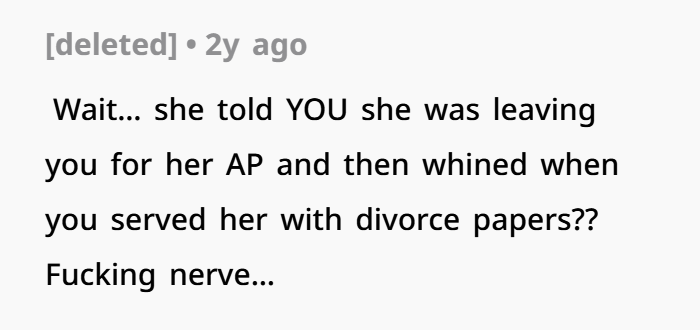
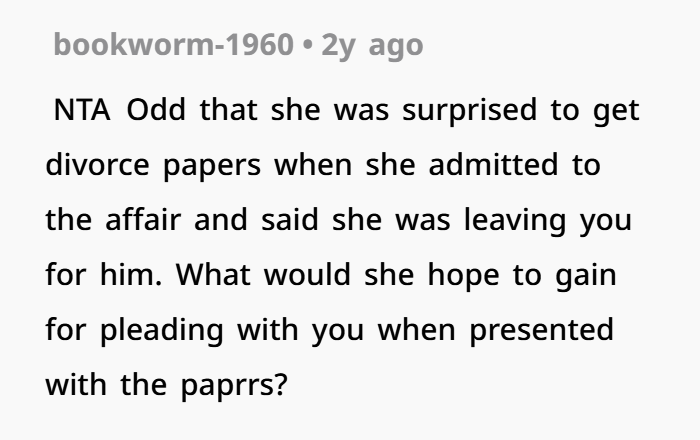
If one partner believes the marriage might still be fixable, suddenly receiving divorce documents can feel like another major betrayal. That may explain why the wife suddenly changed her tone and started pleading to save the marriage after the papers were delivered. The reality of legal divorce, financial separation, and the end of the marriage can hit much harder than the idea of an affair alone.
Interestingly, this kind of emotional reversal isn’t rare.
In relationship psychology, experts often talk about something called “affair fog.” During an affair, the cheating partner can get caught up in the excitement, validation, and emotional rush from the new relationship. This can blur how they see their marriage. But once reality shows up — like the threat of divorce settlements, property division, or losing the relationship entirely — the cheating partner sometimes suddenly tries to return and repair the original marriage.
However, by that stage the betrayed partner may already be emotionally detached.
Another layer worth discussing is the idea of emotional closure after infidelity.
A lot of people who get cheated on struggle with a deep sense of powerlessness. It can feel like the cheating partner controlled the ending of the relationship. Taking decisive action — like filing for legal divorce or moving on into a new relationship — can help restore a feeling of control. In relationship psychology, this idea is often called “regaining narrative control.” Instead of being the person who was abandoned, the person becomes the one who chose to walk away and rebuild their emotional independence and personal confidence.
But revenge can still carry emotional costs.
Even if the revenge affair helped the husband rebuild his self-esteem after infidelity, it doesn’t always guarantee real long-term healing. Some relationship therapists and marriage counselors warn that revenge-driven choices can delay emotional processing. Instead of facing grief, anger, and betrayal directly, people sometimes cover those emotions with a new rebound relationship or emotional distraction.
That doesn’t mean rebound relationships automatically fail. Some actually grow into stable partnerships. But many relationship experts and divorce recovery coaches usually suggest taking time to process the end of a marriage before jumping fully into another long-term romantic commitment. Healing first can help avoid repeating emotional patterns after a painful breakup or divorce.
There’s also a big social debate about moral equivalence in cheating.
Some people believe cheating is cheating, no matter the situation. From that point of view, both partners ultimately crossed the line through extramarital relationships. Others argue context matters. In this case, the wife cheated first while still expecting the marriage to continue, while the husband’s new relationship happened after the marriage had basically collapsed due to marital infidelity and broken trust.
That difference — between active betrayal and post-betrayal coping behavior — often comes up in both relationship ethics debates and divorce discussions.
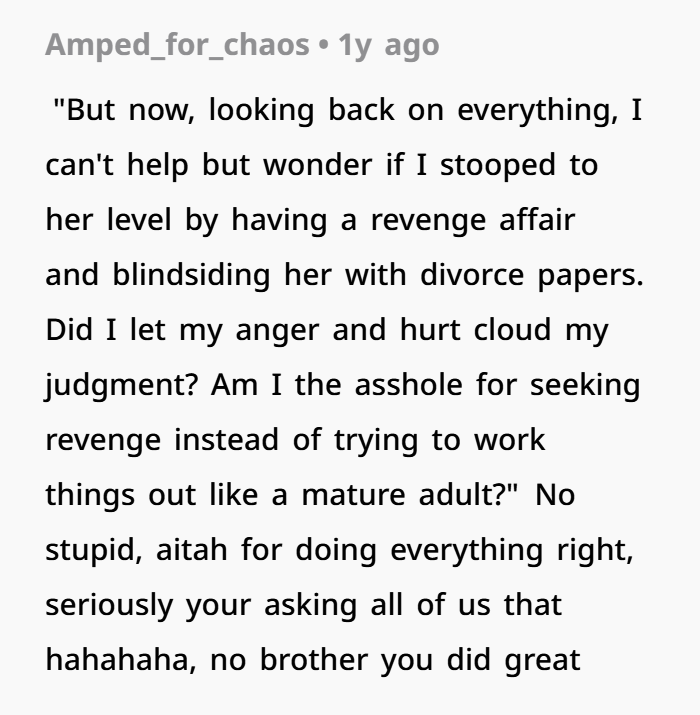
Finally, there’s the question the husband is asking himself now: did revenge cloud his judgment?
Self-reflection after a major relationship breakdown or divorce is actually very common. Once the anger fades and life settles down, people often look back and question whether they handled things the best way possible. That reflection doesn’t always mean the decision was wrong. Often it simply means the person is processing the emotional aftermath of a life-changing betrayal and marriage ending.
And that’s really the core of this story.
A marriage ended because of betrayal. A revenge relationship emerged from the emotional wreckage. And a carefully planned divorce closed the chapter.
Whether the husband’s actions were justified retaliation or a step too far is something people will always debate.
But one thing is clear: when trust breaks in a marriage, the aftermath rarely follows a clean or simple path.
The Comments Are In