Mom Fights Back After Autistic Child Is Humiliated In Class And Excluded From Field Trip

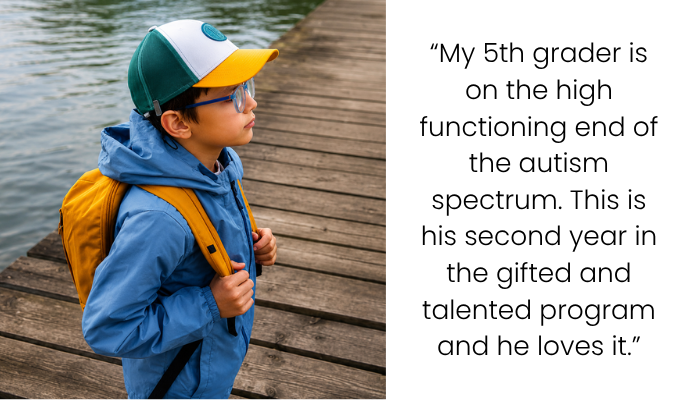
An end-of-year field trip should be something students can look forward to. But for one family, what should have been a happy school experience quickly became a frustrating situation.
A mother said her autistic child was at risk of being excluded from his school’s field trip. She believed the reason given by the school was unfair, so she decided to speak up.
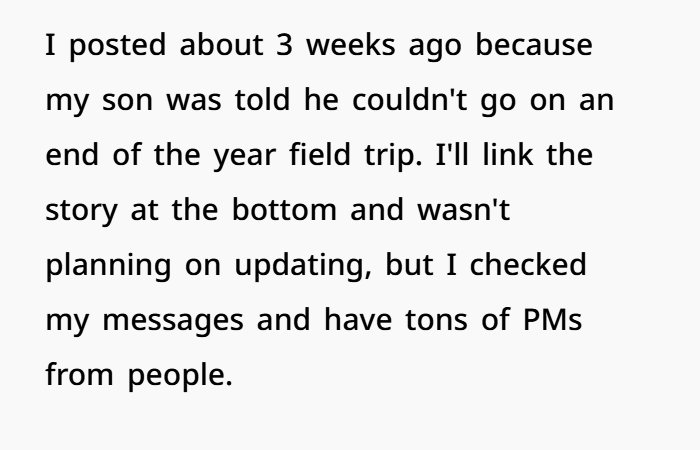
The mother shared her experience with an online community before taking her concerns directly to the school administration. She met with the principal and asked for a clearer explanation of the decision.
For her, the issue was about more than one school trip. She wanted her child to feel included and supported.
The story highlights the importance of special education, inclusive learning, student support services, parent advocacy, and educational opportunities. It also shows why good communication between families and schools matters.
Every student’s situation is different, but supportive school policies and educational resources can help create a learning environment where more children have the opportunity to participate and succeed.


Mom Steps In After Her Son Is Left Out of a School Trip
The original poster (OP) was happy when her fifth-grade son finally started feeling comfortable at school.
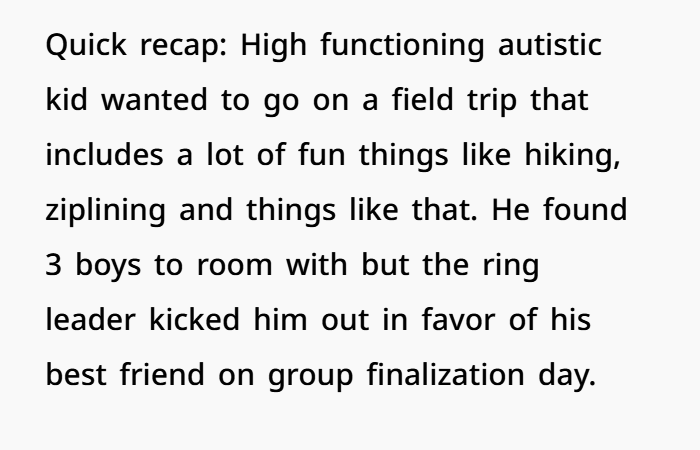
Her son is autistic and attends a gifted education program. After having a hard time making friends in the past, he found three classmates he connected with.
That meant a lot to him and his family.
He finally had friends to spend time with, and children were coming to his birthday parties. So when an exciting fifth-grade school trip was announced, he really wanted to go.
Unfortunately, planning the trip became much more stressful than expected.
His Close Friends Could Not Go
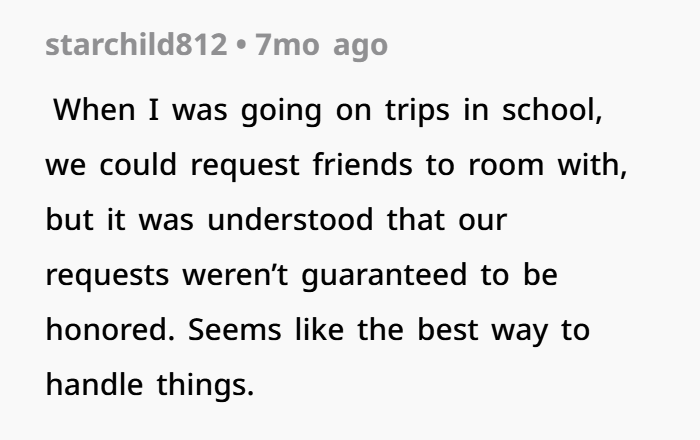
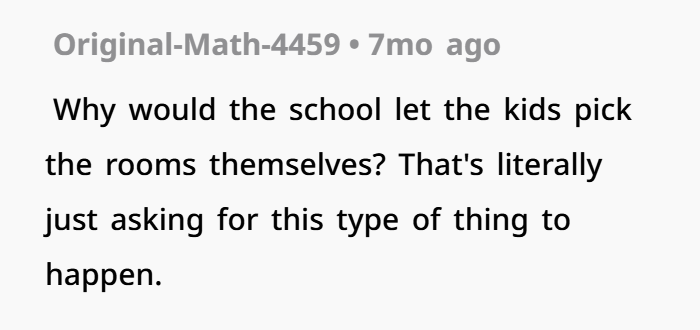
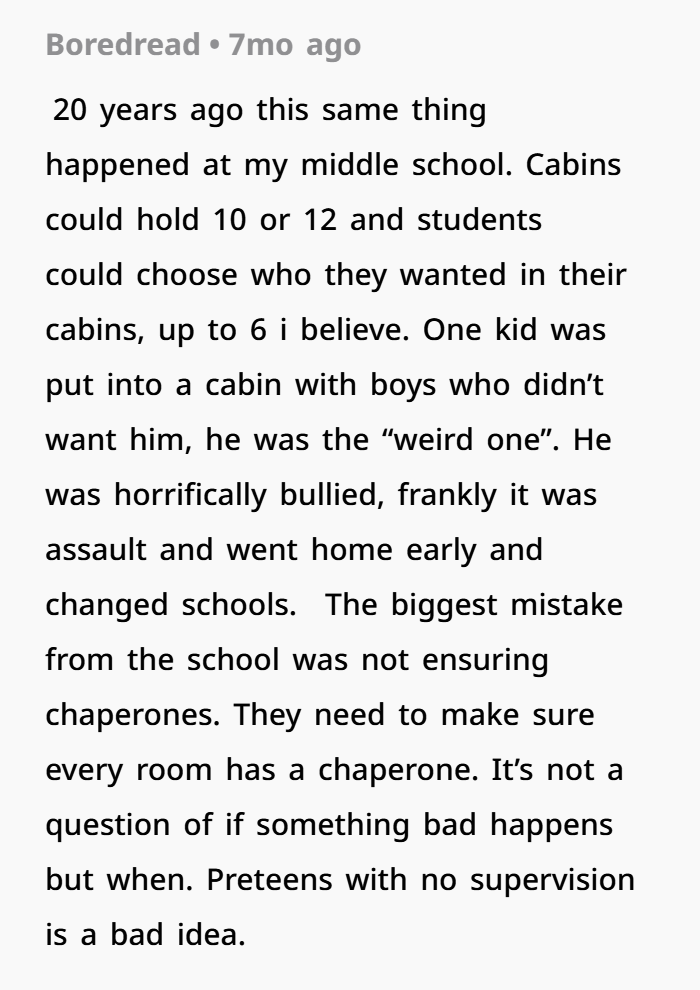
For the trip, students had to form groups of four boys to share a cabin.
The boy hoped to stay with his close friends, but they were unable to attend for different personal and family reasons.
He still wanted to take part.
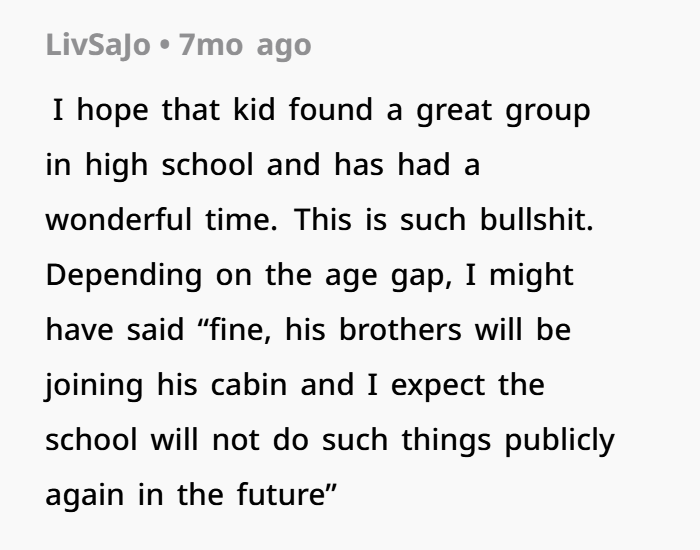
Eventually, he joined another group of boys who had a connection to his older brother.
For his mom, it seemed like the problem had been solved.
Then things suddenly changed.
His Group Changed Without Warning
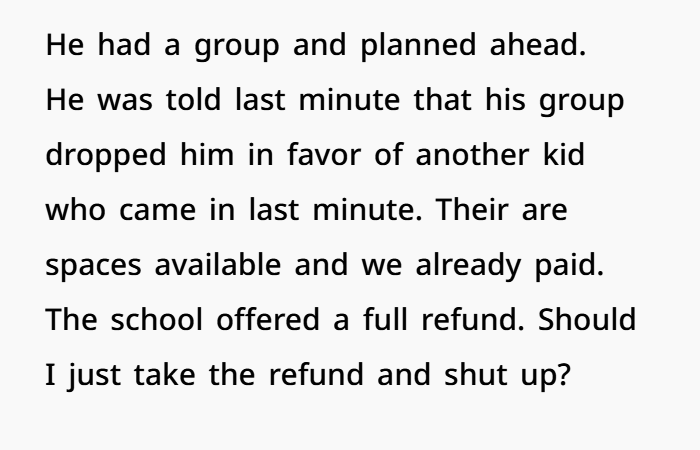
During a meeting about the trip, another student became available to join the cabin group.
The other boys decided they wanted that student instead.
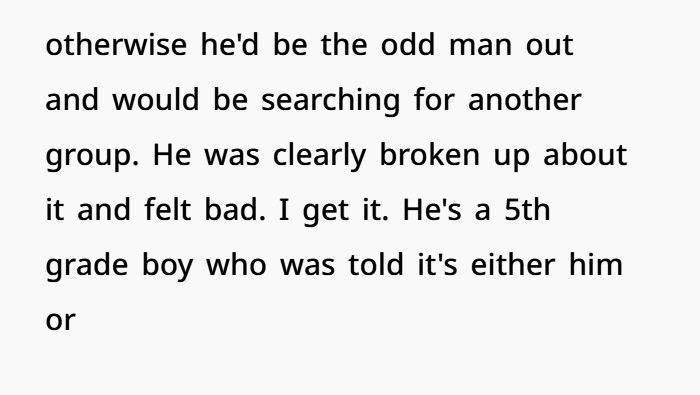
That left the OP’s son without a group.
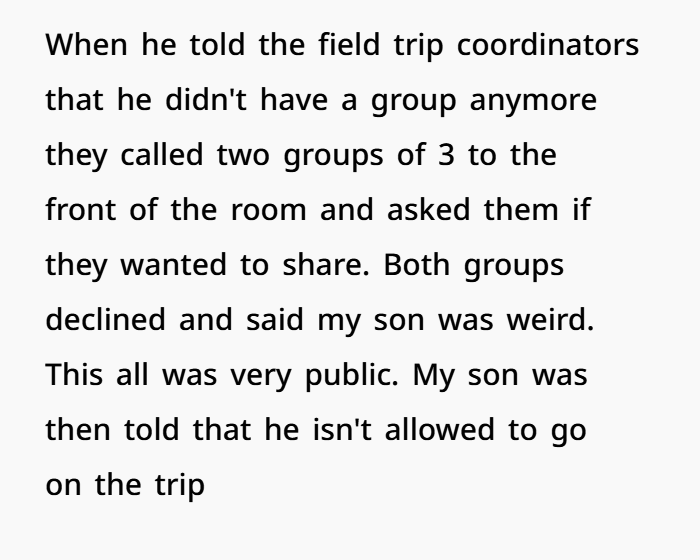
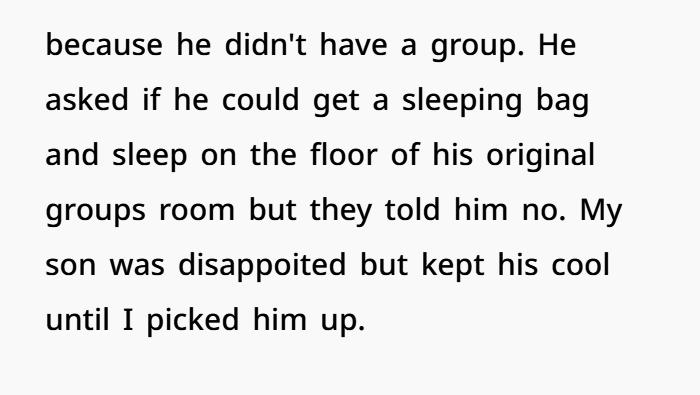
He tried to find another cabin and told the trip coordinators what had happened. However, some students did not want him in their groups.
According to the OP, a few children even called him “weird.”
For a fifth grader who had worked hard to find a place socially, hearing those words was painful.
Even though there appeared to be space available, the cabin rules created another problem. Eventually, the boy was told he could no longer attend the trip.
His mom was not willing to leave the situation there.
His Mom Met With the School
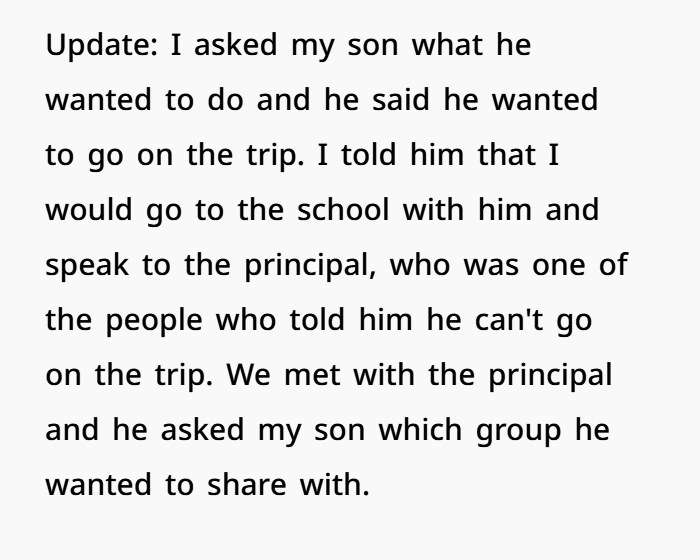
After learning what happened, the OP arranged a meeting with the school principal.
The conversation gave everyone a chance to explain what had happened.
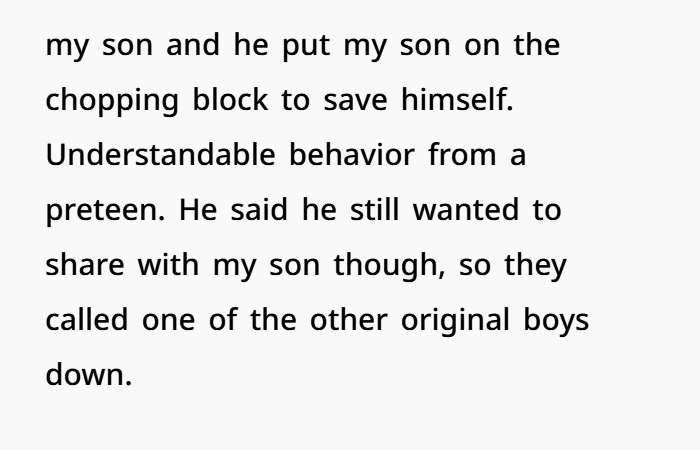
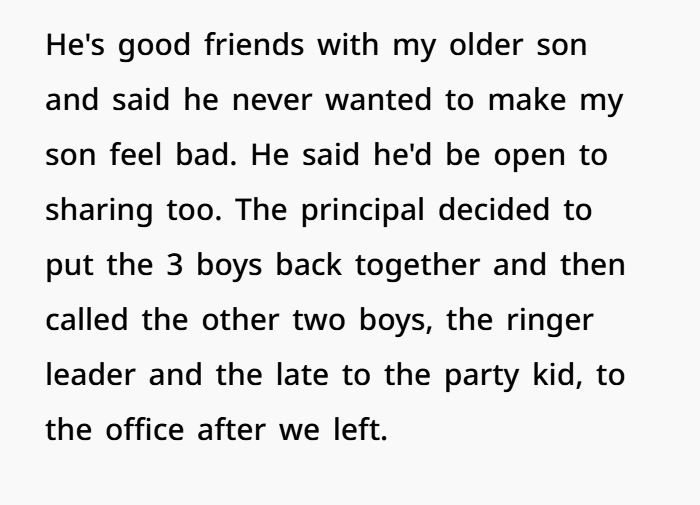
According to the mother, one student admitted that the situation had not been handled fairly. Another student showed kindness toward her son.
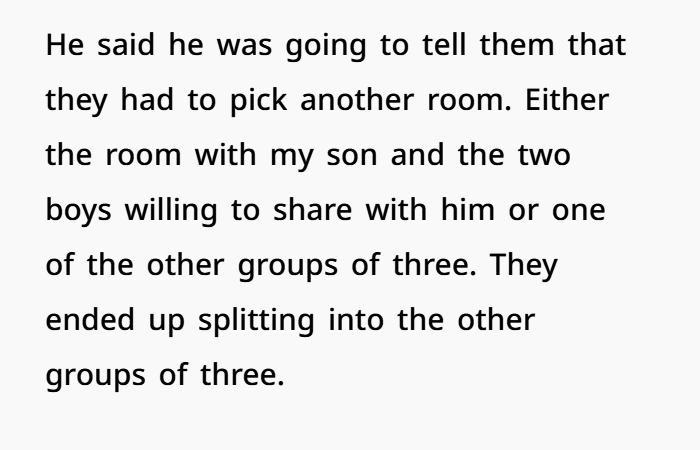
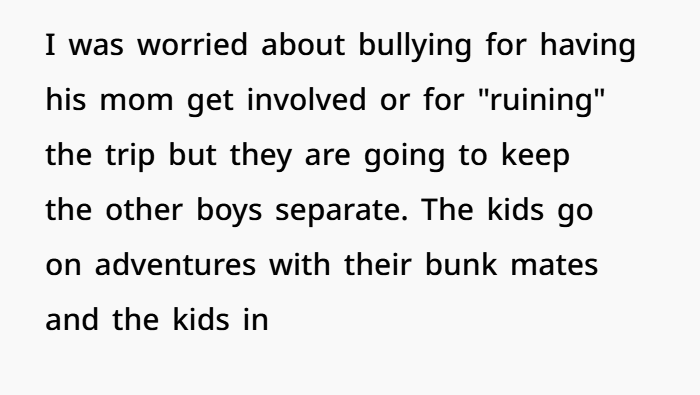
Once the school had a clearer picture, the original cabin group was changed again.
The OP’s son got his place back, while the student who had led the effort to exclude him had to join another group.
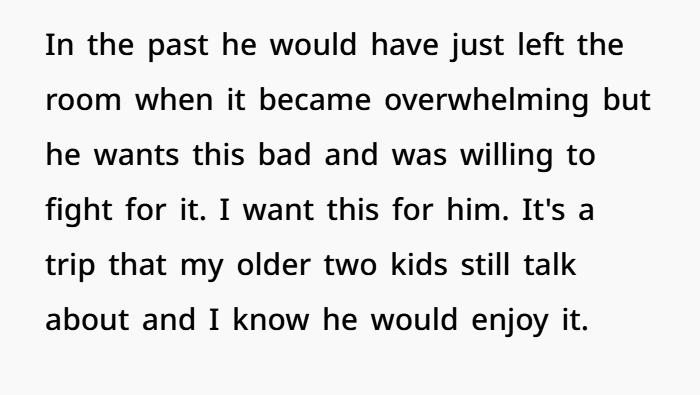
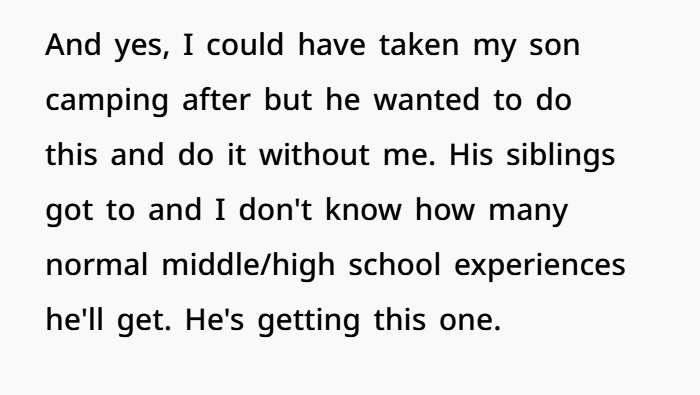
Most importantly, the boy was able to attend the trip he had been looking forward to.
His Mom Still Wants the School to Make Changes
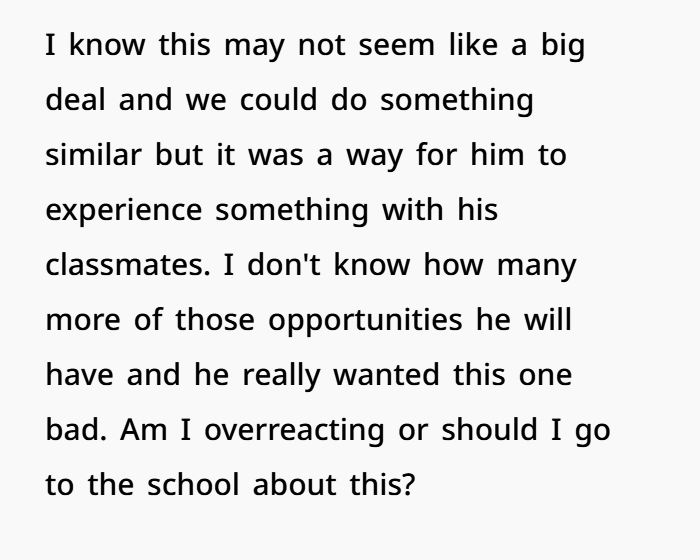
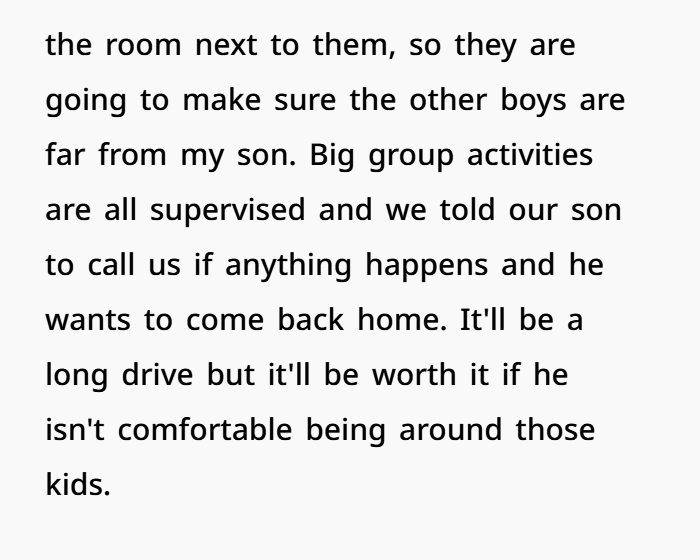
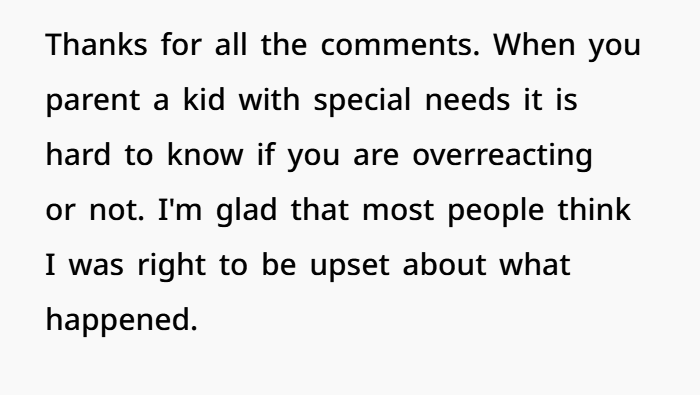
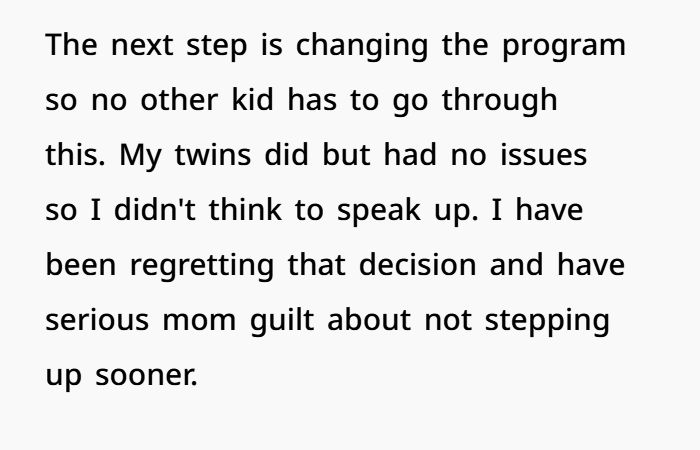
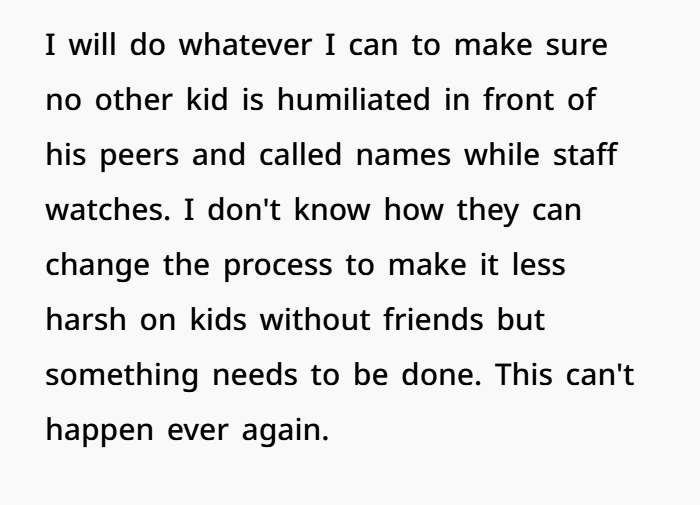
Getting her son back on the trip was important, but the OP believes the school should also look at how the situation happened in the first place.
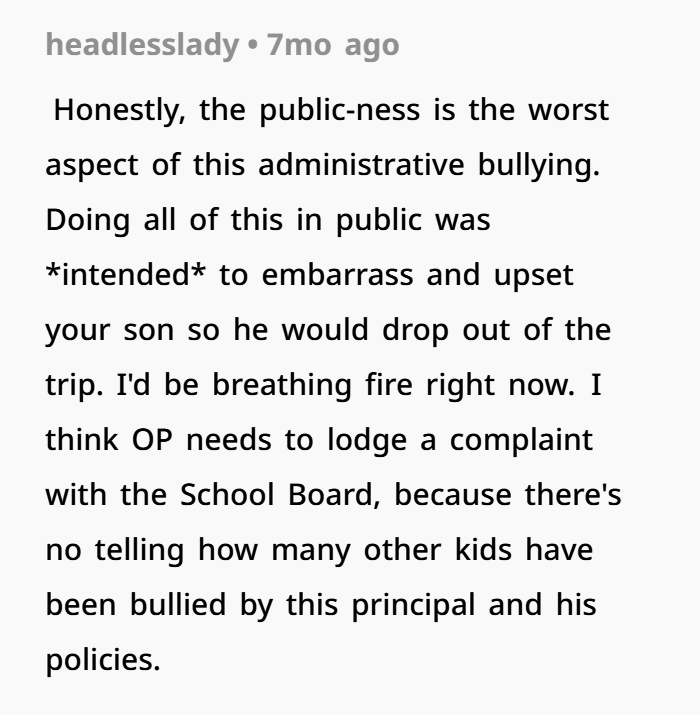
She does not want another student to experience the same public embarrassment.
School trips should create positive memories and give children opportunities to build independence and friendships.
Clearer planning and stronger student support services could help schools handle group assignments without putting children in uncomfortable situations.
For parents, this is also where communication with teachers, counselors, and administrators can be valuable.
Autism Looks Different for Every Child
Autism is a developmental difference that can affect communication, social interaction, routines, and the way a person experiences the world.
But autism is a spectrum.
That means one autistic child may have very different strengths and support needs from another.
Some children enjoy routines. Some may find unexpected changes difficult. Others may experience sounds, crowds, or busy environments more strongly.
None of this means an autistic child lacks feelings, intelligence, or the desire for friendship.
In fact, autistic children can have strong interests, deep emotions, and meaningful relationships.
Understanding these differences is an important part of child development and inclusive education.
Gifted Students Can Need Support Too
A child can be academically gifted and still need help in other areas.
Strong academic skills do not automatically make social situations easy.
Some gifted autistic students may benefit from special education services, school counseling, social support, or individualized learning strategies.
The right support depends on the child.
This is why communication between families and schools can be so important. Parents often understand what situations are difficult for their child, while teachers and counselors can help create practical support inside the school environment.
Teacher Training Can Make Schools More Inclusive
Schools can also benefit from better education about autism and different learning needs.
When teachers understand why a student communicates or responds differently, they may be better prepared to provide useful support instead of assuming the child is simply being difficult.
Training can also help staff notice social problems before they become larger issues.
This can be especially useful during school trips, sports, group projects, and other activities where students are expected to choose partners or teams.
Small changes can sometimes make inclusive education much easier.
Schools Can Plan Group Activities More Carefully
One lesson from this story is that group selection can become painful when children are publicly chosen or rejected.
Schools can consider ways to make the process more private.
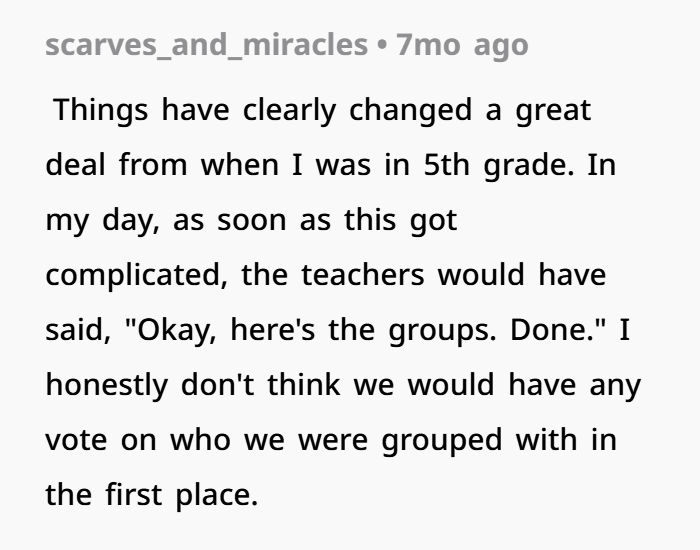
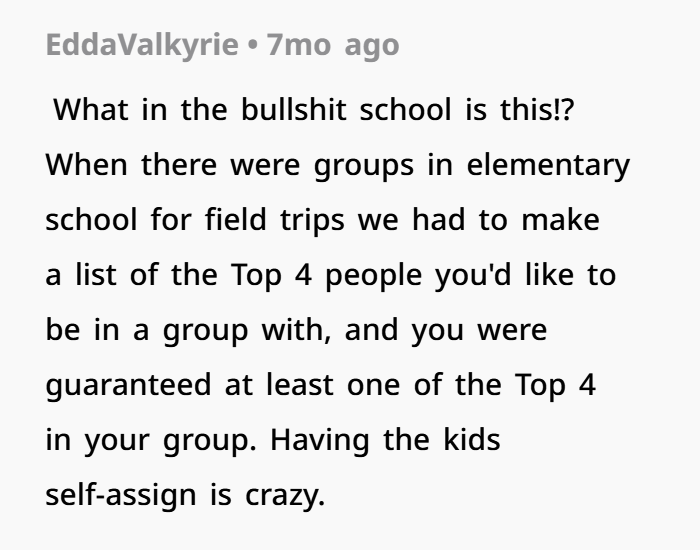
Teachers might assign groups themselves, ask students for preferences privately, or create a system that makes sure every child has a place before groups are announced.
This does not mean forcing children to become close friends.
It simply means creating a respectful environment where no student has to stand in front of classmates and repeatedly ask to be included.
Good planning can support both student well-being and a positive school environment.
Speaking Up Led to a Better Outcome
In the end, the OP’s son got his place back on the trip.
For his mother, however, the bigger goal is making sure the school learns from what happened.
Parents sometimes worry about stepping in too much. But there are situations where speaking with teachers or administrators is an important part of advocating for a child’s education, safety, and emotional well-being.
The goal does not have to be removing every difficult experience from a child’s life.
It can simply be making sure school policies are fair and that children have access to the educational support and resources they need.
For this family, speaking up helped solve the immediate problem. Now the mother hopes it can also lead to a more thoughtful system for future students.
Do you think the school should change how students are placed into groups for trips?
The Comments Are In