Bored Hotel Receptionist Spots A Scammer’s Scheme Instantly And Decides To Turn The Tables

A quiet night shift can make even a small distraction seem interesting.
One hotel receptionist was working through a particularly slow night when a strange email arrived. It immediately raised several red flags and appeared to be an online scam.
Usually, deleting a suspicious message would have been the end of the story. This time, curiosity got the better of him.
He decided to investigate what was behind the email, and the situation quickly became more interesting than he expected. What began as a simple distraction eventually led him to uncover surprising information connected to the sender.
The experience highlights some important issues surrounding cybersecurity, online safety, identity protection, consumer protection, and fraud awareness. In a world where suspicious emails and messages are common, protecting personal and financial information has become increasingly important.
For this hotel employee, though, it all started with a boring night shift and one email that seemed too unusual to ignore.

Hotel Worker Discovers a Possible Fraud Scheme and Reports It
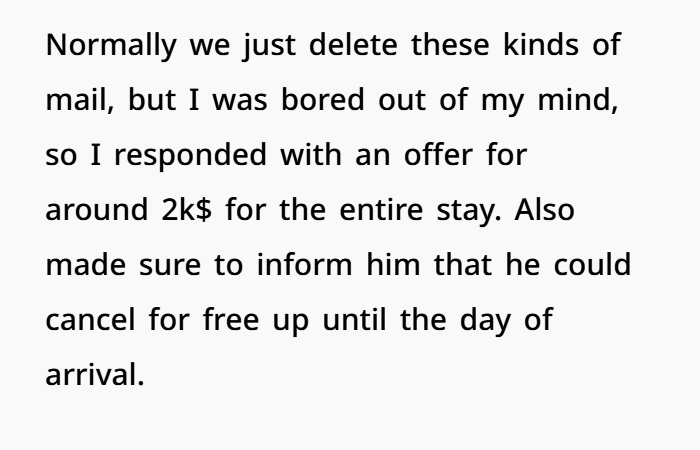
A hotel receptionist in Norway was working a very quiet night shift when he received a suspicious booking request.
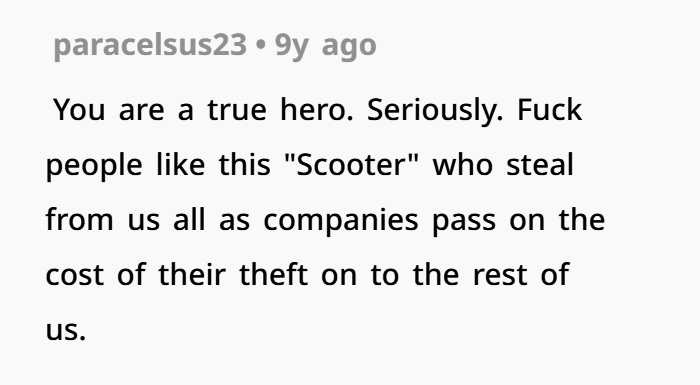
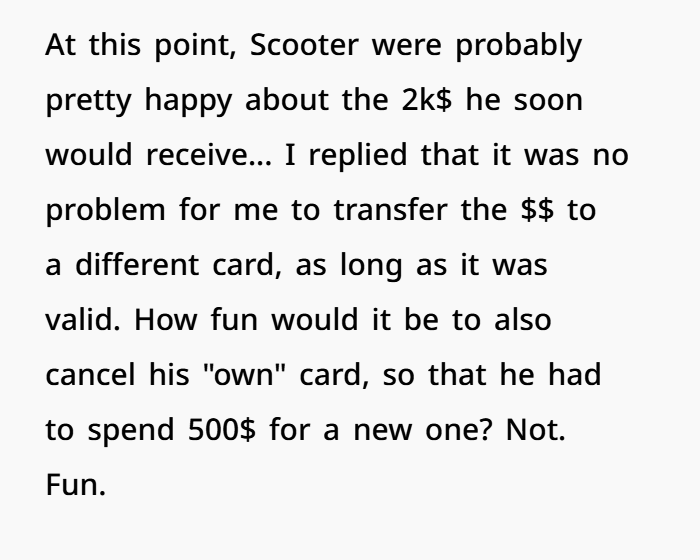
A man using the name “Scooter” wanted to book a long hotel stay and pay in advance with a credit card.
The receptionist quickly became suspicious. Instead of ignoring the messages, he continued the conversation long enough to understand what was happening.
Soon, the situation appeared to involve possible credit card fraud.
The Booking Request Raised Red Flags
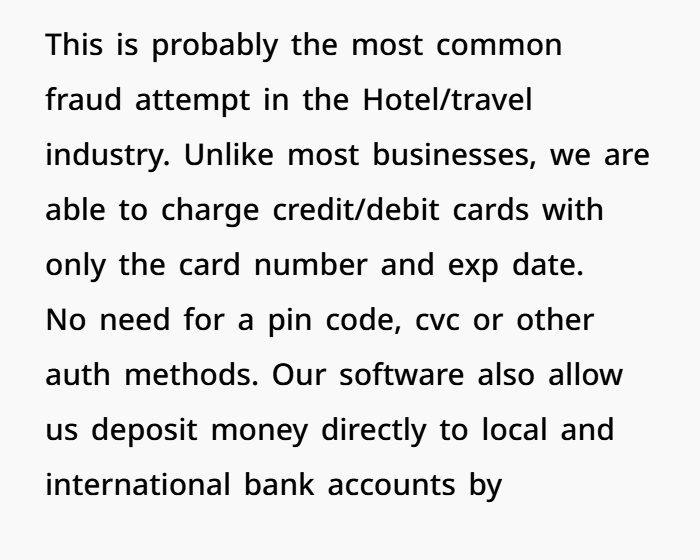
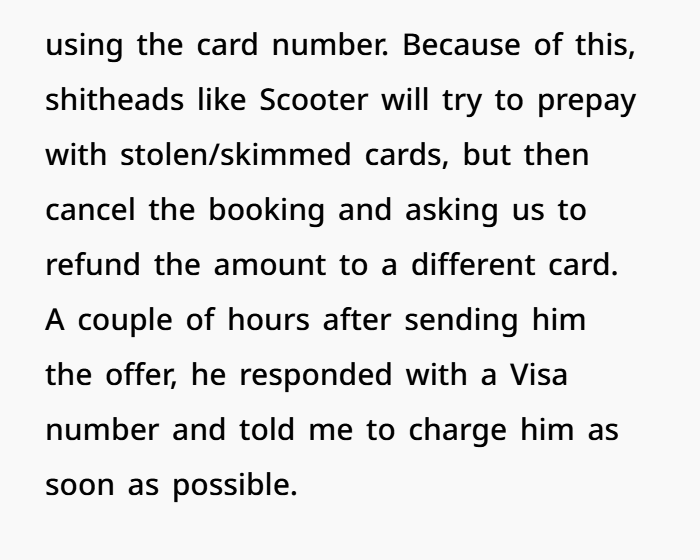
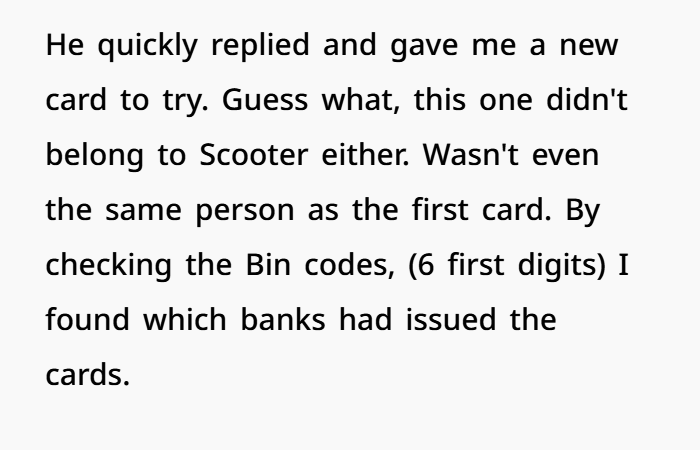
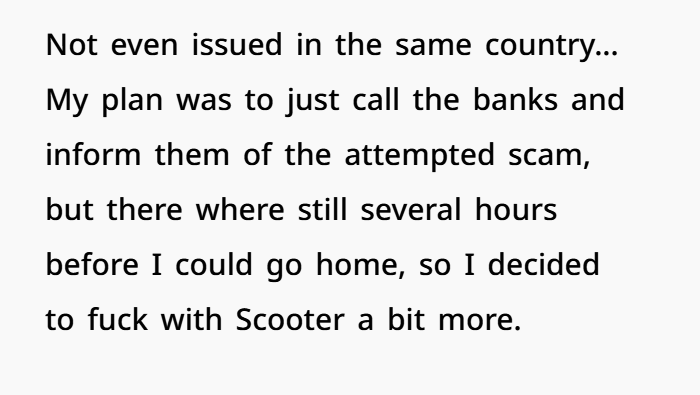
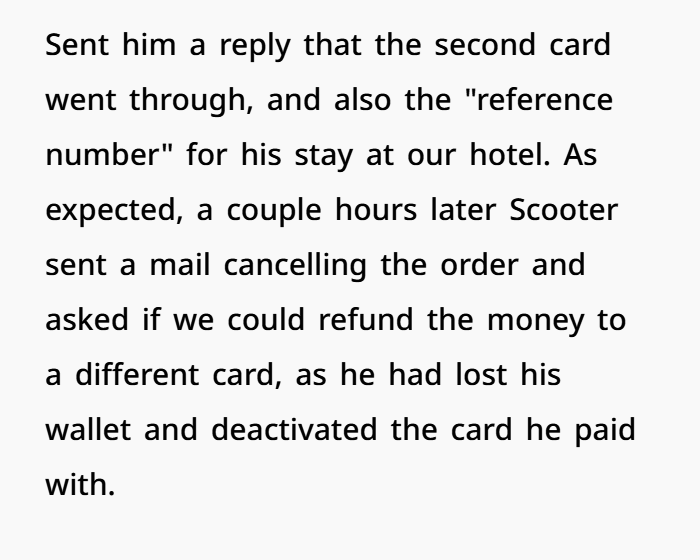
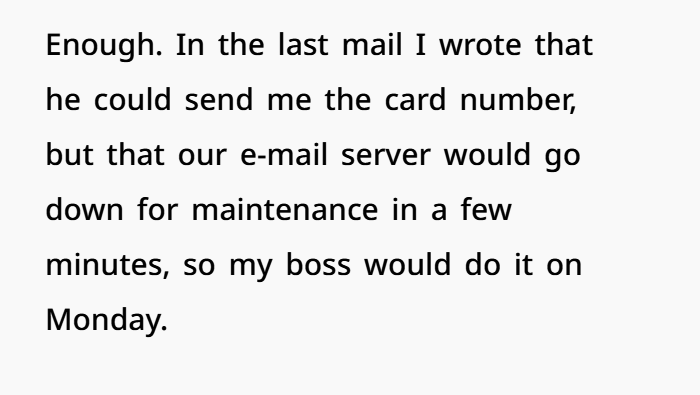
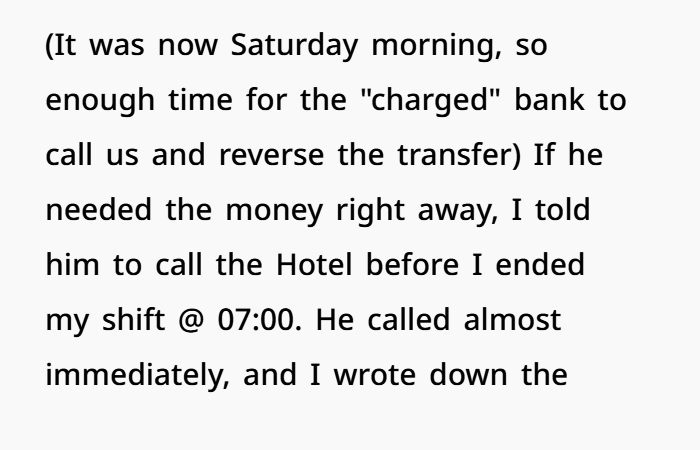
The man provided payment information for the hotel booking. He later asked for the transaction to be reversed using different payment details.
That request immediately raised concerns.
Hotels and other businesses have strict payment procedures for a reason. Unusual requests involving different payment methods can be a warning sign of financial fraud or identity theft.
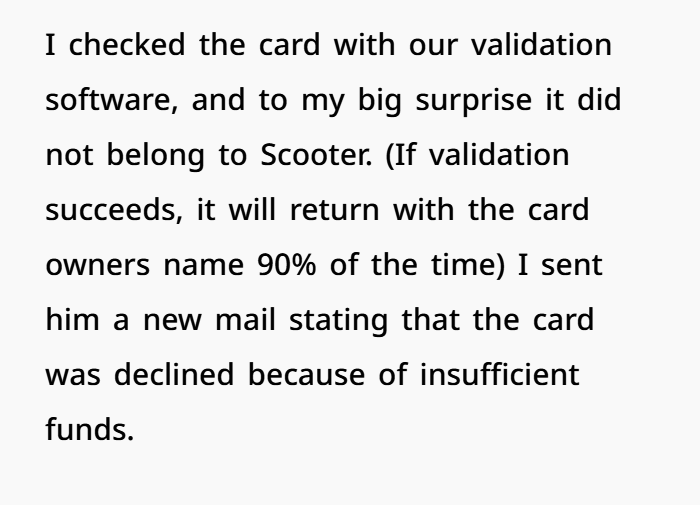
The receptionist did not send any money.
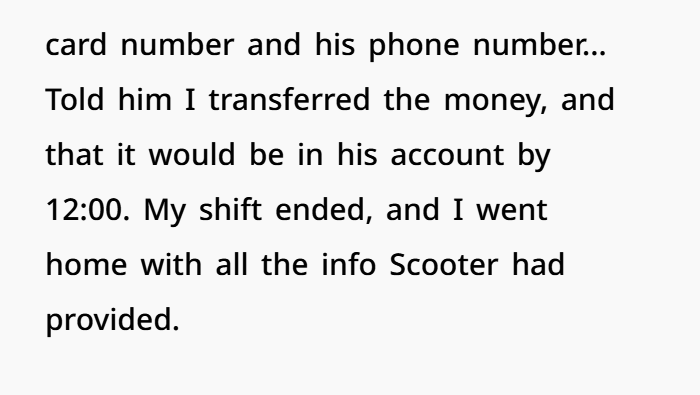
Instead, he started looking more closely at the information connected to the person who had contacted the hotel.
That decision led to an unexpected discovery.
His Public Profile Revealed Something Important
The receptionist found a publicly available social media profile that appeared to belong to the person behind the suspicious request.
The profile included information about his employment.
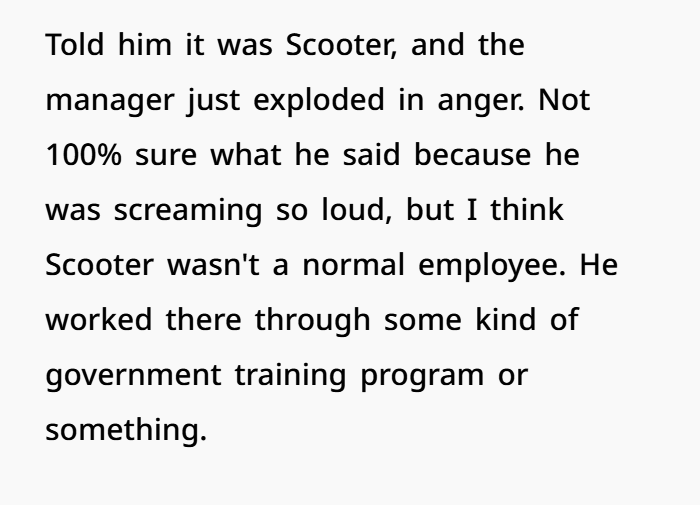
According to the story, the man worked at another hotel.
That detail made the situation much more serious.
If someone working at a hotel had access to guest information, there could be concerns about customer data privacy, payment security, and identity theft protection.
The receptionist decided the situation needed to be reported instead of handled as a joke.
The Other Hotel Was Contacted
The receptionist contacted management at the other hotel and explained what had happened.
According to the narrator, the manager recognized that the situation could involve information belonging to recent guests.
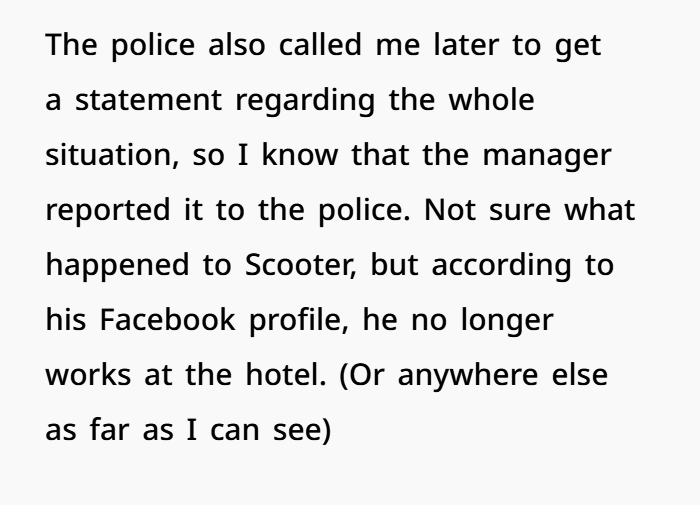
The matter was then reported to the police.
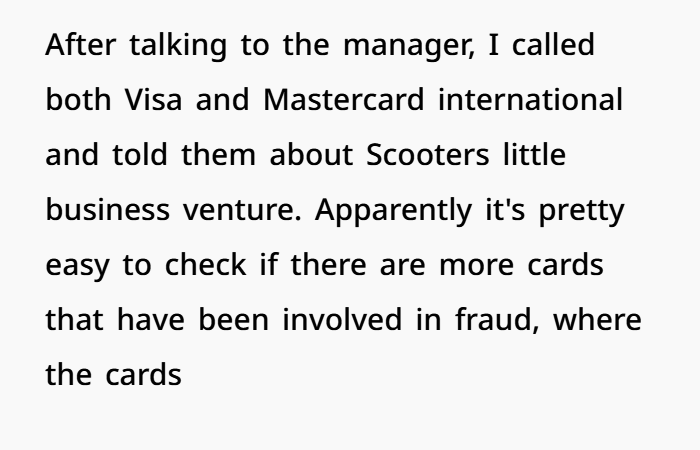
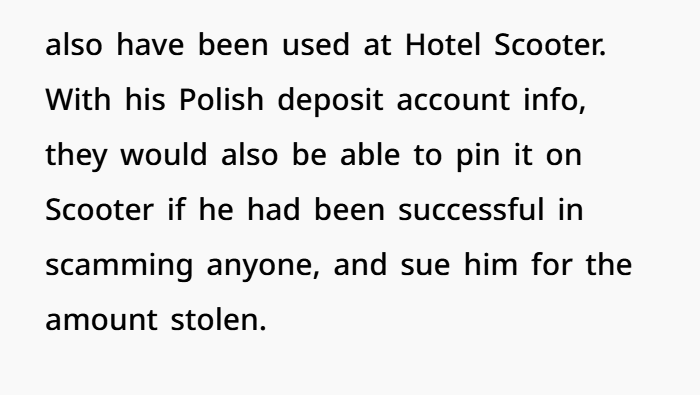
The receptionist also contacted the relevant payment companies and provided information that could help them investigate the suspicious transactions.
Later, police contacted him for an official statement.
He never learned every detail about the final outcome. However, he later noticed that the man’s public profile no longer showed him working at the hotel.
Hotel Payment Fraud Is a Serious Issue
The story may sound unusual, but credit card security is a major concern for hotels and travelers.
Hotels handle large amounts of sensitive customer information, including names, contact details, reservation records, and payment information.
That makes strong cybersecurity and data protection especially important in the hospitality industry.
Businesses need secure payment systems, employee training, access controls, and clear procedures for handling refunds and unusual transactions.
Customers also benefit when companies invest in modern fraud detection and payment security technology.
Travelers Should Protect Their Payment Information
This story is also a useful reminder for anyone booking a hotel online.
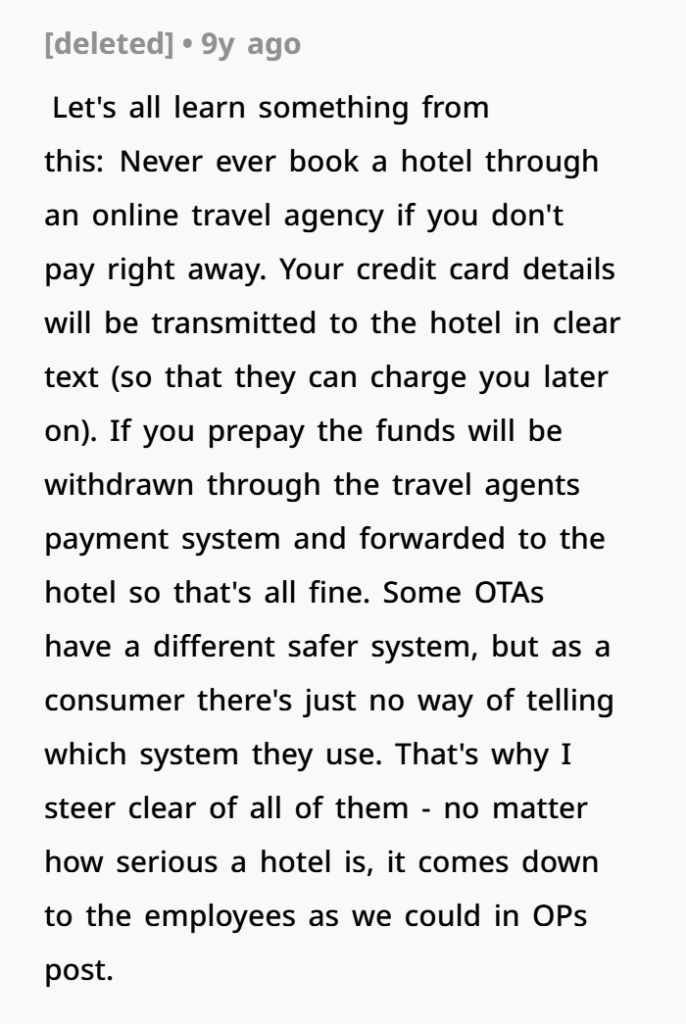
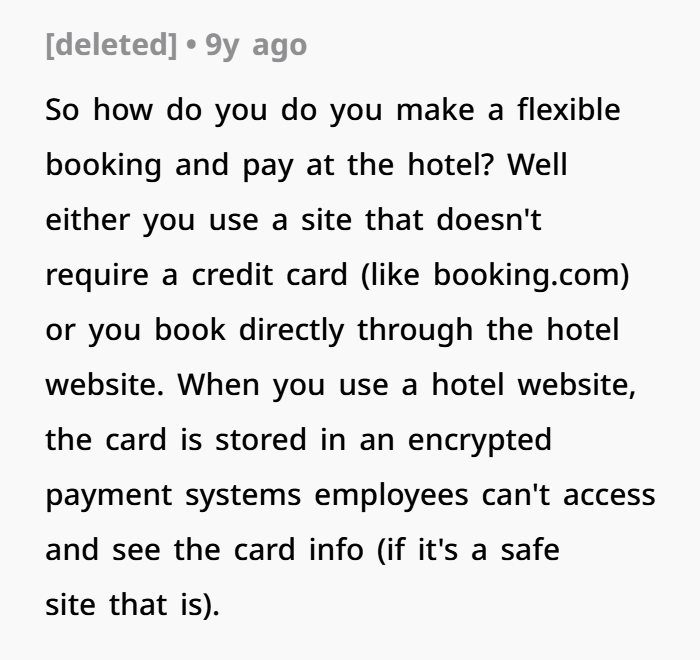
Card information should only be entered through trusted and secure payment systems. Travelers should be careful about sending full payment details through regular email, text messages, or other unsecured channels.
It is also worth checking hotel websites carefully before making a reservation.
Fake websites and suspicious messages can sometimes look convincing. Using official booking channels and trusted payment services can provide an extra layer of online fraud protection.
Travelers may also want to turn on transaction alerts through their bank or credit card provider.
These alerts can make it easier to notice an unfamiliar charge quickly.
Checking Your Accounts Can Help Catch Problems Early
Regular account monitoring is another simple part of personal financial security.
Reviewing credit card and bank statements can help people identify charges they do not recognize.
If something looks wrong, contacting the bank or card provider quickly can help limit further problems and allow the financial institution to investigate.
Strong passwords and multi-factor authentication can also improve online banking security.
People who travel frequently may want to be especially careful when using public Wi-Fi. Sensitive financial accounts are better accessed through secure networks whenever possible.
Businesses Have a Responsibility to Protect Customer Data
Hotels also have an important role to play.
Employees should only have access to the customer information they need to perform their jobs. Companies can reduce risk by using secure payment processing, cybersecurity software, employee training, and data privacy policies.
Suspicious activity should be reported through the proper channels rather than investigated casually by employees.
That protects customers as well as the business.
A possible data security problem can damage customer trust and create serious financial and legal concerns for a company.
Reporting Suspicious Activity Was the Important Part
What started as an unusual message during a quiet hotel shift became a much more serious situation.
Once the receptionist suspected that customer payment information could be involved, reporting the issue to hotel management, payment providers, and the proper authorities was the responsible step.
The story is a useful reminder that credit card fraud, identity theft, cybersecurity, and data privacy can affect both travelers and businesses.
Simple habits can help reduce the risk: use secure payment methods, protect personal information, monitor financial accounts, and report suspicious transactions quickly.
For businesses, strong fraud prevention and customer data security are just as important. Protecting payment information is not only about avoiding financial losses. It is also an important part of maintaining customer trust.
Have you ever noticed a suspicious charge or unusual booking message? What steps did you take to protect your account?
Top Comments From Readers