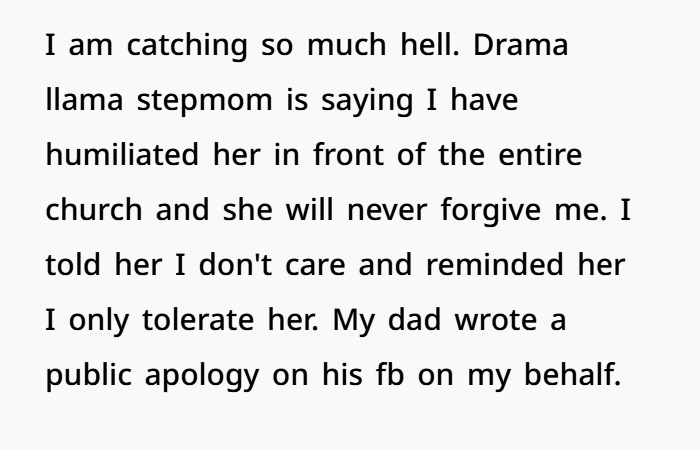
Stepmom’s Church Easter Event Causes Family Conflict, Leaving Man Done With Hosting


Having different beliefs is a normal part of life. People come from many backgrounds, and learning how to respect other viewpoints helps create stronger communities and better relationships.
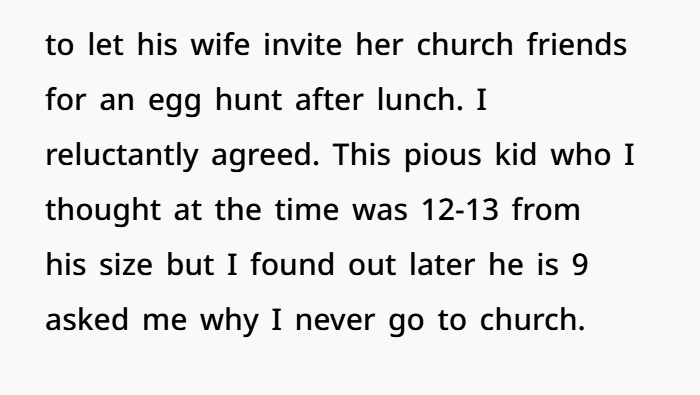
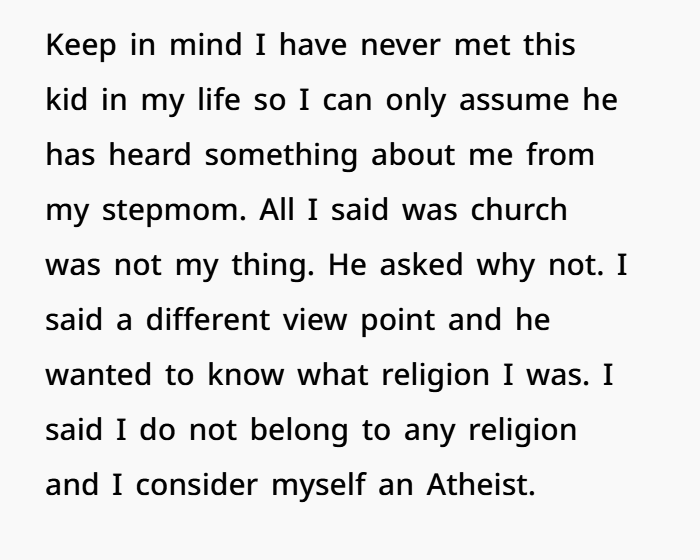
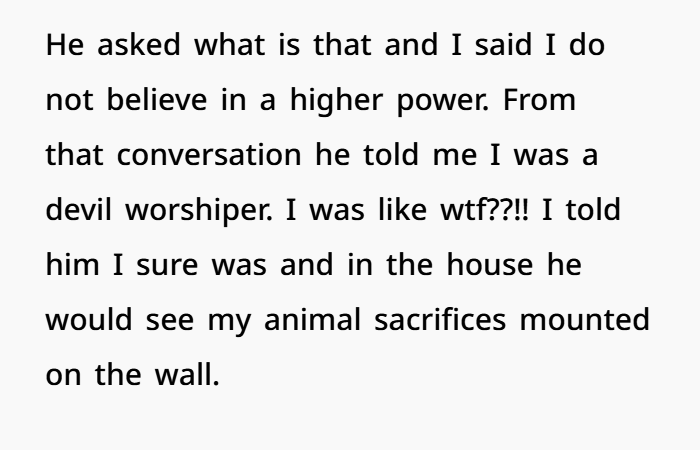
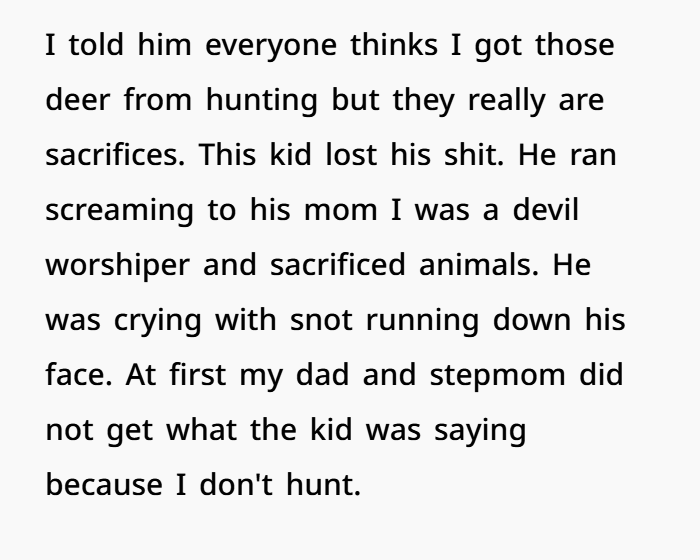
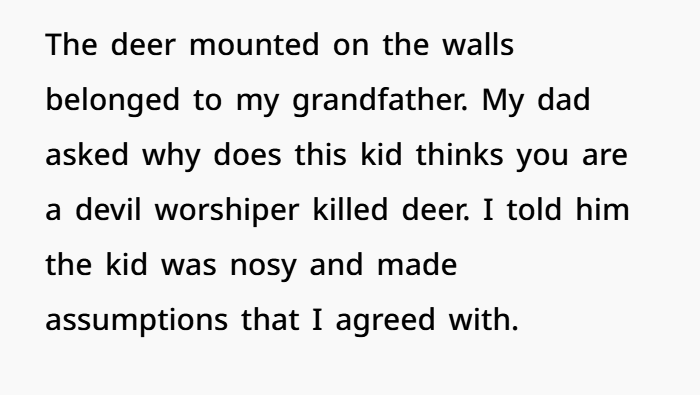
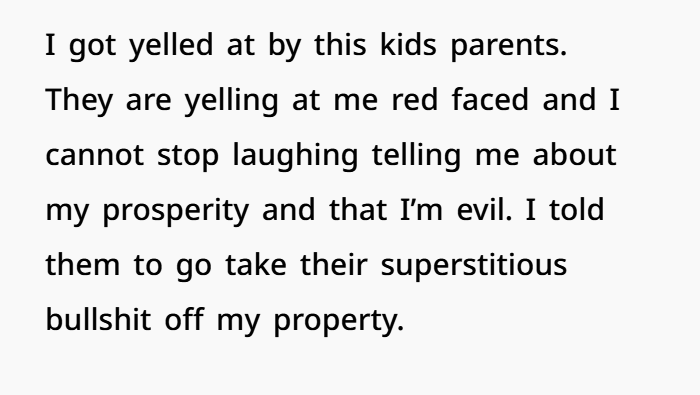
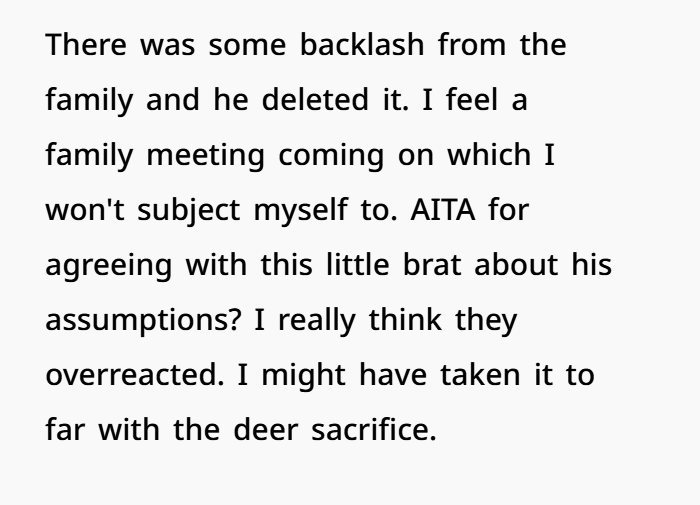
One atheist man shared a story about an Easter gathering where a young child made a comment about his beliefs. The child believed that not following a religion meant something negative, which led to an uncomfortable conversation.
The man decided to respond with humor instead of starting an argument. However, his answer surprised the child and made the situation more serious than he expected.
After sharing the experience online, many people discussed the importance of teaching children about kindness, acceptance, and different perspectives. Understanding others does not mean everyone has to agree, but it does mean treating people with respect.


Why Teaching Children Kindness and Open-Minded Thinking Is Important
Children are still learning how to communicate with others and understand social behavior. They do not always know when a comment may hurt someone’s feelings or come across as disrespectful.
Young kids often speak honestly because they are still developing their emotional intelligence and social skills. However, children are not completely unaware of the world around them. Their opinions, attitudes, and behavior are strongly influenced by the people they spend time with.
Parents, teachers, friends, and the media can all shape how children understand other people and different points of view.
Children Learn From the People Around Them
Kids often repeat ideas they hear from adults.
If a child grows up hearing negative messages about certain groups, cultures, or beliefs, they may repeat those opinions without fully understanding them.
For example, a child making a hurtful comment about someone’s religion or personal beliefs may have learned that idea from their environment.
This is why positive parenting and open conversations are so important. Children need guidance that teaches respect, kindness, and understanding toward others.
Everyone Makes Quick Judgments
Making quick judgments is a normal part of being human.
Every day, people make decisions based on their experiences and the information they have. This ability helps us understand situations and choose how to respond.
However, there is a big difference between making a thoughtful observation and unfairly judging someone.
Having an opinion does not give anyone the right to insult others, spread hate, or treat people unfairly.
Taking time to learn about someone before making assumptions can lead to better relationships and more respectful conversations.
Why Empathy Matters
People are naturally social. Humans need connection, friendship, and community.
When we judge others too quickly, we may miss opportunities to meet interesting people, build friendships, or learn from different experiences.
Empathy helps us understand that everyone has their own story, challenges, and background.
Being open-minded does not mean agreeing with every person or every idea. It means listening, showing respect, and trying to understand different perspectives.
The Difference Between Judgment and Open-Mindedness
Judgment can be useful when it helps people make smart decisions.
For example, judging whether something is safe or making a careful choice about a situation can be helpful.
The problem begins when people make negative assumptions without knowing the full story.
Overly judgmental behavior can lead to:
- Unfair opinions
- Lack of understanding
- Poor communication
- Conflict between people
- Difficulty building relationships
Open-minded people try to look at situations from different angles.
They understand that people can have different beliefs, experiences, and lifestyles while still deserving respect.
How Parents Can Raise Kind and Respectful Children
Parents play an important role in teaching children how to treat others.
Small daily lessons can help children develop empathy and emotional awareness.
Parents can encourage kids to:
- Ask questions before making assumptions
- Listen to other people’s opinions
- Respect different backgrounds and beliefs
- Think about how their words affect others
- Show kindness even when someone is different
Children often learn by watching adults. When parents model patience, fairness, and respect, children are more likely to develop those same qualities.
Respecting Differences in Today’s World
People have different cultures, traditions, beliefs, and life experiences.
A healthy society allows people to have differences while still treating each other with dignity.
Learning about others does not make someone weaker or less confident. It helps people become more understanding and better at building relationships.
Teaching children acceptance and kindness can help create a future where people communicate better and solve disagreements peacefully.
Protecting Personal Boundaries With Respect
Being kind does not mean accepting hurtful behavior.
Everyone has the right to set healthy boundaries with family members, friends, and strangers.
If someone says something offensive or disrespectful, it is okay to calmly explain why the behavior is not acceptable.
Good communication allows people to protect themselves while still treating others respectfully.
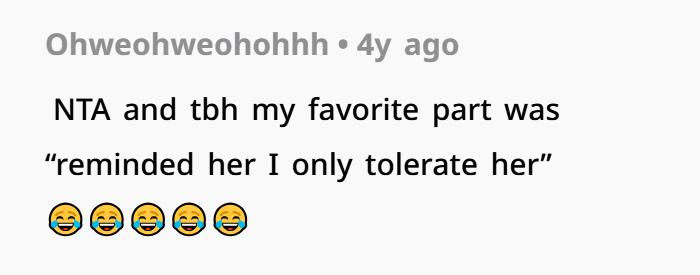
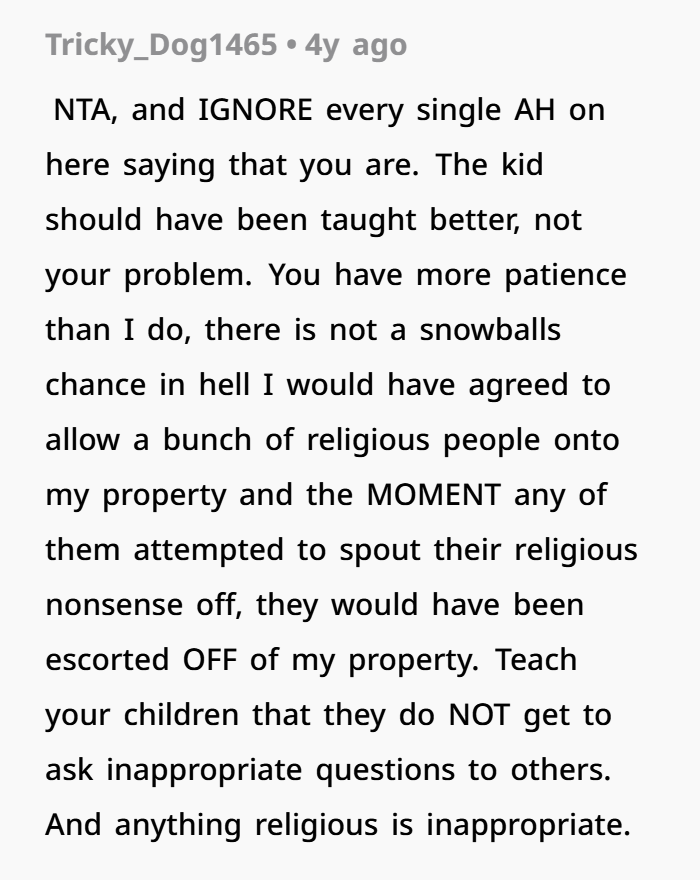
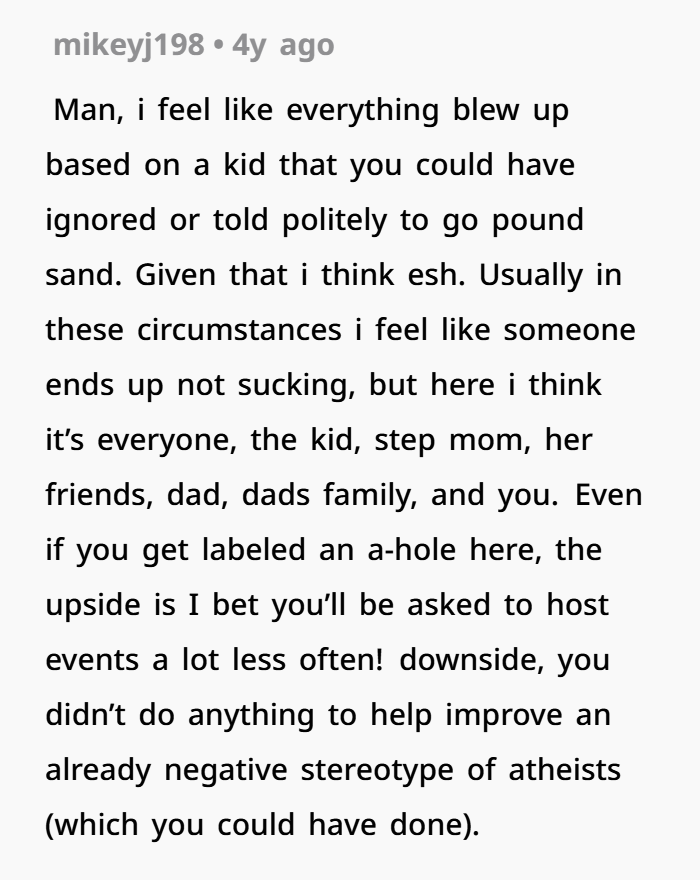
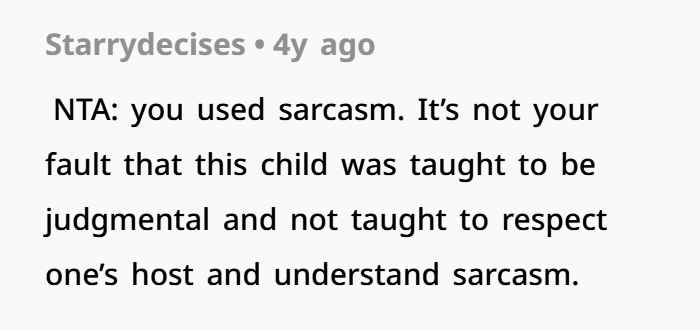
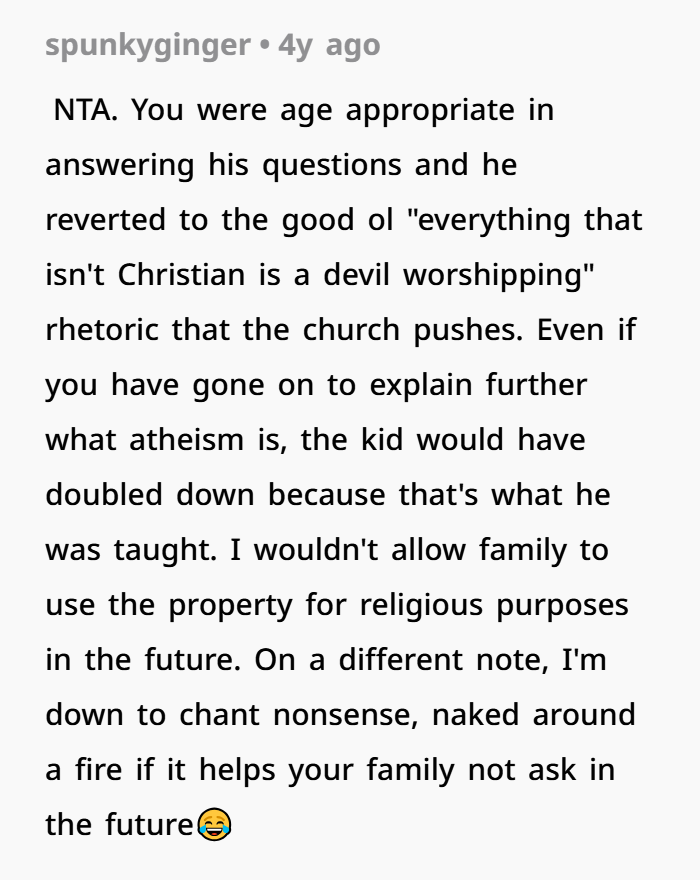
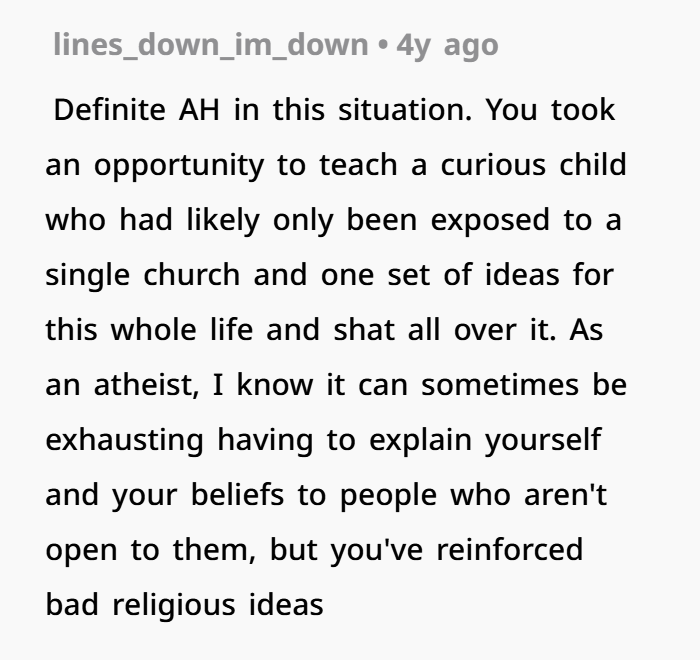
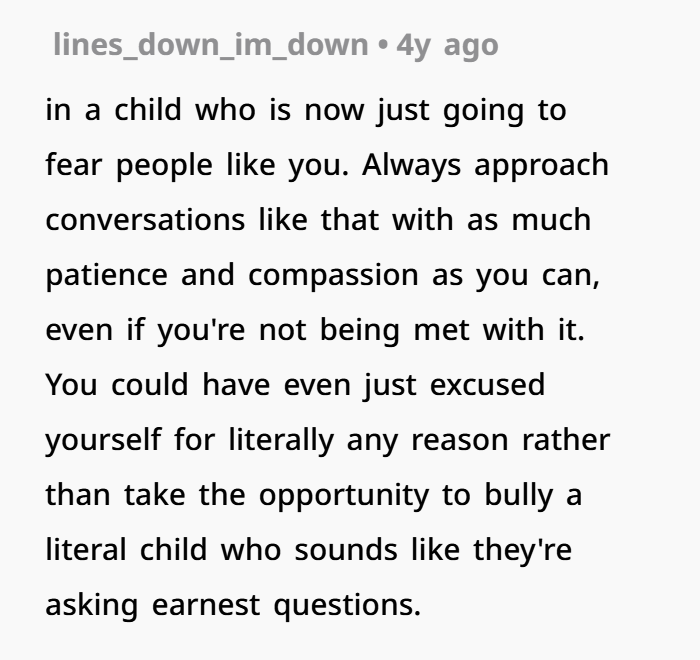
See The Comments Below

Final Thoughts
Everyone makes judgments sometimes. It is part of being human.
The goal is not to remove judgment completely but to learn how to use it wisely.
By practicing empathy, listening more carefully, and staying open to different perspectives, people can create stronger relationships and more welcoming communities.
Teaching children kindness and respect from an early age helps build a generation that values understanding over division.