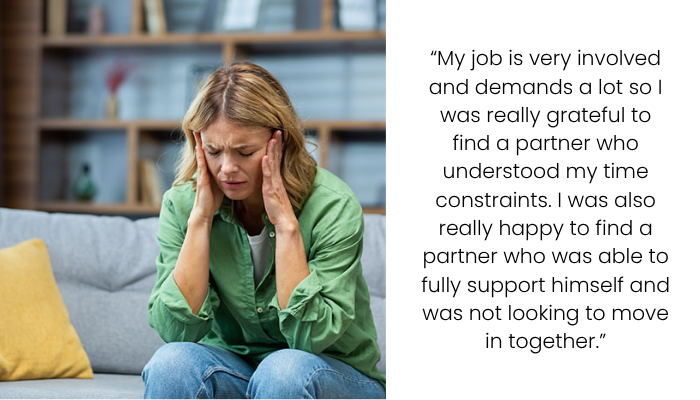
Woman Exposes Husband’s Year-Long Affair to Girlfriend’s Mom
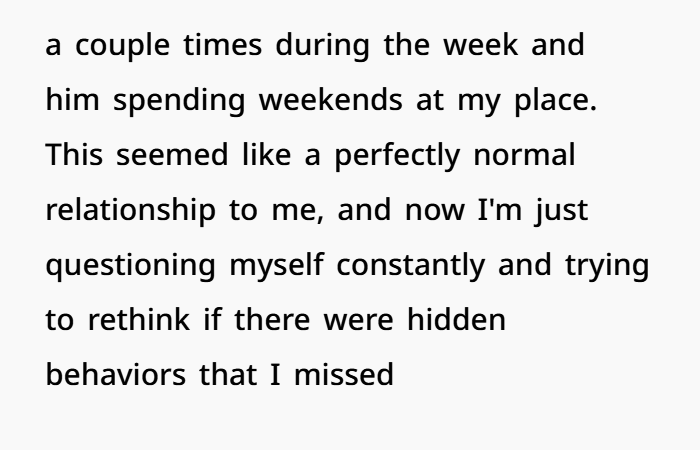
She honestly believed she had found something solid. Not the usual complicated relationship drama you hear about in dating advice or mental health forums. This felt different. No pressure, no constant demands, no impact on her career growth. At 38, she wasn’t looking for marriage or some perfect love story. She just wanted something stable. Something that fits into a busy life. Then she met David at a conference, and everything felt smooth. Effortless. Almost too good to be true. He lived far away, which gave them space. He respected her time, her boundaries. He was consistent. For more than a year, there were no red flags. If anything, it felt like the most secure relationship she had ever been in.
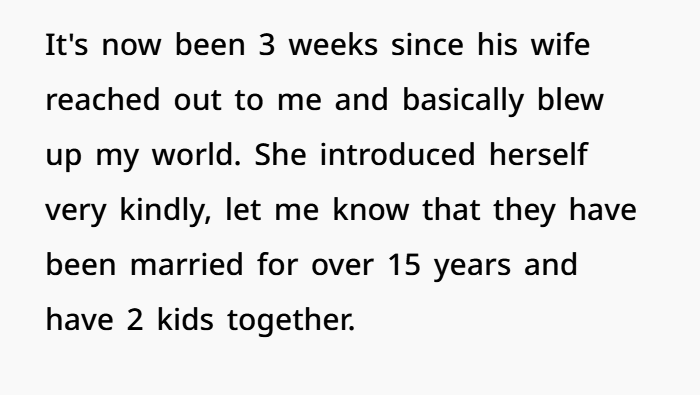
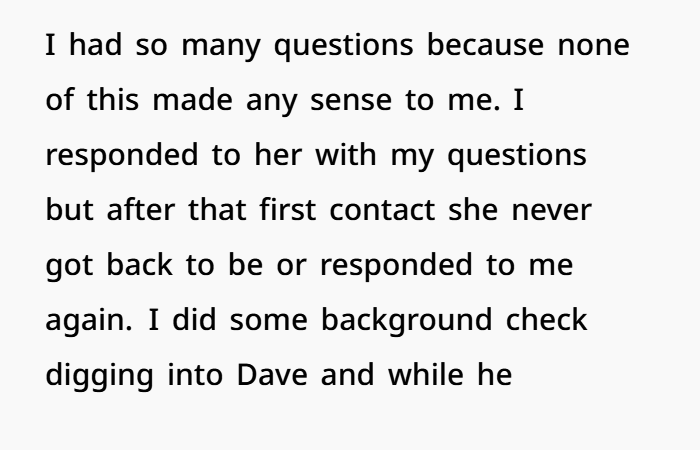
And then… one message. That’s all it took. A woman reached out. Calm, respectful, but completely life-changing. She said she was David’s wife. Not ex. Not separated. Still married. Fifteen years. Two kids. Just like that, everything flipped. The trust was gone. The reality she believed in? Gone too. He had been living a double life the whole time. Traveling, lying, maintaining two worlds. And it got worse. The wife didn’t stop after telling the truth. She started digging into her personal life. Contacted her mom, spread accusations, made things public. Now it’s not just heartbreak, it’s emotional stress, anxiety, even damage to her personal reputation. She’s left trying to heal, while also dealing with a situation that feels like a full-blown crisis… wondering how she didn’t see any of it coming.

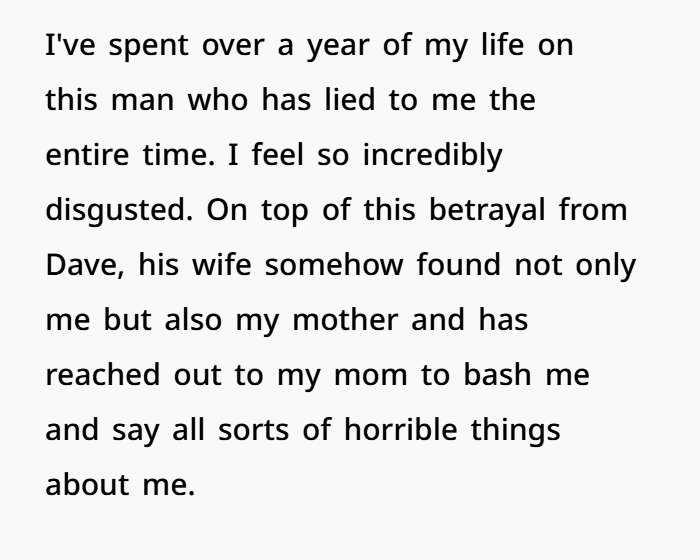
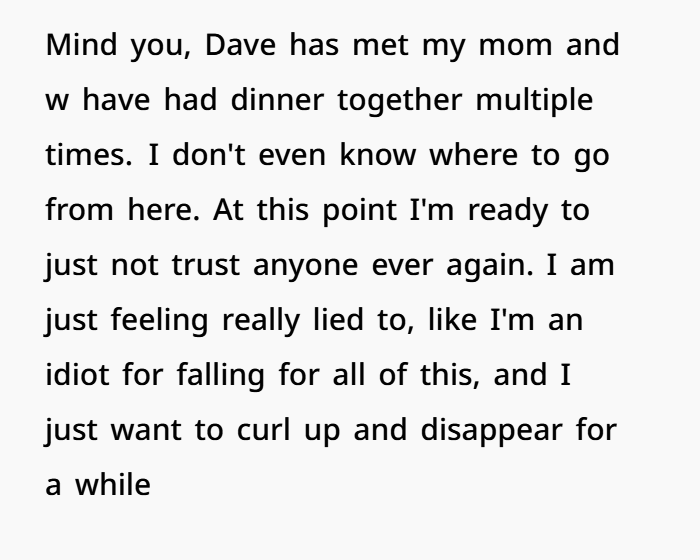
Situations like this feel super personal, almost like “this only happened to me,” but honestly… they’re more common than people think. You’ll see similar stories in relationship advice forums, even in high-traffic mental health blogs. What really hurts isn’t just cheating. It’s the long-term deception. The emotional manipulation layered over time. When someone lives a double life, especially long-distance, it creates a different kind of emotional trauma. Not just heartbreak. It messes with your identity. You start doubting yourself. Your judgment. You replay everything like… how did I miss this?
And yeah, that reaction? Totally normal.
In psychology, this is often called betrayal trauma. It’s when someone you deeply trust breaks that trust in a big way. Studies in relationship psychology and emotional trauma research show this can trigger symptoms similar to anxiety disorders. Like racing thoughts, overthinking, even trust issues in future relationships. It’s not just losing a person. It’s losing your sense of reality. Your emotional stability takes a hit too.
Now add one more thing… she didn’t even know she was the other woman. That part changes everything.
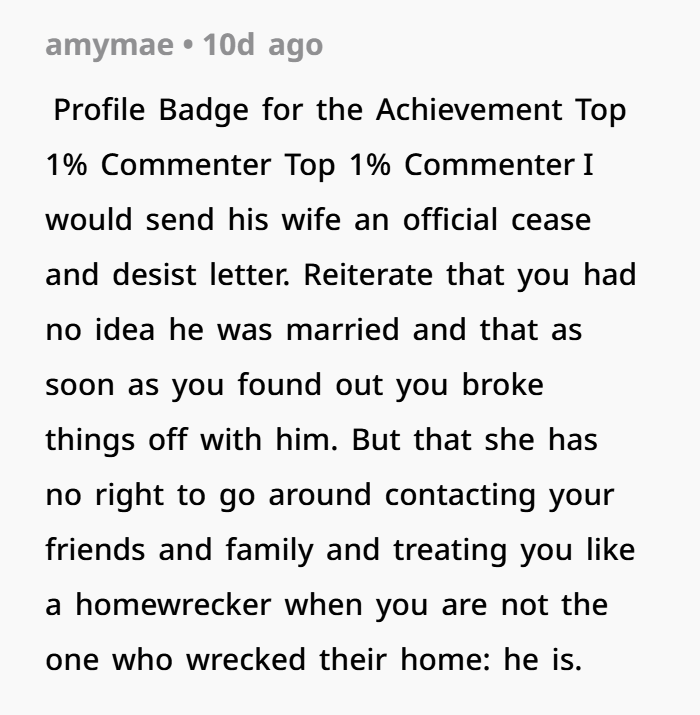
There’s a big difference between choosing to be in an affair and being pulled into one without knowing. From a legal advice and ethical standpoint, those are not the same. In many cases, if a spouse tries harassment or makes accusations, intent matters a lot. If you didn’t know about the marriage, you’re not complicit. You were misled too. You’re dealing with deception, not wrongdoing.
And that’s what most people miss.
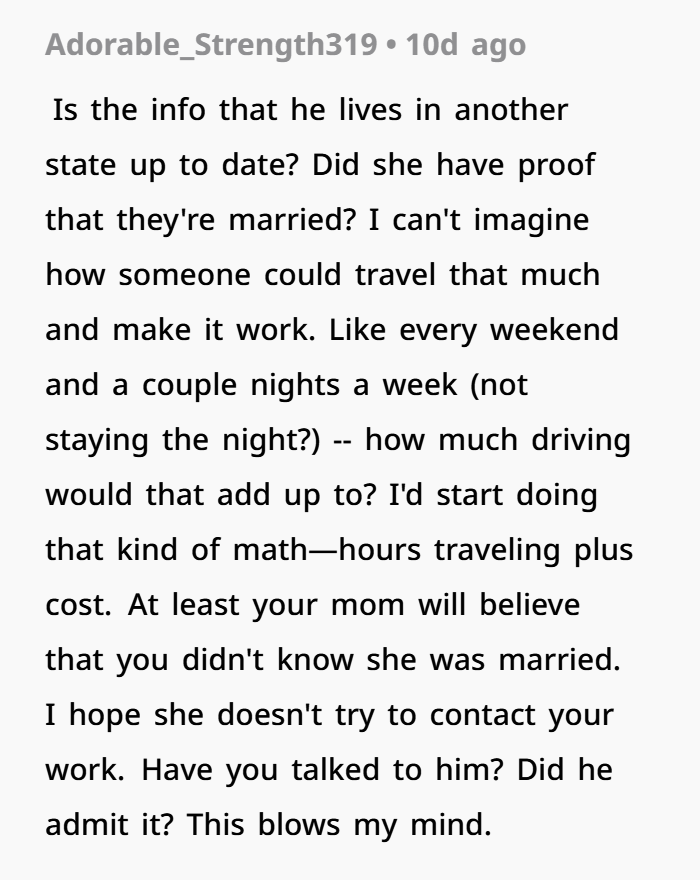
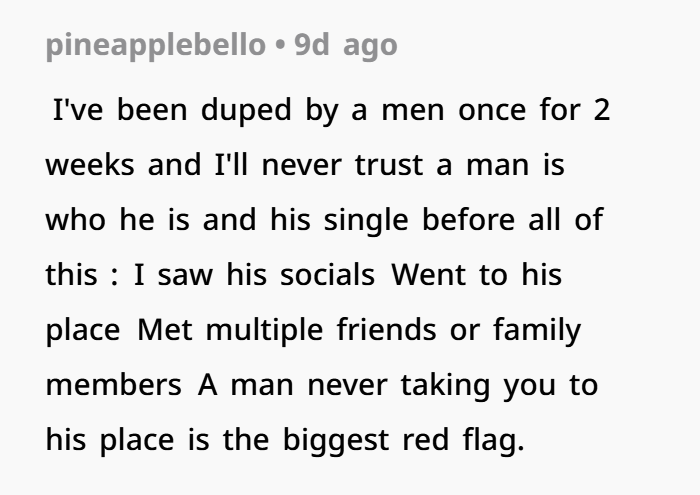
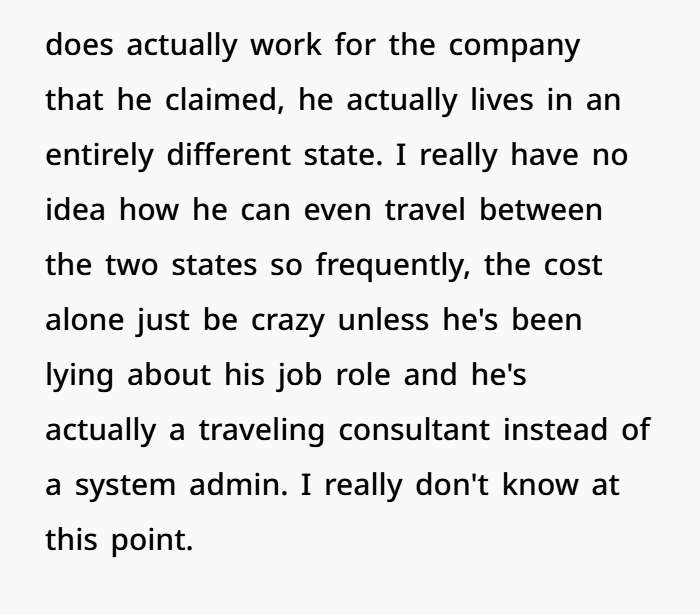
From what she described, David wasn’t careless. He was strategic. Very controlled. Limited visits. Managed communication. A work-based connection that sounded legit. These are actually common patterns in long-term relationship scams and deception cases. People living double lives often use distance as a tool. Jobs that involve travel. Busy schedules. Just enough emotional availability to keep you hooked, but never fully present.
There’s even research backing this up. Studies on serial infidelity and dual-relationship behavior show that people who manage multiple relationships successfully tend to be highly compartmentalized. They separate each part of their life mentally. It reduces guilt. Helps them stay consistent in their lies. Almost like they’re running two parallel lives without overlap.
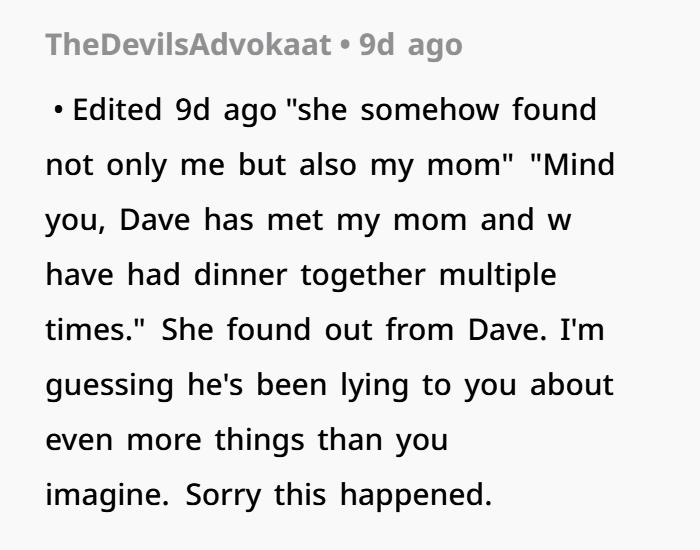
Which explains how someone could introduce you to their partner, meet your family, and still be hiding a spouse.
But here’s where things shift.
The wife’s reaction.
At first, her calm message actually makes sense. A lot of people in marriage counseling situations or infidelity recovery cases react like that in the beginning. They want answers. They want a clear timeline. They want to know if the other person knew what was going on. That first reach-out usually comes from shock, not anger. It’s like trying to process everything before emotions fully hit.
But then… she stopped replying.
And instead, she escalated things by contacting the woman’s mother.
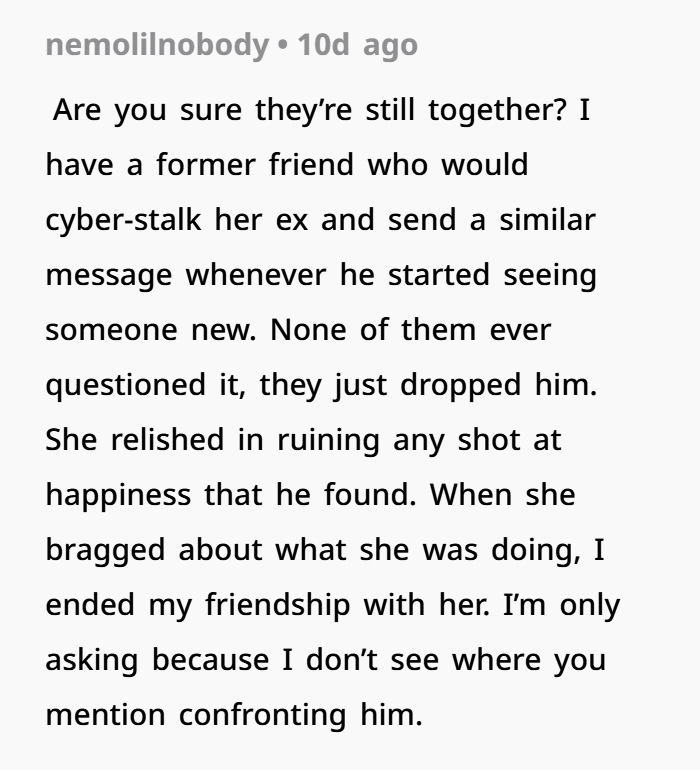
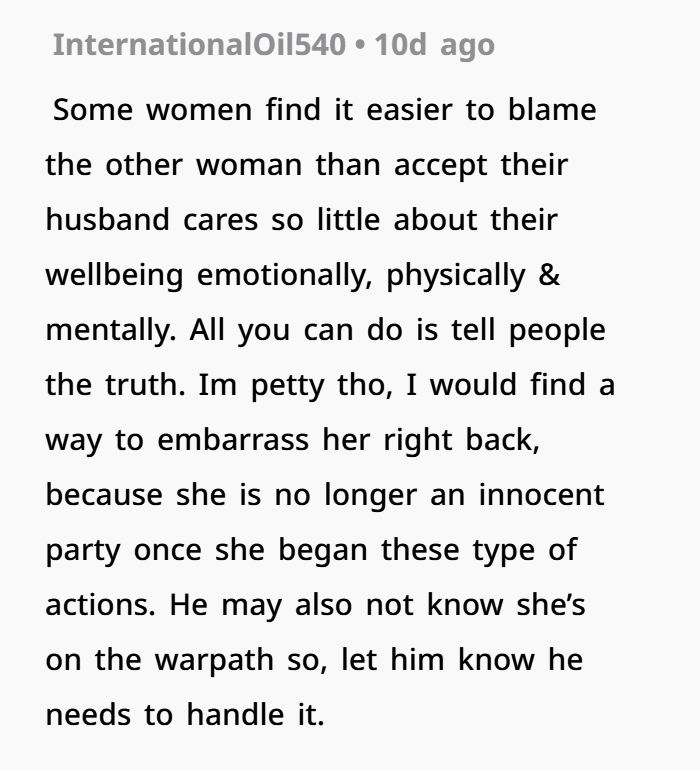
That’s where it shifts. That’s no longer about answers. That’s misdirected anger. Emotional projection. When someone goes through marriage betrayal—especially a long-term marriage with kids—the emotional impact is intense. We’re talking humiliation, grief, anger, even fear and loss of control. And instead of putting all that on the cheating partner (which is complicated because of shared history, finances, family), some people redirect it toward the third party. Even if that person had no clue.
It doesn’t make the behavior okay. But it does explain it from a psychological perspective.
There’s also a legal side here that people often overlook. In certain cases, repeatedly contacting someone’s family or trying to damage their reputation can fall under harassment laws or even defamation claims. It depends on the region and what exactly is being said. But from a legal advice standpoint, documenting everything is key. Messages, screenshots, timestamps. Keep it all. Not saying you need to take legal action right now, but it protects you if things escalate into something bigger.
And then comes the emotional aftermath.
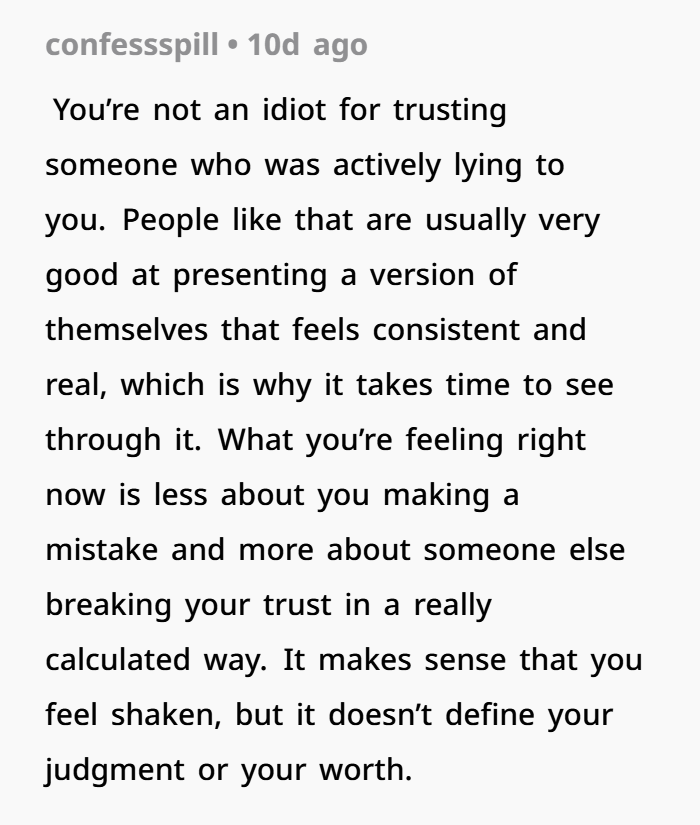
The part where she says she feels stupid… yeah, that hits hard. That’s actually one of the most painful parts of betrayal trauma.
Because logically, she understands she was deceived. She knows she didn’t do anything wrong. But emotionally? It still feels like she missed red flags. Like she should’ve known. That self-doubt, that mental loop… it’s brutal. It’s not just heartbreak anymore, it’s confidence damage. It’s questioning your own instincts, your emotional intelligence, even your past decisions.
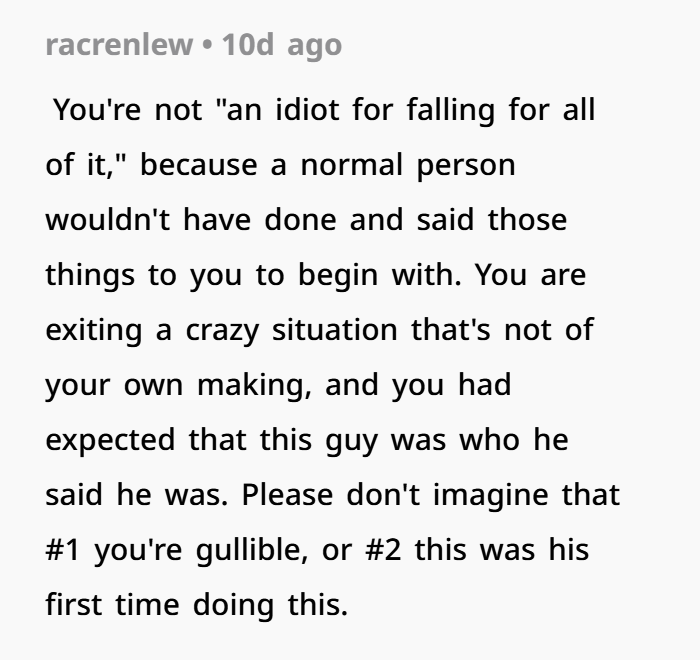
Let’s be real for a second. This kind of deception is built to be convincing. It’s not random. It’s structured, consistent, almost like a long-term emotional investment plan. If someone shows up for 18 months—calls, visits, steady communication, even meeting people close to you—it’s not foolish to trust that. That’s exactly how trust is supposed to build in a relationship.
The responsibility doesn’t sit with the person who believed it. It sits with the person who lied.
That said… trust issues after something like this? Very real. Research in relationship psychology and post-cheating recovery shows that even people who weren’t the primary partner can carry long-term emotional effects. Future relationships can feel risky. Unsafe. You start analyzing everything. Overthinking small details. Some people shut down emotionally just to avoid getting hurt again.
And saying “I don’t think I can trust anyone again”? That’s not dramatic. That’s self-protection kicking in.
But it doesn’t have to be your permanent mindset.
Right now, it’s not about rushing into healing or trying to “fix” yourself. It’s about emotional stability first. Distance matters. Block both of them if needed. Limit access. Set clear boundaries with your family so they’re not pulled into the situation. And take a break from trying to figure everything out. You don’t need all the answers today. Just give yourself space. Let your mind slow down. Healing doesn’t start with pressure… it starts with calm.
Because right now, nothing about this makes sense. And that’s the hardest part.
You didn’t just lose a relationship.
You lost the version of reality you thought you were living in.
And rebuilding that takes time.
Top Comments From Readers