She Thought She Was Helping A New Friend With Kids, Turns Out She Was Just Free Help

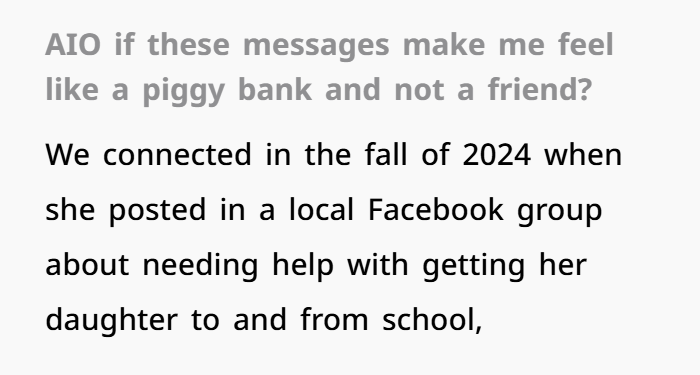
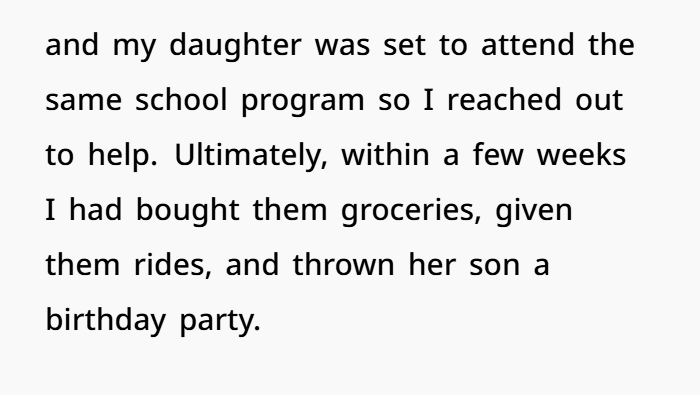
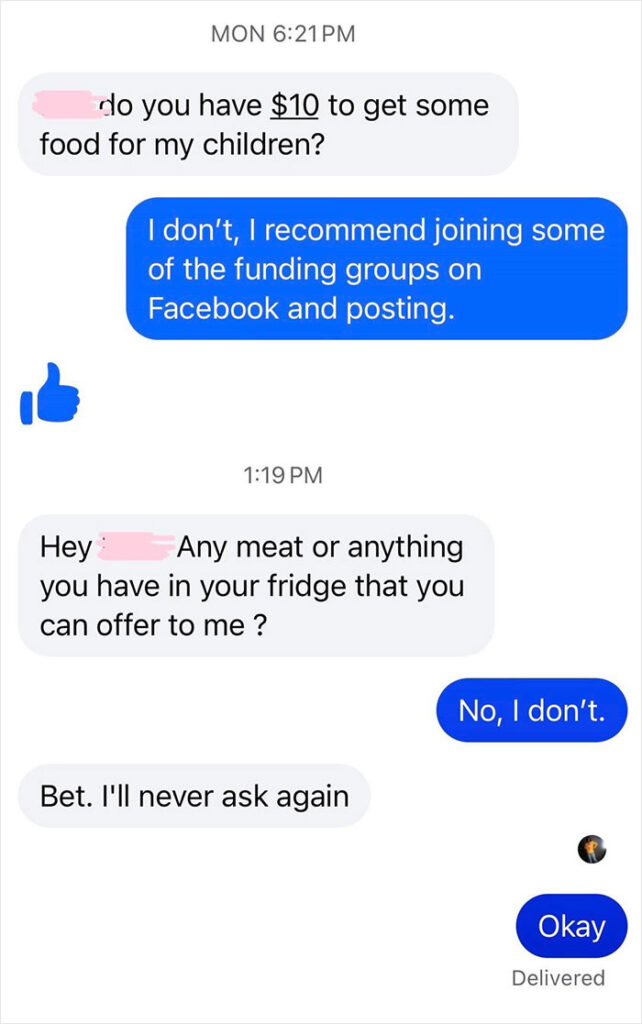
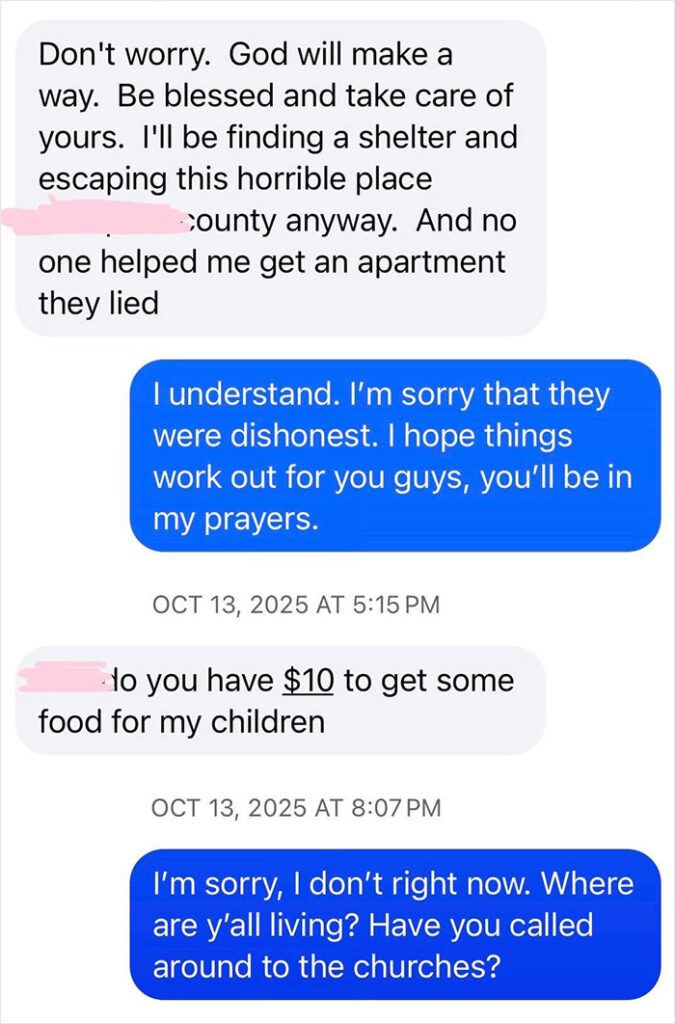
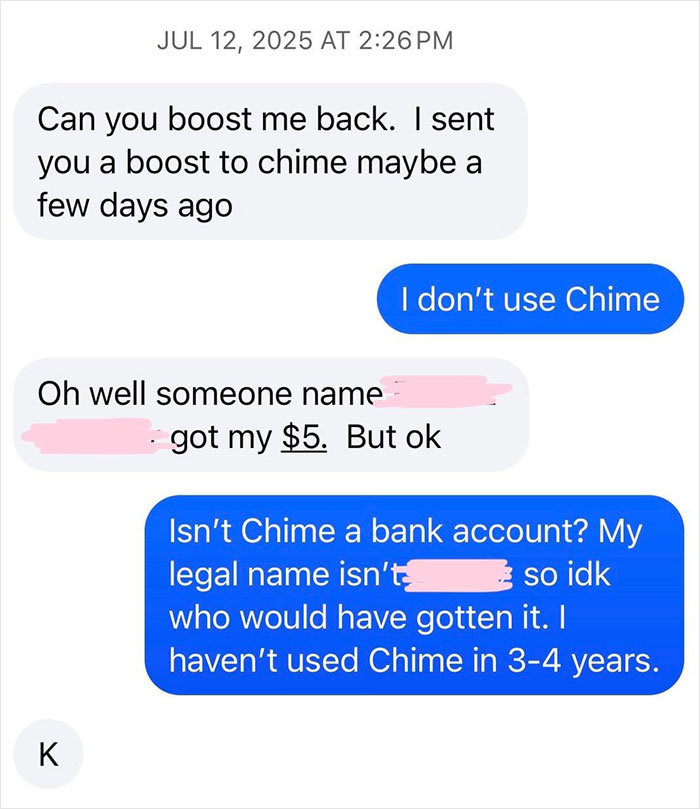
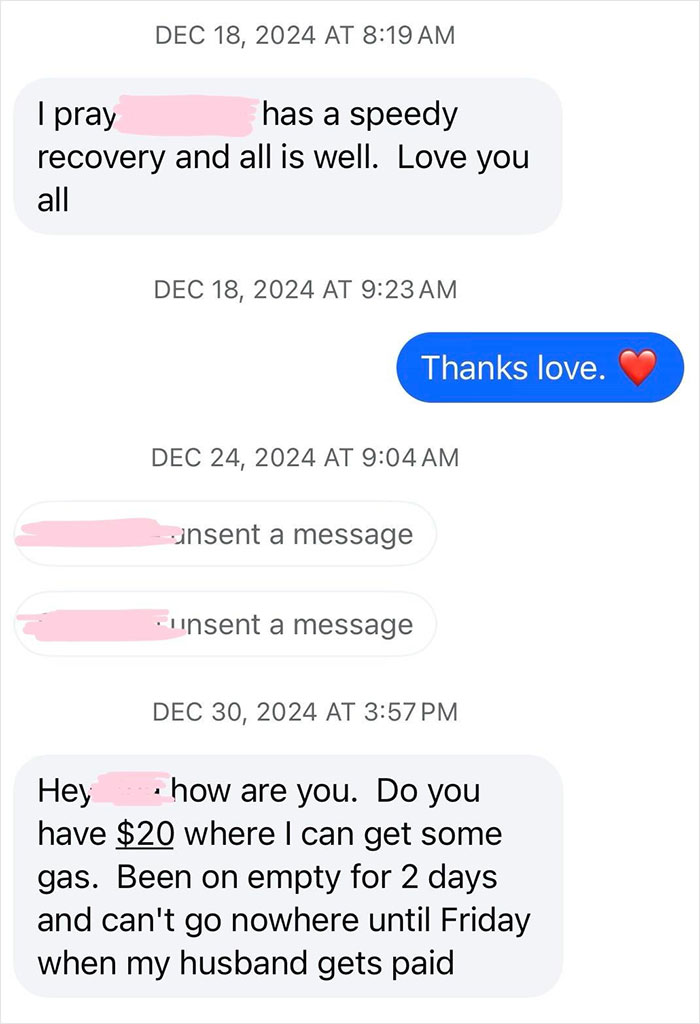
This AIO (Am I Overreacting) story is about someone who wanted to help a neighbor but slowly started feeling taken for granted. They met through a local Facebook group and became friends quickly. The person offered support by helping with groceries, giving rides, and even planning a birthday party for the neighbor’s son. At first, helping felt kind and rewarding, but over time the friendship started to feel one-sided.
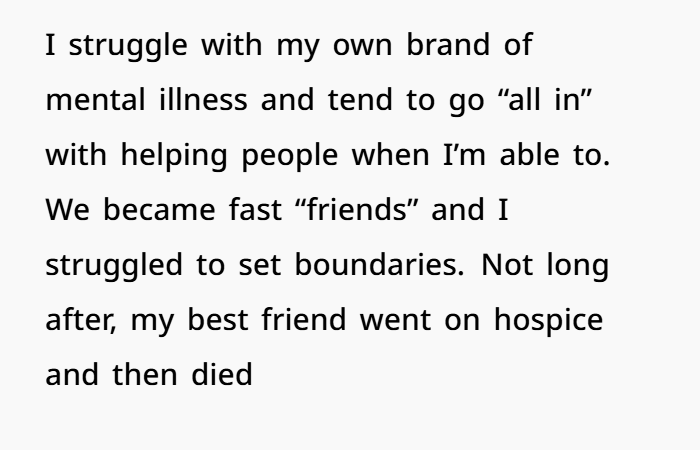
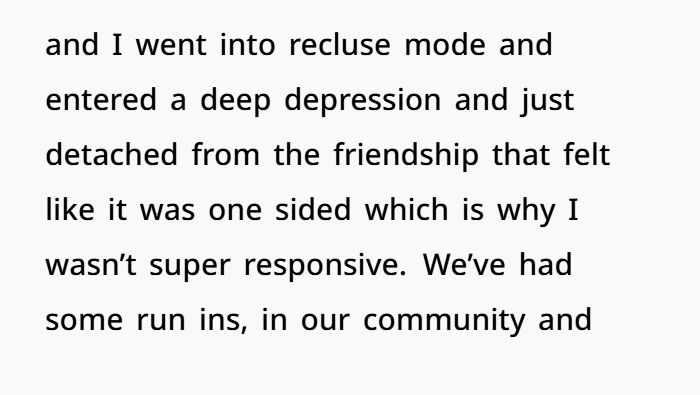
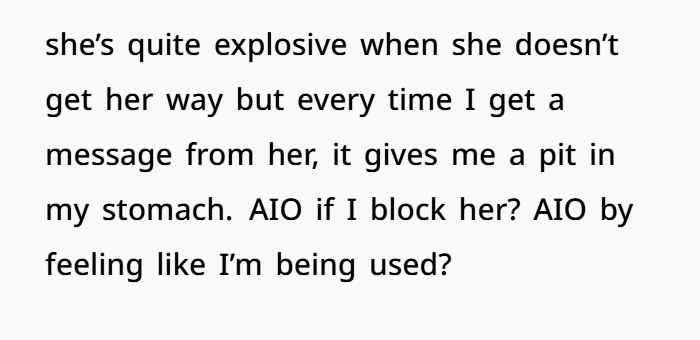
After going through a personal loss and dealing with their own mental health challenges, the person needed more space and support. They started setting healthier boundaries, but instead of feeling understood, they began feeling stressed whenever the neighbor reached out. Each message started creating anxiety because they felt like their kindness was being expected instead of appreciated.
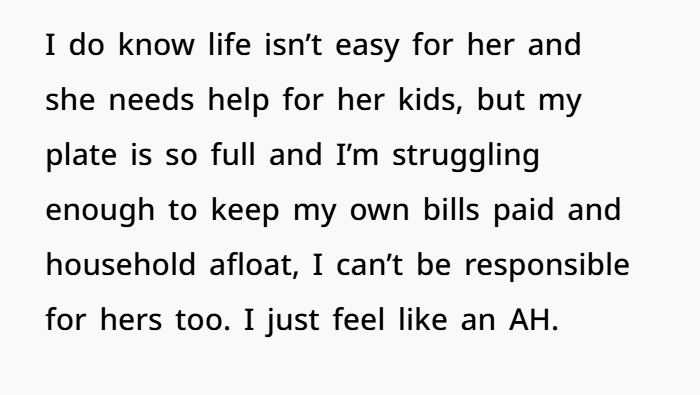
The person now wonders if they are overreacting by feeling used and whether they are being unfair by wanting to block the neighbor. They are trying to understand the difference between being a caring friend and giving too much of themselves. This situation highlights the importance of emotional boundaries, self-care, and having friendships where both people feel respected and supported.
Many people experience similar situations where helping others becomes emotionally exhausting. A healthy friendship should include mutual respect, clear boundaries, and support during difficult times. Protecting your mental well-being does not mean you are being unkind — it means you are creating a healthier balance in your relationships.
The author met a local mom on Facebook in fall 2024 after seeing that she needed help to take her child to school
When a Friendship Feels One-Sided: Understanding Boundaries, Support, and Emotional Stress
Sometimes a friendship starts to feel different.
You may notice that you feel tired after conversations, stressed when you see a message, or unsure if the relationship is truly balanced.
That feeling can be confusing. You may wonder:
“Am I being unfair?”
“Am I overthinking?”
“Am I wrong for needing space?”
The truth is, noticing your feelings does not make you a bad friend. It simply means you are paying attention to your emotional health and the way a relationship affects you.
What Makes a Healthy Friendship?
A healthy friendship is built on mutual care and respect.
Both people should feel valued. Both people should be able to give support and receive support.
Friendship is not only about helping someone when they need something. It is also about feeling cared for as a person.
A balanced friendship usually includes:
- Checking in on each other
- Listening during difficult times
- Respecting personal boundaries
- Celebrating each other’s successes
- Offering support without keeping score
When one person is always giving time, money, energy, or emotional support while the other person mostly takes, the relationship can start to feel exhausting.
When Helping Becomes Too Much
Many caring people enjoy helping others. Giving support, offering rides, sharing resources, or helping during difficult moments can be meaningful.
However, there is a difference between helping by choice and feeling responsible for someone else’s entire situation.
If helping starts to feel:
- Expected
- Constant
- Stressful
- Emotionally draining
it may be a sign that stronger boundaries are needed.
Supporting a friend does not mean you have to ignore your own needs.
Your own mental health, responsibilities, finances, and personal challenges matter too.
Taking Space During Difficult Times Is Normal
Life can bring painful experiences that change how much energy we have for relationships.
Grief, loss, stress, and emotional struggles can make people withdraw for a while. Taking time to heal does not mean you do not care about others.
A supportive friend usually understands that people go through difficult seasons.
They may say:
“I’m here if you need me.”
“Take the time you need.”
“How can I support you?”
Healthy relationships allow space for both people’s emotions and experiences.
Understanding Personal Boundaries
Boundaries are an important part of healthy relationships.
Many people struggle with boundaries because they do not want to disappoint others. They may worry about being seen as selfish or unkind.
But boundaries are not about rejecting people.
They are about protecting your time, energy, and emotional well-being.
Examples of healthy boundaries include:
- Saying no when you cannot help
- Taking time before responding to messages
- Limiting situations that create stress
- Being honest about what you can and cannot do
A good friendship should allow both people to have limits.
Pay Attention to How a Relationship Makes You Feel
Your emotions can provide useful information.
If you regularly feel:
- Anxious before talking to someone
- Guilty when setting limits
- Drained after conversations
- Worried about disappointing them
it may be worth looking at the relationship more closely.
This does not automatically mean the other person has bad intentions. Sometimes people have different expectations, communication styles, or personal challenges.
The important question is:
“Does this relationship support my overall well-being?”
Is Blocking Someone a Bad Thing?
Many people feel guilty about blocking someone.
But creating distance from a relationship that causes ongoing stress can be a personal choice.
Blocking or limiting contact can sometimes help people create emotional space and focus on healing.
Before making that decision, some people find it helpful to:
- Communicate their feelings clearly
- Set boundaries
- Reduce contact gradually
- Take time to think about what they need
There is no single right answer for every friendship.
The goal is to make choices that protect your peace and emotional health.
Signs a Friendship May Need More Balance
A friendship may need attention if:
✔ You are always the one helping
✔ Your needs are rarely considered
✔ You feel guilty for saying no
✔ Conversations often leave you stressed
✔ Your boundaries are not respected
A relationship does not have to be perfect, but it should feel respectful and supportive.
Choosing Self-Respect and Emotional Wellness
Feeling hurt by a friendship can be painful, especially when you gave your support from a genuine place.
It is normal to feel disappointed when a relationship feels unequal.
Taking care of yourself does not make you selfish. It is part of building healthy relationships and maintaining good mental health.
The best friendships are not based only on what one person can provide.
They are built on kindness, respect, understanding, and care from both sides.
You deserve relationships where you feel appreciated for who you are — not only for what you can do for others.
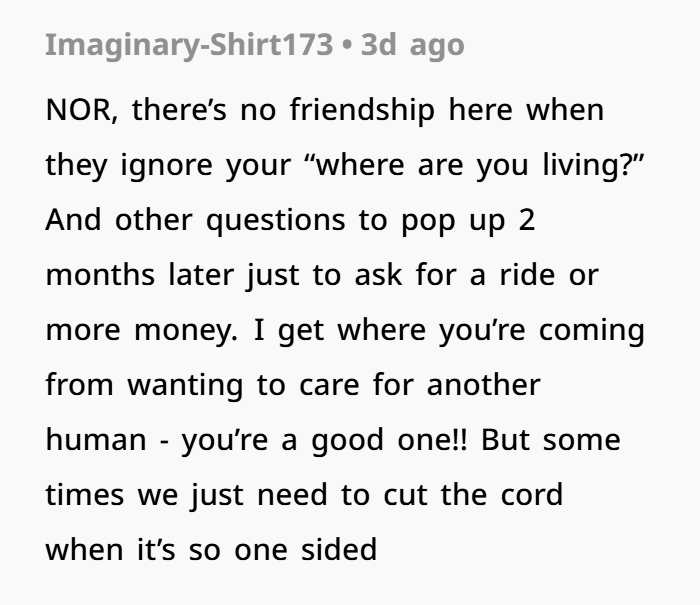
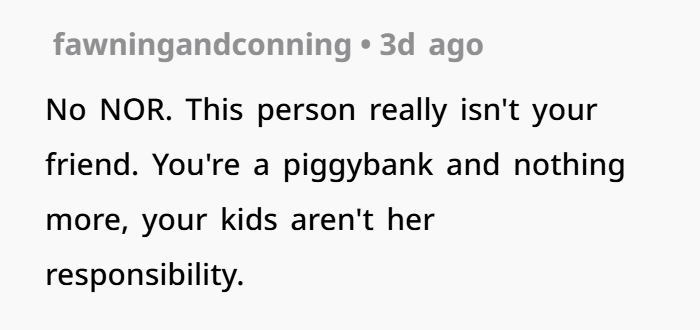
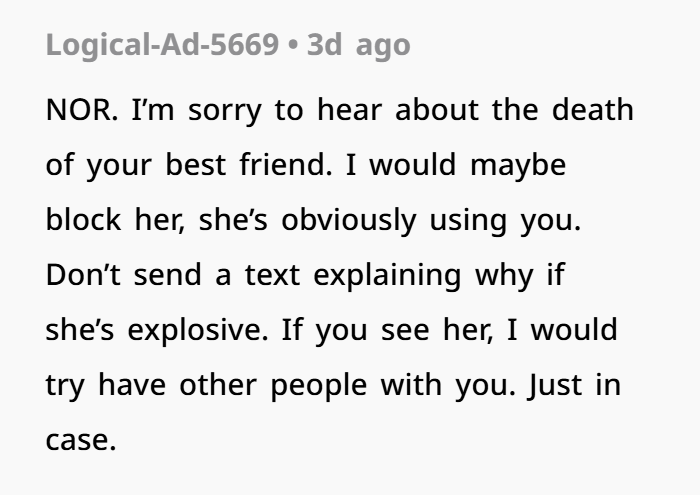
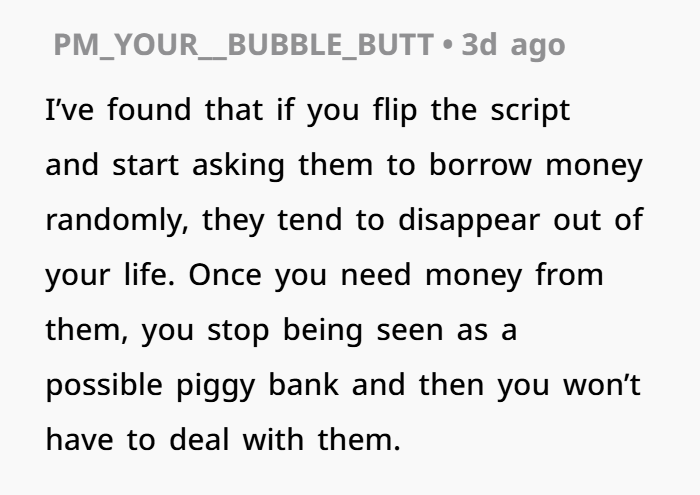
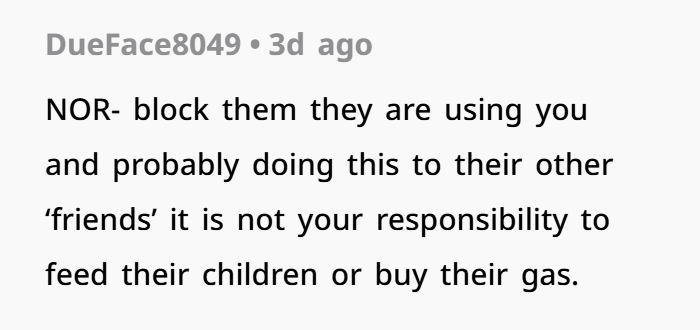
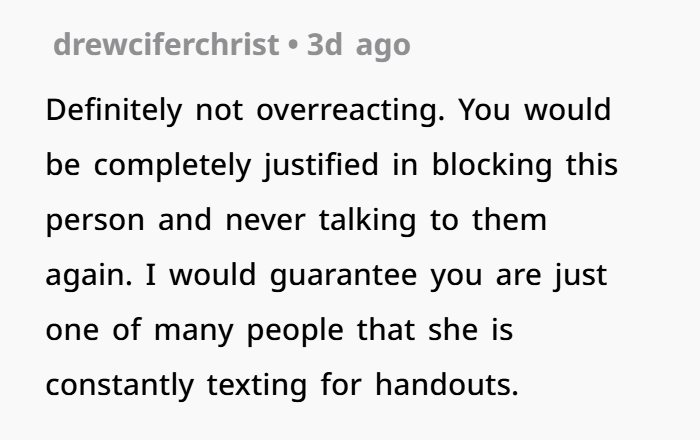
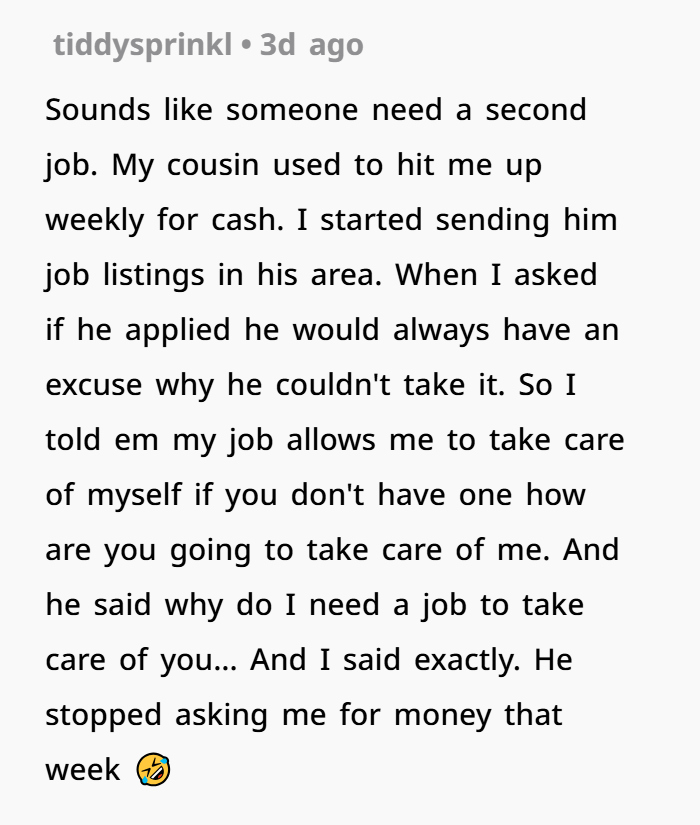
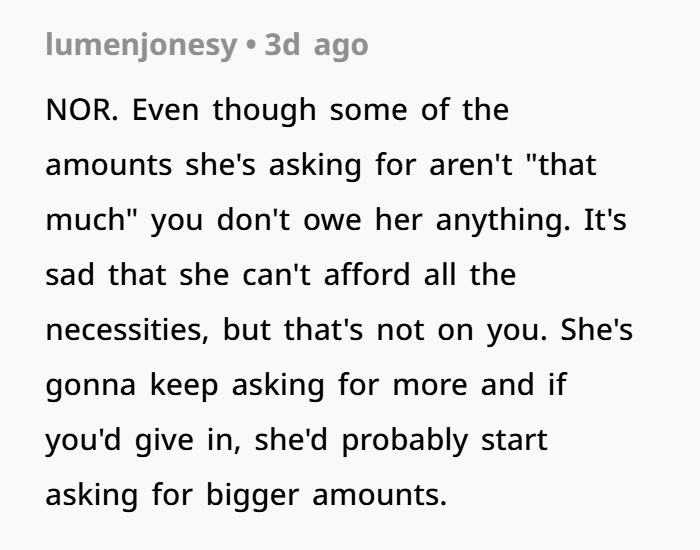
Netizens agreed that the author was completely justified in wanting to cut the woman off, highlighting that their dynamic was unhealthy anyway