
When Your Neighbor Puts Up a Fence on Your Land: What It Means — and What You Can Do

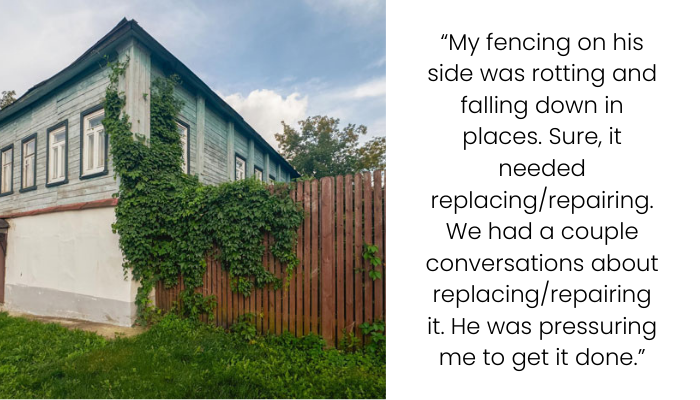
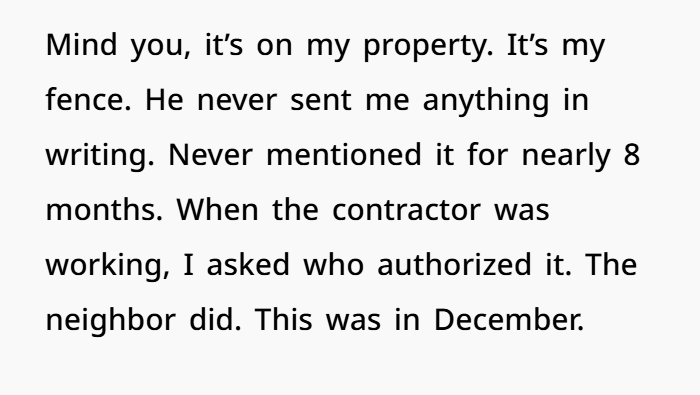
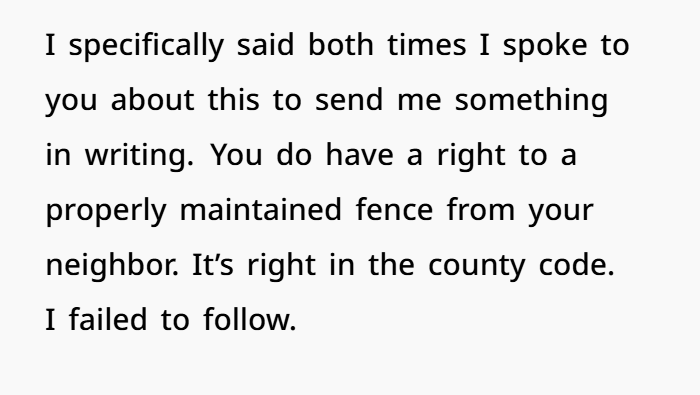
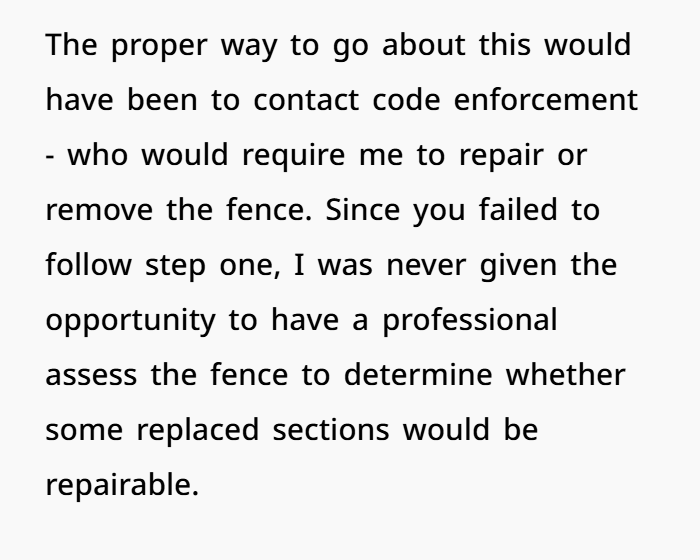
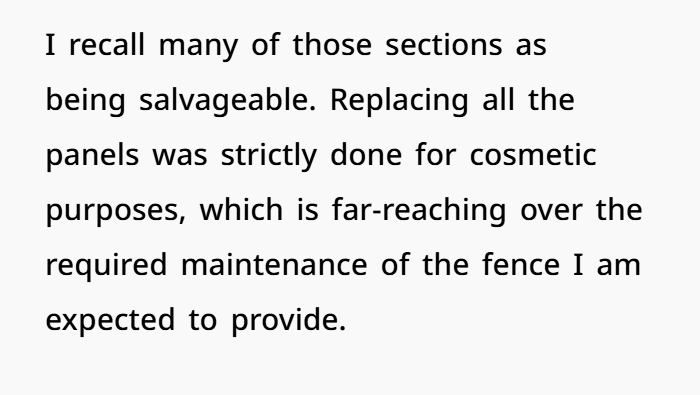
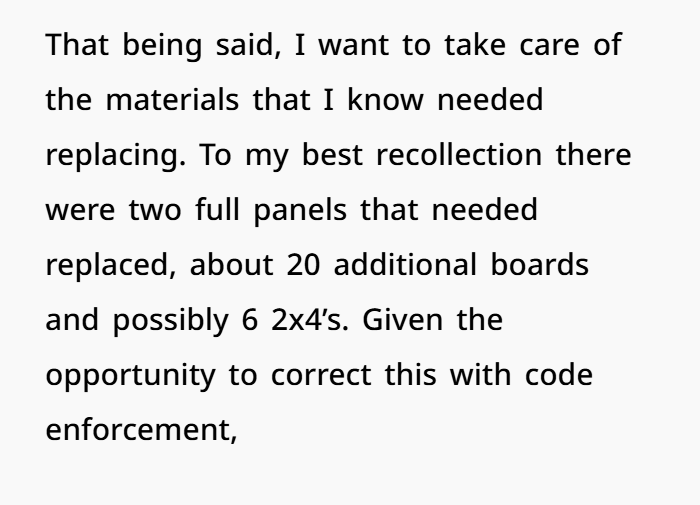
A homeowner shared a problem with a neighbor after a fence was replaced without a clear agreement. The neighbors had talked about possibly sharing the cost of a new fence, but the conversation was only verbal. Nothing was written down, and no official agreement was made.
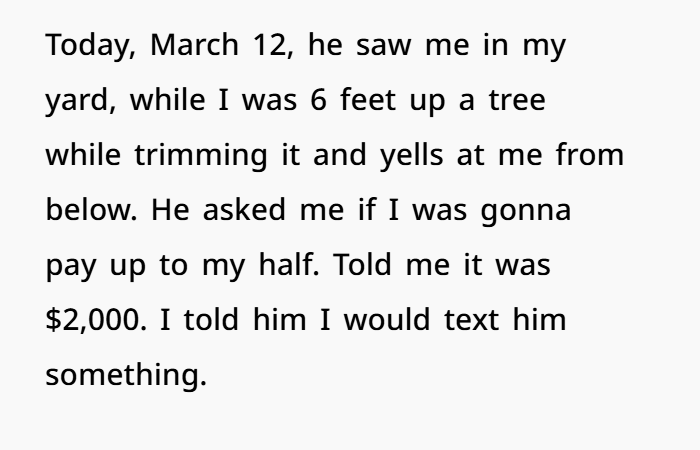
After several months with no further discussion, the neighbor decided to move forward with the project alone. They hired a contractor and replaced the entire fence. Later, the neighbor asked the homeowner to pay half of the cost, which was about $2,000.
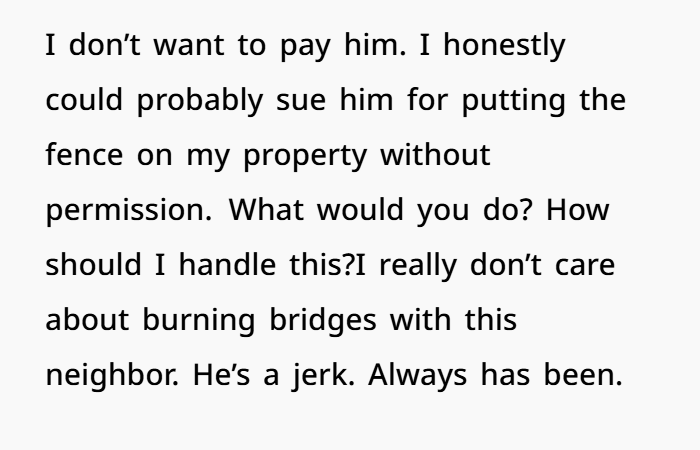
The homeowner does not believe they should have to pay because they never gave clear approval for the work. The fence is located on their property, and they feel the replacement was done without proper permission or a formal agreement.
Property disputes like this can become complicated because laws about fences, property lines, and shared costs can vary by location. Clear communication, written agreements, and checking property boundaries before starting work can help prevent conflicts between neighbors.
The homeowner now needs to decide the best way to protect their property rights while handling the disagreement. Understanding local property laws and seeking professional advice may help find a fair solution.
The author of the post is a single dad living next to another man, and the fence between their house is built on his property
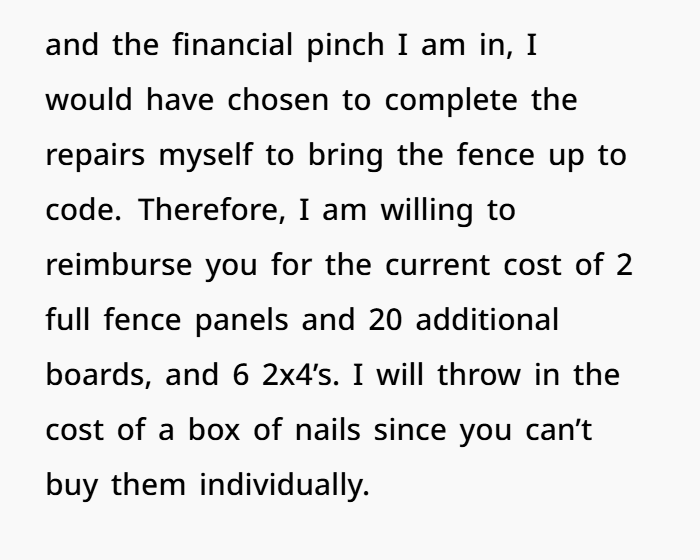
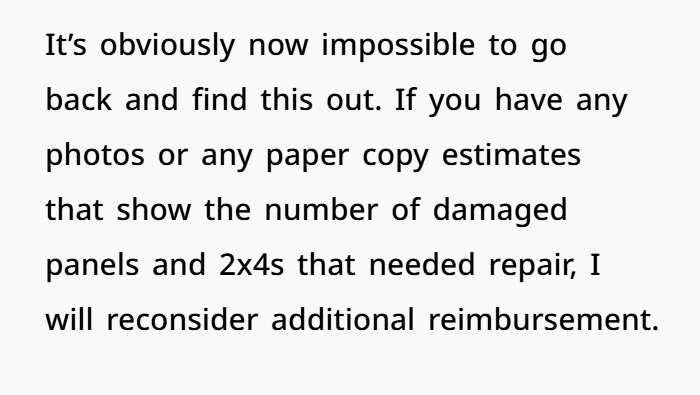
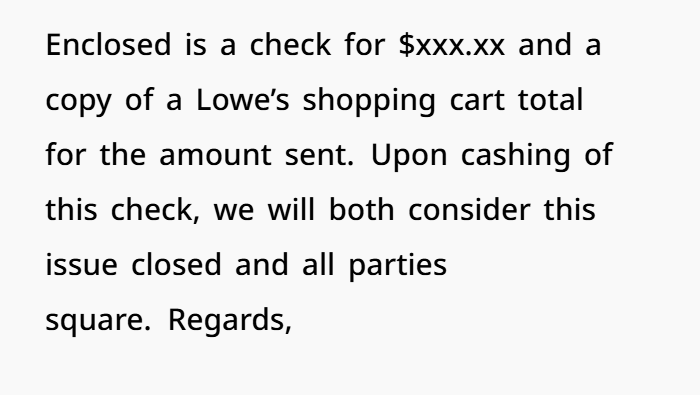
My Neighbor Built A Fence On My Property — What Are My Options?
Property disputes with neighbors can become stressful very quickly.
A fence may seem like a simple structure, but it can create serious questions about property ownership, boundaries, costs, and legal rights.
If a neighbor builds a fence without your permission, you may wonder:
- Who owns the fence?
- Do I have to pay for it?
- Can I ask for it to be removed?
- What should I do next?
The answer depends on your property lines, local laws, and whether any agreement was made.
Why Property Lines And Ownership Matter
The first thing to understand is where the fence is located.
If a fence is completely built on one person’s property, it is usually considered that person’s fence.
The property owner generally has control over the fence and responsibility for it.
However, if a fence is placed directly on the boundary line between two properties, it may be considered a shared fence.
In those situations, neighbors may share responsibilities depending on local rules and agreements.
The most important step is knowing exactly where your property line is.
A professional land survey can help confirm whether the fence is:
- Fully on your property
- On the property line
- Partly on your land and partly on your neighbor’s land
Without clear information, it can be difficult to know your rights.
What Happens If A Neighbor Builds A Fence Without Permission?
If someone builds a structure on another person’s property without approval, it may be considered an encroachment.
An encroachment happens when a structure or improvement extends onto someone else’s land.
Examples can include:
- A fence crossing the property line
- A shed built partly on a neighbor’s land
- A driveway or walkway placed on private property
If a neighbor built a fence on your property without asking, you may have the right to address the situation.
Possible solutions may include:
- Asking the neighbor to remove the fence
- Reaching an agreement
- Requesting payment for the use of your property
- Taking legal action if necessary
The best option depends on the situation and local property laws.
Can A Neighbor Claim Your Land After Using It For Years?
Some property disputes involve something called adverse possession or boundary claims.
In certain situations, a person who uses another person’s land for a long period of time may try to claim a legal interest in that property.
The requirements vary by location, but these cases often involve things like:
- Long-term use
- Open and visible use
- Continuous use
- Lack of objection from the property owner
This is why it is important for homeowners to clearly communicate when they do not agree with someone using their property.
Keeping records can help protect your rights.
What About Shared Fence Laws?
Some areas have rules about shared fences.
These laws may apply when:
- A fence sits directly on the property boundary
- Both neighbors benefit from the fence
- Local rules require shared responsibility
However, these rules may not apply if a neighbor built the fence completely on your property without an agreement.
A written agreement is usually the safest way for neighbors to avoid future misunderstandings.
Practical Steps To Protect Your Property
If you are dealing with a fence dispute, you do not always need to immediately go to court.
There are simple steps you can take first.
1. Get A Property Survey
A survey is one of the most useful tools in a boundary dispute.
It can clearly show where your property begins and ends.
2. Keep Written Records
Save:
- Messages with your neighbor
- Emails
- Agreements
- Photos of the fence
- Property documents
Written proof can be helpful if the situation becomes more serious.
3. Communicate Clearly
Try to keep conversations calm and respectful.
Explain your position and what solution you would like.
Avoid angry messages that could make the conflict worse.
4. Consider A Reasonable Compromise
Sometimes neighbors can solve problems without legal action.
Possible solutions may include:
- Moving the fence
- Sharing certain costs
- Creating a written agreement
Any agreement should clearly explain each person’s responsibilities.
Should You Pay For A Fence You Did Not Approve?
This depends on the circumstances.
If you never agreed to the fence and your neighbor built it without permission, you may not automatically be responsible for paying half.
However, every situation is different.
Factors that may matter include:
- Where the fence was built
- Whether you benefited from it
- Whether there was any previous agreement
- Local property laws
Getting advice based on your specific location can help you understand your options.
If You Send A Letter, Keep It Professional
If you decide to write to your neighbor, keep the message polite and factual.
Avoid insults or emotional language.
A good letter should explain:
- Your understanding of the property boundary
- That you did not approve the fence
- What solution you are requesting
- Any reasonable offer you are willing to make
A calm approach can protect your position and reduce unnecessary conflict.
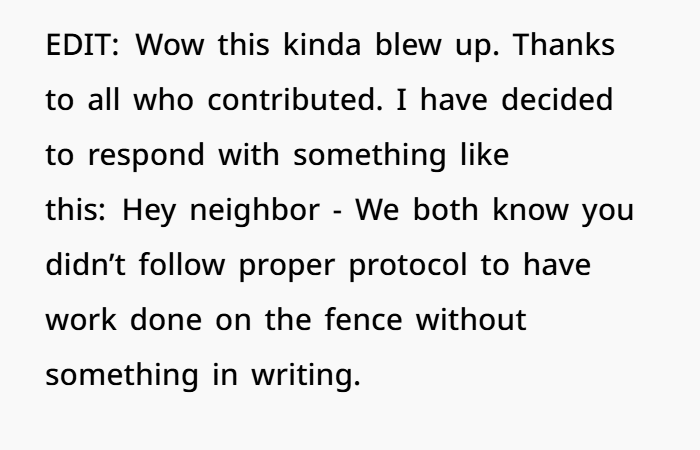
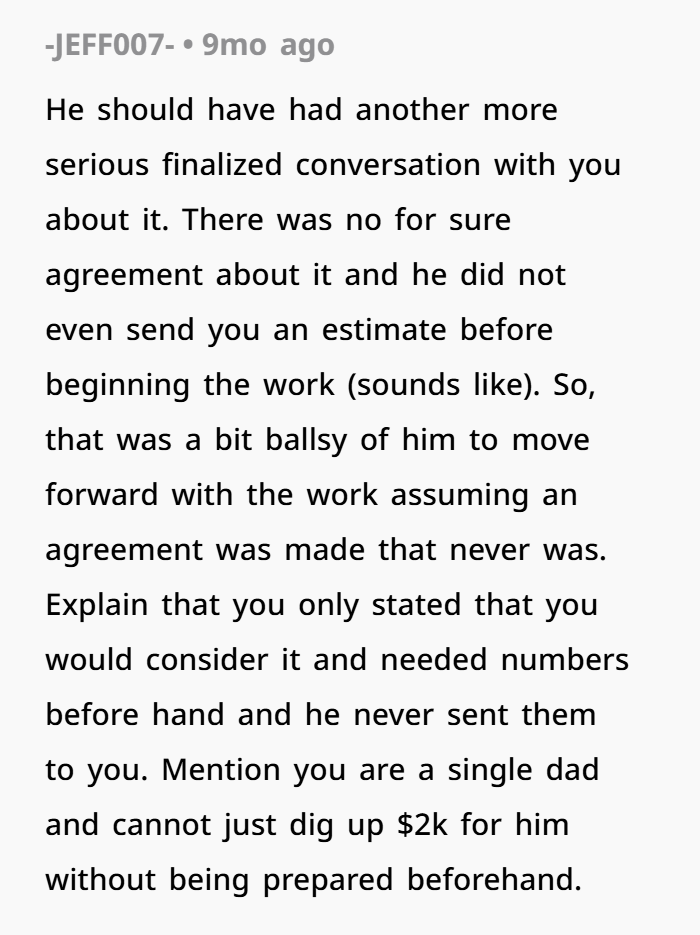
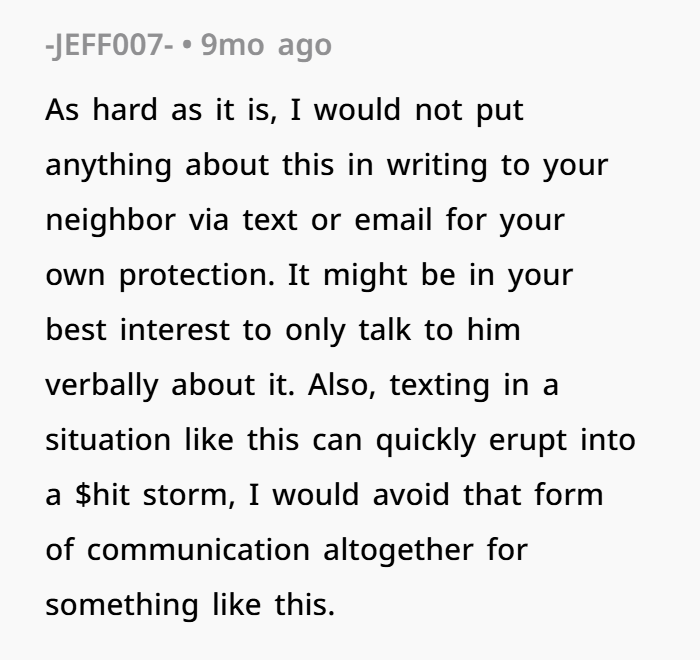
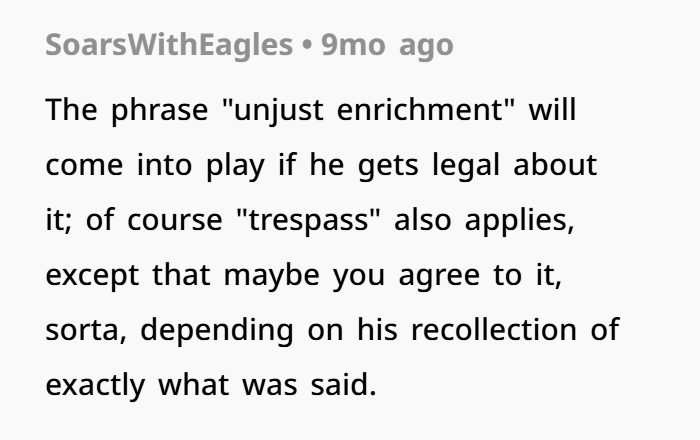
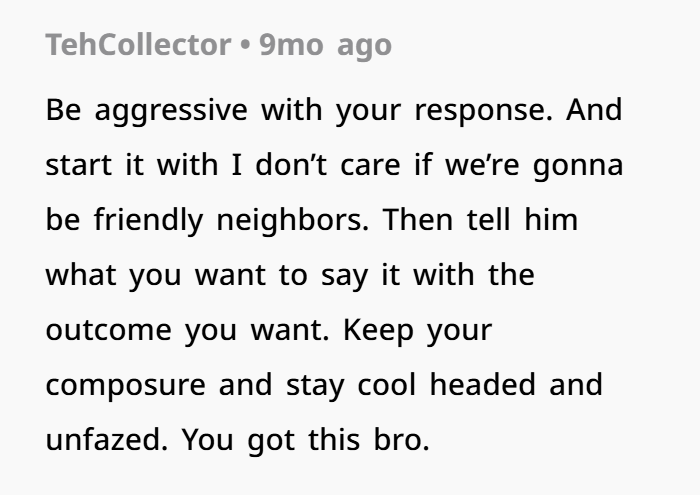
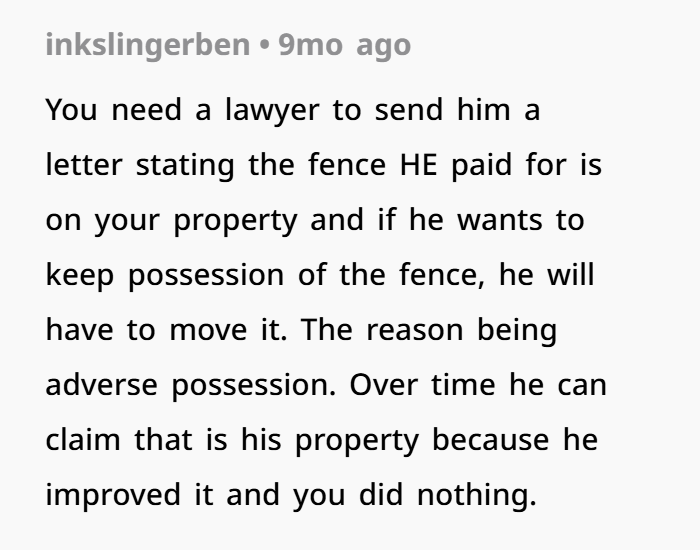
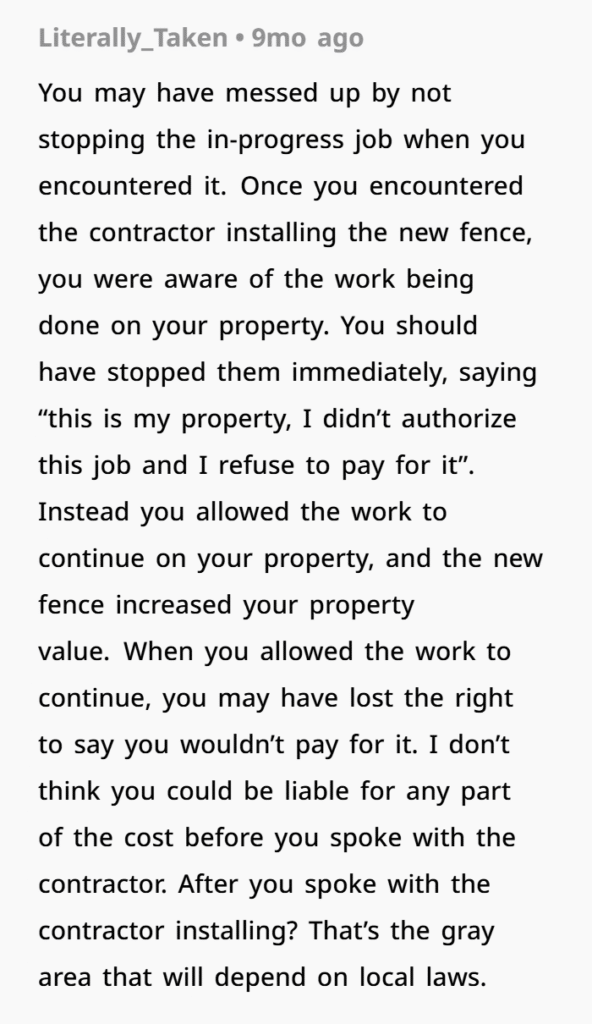
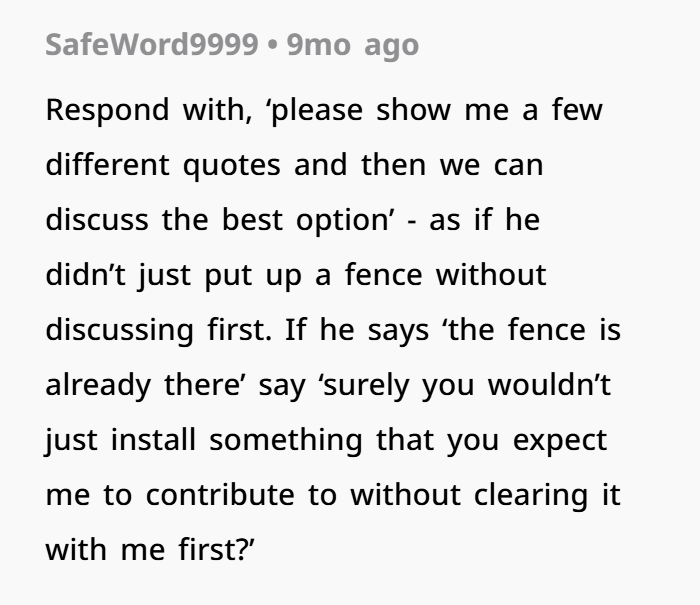
Most commenters told the man has two options – to take legal action or to offer some kind of a deal, so the author picked the second one
Final Thoughts
A fence dispute is not only about wood, nails, or property lines.
It is about understanding ownership, communication, and protecting your rights as a homeowner.
The best first step is usually to confirm the facts.
Know where the property line is, understand your local laws, and keep clear records.
Good communication can sometimes solve neighbor problems, but homeowners also have the right to protect their property and set clear boundaries.