AITA for Refusing to Risk Our New Furniture Because My MIL Won’t Wear Incontinence Protection?


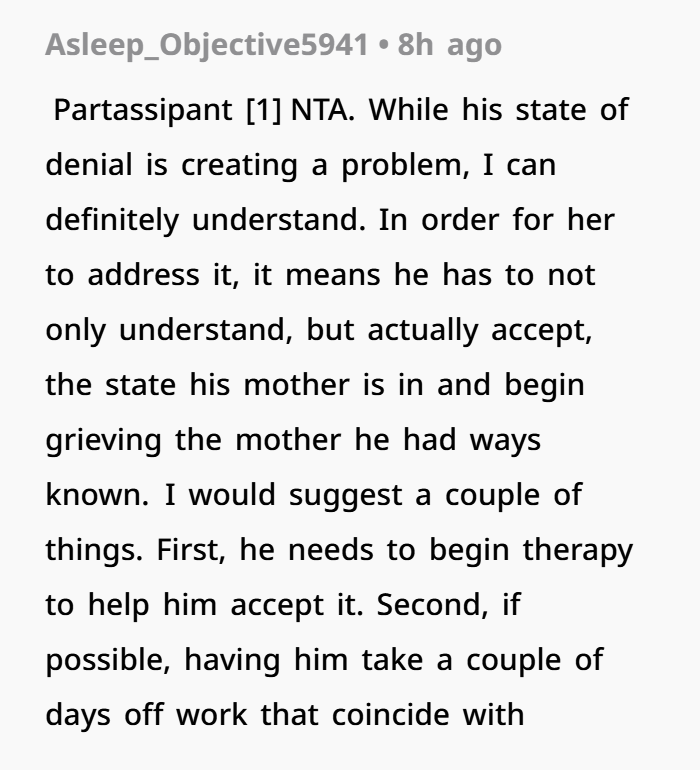
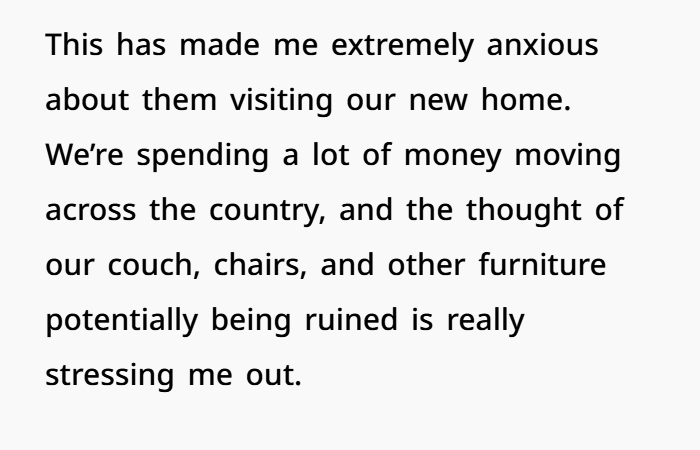
Moving into a new house is an exciting experience, especially when a couple is starting a fresh chapter together. But one woman is finding it hard to enjoy the moment because of a possible visit from her in-laws. Her husband’s parents want to visit their new home, but she has some concerns about preparing the house. Her mother-in-law has serious health limitations and experiences bladder control problems that sometimes lead to accidents on furniture.
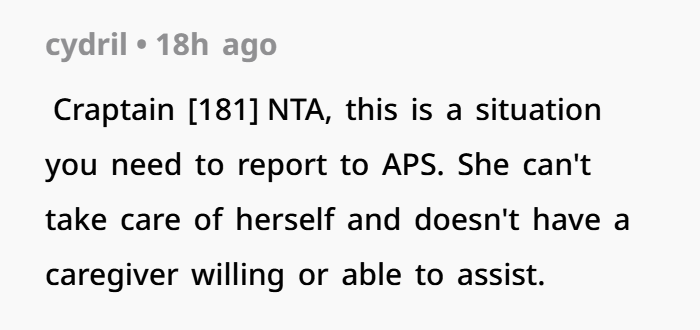
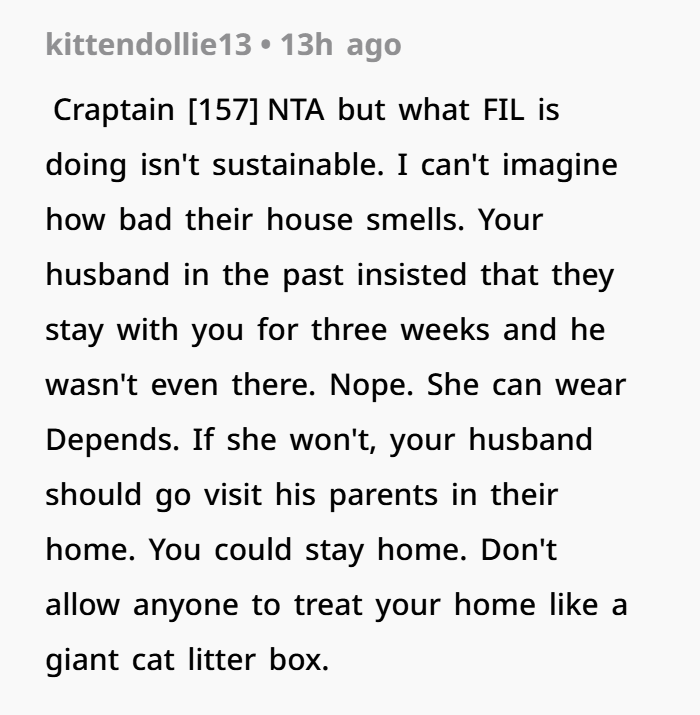
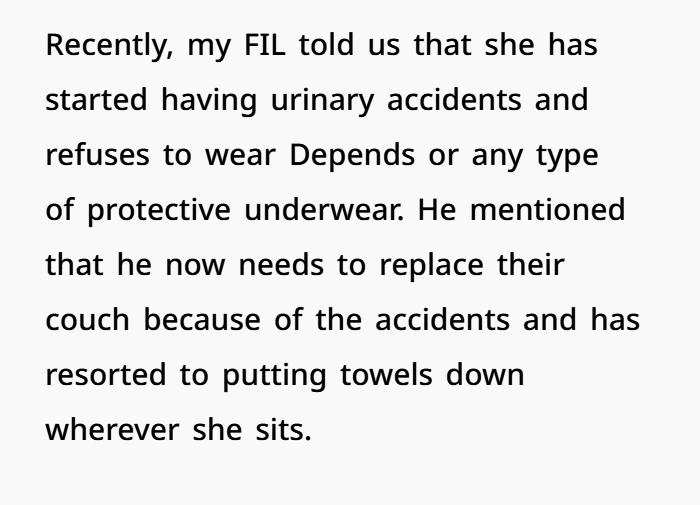
According to her father-in-law, his wife refuses to use protective underwear, even though the accidents happen quite often. Their old couch had to be replaced, and he now uses towels to protect the furniture. The woman understands that her mother-in-law is dealing with a difficult medical condition. She is not trying to stop the visit or make anyone feel unwelcome. She simply wants to avoid similar problems with the new furniture in their home.
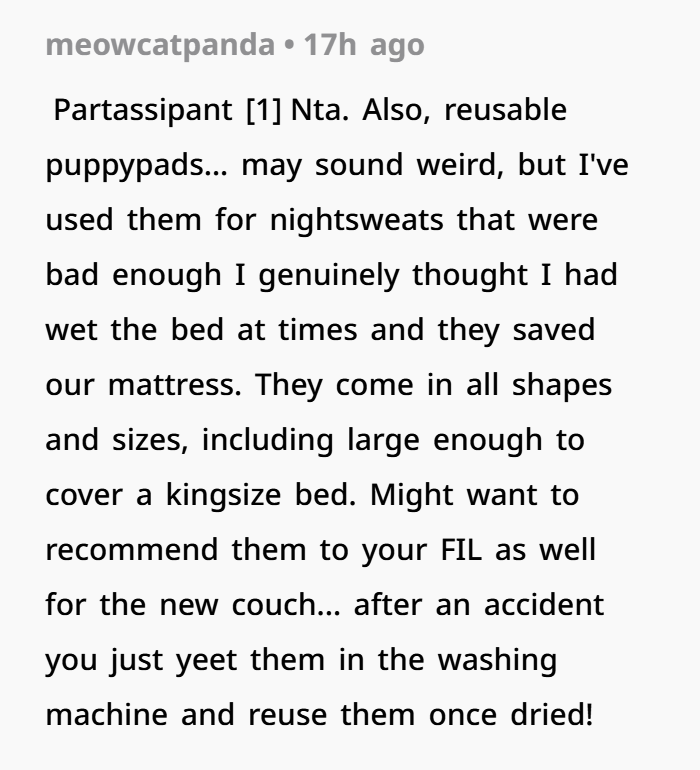
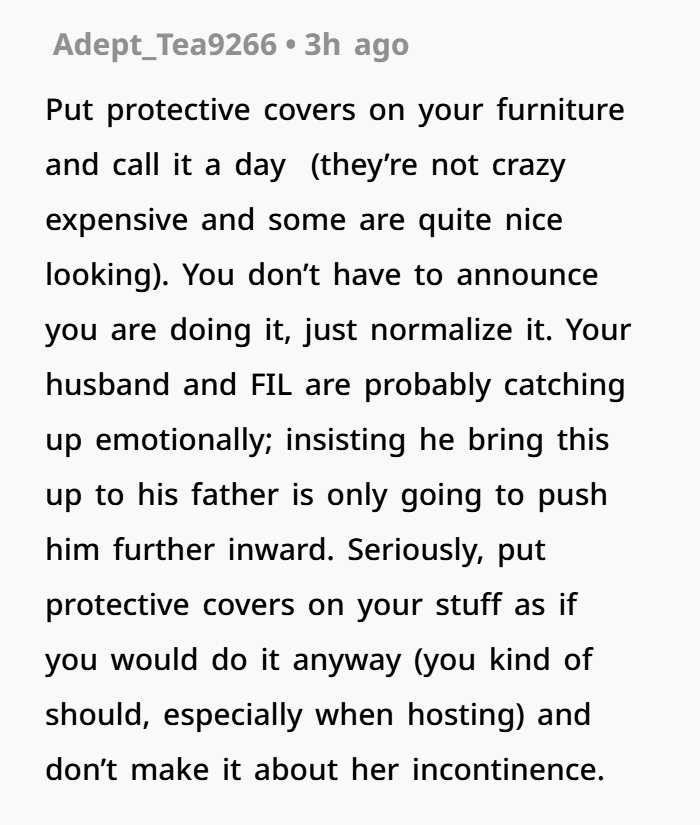
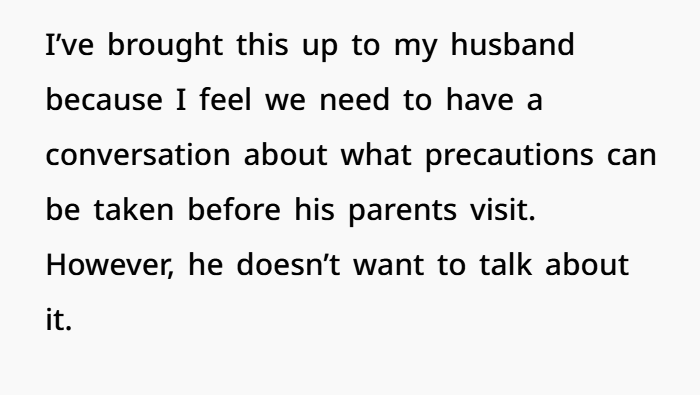
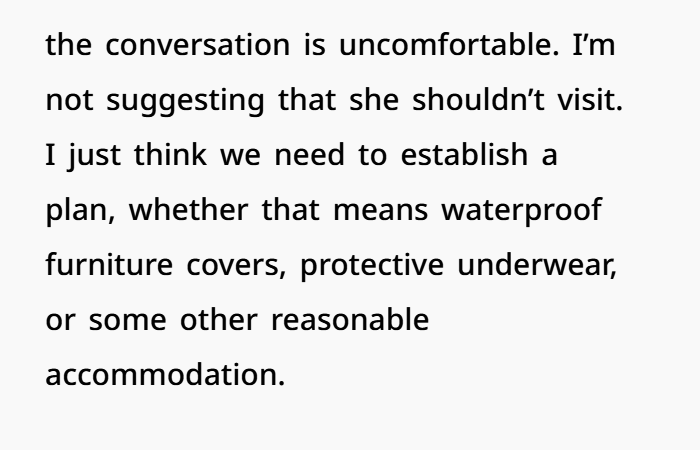
One solution could be to prepare the living space with practical furniture protection products. Waterproof sofa covers, washable couch covers, absorbent seat pads, and other easy-care household items may help protect expensive furniture. These products can also make regular cleaning and home maintenance easier. The woman wants her husband to discuss these options before the visit, but he seems uncomfortable talking about his mother’s health. This difference in opinion has created tension between the couple.
This situation shows why communication is important when family visits involve special care needs. Being understanding does not mean ignoring practical concerns about home protection and household expenses. Families can make thoughtful arrangements while treating everyone with kindness and respect. A little preparation, the right home care products, and an honest conversation can help make visits more comfortable for both guests and homeowners.




Understanding the Real Issues Behind This Family Disagreement
Urinary Incontinence and the Challenges of Daily Care
Urinary incontinence is a health condition that can make everyday life more difficult. It is especially challenging for older adults and people with physical or cognitive disabilities.
Some people may have difficulty walking to the bathroom. Others may not recognize the need to use the restroom until it is too late. Certain health conditions and medications can also affect bladder control.
This is why families should approach incontinence with patience and understanding.
A person who refuses to wear adult protective underwear may have personal reasons. They may feel uncomfortable, embarrassed, or worried about losing their independence.
Instead of assuming that someone is being difficult, family members should try to understand their concerns.
The World Health Organization’s 2025 guidance on care for older adults explains that incontinence management includes regular bathroom assistance, personal hygiene, skin care, dressing, and caregiver support.
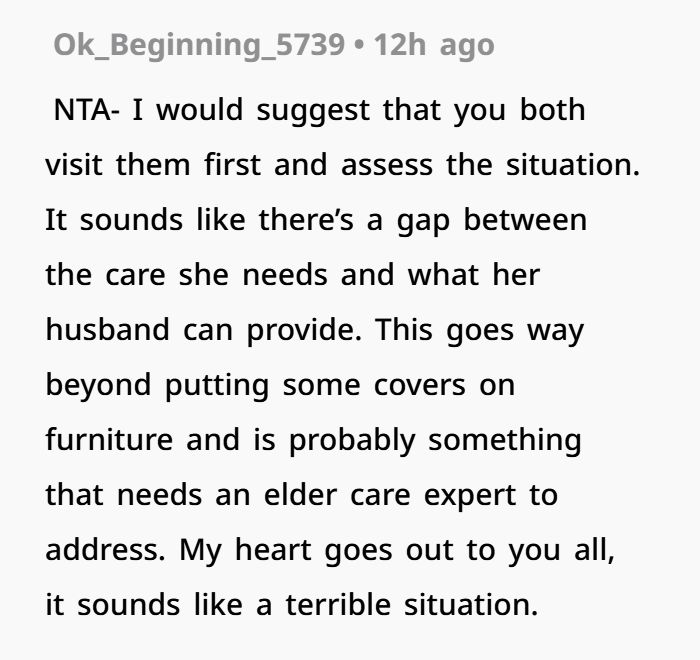
This means that managing incontinence requires a complete care plan, not just absorbent underwear.
The mother-in-law deserves respect and understanding. However, her care needs should also be considered before planning a family visit.
Why Families Should Talk About Incontinence
Talking about bladder control problems is not always easy.
Many families avoid these conversations because they worry about embarrassment or hurting someone’s feelings. Some adult children also find it difficult to accept changes in their parents’ health.
But avoiding the discussion can create more stress later.
The University of California, San Francisco’s Memory and Aging Center recommends using a calm and supportive approach when helping someone manage incontinence.
Helpful steps may include:
- Creating a regular bathroom schedule.
- Choosing comfortable absorbent products.
- Using waterproof furniture protection.
- Keeping the bathroom easy to access.
- Helping with personal hygiene when needed.
- Staying patient when accidents happen.
The husband does not need to make his mother feel that she is being blamed for her condition.
He can simply explain that the family wants to make the visit comfortable and needs to discuss a few practical arrangements.
This approach focuses on care rather than criticism.
Home and Furniture Protection Is Also Important
A new home is a major investment. Homeowners spend money on furniture, flooring, mattresses, carpets, and other household items.
Naturally, they want to protect these belongings.
Repeated urine accidents can create problems with furniture cleaning, upholstery care, stains, and unpleasant odors. In some cases, professional upholstery cleaning or furniture replacement may also become necessary.
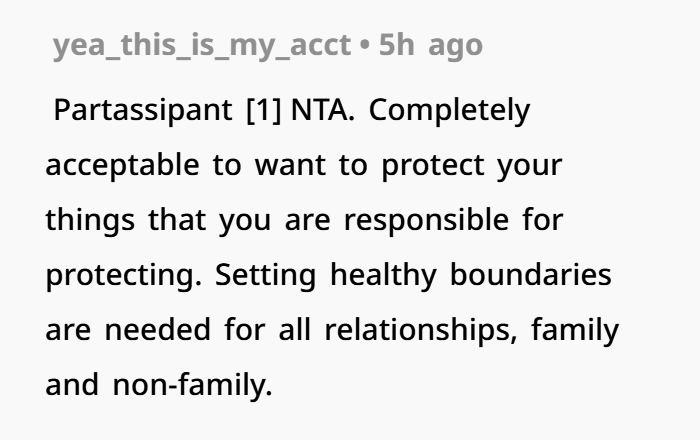
Taking steps to protect the home is a normal part of responsible home maintenance.
It does not mean that a family member is unwanted.
In fact, furniture protection can make visits easier for both the homeowner and the guest.
Here are some practical home protection ideas:
1. Waterproof Furniture Covers
Waterproof sofa covers can help protect upholstery from accidental spills and moisture. Washable covers are especially useful because they are easy to clean and reuse.
2. Absorbent Chair Pads
Washable absorbent pads can provide an extra layer of protection for sofas, dining chairs, and other seating areas.
3. Easy Bathroom Access
Make sure the guest can reach the bathroom without difficulty. A clear walking path and a comfortable bathroom setup can make a big difference.
4. Regular Bathroom Breaks
Gentle reminders and regular bathroom visits may help reduce accidents.
5. Keep Cleaning Supplies Ready
Keep spare clothing, cleaning cloths, and suitable upholstery cleaning products available. This can make unexpected accidents easier to manage.
6. Discuss Suitable Care Products
A healthcare provider can help families understand which incontinence products and personal hygiene options may be appropriate.
These small steps can protect household furniture while supporting better personal care.
Understanding Skin Care and Personal Hygiene
Incontinence is not only a household cleaning concern. It can also affect skin health.
When urine stays against the skin for long periods, it can cause redness, irritation, and discomfort. This is sometimes called incontinence-associated dermatitis.
Regular cleaning, gentle skin care, suitable absorbent products, and changing wet clothing can help reduce the risk of skin problems.
This is another reason why families should discuss a proper care routine.
The goal should be to keep the person comfortable, clean, and healthy rather than focusing only on protecting furniture.
Disability Rights and Private Home Rules
Disability rights are another part of this discussion.
In the United States, the Americans with Disabilities Act (ADA) protects people with disabilities in many public places and other covered settings.
However, the law generally does not apply to an ordinary privately owned home simply because someone with a disability visits.
This does not mean that families should ignore accessibility or caregiving needs.
It means that the couple’s disagreement is mainly about communication, personal boundaries, and finding a practical solution.
The homeowners can choose to make reasonable arrangements for their guest while also taking care of their property.
Why the Husband May Be Avoiding the Conversation
The husband’s feelings should also be considered.
It can be painful to watch a parent struggle with everyday activities. He may feel uncomfortable discussing his mother’s incontinence because he does not want her to feel embarrassed.
He may also believe that asking her to use protective products will make her feel unwelcome.
These concerns deserve understanding.
However, his father is already dealing with similar challenges at home. Furniture replacement and regular cleaning are practical concerns that cannot be ignored.
The husband could first speak privately with his father to learn more about his mother’s daily care routine.
Then he and his wife could discuss what arrangements would work best during the visit.
This gives both spouses a chance to share their concerns and make a decision together.
Can You Protect Your Home and Still Be Compassionate?
Protecting your home and caring for a family member are not opposite choices.
The woman has a reasonable concern about her new home and household furniture. She wants to prepare before an accident happens.
The mother-in-law also deserves kindness, privacy, and respect. Her health condition should not make her feel unwelcome.
A good solution would include practical furniture protection, easy bathroom access, personal hygiene support, and a respectful conversation about suitable care options.
Neither spouse should make this decision alone.
Both should agree on a plan that respects the mother’s needs and the couple’s household boundaries.
At the end of the day, a comfortable family visit is about more than clean furniture. It is about understanding each other’s concerns, preparing for challenges, and treating everyone with respect.
Comments From The Community