She Called CPS to Take My Baby After I Left Her Son
I’m 23. I’ve got a 3-month-old baby boy. And I just walked away from my marriage after my husband admitted his mom was literally plotting a child custody grab behind my back. Yeah. A full-blown custody battle setup. He told me she’d been planning it since I was pregnant. Talking about “protecting the baby” and building some twisted case for grandparents’ rights. The second he said that, I packed up. No debate. No drama. Just left. A week later he came back crying, saying he was manipulated, showing texts and proof that the whole parental alienation scheme was her idea. After a long, exhausting talk, we agreed to try marriage counseling. We’d live separately under the same roof. Basically a legal separation vibe without filing paperwork. I needed to feel safe. I needed stability for my son.
Some mothers-in-law are so awful that they will go to any lengths just to torment their daughters-in-law

The poster left her husband as his mom had manipulated him and was plotting to steal their newborn, but he begged for forgiveness
What happened to me isn’t just messy family drama. It’s something much bigger — and honestly, way more common than most people think. False CPS reports, high-conflict custody battles, and weaponized child abuse allegations happen behind closed doors every day, and families are left dealing with the emotional and legal fallout.
Across the U.S., Child Protective Services (CPS) receives millions of reports each year. According to the U.S. Department of Health & Human Services, more than 4 million child abuse and neglect referrals are filed annually. But here’s what doesn’t get enough attention — a significant percentage of those reports are unsubstantiated, meaning after a formal CPS investigation, there’s no verified evidence of abuse or neglect.
And in high-conflict relationships? False CPS reports can become a weapon.

Especially during separations, divorces, or custody battles.
When someone files a false child abuse allegation, it’s usually framed as “concern for the child.” But sometimes it’s retaliation. Control. Revenge. Or leverage in a custody dispute. That’s when family law attorneys start using terms like parental alienation, malicious reporting, and custodial interference — especially in cases where false allegations are used to influence custody rights or parenting time.
Let’s break this down.
What Happens During a CPS Investigation
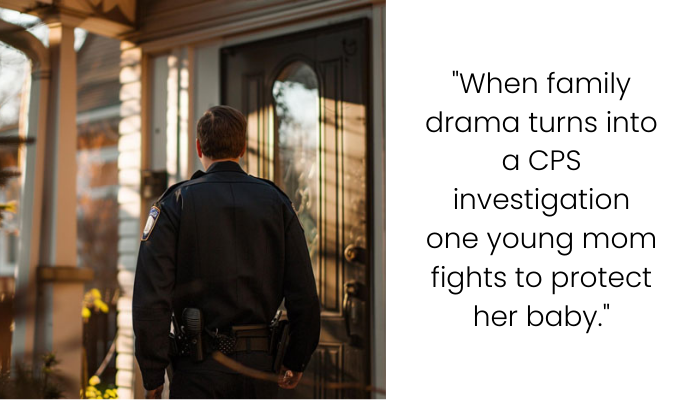
When CPS gets a call claiming neglect, especially involving a newborn or infant, they are legally required to investigate. That means:
- Home visit
- Physical inspection of the child
- Questions about feeding, medical care, sleeping conditions
- Drug screening if allegations mention substance abuse
- Review of medical records
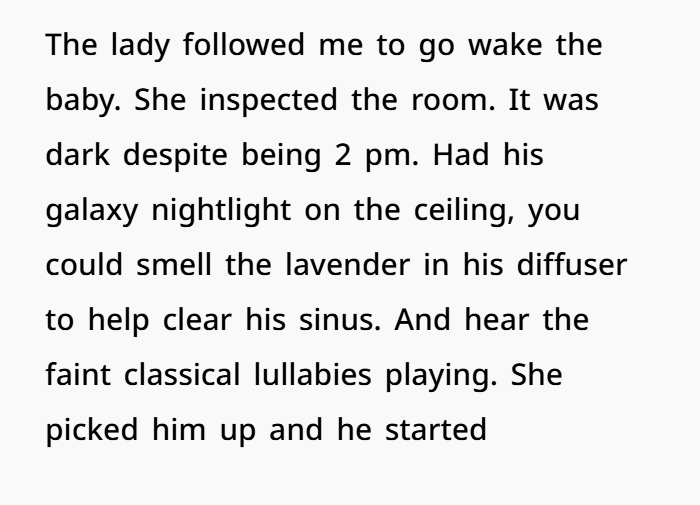
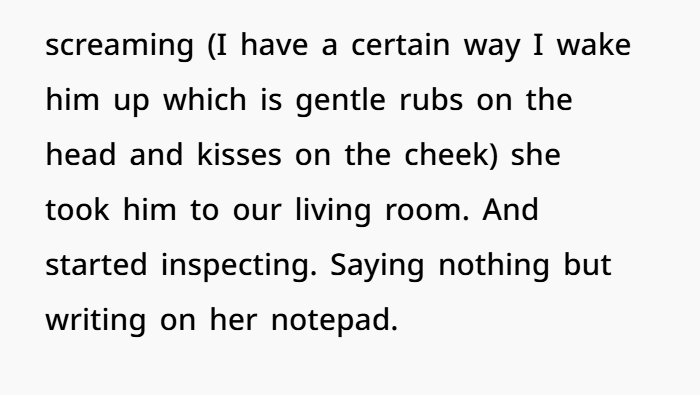
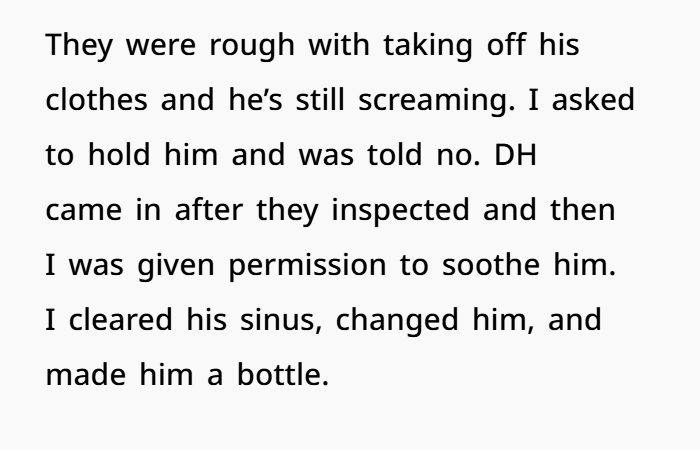
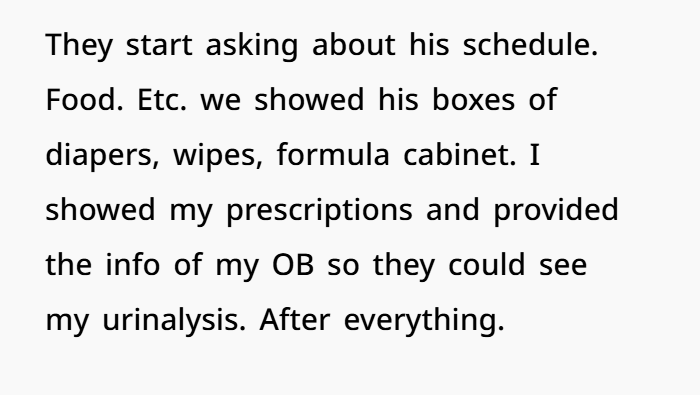
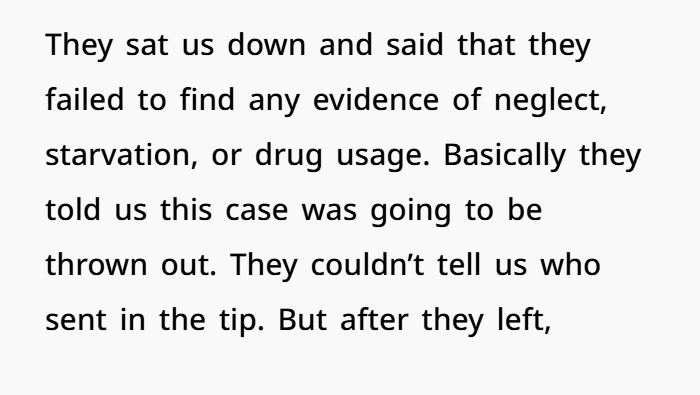
It feels invasive. It feels violating. But they have protocols. In my case, they documented everything. Nursery conditions. Formula supply. Diapers. Prescriptions. Even the pediatrician visit earlier that day.
And here’s the key part: CPS works on evidence, not vibes.
If a baby is healthy, gaining weight, meeting milestones, and living in safe conditions, it becomes very hard for a false narrative to stick.
False Allegations in Custody Disputes
Family courts take child abuse allegations seriously — they have to. Child safety comes first in any custody case. But judges also pay attention to patterns. If someone keeps filing unsubstantiated CPS reports or repeating false allegations, the court may see that as bad faith behavior, especially in a high-conflict child custody dispute where credibility matters.
In many states, knowingly filing a false child abuse report is a criminal offense. Some jurisdictions treat it as a misdemeanor, while others increase the penalties depending on the damage caused. It can also trigger civil penalties, fines, and negative consequences in family court that impact custody rights and visitation.
Family law attorneys usually recommend documenting everything when dealing with high-conflict ex-partners or in-laws. Save text messages. Keep call logs. Screenshot threats. Organize medical and school records. If someone attempts to seek emergency custody based on fabricated claims, that documentation becomes your legal protection.
And let’s talk about emergency custody for a second.
To remove a child from a parent’s care, CPS or a family court generally needs evidence of immediate danger — not just suspicion or personal attacks like “she’s a bad mom.” There must be clear proof of harm or serious risk. Courts do not terminate parental rights lightly. In fact, termination of parental rights is one of the most severe civil actions a court can take, often requiring strong evidence before a judge makes that decision.

Weaponized Welfare Checks and Harassment
There’s also something called abuse of process. That’s when someone twists the legal system — like CPS — to harass, intimidate, or pressure another person. Some family law attorneys describe repeated false reporting as a form of coercive control, especially in domestic violence situations or toxic custody battles where one person is trying to gain leverage.
High-conflict personalities often escalate when they feel control slipping. If someone thought they could influence custody of a newborn and then realized the parents were reconciling, that shift alone could trigger retaliation, false CPS complaints, or other aggressive legal moves.
And here’s where it gets legally significant.
If it can be proven that someone knowingly filed a false report with the intent to interfere with custody or cause harm, it can directly impact future custody determinations. Courts focus on the best interest of the child standard. And putting a child through unnecessary CPS investigations, emotional trauma, and instability doesn’t exactly strengthen a custody case.
The Emotional Toll
Let’s be real though. Legal theory aside. It’s terrifying.
Having strangers inspect your baby. Being told you can’t hold your screaming infant. Hearing allegations that you’re starving your child. It shakes you.
Even if you know you did nothing wrong.
Research in maternal mental health shows that postpartum women are already at increased risk for anxiety and depression. Now add a surprise CPS investigation fueled by false drug abuse allegations? That’s a trauma cocktail.
And infants pick up on stress. They don’t understand words. But they feel tension.
The irony is, the person claiming to “protect” the baby may actually be the one causing emotional harm.
Protecting Yourself Moving Forward
If you ever find yourself in this situation, here are practical steps many family law professionals recommend:

- Consult a family law attorney — even if you think it’s over. A quick legal consultation can clarify your rights.
- Request documentation from CPS stating the case was unfounded or closed.
- Install home security cameras. Not hidden. Just visible. Transparency helps.
- Limit communication with hostile family members. Use written formats only.
- Consider a restraining order if harassment continues.
And for married couples trying to reconcile? Boundaries are not optional. If a third party is actively trying to remove a child from the home, that’s not “family tension.” That’s escalation.
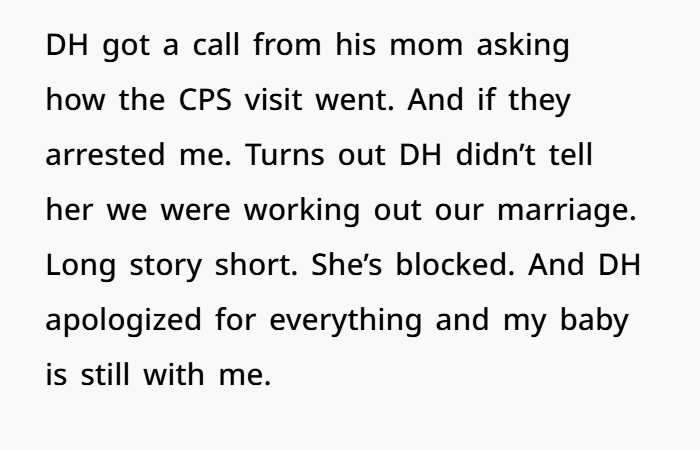
Marriage counseling can help with trust rebuilding. But trust also requires action. Blocking. No contact. Clear alignment.
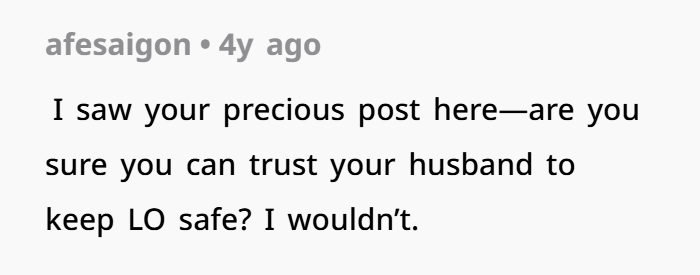
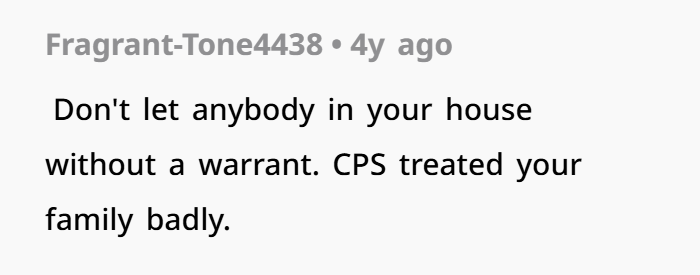
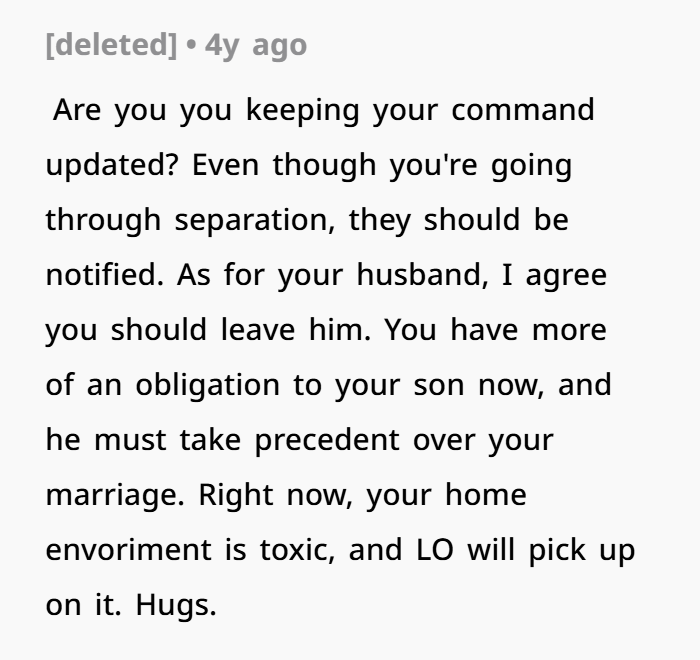
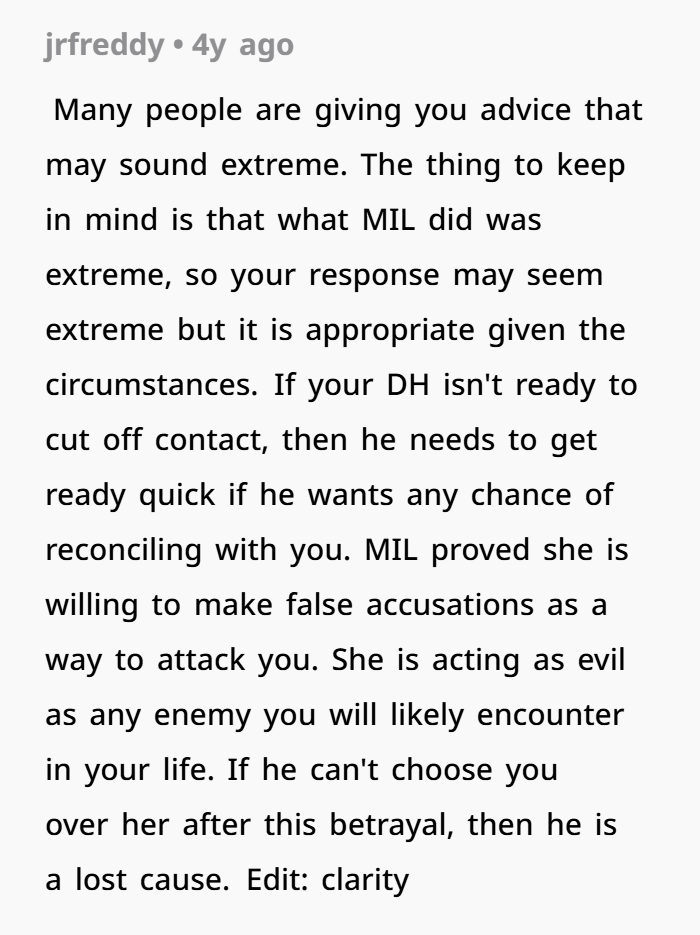
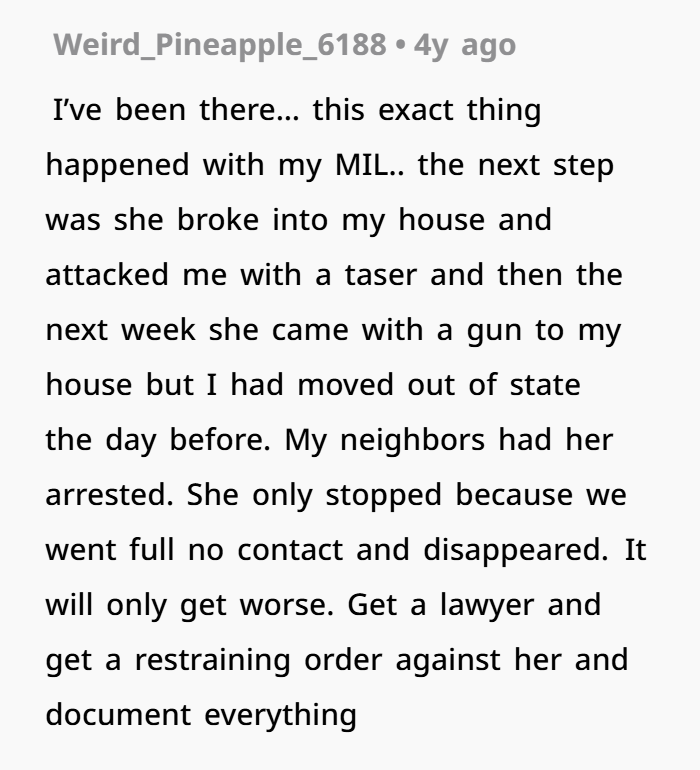
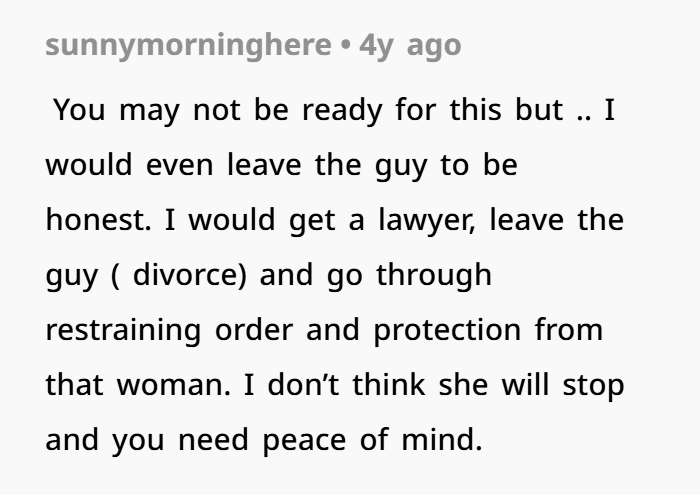
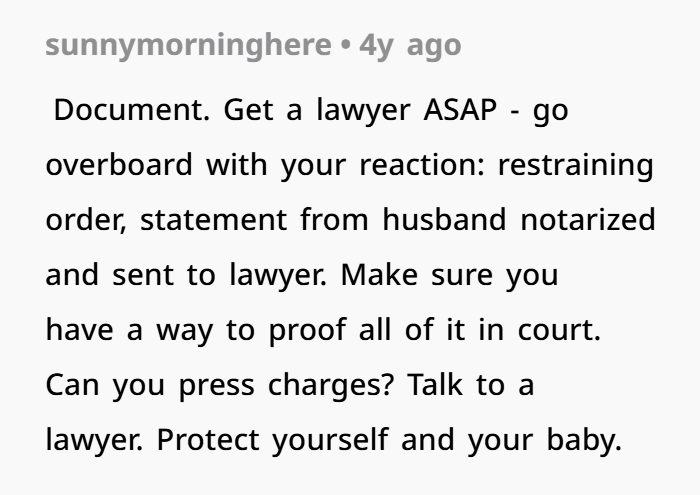
People online were aghast at her cruel mother-in-law, and many wondered whether her husband was trustworthy enough

Why This Backfired
In situations like this, false reporting often backfires.
Because now there’s a documented investigation showing the child was safe. Healthy. Cared for. That paper trail doesn’t disappear. If someone later tries to claim ongoing neglect, there’s already an official record contradicting it.
And the phone call afterward? Asking if there was an arrest? That timing speaks volumes.
Sometimes the people who try to weaponize the system forget something important — systems create records. Records create history. And history matters in court.
At the end of the day, my baby stayed with me. The case was thrown out. No evidence. No neglect. No drugs. Just a grandmother who overplayed her hand.
And maybe the biggest lesson here is this: when someone shows you they’re willing to escalate to this level, believe them. Protect your peace. Protect your child. And document everything.