She Called Me Immoral… So I Dropped the Truth About Her Affair

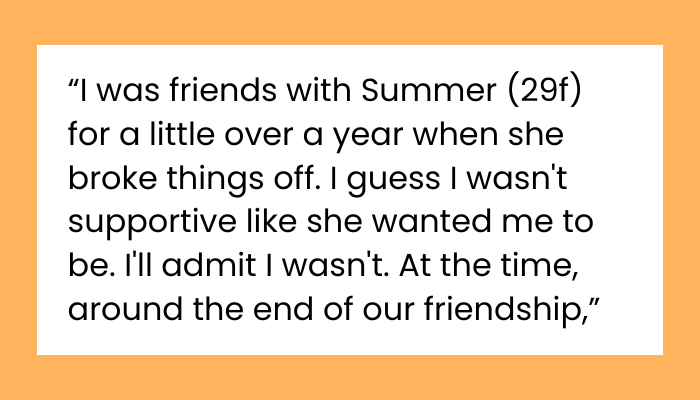
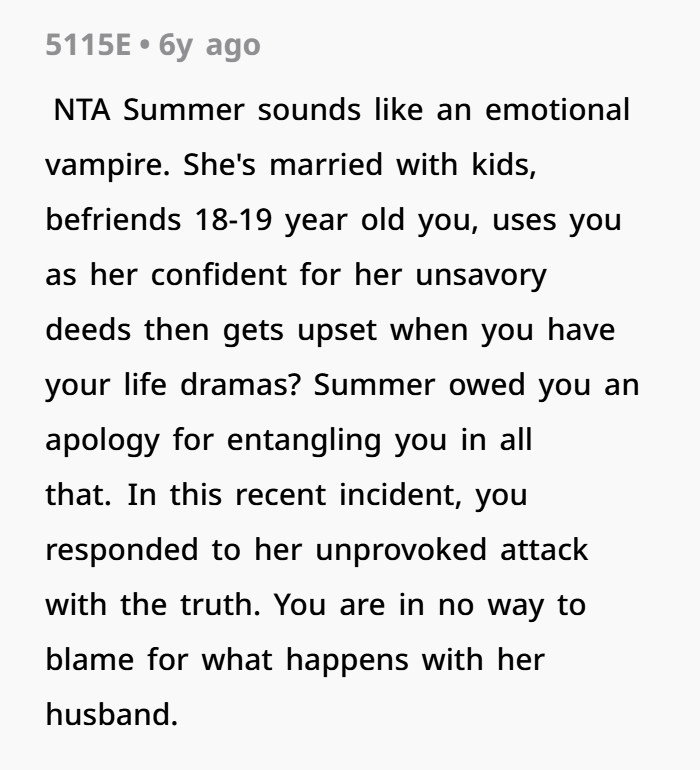
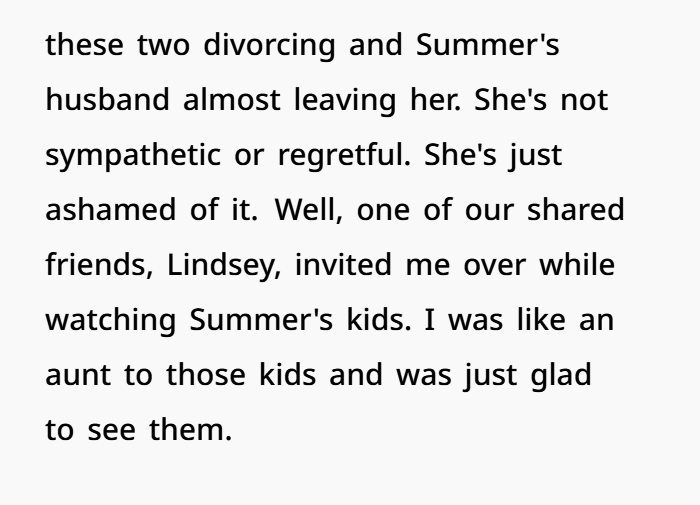
A woman shared a story about a friendship that ended after a difficult period in her life. She and her friend Summer were close for about a year, but their friendship became strained when the woman was dealing with mental health challenges. She explained that she was struggling emotionally and was not able to be as supportive as she wanted to be.
The woman said she tried to repair the friendship by explaining what happened, apologizing, and making an effort to reconnect. However, Summer did not accept the apology and decided to end the friendship. At first, it seemed like a painful but normal friendship breakup.
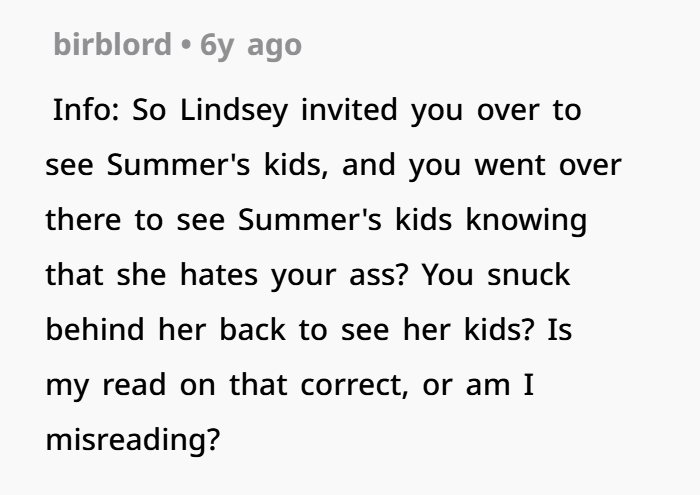
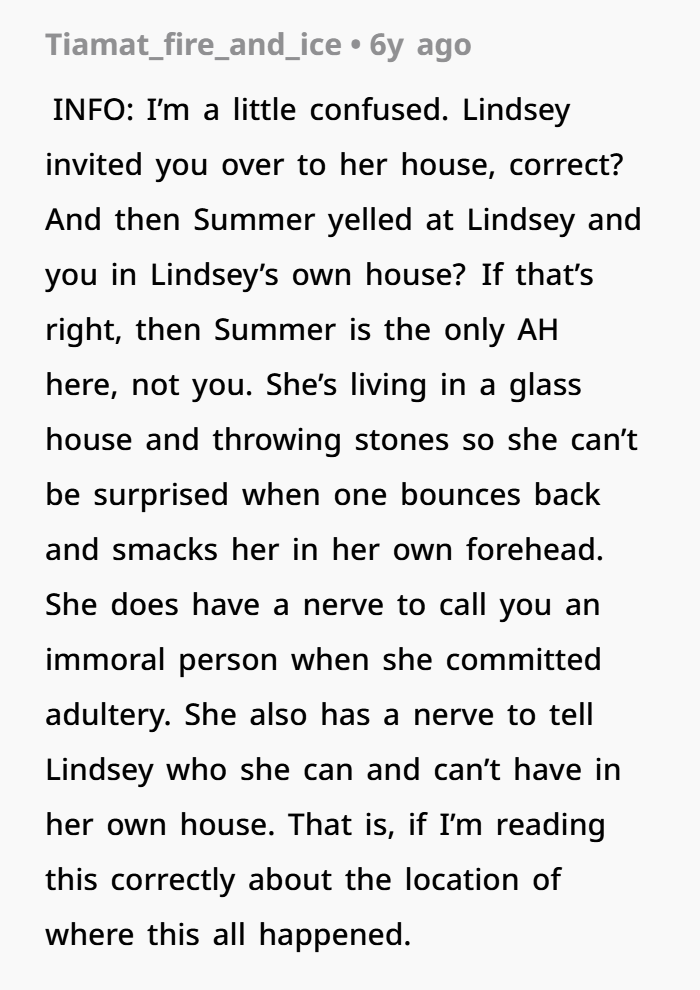
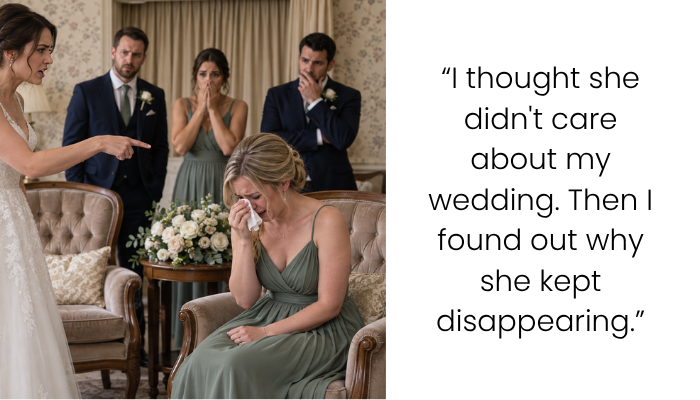
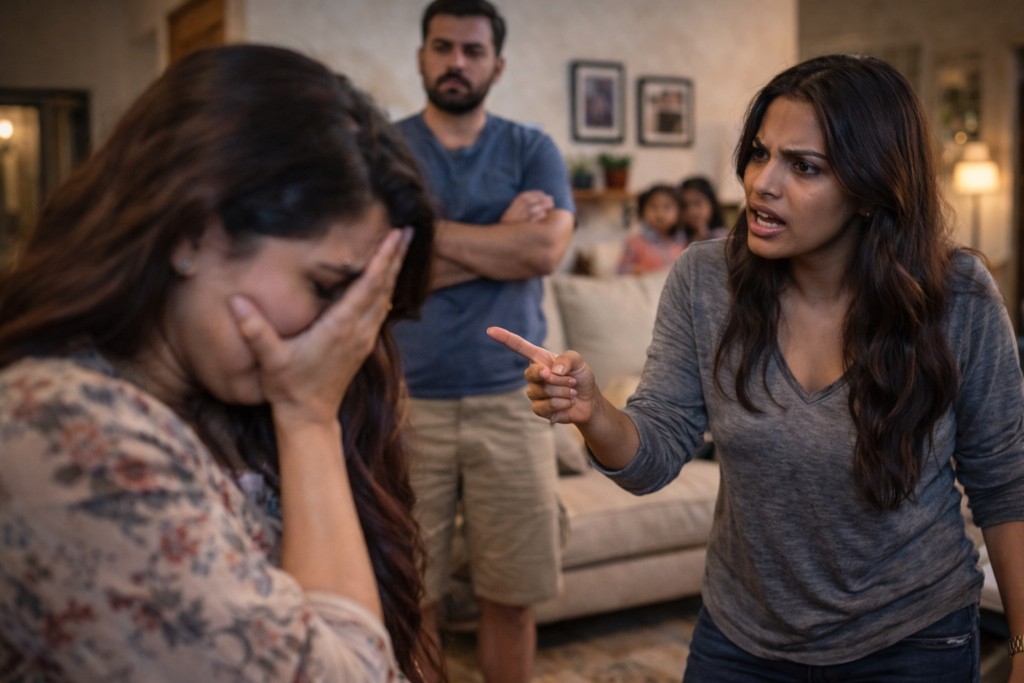
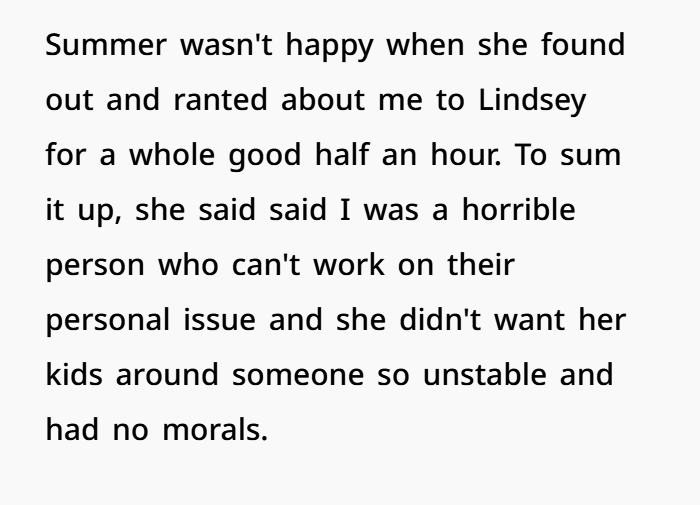
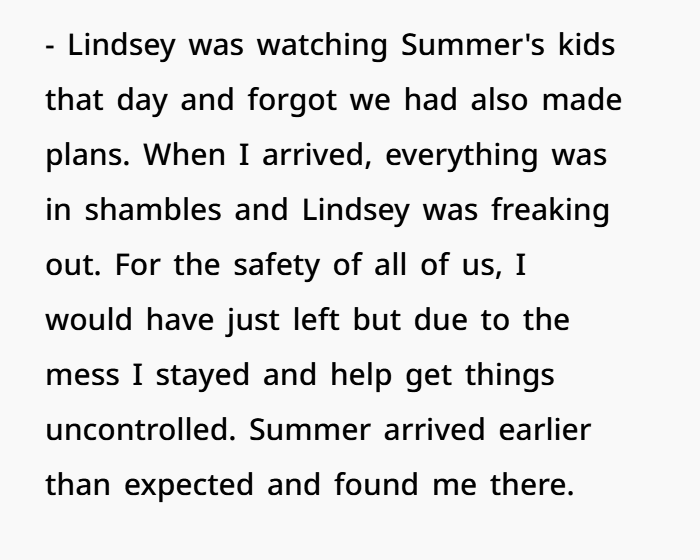
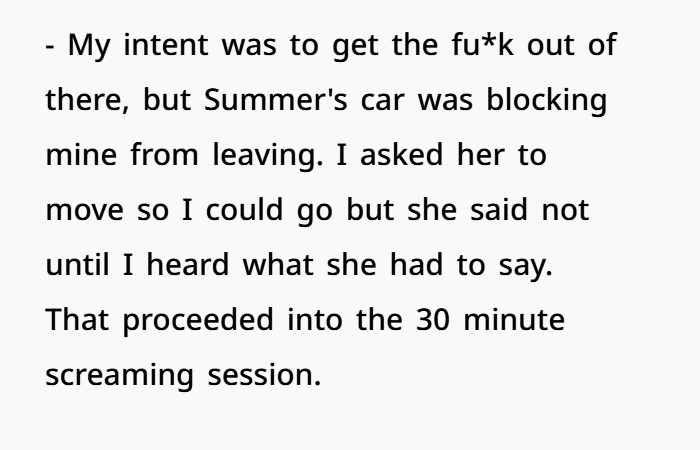
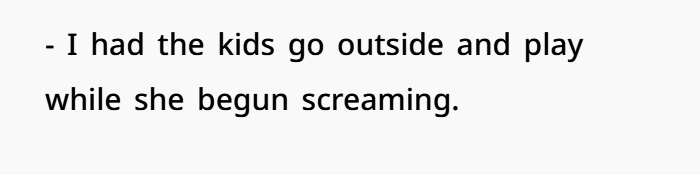
Later, the two women saw each other at a mutual friend’s home. The meeting quickly became uncomfortable when Summer confronted her and expressed years of frustration. The conversation became emotional, with personal comments about the woman’s choices and character.
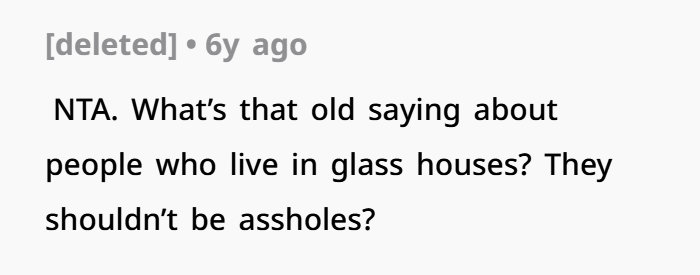
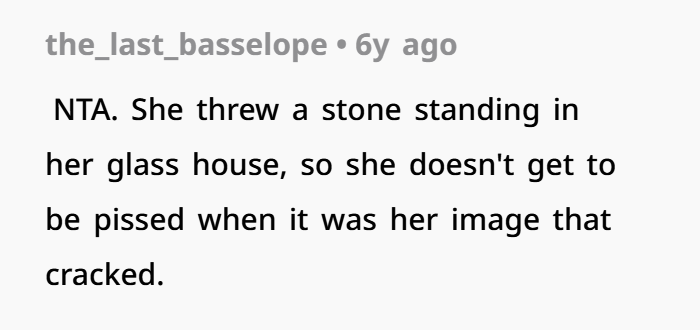
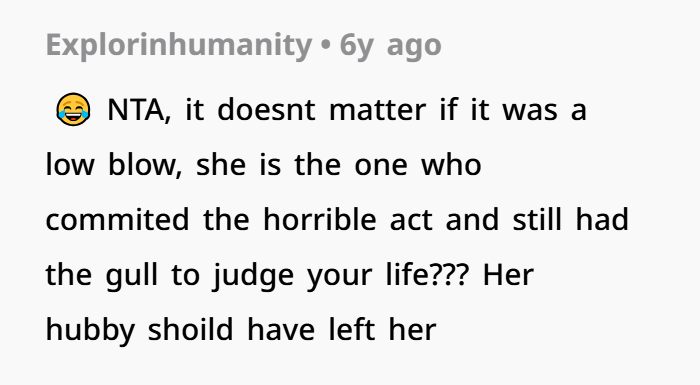
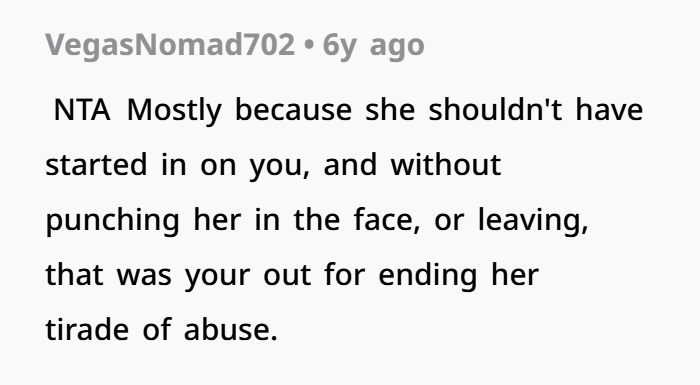
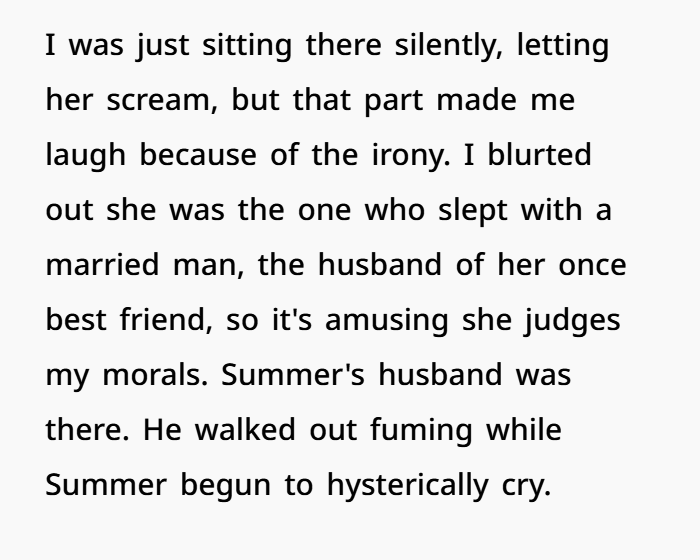
Eventually, the woman responded by bringing up a serious mistake from Summer’s past involving a relationship betrayal. The comment changed the mood immediately, and everyone became uncomfortable. Summer became very upset, and the situation ended with more hurt feelings.
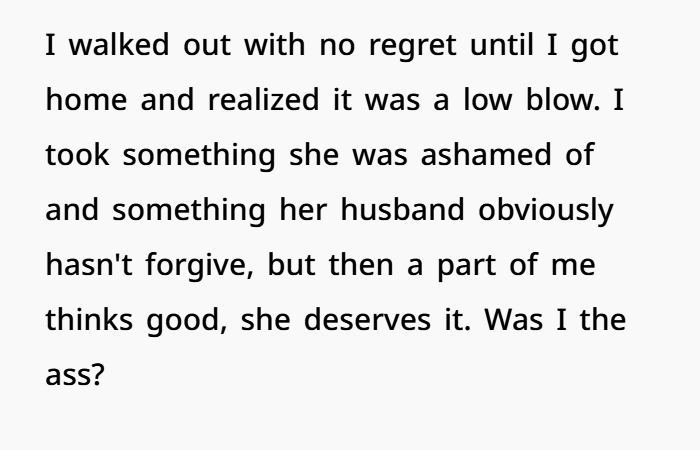
Afterward, the woman was left wondering whether she was simply defending herself or if she had reacted out of anger. The story shows how unresolved emotions, broken trust, and poor communication can make friendships difficult to repair. It also highlights the importance of handling conflicts with honesty, respect, and healthy boundaries.
How Emotional Conflicts Escalate and What We Can Learn From Them
Some conflicts are not caused by one single moment. They happen because emotions, misunderstandings, and old problems build up over time.
Many people experience difficult conversations with friends or family where both sides feel hurt. These situations can become complicated because each person sees the problem from a different point of view.
This type of conflict is not always about one person being right and the other being wrong. Often, it is about how people handle pain, anger, and communication.
When Someone Attacks Your Character
Being called a bad person or having your values questioned can feel extremely painful.
When someone attacks your character instead of discussing your actions, it can feel like a personal rejection. Many people naturally become defensive because they feel they need to protect themselves.
This is why emotional conversations can become intense very quickly.
Instead of focusing on solving the problem, people may start trying to prove who is right.
Learning healthy communication skills can help people express their feelings without creating more damage.
How Stress Can Affect Friendships
When someone is dealing with emotional stress, mental health challenges, or difficult life experiences, they may not always behave the way others expect.
Some people become quieter, cancel plans, or create distance because they feel overwhelmed.
This does not always mean they do not care. Sometimes people step back because they are trying to manage their own emotions.
However, from another person’s perspective, that distance can feel like rejection or a lack of support.
This is where misunderstandings often begin.
Strong relationships require both honesty and empathy. It is important to communicate needs instead of making quick assumptions about someone’s intentions.
When a Conversation Turns Into a Fight
A disagreement can become much worse when one person feels attacked.
Instead of having a calm discussion, people may start blaming, criticizing, or bringing up old issues.
When emotions are high, people often react instead of thinking carefully about their words.
This can lead to:
- Hurt feelings
- Broken trust
- More arguments
- Long-term relationship problems
Conflict resolution is not about avoiding disagreements completely. It is about learning how to handle disagreements in a healthier way.
Defending Yourself Without Creating More Harm
In emotional arguments, people sometimes bring up painful information about the other person.
This usually happens when someone feels unfairly judged or attacked.
For example, if one person criticizes another person’s morals, the other person may respond by pointing out their past mistakes.
This reaction is understandable because people often want to defend themselves.
However, even true information can create more harm if it is shared during an angry moment.
Good communication is not only about what you say. It is also about timing, tone, and purpose.
The Impact of Past Mistakes
Past relationship mistakes can continue to affect people long after the event is over.
When trust has been damaged, rebuilding it can take time. Even after people move forward, certain situations can bring back old emotions.
This is why relationship counseling often focuses on rebuilding trust, improving communication, and understanding emotional triggers.
A past mistake does not have to define someone forever, but taking responsibility and showing real change are important parts of healing.
Understanding Shame and Remorse
There is a difference between feeling embarrassed and truly understanding the impact of your actions.
Shame often focuses on how a person looks to others.
Remorse focuses on understanding how your choices affected someone else.
Real growth usually comes from taking responsibility, learning from mistakes, and making better choices in the future.
The Importance of Respectful Boundaries
Another important part of this situation is personal boundaries.
When someone feels pressured, trapped, or unable to leave a stressful conversation, emotions can become stronger.
People usually communicate better when they feel safe and respected.
Healthy boundaries allow people to step away from conversations that become too intense and return when everyone is calmer.
Was the Reaction Wrong?
In situations like this, the answer is often complicated.
A person may have a valid reason for feeling hurt, but the way they respond can still create more problems.
Someone can defend themselves and still recognize that their words caused pain.
Being able to reflect after a conflict is a sign of emotional maturity.
What Can Happen Next?
After a serious disagreement, people usually have a few choices.
They can:
- Offer an apology for hurtful words
- Have a calm conversation later
- Create distance if the relationship feels unhealthy
- Focus on personal healing and moving forward
An apology does not always mean accepting all blame. Sometimes it simply means recognizing that the way something was handled caused harm.
The Bigger Lesson About Conflict
Most relationship conflicts are not simple.
People carry their own emotions, experiences, and fears into difficult conversations. Sometimes one person crosses a line, and the other person reacts in a way that creates even more damage.
The healthiest approach is to focus on communication, respect, and understanding.
Being right does not always repair a relationship.
Sometimes the most important step is learning from the conflict and choosing a better way forward.
Readers’ Comments Speak Out