My Brother Married My Cheating Ex… and Now I’m the Bad Guy?
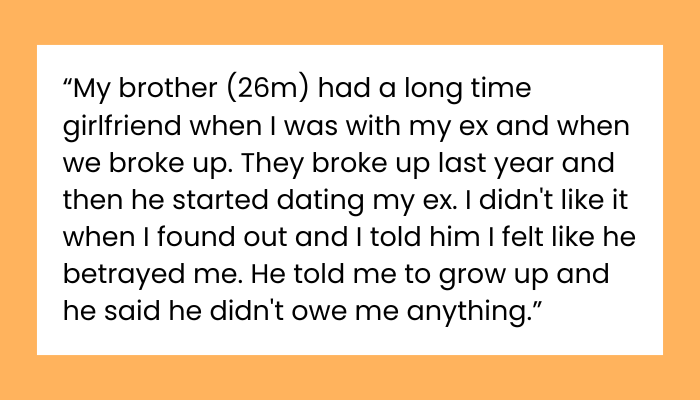
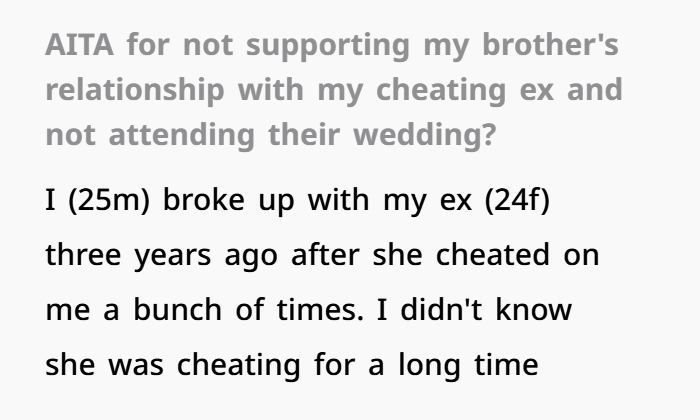
This whole situation sits right in that awkward zone between family loyalty and personal boundaries, and yeah, it’s the kind of story that would blow up on social media or a high-traffic relationship advice site. A 25-year-old guy is dealing with something most people can’t even picture—his older brother ends up dating, then planning a wedding with, the same woman who cheated on him multiple times over five years. And we’re not talking about a clean breakup here. It was messy, full of betrayal, emotional damage, and the kind of heartbreak people usually search therapy options or self-help programs for. So when his brother moves forward with her, it doesn’t feel like coincidence—it feels like crossing a line you just don’t cross, especially in a family.
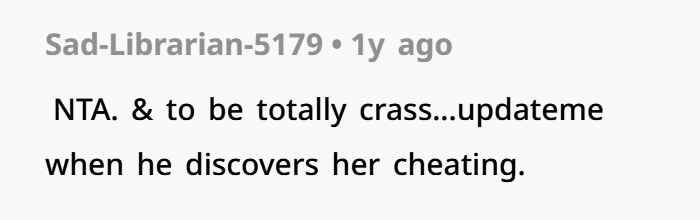
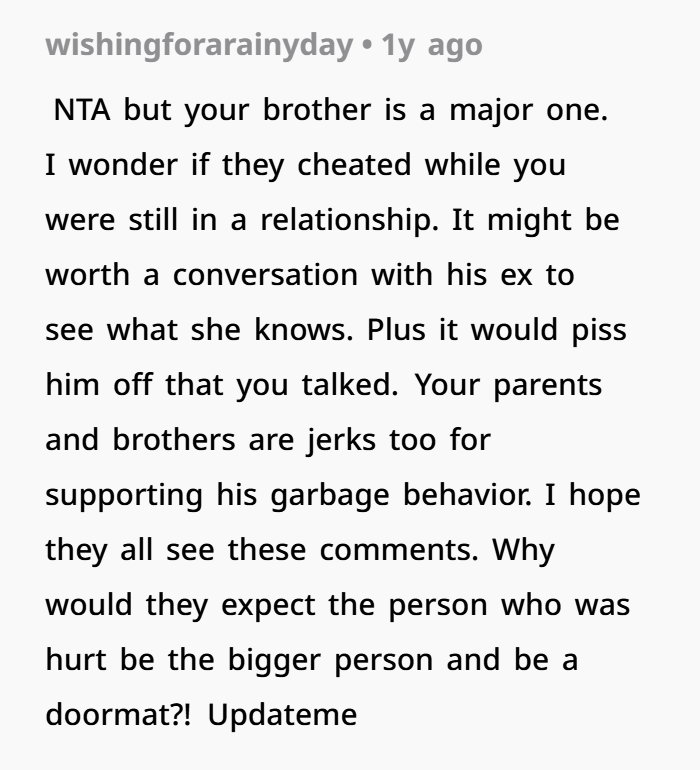
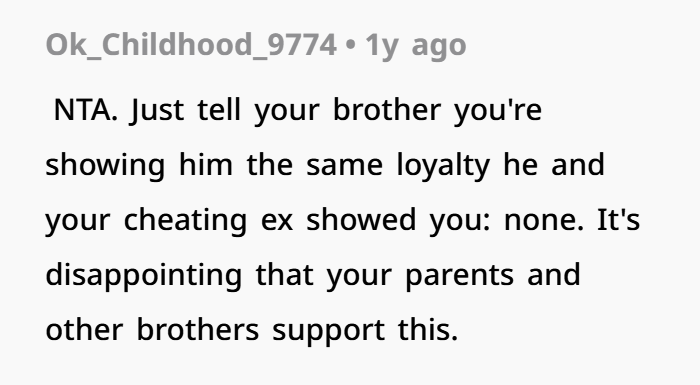
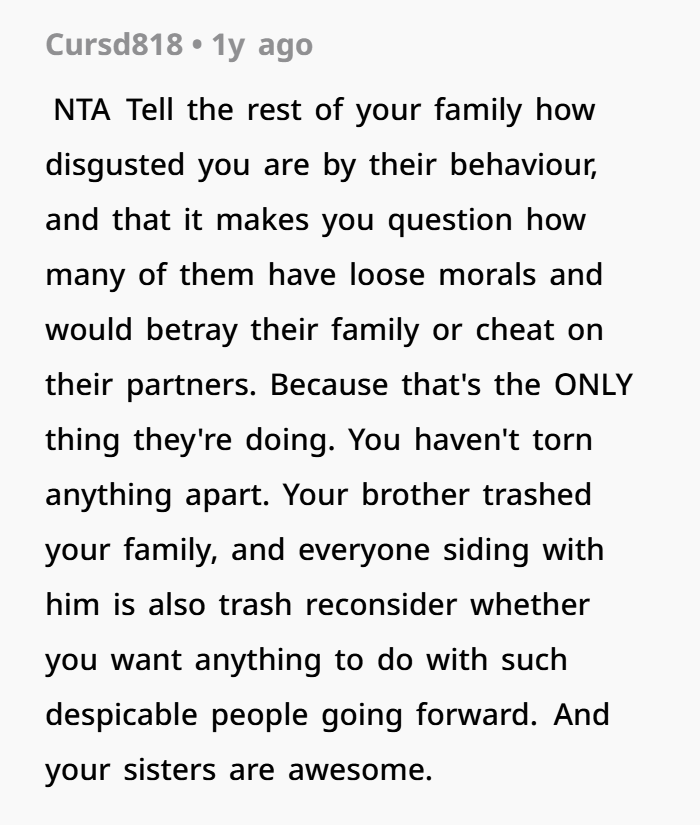
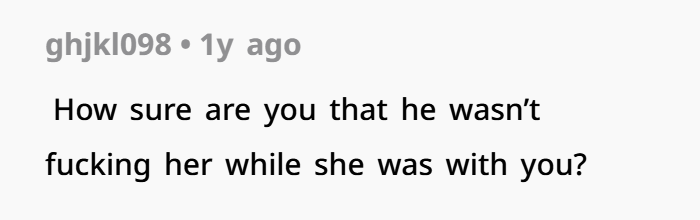
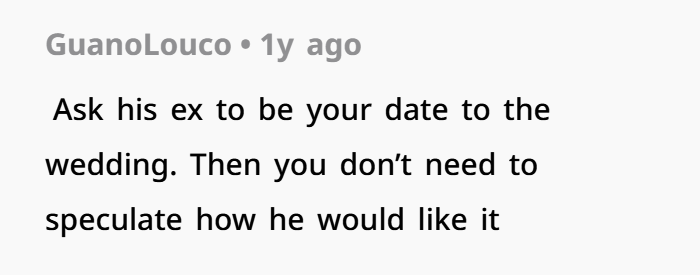
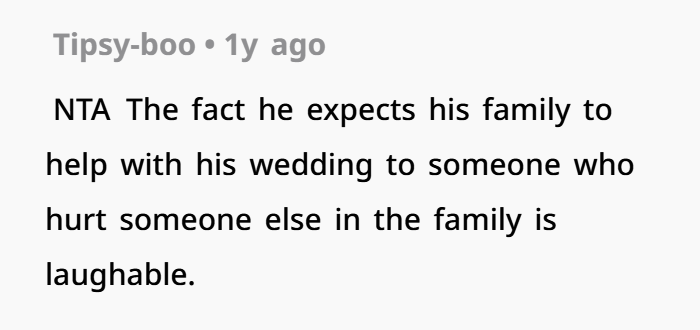
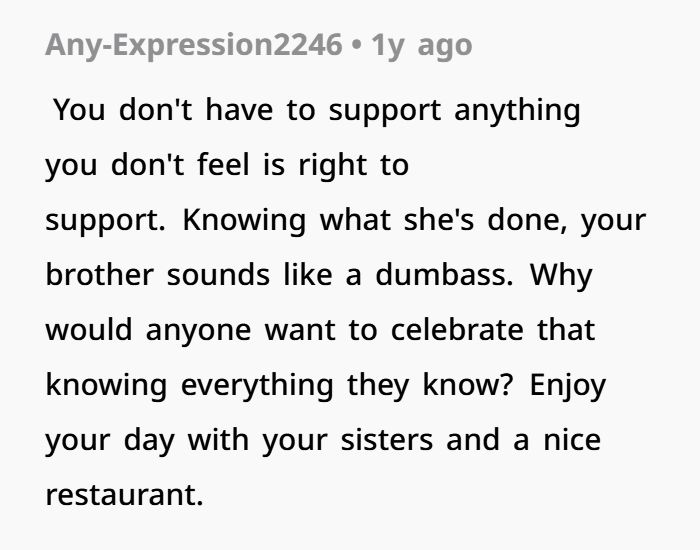
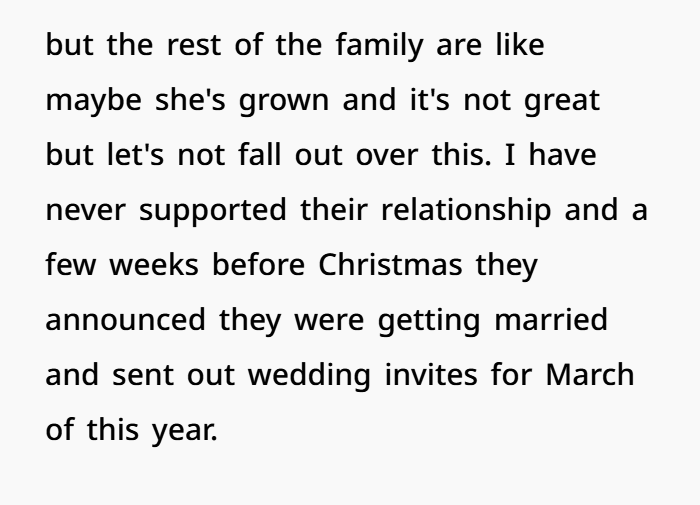
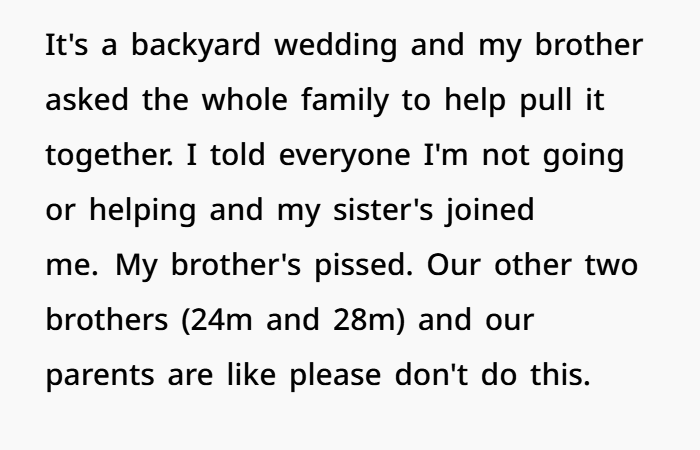
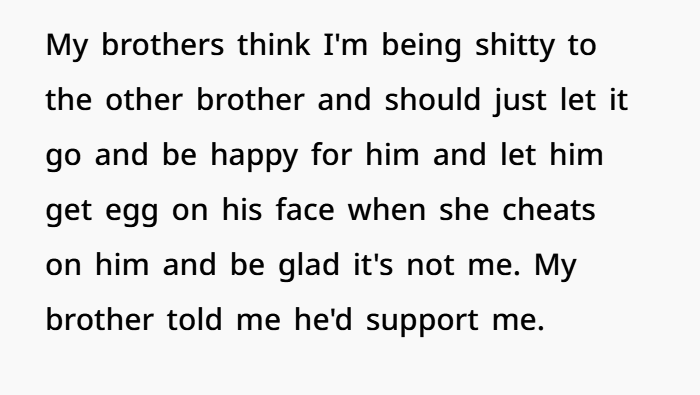
Now the family is basically divided like a courtroom case. His sisters are fully on his side, calling it out as disrespect and a serious breach of trust. But others in the family are more focused on “keeping peace,” using lines you hear in conflict management or family counseling—like “people change” or “don’t let this break us.” Meanwhile, the brother getting married isn’t even trying to understand—no accountability, no empathy, just telling him to “grow up,” which honestly sounds like emotional invalidation at its peak. So the real question feels bigger now, almost like a psychological or ethical debate: is he wrong for not showing up to the wedding, or is this one of those moments where standing your ground and protecting your mental health is actually the smart move?

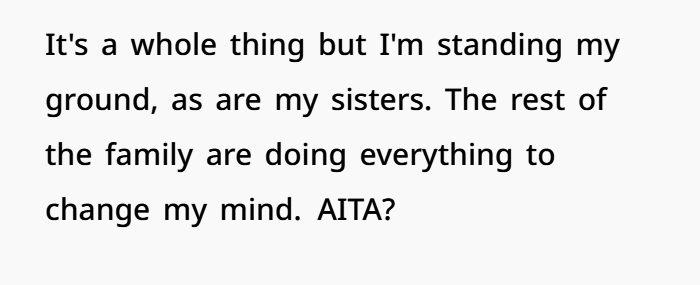
Okay, let’s really unpack this, because this situation isn’t simple at all—it’s emotional, social, and honestly something you’d see discussed in relationship counseling or even online therapy forums. This is way beyond a basic yes-or-no judgment.
Let’s start with betrayal trauma, because that’s where everything begins. When someone cheats multiple times in a serious relationship, it’s not just about cheating—it’s about trust being broken again and again. This wasn’t some one-time mistake you fix with an apology. This was a repeated pattern, almost like emotional abuse in some cases. While planning a future together, she was living a completely different reality. That kind of experience can lead to long-term trust issues, anxiety, and even the need for professional mental health support.
Now fast forward three years. Time passed, yeah—but healing isn’t automatic, like flipping a switch or following some quick self-improvement guide. Emotional wounds don’t work like that. And just when things might be getting better, suddenly your own brother steps in and starts dating her. Not just dating—he’s building a life with her, planning a wedding. That’s a whole new level of emotional pressure.
This is where family dynamics come in, especially those unwritten loyalty rules. Every family has them. No one says them out loud, but everyone kind of knows. And one of the biggest ones? You don’t date your sibling’s ex—especially not one connected to cheating and betrayal. It’s like a basic emotional boundary, something most people understand without needing relationship advice experts to explain.
Why does that matter so much? Because it’s about respect and emotional awareness. It’s about acknowledging your sibling’s pain and choosing not to make it worse. Ignoring that feels less like independence and more like crossing a line.
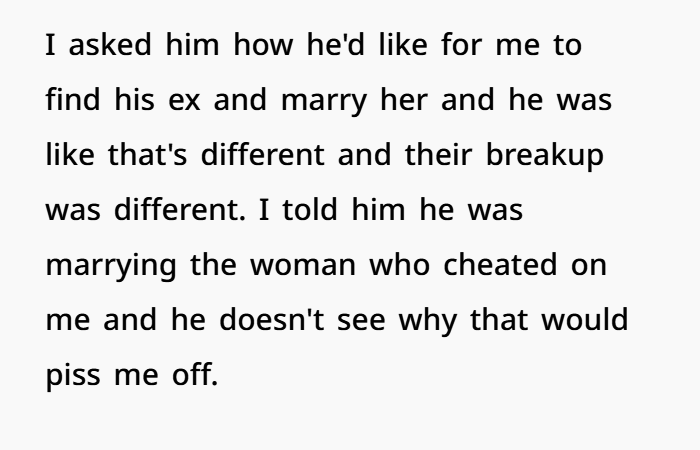
Now when the brother says, “I don’t owe you anything,” sure—on a technical level, he’s right. Everyone has freedom in their choices. But relationships aren’t just about rights—they’re about consequences, emotional impact, and long-term family harmony. Just because you can do something doesn’t mean it won’t damage trust.
And this is where things really change.
Because now it’s not just about the past—it’s about living with it every day. Family dinners, holidays, events—all of it now includes the same person who caused that pain. And you’re expected to just accept it, smile, and act like everything is normal.
That’s not just awkward—it can feel like emotional pressure or even low-key gaslighting when people dismiss your feelings and expect you to move on like nothing happened.
Now let’s look at the family’s response. This is where things get even more interesting. You’ve got two clear camps:
- The Sisters (Support System): They recognize the emotional weight of the situation. They’re validating his feelings and standing in solidarity. That’s huge. Having even a small support system can make a massive difference in situations like this.
- The Parents & Other Brothers (Peacekeepers): Their approach is more about avoiding conflict than addressing the issue. Phrases like “maybe she’s changed” or “don’t let this tear the family apart” sound reasonable on the surface, but they often dismiss the actual hurt involved.
This whole thing screams conflict avoidance over real emotional accountability. It’s way easier for people to say “just let it go” than to deal with the uncomfortable truth—that someone in the family crossed a serious line. You see this pattern a lot in family therapy or even corporate HR conflict cases. People would rather keep things calm on the surface than address what’s actually wrong underneath.
And then there’s that classic line: “Let him learn the hard way when she cheats again.” Sounds logical, almost like advice you’d read on a forum or relationship blog. But in reality? It ignores what’s happening right now. This isn’t entertainment. This isn’t some Netflix drama you binge-watch. This is his real life, his emotional space. Waiting for karma doesn’t remove the discomfort he has to deal with today.
This is also where psychology comes in—specifically boundary setting, which is a big topic in mental health and personal development. Skipping the wedding isn’t about being petty or getting back at anyone. It’s about self-protection. It’s him saying, “I’m not okay with this, and I won’t pretend to be.” That’s actually a strong and healthy move.
People often confuse boundaries with punishment, but they’re totally different. He’s not trying to control anyone. He’s not making demands or ultimatums. He’s just choosing his own peace over forced participation. That’s honestly more mature than people give it credit for.
Now, flip the perspective.
From the brother’s side, he might really believe things are different this time. Maybe the relationship feels healthier. Maybe he thinks she’s grown. And yeah, change is possible—you hear that all the time in self-help content and relationship advice platforms. But even if she has changed, it doesn’t cancel out the past.
And ignoring that past? That’s the real issue.
Because love isn’t just about feelings—it’s about awareness of consequences. It’s about understanding who might get hurt. And telling his brother to “grow up”? That doesn’t show emotional awareness at all. It actually feels like he’s dismissing everything that happened.
Now think about what a wedding really means.
It’s not just a celebration—it’s a statement. A public show of support, almost like a social endorsement. When you attend, you’re basically saying, “I’m okay with this. I support this union.” And in a situation like this, that’s not a small thing.
So if he showed up, smiled, and celebrated… that would feel dishonest. Almost like betraying himself.
And that’s the key point a lot of people miss.
This isn’t about holding a grudge. It’s about self-respect.
Finally, let’s address the big question: Is he the asshole?
Honestly? No.
Could he have handled things better? Maybe, sure. There’s always room for more open conversations, less tension, maybe even sitting down with a family counselor or trying some kind of structured communication approach. Those things can help in situations like this.
But strip all that away, and his reaction still feels real and valid. It’s not about controlling anyone’s choices. It’s about protecting his peace, his emotional stability, his mental health. And that’s actually something you’ll hear a lot in therapy advice and personal growth content.
Honestly, the main issue isn’t even about attending the wedding.
It’s that his brother made a choice, fully aware it would hurt him—and then acted like he should just deal with it.
And that’s where everything shifts.
Because now it’s no longer just about love or relationships—it’s about basic respect.
Comments You Can’t Miss