AITA for Laughing When My Wife Clapped Back at My Mom?

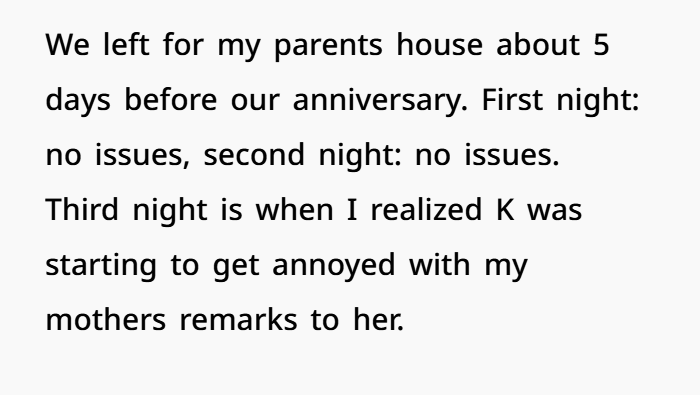
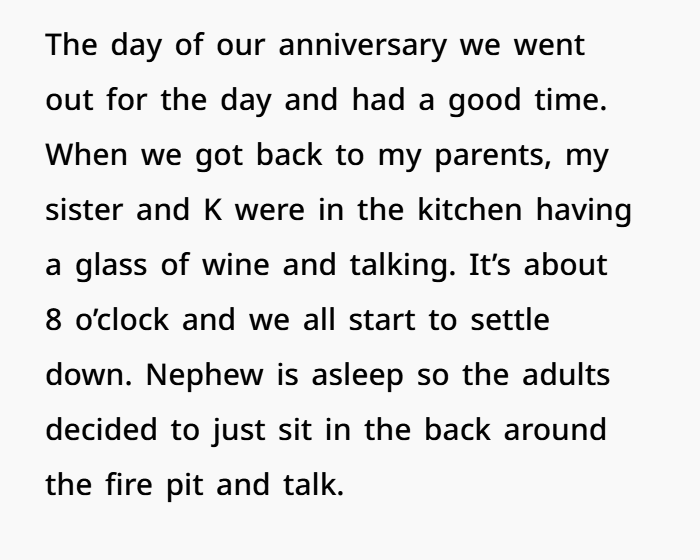
A young husband found himself caught in the middle of a difficult family situation. He and his wife, who had been together since high school, were celebrating their first wedding anniversary. They visited his parents’ home to spend time together and meet his nephew for the first time. At the beginning, everything seemed normal and peaceful.
However, there was already some tension between his wife and his mother. It started with small comments and uncomfortable remarks. Nothing seemed serious at first, but these small moments slowly created stress and made the relationship more difficult.
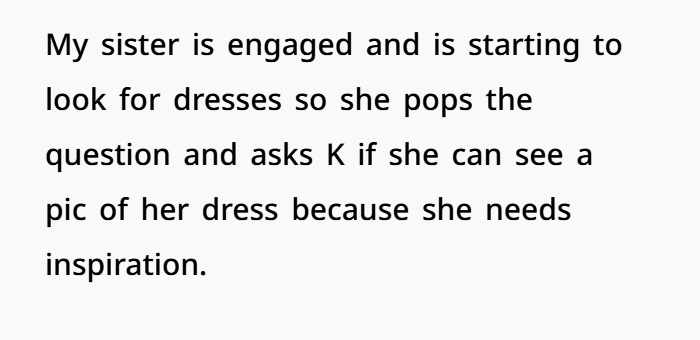
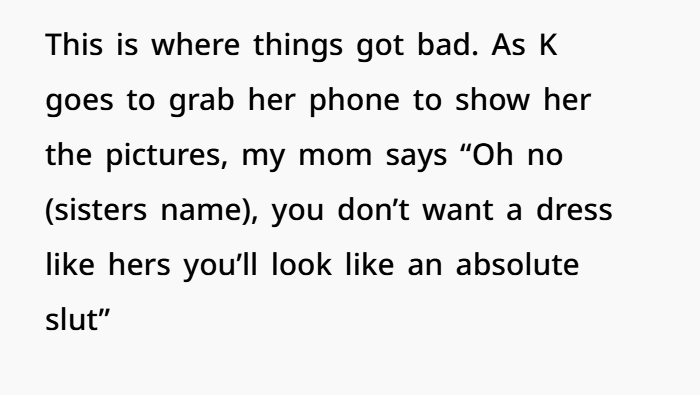
The situation became worse when the wife was sharing photos of her wedding dress. It was a special memory for her, but her mother-in-law made a hurtful comment about the dress and criticized her choice. The comment felt personal and unexpected, which made the moment uncomfortable for everyone.
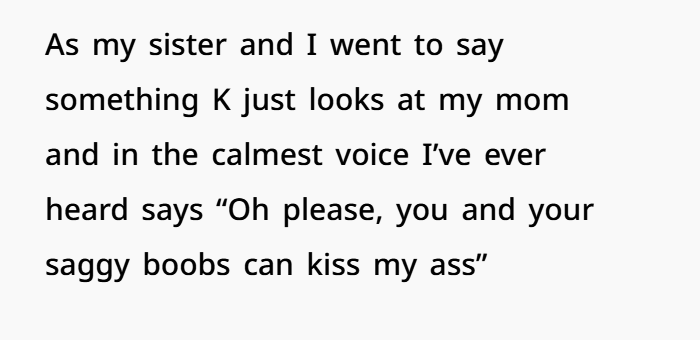
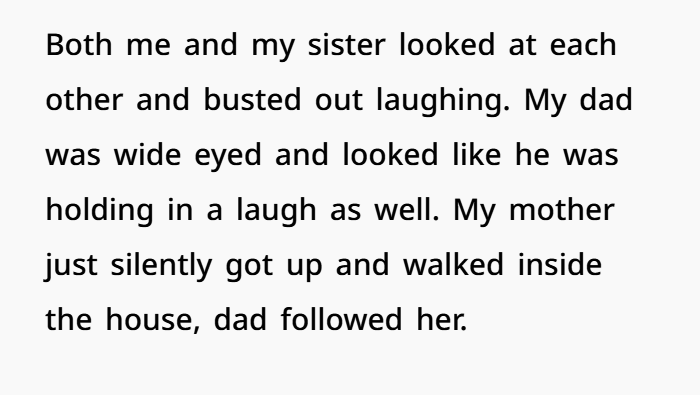
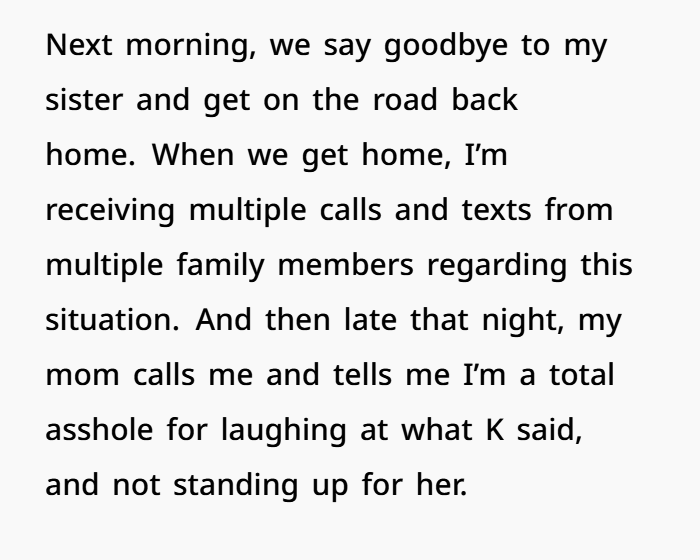
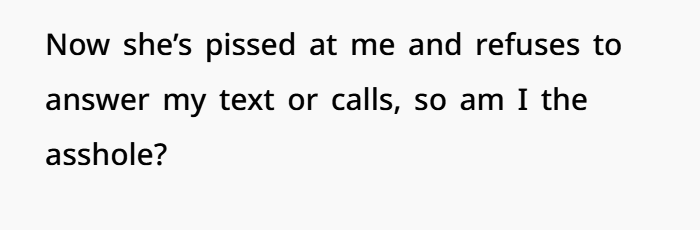
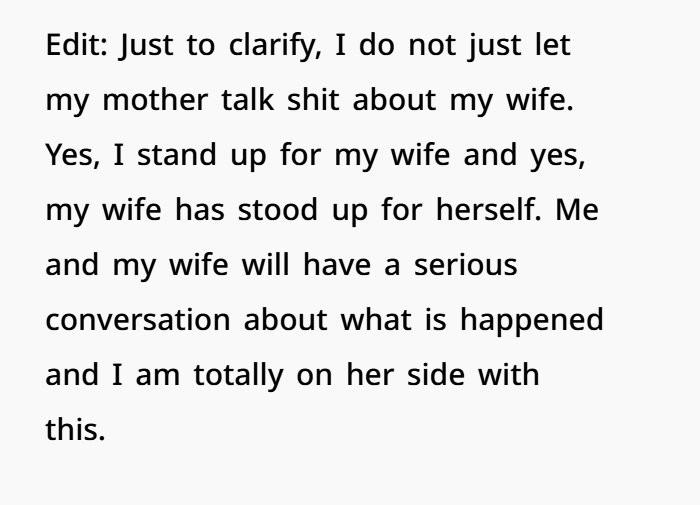
Instead of starting an argument, the wife stayed calm and gave a direct response. Her reply was honest but strong, and it surprised everyone in the room. The husband and his sister laughed because of the unexpected reaction, while his father tried to stay quiet. After that, the mother-in-law became upset and left the room. Later, the family argued about what happened, and the husband started wondering if laughing at the moment made him part of the problem. Now he is trying to understand how to handle family conflict, marriage boundaries, and relationships with both his wife and parents.
When In-Law Conflicts Affect a Marriage: Understanding Respect, Boundaries, and Communication
At first, this situation may look like a simple family argument.
But when you look deeper, it is about much more than one comment or one reaction.
It involves:
- Respect between family members
- Marriage and partner support
- Communication problems
- Personal boundaries
- Long-term family relationships
These types of conflicts are common, especially when couples are adjusting to marriage and managing relationships with in-laws.
Why One Comment Can Create a Bigger Problem
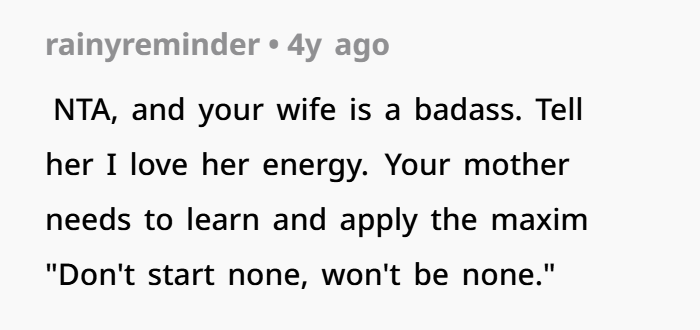
The main issue started with a hurtful comment.
Sometimes people make comments without thinking about how deeply they can affect someone else.
A comment about a person’s appearance, clothing, or personal choices can feel disrespectful and embarrassing.
Healthy relationships require respectful communication.
When family members use hurtful words repeatedly, it can slowly damage trust and create emotional distance.
The problem is often not only the single comment.
It is the history behind it.
How Long-Term Tension Can Affect Family Relationships
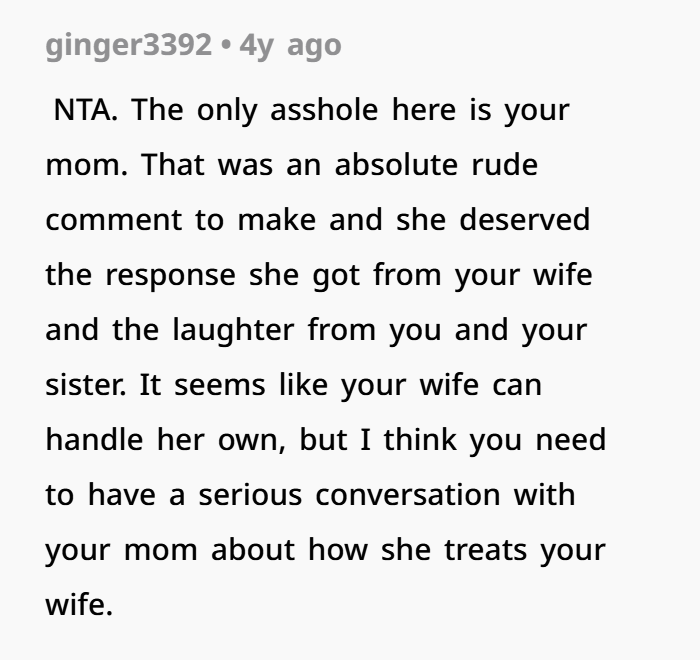
You mentioned that your mother and your wife already had difficulties getting along.
That background matters.
When there is already tension between two people, even a small disagreement can become much bigger.
Over time, small issues such as:
- Negative comments
- Misunderstandings
- Different expectations
- Unresolved feelings
can build up.
Eventually, one moment can become the point where someone finally reacts.
Many family counselors discuss how unresolved conflicts can create stress in relationships if people do not address problems openly.
Was Your Wife’s Response Wrong?
Your wife responded strongly after feeling insulted.
Her reaction may have sounded sharp, but it is understandable that someone may defend themselves when they feel attacked.
There is a difference between being disrespectful and standing up for yourself.
Healthy boundaries allow people to communicate:
“I do not feel comfortable being spoken to this way.”
However, the way people respond during conflict also matters.
The best outcome usually comes when people can express their feelings without making the situation more damaging.
Understanding Your Laugh Reaction
Your reaction was laughing during the argument.
This detail is important because people often misunderstand reactions like this.
Sometimes people laugh during uncomfortable or stressful moments without meaning to.
This is often called nervous laughter.
It can happen when someone feels:
- Awkward
- Surprised
- Stressed
- Unsure how to respond
You may not have meant to support one person over another.
However, your mother may have interpreted the laugh differently.
She may have felt that you were taking your wife’s side.
Marriage Changes Family Priorities
One difficult part of marriage is learning how to balance your relationship with your spouse and your relationship with your parents.
Many relationship experts believe that after marriage, spouses should support each other and work as a team.
This does not mean ignoring parents or ending family relationships.
It means creating a healthy balance where your partner feels respected and supported.
A strong marriage often requires couples to communicate clearly and protect their relationship boundaries.
Respecting Parents While Supporting Your Partner
Some families believe that elders should never be questioned.
Respecting parents is important, but respect should go both ways.
Healthy family relationships are built on kindness and understanding, not fear or silence.
If one person is allowed to say hurtful things without consequences, it can create resentment over time.
Everyone in the family deserves respectful treatment.
Was the Laugh the Main Problem?
The laugh may have made the situation feel worse in that moment.
Timing matters during emotional conversations.
Even an accidental reaction can affect how people feel.
But the bigger issue was not the laugh.
The disagreement already existed because of the hurtful comment and the tension between family members.
A single reaction usually does not create a family conflict by itself. It is often a sign of deeper problems that were already there.
Why Setting Boundaries Can Help
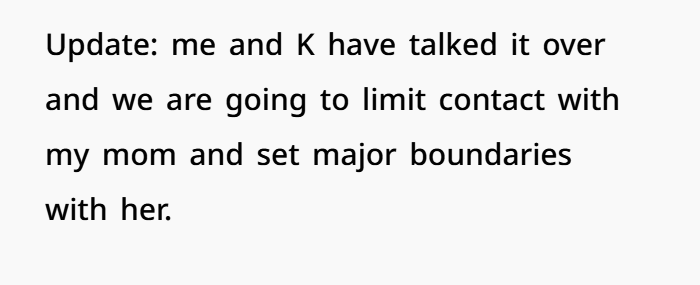
After repeated conflict, some couples decide to create more distance from certain family situations.
This does not always mean they are trying to punish anyone.
Healthy boundaries are about protecting emotional well-being.
Examples of healthy boundaries include:
- Limiting stressful conversations
- Spending less time in conflict situations
- Choosing respectful ways to communicate
- Taking space when emotions are high
Boundaries can help relationships become healthier because they create clearer expectations.
The Importance of a United Marriage
When couples face family disagreements, working together is important.
A strong partnership does not mean fighting against everyone else.
It means both people feel supported and understood.
Couples who communicate well and make decisions together often handle outside stress more successfully.
The goal should be protecting the marriage while still treating family members with respect.
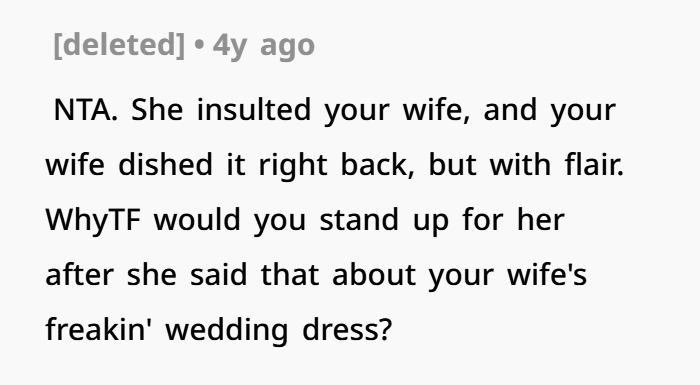
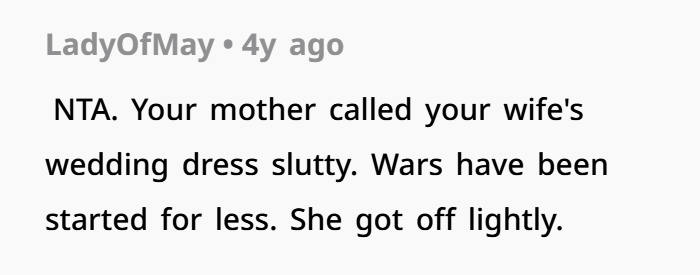
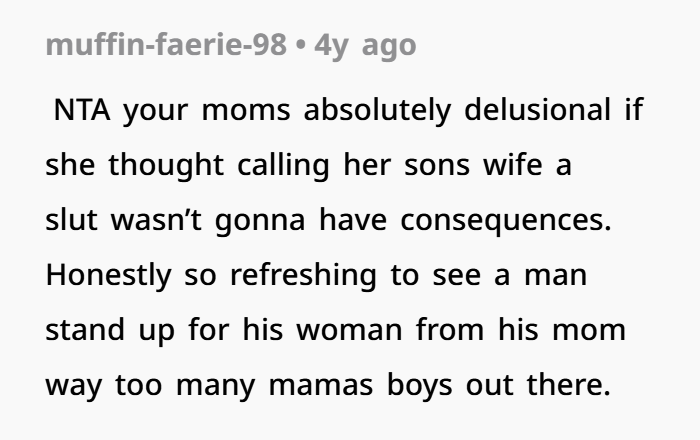
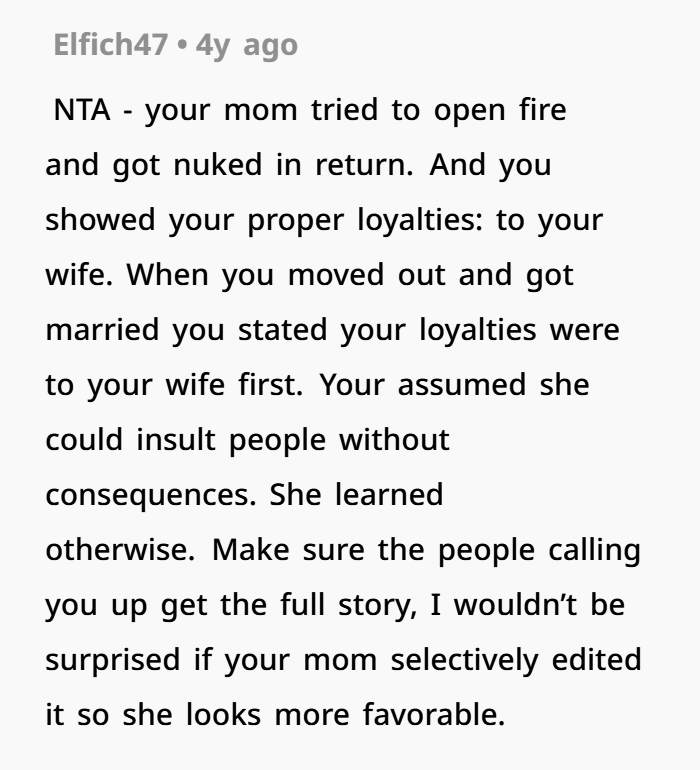
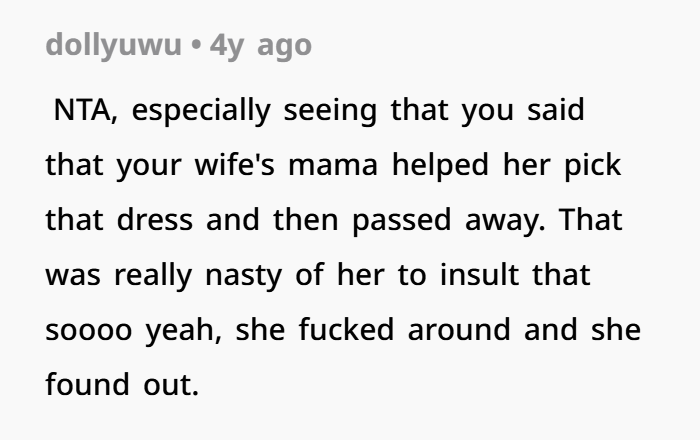
See The Comments Below



Final Thoughts
This situation was never only about a laugh.
It was about years of tension, a hurtful comment, different expectations, and how people handle conflict.
Your mother’s feelings matter.
Your wife’s feelings matter.
Your feelings matter too.
Family relationships can become complicated when loyalty, marriage, and respect all come together.
The healthiest solution usually comes from honest communication, clear boundaries, and a willingness to treat everyone with dignity.
A single moment may start an argument, but the real solution comes from addressing the deeper issues underneath.