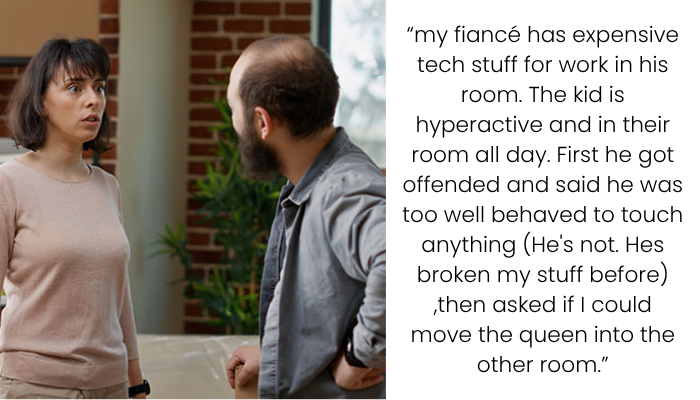
I Let Them Stay… They Tried to Control My House. AITA?
This story starts with what should’ve been a simple act of kindness. The OP opens their home to a cousin, his wife, and their young kid after their AC stops working in crazy heat. Not super close, but still family—and sometimes that’s enough. With limited space and the fiancé away, OP sets things up in a practical way. The kid gets a room, the couple gets another, and OP adjusts like usual. Pretty normal situation, nothing major… or so it seemed.
But yeah, things go off track fast. The cousin gets uncomfortable with sleeping separately from his wife—even for one night—and starts making demands instead of asking. Rearranging rooms on the spot, moving furniture late at night, and expecting the host to handle everything. No effort from his side. When OP pushes back, tension builds quick. Next morning? Cold vibes, passive-aggressive behavior, and then they just leave. And it doesn’t stop there. A few days later, OP gets blamed for “ruining their marriage.” Over a sleeping setup. Honestly wild. This is the kind of situation people talk about in family dispute resolution, guest etiquette rules, and even relationship counseling advice—because yeah, it escalated way beyond normal.

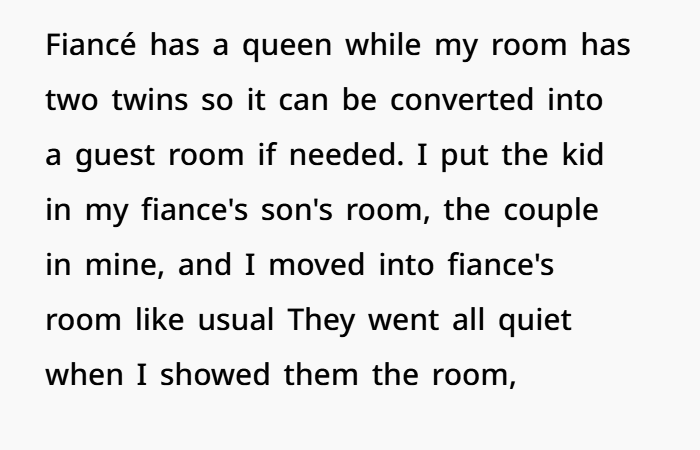
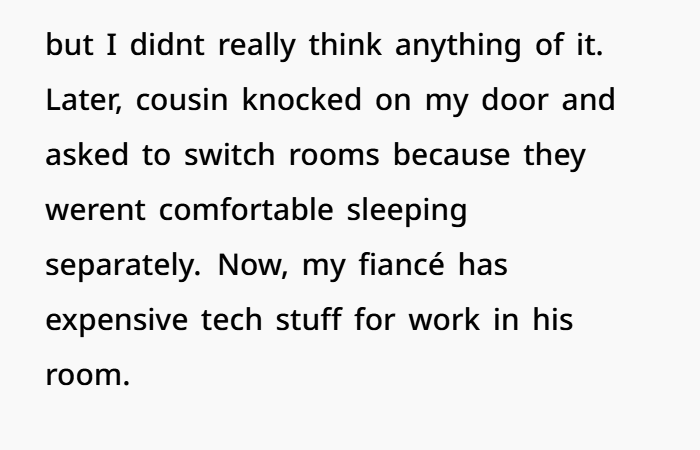
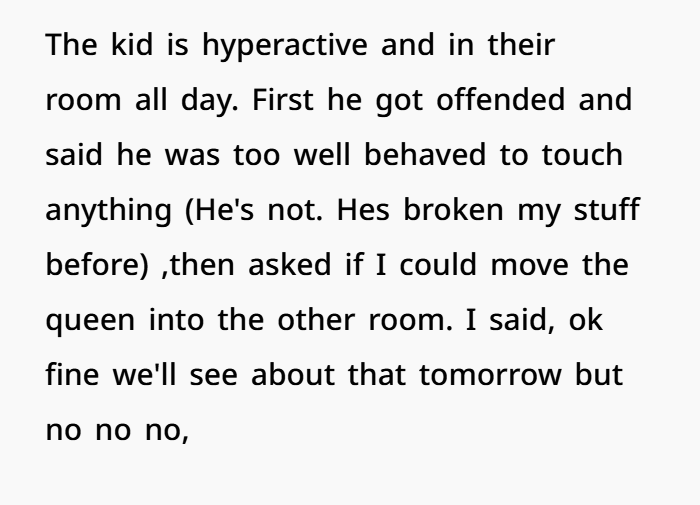
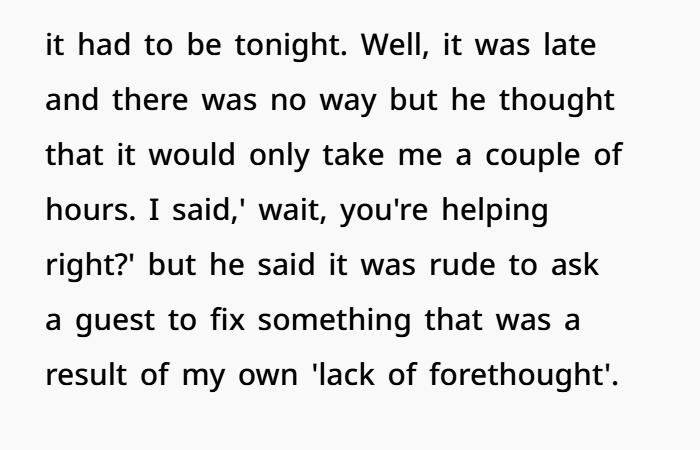
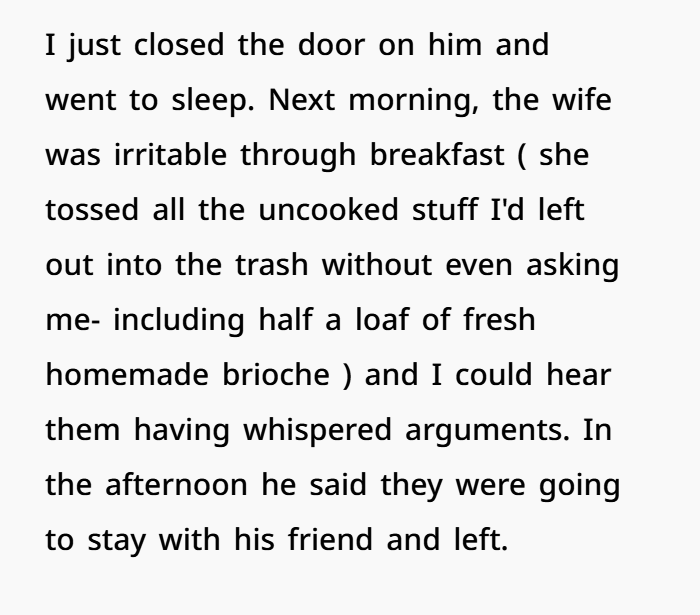
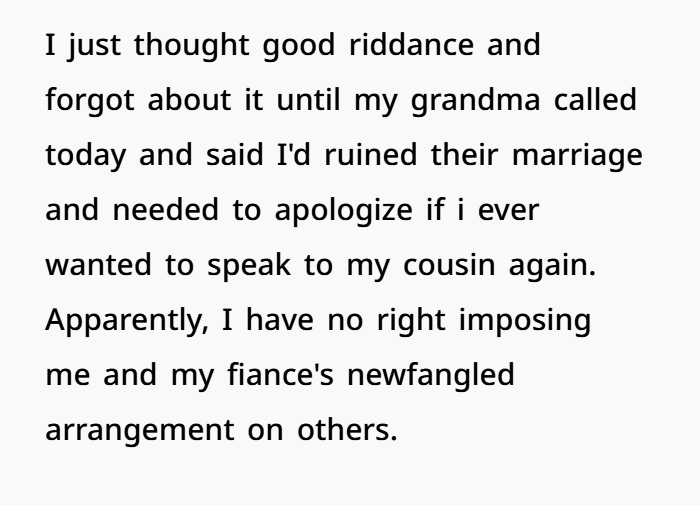
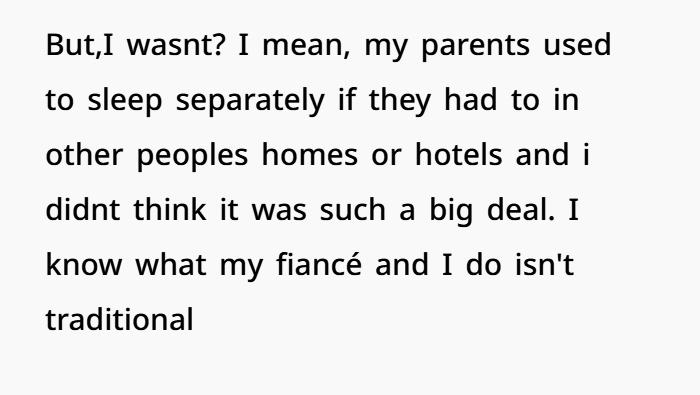
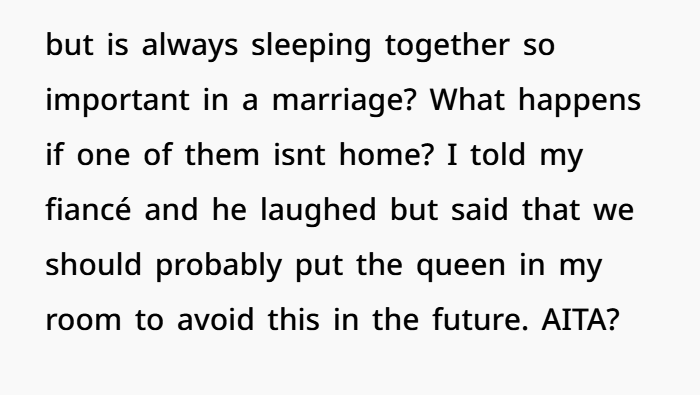
Alright, let’s really unpack this, because there’s more here than it looks. This isn’t about sleeping arrangements. It’s about personal boundaries, entitlement issues, family expectations, and deeper relationship patterns.
Start with host vs guest roles. This comes up a lot in social etiquette advice and even family conflict resolution. There’s a basic understanding—hosts should help, but guests should also be easy to deal with. OP did everything right. Made space, adjusted their own comfort, and handled things last minute. That’s solid hosting.
Now compare that with the cousin. Instead of being thankful, he fixates on one discomfort—sleeping away from his wife. And instead of handling it calmly, he turns it into a big issue. Demands changes, doesn’t help, and shifts blame onto OP. That’s not normal frustration—that’s entitled behavior, something often linked with toxic behavior patterns in psychology.
Then there’s the relationship side of things. His reaction to sleeping separately is way too intense for just one night. Sure, couples like being together, but acting like it’s a serious issue? That’s not common. In modern relationship advice and couples therapy insights, sleeping separately sometimes is totally normal—and even healthy.
So what’s really going on? Most likely, the issue wasn’t the sleeping arrangement at all. It just triggered something deeper. The argument with his wife the next day kinda confirms it. OP didn’t ruin anything—they just happened to be in the middle when things came out. This is a classic case of conflict displacement, a well-known concept in family psychology, where people project their own problems onto others.
Then you’ve got the wife’s reaction, which makes things even more complicated. Throwing away someone’s homemade food? That’s not just rude, it’s kinda aggressive. It’s a classic case of passive-aggressive communication. In mental health and conflict management, this is known as indirect hostility—when someone is upset but doesn’t say it directly. Usually happens when they feel unheard. So instead of having a proper talk with her husband, she lets it out in a different way… like dumping brioche in the trash. Yeah, that says a lot.
Now step back and look at the cultural angle. In many traditional households, sharing a bed is seen as a big deal. It connects to marital expectations, closeness, and even how a relationship looks from the outside. So when the cousin talks about “weird arrangements,” he’s really reacting to something that doesn’t fit his belief system. To him, separate sleeping might feel unnatural.
But here’s the reality—modern relationship studies and marriage counseling insights actually show the opposite. Flexibility is healthy. Couples who can adjust, even in small situations, tend to have stronger communication and less tension. So the fact that he couldn’t handle one night apart? That might point to deeper issues in the relationship.
And then there’s the power dynamic. A 48-year-old husband and a 31-year-old wife—again, nothing wrong by default. But in some cases, age gaps can affect relationship balance and control. His strong demands, plus her visible frustration, kinda suggest there might be some imbalance there. Not confirmed, but definitely something to think about.
Now let’s not forget the practical side, because this part really matters. Moving a queen bed is no joke. It’s heavy, takes time, and honestly, it’s unreasonable to expect someone to do that late at night. Especially when you’re the guest in their home. And the fact that the cousin didn’t even offer to help? That goes against basic household responsibility and fairness rules.
Then things escalate even more with the grandma stepping in, blaming OP for “destroying the marriage.” That’s a perfect example of family conflict escalation and story distortion. When situations get retold, they often get exaggerated. A small disagreement turns into a dramatic narrative. It’s just easier to blame someone outside than deal with internal issues.
From a bigger perspective, this highlights something important—setting healthy boundaries. OP didn’t refuse completely. They just said, not right now, not like this. That’s actually a strong example of assertive communication and emotional boundaries, which are big topics in therapy and self-development.
And the cousin’s reaction? Feels like he’s not used to being challenged.
In the end, this whole thing wasn’t really about sleeping arrangements. It was about expectations clashing—old-school vs modern thinking, entitlement vs mutual respect, and control vs flexibility. OP didn’t break anything. If one night apart can shake a marriage, then the issue was already there.
And maybe that’s the uncomfortable truth no one in the family wants to admit.
The Reactions Are In
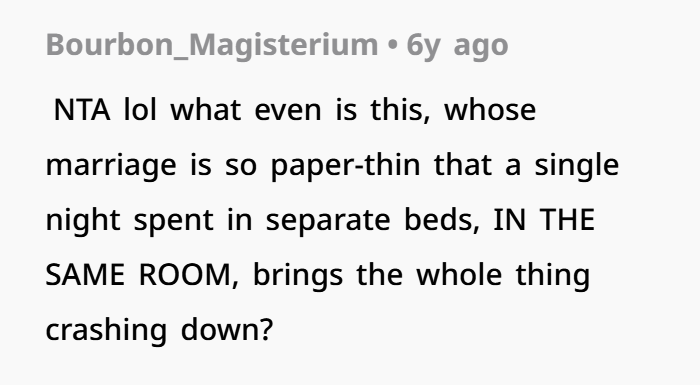
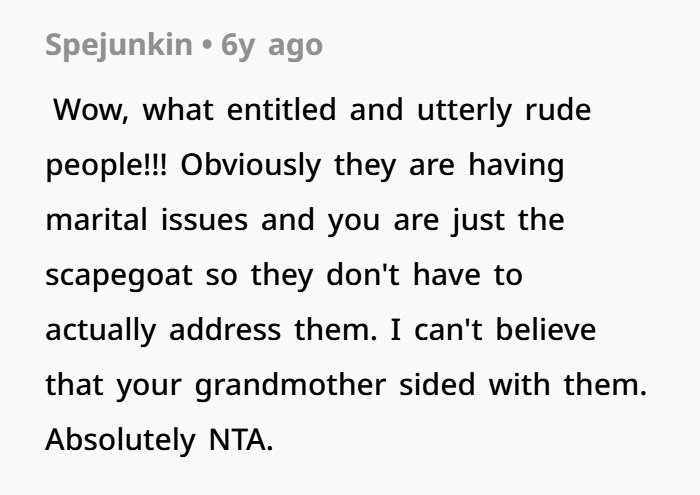
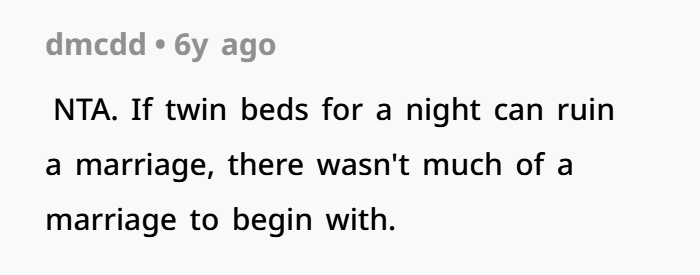
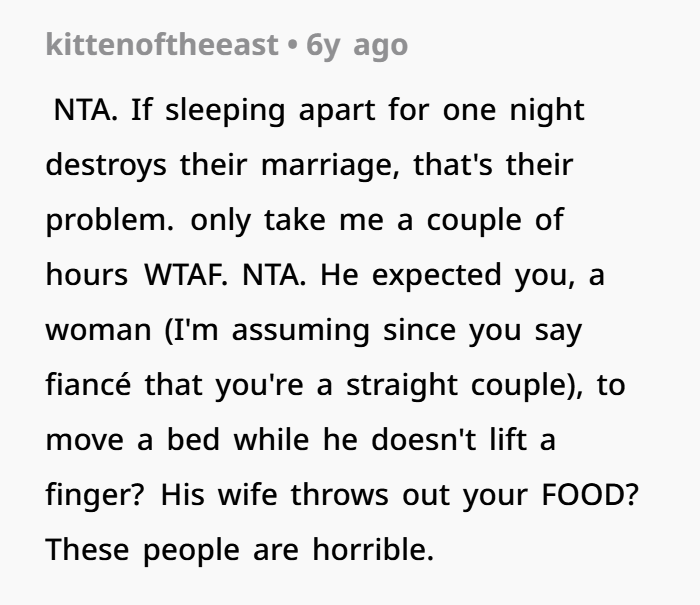
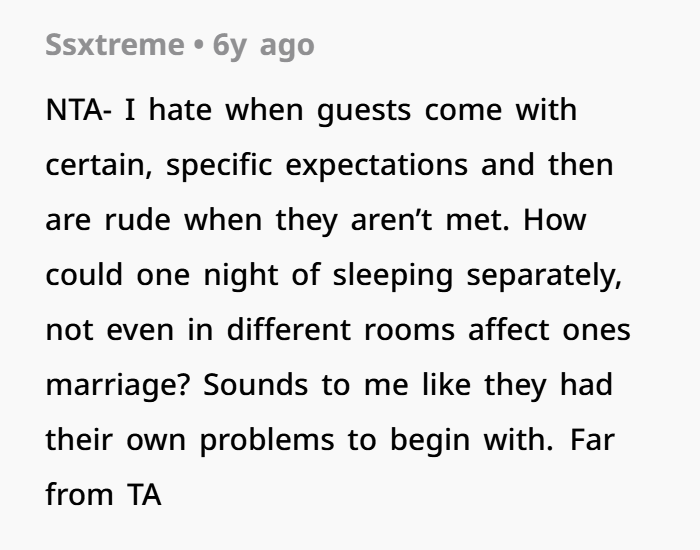
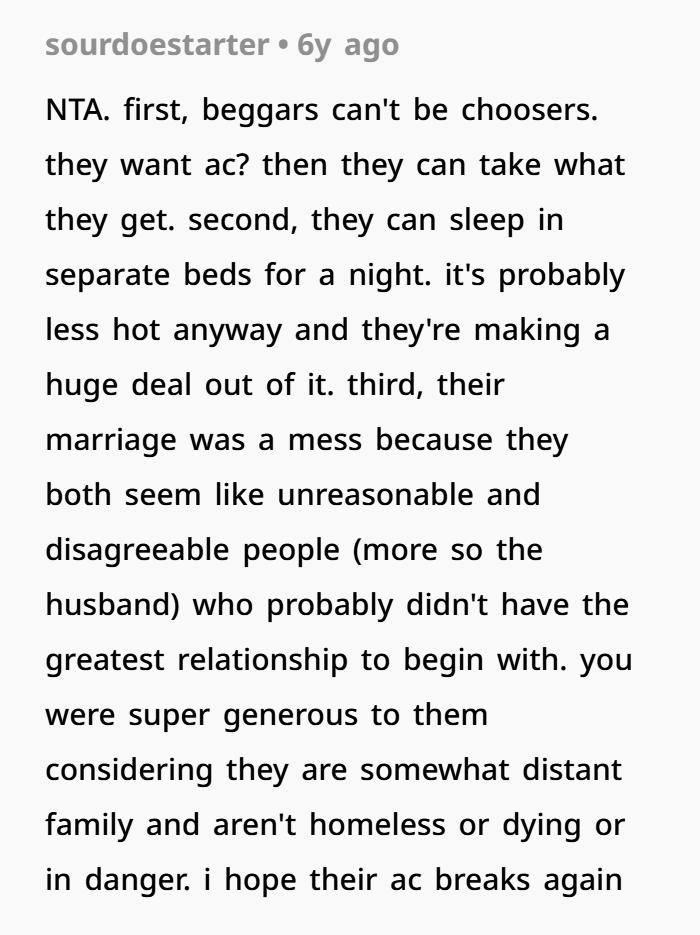
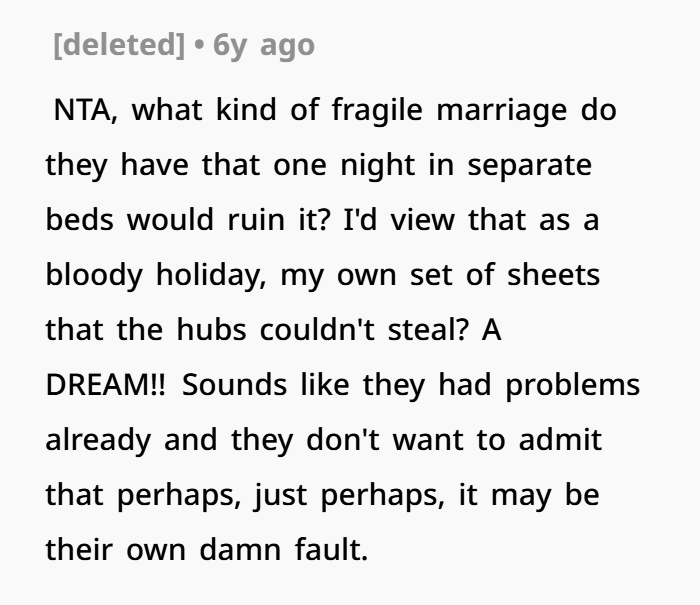
Honestly? This feels like a clear case of Not the A-hole. You opened your home, made reasonable arrangements, and didn’t cave to unreasonable demands. If anything, this situation exposed deeper issues that had nothing to do with you.
Sometimes people don’t like mirrors… especially when they show cracks.