AITA for Ending Thanksgiving Over Uninvited Guests and Family Boundary Issues?


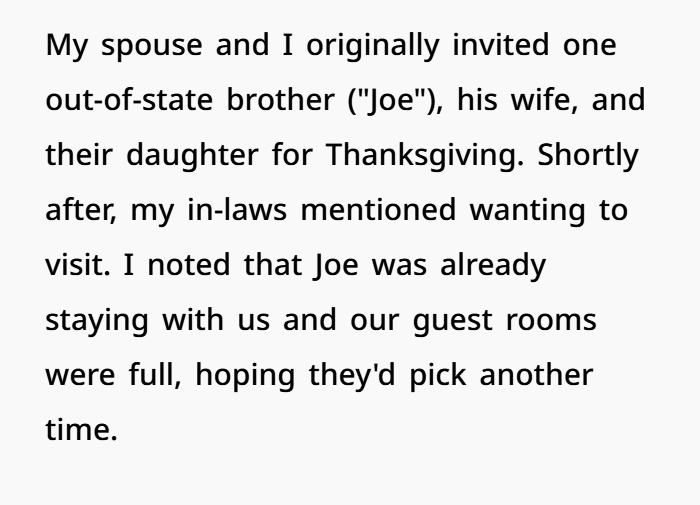
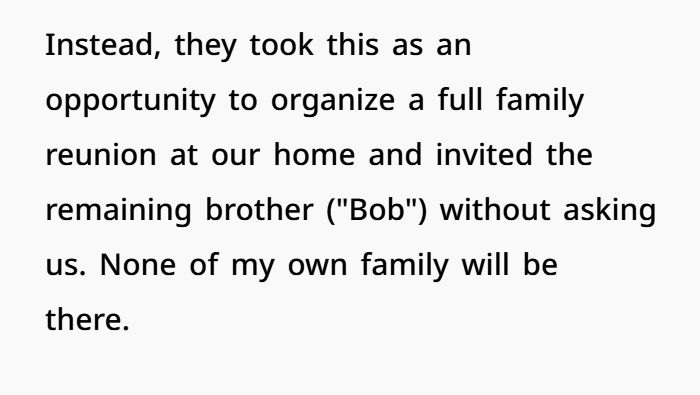
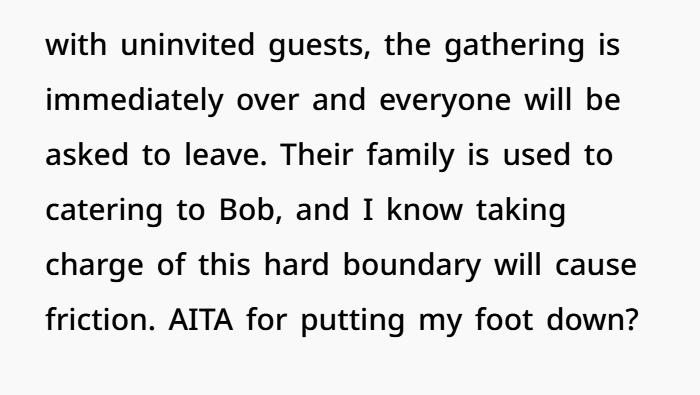
A planned Thanksgiving dinner became complicated when the guest list started changing without the host’s approval. The couple wanted a smaller holiday gathering and invited Joe, his wife, and their daughter from another state. Later, some relatives decided to invite more family members and create a larger reunion at the couple’s home.
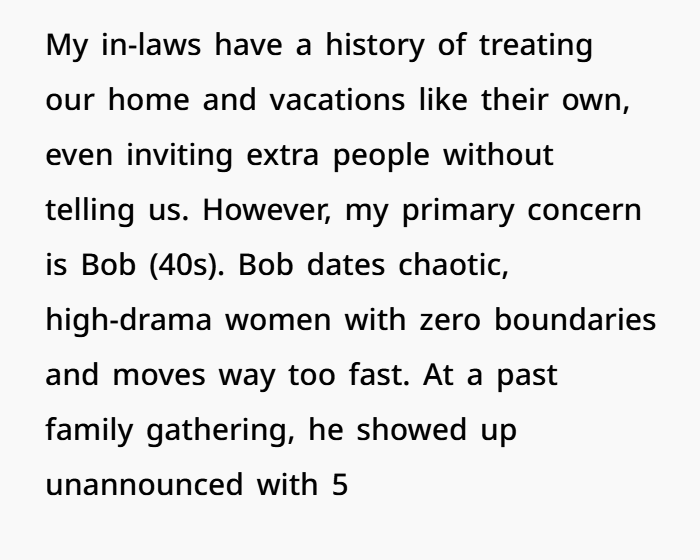
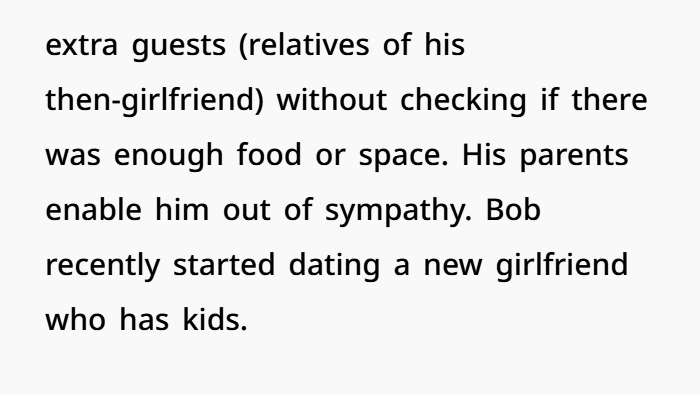
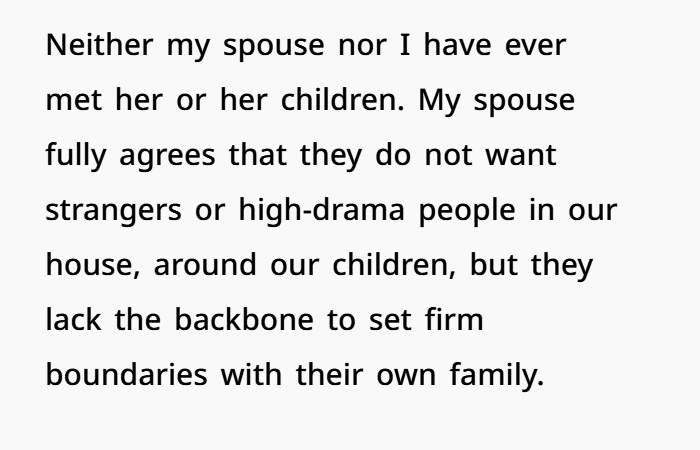
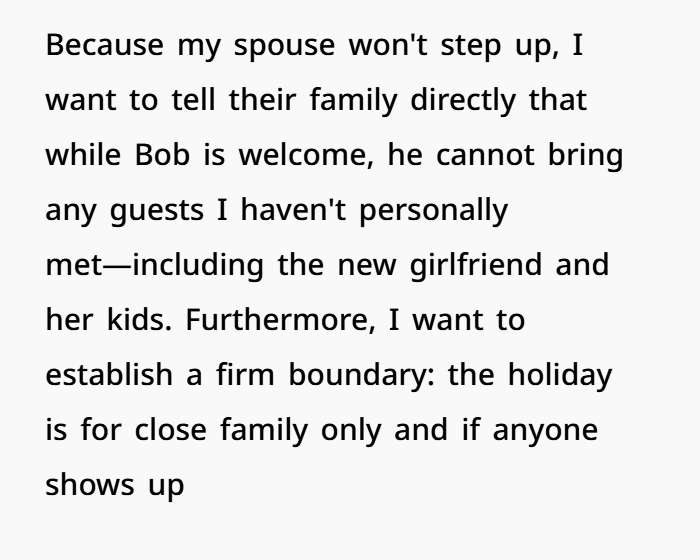
The host felt uncomfortable because the home was not ready for extra guests. Bob was also invited, and the host remembered past family gatherings where he arrived with unexpected visitors. Since Bob was now dating someone new with children, the host worried about having people they had never met joining the celebration.
The issue was not just about space or food preparation. The host wanted their home, family time, and holiday plans to be respected. They believed that clear communication and guest rules are important when hosting events, especially when children and personal space are involved.
Holiday gatherings are often about creating happy memories with loved ones. With proper planning, respectful communication, and clear expectations, families can enjoy special occasions without unnecessary stress. A comfortable home atmosphere and organized event planning can make Thanksgiving celebrations more enjoyable for everyone.

The Psychology and Boundaries Behind Family Gatherings
Family gatherings can be a great way to spend time with loved ones, create memories, and enjoy special moments together. However, they can also become stressful when people have different expectations about family roles, personal space, and responsibilities.
Many family disagreements are not only about one small situation. Sometimes, a simple issue like bringing an extra guest can bring up older feelings of frustration, stress, or feeling unheard.
Understanding family boundaries and healthy communication can help prevent many conflicts and create stronger relationships.
Why Family Events Sometimes Create Conflict
Hosting a family gathering requires planning. The person organizing the event often thinks about many things, such as food, seating space, home preparation, budget, and the comfort of guests.
When someone brings an unexpected guest without asking first, it can create pressure for the host. They may feel that their effort and planning were not considered.
The problem is usually not about the extra person alone. It is often about feeling that an important decision was made without respect for the person hosting the event.
What Are Healthy Family Boundaries?
Healthy boundaries are an important part of every relationship. A boundary means clearly understanding what you are comfortable with and communicating those expectations to others.
For example, a person has the right to decide who they invite into their home and how they want their gathering to be managed. Setting boundaries does not mean being rude or controlling. It means creating a respectful environment where everyone understands the rules.
Good boundaries can improve family relationships because they reduce confusion and prevent unnecessary stress.
The Challenge of Unexpected Guests
Surprise guests can sometimes create difficult situations, especially during holidays, birthdays, and family celebrations.
Hosts usually prepare based on the number of people they expect. They may plan meals, arrange sleeping areas, and manage their household budget according to the original guest list.
When additional guests arrive without notice, the host may need to make quick changes. This can create emotional stress and make the person feel unprepared.
A simple conversation before bringing someone new can make a big difference. Asking for permission shows respect and helps everyone enjoy the gathering.
How Family Issues Can Affect Couples
Family disagreements can become more complicated when couples have different opinions about handling relatives.
Sometimes, one partner may avoid setting limits with their own family because they do not want conflict. This can leave the other partner feeling responsible for managing the situation.
Healthy relationships often require couples to talk privately about their expectations. Creating shared family rules can help both partners feel supported.
For example, couples can agree on how many guests they can comfortably host or how decisions about their home should be made.
Respecting Someone’s Home and Privacy
A home is a personal space, and every homeowner has different comfort levels when inviting people over.
An invitation usually means that specific people are welcome. It does not always mean that additional guests can join without discussion.
Respecting someone’s home means understanding that they have planned the event, prepared the space, and invested their time and money.
Being a good family member also means respecting the effort that goes into hosting.
Better Communication Can Prevent Family Stress
Many family conflicts can be avoided through clear and respectful communication.
Before a family event, it can help to discuss:
- Who will attend the gathering
- How much space is available
- Food and meal planning
- Overnight arrangements
- Any special needs or concerns
Open conversations allow families to solve problems before they become bigger issues.
The Importance of Trust and Respect in Families
Repeated boundary problems can sometimes affect trust between family members. When someone feels that their wishes are ignored again and again, they may become frustrated or distant.
However, many family problems can improve when people focus on understanding each other instead of blaming one another.
The goal of setting boundaries is not to push people away. It is to create healthier relationships where everyone feels respected.
What The Comments Reveal

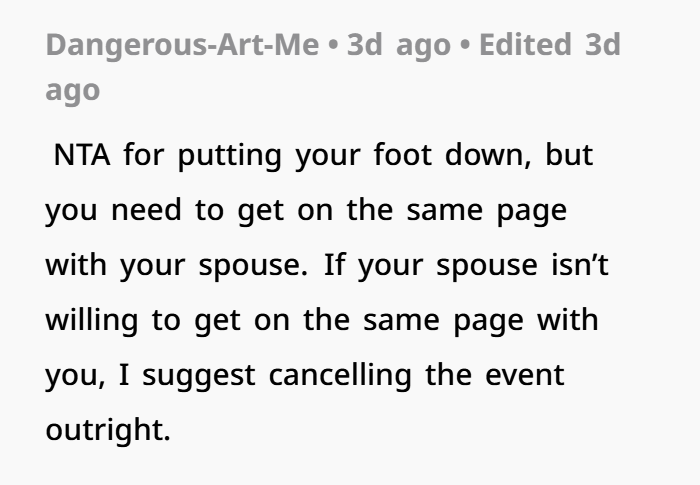
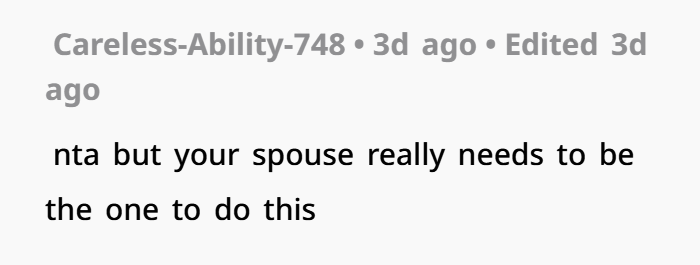
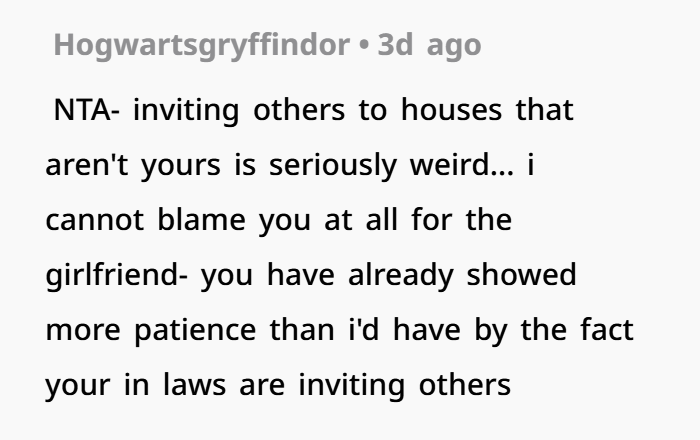

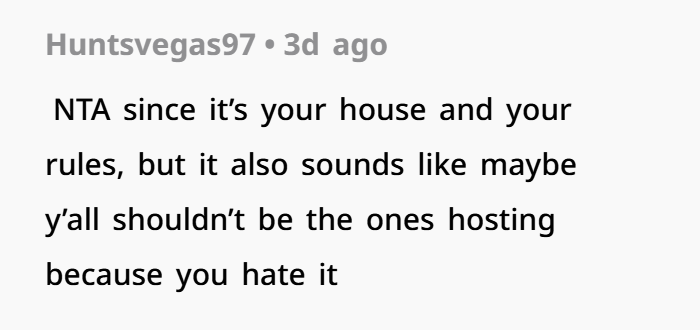

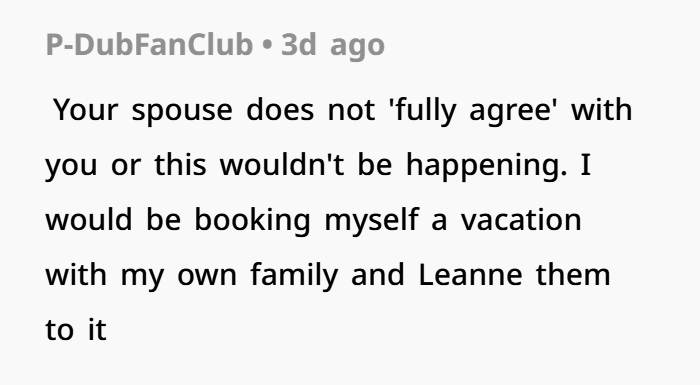
Family gatherings should be enjoyable experiences where people feel welcome and comfortable. At the same time, respecting personal boundaries is important for maintaining healthy relationships.
A disagreement about an unexpected guest is often about more than the guest itself. It may be about communication, trust, and feeling valued.
By practicing better communication, setting clear expectations, and respecting each other’s homes, families can create more peaceful and positive gatherings.