My Stepdaughter Insulted My Food and Body for Years—So I Told Her to Stop Speaking to Me

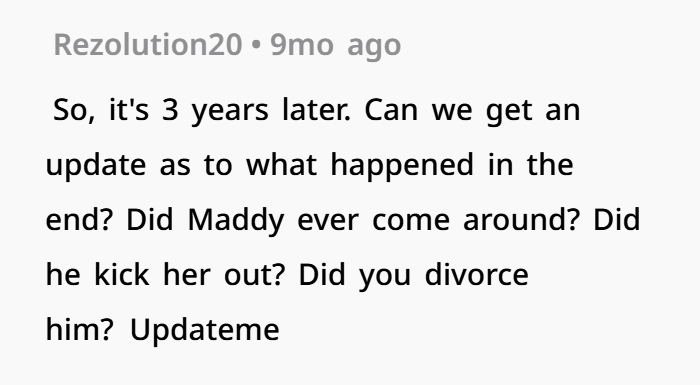
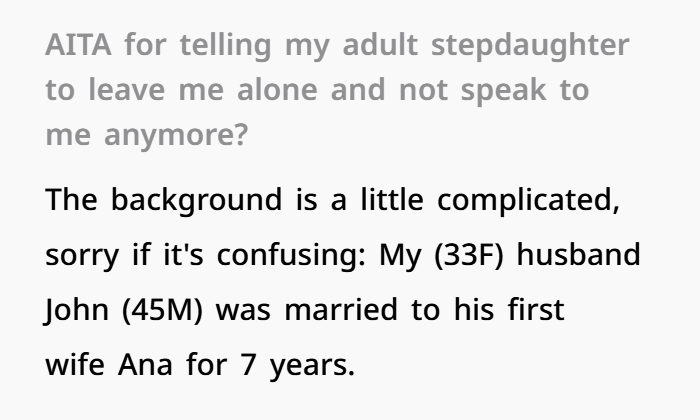
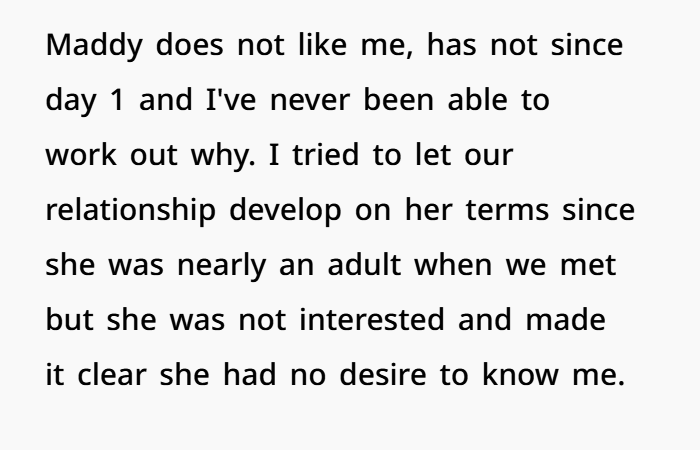
This story is about a complicated family situation between a stepmother and her adult stepdaughter. A 33-year-old woman shares her experience with Maddy, her 20-year-old stepdaughter. Since becoming part of the family, she has tried to build a positive relationship, but things have remained difficult.
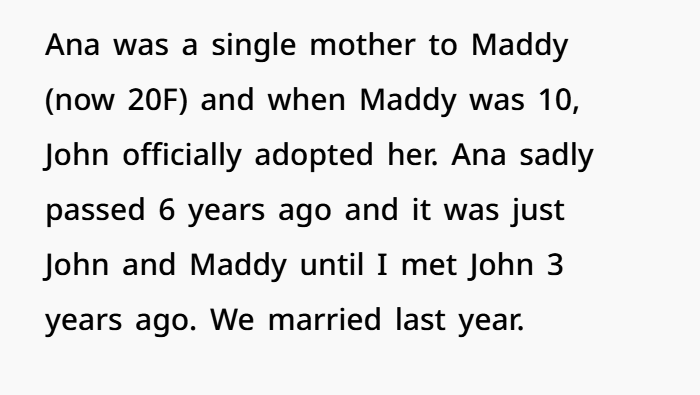
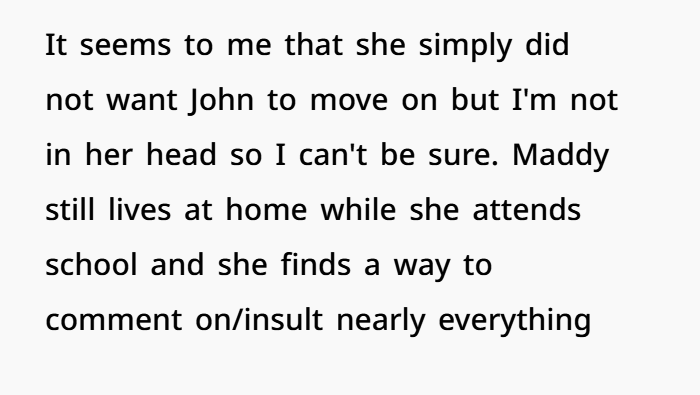
Maddy was raised by her father, John, after he adopted her. She also went through the loss of her biological mother several years ago. When the narrator entered their lives and married John, Maddy did not welcome the change and continued to keep a strong distance from her stepmother.
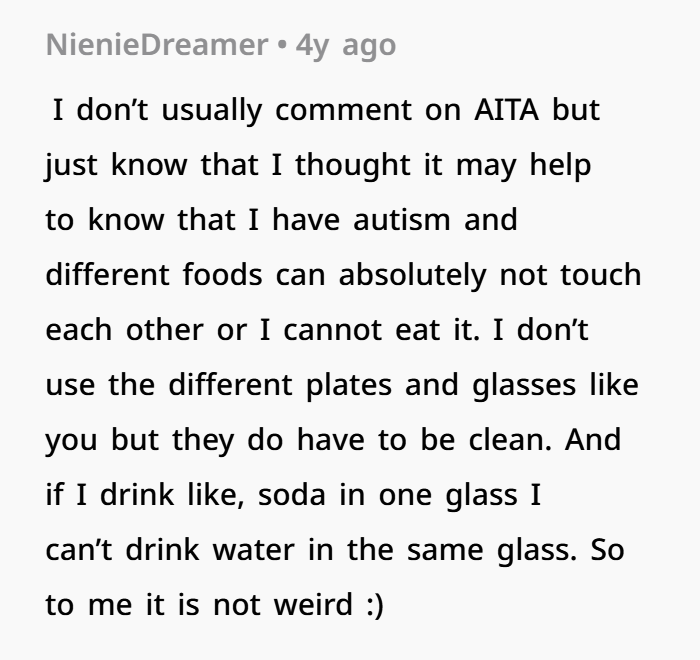
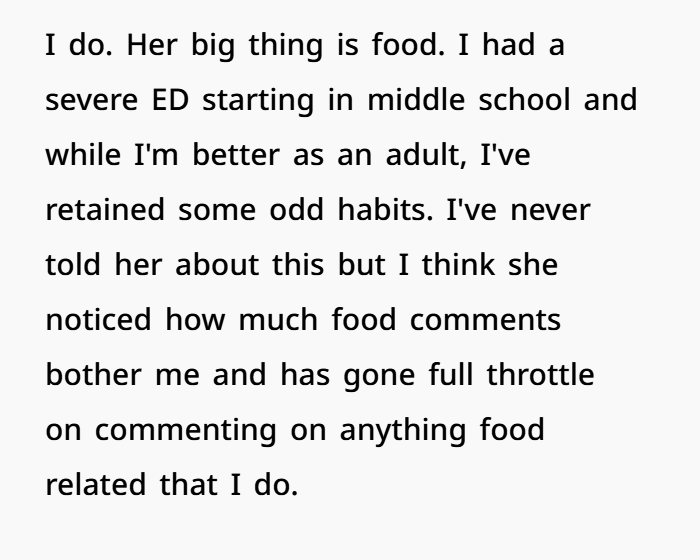
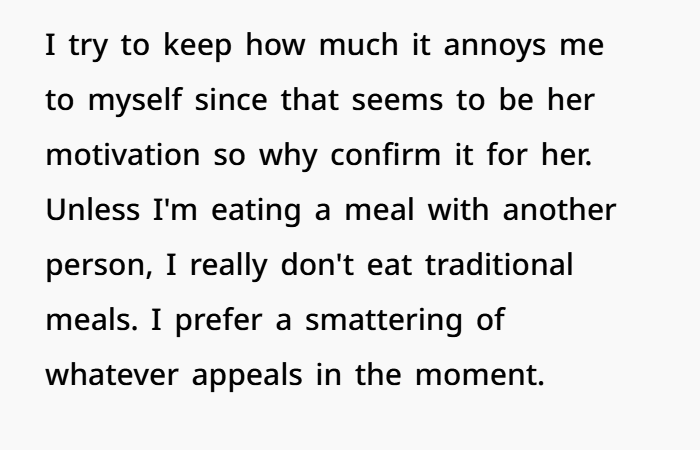
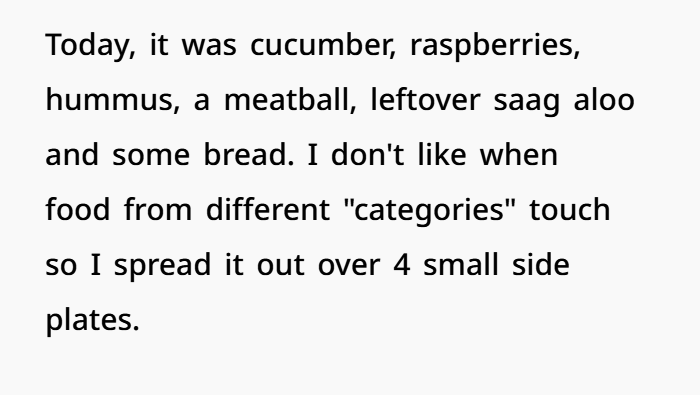
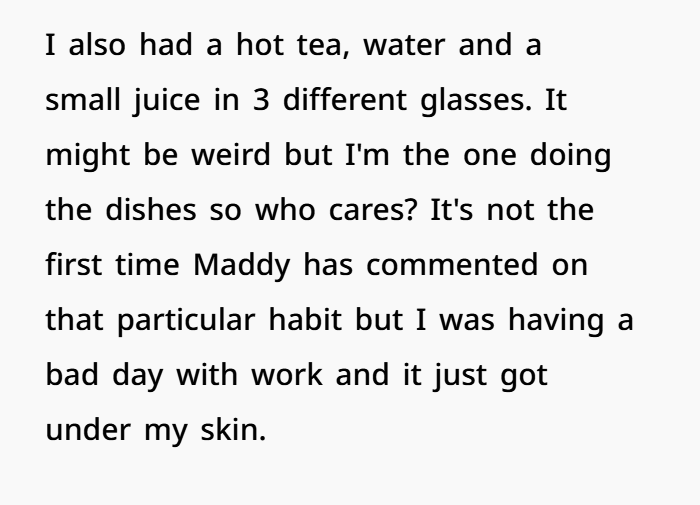
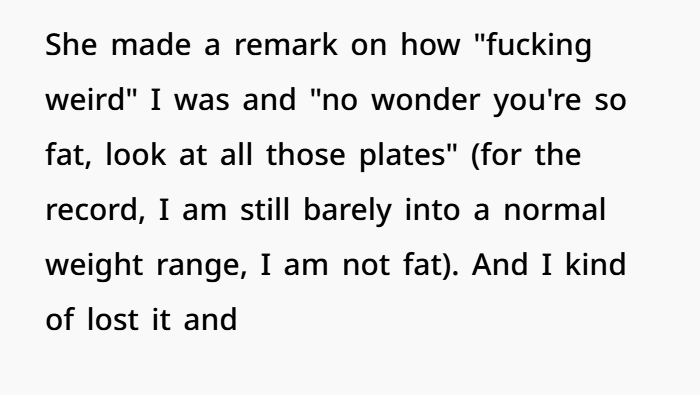
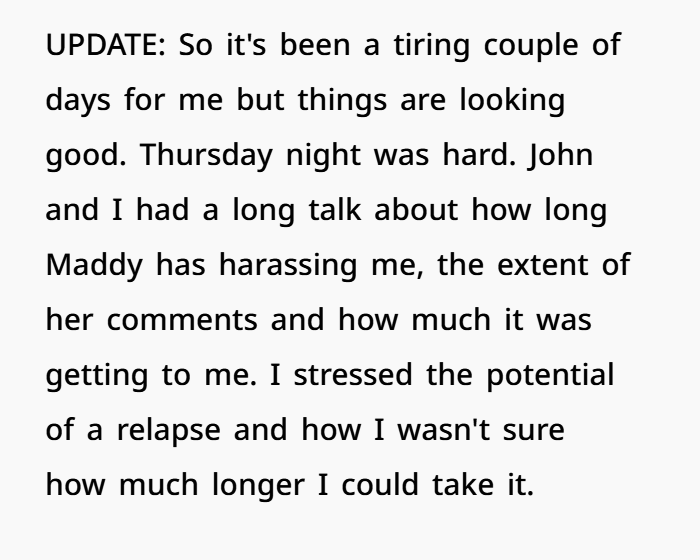
The relationship became more painful when Maddy made repeated comments about the narrator’s eating habits and appearance. The narrator has personal experiences with food-related challenges and follows routines that help her feel comfortable. Hearing negative remarks about this became emotionally difficult.
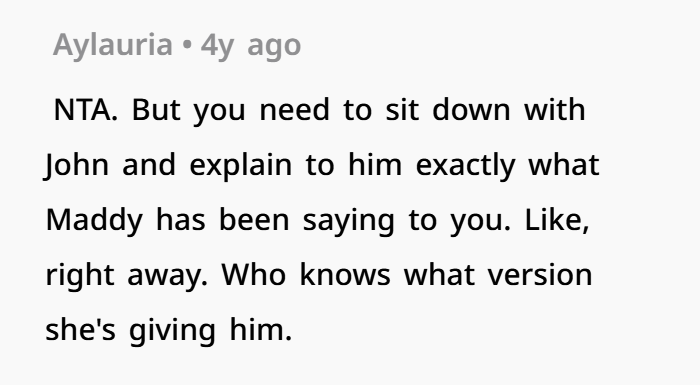
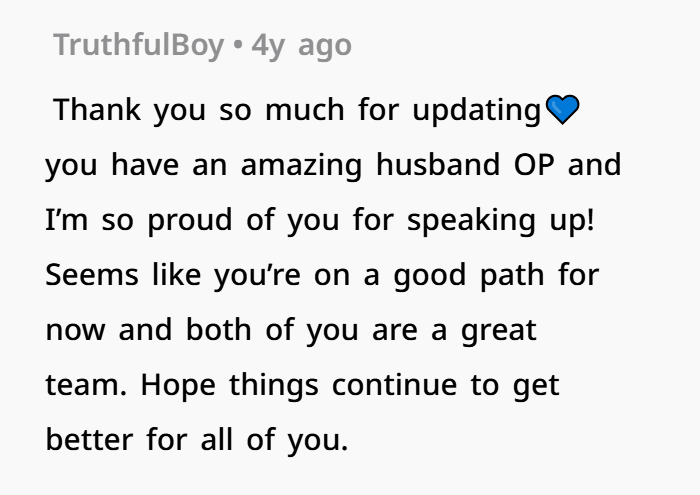
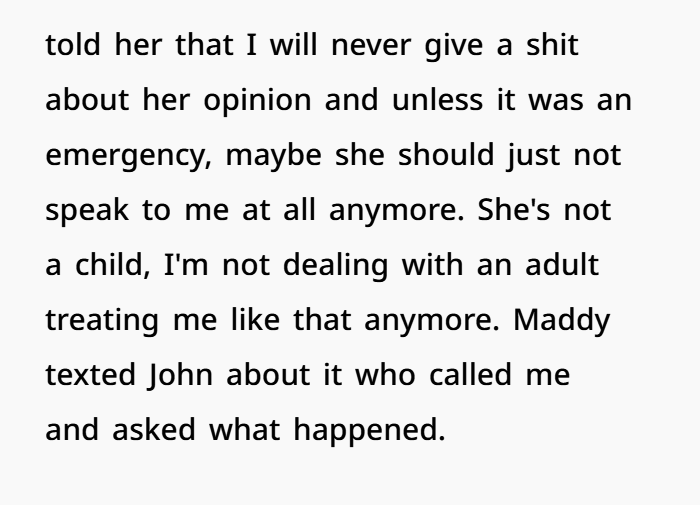
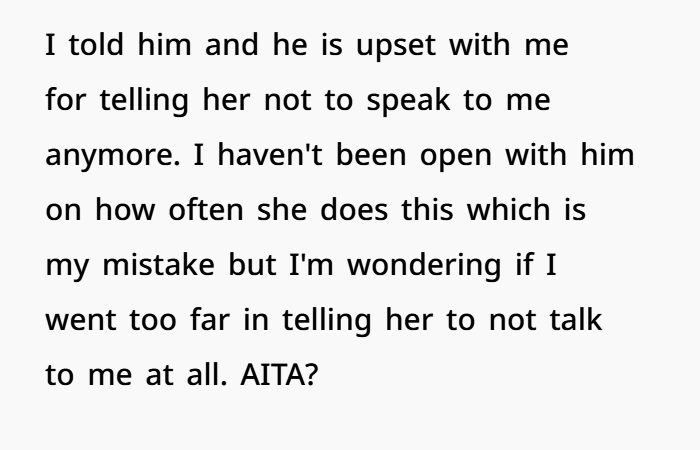
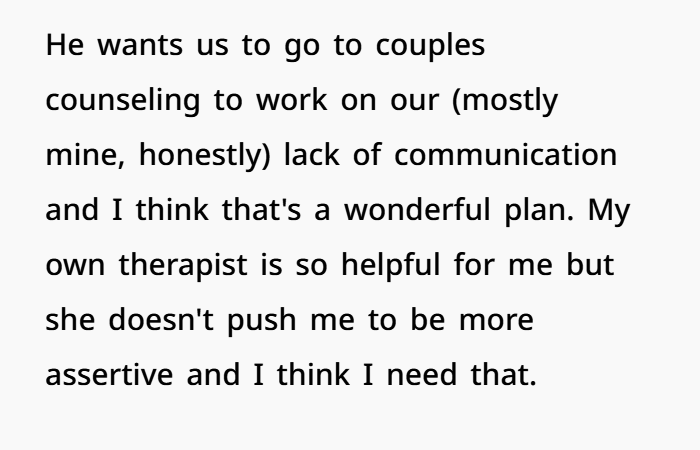
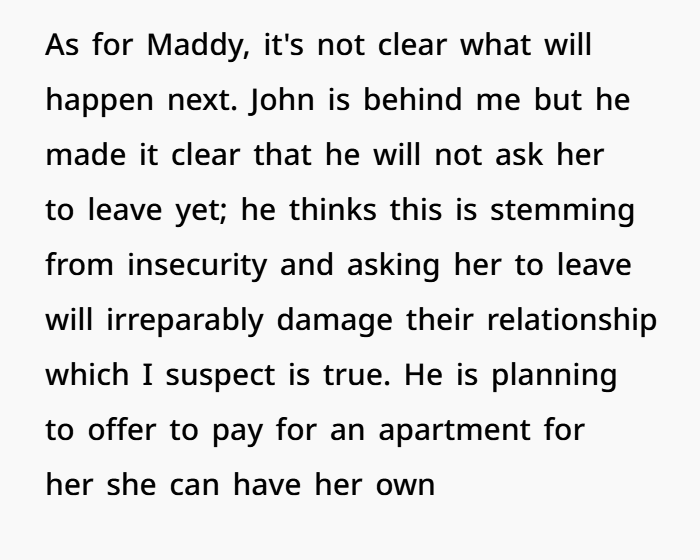
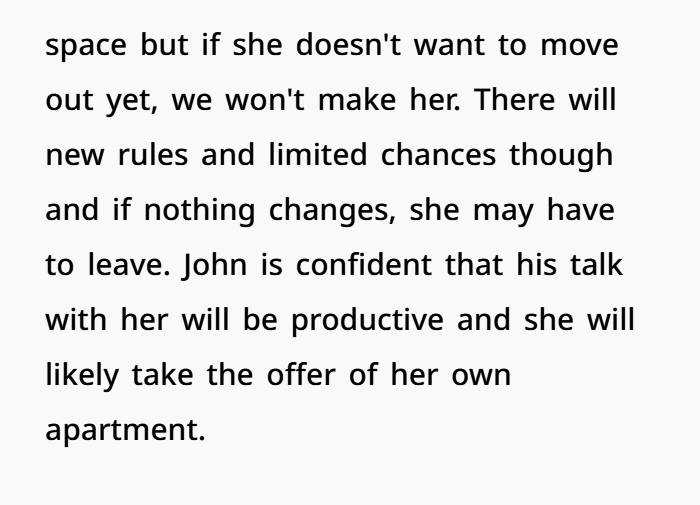
Eventually, the narrator decided she needed to protect her peace and set a firm boundary. She told Maddy that they should only communicate when necessary. John disagreed with how serious the situation became, leaving the narrator unsure if she handled the conflict correctly. She is now focused on finding a healthy way to manage family relationships while respecting her own needs.


Blended Families, Grief, and Setting Healthy Boundaries
Blended families can bring a lot of love, but they can also come with emotional challenges.
When a family changes because of loss, divorce, or a new relationship, everyone involved may have different feelings. Some people may feel happy about the change, while others may feel confused, hurt, or afraid of losing their place in the family.
In many cases, these emotions are connected to grief and past experiences. However, understanding someone’s pain does not mean accepting hurtful behavior.
Why Blended Family Relationships Can Be Complicated
Blended family relationships are often different from traditional family relationships because people may not have years of shared memories together.
A child may struggle when a parent starts a new relationship, especially after losing a parent. They may feel like accepting a stepparent means they are forgetting or replacing the parent they lost.
This is sometimes called a loyalty conflict.
A person may feel caught between loving their past and accepting a new family member. These feelings can be especially strong after a major life change.
However, difficult emotions do not give anyone permission to repeatedly hurt another person.
Healthy family relationships still require kindness, respect, and understanding.
Building a Relationship With a Teen Stepparent Connection
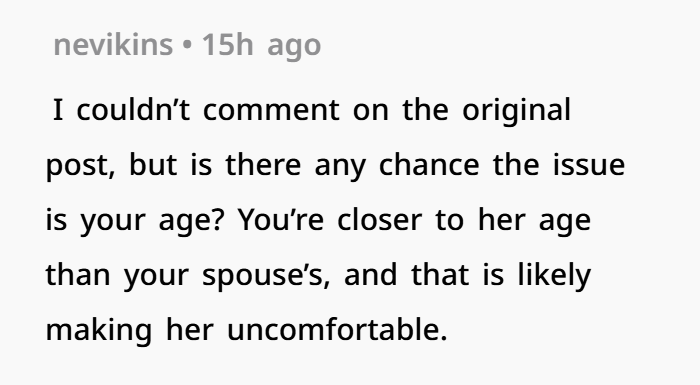
Age can make a big difference in blended family relationships.
When someone meets a stepparent as a teenager, they may already have their own personality, opinions, and emotional boundaries.
A young child may adjust to a new family structure more naturally, but an older teenager may need more time to accept the change.
In this situation, Maddy was around 17 when the narrator became part of her life. At that age, it is understandable that she may not have wanted a new mother figure.
The narrator also understood this and did not force a close mother-daughter relationship.
Sometimes, the healthiest stepfamily relationships are not based on becoming “parent and child.” They are based on mutual respect and acceptance.
Understanding Feelings Does Not Excuse Hurtful Actions
It is important to understand where someone’s emotions come from.
Maddy may have been dealing with grief, sadness, or difficulty accepting her father’s new life.
But there is a difference between expressing pain and intentionally hurting someone.
For example:
“I am struggling with my dad moving on.”
is very different from:
“I am going to make personal comments to hurt someone.”
Family members can have disagreements, but repeated insults about someone’s appearance, food choices, or personal struggles can damage trust and emotional well-being.
Respectful communication is a key part of healthy relationships.
Why Comments About Food and Appearance Can Be Harmful
Words about weight, body image, and eating habits can be very sensitive.
For someone who has struggled with an eating disorder or body image concerns, these comments may feel much more serious than simple jokes.
They can create feelings of shame, stress, and anxiety.
Even if someone says they are joking, repeated comments about personal insecurities can become harmful.
A supportive family environment should make people feel safe, accepted, and respected.
Creating Healthy Boundaries at Home
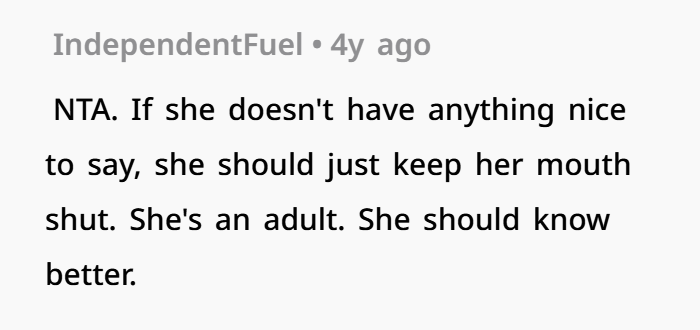
After dealing with hurtful comments for a long time, it is understandable that someone may feel angry and want to stop communication completely.
However, in a family situation, completely cutting someone off may not always be the best long-term solution.
A better approach can be setting clear and healthy boundaries.
Examples include:
- “I will not continue a conversation if I am being insulted.”
- “If comments about my body or food continue, I will remove myself from the conversation.”
- “We do not have to be close, but we do need to treat each other with respect.”
Boundaries are not about creating more conflict. They are about protecting emotional health and creating healthier communication.
The Importance of the Parent’s Role
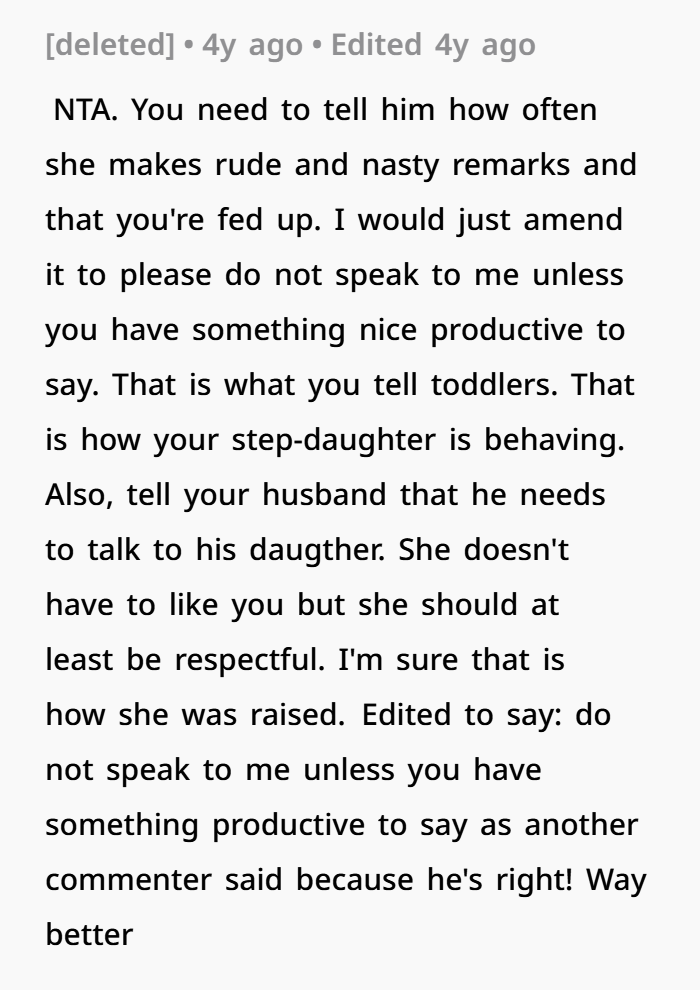
In blended families, the biological parent often plays an important role in helping everyone adjust.
Sometimes one person stays quiet for years because they do not want to create family problems.
But ignoring ongoing issues can lead to frustration and resentment.
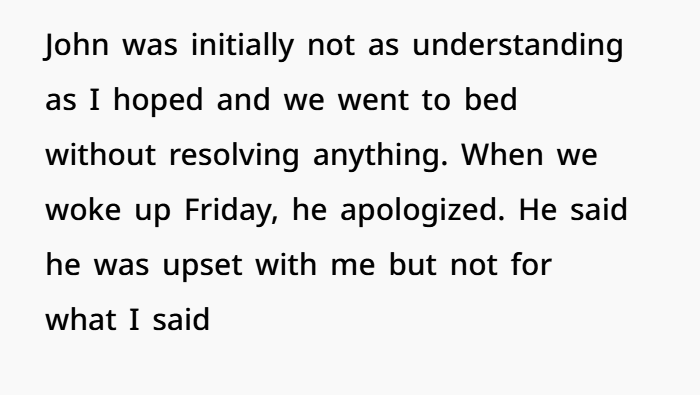
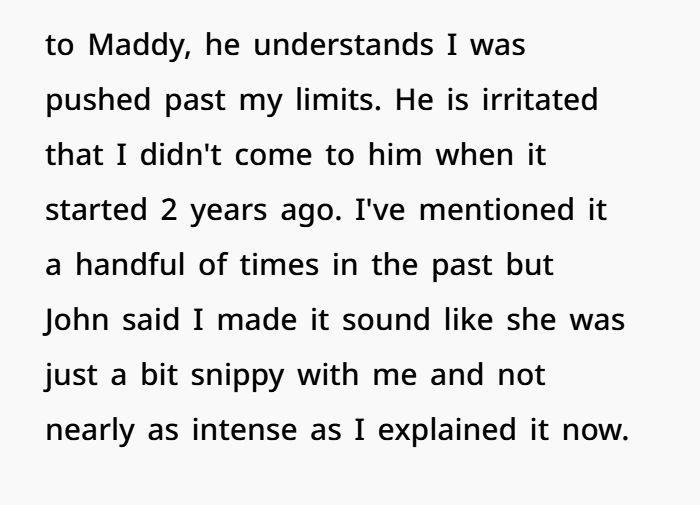
John may have seen the situation as one argument, while the narrator experienced it as years of repeated hurt.
This is why open communication is important in family relationships. Problems should be discussed before they become overwhelming.
Adults Must Take Responsibility for Their Actions
Maddy’s feelings may come from real pain and difficult experiences.
Her grief deserves understanding.
But being hurt does not remove responsibility for how someone treats others.
Adults still need to recognize when their words or actions cause harm.
A person’s past can help explain their behavior, but it does not justify repeated disrespect.
Healthy relationships need both compassion and accountability.
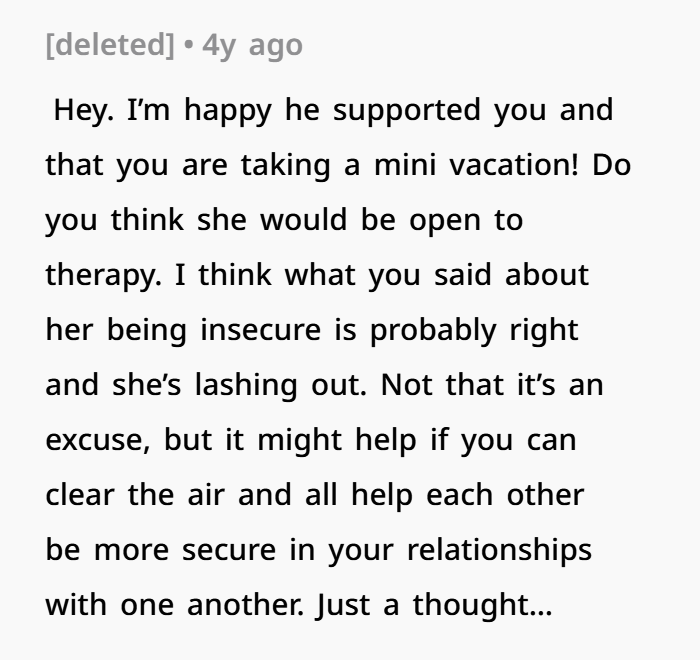
Finding a Healthier Way Forward
The goal in a blended family does not always have to be becoming extremely close.
Sometimes the most realistic goal is creating a peaceful relationship based on respect.
Everyone involved may need to accept different truths:
- Maddy may have real feelings of grief and difficulty with change.
- The narrator deserves to feel respected and comfortable in her own home.
- John needs to understand that keeping peace should not mean allowing one person to be repeatedly hurt.
The argument may have happened after years of silence, but the solution is not simply avoiding each other forever.
The healthier path is honest communication, clear boundaries, and mutual respect.
Blended families take time to adjust. With patience, understanding, and healthy relationship habits, family members can create a home environment where everyone feels valued.
See The Comments Below