Company Replaces Workers With AI, But the Outcome Takes Everyone by Surprise

Artificial intelligence has quickly become part of everyday life. Many businesses use AI tools to save time, improve productivity, and support their teams. While AI can complete many tasks, it is not perfect and still needs human guidance.
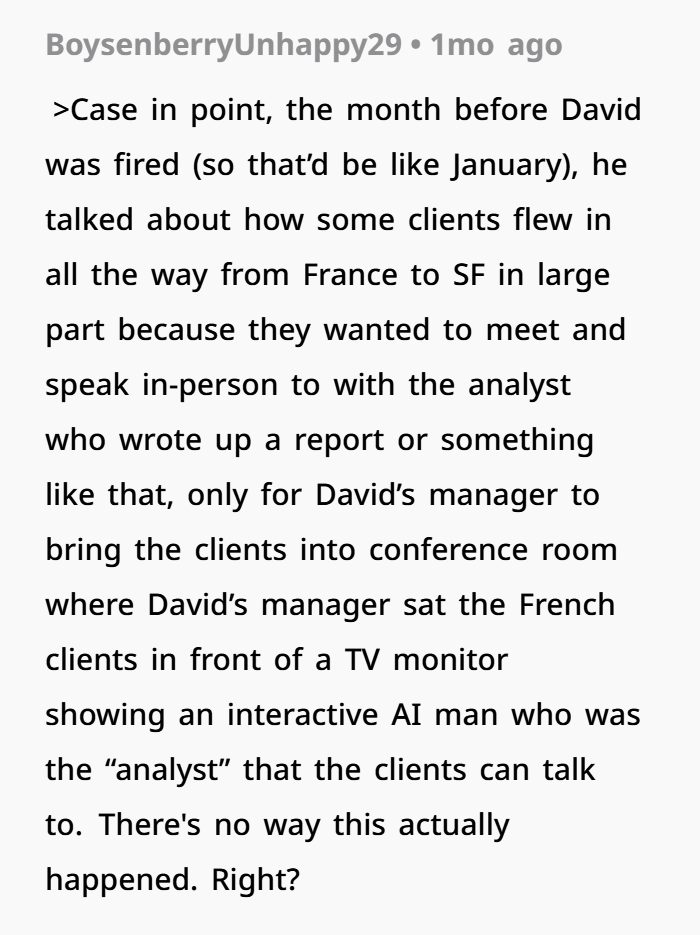
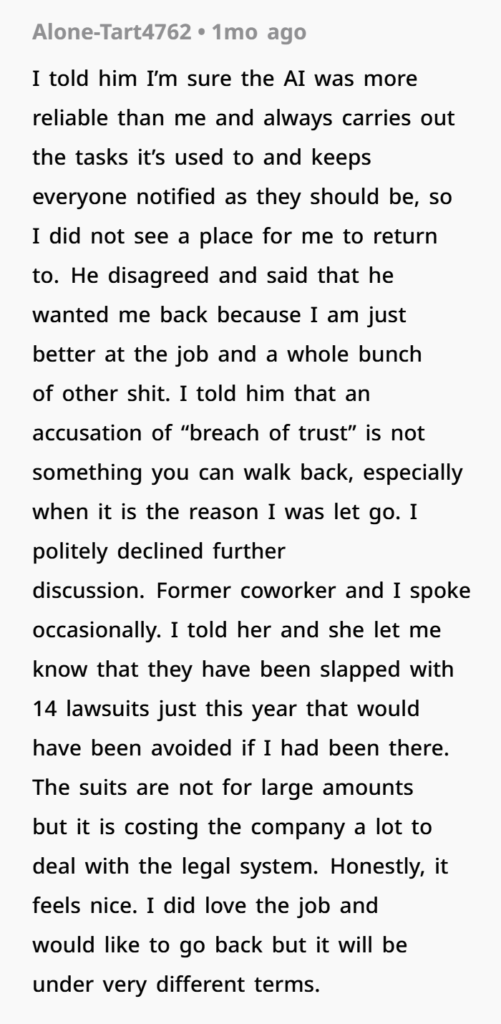
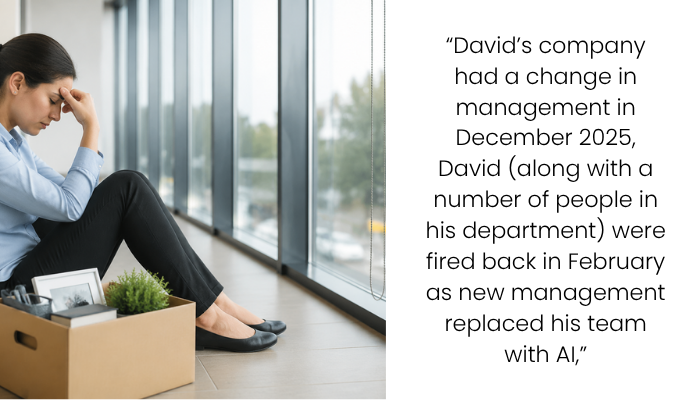
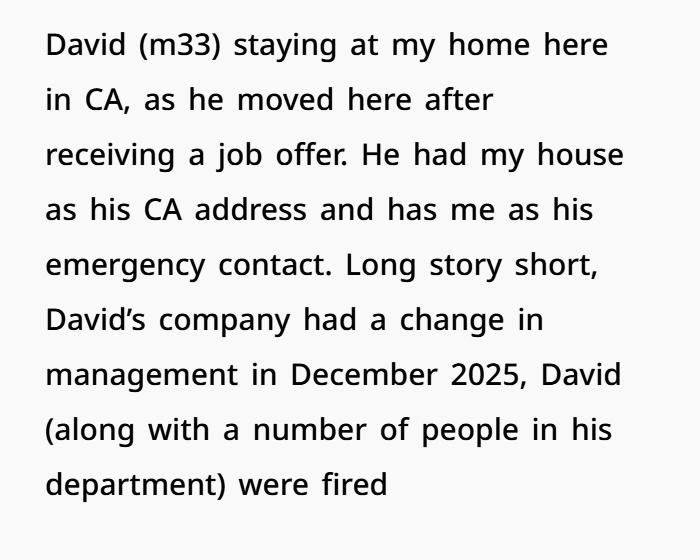
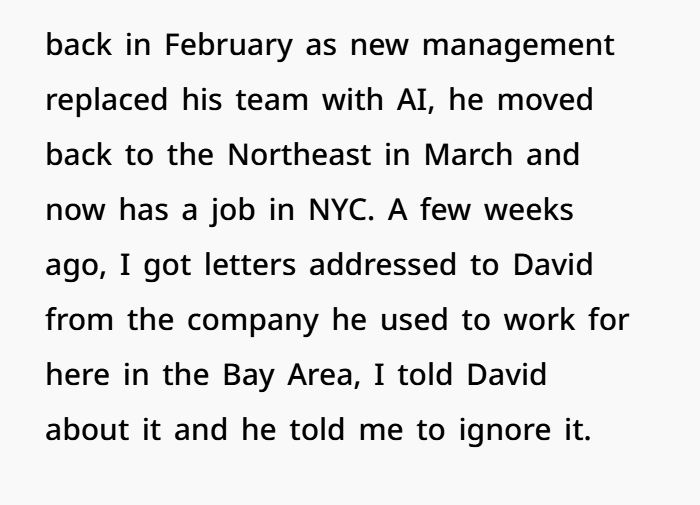
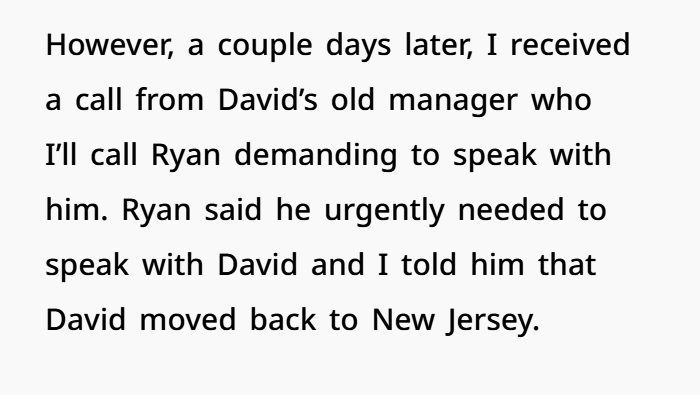
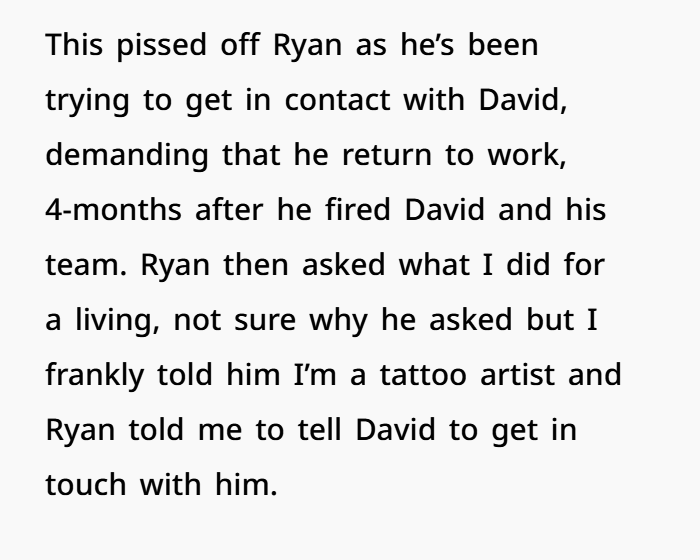
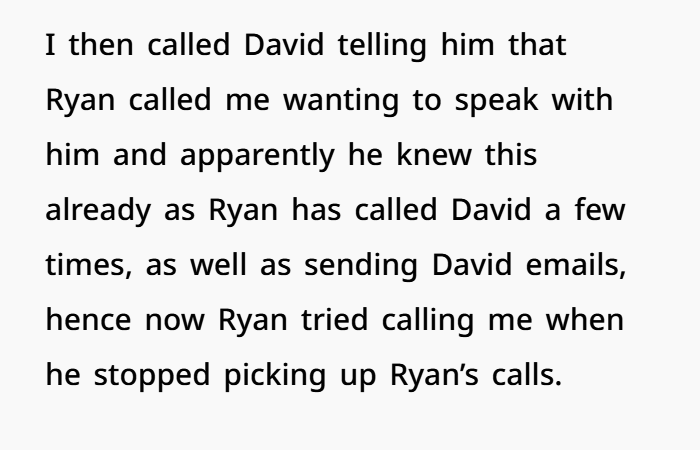
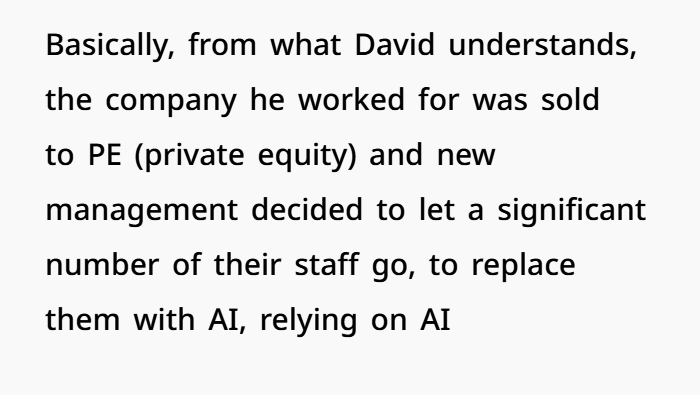
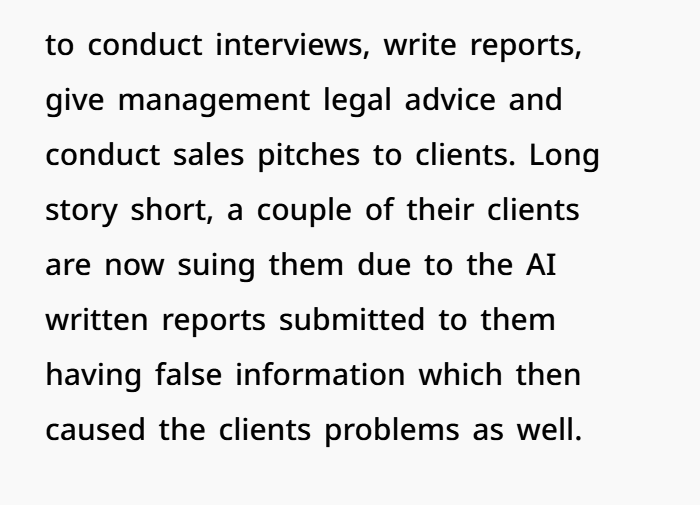
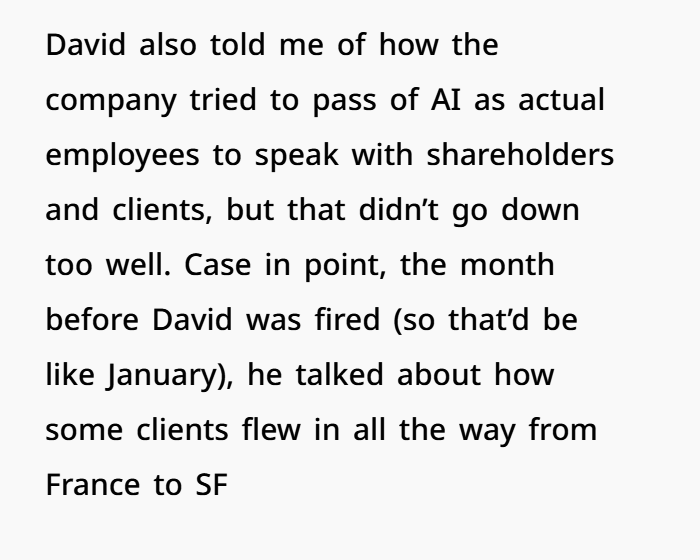
A manager decided to replace an entire team with AI because he believed the technology could do the same work. However, the decision created unexpected challenges, and the company struggled to manage the problems that followed.
Technology can help businesses work faster, but human skills are still valuable. Employees bring experience, problem-solving abilities, and knowledge that AI systems cannot always provide.
The situation became a reminder that successful AI adoption requires balance. Companies that combine artificial intelligence with human expertise are often better prepared to improve efficiency and maintain high-quality results.

Companies Are Finding Out That AI Cannot Replace Every Human Job
Artificial intelligence (AI) has quickly become one of the biggest changes in the modern workplace. Many companies are using AI tools to improve efficiency, reduce costs, and complete tasks faster. However, the growing use of AI has also created concerns about job security, employment trends, and the future of work.
For many years, people imagined the future would include advanced robots and amazing technology that could solve everyday problems. While some technology has made life easier, it has also created new challenges for workers and businesses.
One of the biggest concerns today is whether AI will replace human jobs. As more companies introduce AI automation, some employees worry about losing their roles or needing to learn new skills to stay competitive.
Several major businesses have announced layoffs in recent years, and some companies have mentioned artificial intelligence as part of their workforce decisions. This has increased discussions about how AI will change different industries.
From a company’s point of view, using AI can seem like a smart financial decision. Businesses are always looking for ways to improve business efficiency, lower operating expenses, and increase productivity.
AI systems can analyze large amounts of information quickly, handle repetitive tasks, and help teams save time. Unlike human workers, AI tools do not need breaks and can operate continuously.
However, replacing employees with AI is not always as successful as companies expect.
Many businesses are learning that human workers provide important skills that technology cannot fully copy. Employees bring experience, creativity, communication, emotional understanding, and problem-solving abilities.
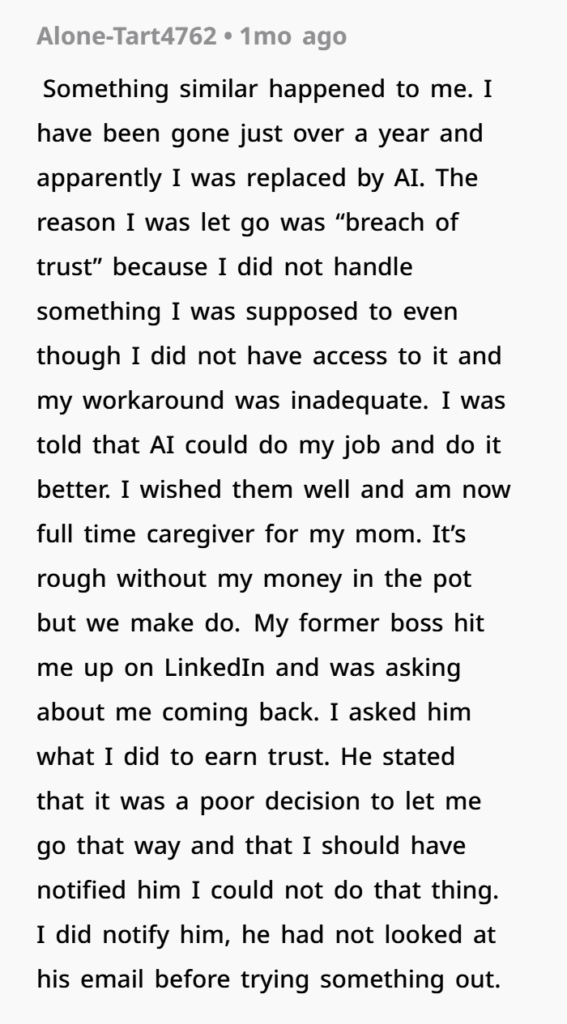
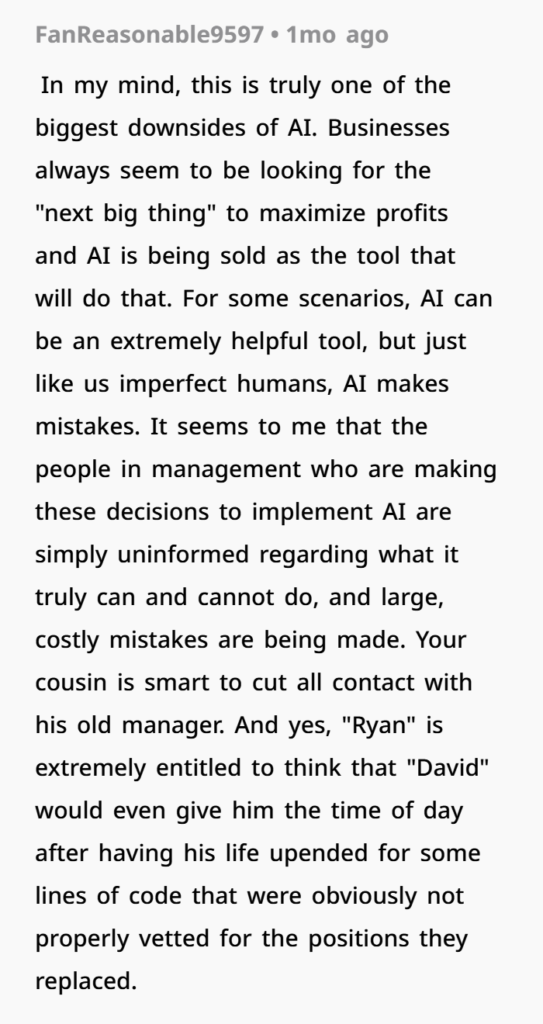
Some companies that reduced staff because they believed AI could handle certain tasks later discovered that the technology was not enough. In some cases, businesses had to hire workers again because the AI tools could not complete the job properly.
There are several reasons why this happens. Some tasks require human judgment and industry knowledge. Other jobs involve working with customers, understanding emotions, or making decisions in complicated situations.
Another challenge is that AI can make mistakes. Although artificial intelligence is improving, it can still provide incorrect information or miss important details. This means human review is often needed.
For example, businesses using AI for content creation, customer service, research, or data analysis still need employees to check accuracy and make final decisions.
This shows why many experts believe the future of work will not be about humans versus AI. Instead, the best results may come from human-AI collaboration, where technology supports employees rather than completely replacing them.
Companies that use AI responsibly can improve productivity while also keeping valuable human skills within their teams. Successful businesses will likely focus on employee training, technology investment, and smart workplace strategies.
AI is a powerful tool, but it is not a complete replacement for people. Human creativity, decision-making, and personal connections remain important in almost every industry.
As artificial intelligence continues to grow, businesses will need to find the right balance between innovation and human talent. The companies that understand how to combine technology with skilled employees may have the strongest advantage in the future.
What The Comments Reveal