He Walked In On a “Cheating Prank” And Ended the Relationship on the Spot
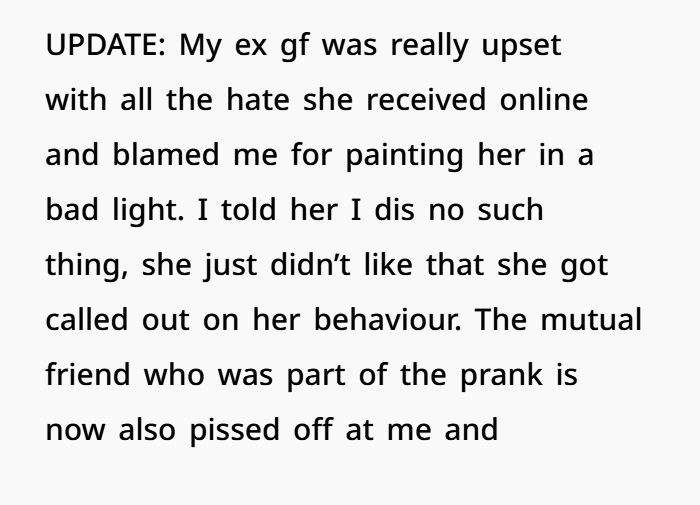
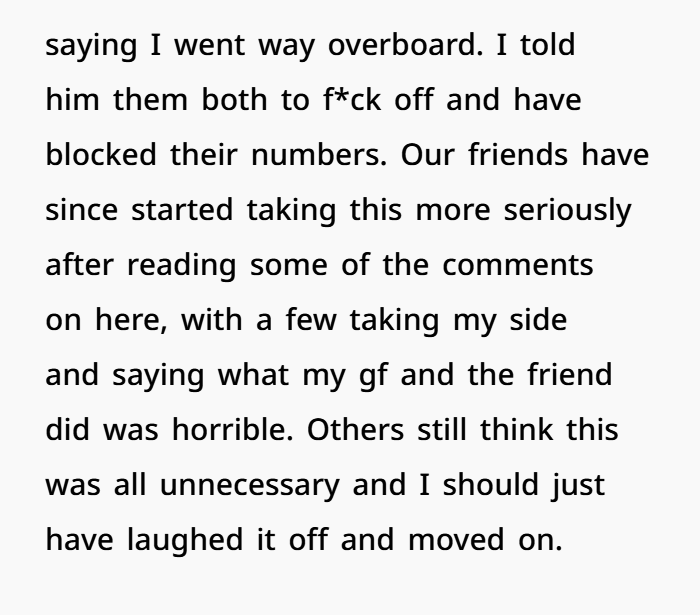
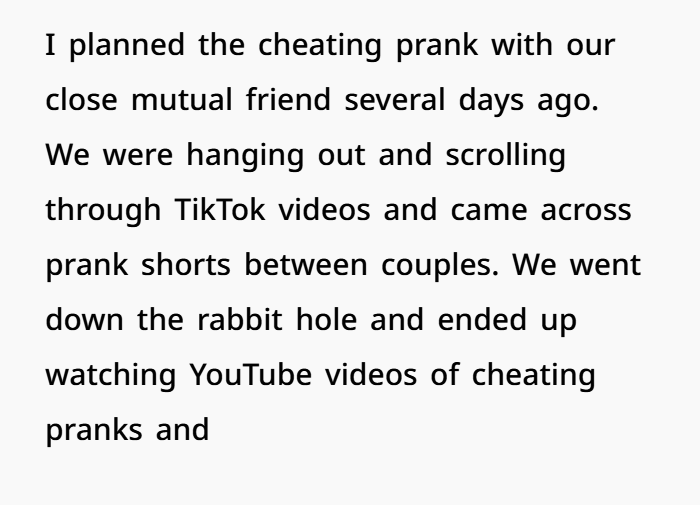
This whole thing feels like a viral marketing strategy that blew up in the worst way. A 26-year-old guy walks in thinking he just caught his girlfriend cheating. Hidden camera rolling. Mutual friend standing there in boxers. Girlfriend in lingerie. Fake hookup sounds playing in the background. Total shock value content, the kind you see all over TikTok and YouTube for social media monetization. The plan? Capture his raw reaction, post it, get views, maybe even cash in on the drama. But instead of laughing it off, he felt straight up humiliated. Disrespected. Like his trust just got smashed for clicks. He didn’t see it as a prank. He saw it as betrayal. And he ended the relationship right there, no couples therapy, no long talk, just done.
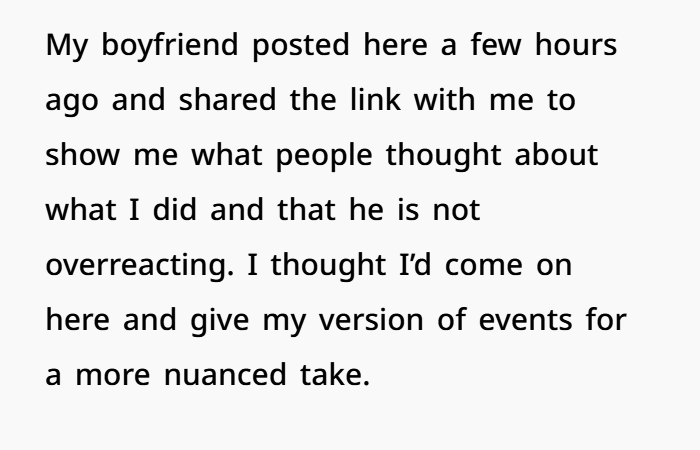
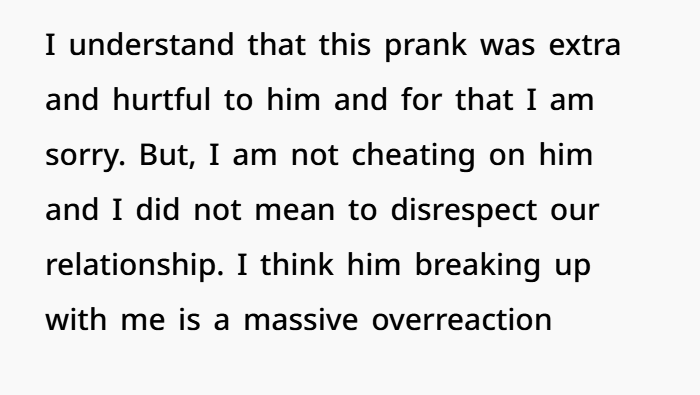
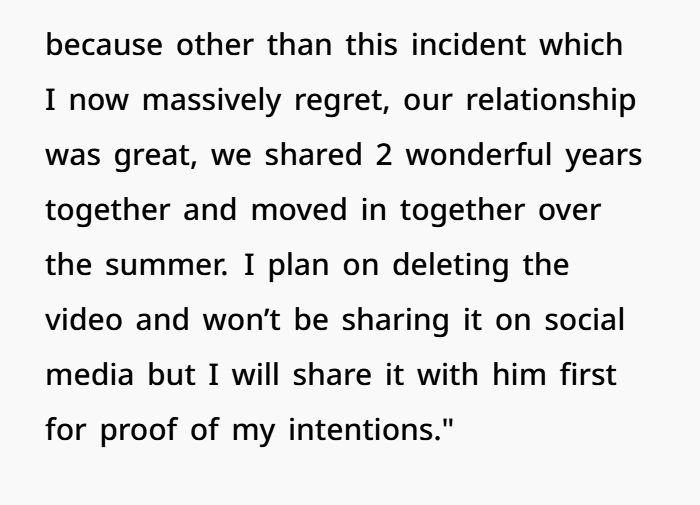
Later, she shared her side online, probably thinking about online reputation management at that point. She said it was all staged. They even filmed the behind-the-scenes planning to prove nothing physical happened. Just posing. Just acting. She claims he wouldn’t even watch the footage. But for him, it wasn’t about proof. It wasn’t about whether it crossed into real cheating. It was about emotional damage. About trust issues that don’t get fixed with a “gotcha” reveal. Now the friend group is split like a messy breakup advice forum. Some say he overreacted and needs to chill. Others think she risked a real relationship for internet content and maybe even owes him an apology bigger than a simple “my bad.” No lawsuit for emotional distress or anything like that, but still… some lines, once crossed, don’t uncross.

When “It’s Just a Prank” Becomes Emotional Damage
Let’s slow this down.
On the surface, yeah, it sounds like a relationship overreaction. No real cheating. No full-blown affair. No hidden texts or secret Snapchat streaks. Just a prank pulled from viral cheating prank videos made for social media engagement and YouTube monetization. But emotionally? This wasn’t small. Not even close. This hits in the same category as relationship trust issues and emotional betrayal trauma, and those don’t just disappear because someone yells “It’s a prank!”
First, context matters. Research on betrayal trauma and relationship psychology shows the body reacts to perceived infidelity almost instantly. A study published in the Archives of Sexual Behavior found that even the suspicion of cheating can trigger acute stress response — heart racing, cortisol spikes, full fight-or-flight mode. Your brain doesn’t pause to run a fact-check. It doesn’t care about behind-the-scenes footage. In that moment, it reads the threat as real. The emotional damage feels real. The relationship anxiety feels real.
He walked into a bedroom and saw his girlfriend straddling another guy in underwear. That image locks in fast. Logic comes later. Sometimes way later.
And here’s the uncomfortable truth: pranks are built on deception. The whole formula is to manipulate someone’s perception to capture a reaction. That’s how you get viral content and high engagement rates. But when the topic is infidelity — one of the biggest relationship dealbreakers — you’re not just chasing views. You’re poking at deep fears tied to marriage counseling, divorce rates, and breakup recovery. Surveys from the American Association for Marriage and Family Therapy consistently rank cheating, real or perceived, as one of the top reasons couples split. That’s not harmless territory.
This prank hit the exact pressure point most people secretly worry about.
Now let’s talk boundaries.
Healthy relationships run on trust, mutual respect, and emotional safety. Yeah, those sound like couples therapy buzzwords you see on a relationship advice blog. But they matter in real life. When someone stages a fake cheating scenario — especially with a mutual friend — lines blur fast. Maybe there was no sex. Fine. But there was lingerie. There was nudity. There was sexual positioning. There was implication. That’s enough to shake someone’s sense of security.
Intent and impact aren’t the same thing.
She might honestly believe, “I didn’t mean to disrespect our relationship.” And maybe she didn’t. But respect isn’t just about intention. It’s about emotional awareness. It’s about asking, “Will this damage trust? Will this trigger insecurity?”
And bringing a mutual friend into it? That adds another layer of complication.
From a psychological angle, involving a third person in a setup like this can create what’s called relational triangulation. That’s when two people align in secrecy against a third, even temporarily. It shifts the power dynamic. It creates exclusion. Suddenly he’s not just hurt or embarrassed. He’s the outsider in his own relationship. And that feeling? That one doesn’t just fade because the camera stops recording.
That’s a hard feeling to shake.
Now, was breaking up immediately too extreme?
Let’s look at emotional compatibility for a second. In relationship counseling there’s this idea called core value misalignment. It’s when two people don’t just disagree — they operate on totally different emotional rulebooks. For her, this was edgy humor. Dark, viral, shock-value funny. For him, it felt like emotional betrayal. Like trust just got dragged through the mud. That’s not a small gap. That’s different emotional wiring. The kind couples therapy and relationship coaching sessions are built around fixing.
And then there’s humiliation.
Public prank culture — powered by TikTok monetization, YouTube ad revenue, viral prank content, influencer income streams — runs on shock. The bigger the reaction, the higher the engagement rate. More views. Better CPM. But humiliation-based humor? That’s risky in a relationship. Relationship researcher John Gottman has talked for years about contempt and humiliation being strong predictors of breakup and divorce. Once someone feels mocked instead of safe, intimacy drops fast.
Even if she never planned to upload it, the fact it was filmed changes the weight of it. He wasn’t just pranked. He was recorded during emotional distress. That hits different. That feels less like a joke and more like content creation at someone’s expense.
Now flip it.
From her side, she sees two solid years. Living together. Shared rent. Shared memories. No cheating history. No red flags. Just one dumb decision inspired by internet trends. In her head, healthy relationships survive mistakes. She apologized. She showed regret. She even offered video proof it was staged.
So why won’t he watch it?
Because watching it doesn’t erase the nervous system response. It doesn’t rewind the shock. Trauma doesn’t go, “Oh okay, cool, it was fake.” The brain already stored the image. The spike in adrenaline already happened. And honestly? Seeing them laugh and plan it beforehand might make it worse. Now it’s not just shock. It’s premeditated.
There’s also something people avoid saying out loud — masculinity and dignity. For a lot of men, being sexually humiliated or publicly fooled cuts deep. It’s not just jealousy. It’s pride. Social psychology research has shown men often report higher distress around sexual infidelity scenarios compared to emotional ones. Even simulated scenarios can trigger that response. So yeah, even a fake setup can sting in a very real way.
Then you add the friend group split.
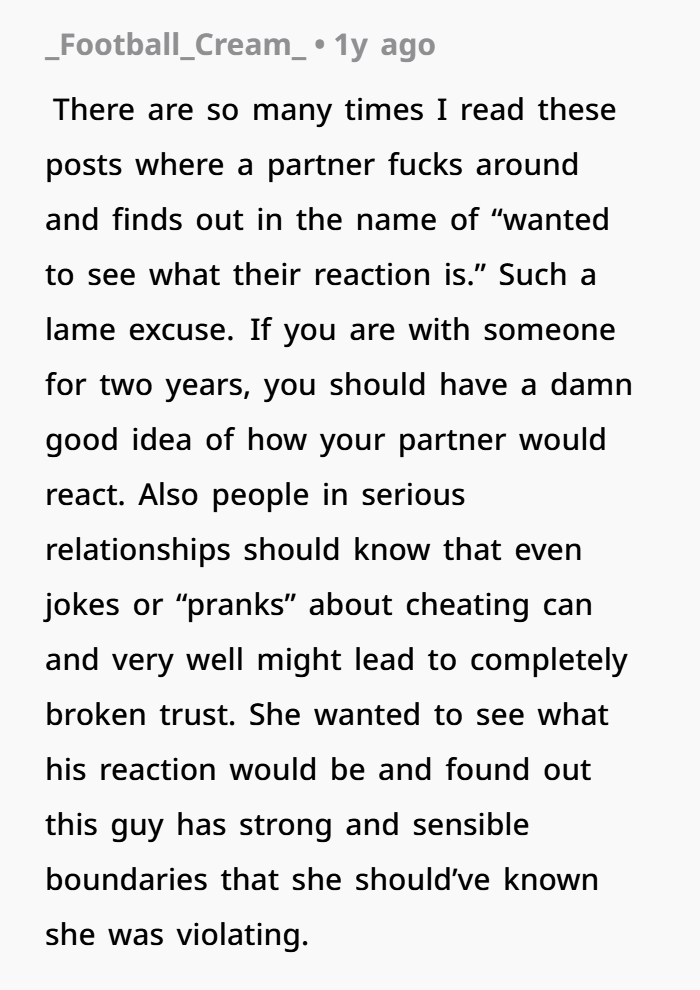
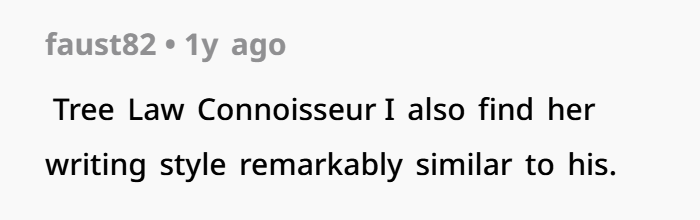
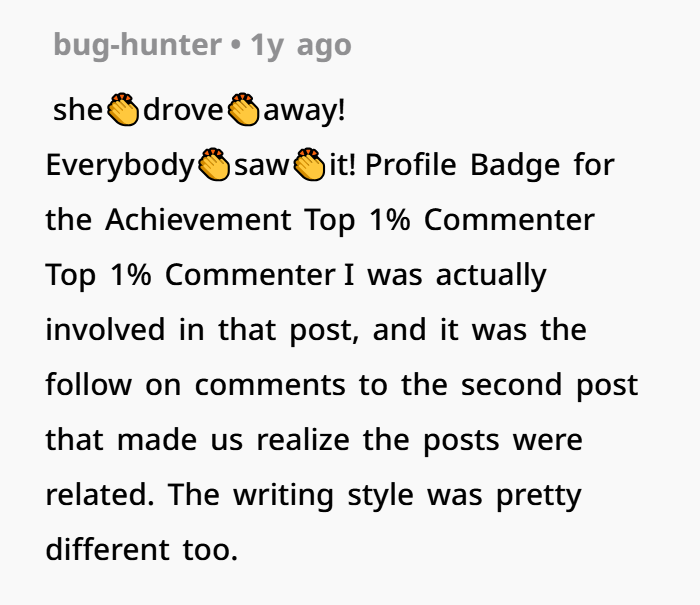
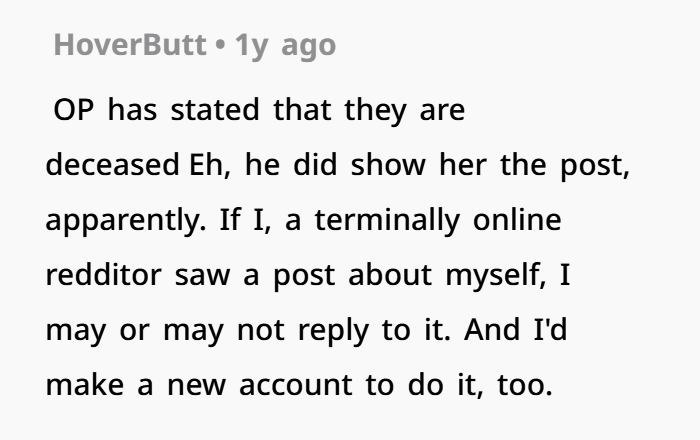
When mutual friends say, “You’re overreacting,” it can feel invalidating. Like your emotional pain is being minimized. That usually doesn’t soften someone. It hardens them. On the flip side, some friends changing their opinion after reading outside feedback shows something interesting. Sometimes outsiders spot boundary violations faster than the people inside the dynamic who normalized it.
Legally? There’s no lawsuit here. No fraud case. No criminal angle. Just bad judgment and terrible impulse control.
Emotionally though? Different currency.
Forgiveness in relationship recovery usually needs three things: real remorse, full accountability, and rebuilt emotional safety. She has regret now. That’s step one. But accountability isn’t just “I’m sorry.” It’s understanding how deep the harm went. And rebuilding trust? That takes time. Sometimes months. Sometimes years. Sometimes more time than the hurt partner is willing to invest.
And here’s the uncomfortable part.
She admitted she wanted to “see what he would do.” That curiosity matters. That means it wasn’t just humor. It wasn’t just content strategy. It was a test. And when you start testing your partner’s loyalty with fake betrayal scenarios, you’re already standing on unstable ground.
Relationship tests rarely end well.
Testing loyalty through deception undermines the very trust you’re measuring. It’s like setting a house on fire to check if the smoke detector works.
Now the breakup.
Was it impulsive? Yes. Was it irrational? Not necessarily.
Dealbreakers are personal. For some people, flirting crosses a line. For others, emotional secrecy does. For him, simulated cheating with nudity and a friend was enough.
Two good years don’t obligate someone to stay if they feel unsafe or disrespected.
And here’s the broader takeaway for anyone in long-term relationships: viral prank culture doesn’t translate well into real-life intimacy. What works for content doesn’t always work for connection.
So is he the asshole?
If you reduce it to facts: no cheating occurred. It was staged. She apologized.
But relationships aren’t judged in courtrooms. They’re judged in emotional reality.
He didn’t break up because she cheated. He broke up because, in that moment, he realized their definitions of respect were miles apart.
And once that clicks, it’s hard to unsee.
Sometimes it’s not about whether something was technically harmless. It’s about whether you can feel secure with that person again.
And if the answer is no… then walking away isn’t dramatic.
It’s self-protection.
The Comments Are In