
Her Boss Tried to Kiss Her-Was I Wrong to Ask My Wife to Quit Her Job?
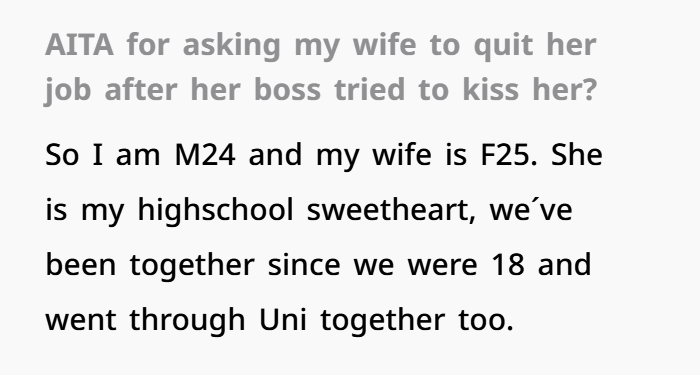
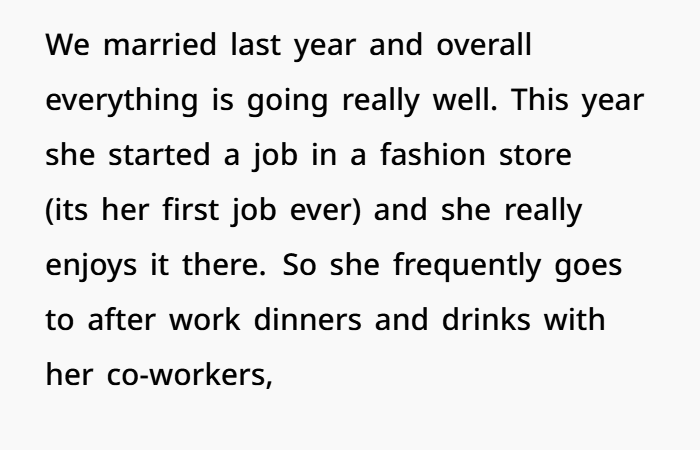
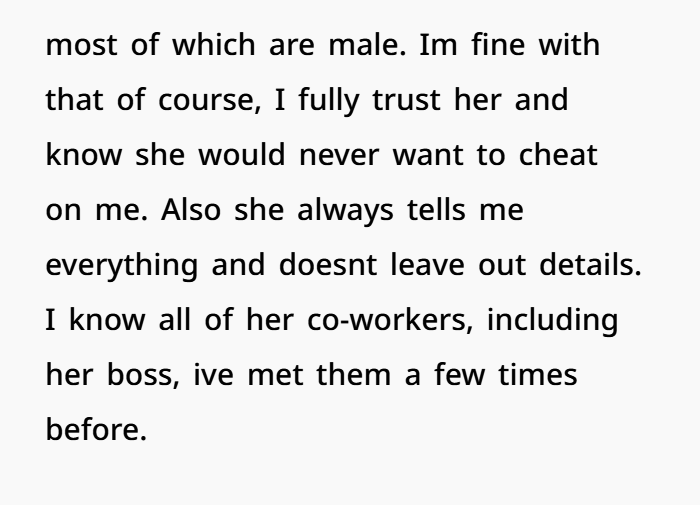
This story is about a young married couple dealing with a messy situation around workplace boundaries and job security. The husband is 24, the wife is 25. They’ve been together since high school and recently tied the knot. Their relationship always felt solid — years of trust, college memories, and growing up together. Not long ago the wife landed her first job at a fashion retail store. She really likes it. It’s her first step toward financial independence, career growth, and earning her own income. New coworkers, a daily routine, and a sense of freedom. Everything was smooth… until one late-night outing with work friends turned things awkward.
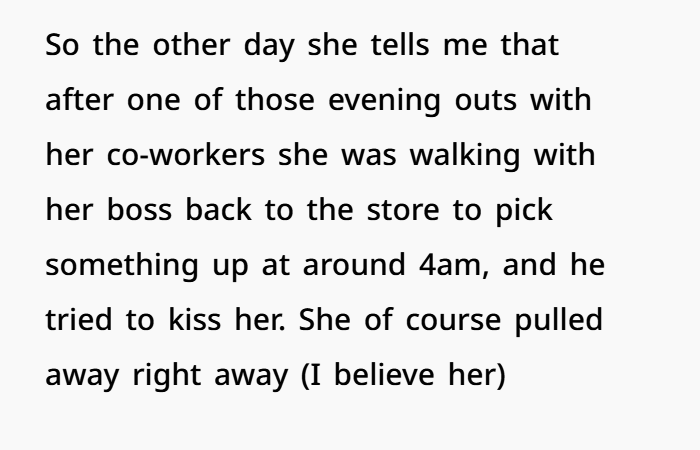
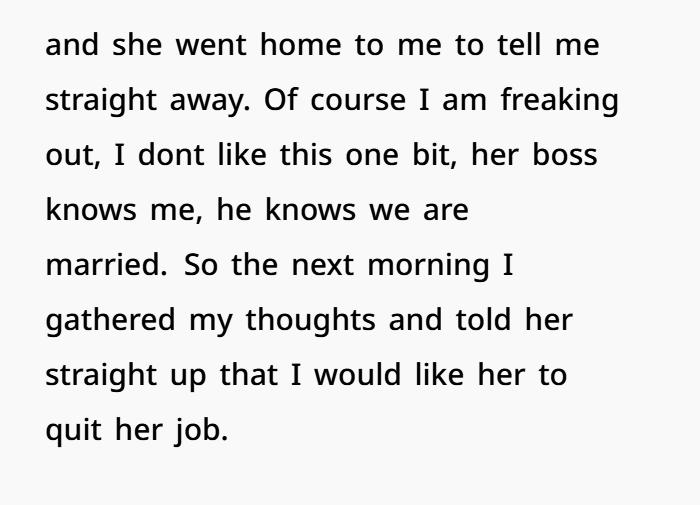
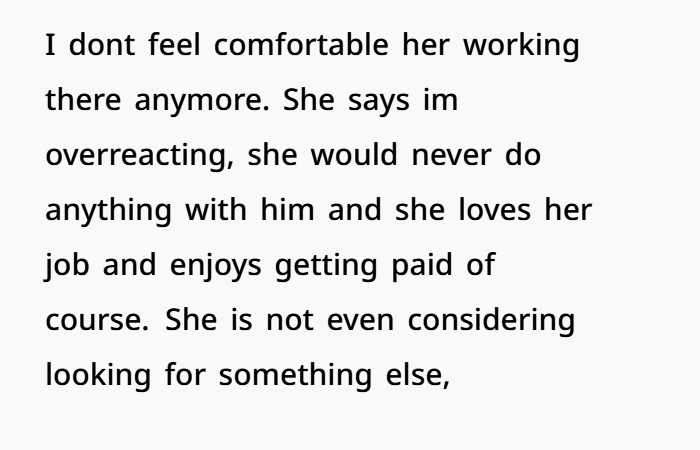
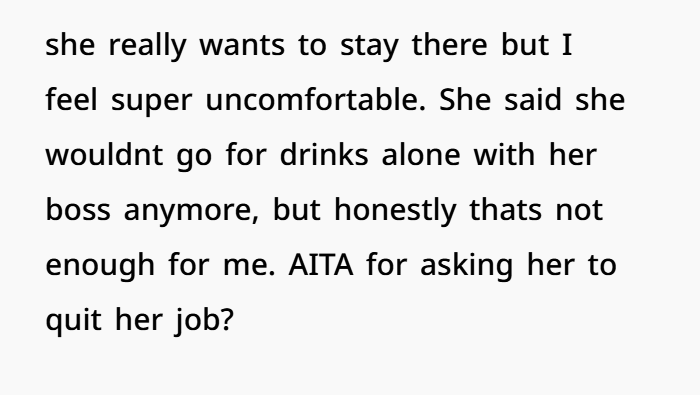
After grabbing drinks with coworkers, the wife walked back to the store around 4 a.m. with her boss to pick something up. That’s when things got uncomfortable. The boss tried to kiss her. She pulled back right away and left. When she got home she told her husband everything — full honesty, no hiding anything. Still, the husband couldn’t shake the feeling of unease. From his side, it’s not just about trust. It’s about workplace harassment, professional boundaries, and a toxic work environment. The next morning he asked her to quit the job. She didn’t agree. She said she enjoys the job and believes it’s possible to just avoid being alone with the boss. Now they’re stuck in a tense debate — is the husband trying to protect his marriage and emotional security, or is this starting to look like controlling behavior in a relationship?

Situations like this usually hit a lot of emotional and legal layers at the same time. On the surface it just looks like a normal argument between husband and wife. But when you really break it down, there’s way more going on. You’re looking at workplace harassment laws, marriage trust issues, job security concerns, relationship boundaries, and personal freedom. These topics pop up all the time in relationship advice forums, legal blogs, and employment law discussions because they sit right between work life and personal life. That mix can make things messy really fast.
First, look at the workplace side of things. When a boss tries to kiss an employee, many employment lawyers would see that as possible workplace sxual harassment. In a lot of countries, employment regulations clearly say unwanted sxual advances from a supervisor are a serious issue. The power dynamic matters a lot here. When someone in authority makes a move like that, the employee might feel pressure, stress, or confusion about their career stability and job protection if they reject it.
From a corporate HR policy point of view, situations like this often fall under two categories: quid pro quo harassment or a hostile work environment claim. Quid pro quo basically means a boss hints that career benefits — promotions, better shifts, salary growth — could come in exchange for romantic or s*xual favors. A hostile work environment happens when behavior makes the workplace feel unsafe or uncomfortable. Even if the boss only tried it once, many labor law experts say a single incident can still count as misconduct depending on company policy and employee rights regulations.
Studies often mentioned in HR compliance training programs say around 30–40% of workplace harassment cases involve supervisors or managers. That number is important. A lot of employees hesitate before reporting something like this. There’s fear of retaliation, fear of damaging their career, or worrying about losing their income — especially in small companies where there’s no strong human resources department or workplace compliance system to protect workers.
Now let’s shift to the relationship side of the story.
The husband’s reaction is pretty understandable on an emotional level. When a third person crosses a boundary with your partner, it can bring up strong feelings — jealousy, anger, protectiveness, and worry. Psychologists who study relationship dynamics and marriage trust often say these reactions are tied to something called “threat perception in romantic relationships.” In simple words, when someone else makes a move toward your partner, your brain can read it as a possible threat to relationship stability and emotional safety.
But this is where things start to get messy.
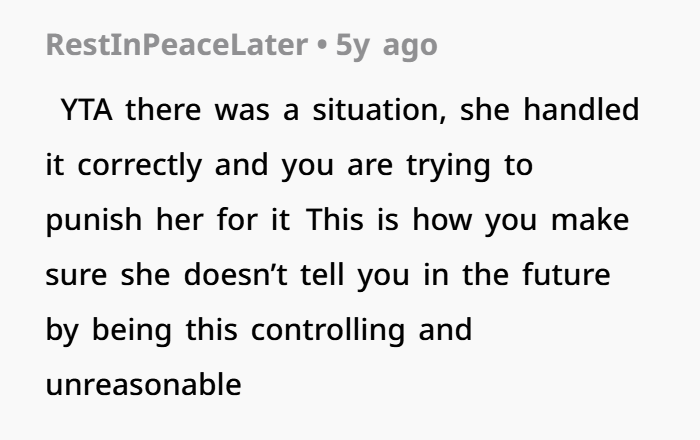
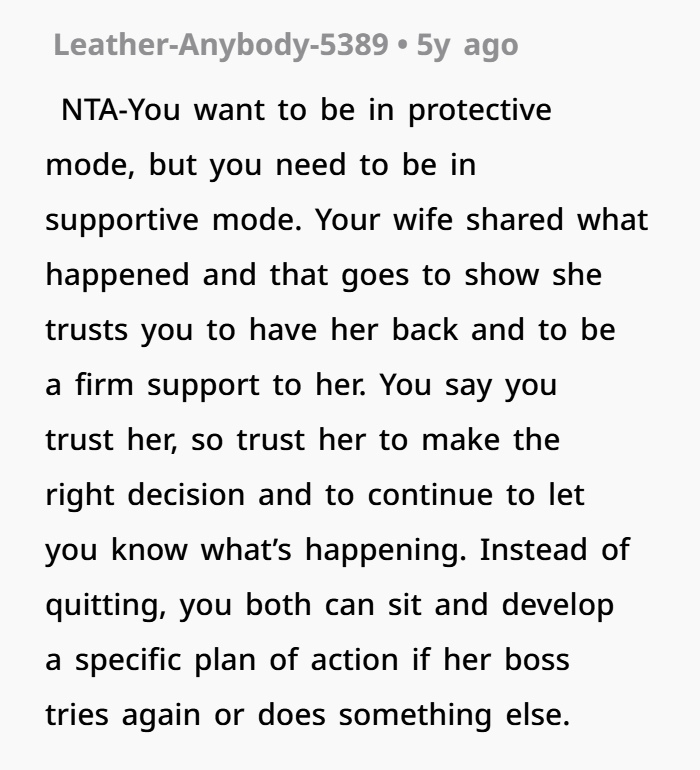
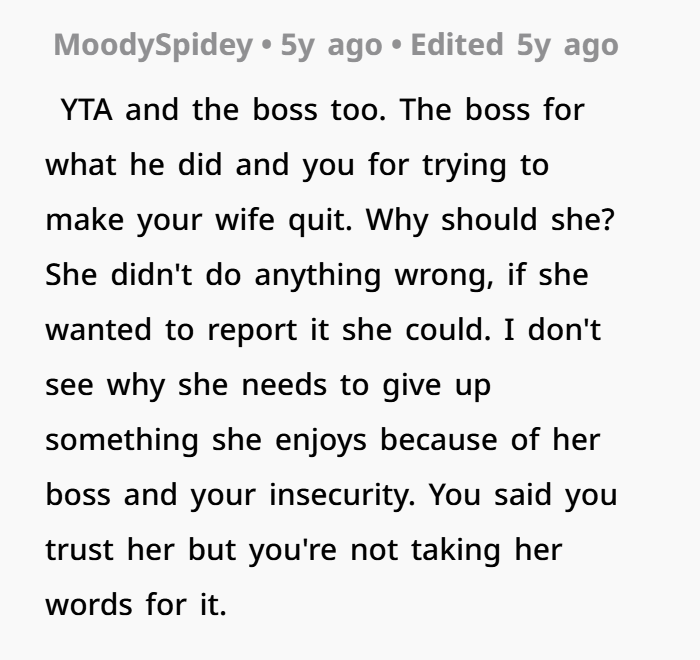
The husband isn’t really directing his frustration at the boss — the person who actually crossed the boundary. Instead, his solution is asking his wife to quit her job. That’s the part that creates debate. In a lot of relationship advice communities, marriage counseling conversations, and online forums like AITA, people tend to split into two sides. Some believe asking a partner to quit their job because of another person’s misconduct can feel controlling and unfair. Others think the husband may simply be trying to protect his partner and their marriage from a high-risk workplace situation and possible harassment problems down the line.
This is where marriage boundaries and autonomy collide.
Healthy relationships generally balance two important principles:
- Mutual respect and emotional safety
- Individual independence and decision-making
When one partner starts controlling the other person’s job choices or career path, resentment can slowly grow. It can affect relationship trust, emotional connection, and overall marriage health. But the opposite problem also exists. If someone ignores their partner’s fears or emotional concerns, that can hurt the relationship too. In couples therapy and relationship psychology, this is often explained as the “security vs independence conflict.” One partner wants reassurance and protection. The other wants freedom, autonomy, and trust. Balancing those two needs is usually where the real challenge is.
There’s also the issue of career identity and financial independence. This job is the wife’s first real step into the working world. For many people, that first job carries a lot of meaning. It’s not just about earning money. It’s about becoming independent, building financial security, and starting a professional journey. Quitting could feel like giving up something she worked hard for. Studies in workplace psychology and career growth research often show that early job experiences play a big role in shaping long-term career confidence, professional development, and future earning potential.
From a practical standpoint, there are also several middle-ground solutions that couples in similar situations sometimes explore:
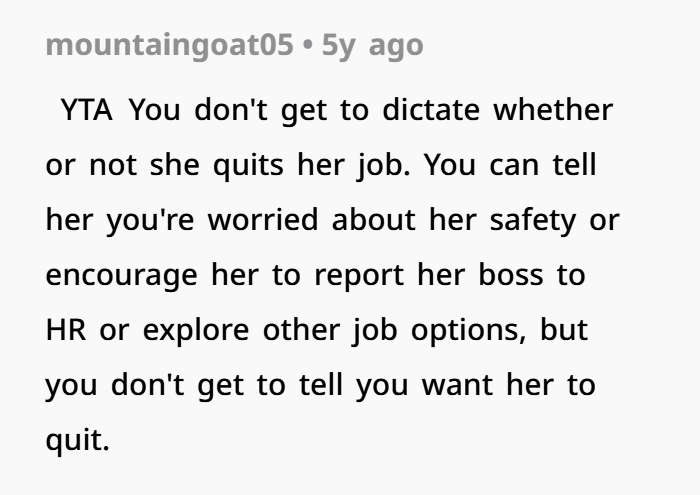
1. Reporting the behavior to HR or upper management
If the store is part of a larger company, there may be formal workplace harassment reporting policies. Filing a complaint can create documentation and prevent future incidents.
2. Setting professional boundaries
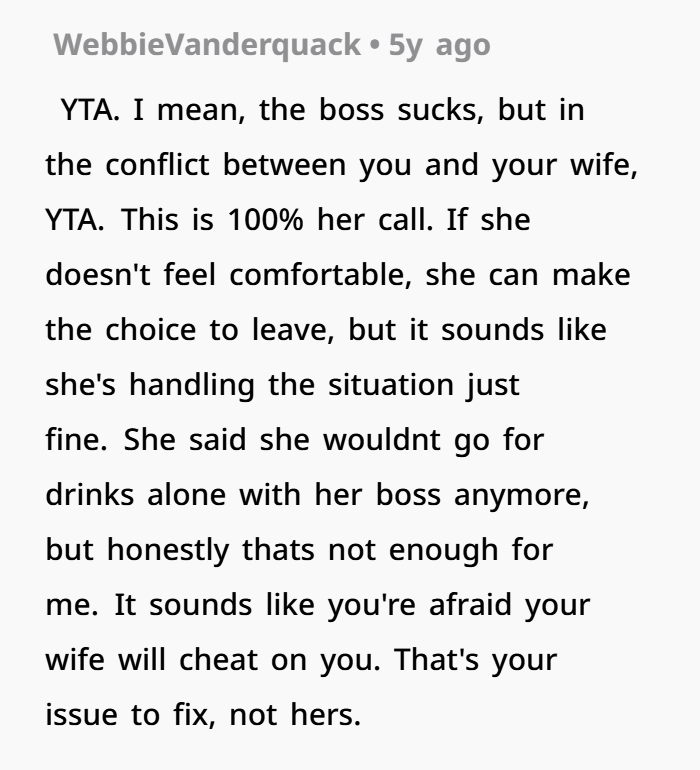
The wife already suggested avoiding situations where she’s alone with the boss outside of normal work hours. This reduces risk without sacrificing her job.
3. Transferring departments or shifts
In retail environments, sometimes employees can move to different locations or schedules to reduce contact with problematic supervisors.
4. Couples communication
Relationship experts often say that when marriage trust issues show up, the best move is a structured conversation. Not accusations. Not ultimatums. Instead of saying “you need to quit your job,” the discussion can shift to something more balanced like, “how do we handle this so both of us feel safe and respected?” This kind of approach is common in couples counseling and relationship communication strategies, because it keeps the focus on teamwork.
Another idea that fits here is intent vs impact, something a lot of relationship psychologists and communication coaches talk about. The husband’s intention may simply be protection. He wants to defend the relationship and avoid future drama at work. But the impact on the wife could feel like a restriction on her career freedom and financial independence. Meanwhile the wife’s intention is independence and normal career growth. Yet the impact on the husband might feel like she’s overlooking his worries about relationship security and workplace harassment risks. When couples understand this gap between intention and impact, arguments can slowly shift into joint problem-solving conversations.
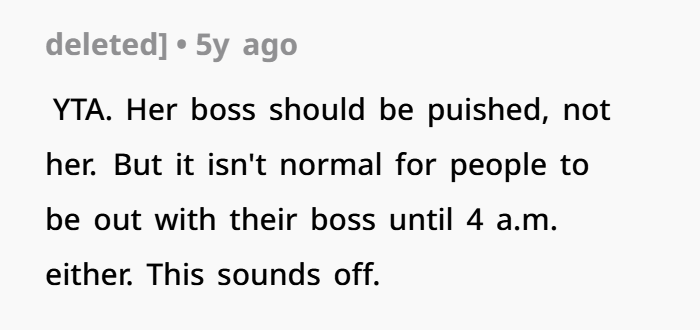
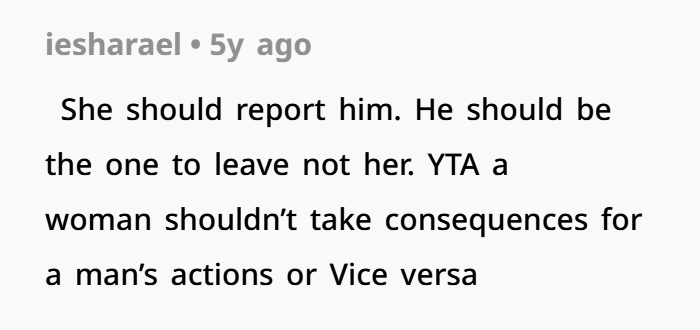
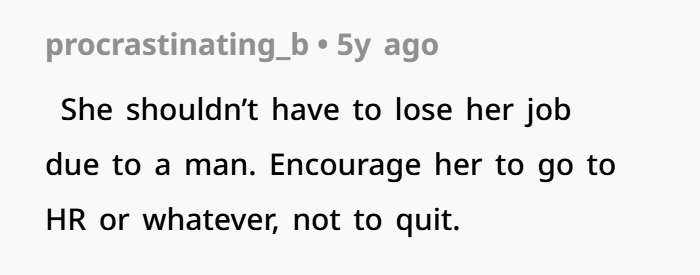
There’s also a wider social issue wrapped into this story. In many real-life situations, when women deal with inappropriate behavior at work, they’re the ones expected to change something. Maybe quit the job, avoid certain coworkers, or stop going to after-work events. Many workplace equality advocates and labor law professionals say that’s backwards. The responsibility should stay with the person who crossed the boundary. The focus should be on accountability, workplace conduct policies, and harassment prevention, not on limiting someone’s career.
Still, relationships aren’t legal cases or corporate HR investigations. Feelings don’t follow strict rules. Even if the wife handled the situation perfectly — rejecting the advance and telling her husband right away — the husband may still feel uneasy. Knowing that her boss already pushed a boundary can shake someone’s sense of relationship safety and emotional trust.
So the bigger question isn’t just about who’s right or wrong. The deeper issue is how couples balance protection, independence, and trust in a marriage when an outside person crosses a line. Situations like this test both the relationship and the individual’s career identity and personal boundaries.
And that’s exactly why stories like this explode in online debates. In relationship advice forums, marriage counseling discussions, and social media threads, people often split into different camps. Some emphasize personal autonomy, career rights, and financial independence. Others focus more on relationship loyalty, emotional security, and protecting the marriage.
In the end, the healthiest outcome usually doesn’t come from an ultimatum. It usually comes from an open conversation. Both partners talk honestly about their fears, values, and priorities. Then they try to find a path that protects both the relationship trust and the individual’s career path and independence.
Top Comments From Readers