I Slept in My Daughter’s Bed to Keep Her Warm… My Husband Thinks It Means Divorce
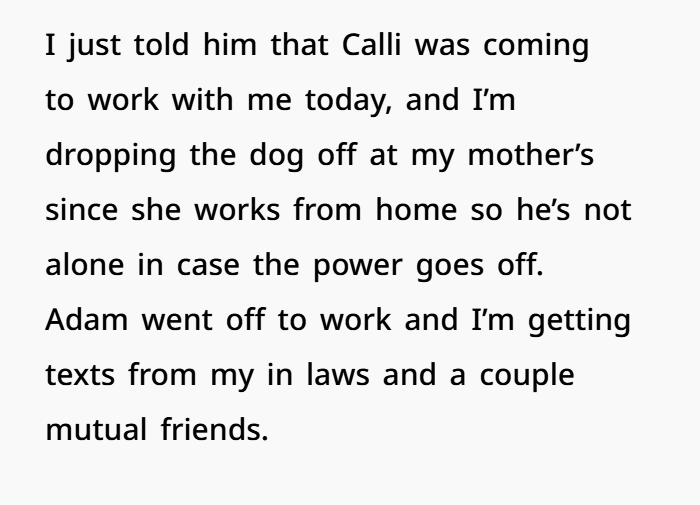
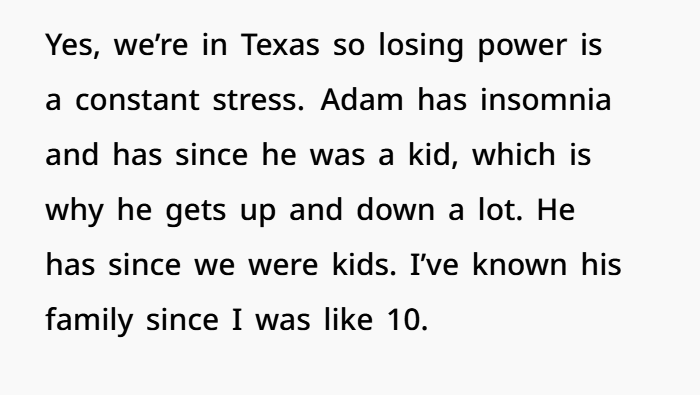
When temperatures dropped to around six degrees, one young mom started thinking about worst-case scenarios. In Texas, winter storms sometimes bring power outages, and losing electricity means no heating system, no electric heater, nothing. That’s scary when you have a small child at home. So she decided to prepare before anything bad happened. She arranged their California King bed like a little heat tent to trap body warmth if the power grid failed overnight. Her plan was basic but smart. If the lights went out, she, her husband Adam, their three-year-old daughter Calli, and even their dog could sleep together and stay warm without relying on electricity.
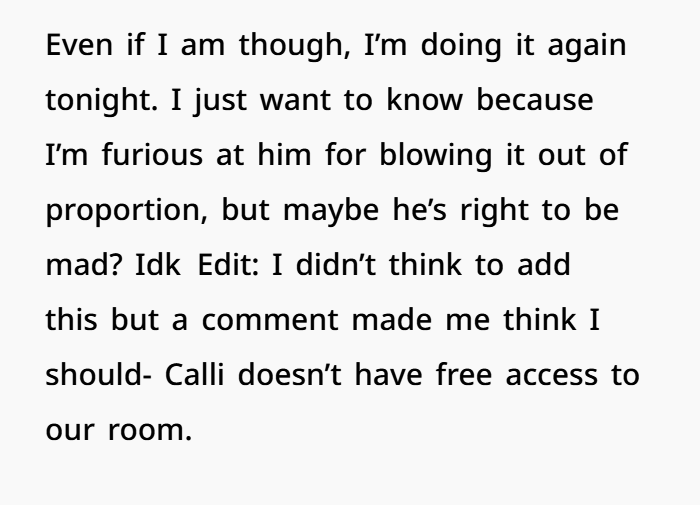
To her, it was just emergency planning. But Adam didn’t see it that way. The moment he noticed Calli in their bed, he got irritated. He said he didn’t want to share his sleeping space because he might want intimacy later that night. That comment instantly turned things tense. What should have been a simple parenting decision became a full argument about boundaries, marriage, and personal space. Eventually the mom just gave up trying to explain. She moved the blankets and the warm setup into Calli’s small bed and slept there with her daughter instead. Adam stayed alone in the master bedroom.
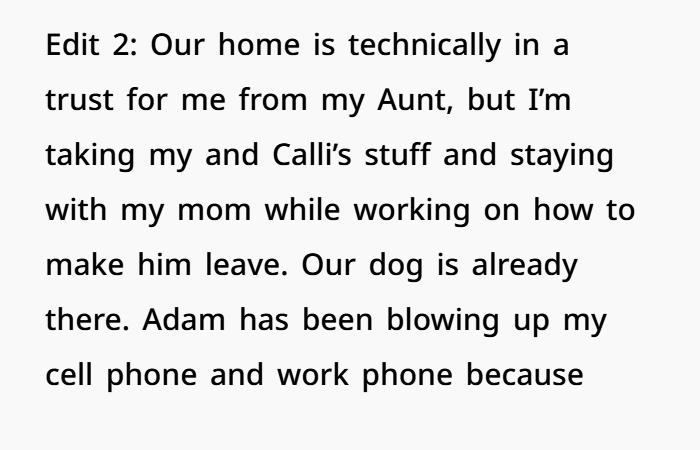
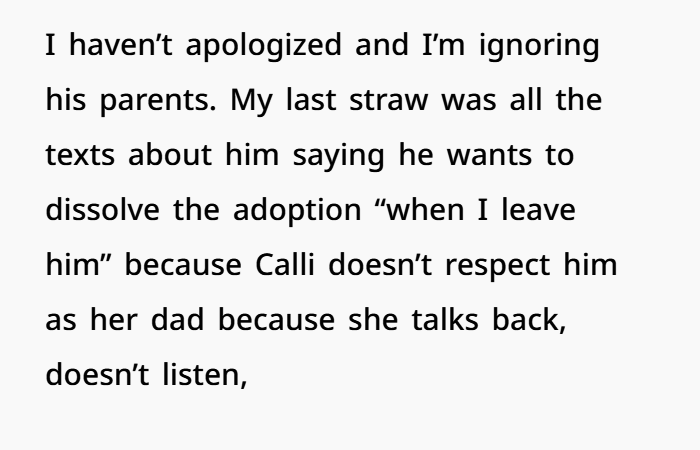
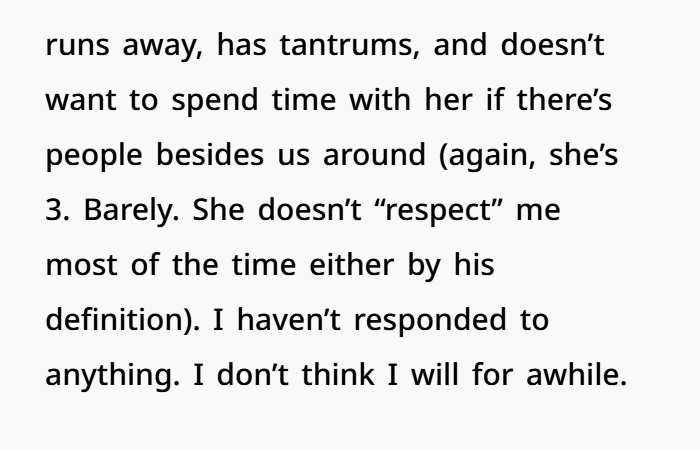
Things didn’t calm down the next day either. Actually it got messier. Adam accused her of wanting a divorce over the situation. His relatives started texting too, throwing in their opinions and making the drama worse. One person even suggested it was somehow inappropriate for him to share a bed with Calli since she isn’t his biological child. The strange part is he legally adopted her. What started as a simple plan to deal with a possible winter power outage somehow turned into a huge family argument.




Family conflicts like this might sound like simple drama at first. But when you look closer, there’s actually a lot going on under the surface. Stuff like parental responsibility, step-parent relationships, marriage boundaries, child safety during emergencies, and even legal adoption rights. No surprise these stories blow up online. People argue about parenting choices, relationship advice, and family law all at once. It sits right in the middle of parenting instincts and marriage expectations, which is why social media debates around family conflicts and relationship counseling get so heated.
Now look at the main thing that started the whole argument — protecting a child during extreme weather and possible power outages. In many parts of Texas, winter storms and electricity failures are a real worry after the 2021 Texas power grid crisis. Millions of homes lost electricity during freezing temperatures. Some people faced hypothermia, others dealt with carbon monoxide poisoning from unsafe heating methods, and hospitals reported serious medical emergencies. Since then, families have started thinking more about emergency preparedness and home safety plans. A lot of disaster preparedness guides — including ones from FEMA and Texas emergency management offices — actually recommend that families stay together in one room and share body heat if the heating system stops working.
From a parenting point of view, the mom’s decision honestly follows common cold-weather survival advice. Small kids lose body heat way faster than adults. Their bodies are smaller and they don’t have the same insulation. Pediatric health experts often warn parents to keep toddlers warm during winter emergencies, especially if the child has a medical condition. In this situation, the little girl also has asthma, which makes the risk even bigger. Cold air can easily trigger asthma symptoms and breathing problems. Doctors often recommend keeping children with asthma warm and away from freezing air because sudden temperature drops can lead to serious respiratory issues.
Then there’s the other layer of the story — the relationship between a biological parent and an adoptive parent. From a legal point of view, once adoption is finalized, the adoptive parent has the same legal rights and parental responsibilities as a biological parent. U.S. family law, including in Texas, treats adoption as a permanent legal parent-child relationship. In other words, the adoptive father is legally the child’s parent in every sense. So when some relatives suggested that sharing a bed with his daughter was somehow “disgusting” just because he isn’t biologically related, that idea reflects social stigma more than legal or psychological reality. Adoption law and child welfare experts are very clear about that.
Many family therapists actually point out that blended families deal with a different kind of pressure. When a stepparent or adoptive parent joins the family, outside relatives sometimes start pushing harmful ideas like “that’s not your real child” or “you’re not the real parent.” It happens more often than people think. Family psychology research shows those repeated comments can slowly damage the bond between parent and child. And it doesn’t stop there. Those outside voices can also create serious stress inside the marriage. If one partner begins believing that narrative, couples often end up needing relationship counseling or marriage therapy to rebuild trust.
Another part of the story involves marital communication and expectations around intimacy. Many couples struggle with balancing parenting and their romantic life. It’s one of the most common topics in marriage advice forums and relationship coaching sessions. But most relationship experts agree on one thing — intimacy can’t be expected during moments of stress or fear. If a parent is focused on protecting their child during a possible emergency, empathy should come first. When a partner dismisses those concerns, it often leads to resentment and deeper relationship conflict.
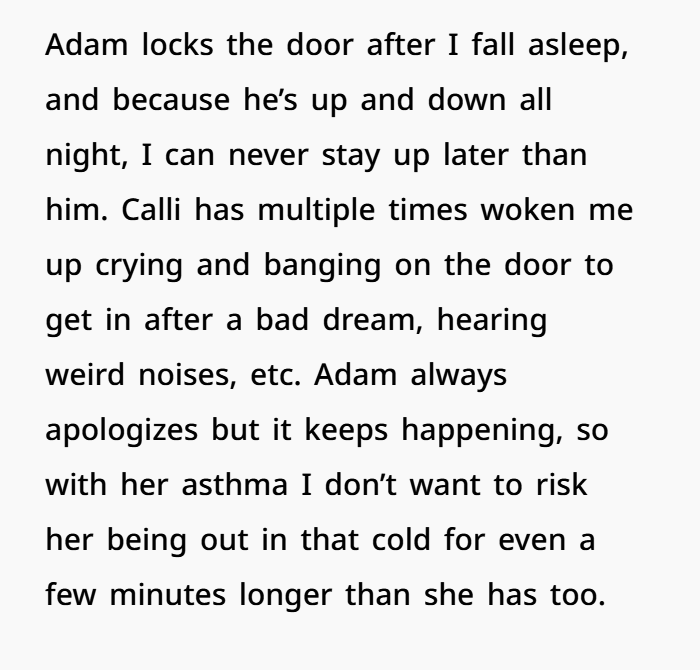
The locked bedroom door is another detail that raised eyebrows. Child development experts usually say young kids should feel comfortable going to their parents if they wake up scared at night. Toddlers and preschoolers often deal with nightmares, separation anxiety, and fear of the dark. Parenting specialists say blocking that access with a locked door can make those fears worse. Kids between three and six still depend a lot on emotional reassurance from their parents, especially at night.
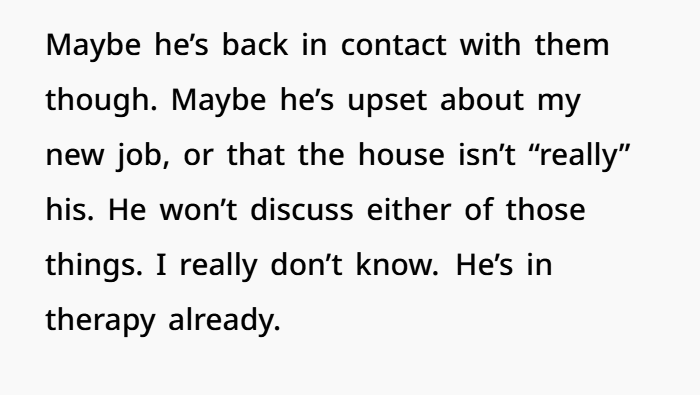
The sudden change in Adam’s behavior is also interesting. According to the mother, he used to love Calli deeply and had no problem adopting her. The habit of locking the door only started two months ago. Sudden shifts like that sometimes happen when outside stress builds up. It could be financial pressure, work stress, family influence, or insecurity about his role as a stepdad. In blended families, relatives who never fully accepted the child can slowly influence how a parent feels about the situation.
Then there’s the legal threat Adam reportedly made about “dissolving the adoption.” From a legal standpoint, that’s almost impossible in most cases. U.S. adoption law is designed to make adoption permanent. Once a judge finalizes it, the adoptive parent has the same rights and responsibilities as any biological parent. Divorce or relationship conflict usually doesn’t change that. Courts still consider the adoptive parent legally responsible for the child.
Making threats about undoing an adoption can also be emotionally damaging. Family law attorneys often warn parents to be careful with statements like that during arguments or custody disputes. In court, those words can make a parent look unreliable or emotionally reactive. Judges in custody cases usually focus on one main thing — which parent shows long-term commitment and stability for the child.
Here’s How Everyone Reacted
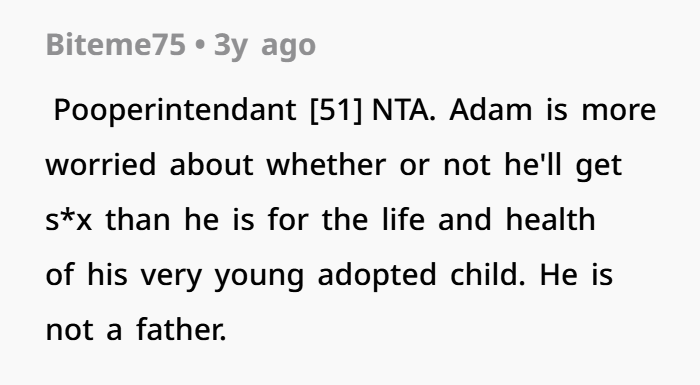
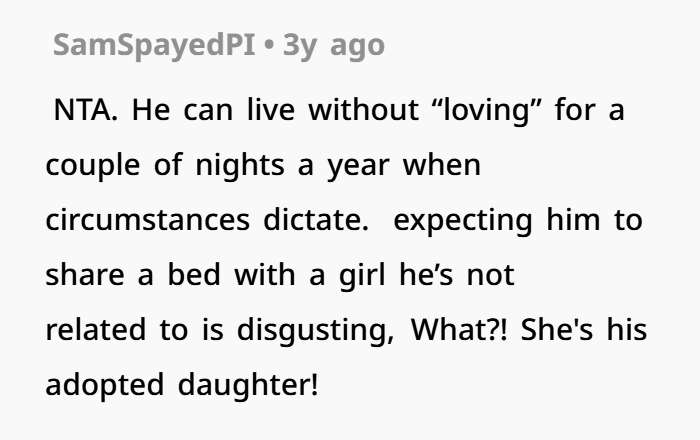
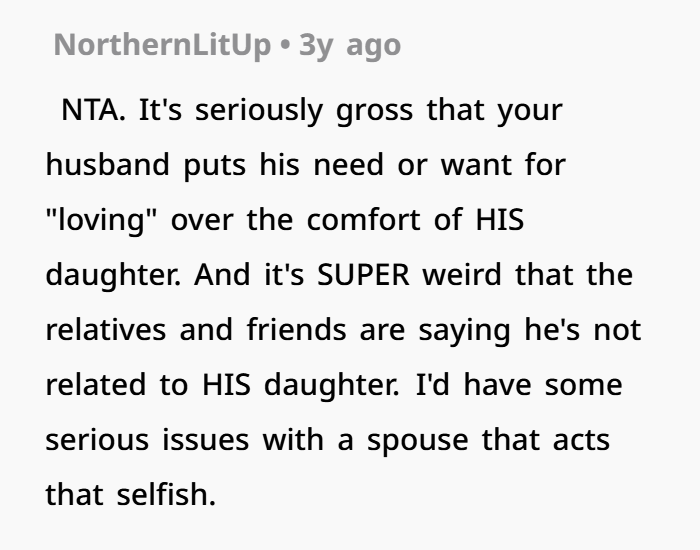
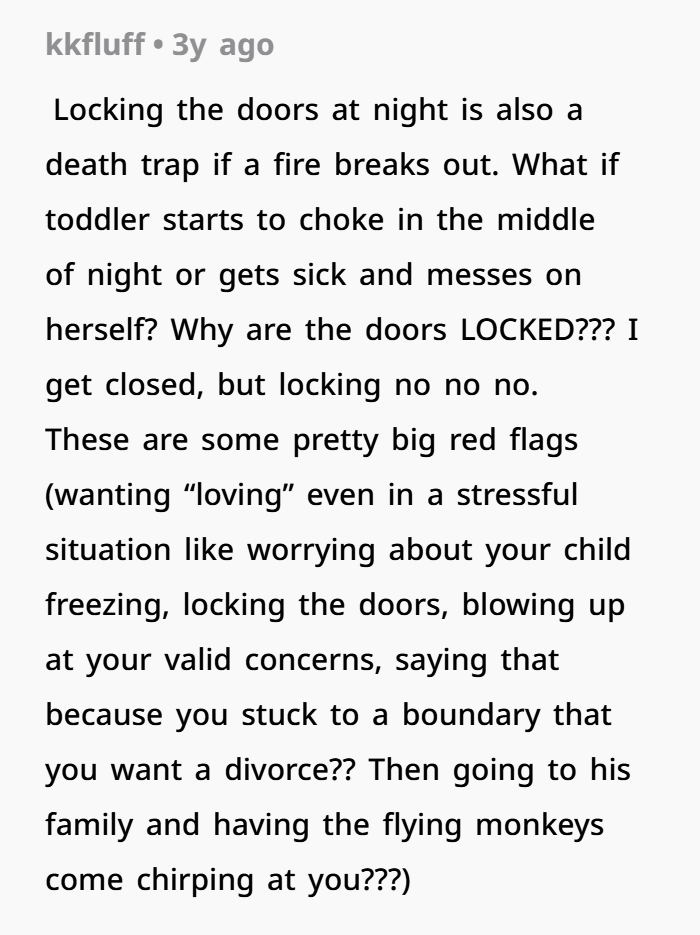


The wider emotional context also matters a lot here. Raising a three-year-old is naturally chaotic. Toddlers are still developing emotional control and understanding of rules. Parenting experts often remind people that tantrums, refusing to listen, running away while playing, or “talking back” are all normal parts of toddler development. Developmental psychology shows that young kids aren’t trying to be disrespectful. They’re experimenting with boundaries and reacting to emotions they don’t fully understand yet. Expecting adult-level respect from a toddler usually leads to frustration for parents.
Now add everything else happening at the same time — freezing winter temperatures, fear of a power outage, emergency safety planning, a child with asthma, family members questioning adoption, and tension inside the marriage. When you stack all those stress factors together, it’s clear the argument probably wasn’t just about where someone sleeps. It’s a mix of parenting stress, relationship expectations, and family pressure.
A lot of relationship counselors say this is pretty common. Small arguments sometimes expose deeper issues hiding underneath. Things like insecurity, influence from relatives, unresolved resentment, or just stress building up quietly over time. When children are part of the situation, those emotions tend to come out faster. Parenting pressure has a way of revealing cracks in communication and trust inside a relationship.