I Didn’t Invite My Sister to My Wedding After What She Said About Me
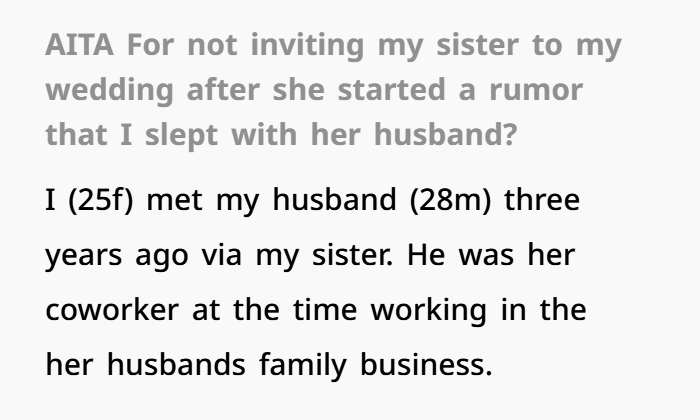
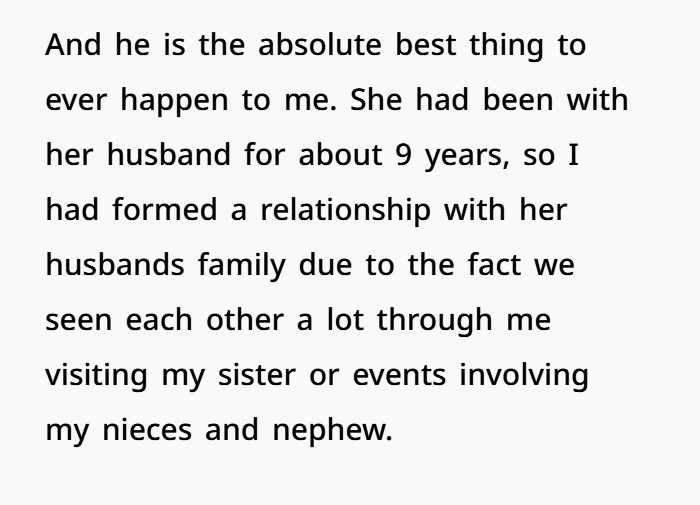
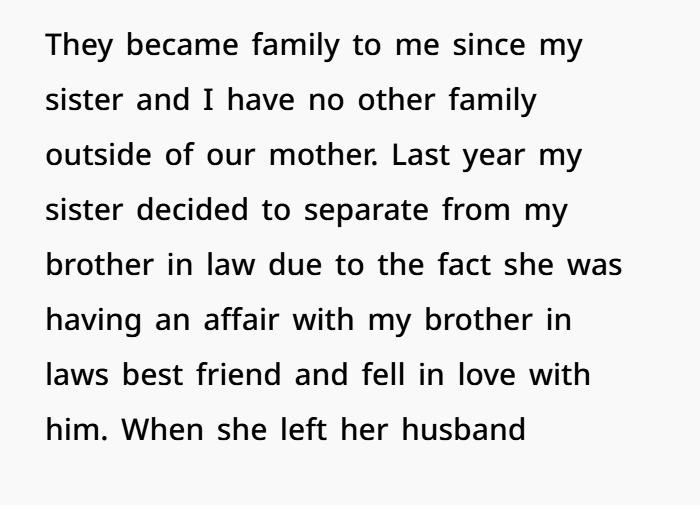
Wedding family drama happens all the time, but this situation went way past the usual arguments about guest lists or seating charts. A 25-year-old bride explained that she actually met her husband through her sister a few years back. He worked at the same family business as her brother-in-law, so everyone crossed paths pretty often. Slowly she became close not just with her sister’s husband but with his entire family too. Since she and her sister didn’t really have a big extended family besides their mom, those connections became very important. She described them as people who welcomed her like real family, which is something people often talk about when discussing strong family support systems and healthy relationships.
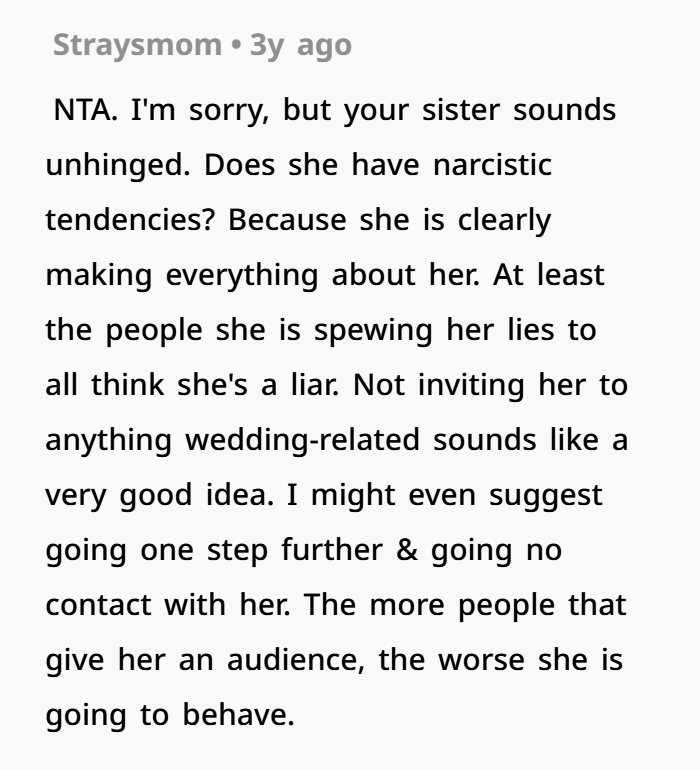
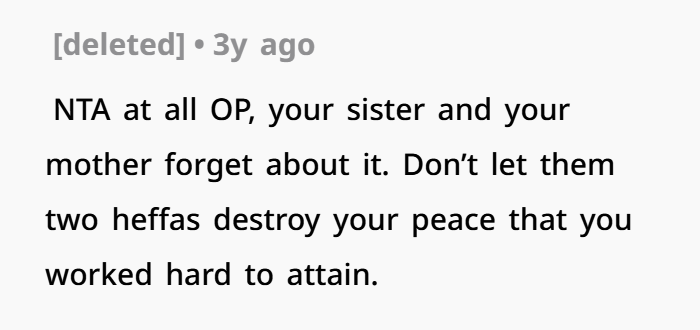
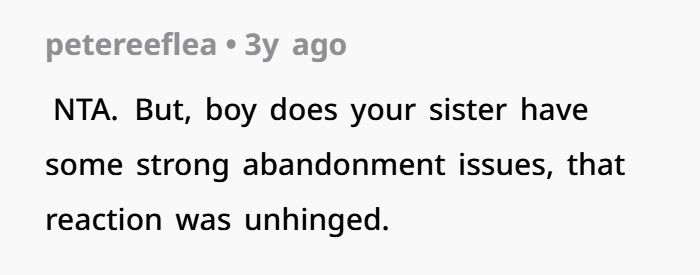
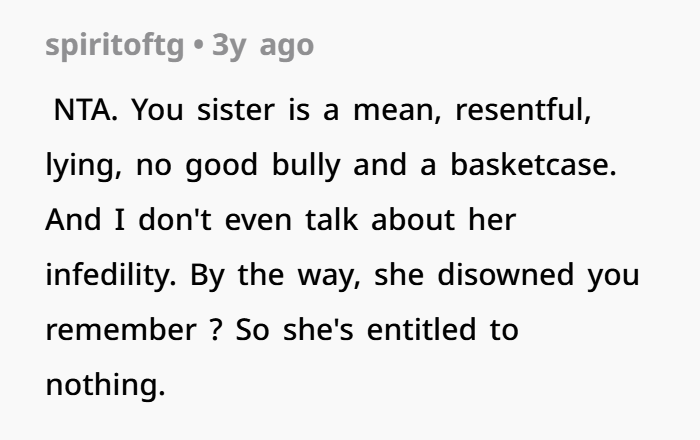
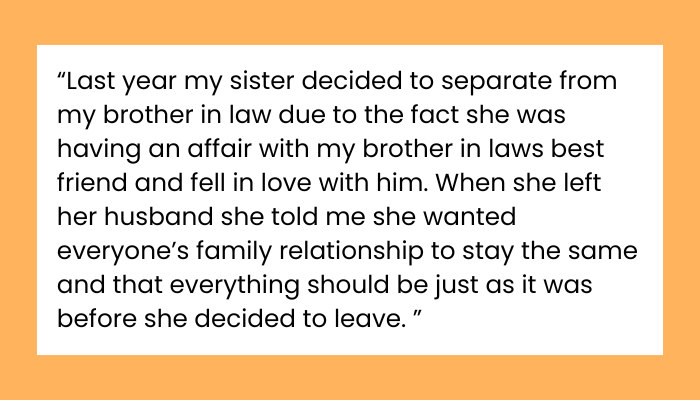
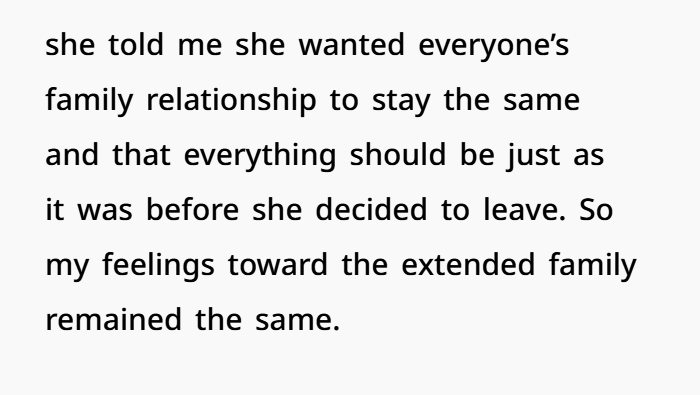
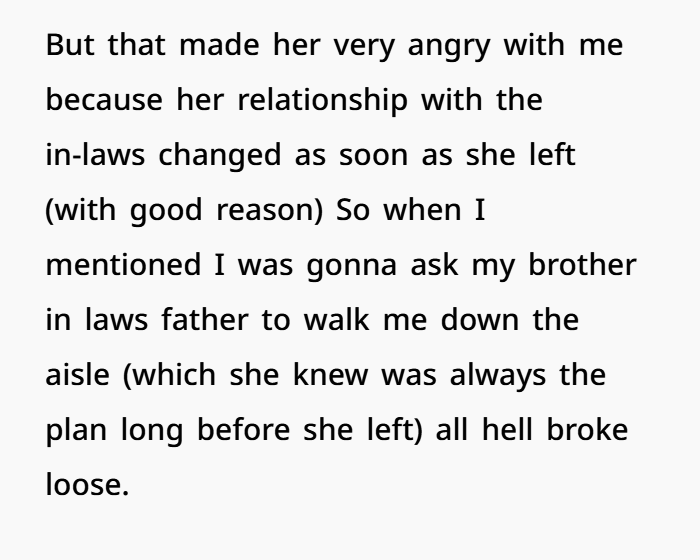
The real trouble started last year. Her sister left her husband after having a long affair with his best friend. That’s when everything got messy. At first, the sister claimed the divorce shouldn’t affect anyone else’s friendships or family ties. She said things should stay the same. But that idea didn’t last long. When the bride later mentioned her plan to have her brother-in-law’s father walk her down the aisle, the sister completely blew up. What followed was serious wedding conflict — blocked social media accounts, heated arguments, and public family accusations. Then just days before the wedding, the sister made things even worse. She started spreading a rumor saying she only left her husband because the bride had secretly been having an affair with him. According to the bride, that claim is totally false. Now she’s questioning whether removing her sister from the wedding guest list makes her the bad one in the story.

Family drama involving divorce, cheating accusations, and wedding plans can spiral out of control quickly. It’s rarely just one simple issue. Usually there are multiple emotional layers mixed together—trust, loyalty, reputation, and old sibling dynamics. Looking at the bigger picture, this situation clearly goes deeper than a disagreement about who gets invited to a wedding. It touches on reputation damage, family loyalty, and personal boundaries, which is why these kinds of stories often go viral in relationship advice communities.
One of the biggest flashpoints in this story is the rumor itself. Claiming someone had an affair with their sister’s husband is a serious accusation. It’s not just gossip. That kind of claim can harm someone’s reputation and social relationships for years. In legal terms, spreading false statements that damage someone’s reputation can sometimes fall under defamation or slander law depending on the country or state. Most families never pursue legal action over rumors, but the emotional damage and broken trust can still be very real.
The timing makes the situation even more suspicious. The sister reportedly began spreading the accusation only three days before the wedding. Psychologists who study family conflict say timing like that can be a sign of emotional retaliation. Weddings are big life events that attract attention and celebration. When someone feels angry or jealous, they might try to disrupt the moment or change the narrative surrounding the situation.
Infidelity also complicates divorce situations in major ways. Researchers often talk about “reputation protection” behavior. When someone’s own affair leads to a breakup, they may feel shame or fear of judgment from family and friends. In some cases, people try to shift blame to someone else in order to protect their image. That doesn’t prove any specific accusation is false, but conflict experts say blame shifting is a common pattern during emotionally charged divorces.
There’s also the complicated role of extended family ties. When a couple has been together for many years—nine years in this situation—their families become closely linked. Over time, siblings, in-laws, and family friends form meaningful relationships. Those bonds don’t just vanish overnight after a divorce. That’s why these situations often create loyalty conflicts where different family members feel pressured to pick sides.
Family therapists often say that when a marriage ends, relatives on both sides end up stuck in the middle. Friends and family start feeling pressure to “pick a side,” even if they care about both people. In long relationships, those bonds run deep. In this case, the bride stayed close with her brother-in-law’s family after the divorce. Considering they were connected for nearly a decade, that kind of family bond makes sense. Relationships like that don’t just disappear overnight, even when a divorce changes the situation.
But from the sister’s point of view, that closeness might feel like a betrayal. Divorce already comes with emotional stress, and when cheating is involved the feelings can be even stronger. Seeing your sibling stay friendly with your ex’s family can trigger embarrassment, rejection, or anger. Relationship experts often explain that post-divorce emotions can distort how people see loyalty and support. It doesn’t excuse extreme reactions or spreading rumors, but it helps explain why the sister might feel hurt or defensive.
Then you add the wedding element, which tends to amplify everything. Weddings are emotional events tied to family identity, commitment, and belonging. Family counselors often say big life events—weddings, funerals, births—bring unresolved family conflict to the surface. If someone already feels judged or excluded, watching those relationships celebrated publicly can make those feelings even stronger.
The question of who walks the bride down the aisle adds another sensitive detail. Traditionally that role belongs to a father figure. But modern weddings are different now. Many brides choose step-parents, mentors, or other important people who helped shape their lives. In this story, the bride apparently planned for years to have her brother-in-law’s father walk her down the aisle. For her, it probably symbolized gratitude and appreciation toward someone who treated her like family.
However, after the divorce, that same gesture could look very different to the sister. She may see it as her sibling choosing the ex-husband’s family instead of standing by her. Whether that interpretation is fair or not, perception matters a lot in family conflict. Once someone feels replaced or rejected, emotions can escalate quickly.
Another thing happening here is what experts sometimes call the rumor escalation effect. Once a serious accusation spreads through a social circle—especially something like cheating—it often grows bigger and more dramatic as people talk about it. Even if most people don’t believe the story, the rumor itself still causes stress, embarrassment, and damage to someone’s reputation.
Social psychology research shows that people often remember hearing a rumor even after they learn it wasn’t true. This is sometimes called the “continued influence effect.” Basically, once a harmful story enters the conversation, it can stick around in people’s minds long after the truth comes out. That’s why false accusations can have lasting emotional and social consequences.
That’s why cheating accusations within a family can cause such deep damage. It’s never just about the two people involved. Once an affair rumor starts circulating, it spreads across the entire family network. Friends hear about it. Relatives start discussing it. Suddenly everyone has an opinion. Reputation, trust, and family loyalty all get tangled together, which is why these kinds of relationship conflicts escalate so quickly.
The situation becomes even more complicated when children are involved. Divorce alone can already be stressful for kids. Seeing arguments between adults they care about makes it even harder. Child development experts often stress that kids should never be placed in the middle of adult disputes. When parents start telling children which relatives they should avoid, it creates emotional confusion.
Psychologists say forcing kids to cut off family members as a form of punishment can affect their sense of security. Children rely on stable relationships to feel safe during big life changes. When those connections suddenly disappear because of adult conflict, it can lead to anxiety and long-term emotional stress.
Another important topic here is personal boundaries. Healthy family relationships require boundaries, especially during big life events like weddings. Choosing not to invite someone who is spreading harmful rumors doesn’t automatically mean someone is being cruel or revenge-driven. Sometimes it’s simply a way to protect mental health and avoid unnecessary stress during an important moment.
Even professional wedding planners often advise couples to limit attendance if certain guests are likely to cause conflict. Weddings are already emotionally intense events. Planning logistics, finances, and family expectations can be overwhelming. Adding the risk of public arguments or accusations only increases the pressure.
There’s also an interesting relationship dynamic hinted at in the story. The bride said her brother-in-law felt more like a sibling than her own sister did. Statements like that usually point to deeper emotional patterns in a family. Sometimes support and connection come from extended family members when sibling relationships become distant.
That doesn’t mean the sisters were always destined to fall out. But it might help explain why the conflict escalated so dramatically once emotions started running high. Long-standing tensions often stay hidden until a stressful life event exposes them.
In reality, family conflicts like this rarely have a neat solution. Divorce, betrayal, reputation, and loyalty all carry powerful emotions. What begins as a disagreement about a wedding role or guest list can slowly evolve into a much deeper conflict about belonging and trust.
And once serious accusations start spreading—especially accusations about an affair between siblings—the damage can linger for a very long time. Even if the truth eventually comes out, repairing family relationships after that level of conflict can take years, if it happens at all.
The Reactions Are In