My Mom Says Her Cheating Didn’t Affect Us—I Disagreed. AITA?
This situation hits hard, because it’s not just about cheating—it’s about how that betrayal spreads through the whole family. The OP, a 16-year-old girl, watched everything fall apart after her mom had an affair and quickly moved in with someone else. One day things felt normal, next day it’s divorce and a new guy in the picture. That kind of emotional switch? It’s a lot. You see this kind of impact discussed a lot in family therapy and teen mental health support, because it creates serious emotional confusion.
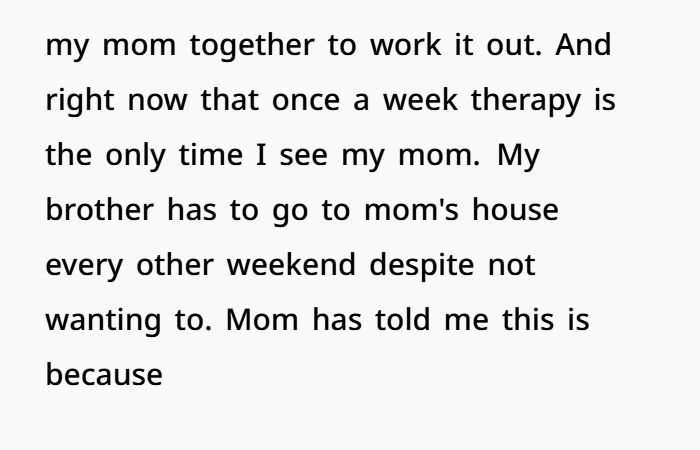
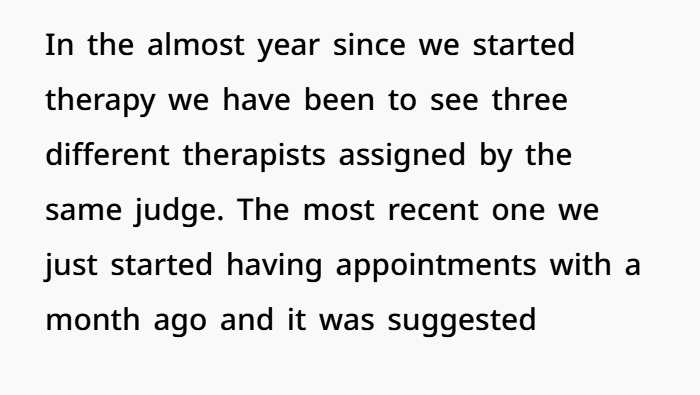
Her mom tried to act like things were fine, like nothing really changed. But OP couldn’t just go along with that. The anger, the hurt—it stayed. So she kept her distance, only showing up for court-ordered counseling sessions. And over time, therapy stopped feeling like healing and started feeling frustrating, especially when her mom kept saying she did nothing wrong as a parent.
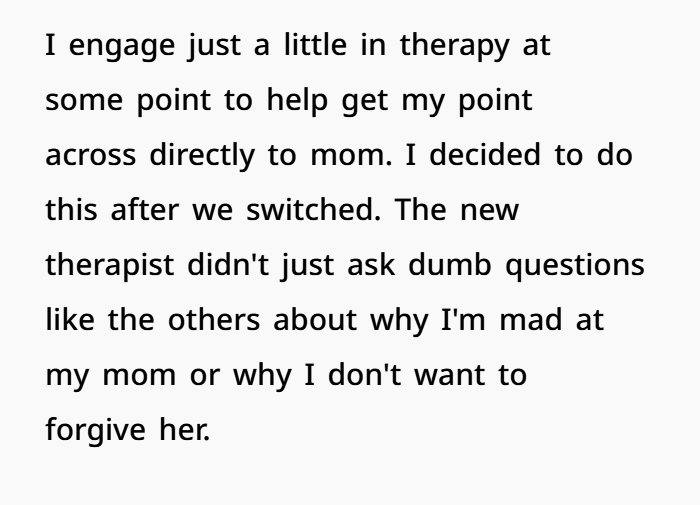
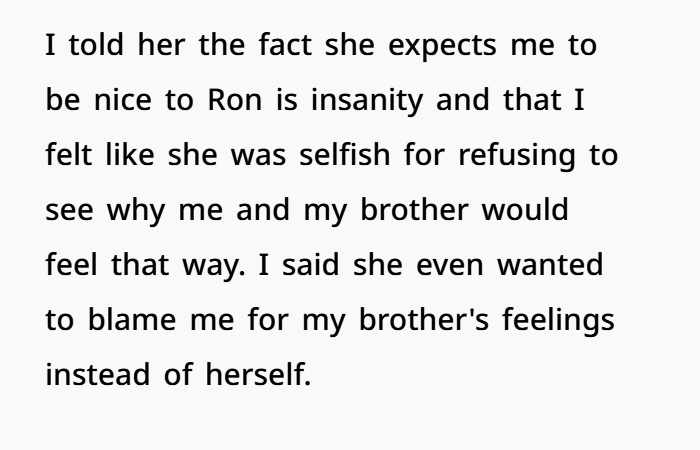
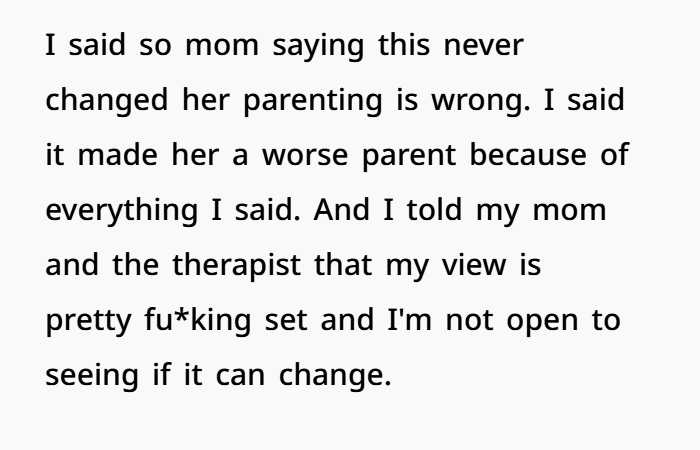
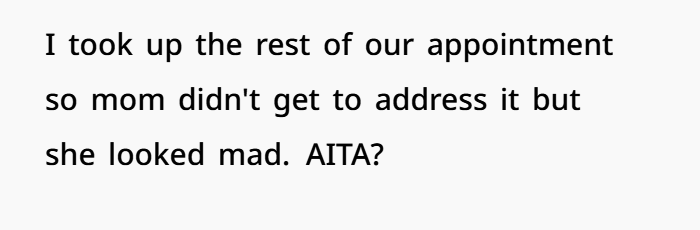
Then comes the turning point. New therapist, new space… and OP finally says everything out loud. She talks about the cheating, how it broke the family, how it affected both her and her brother. And most importantly, she says something real—her mom’s actions didn’t just hurt the marriage, they affected her as a parent too. That’s a heavy truth, but it’s also something you hear a lot in trauma recovery and family conflict resolution. Now she’s left wondering… did she go too far, or was that something that needed to be said?

This is one of those situations where emotions are high, but underneath all that, there’s a real question: can what a parent does in their relationship affect how good of a parent they are?
Your mom’s argument is basically—“what I did to your dad is separate from how I treated you.” And yeah, on a technical level, some people agree with that. If a parent still shows up, helps with school, does the basics… they might say, “okay, still a good parent.” You’ll hear this a lot in parenting advice and even family law discussions.
But real life doesn’t work that clean.
Families are connected systems. When something big breaks—like cheating—it doesn’t stay between two adults. It spreads. The vibe at home changes. The emotional safety shifts. Trust gets damaged. And for teens, that kind of change hits even harder. This is something often talked about in family therapy and teen mental health.
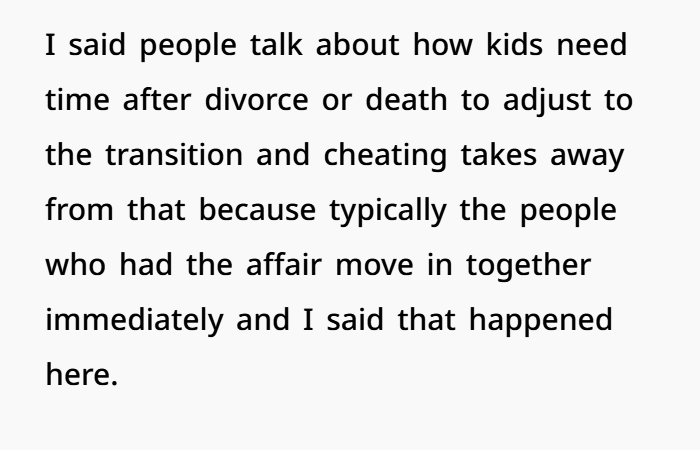
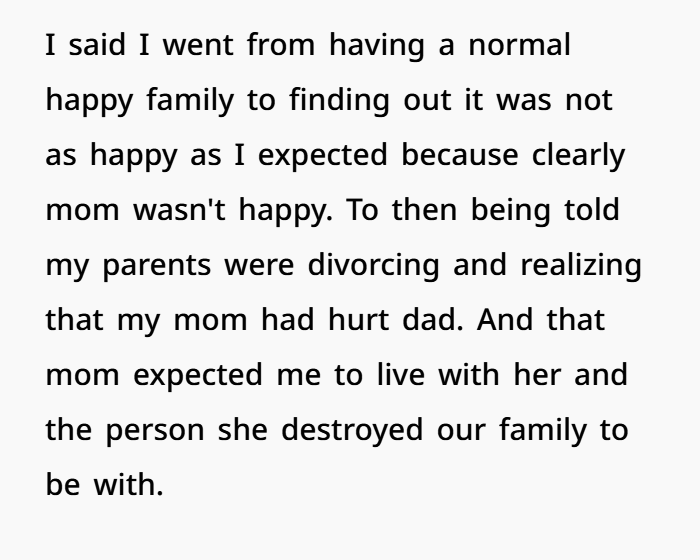
What you went through—the sudden jump from a normal home to divorce, then your mom moving in with someone new right away—that’s a huge emotional shock. In most situations, kids get time. Time to adjust, process, and slowly accept change. That’s a big part of healthy family transitions.
But cheating usually removes that space.
Instead of a slow change, everything flips overnight. One day things seem fine, next day everything feels fake. And before you even process that, there’s a new person stepping into your life in a way that feels… forced.
That’s not just uncomfortable—it can feel like your whole reality changed without you having any say.
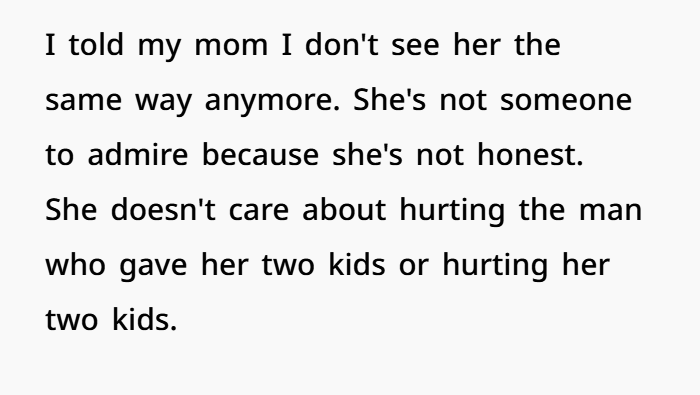
So when you said your mom didn’t think about you and your brother when she made those choices—that’s not just anger. That’s actually a very real and grounded point. Because parenting isn’t just about what you do directly for your kids. It’s also about the decisions you make that shape their entire world.
And your world changed in a painful way.
Now, let’s talk about the therapy moment itself, because that’s actually really significant.
You were encouraged to speak honestly—and you did. Not in a vague way, not in a filtered, “polite” version of your feelings. You said exactly what you’ve been holding in. And yeah, it came out strong. Some of your wording was blunt, even harsh. But therapy isn’t supposed to be a place where you perform politeness. It’s supposed to be a place where you’re real.
What stands out is that your response wasn’t random or purely emotional. You actually explained your reasoning:
- You connected her cheating to the breakdown of your home
- You explained the lack of transition and adjustment time
- You pointed out the expectation to accept her new partner immediately
- You addressed how she minimized your feelings and blamed you for your brother
That’s not just lashing out—that’s structured, thoughtful expression. It shows you’ve been processing this for a long time.
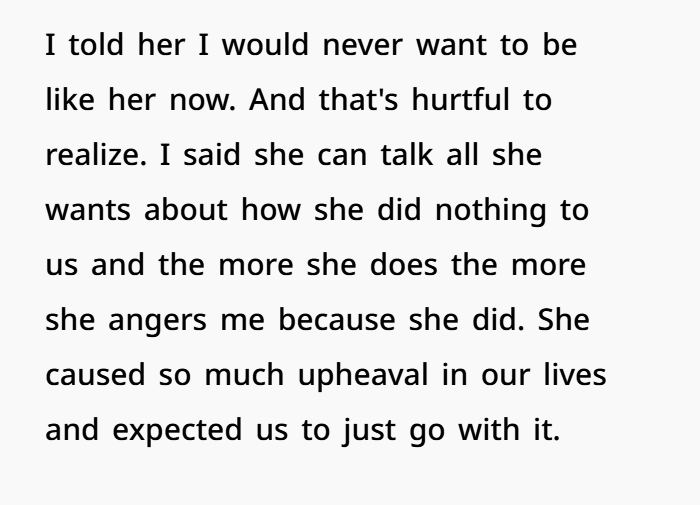
Now, where things get complicated is the statement: “it made you a worse parent.”
That’s a heavy thing to say. And it’s going to hit hard, no matter how justified it feels.
From your perspective, it makes sense. Parenting includes protecting your kids’ emotional well-being, and in your eyes, she failed at that. So in your framework, yes—her actions lowered how you see her as a parent.
From her perspective, though, she probably hears that as a total rejection of everything she’s ever done right. People tend to go into defensive mode when their identity—especially something as core as being a “good parent”—is challenged. That’s why she keeps repeating that she “never failed you.”
It’s not just about convincing you—it’s about protecting how she sees herself.
And that’s why you’re stuck in this loop. You’re talking about impact, and she’s talking about intent.
- You: “This hurt me and changed everything.”
- Her: “I didn’t mean to hurt you, so I didn’t fail you.”
Those don’t match, and until they do, you’re both going to feel unheard.
Now, about your brother—this part matters too.
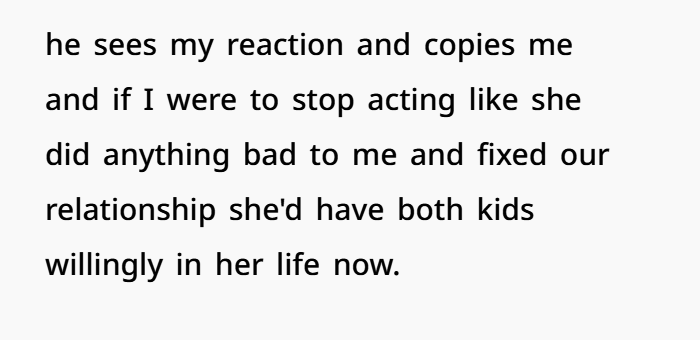
Your mom saying your brother is just copying you? That’s more about avoiding responsibility than anything else. It’s easier to believe one kid is influencing the other than to accept that both of you are hurt on your own. But even younger teens can form their own thoughts—especially in situations like this. This kind of pattern shows up a lot in family psychology and parenting behavior analysis.
So yeah, your frustration there makes sense.
Now let’s zoom out a bit.
Are you wrong for feeling like this? No. Not even close.
Are you wrong for saying it out loud? Also no—especially in therapy. That’s literally what therapy sessions are for, to express what’s been building up.
But… could the way it came out have been softer? Maybe.
Not because your feelings are wrong, but because if you ever want to be understood—even a little—tone matters. The way something is said can change how it’s received. Right now, your words probably hit hard. And when people feel attacked, they stop listening, even if the truth is right there. This is something often talked about in communication skills and conflict resolution techniques.
That said, you were also clear—you’re not ready to change how you feel. And that matters too. You’re being honest about where you are emotionally. Healing doesn’t happen overnight, and no one can rush it. That’s a big part of emotional healing and mental health growth.
And one more thing—you’re 16. You’re still in the middle of this, not looking back at it from years later. The emotions are fresh, everything is still changing, and you’re trying to adjust in real time. Expecting perfect reactions or calm, balanced responses right now? That’s just not realistic.
You’re reacting like someone who got hurt and hasn’t been given the space or acknowledgment to process it properly.
And honestly, that’s human.
See The Comments Below
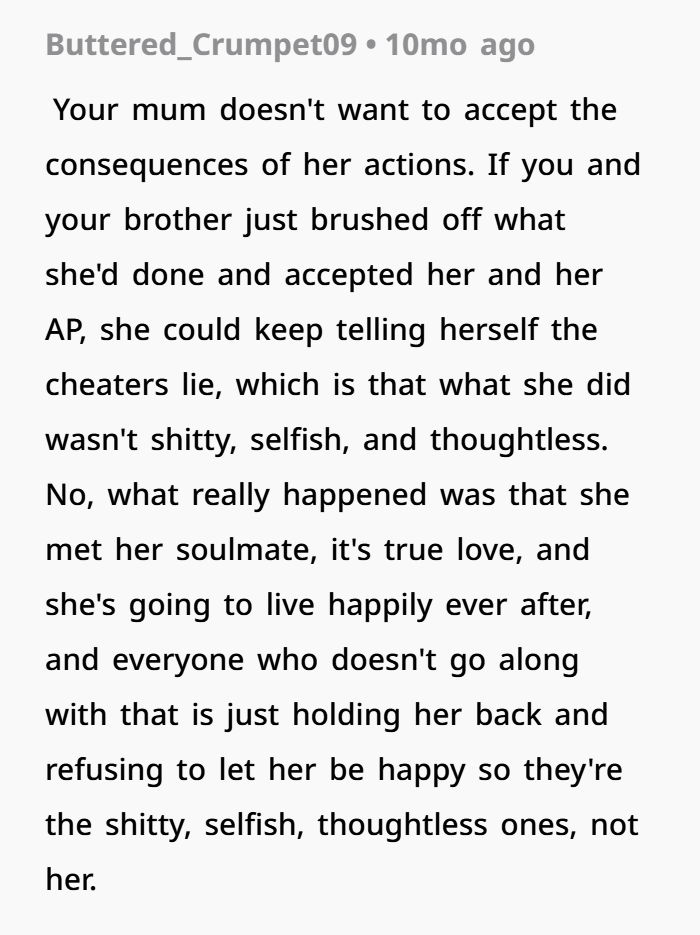
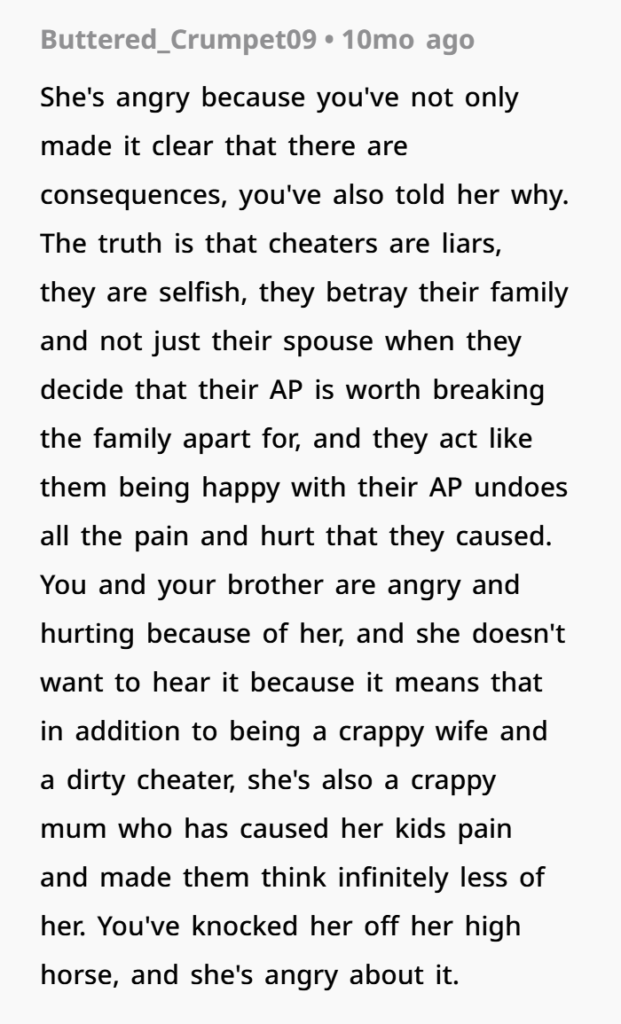
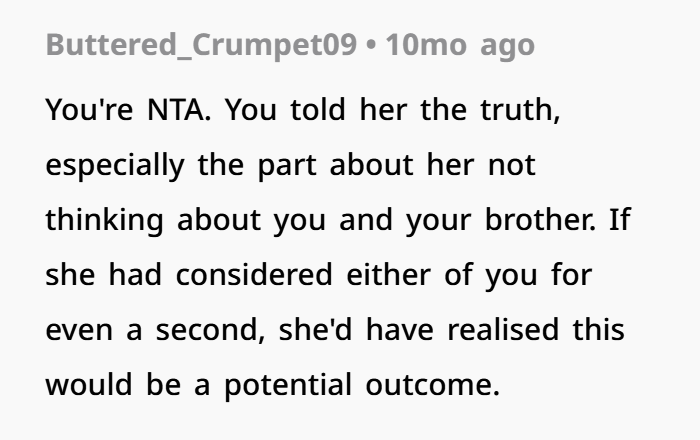
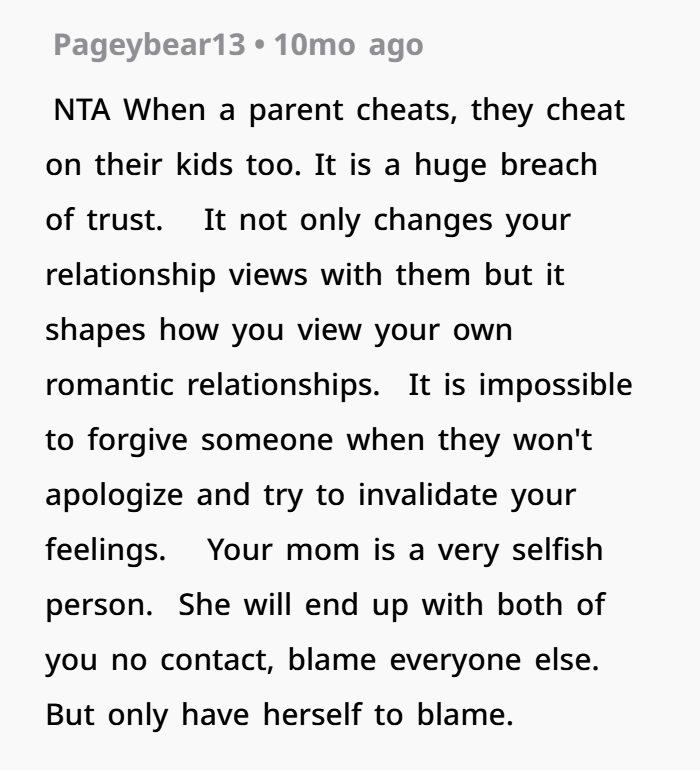
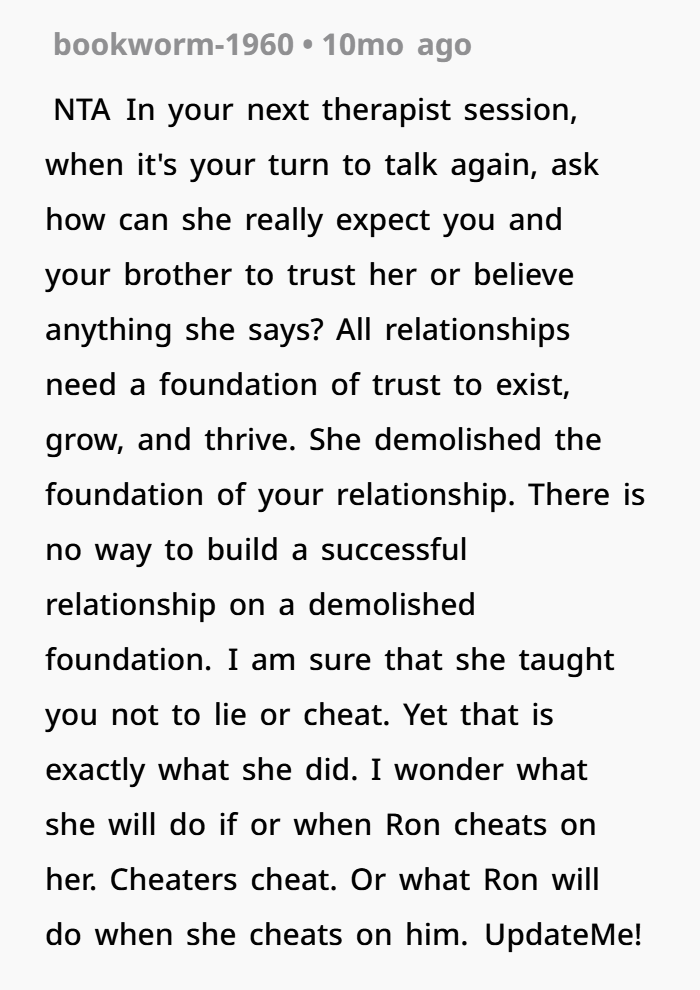
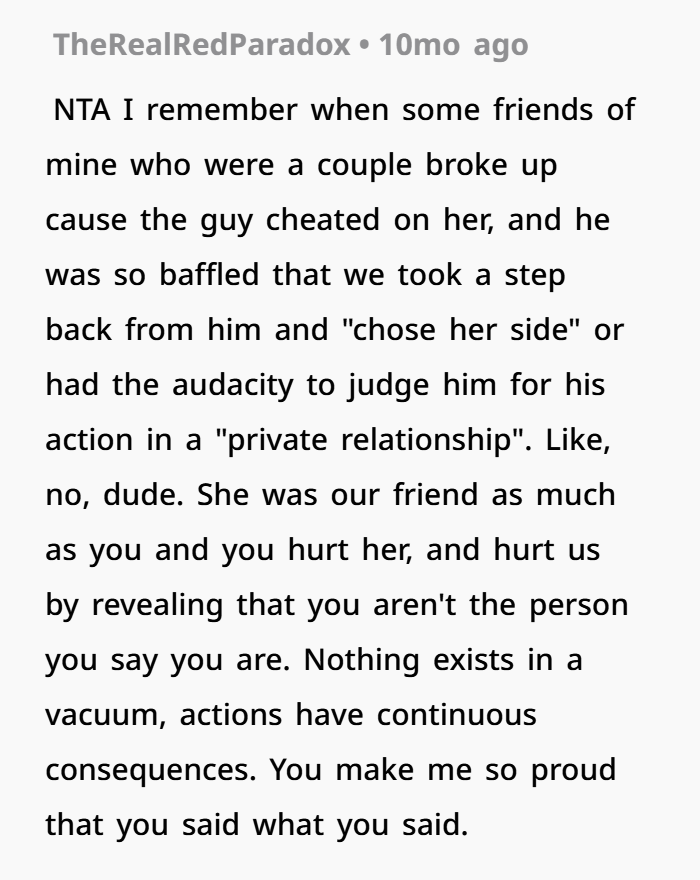
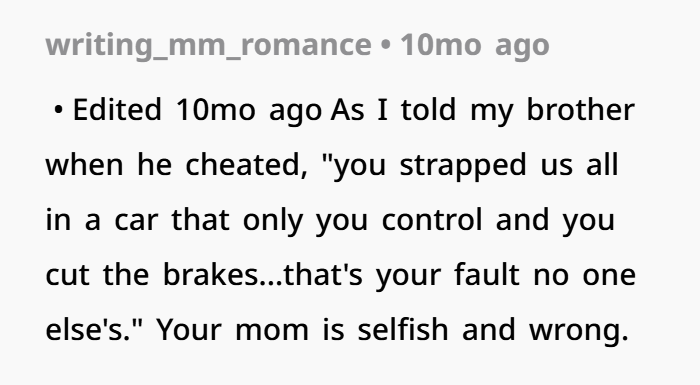

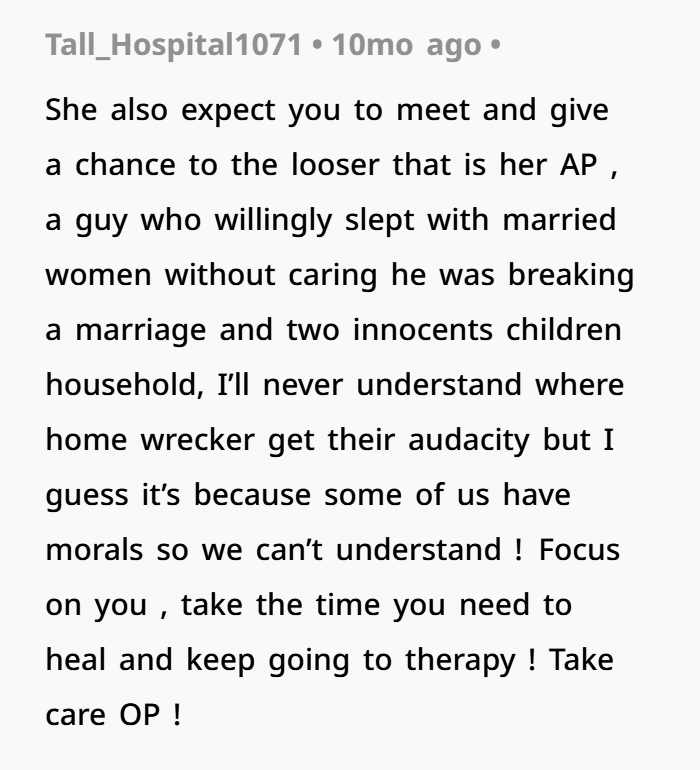
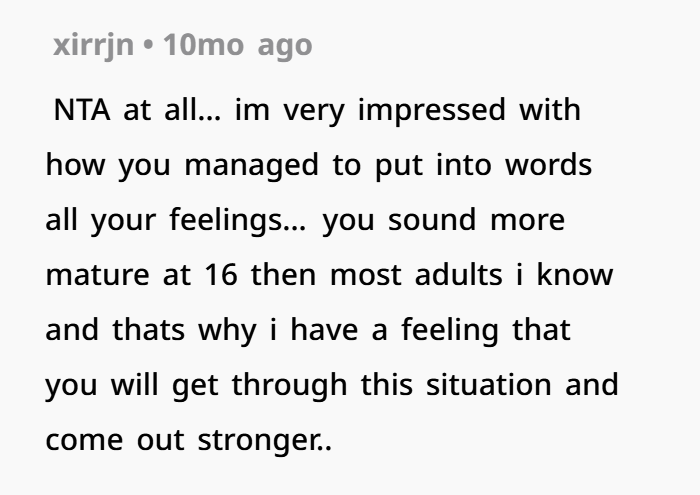
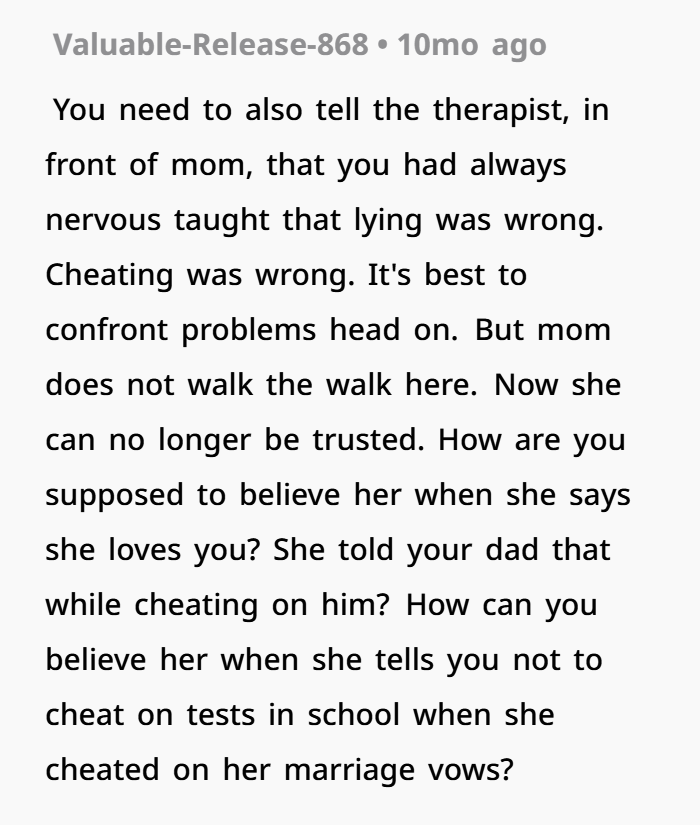
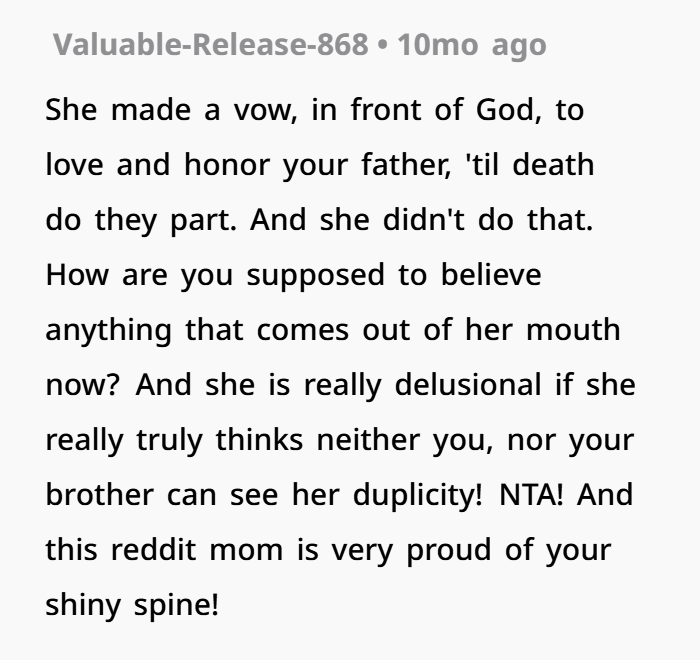
This leans strongly toward Not the A-hole.
You didn’t say anything just to hurt your mom—you said it because it’s how you genuinely feel, and you backed it up with real reasons. Therapy is one of the few places where you’re allowed to be that honest.
Was it harsh? Yeah, a bit.
Was it unfair? Not really.
You’re dealing with a lot, and instead of pretending everything’s fine, you finally said the truth out loud.