
He Cheated First… So Was Her Affair Fair Payback?
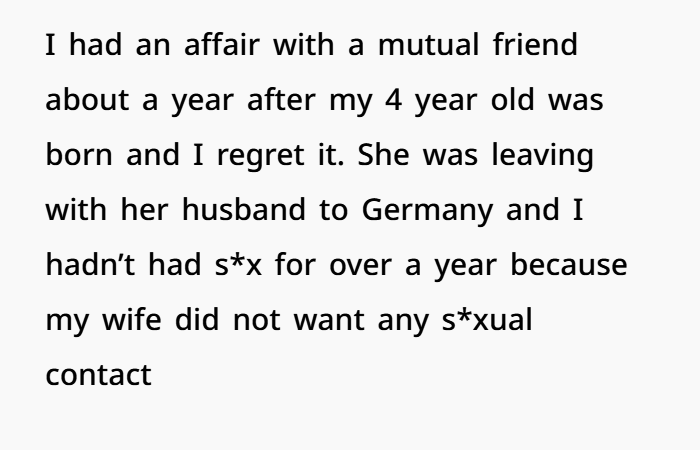
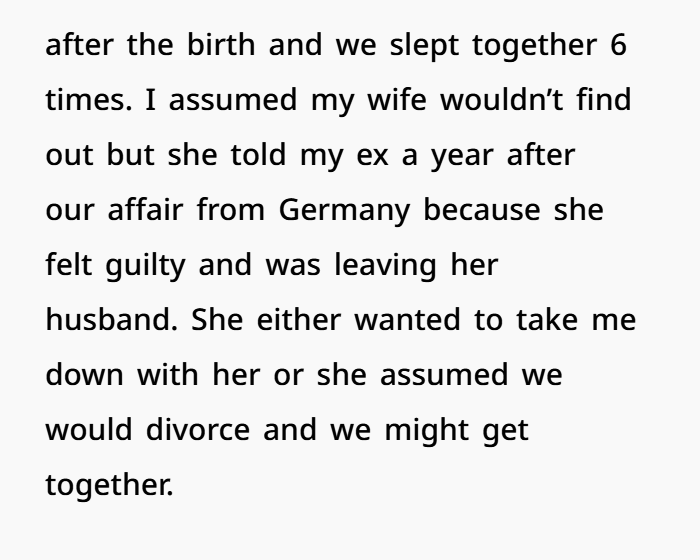
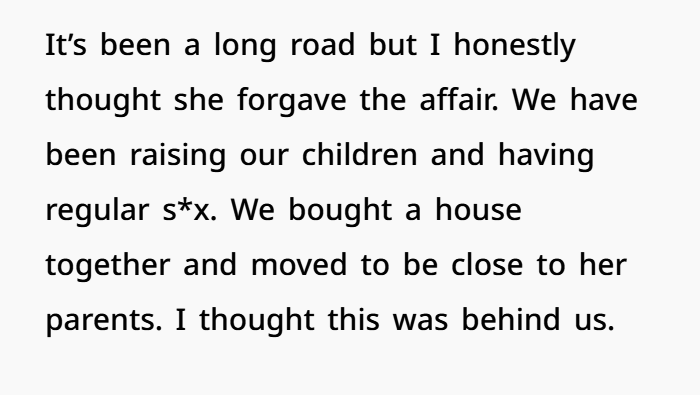
Twelve years together. Nine years of marriage. Two kids, a home, and what looked like a stable family life. Anyone looking from the outside would probably call it a healthy marriage. But behind that normal picture was a secret that had never fully healed. Years ago, the husband had an affair with a mutual friend shortly after their second child was born. His wife had gone through a difficult postpartum depression phase and didn’t want sex for more than a year. Feeling rejected and emotionally distant, he cheated. The affair happened only six times, and he assumed the cheating scandal would stay buried forever. But a year later, the woman he slept with sent a confession to his wife from Germany. That moment nearly ended the marriage.
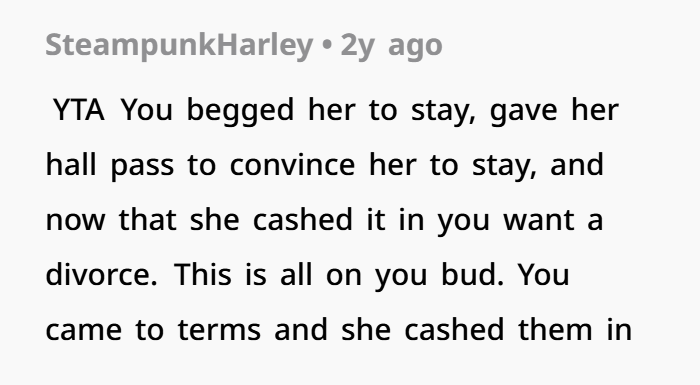
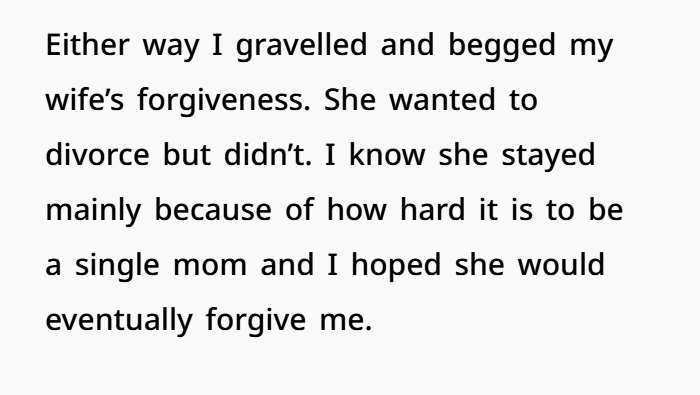
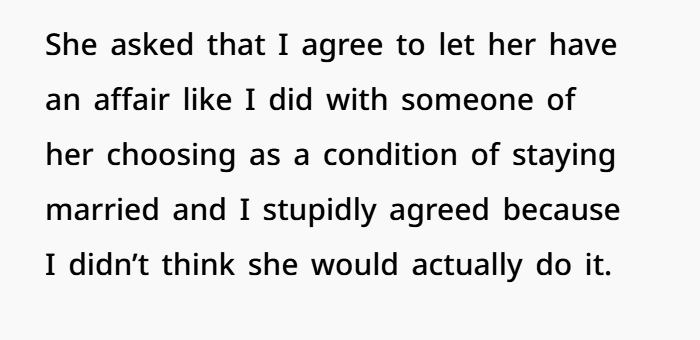
At the time, the wife was close to filing for divorce. Trust was broken and the relationship damage from infidelity was huge. Instead of leaving, though, she gave him one unusual condition. She wanted the right to have an affair someday too. The husband agreed quickly. He figured it was just pain and anger speaking and believed she’d never actually do it. Life slowly moved forward. They focused on raising their kids, building their home, and repairing their marital relationship. Intimacy eventually returned and things started feeling normal again. In his mind, the cheating was behind them.
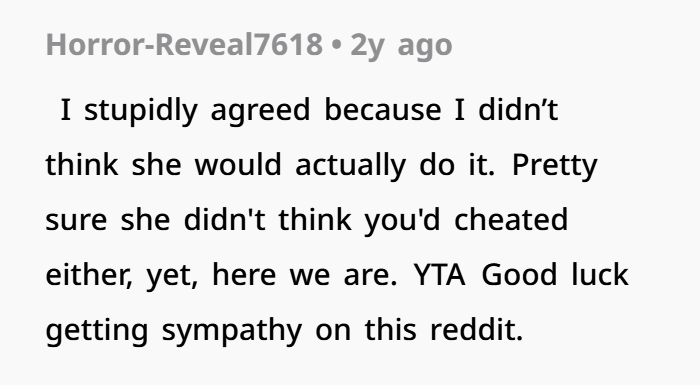
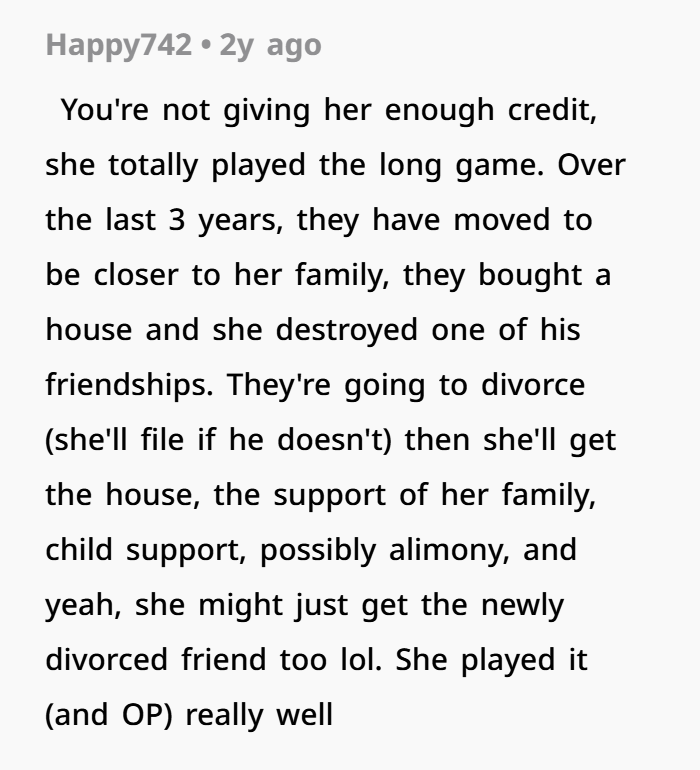
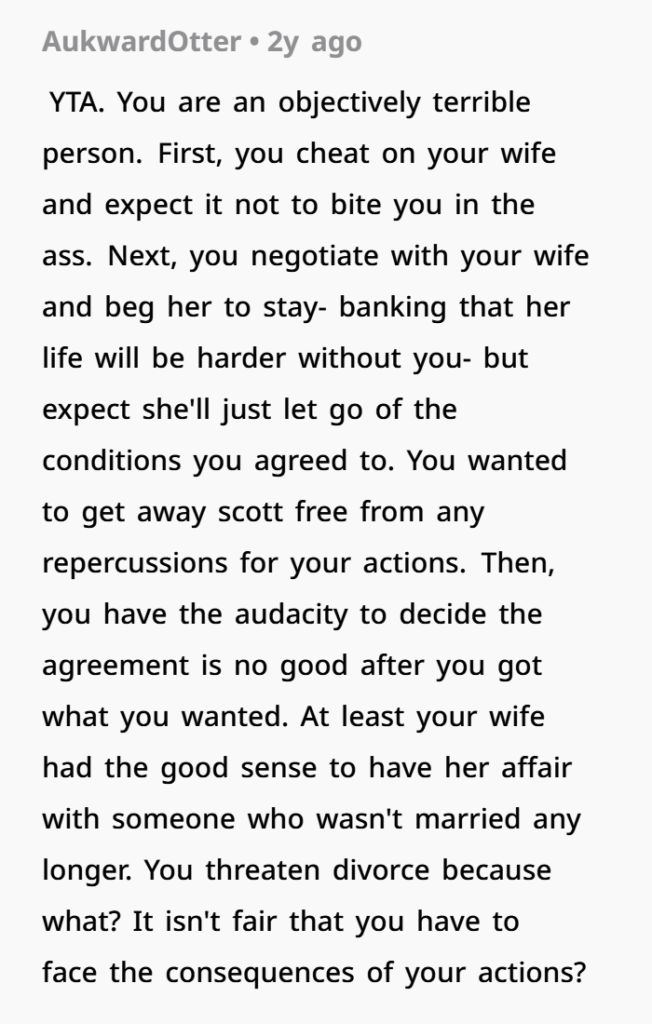
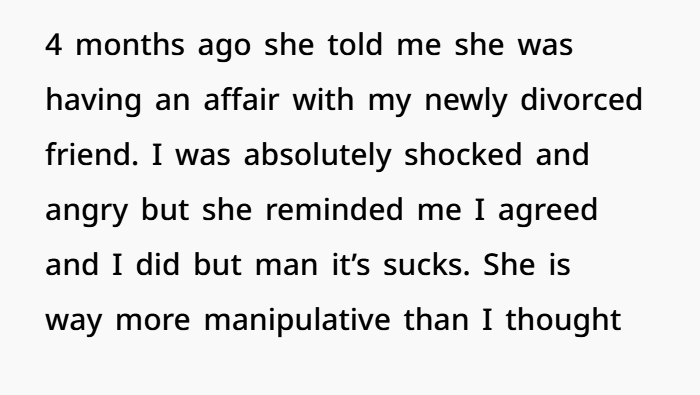
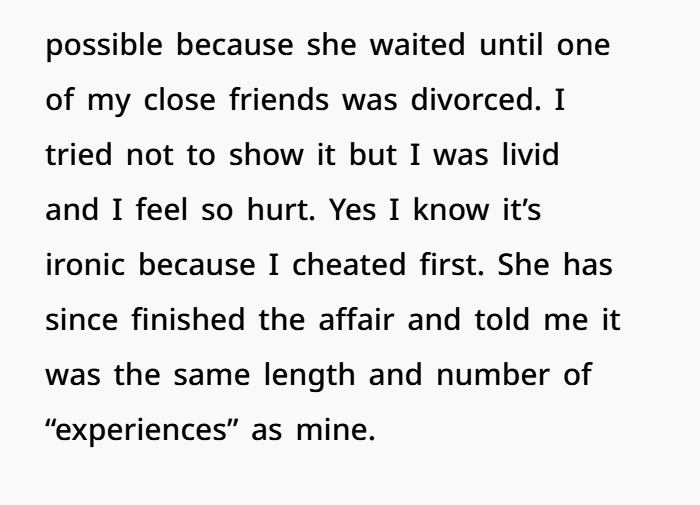
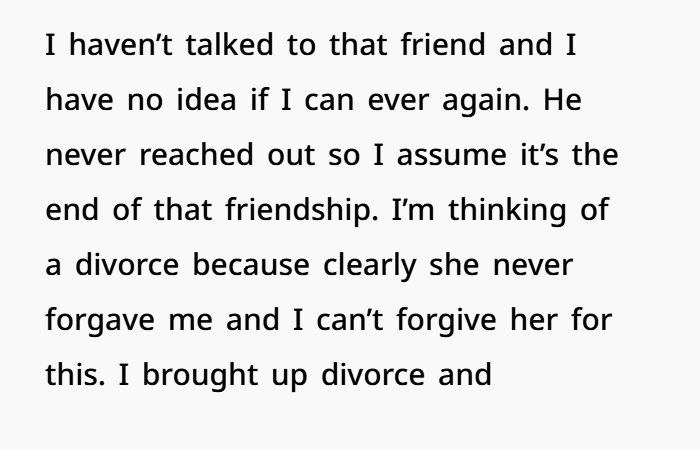
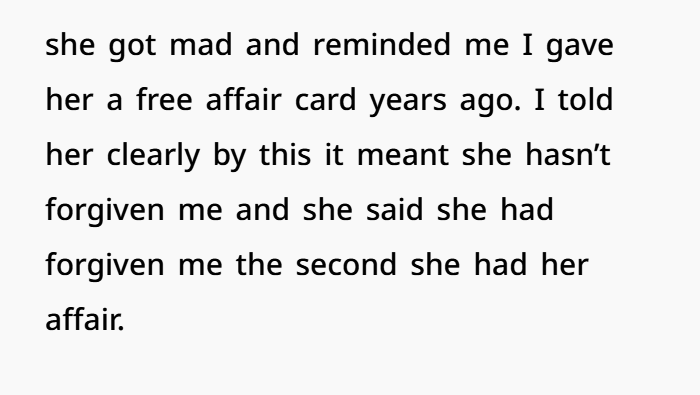
But four months ago the past showed up again. Out of nowhere, his wife calmly told him she had started an affair with one of his close friends who had recently gone through a divorce. Then she reminded him about the agreement he had accepted years earlier. The affair lasted the exact same length as his had and involved the same number of encounters. For her, it was about fairness, balance, and emotional closure after years of pain. For him, though, it felt like another round of marriage betrayal and broken trust. Now he’s considering divorce, while she believes the agreement was fulfilled and that her marriage forgiveness came the moment she had her own affair.

Stories like this might sound extreme, but they’re actually pretty common in marriage advice discussions and real divorce and family law cases. When infidelity enters a relationship, couples sometimes try creative or unconventional ways to repair things. One idea people bring up is the “hall pass” or what some call a revenge cheating arrangement. The logic seems simple — make things even and move forward. But in real life, these solutions almost never fix the deeper marriage trust issues.
Most relationship therapy experts say revenge cheating doesn’t heal the damage from betrayal. Instead it usually keeps the emotional wound open. One partner lives with guilt, the other holds onto resentment, and the original marital infidelity trauma keeps hanging over the relationship. In this situation, the husband believed time, family life, and normal routines would erase the past. His wife clearly viewed the agreement differently. For her, it was unfinished business.
From a couples therapy perspective, her behavior fits something psychologists call delayed emotional processing. Sometimes people stay in a marriage after cheating for practical reasons — children, financial security, shared homes, or fear of starting over. But emotional forgiveness doesn’t always happen right away. In many long-term marriages, resentment can quietly build for years until someone finally finds a way to regain emotional power.
That’s likely what happened here.
Notice how planned her actions were. She didn’t rush into a random affair or emotional rebound. She waited until one of his close friends became newly divorced. That choice actually matters in relationship trust psychology. Affairs involving friends or people inside your social circle tend to feel more painful than affairs with strangers. Research on infidelity trauma shows partners often experience deeper humiliation when betrayal involves someone they both know.
So the husband’s reaction isn’t just about cheating.
It’s also about the person she chose.
Another detail stands out — the symmetry. She matched the timeline and the number of encounters exactly. That makes the situation look less like romance and more like a calculated response. In many infidelity behavior studies, this pattern often signals revenge-driven cheating rather than genuine emotional or physical attraction.
From a family law and divorce standpoint, this kind of situation gets complicated quickly. In many places — including the United States, Canada, and parts of Europe — marital cheating can sometimes influence divorce negotiations. It may come up when discussing emotional distress claims or certain financial disputes. But when both spouses admit to infidelity, courts usually treat it as shared fault. In most divorce law cases, that means neither person gets much legal advantage.
Because of that, divorce lawyers often shift the conversation away from blame. Instead, the focus turns to practical issues. Judges typically concentrate on child custody agreements, alimony support, property division, and financial care for the children. In modern family court systems, the goal is usually stability for the kids rather than punishment for past mistakes.
And that brings up the most sensitive part of the story: the children.
The couple has two young kids — one eight years old and the other four. At that age, children are extremely aware of emotional tension at home. Research in child psychology and family therapy shows that ongoing parental conflict can affect emotional development, even when kids don’t know the details. They sense stress, quiet arguments, distance between parents, and sudden changes in household behavior.
Ironically, that same concern about raising kids probably influenced the wife’s decision years ago when she chose not to leave the marriage after his affair.
Now the situation has flipped.
The husband is realizing something he didn’t expect. The agreement he made years ago actually meant something serious to her. He thought it was just symbolic — something said in anger that would fade once the marriage relationship improved. But for her, it remained unfinished business waiting to be resolved.
This type of misunderstanding is actually common in long-term relationship communication issues. One partner hears a promise as emotional comfort. The other treats it like a literal agreement.
So now they’re stuck in a strange emotional standoff. She believes the balance has been restored because she used the same freedom he once had. In her mind, the relationship is finally equal again and the marriage forgiveness process is complete. He sees the situation in the opposite way. For him, the affair shows that the trust between them was never repaired.
Both feelings are understandable, which is why these marriage counseling conflicts are so hard to solve.
There’s also the role of the friend who was involved in the affair. When cheating involves someone inside the couple’s social circle, the damage usually spreads beyond the relationship itself. These situations often break friendships and social networks. Even if the marriage somehow survives, that friendship almost certainly won’t. And the friend’s silence suggests he probably knows the relationship is already finished.
And for the husband, that adds another layer of loss.
Psychologists sometimes call this kind of situation compound betrayal. It’s when someone feels hurt by more than one person tied to the same event. In this case, the husband isn’t just dealing with marital infidelity. He’s also losing a friendship and possibly his trust in the people around him. That kind of layered betrayal can hit much harder than a typical relationship trust issue.
So the real question here isn’t just about who cheated first.
The bigger question is whether the marriage can actually survive now that both partners have crossed the same line.
Some couples do recover after mutual infidelity, but it’s never simple. For a relationship to survive something like this, both partners usually have to actively rebuild marriage trust. That often means honest conversations, serious couples therapy, emotional accountability, and letting go of the idea of keeping score in the relationship.
Right now, though, this relationship still looks like it’s running on score-keeping.
See The Comments Below