
Walking Away From My Family After My Daughter Helped Cover My Wife’s Affair?
This story follows a 43-year-old father whose life completely fell apart after discovering his wife of decades had been cheating on him with a wealthy acquaintance. They had been together since they were teenagers, basically growing up side by side. Their daughter, now 25, was their only child after a difficult pregnancy that left his wife unable to have more kids. For years he believed they were building a stable marriage and long-term financial future, even sacrificing intimacy and personal time while focusing on goals like early retirement planning and financial security.
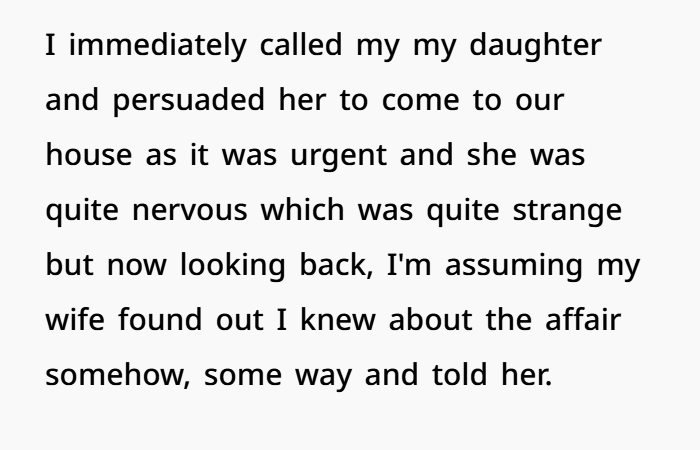
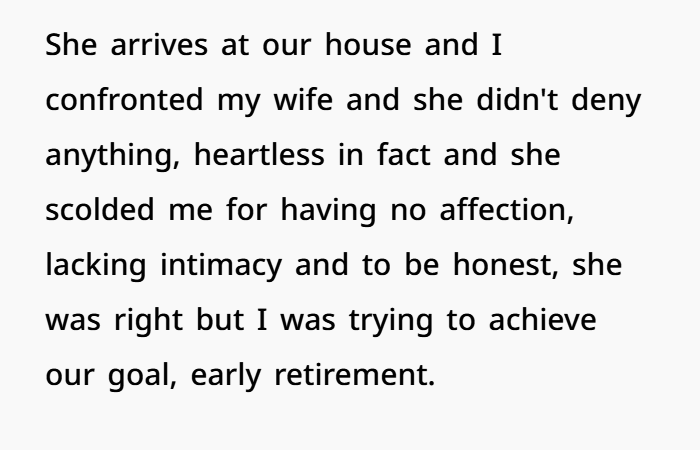
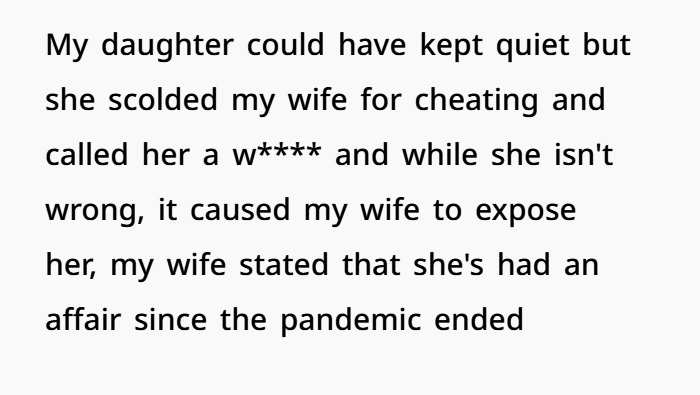
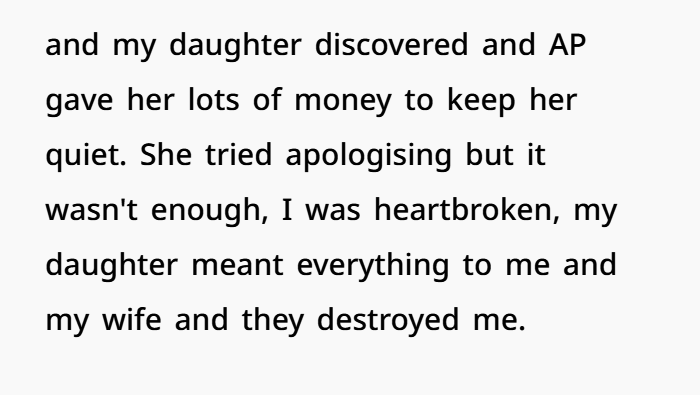
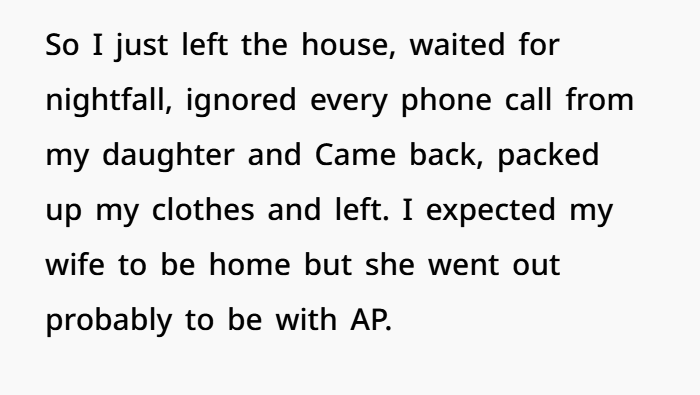
Everything crashed in 2023 when he logged into his wife’s social media account and saw messages confirming the extramarital affair. When he confronted her, she didn’t deny it at all. Instead, she blamed him for emotional distance and lack of affection in the marriage. But the bigger shock came during the argument. His daughter—who at first criticized her mother for cheating—was suddenly exposed as someone who had known about the affair for years. According to the wife, the wealthy affair partner had actually paid the daughter to stay silent. Feeling completely betrayed by the two people he trusted most, the father packed his things that same night, walked out of the family home, and cut all contact, stepping away from both the toxic marriage and family betrayal that had shattered his life.







Stories like this hit harder than normal relationship drama because there are two betrayals happening at the same time: marital infidelity and a complete breakdown of family trust and loyalty. Finding out your spouse cheated is already one of the most painful things a person can face. But discovering that your own child knew about it — and helped keep the secret — can make the emotional damage even deeper. Many relationship psychologists and family therapy experts say this kind of double betrayal can create a unique level of emotional trauma and trust collapse.
To understand why a situation like this feels so overwhelming, it helps to look at the psychology behind infidelity trauma, family trust violations, and financial manipulation inside relationships.
First, there’s the marital betrayal.
Cheating is one of the most common triggers behind divorce and marriage breakdown around the world. Research in relationship counseling and marriage therapy consistently shows that extramarital affairs are among the top causes of divorce, often leaving the betrayed partner dealing with intense emotional distress, anger, and identity shock. Some therapists even compare the moment someone discovers cheating to a kind of emotional shock because it shakes their entire understanding of the relationship.
Many people describe the discovery of an affair as a kind of identity collapse after betrayal. The life they believed they were living suddenly feels fake. Memories, trust, and future plans start to feel uncertain all at once. It’s like realizing that the foundation of your long-term marriage and emotional investment may have been built on lies.
In this situation, the husband also faced accusations from his wife during the confrontation. She argued that he had become emotionally distant and less affectionate because he was focused on financial planning, early retirement goals, and long-term wealth building. That dynamic actually appears quite often in long-term marriage counseling cases. Couples sometimes become so focused on building financial security — saving money, investing, paying off debts — that emotional intimacy slowly fades.
Psychologists sometimes describe this pattern as goal-driven relationship neglect. When partners focus heavily on career growth or financial stability, emotional connection can quietly weaken over time. But relationship experts and marriage counselors emphasize something important: dissatisfaction with intimacy never justifies cheating or extramarital affairs. Healthy couples are encouraged to address those problems through honest communication, counseling, or couples therapy long before an affair enters the picture.
The second and more complicated layer of the story involves the daughter.
Family relationships run on a very different emotional system than romantic relationships. A parent usually sees their bond with their child as something built on unconditional trust, protection, and lifelong support. When that trust breaks, the emotional damage can feel overwhelming. In many family therapy and trauma psychology discussions, experts say betrayal from a close family member can hurt even more than marital cheating or divorce conflict.
Psychologists often call this type of experience family betrayal trauma. It happens when someone depends on a loved one for emotional safety but later discovers that the person helped hide or participate in harmful behavior. That kind of realization can completely shake a person’s sense of family stability and emotional security.
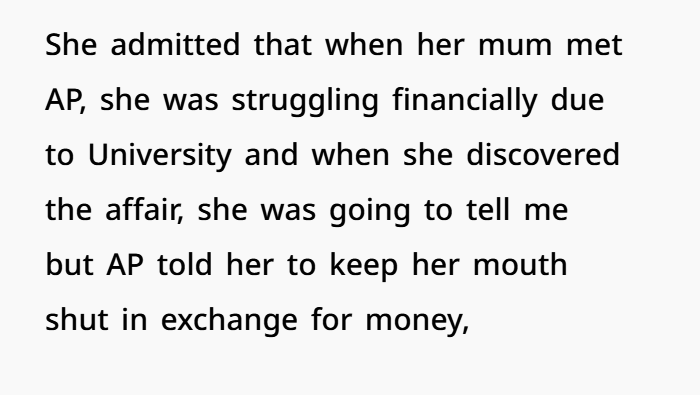
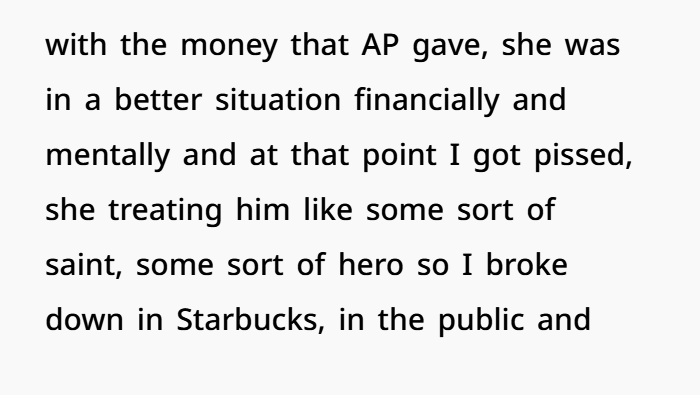
In this case, the father believed his daughter would protect the family. Instead, he discovered she had accepted money from the affair partner to stay silent about the affair. That revelation adds another layer to the situation — combining family betrayal with financial influence and moral conflict.
The financial element makes the story even more complicated.
When the daughter first discovered the affair, she was apparently struggling financially while studying at university. Students under money pressure often experience something behavioral economists describe as “survival decision bias.” When people are worried about tuition, rent, or debt, they may focus on quick financial relief instead of thinking about the long-term consequences of their choices.
The affair partner offering money created a strong temptation. For someone already dealing with student financial stress, education costs, or personal debt, that offer could have felt like an easy fix in the moment—even though it risked damaging family trust and personal integrity later.
At the same time, the father’s emotional reaction is very understandable.
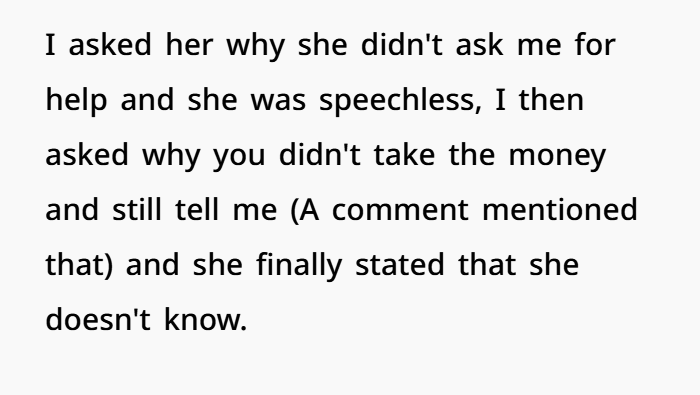
Most parents assume that if their child is struggling financially, they will come to them first. The father’s question — “Why didn’t you come to me?” — shows how deeply this situation hurt him. To him, accepting money from a stranger instead of asking him for help likely felt like a rejection of their parent-child bond and family loyalty.
This kind of misunderstanding actually happens more often than people think.
Many young adults avoid asking their parents for financial support because they don’t want to look irresponsible or dependent. Some also believe their parents already have enough stress with work, bills, and responsibilities. Unfortunately, those assumptions can lead to choices that damage family trust and long-term relationships.
Another major moment in the story is the father’s decision to leave immediately and cut off contact.
When someone experiences a major betrayal, the brain often enters a protective state known as an emotional withdrawal response. This psychological defense helps people distance themselves from the source of pain so they can regain emotional stability and mental clarity.
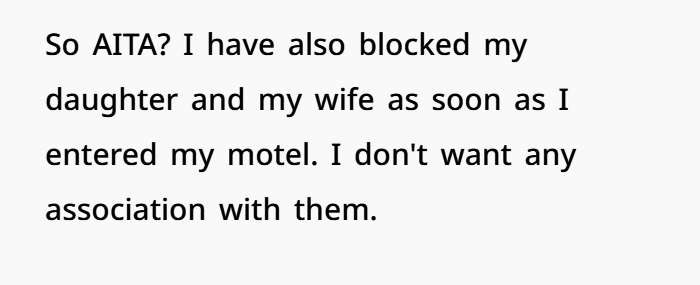
That reaction explains why the father packed his belongings and blocked both his wife and daughter. In that moment, continuing to communicate with them probably felt impossible after the shock of marital infidelity and family betrayal happening at the same time.
Long-term family cutoff and estrangement often bring complicated emotional consequences. Studies in family therapy and relationship psychology show that distancing yourself from people who caused deep pain can provide immediate relief. But unresolved emotions don’t always disappear. Over time, many people begin searching for closure, understanding, or some level of reconciliation, even if full forgiveness feels impossible.
That’s what makes the father’s decision to meet his daughter for coffee such an important moment.
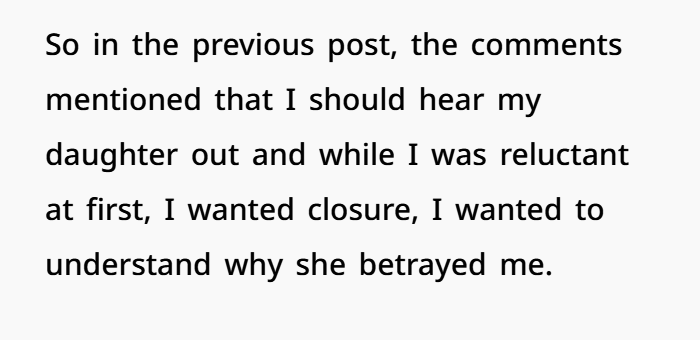
The meeting becomes a turning point. Even after serious family betrayal and trust violations, the need for answers can reopen communication. He wasn’t meeting her to forgive her yet. He simply wanted to understand the reasoning behind her choices. In many family counseling cases, this stage—seeking clarity—is often the first step toward possible emotional healing or rebuilding damaged relationships.
Her statement that she doesn’t fully understand why she made the decision years ago is also very believable from a psychological standpoint. People often struggle to explain past decisions, especially ones made under financial pressure or emotional stress. Something that seemed necessary at the time can look irrational years later. This pattern is commonly discussed in behavioral psychology and decision-making research.
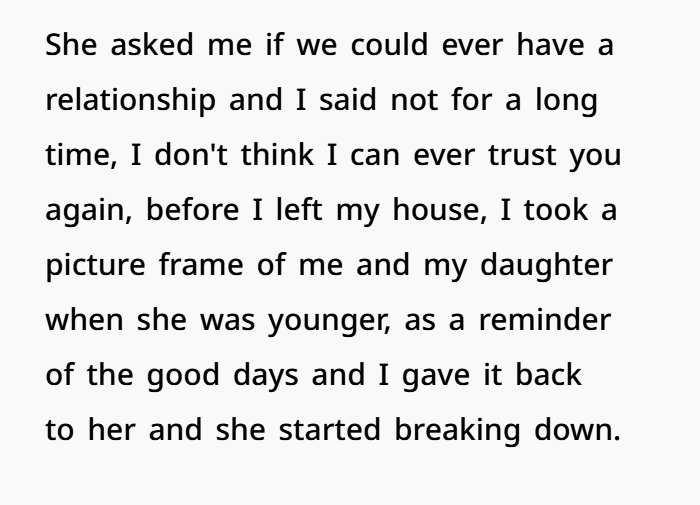
When she asked if their relationship could ever recover, his answer — “not for a long time” — highlights a core truth about rebuilding trust after betrayal.
Trust is slow to repair.
Most relationship therapists and family counselors say rebuilding trust after a major betrayal can take years. The person who broke that trust usually needs to show consistent honesty, accountability, and patience before any real progress can happen.
But forgiveness and reconciliation are not always the same thing.
Sometimes people choose to forgive internally so they can move forward with their own emotional healing, while still keeping distance from the person who caused the pain. In family therapy discussions, emotional forgiveness does not always mean restoring the relationship exactly as it was before.
The symbolic moment at the end — when the father gives his daughter the old photo frame — carries deep emotional meaning.
Moments like that often represent grieving the past version of a relationship.
The father isn’t just mourning the affair or the secret. He’s mourning the version of his family he believed existed for decades. The childhood photo represents a time before family trust was broken and loyalty was compromised.
Whether their relationship eventually heals or stays distant will depend on many factors: time, accountability, emotional maturity, and whether both of them truly want to rebuild their parent-child relationship.
Because in situations like this, the hardest question isn’t about who was right or wrong.
The real question is whether family trust, once broken, can ever truly be repaired.
Here Are The Comments