My (32F) husband (33M) is maybe cheating with a student (18F), what do I do?

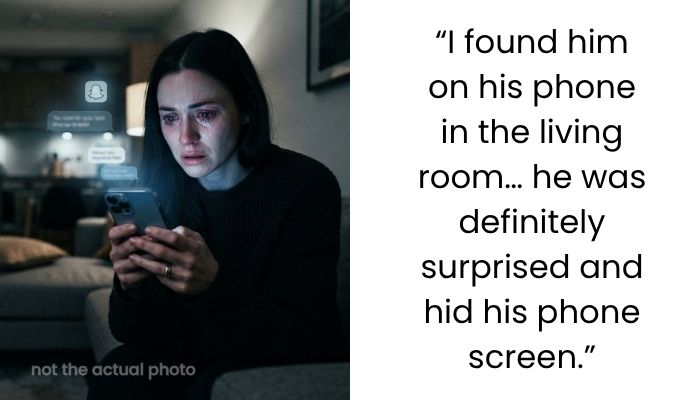
A 32-year-old woman begins to worry about her husband after noticing unusual behavior on his phone and in his daily routine.
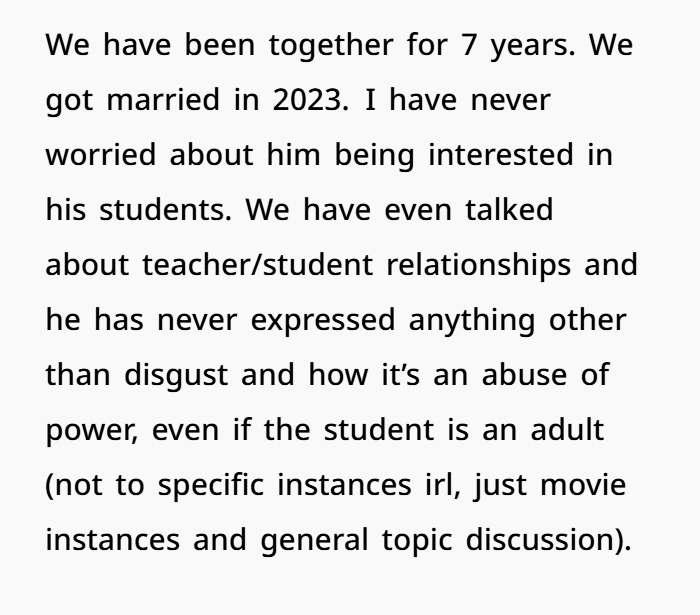
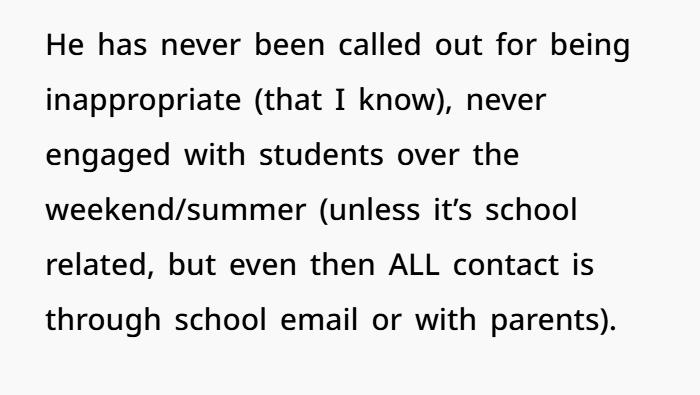
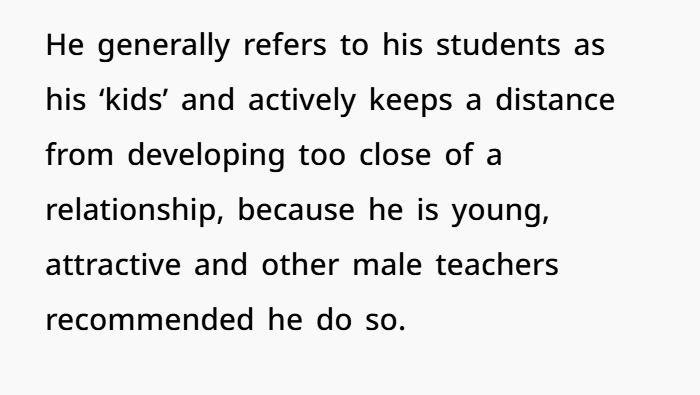
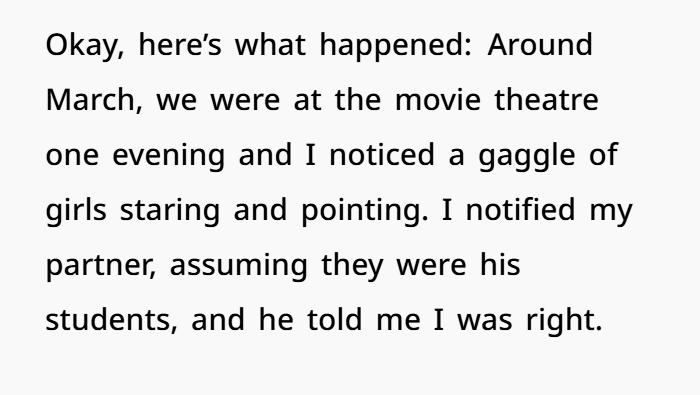
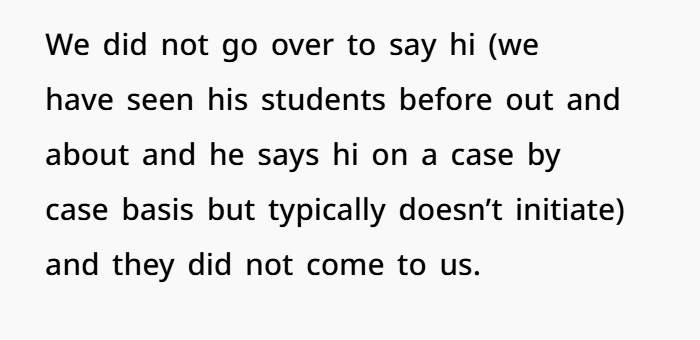
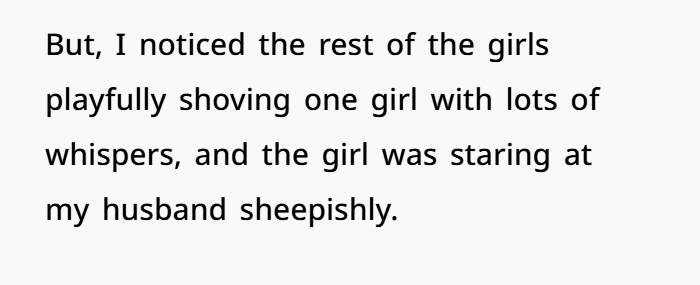
Her husband, 33, works as a high school math teacher. He has been at the same school for around 10 years and is known for being professional and careful about maintaining boundaries with students. The couple has been married since 2023 and were together for 7 years before that, with no known trust issues in the past.
Over time, the wife starts noticing changes in his behavior. These include:
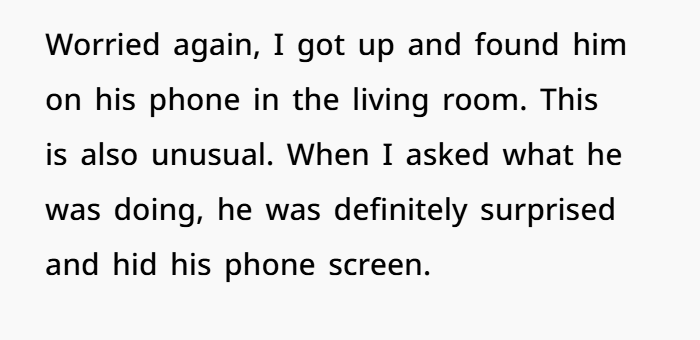
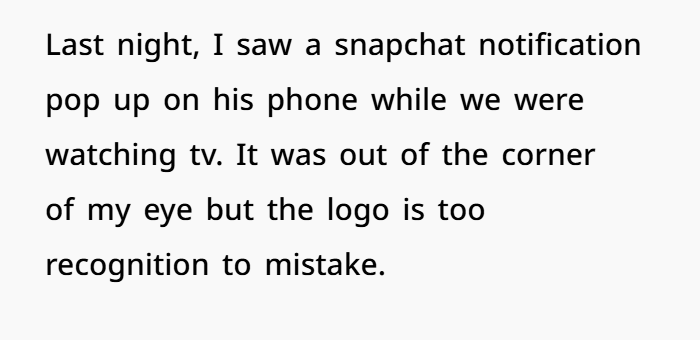
- Being more secretive with his phone
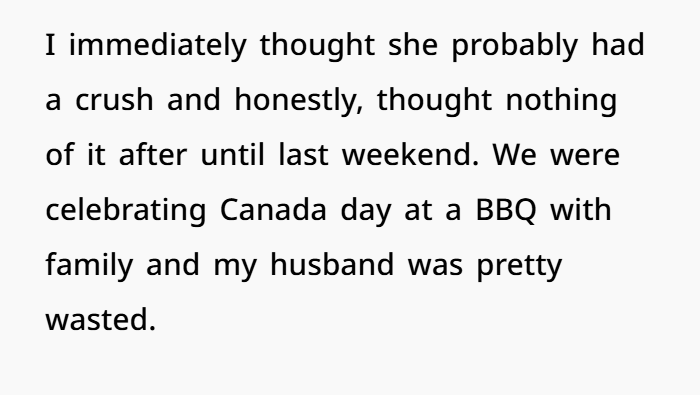
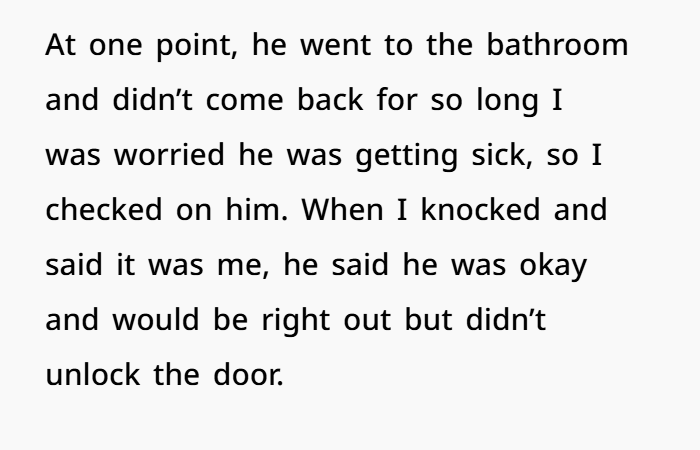
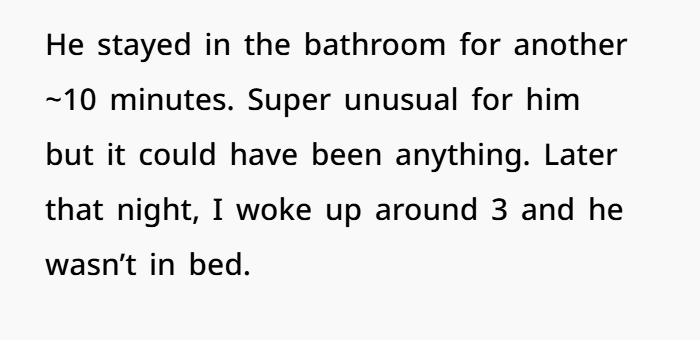
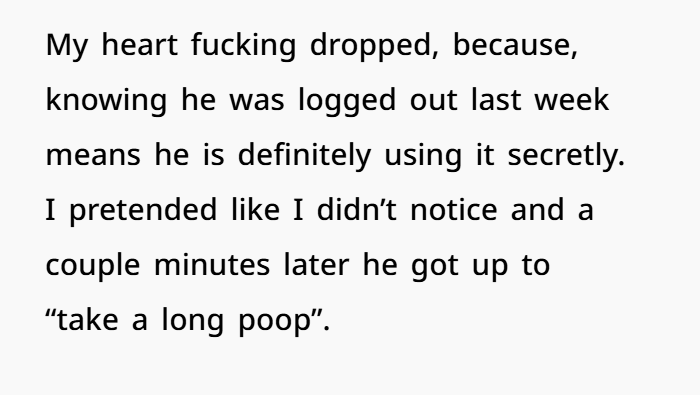
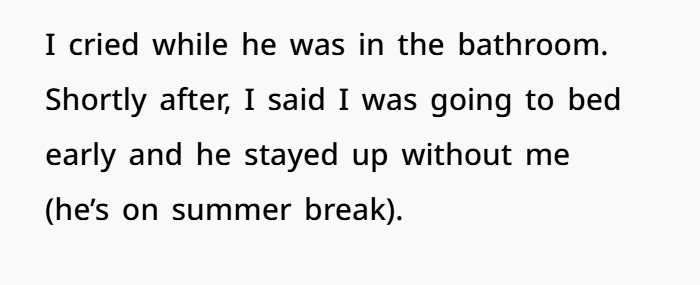
- Spending unusual time alone in the bathroom during family events
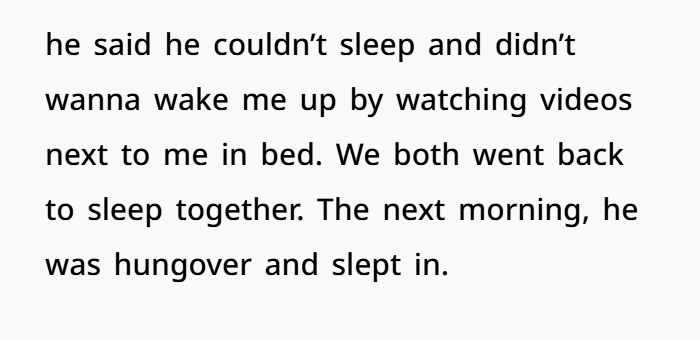
- Using his phone late at night in private
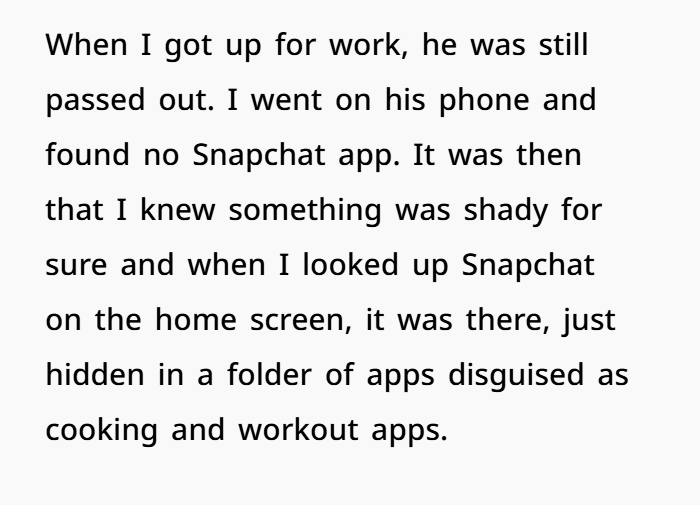
- Hiding apps on his device
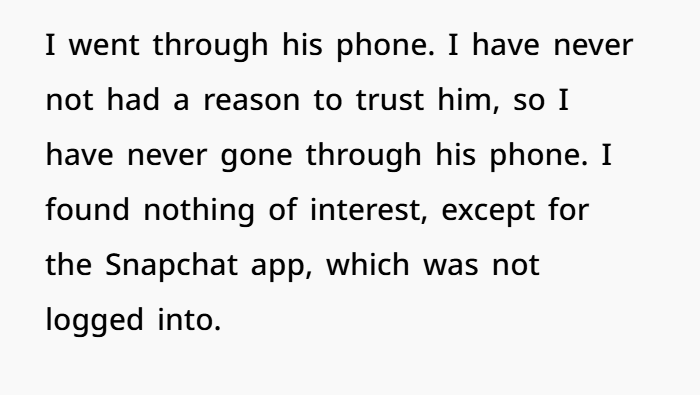
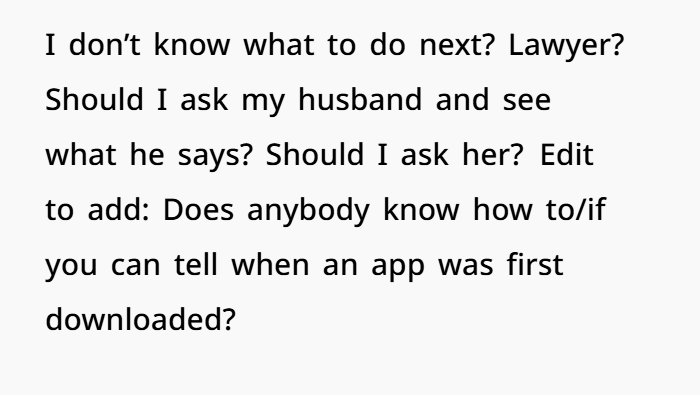
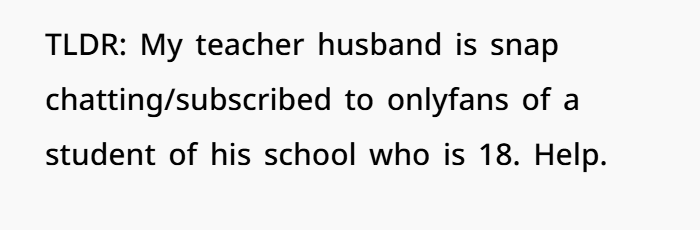
Later, she discovers a hidden Snapchat account and an OnlyFans subscription linked to a recently graduated student (18F) from his school. The student appears to have active social media accounts, which raises further concern about a possible direct connection.
The husband continues his normal routine, but the wife becomes increasingly confused and worried. She begins looking into the situation privately, trying to understand what is really going on.
At this point, it is still unclear whether this involves inappropriate online behavior, a hidden personal relationship, or some form of emotional or sexual infidelity that may have started earlier.
In the end, this situation highlights issues around trust in marriage, workplace ethics, digital privacy concerns, and possible boundary violations in teacher–student relationships, especially when social media and private online platforms are involved.

This situation involves possible boundary violations, digital communication concerns, and teacher–student ethics rules.
1. Teacher–Student Relationship Rules
Even if a student is 18 or older, many schools and education systems still have strict rules about relationships between teachers and students.
This is because teachers have authority and influence, which creates a power imbalance.
In many places, teachers can face:
- Job termination
- Professional license review
- Disciplinary action from school boards
Professional ethics guidelines, such as those from the American Psychological Association (APA), explain that relationships involving power differences are considered high risk.
2. Grooming and Boundary Concerns
In investigations, “grooming” refers to behavior where someone slowly builds a private or emotional connection that crosses professional boundaries.
Warning signs can include:
- Secret messaging on apps
- Moving conversations off official channels
- Private or hidden online communication
- Increased personal or emotional attention
Even if physical contact does not happen, these patterns can still raise serious concerns in school misconduct investigations and safeguarding reviews.
3. Digital Behavior and Hidden Apps
Apps like Snapchat are often mentioned in digital infidelity and misconduct cases because messages can disappear quickly.
Common concerns include:
- Hidden chats or accounts
- Deleted messages
- Private or secondary profiles
- Use of secret apps or locked folders
This makes it harder to trace communication, but not impossible to investigate through digital forensic tools, phone data, or account history.
4. OnlyFans and Online Subscription Issues
OnlyFans is a paid platform where users subscribe to content.
In this case, the concern is not just the subscription itself, but:
- Whether the creator is a former student
- Whether there is a personal connection behind the subscription
- Whether it continues a pattern of private interaction
In professional misconduct reviews, paid online contact with a former student can raise ethical red flags, especially in education settings.
5. Legal and Workplace Consequences
If the situation is confirmed, possible outcomes may include:
- Divorce proceedings due to infidelity
- School disciplinary action
- Teacher license suspension or termination
- Legal investigation if misconduct began while the student was still under supervision
Legal cases often focus on:
- When the relationship started
- How communication was handled
- Whether there was a power imbalance
6. Digital Evidence in Investigations
In cases like this, investigators often look at:
- Phone records and hidden apps
- Payment or subscription history
- Social media activity
- Message patterns or account links
Even if messages are deleted (like on Snapchat), other digital records may still provide evidence.
7. Key Question in the Case
The most important unknown factors are:
- Did communication start while the person was still a student?
- Was there any inappropriate behavior before graduation?
- Is contact still ongoing or already stopped?
- Is there evidence of emotional or financial exchange?
See the comments to know what people said
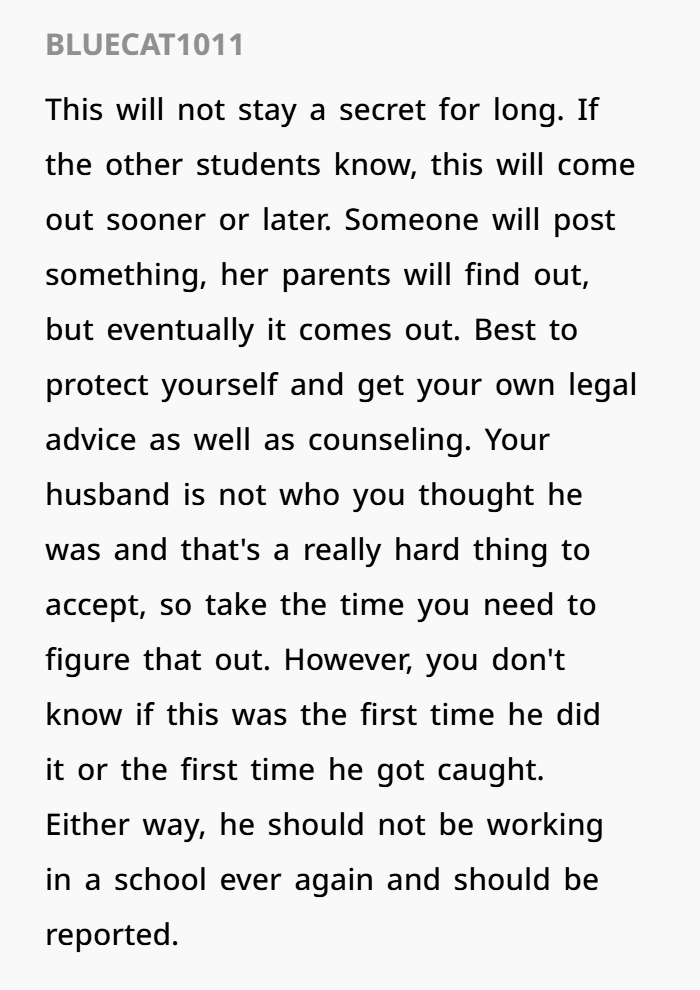
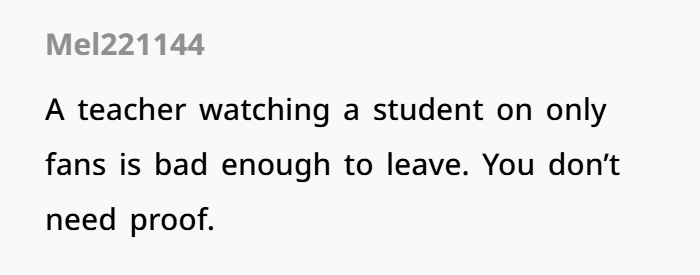
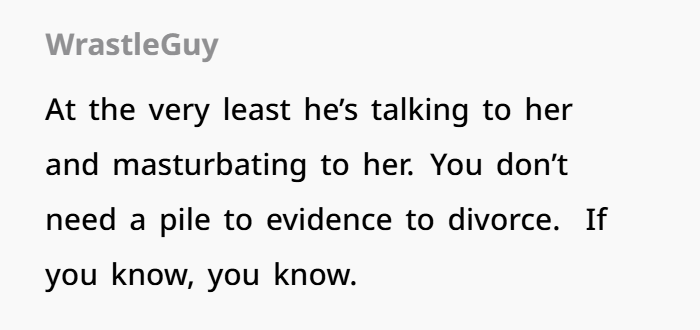
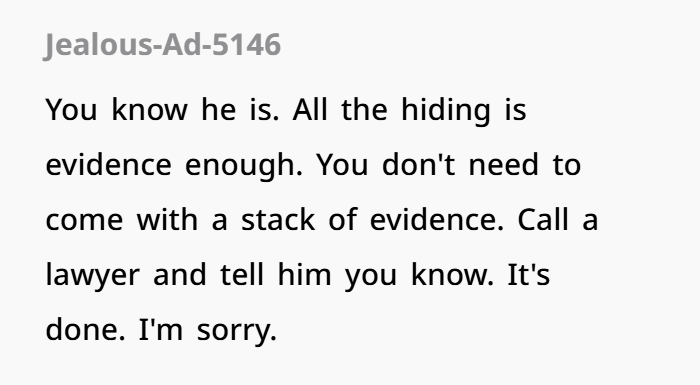
This story highlights concerns about teacher–student boundaries, digital privacy, and workplace ethics in education.
It also shows how modern investigations often rely on social media behavior, hidden apps, and digital financial records to understand whether professional boundaries were crossed.