Fiancée Admits She Slept With a Friend Days After the Proposal, Leaving Her Partner Struggling to Trust Her Again

Wedding planning should have been an exciting time for this couple. The 28-year-old man and his 25-year-old fiancée were preparing to get married the next year.
They had already looked at wedding venues, catering services, decorations, and other parts of the big day. Still, something didn’t feel right for him.
Their relationship already had some communication struggles. He admitted that he could be stubborn and sometimes became emotionally overwhelmed. Talking through problems wasn’t always easy for him either.
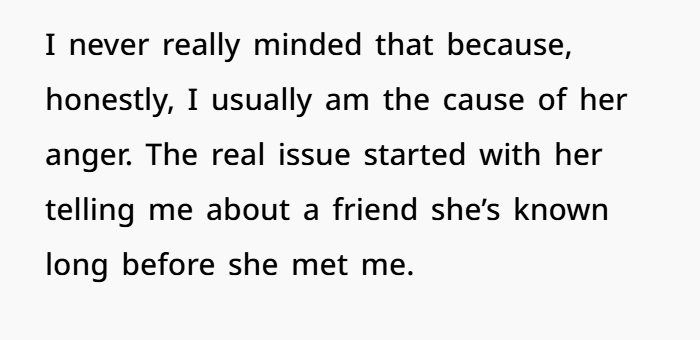
His fiancée sometimes got frustrated when he made mistakes. He understood some of that anger because he felt he was often responsible for their arguments.
But one situation was especially difficult.
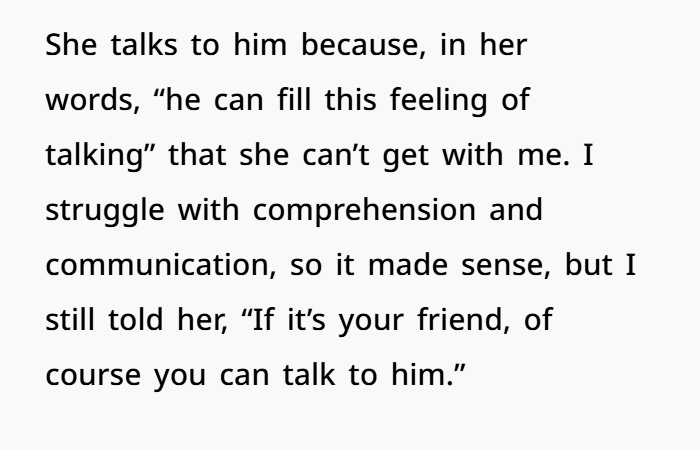
His fiancée had a longtime male friend whom she knew before meeting her partner. She said conversations with this friend filled a gap she felt existed in her relationship.
That was hard for her fiancé to hear. While they were busy thinking about wedding plans and married life, they were also dealing with deeper relationship and communication problems.
Issues like these can become difficult for couples to handle, especially when trust, marriage, and the future of a relationship are involved.
Still, her fiancé told her that if this man was truly her friend, he wasn’t going to stop her from speaking with him. Her response seemed reassuring. She said she did not want to continue those conversations if they hurt him because his feelings mattered more. Then came a confession that changed everything.
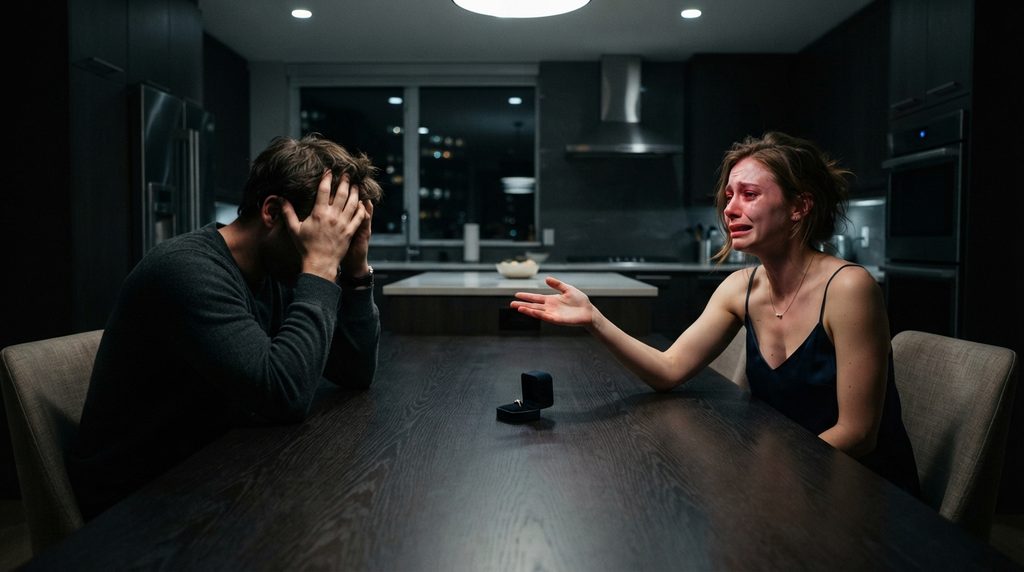
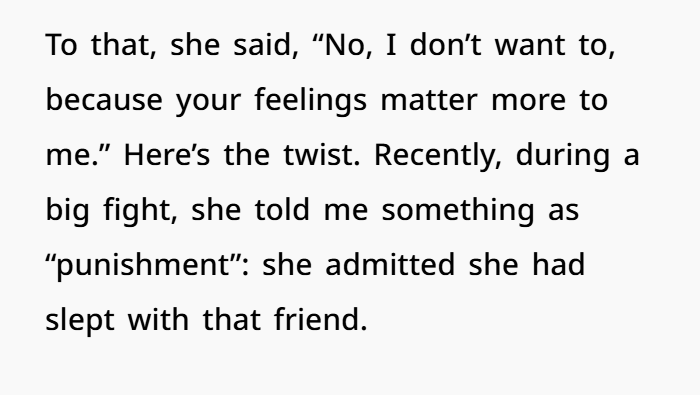
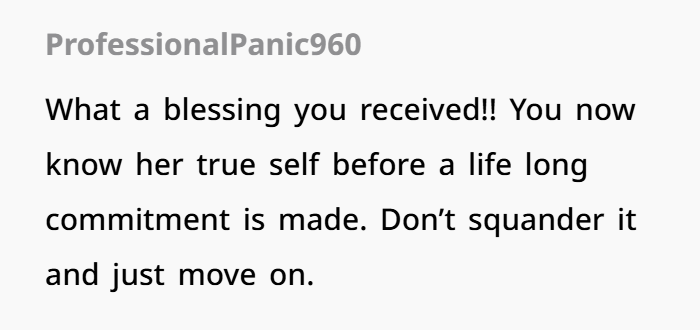
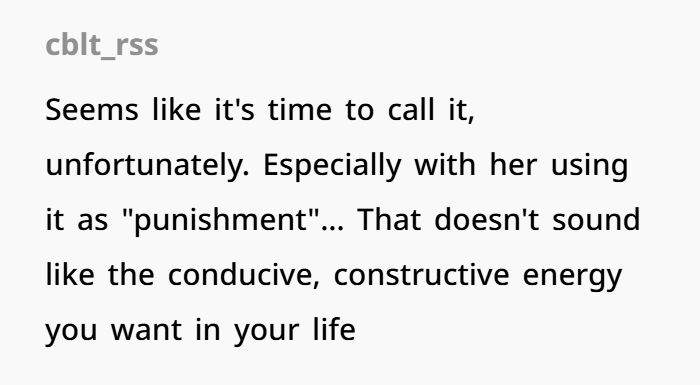
During a major fight, the fiancée revealed something deeply painful. According to her partner, she presented the information almost as a form of “punishment.”
She admitted that she had slept with the same male friend.
The timing made the confession even harder for him to understand.
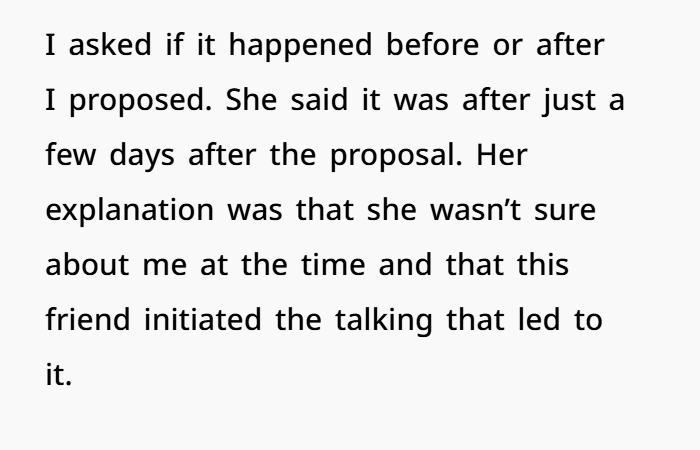
He asked whether it happened before or after he had asked her to marry him. She told him it happened only a few days after the proposal.
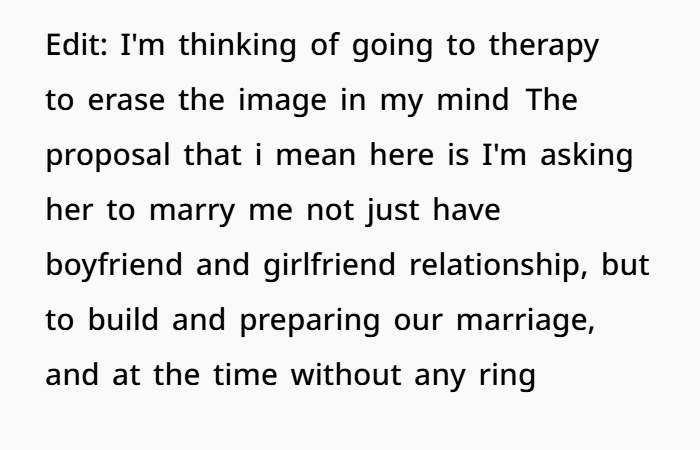
There had been no engagement ring at that point. But for him, the proposal was still a serious commitment. He had asked her to become his wife and begin building a future together, rather than simply continuing as boyfriend and girlfriend.
Her explanation was that she had not been sure about the relationship at the time. She also said the friend had started the conversation that eventually led to them sleeping together.
For her fiancé, those answers didn’t make the betrayal any easier to understand.
Relationship experts recognize that infidelity can seriously damage trust and emotional security. The American Psychological Association explains that discovering a partner has been unfaithful can affect a person’s sense of trust, security, and even identity.
That helps explain why this situation is about much more than one event.
There is also the question of what else may have happened.
An Old Photo Suddenly Feels Different
The confession brought back a troubling memory from the first month of their relationship.
Back then, the man found a photo on his girlfriend’s phone. It appeared to show a man sleeping against someone’s chest, with the picture taken from above.
When he confronted her, she said a friend had sent the image to her.
She quickly deleted it and asked him how she could prove that the person in the photo wasn’t her.
At the time, he decided to trust her.
After learning about the affair, that old memory took on a completely different meaning.
Now he suspects the woman in the picture may actually have been his fiancée and that the man could have been the same friend she later admitted sleeping with.
There is no proof in the story that his suspicion about the old photograph is correct. But his doubts show just how far the relationship trust issues have spread.
Once trust is badly damaged, older events can suddenly come back under a new light.
The APA defines betrayal broadly as an action that violates a partner’s expectations of trustworthiness or care. Such betrayals can bring strong emotions and seriously harm a relationship.
For this couple, the confession did not simply reveal something about the past. It also made the fiancé question memories he had previously accepted.
Why the Image Keeps Coming Back
One of his biggest struggles now is the mental image of his fiancée with another man.
He fears that even if they stay together and eventually get married, he may never stop thinking about it.
This kind of emotional reaction after discovering infidelity isn’t unusual.
The APA reports that people dealing with betrayal may experience anger, sadness, jealousy, insecurity, and difficulty controlling their emotions. Some people can have experiences that resemble trauma-related reactions after learning about an affair.
That doesn’t mean every person who has been cheated on has PTSD or another mental health condition. Only a qualified mental health professional can assess that.
But it does help explain why simply telling someone to “forget about it” may not solve the problem.
The mind often wants answers after trust has been broken.
What really happened? Was there more to the story? Was the old photo connected? Can the partner be believed now?
Unfortunately, unanswered questions can keep the hurt alive.
Can Trust Be Rebuilt After Cheating?
This is probably the biggest question hanging over the relationship.
The answer isn’t a simple yes or no.
Some couples do rebuild their relationships after infidelity. Others decide that separation is healthier. Research and clinical guidance suggest that repairing trust usually requires much more than simply promising that cheating will never happen again.
According to the American Psychological Association’s discussion of infidelity treatment, one therapy approach starts by containing the immediate damage. That can include making sure the relationship with the affair partner has ended. Later, the couple can explore what led to the affair and decide what they want their future relationship to look like.
Another major part of couples therapy after infidelity is responsibility.
An APA resource on couples therapy for affairs describes the importance of the unfaithful partner showing real empathy for the hurt partner, answering questions honestly, and understanding why trust has been damaged.
That point matters in this story because the confession reportedly came during an argument as a way to punish him.
The affair itself damaged trust. Using the disclosure during a fight adds another painful layer to the situation.
Before moving forward with wedding planning, the couple may need to deal with that problem directly.
Therapy May Help, but Not by Simply “Erasing” a Memory
The man later said he was considering therapy because he wanted to “erase” the image from his mind.
Therapy isn’t normally about deleting a memory like removing a photo from a phone.
Instead, individual therapy for relationship betrayal can help someone understand painful thoughts and emotions, manage them, and decide what they need going forward.
Couples therapy may serve a different purpose.
The APA describes several therapeutic approaches used with couples dealing with infidelity, including methods focused on rebuilding trust, improving communication, understanding relationship patterns, and helping partners decide whether they genuinely want to stay together.
Importantly, therapy doesn’t require someone to forgive cheating or continue with a marriage.
Healing and reconciliation are not the same thing.
A person can work through betrayal and still decide the relationship should end. Another couple may choose to stay together and slowly rebuild trust.
Neither outcome can be forced.
The Wedding Plans May Not Be the Most Urgent Issue Anymore
The couple may have venues, catering, and decorations to think about, but the bigger issue now is whether there is enough trust to build a marriage.
Marriage preparation can wait. Trust cannot simply be covered over by wedding plans.
The fiancé is dealing with two painful questions at once: whether he believes his partner’s explanation and whether he can feel emotionally safe with her again.
Those questions deserve time.
The APA’s guidance on restoring trust after infidelity recognizes that cheating can create intense feelings of betrayal and loss. Couples seeking help may struggle with hurt and anger on one side and guilt or shame on the other.
So the goal doesn’t have to be making an immediate decision about the wedding.
The first step may simply be understanding what happened, what boundaries exist now, whether contact with the friend continues, and whether both partners are willing to do the difficult work needed to rebuild trust.
The fiancé has already recognized that he has his own communication and emotional struggles to work on. Those issues may deserve attention too.
But relationship problems and cheating are not automatically the same issue. Understanding problems that existed before an affair does not erase responsibility for the decision to cross a relationship boundary.
For now, the most difficult part may be accepting that rebuilding trust after cheating takes more than love or wedding plans.
It requires honesty, accountability, better communication, and time.
And even with all of those things, the person who was betrayed still gets to decide whether the relationship feels safe enough to continue.
See the comments to know what people said
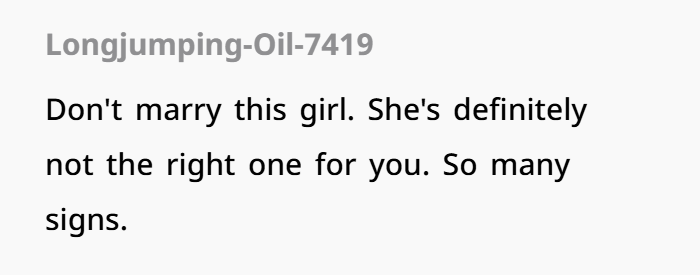

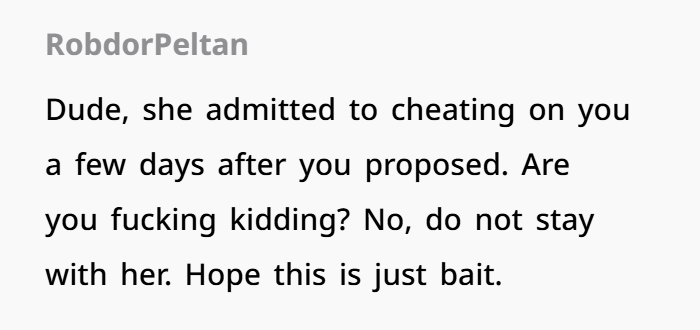

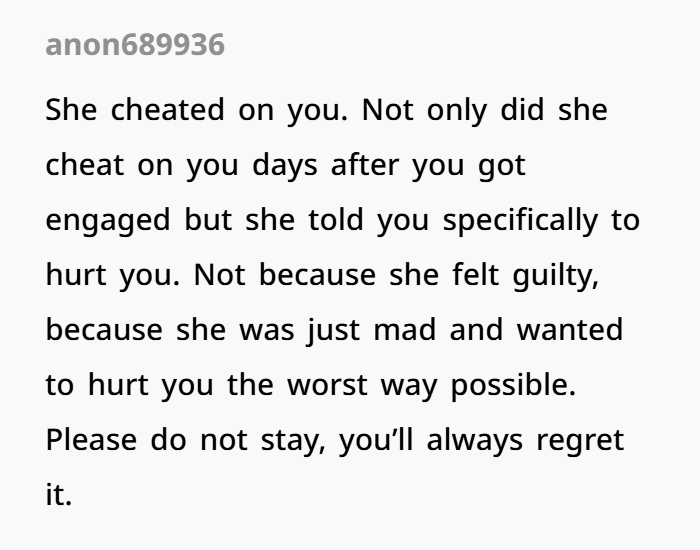

For this couple, the biggest problem is no longer the wedding. It is trust.
The confession changed how the fiancé sees both the relationship and its past. Even an old photo that he once accepted now feels suspicious. Sadly, once trust is broken, small memories can suddenly become much harder to ignore.
Therapy may help him deal with the painful thoughts and images that keep coming back. But therapy isn’t about simply erasing a memory. It can help him understand his feelings, manage the hurt, and decide what he truly wants before making a lifelong commitment.
Rebuilding trust after cheating is possible for some couples, but it takes time, honesty, accountability, and real effort from both people. Couples therapy or marriage counseling may also help them have conversations that are difficult to handle alone.
Most of all, there is no reason to rush into a wedding while these questions are still hanging over the relationship. Wedding plans can be delayed. A decision about marriage deserves more care.
Whether they eventually stay together or go separate ways, dealing with the broken trust first may give both of them a much clearer idea of what their future should look like.