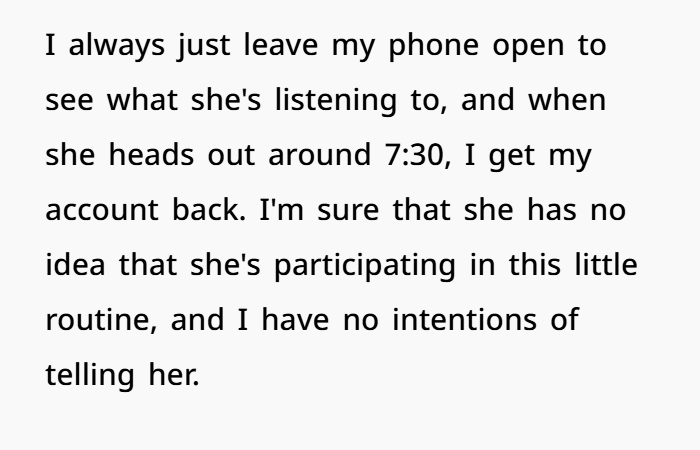
My Girlfriend kicks me off my Spotify account every morning. I couldn’t be happier.

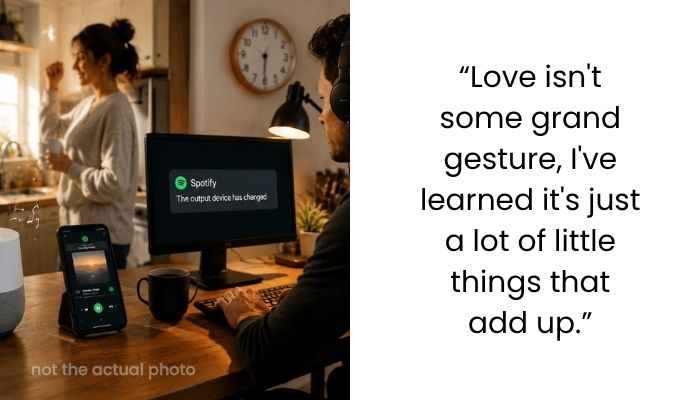
A young couple living together slowly created a simple daily routine without planning it. They shared a Spotify account connected to a Google Home smart speaker, which both of them used to play music in the morning.
Every day, the man would leave for work early. After he left, his girlfriend would wake up and start playing her own music on the shared speaker. Sometimes it would stop the music he had been listening to, but over time it became a normal part of their day.
At first, it felt like a small and ordinary habit. But slowly, it became something they both expected. Even though they were not together in the morning, it felt like they were still sharing the same space through music and daily routines.
The man started noticing the songs she liked. Without making any special effort, he began to understand her music taste just by looking at their shared Spotify playlists and listening history. This helped them feel closer in a simple and natural way.
Small digital habits like shared playlists, smart home devices, and music streaming can help build emotional connection in relationships. These everyday moments often become part of a couple’s routine and can improve relationship bonding, communication, and understanding.
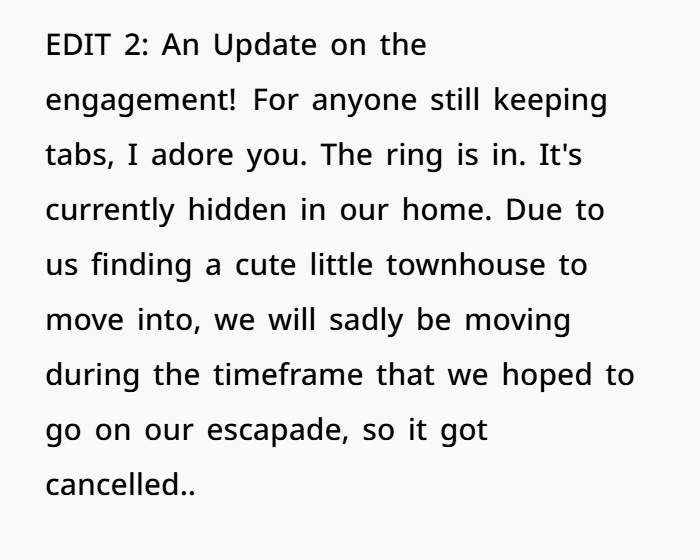
As time passed, their relationship grew stronger. They went from being college friends to a serious couple. Later, they got engaged and eventually got married. Even after marriage, they continued sharing small daily habits like music, morning routines, and time together at home.
Their story shows how small, simple moments can slowly build strong relationships. Even everyday things like playing music on a shared Google Home or using a joint Spotify account can become meaningful over time and help strengthen emotional connection between partners.


















What looks like a simple “Spotify moment” between a couple is actually linked to ideas in relationship psychology. Experts often say that strong relationships are built through small daily interactions, not just big romantic events.
Research from relationship specialists, including the Gottman Institute, shows that small everyday actions can have a big impact on long-term relationship happiness. These are often called “bids for connection.” It can be something as simple as noticing what your partner is doing, responding to them, or sharing small daily habits. Over time, these moments help couples feel emotionally closer.
Psychologists also explain this using attachment theory. People tend to feel more secure in a relationship when there is regular and predictable contact with their partner. This does not always need deep conversations. Even simple routines like waking up at similar times, sharing meals, or listening to music together through Spotify or smart speakers like Google Home can create a sense of comfort and stability.
Studies in relationship counseling also suggest that couples who build shared routines often feel more connected. Daily habits such as using shared playlists, morning routines, or even small digital interactions can support emotional bonding and relationship stability in the long run.
In today’s lifestyle, digital tools like Spotify Premium, smart speakers, and Google Nest devices are part of many homes. These technologies naturally become part of a couple’s daily life. Over time, they can influence how partners interact, often creating small but meaningful moments of connection throughout the day.
From a practical point of view, most music streaming platforms like Spotify are designed for both individual and shared use. Many couples use shared or family plans within the same household. This makes it easier to enjoy music together without confusion or conflict and reflects how modern digital services fit into everyday home life.
This situation also connects with the idea of habit formation in behavioral psychology. When something happens regularly—like hearing a partner play music in the morning—it becomes a familiar signal of presence. Over time, this repeated pattern can build comfort, trust, and emotional closeness in a relationship without either partner consciously trying to create it.
See The Comments Below




The couple’s journey—from being friends in college to living together, then getting engaged and married—also matches what relationship experts often see in long-term relationships. Strong relationships are usually built through everyday experiences, emotional consistency, and shared life routines rather than only special occasions.
Many relationship counseling services, wedding planning experts, and marriage therapists also highlight the same idea: long-term happiness is often shaped by daily compatibility, communication, and small habits rather than big events alone.