Older Passengers Refuse To Give Up Couple’s Seats, Then Face A 14-Hour Lesson In Karma

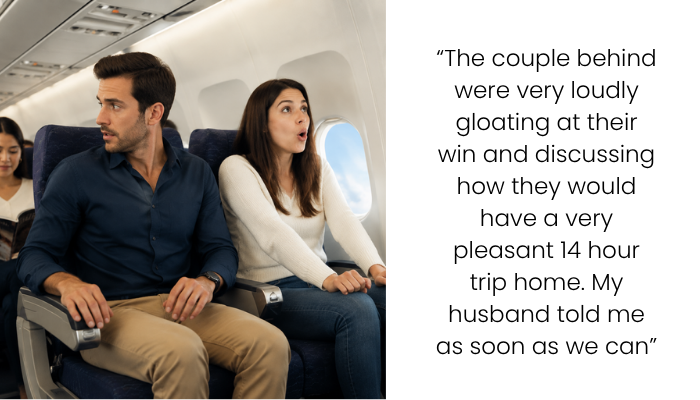
Long flights can be tiring, and small problems can quickly become stressful for travelers. Seat assignments are an important part of air travel, and passengers usually expect their reserved seats to be available when they board the plane.
One traveler shared a story about a 14-hour flight where she and her husband faced an unexpected seat issue. An older couple had taken their assigned seats and did not agree to change places. Because of this, the airline staff helped by arranging new seats for the couple.
The older passengers believed they had solved the situation in their favor. However, they soon discovered that their choice came with an unexpected result. The experience became a memorable moment for everyone involved.
Stories like this remind travelers that respect and good communication matter. Whether traveling for work, family trips, or vacations, following airline rules and treating others fairly can make every journey more enjoyable.
Passenger Seat Dispute on a Long Flight Shows Why Travel Etiquette Matters
Air travel can sometimes bring unexpected situations, especially when it comes to seating. On long flights, passengers want to feel comfortable and relaxed, so having the correct seat can make a big difference.
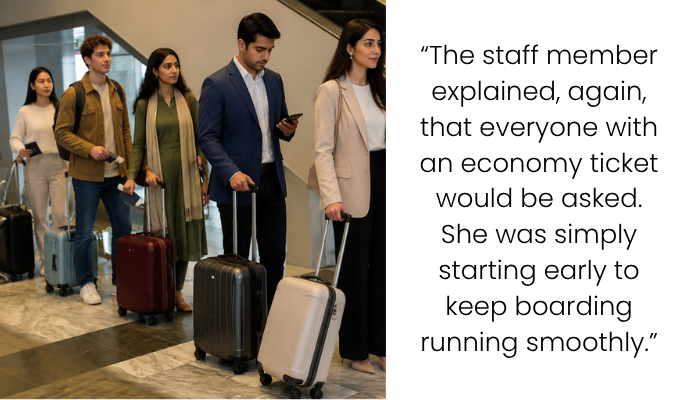
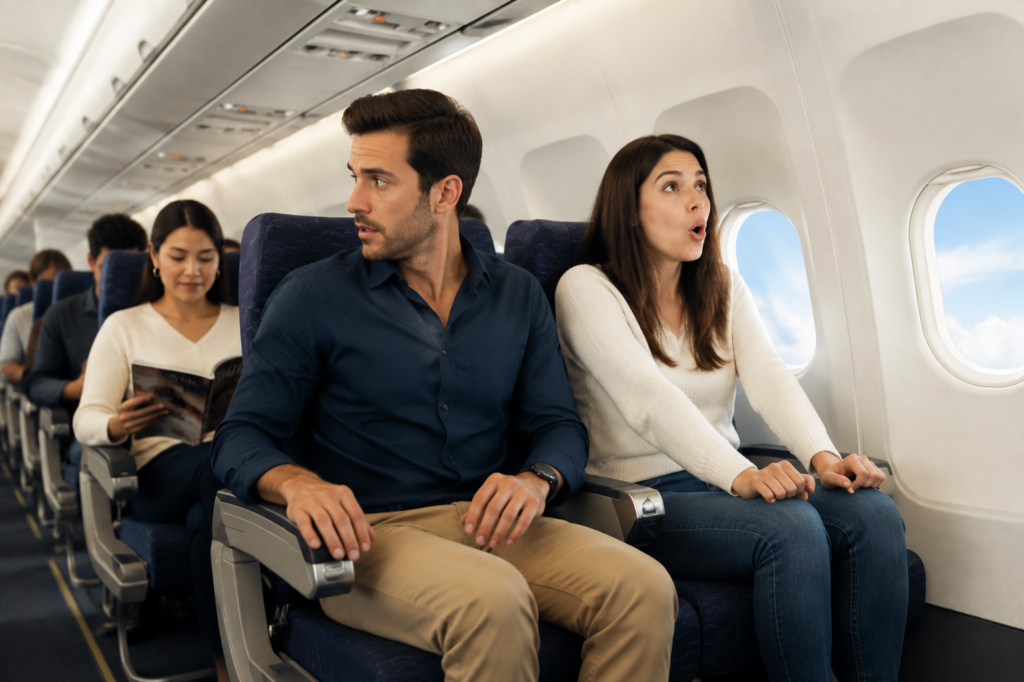
One traveler shared a story about a difficult seat situation during a long international flight. The issue started when she and her husband arrived late for boarding and were among the last passengers to enter the plane.
When they reached their assigned seats, they noticed that an older couple was already sitting there. The couple had moved into their seats because they liked having extra space between them and believed they could keep the empty seat.
However, those seats were not assigned to them.
A Seat Mix-Up Creates Tension
The couple explained that they had booked specific seats, but the older passengers refused to move back to their original places.
A flight attendant eventually came to help solve the problem. Instead of moving the older couple, the attendant asked the travelers to sit in the row ahead.
The husband was unhappy with this decision because airplane seating information is connected to passenger records and safety procedures. The flight attendant explained that the seating information would be updated.
Although the couple was disappointed, they decided to accept the new seats and avoid a bigger argument.
Meanwhile, the older passengers seemed happy with the result. They believed they had received extra space and a better travel experience.
An Unexpected Change During the Flight
As more passengers continued boarding, another traveler entered the plane. The flight was almost full, and the only available seat in that area was next to the older couple.
The passenger sat in his assigned window seat, which meant the older couple no longer had the extra space they had enjoyed before.
Their comfortable arrangement had changed, and they now had less personal space during the long journey.
The Older Passenger Complains Again
After the plane took off, the older woman complained to the flight attendant.
She claimed that the other passengers had taken her seats and refused to move. However, the flight staff already knew what had happened because they had been present during the original disagreement.
The flight attendant explained that the seating arrangement would remain the same, and no further changes would be made.
The situation ended with everyone staying in their assigned places.
Why Airplane Seats Matter During Long Flights
Airplane seating can have a big impact on passenger comfort, especially during long-haul flights.
Factors like:
- Seat space
- Legroom
- Personal comfort
- Ability to move around
can affect how passengers feel during a journey that lasts many hours.
For many travelers, having the seat they paid for is not only about comfort. It is also about fairness and following the rules of air travel.
The Importance of Good Travel Etiquette
Airplane etiquette helps make flights more comfortable for everyone.
Passengers should respect assigned seats because other travelers may have chosen those seats for specific reasons. Some people may need a window seat, an aisle seat, or a particular location because of personal preferences or travel needs.
Taking someone else’s seat without permission can create unnecessary stress and conflict.
Good travel habits include:
- Sitting in your assigned seat
- Asking before changing seats
- Respecting other passengers’ space
- Being polite with airline staff
Small acts of consideration can make the travel experience better for everyone.
Why People Enjoy Stories About Unexpected Outcomes
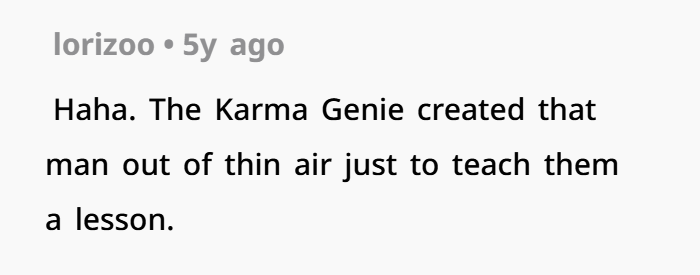
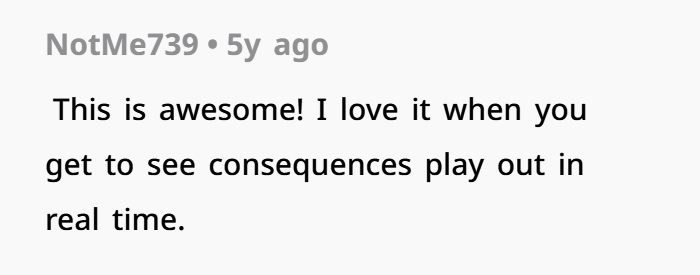
Many people enjoy stories where a situation changes in an unexpected way. When someone appears to take advantage of a situation and then faces a surprising result, it can feel like a lesson about fairness.
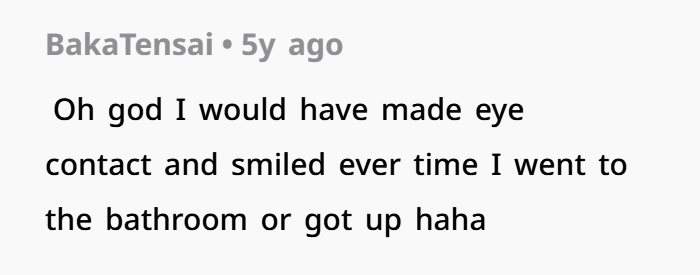
In this case, many readers found the ending amusing because the older couple lost the extra space they had wanted in the first place.
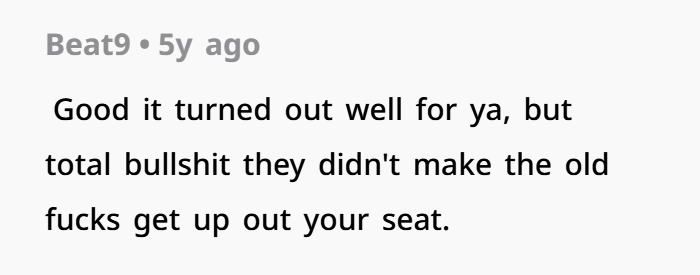
Others believed the situation could have been handled better from the beginning if everyone had simply followed the assigned seating rules.
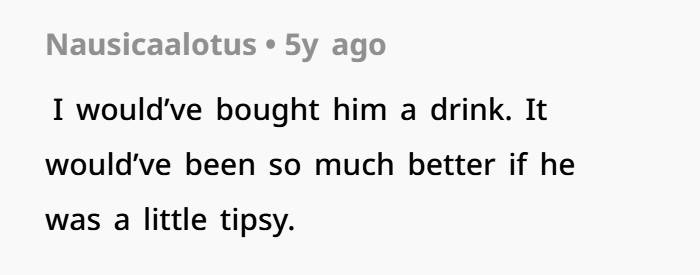
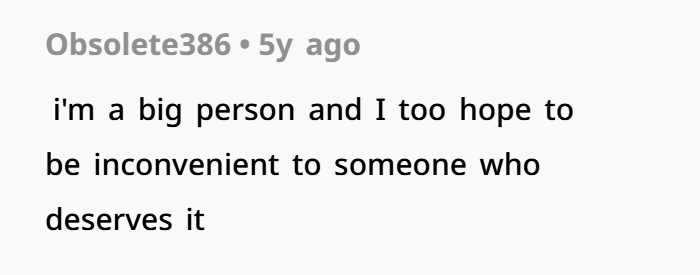
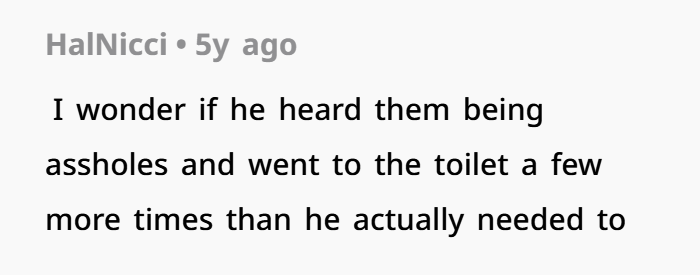
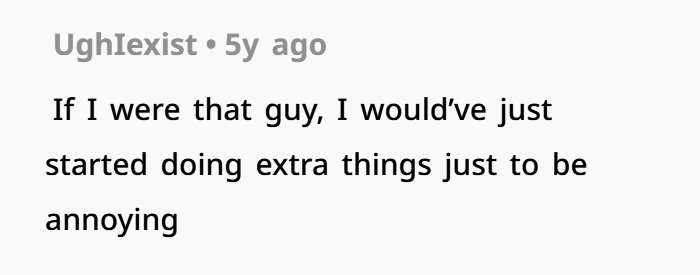
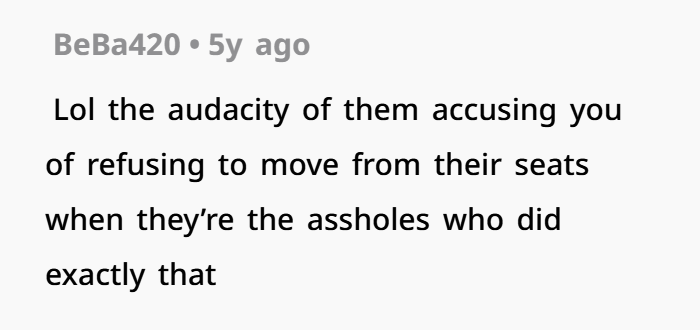
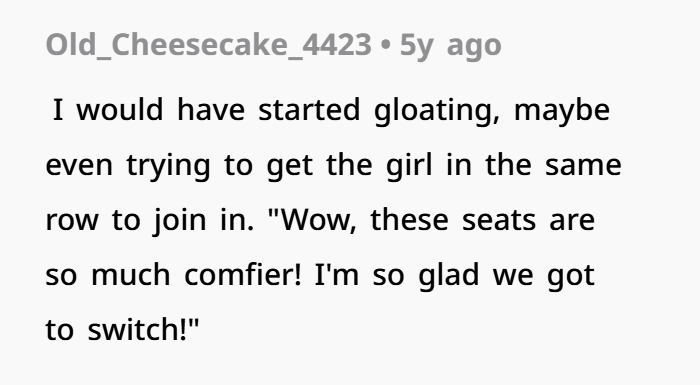
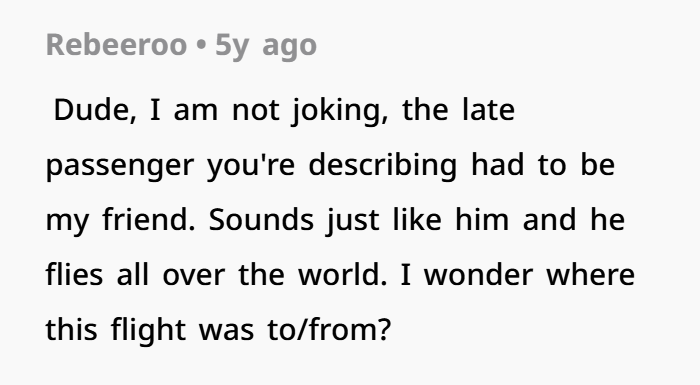
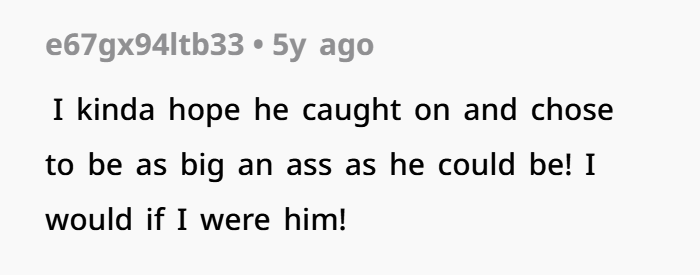
See The Comments Below
Final Thoughts
Airplane seat disputes can quickly become stressful, especially on long flights. The best solution is usually simple: respect assigned seats, communicate politely, and allow flight staff to handle disagreements.
Travel is easier when passengers remember that everyone on the plane is trying to reach the same destination comfortably and safely.