Neighbor’s Orchard Destruction Leads to $437K Penalty and Losing Her House

Moving into a new neighborhood can be a fresh start for many people. Some new neighbors bring kindness, friendly conversations, or small gestures to build a good relationship. But sometimes, disagreements can happen when people have different ideas about how a property should be used.
One family had spent many years caring for their peach orchard. The trees had been part of their family’s history for generations, and they enjoyed celebrating each harvest with friends and neighbors. They had lived peacefully beside the same community for decades.
The peaceful relationship changed after a new neighbor moved into the property next door. Over the next few years, conflicts developed between the neighbors, creating stress and challenges for the family. The disagreement became a long and expensive legal issue.
This story highlights the importance of respectful communication, understanding property rights, and maintaining positive neighborhood relationships. Whether it is a family home, garden, or historic property, protecting shared spaces and finding fair solutions can help create a happier and more peaceful community.

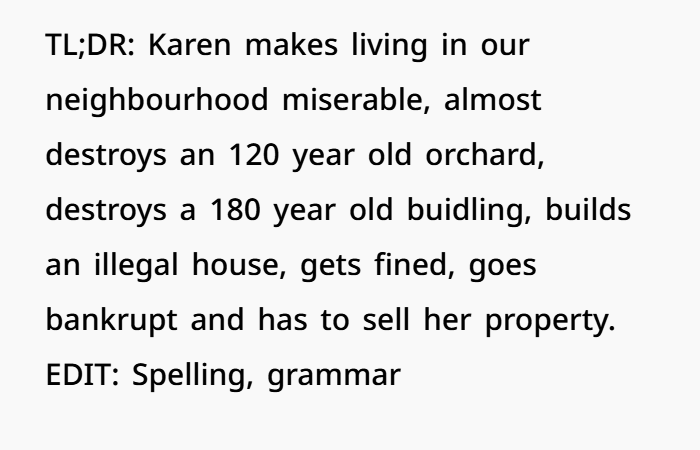
Neighbor Dispute Over Historic Orchard Leads To $437,000 Legal Battle
A peaceful neighborhood can change quickly when disagreements between neighbors are not handled properly. A family-owned orchard that had been protected for more than 120 years became the center of a serious property dispute after a new neighbor moved in.
The situation eventually involved legal action, construction violations, historic preservation rules, and thousands of dollars in fines.
A Family Orchard With Generations Of History
The orchard had been owned by the same family for over 120 years. It was more than just a piece of land. It represented family memories, hard work, and a connection to the past.
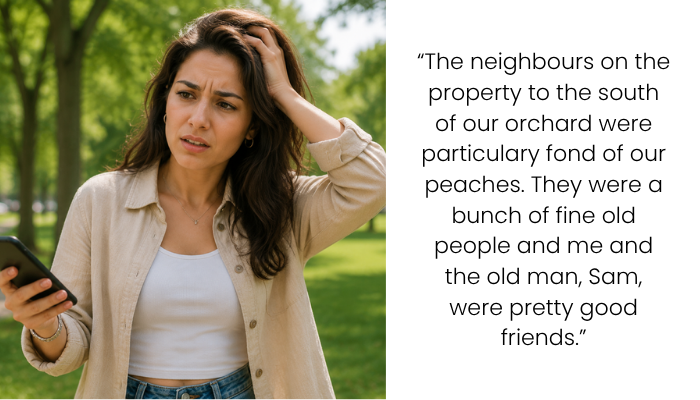
The neighbors who lived nearby had always been kind and respectful. One neighbor, Sam, became a close friend of the family.
Sam was an experienced woodworker who spent many years sharing his skills with the narrator. They often spent time together in his old workshop, a 180-year-old timber-frame building located near the property boundary.
After Sam passed away, his property was transferred according to his wishes. The narrator received some of Sam’s woodworking tools and personal belongings, which held great sentimental value.
Everything changed when a new owner purchased the property.
A New Neighbor Creates Conflict
Shortly after buying the home, the new neighbor began approaching nearby residents with complaints and requests.
When she spoke with the orchard owners, she asked them to remove many of their trees because leaves from the orchard were falling onto her property.
The family refused because the orchard was an important part of their family heritage. Removing the trees was not a simple landscaping decision; it meant damaging something that had existed for generations.
After this disagreement, tensions between the neighbors continued to grow.
Years Of Property Problems
Over the following years, the family experienced several conflicts that they believed were connected to the ongoing disagreement.
There were repeated complaints about the property, including issues involving gatherings and noise. Eventually, the family stopped hosting their traditional harvest celebrations because they wanted to avoid more problems.
The family also reported incidents of property damage, including damage to vehicles and other belongings.
The biggest conflict happened when the old workshop was removed.
The workshop was not an ordinary building. It had historical importance and had been standing for nearly two centuries.
Discovering Possible Property Violations
After the workshop was demolished, the orchard owners noticed that some of their oldest peach trees started becoming unhealthy.
They discovered that copper nails had been placed inside the tree trunks, which caused serious damage.
Because of these concerns, the family installed security cameras to document what was happening on their property.
They also began looking into the legal details of the construction work.
During their research, they found possible violations involving building permits, demolition approval, and property boundary rules.
Historic Preservation Rules Lead To Legal Action
The family learned that the old workshop had special historical protection because of its connection to local history.
They decided to take the matter to court.
The legal process resulted in major fines and required the property owner to rebuild the workshop according to historical preservation standards.
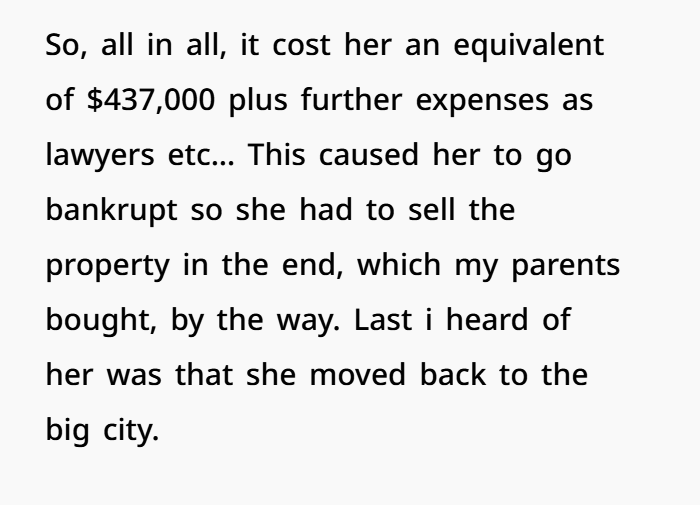
The total cost of fines and construction expenses reached around $437,000.
The financial impact became overwhelming, and the property owner eventually sold the home.
The orchard family later purchased the property, bringing the historic land back together.
Why Neighbor Conflicts Can Become Serious
Neighbor disputes can become stressful when communication breaks down.
Experts often explain that difficult conflicts may happen because of:
- Poor communication
- A need for control
- Personal frustrations
- Ignoring the impact of certain actions
When people continue making demands without considering others, small disagreements can sometimes turn into larger disputes.
The best way to handle serious neighborhood conflicts is to stay calm, keep records, and use proper legal steps.
How To Handle A Property Dispute
If you experience problems with a neighbor, helpful steps may include:
- Documenting important incidents
- Keeping photos, videos, or written records
- Understanding local property laws
- Checking building permit requirements
- Speaking with legal professionals when necessary
Reacting emotionally can often make a situation worse. A careful and organized approach can help protect your property rights.
Protecting Historic Homes And Family Land
Historic properties often represent more than buildings and land. They can hold memories, traditions, and important community history.
This story highlights why property owners should understand construction laws, zoning rules, and historic preservation requirements.
Respect between neighbors and following legal guidelines can help communities remain peaceful places to live.
For many families, a home or piece of land is not just an investment. It is a part of their story.
The Comments Are In