
Man Surprises Wife with New Bras After Discovering Her Work Nickname: ‘So Embarrassing
Sometimes, what starts as a harmless office nickname can turn into something much worse, especially when it touches on personal stuff. Take this nurse, for example. She’s been stuck with a nickname that’s based on a physical trait. It’s making her feel embarrassed and uncomfortable at work. Now, she’s wondering if she should go to HR about it. Is reporting it too much, or is it something she needs to do for her mental health?
As she deals with the awkwardness, it brings up the bigger question of what’s okay when it comes to workplace humor. Where do we draw the line between something funny and making someone feel bad? Would HR step in to stop this kind of thing from happening again without making things worse?
She was mortified to learn that her colleagues had a secret nickname for her

Now “Jessica with the …” wants to report the matter to HR but it might make things worse
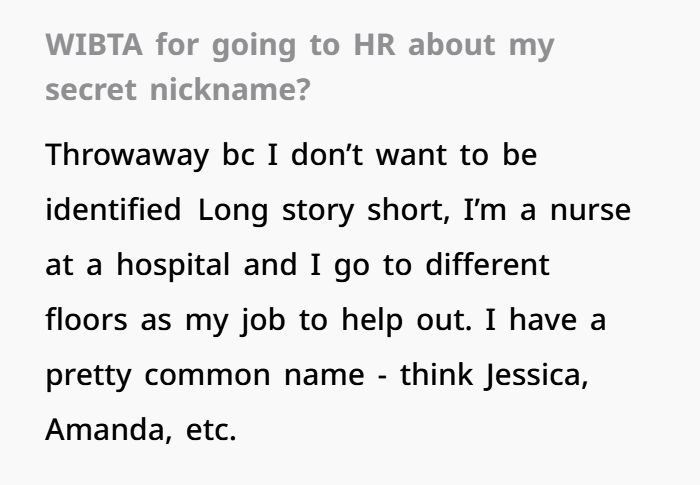
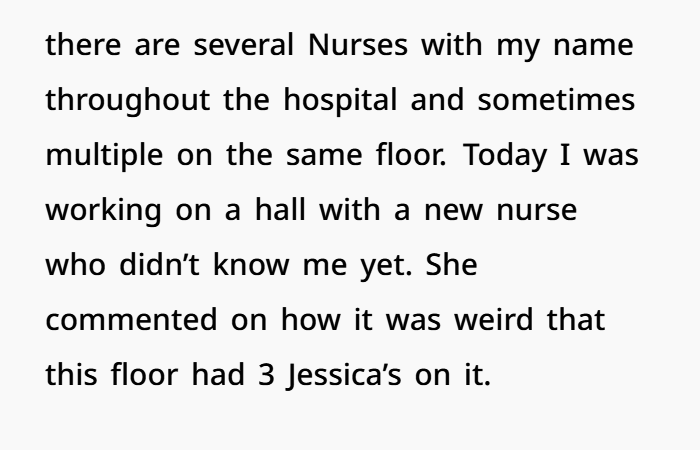

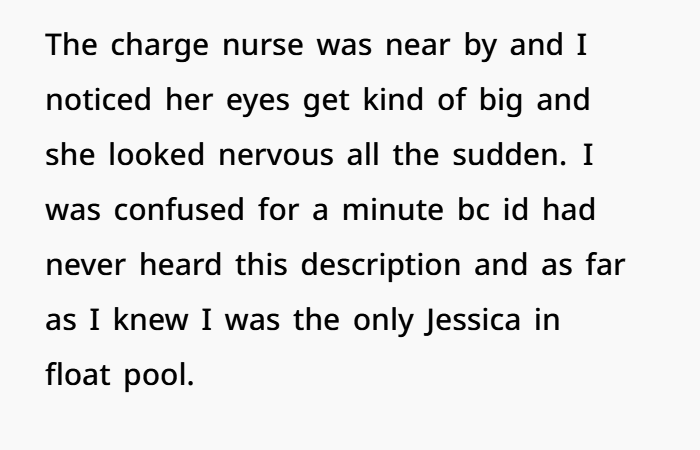
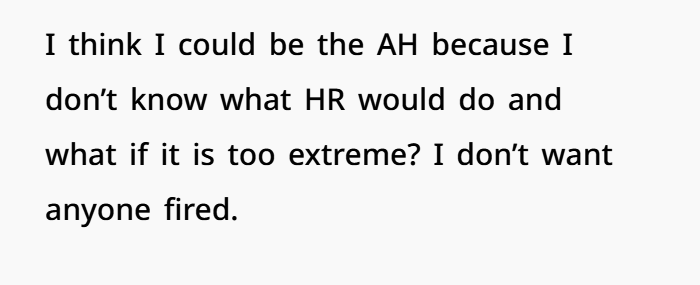

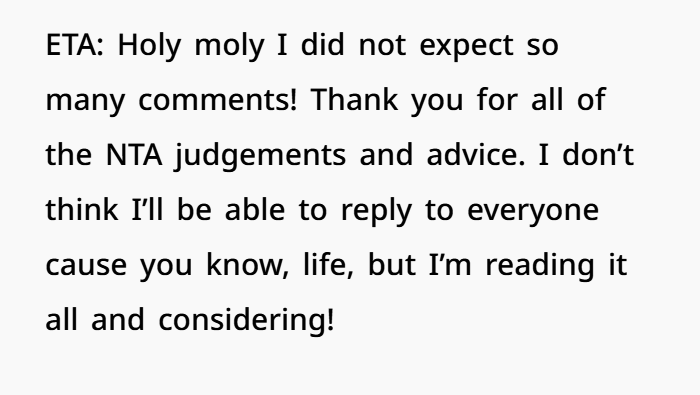
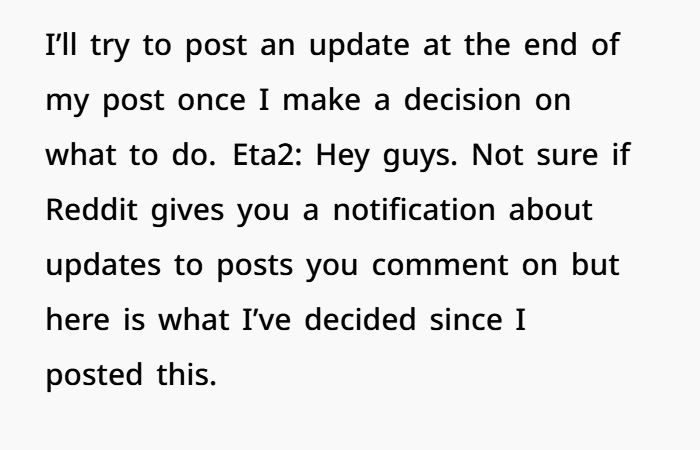
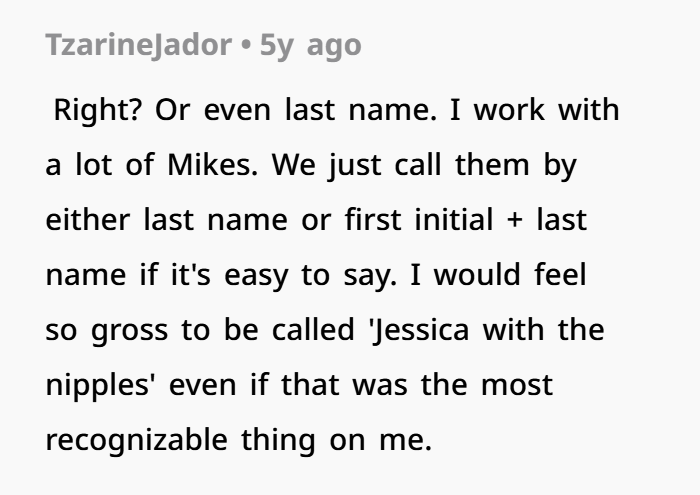
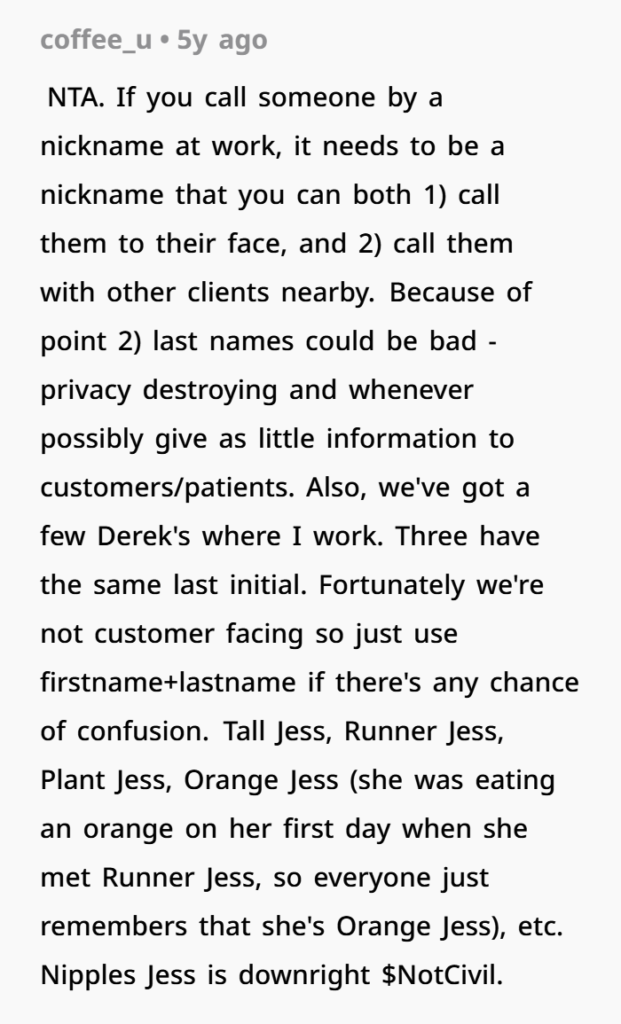
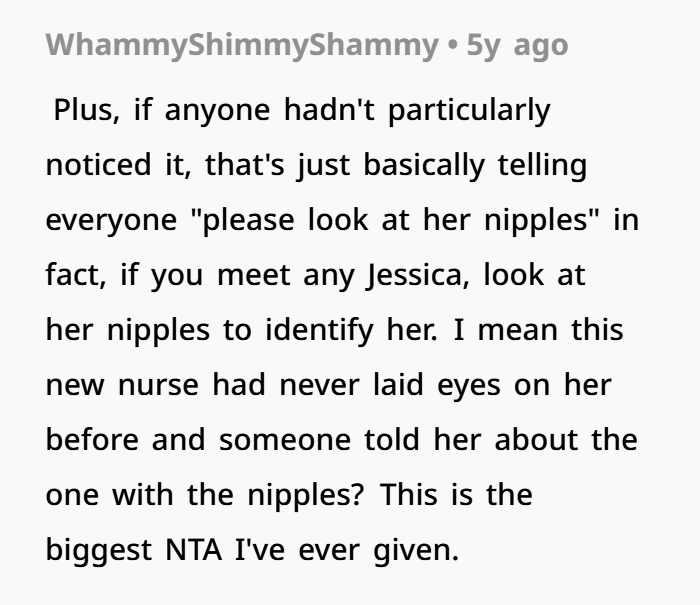
In many workplaces, nicknames are a way to bond with coworkers or just have some fun, but sometimes they can cross the line. For Jessica, a nurse, things took a turn when her personal appearance became the subject of gossip, leading to her being called “Jessica with the nipples.” While her colleagues might’ve thought it was harmless, Jessica quickly realized it was causing her a lot of embarrassment and discomfort.
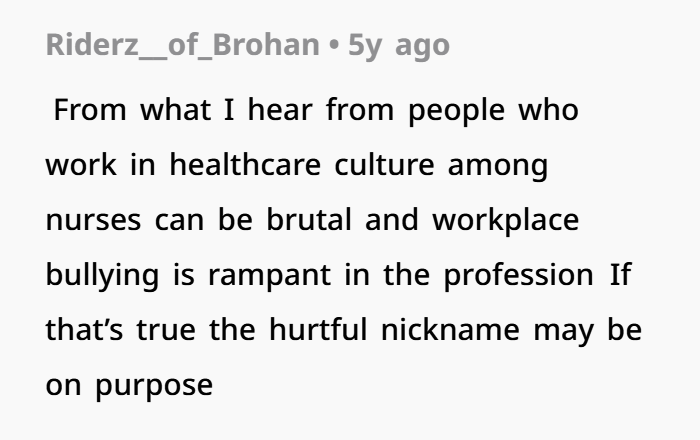
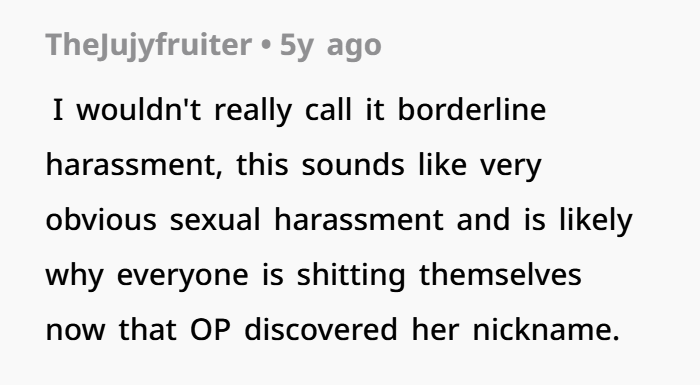
Her frustration grew when it wasn’t just a whisper behind her back, but a new nurse started using it openly, unaware of how much it affected Jessica. This nickname wasn’t something Jessica had chosen, and it definitely wasn’t something she was proud of. Things got worse when even the charge nurse seemed to joke about it. What started as a harmless nickname quickly felt like workplace harassment, even if no one meant to hurt her.
Now, Jessica faces a tough choice: should she go to HR or just let it slide? On one hand, she doesn’t want to stir up drama or make things uncomfortable for her colleagues. On the other hand, the nickname has become a part of her identity at work, making her feel self-conscious and isolated. Going to HR might stop the jokes and make her feel safer at work, but there’s always the risk that it could blow up the situation and make things even more awkward for her.

Her friend’s advice to just let it go made sense in some ways. After all, it probably seemed like just another harmless office joke. But Jessica’s feelings were totally valid—being the focus of unwanted attention for something so personal wasn’t easy. How would you feel if your coworkers started referring to you based on a physical trait that made you uncomfortable? It’s one thing to have a goofy nickname like “Jessica with the red hair,” but it’s a whole different deal when it’s about something as private as her body. She didn’t want to be known for that, especially when the nickname had such an embarrassing backstory.
When Jessica tried to laugh it off and avoid any conflict, she realized the nickname was affecting her more than she thought—it was hurting her confidence and her sense of belonging at work. The nurses, who had once been friendly, started avoiding her, and it was clear that the vibe at work had shifted. That only added more stress to an already tough situation.
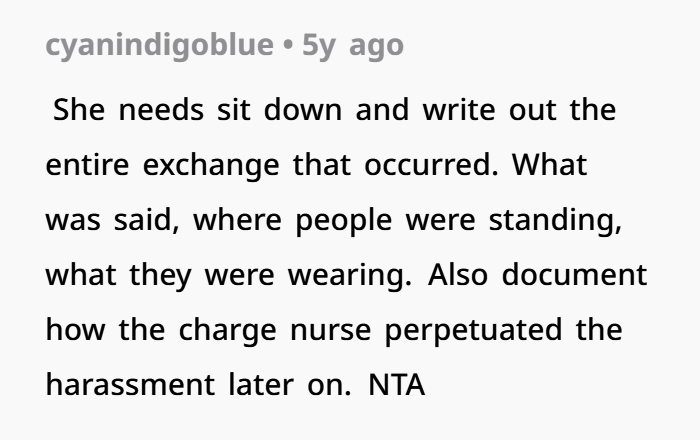
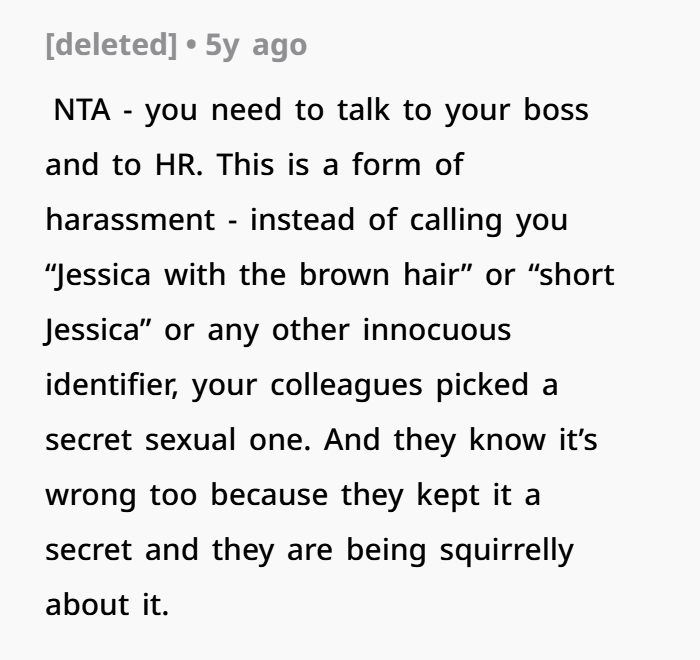
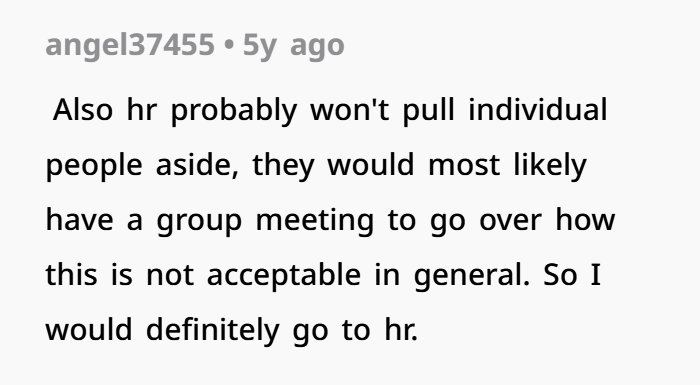
The advice she got was a mix of concern and empathy. Some suggested that HR could step in and stop the situation before it got worse. Others warned that bringing it up could just make things worse and cause more drama. But what’s worse—having a nickname that makes you feel uncomfortable every day, or confronting your coworkers in a way that could stop future awkwardness or harassment?
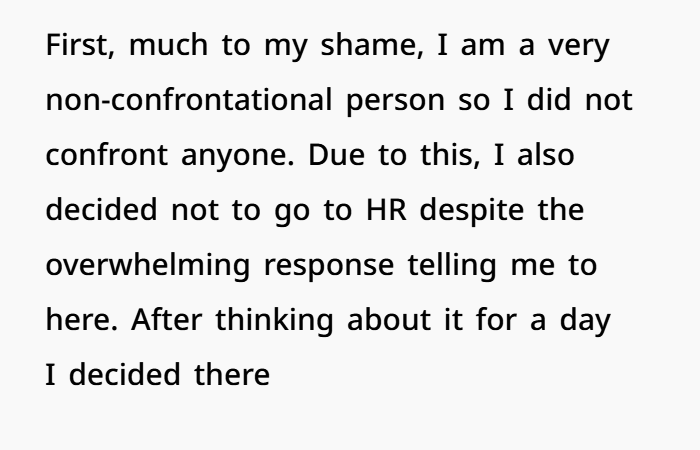
After thinking it over for a while, Jessica decided not to directly confront her coworkers or take it to HR. She feared it would only make things more awkward. Instead, she looked into getting some new bras that would help her feel more comfortable and confident. Even though she made personal changes to deal with the situation, the emotional toll of the whole experience stayed with her. The incident sparked a much bigger conversation about workplace culture and how something as simple as a nickname could have a real impact on someone’s mental well-being.
The nurse later explained what she expected HR to do about it
Ultimately, Jessica started considering leaving her current workplace and began looking for new job opportunities. No one should feel embarrassed or isolated over something they can’t control, especially at work. While her choice not to go to HR might’ve felt like the right decision at the time, the bigger takeaway is that everyone—whether a nurse or anyone else in a workplace—deserves to work in an environment where they feel respected, comfortable, and free from being the target of jokes about their personal traits.
What should’ve been a harmless nickname turned into something far more serious for Jessica. Now, she’s left to deal with the aftermath of her decision to stay quiet. But her experience serves as a reminder of how important it is to address uncomfortable issues in the workplace, whether that’s through HR, a direct conversation, or finding other ways to protect yourself from harm.