They Tested Her for a Year to See If She Was a Gold Digger So She Walked Away
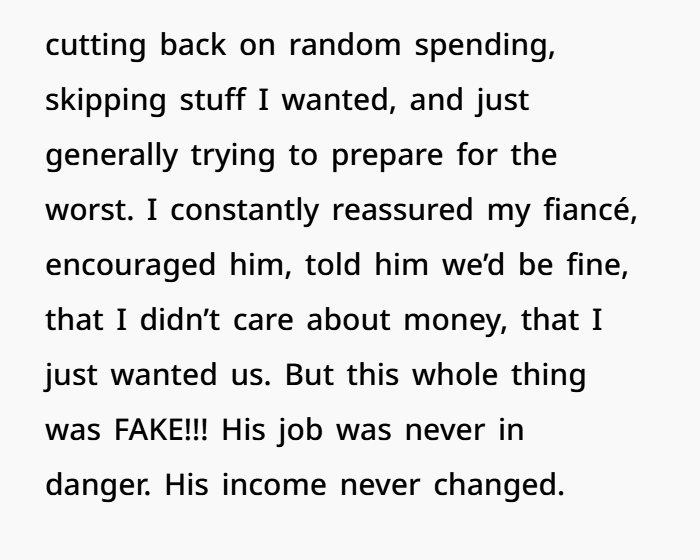
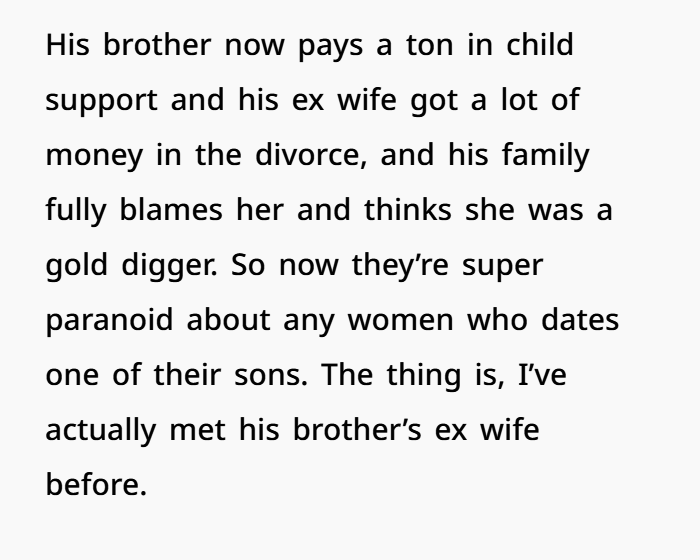
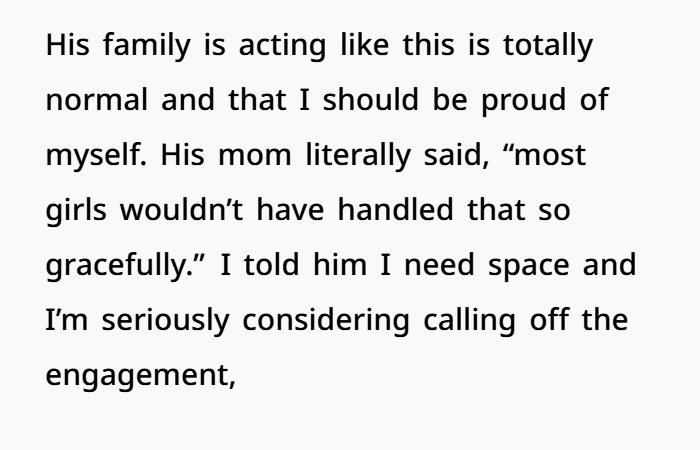
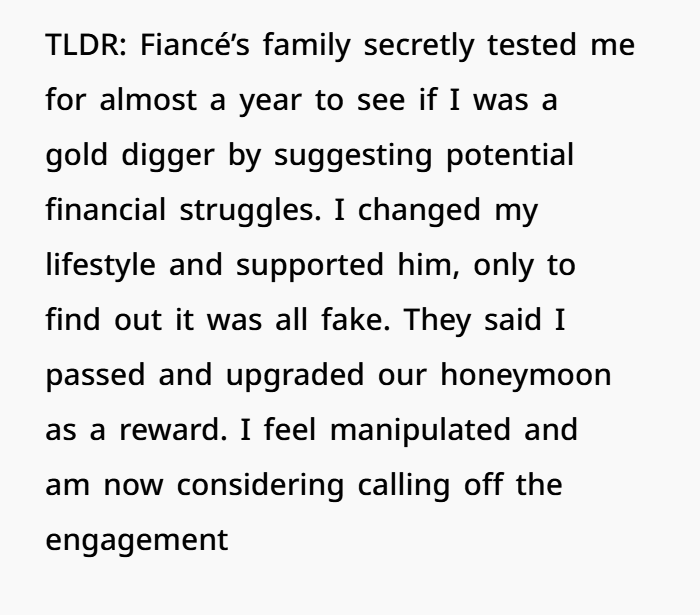
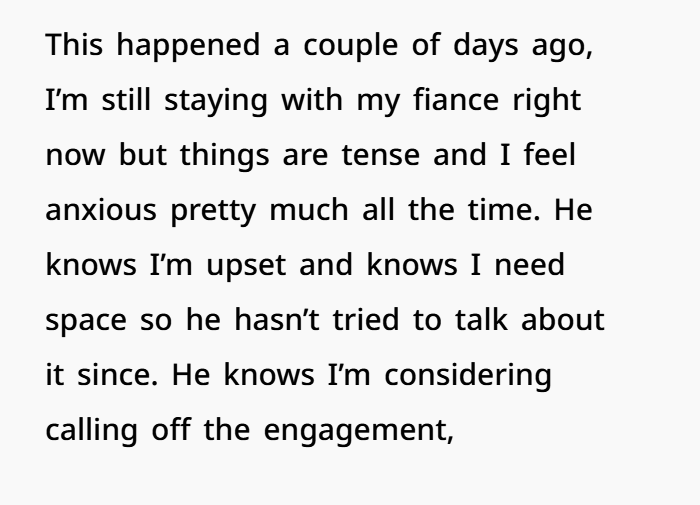
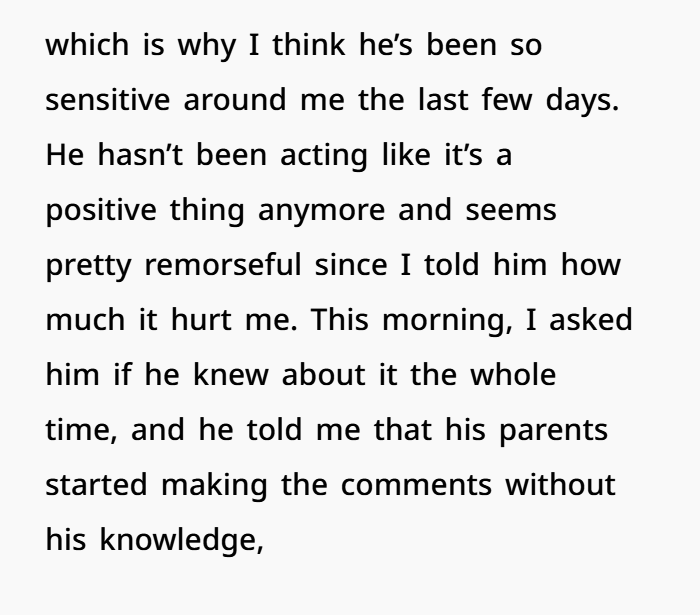
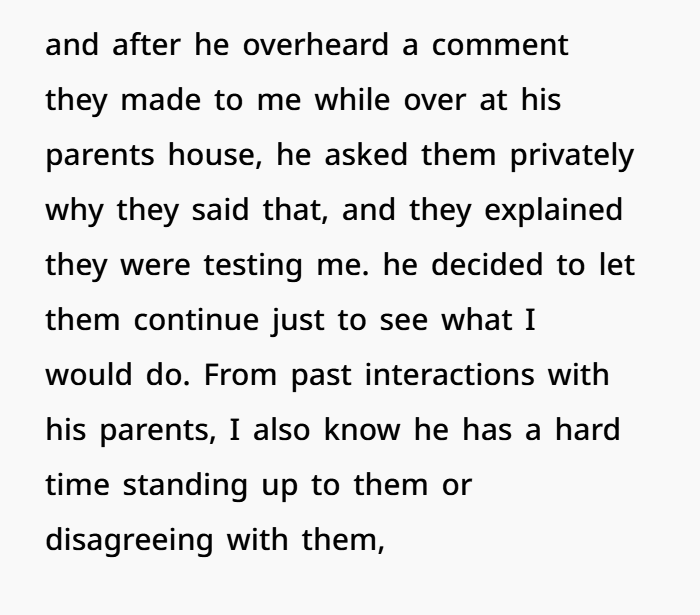
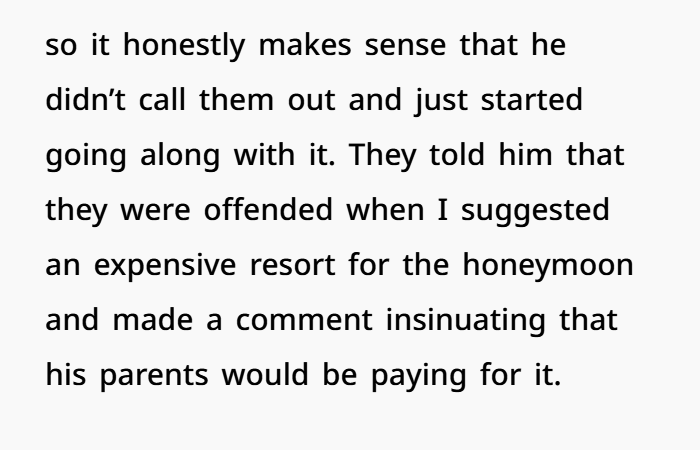
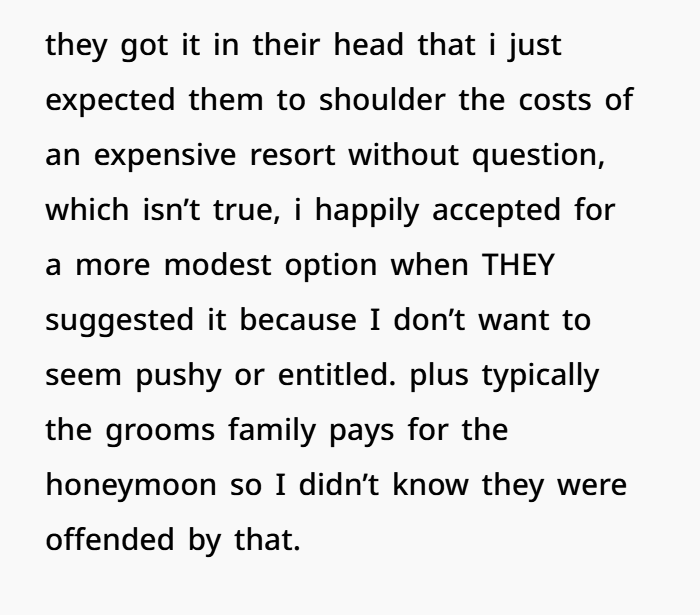
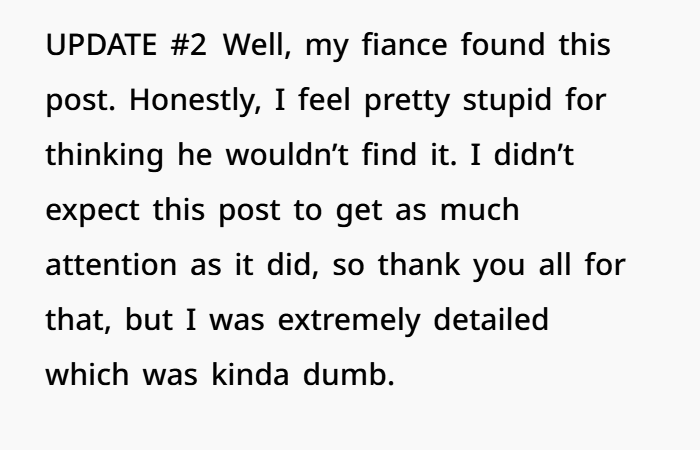
A 24-year-old woman had been with her fiancé for almost four years. He had one of those high-paying tech jobs, the kind that comes with a six-figure salary and serious career growth in the tech industry. She earned an average income, steady but nothing flashy. Money was never a real issue between them. They split expenses in a fair way, talked about financial planning like adults, and even discussed a prenuptial agreement to protect future assets and long-term financial security. They planned a simple honeymoon, nothing over-the-top luxury travel. She truly believed their relationship was stable. Solid foundation. Then one day, he sat her down and called it “good news.” For eleven months, his family had secretly been testing her to make sure she wasn’t a gold digger. They created fake financial problems. Talked about possible layoffs. Dropped hints that his high-income job might disappear. They even suggested she could end up financially supporting him one day, like some kind of unexpected debt or income loss situation.
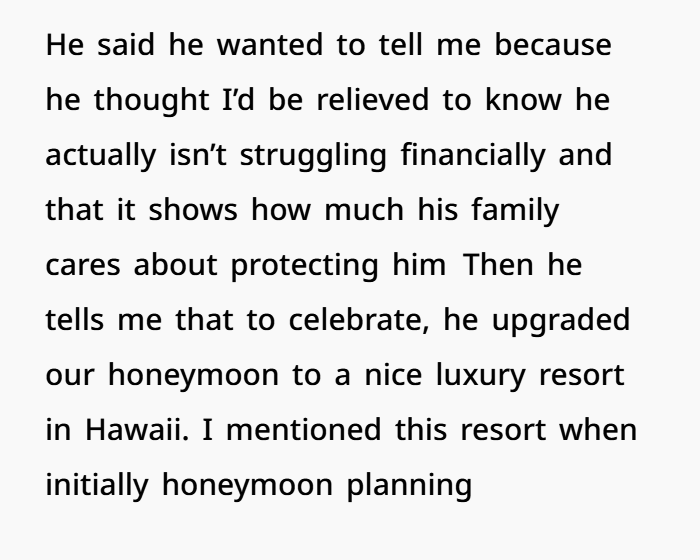
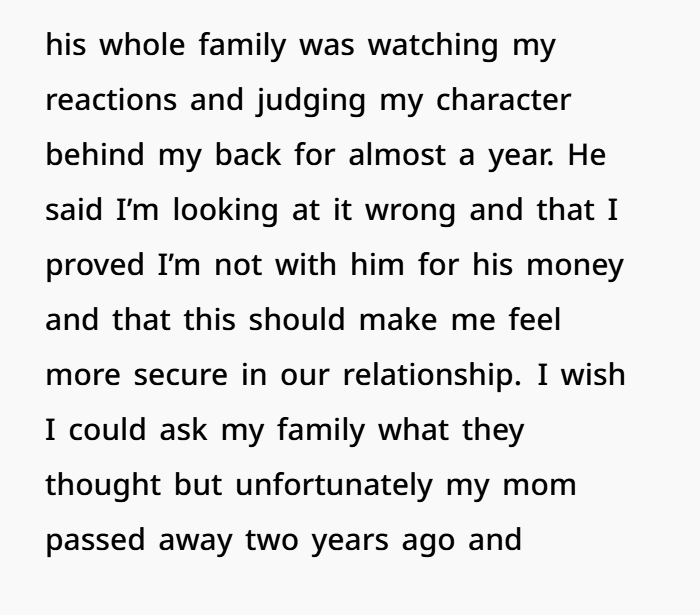
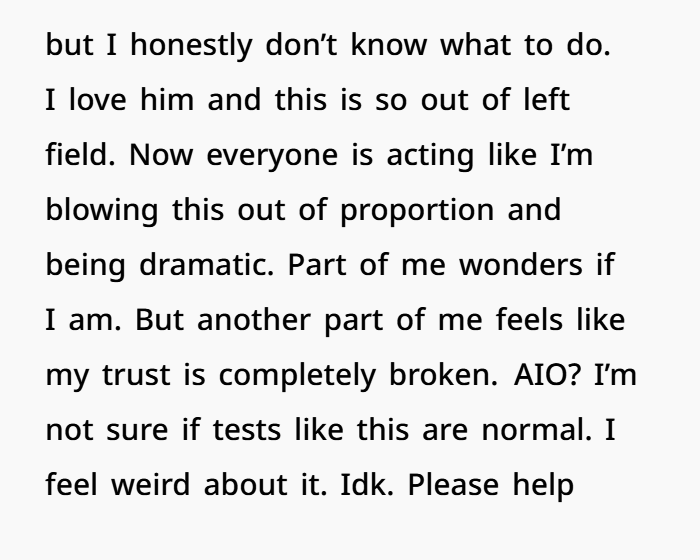
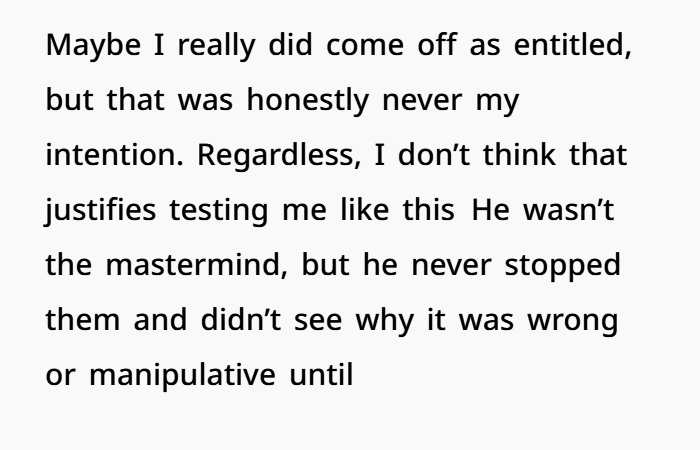
So she did what any committed partner would do. She tightened her monthly budget. Focused on saving money. Cut down on personal spending and unnecessary expenses. She kept reassuring him over and over, saying she didn’t care about wealth, investment portfolios, or financial status — she cared about him. About their future together. And all this time, her loyalty was being watched. Measured. Judged like a credit score. When his parents finally announced she had “passed” their test, he surprised her with an upgraded luxury honeymoon package. A fancy reward. But instead of feeling happy or secure, she felt embarrassed. Manipulated. Almost emotionally betrayed. And suddenly she wasn’t sure she could marry someone who thought it was okay to run a relationship test disguised as financial instability.
This woman was actively preparing for her fiancé’s “financial struggles” his family kept talking about

But she recently realized it was all a lie












What happened here feels dramatic, sure. But when you zoom out and look at it through real relationship psychology and even modern marriage counseling frameworks, it actually lines up with several well-documented behavioral patterns. And none of them are strong foundations for a healthy marriage or long-term emotional security. This isn’t just relationship drama. It touches trust issues, emotional manipulation, and even long-term marital stability — the stuff couples therapists deal with every day.
First, let’s break down these so-called “loyalty tests.” In relationship psychology, secret tests are widely viewed as a form of emotional manipulation. Plain and simple. Many licensed therapists compare this to covert contract behavior — where someone creates a silent expectation and then judges their partner without ever communicating it. In couples therapy, this is considered toxic because the relationship stops being a partnership and starts feeling like a performance evaluation. Instead of building trust and emotional intimacy, one person is basically running a hidden assessment.
Trust is built through honest communication and transparency. Not secret experiments. Not staged financial stress. Not hidden character exams.
When someone secretly tests their partner’s character, what it really reveals is a deeper belief: “I don’t trust you enough to have a direct conversation.” That’s not a small issue. That’s a serious red flag before marriage, especially if you’re thinking about lifelong commitment, shared assets, or even joint financial planning.
Now add family involvement to the situation. This wasn’t just one fiancé making a bad decision. This was a coordinated, year-long effort involving multiple relatives. That shifts the dynamic into something closer to triangulation — a concept introduced by psychiatrist Murray Bowen in Family Systems Theory. Triangulation happens when a third party inserts themselves into a couple’s relationship to manage anxiety or control uncertainty. Instead of the couple resolving concerns through direct, healthy communication, the family steps in and creates outside pressure. And once that pattern becomes normal, it can seriously damage emotional boundaries and long-term relationship health.
That’s what happened here.

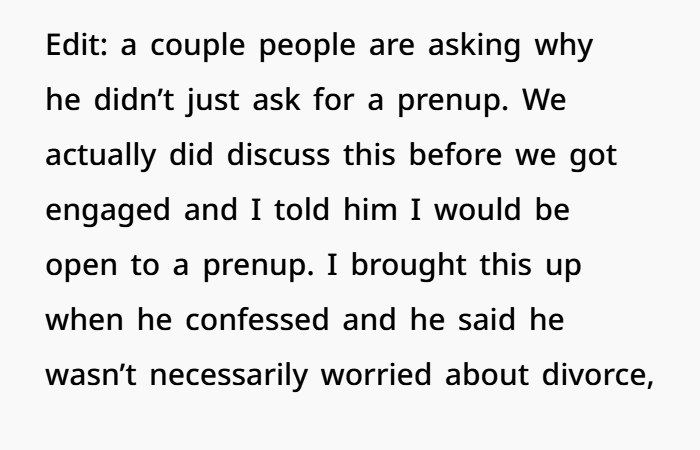
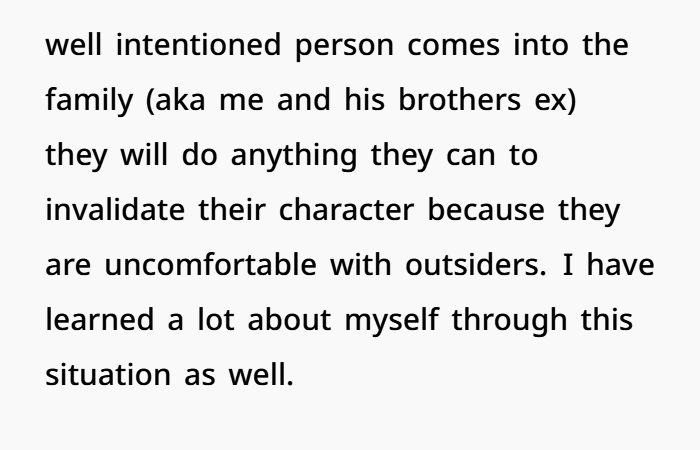
The parents were clearly shaken by the older brother’s messy divorce. A high-conflict divorce, especially one involving asset division and child support battles, can make families hyper-focused on wealth protection. But instead of guiding their son toward a legally sound marriage plan — like a properly drafted prenuptial agreement — they chose to run a behavioral experiment. That’s not smart estate planning. That’s fear dressed up as strategy.
Which brings us to the legal side.
If their real concern was financial protection, the normal and healthy move would’ve been a prenup lawyer consultation. Prenuptial agreements are common in high income marriages, especially when one partner works in lucrative industries like tech startups, software engineering, or executive-level careers. Courts across the U.S., including the Supreme Court of California and other state high courts, have repeatedly upheld fair prenups when both people sign willingly and have independent legal counsel. That’s how asset protection actually works — through contracts, full income disclosure, and documented agreements.
After the well-known divorce case involving Barry Bonds in California, courts became even more focused on enforcing written agreements instead of speculating about someone’s intent. The legal system doesn’t decide who is or isn’t a “gold digger.” It reviews contracts, financial records, property ownership, and compliance with state family law.
So if protecting income, investments, or future business equity was the goal, there were grown-up solutions sitting right there.
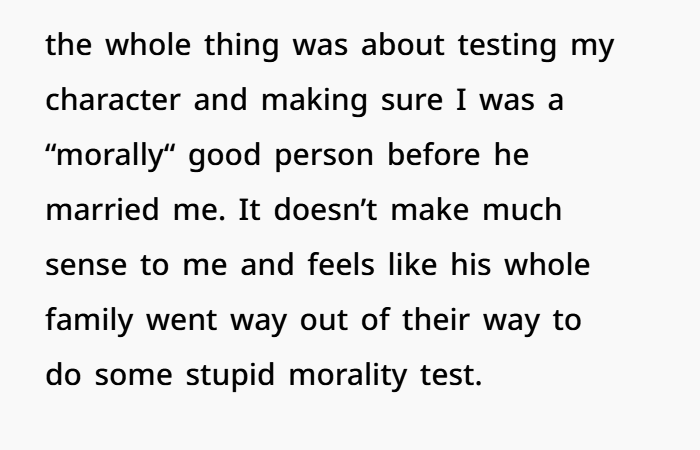
Instead, they created a moral purity test.
And that detail really matters. Because this wasn’t just about wealth management or divorce settlements. Her fiancé admitted it was about making sure she was “morally good.” That choice of words is revealing.
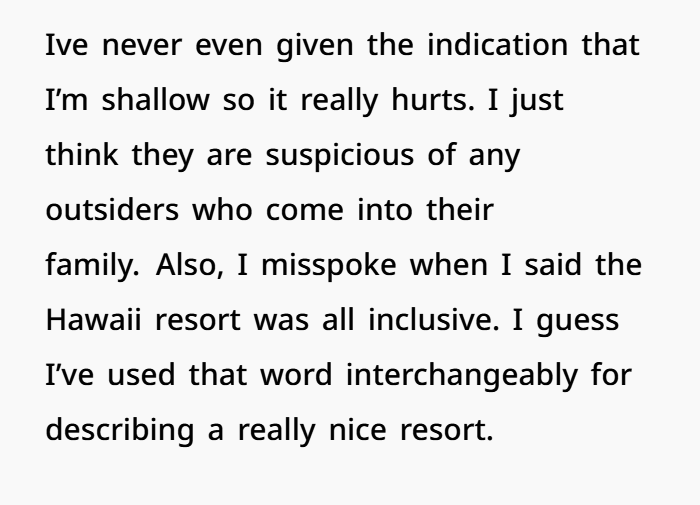
When families start framing outsiders as potential threats, it often comes from an us-versus-them mindset. Research on high-control family systems shows that after betrayal — like a painful divorce or financial loss — some families develop collective paranoia. The narrative shifts. The ex-wife becomes the villain. New partners become risks to screen and evaluate.
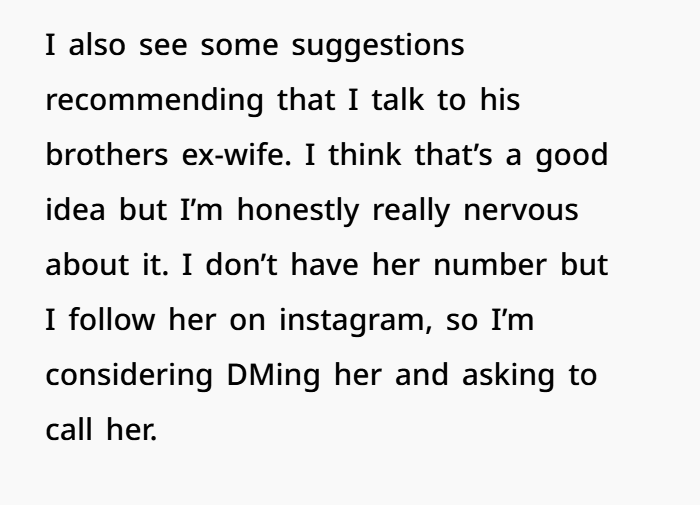
Notice something else: the brother’s ex-wife was described as “nice and normal” when she met her. That doesn’t prove anything from a legal standpoint. But it shows how perspective shapes the story. In many high-asset divorces, child support payments and asset division follow strict state formulas. Under California family law, for example, support calculations are formula-based. They’re not random punishments handed out to ruin someone financially.
So yes, the family’s trauma probably shaped how they see marriage, divorce law, and financial risk. But trauma explains behavior. It doesn’t excuse emotional manipulation.
Another huge factor here is power.
For eleven months, she adjusted her spending habits. Increased her savings rate. Quietly carried stress about potential job loss and financial instability. Meanwhile, they knew it wasn’t real. That creates a serious power imbalance. One side holds the truth. The other operates under manufactured fear about debt, income loss, and future uncertainty.
Psychologists would label that gaslighting-adjacent manipulation, even if it didn’t start as direct lying. Once her fiancé knew and chose not to shut it down, he became part of it. And that matters for long-term relationship trust and emotional safety.
Healthy, long-term marriages require joint problem solving. Real financial planning for couples includes transparent income discussions, debt disclosure, shared budgeting apps, maybe even sessions with a certified financial advisor or estate planning attorney. It does not involve extended psychological experiments disguised as financial hardship.
The honeymoon “upgrade” needs attention too. It basically worked like a reward system. You pass the loyalty test, you unlock the luxury honeymoon package. That’s straight out of reinforcement psychology — behavior equals prize. But healthy adult relationships aren’t supposed to run on a performance-based model. Love isn’t a bonus structure. It’s not a pass/fail grading scale where you earn perks for good behavior.
And here’s the deeper issue most people miss: if they were comfortable secretly testing her once, what happens the next time family anxiety kicks in? After a financial scare? A bad investment? A disagreement about money management or estate planning? Does it turn into fertility “concerns” masked as care? Parenting evaluations dressed up as advice? More loyalty tests involving future in-laws and family loyalty? The pattern has already been established. Once covert testing becomes acceptable, it rarely stays a one-time thing.
Now, let’s talk about him.
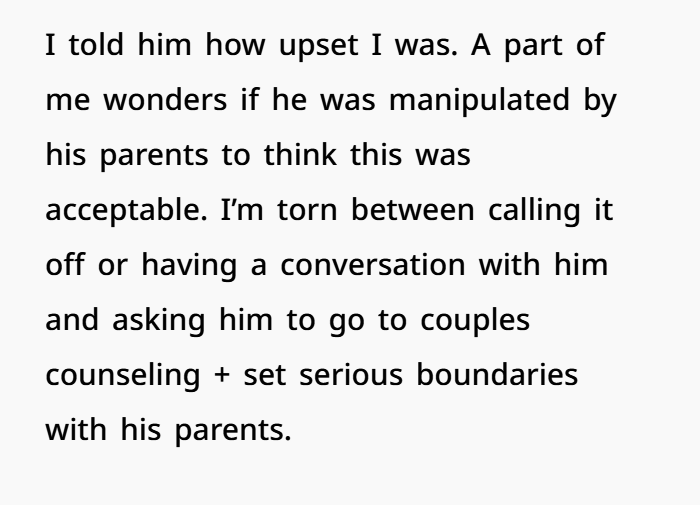
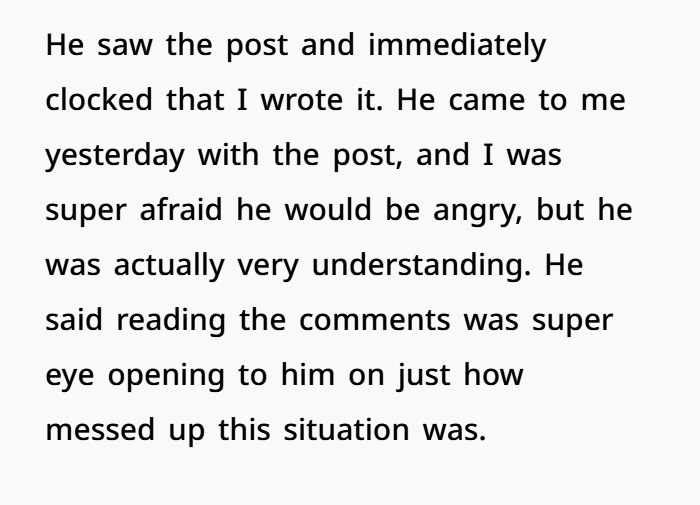
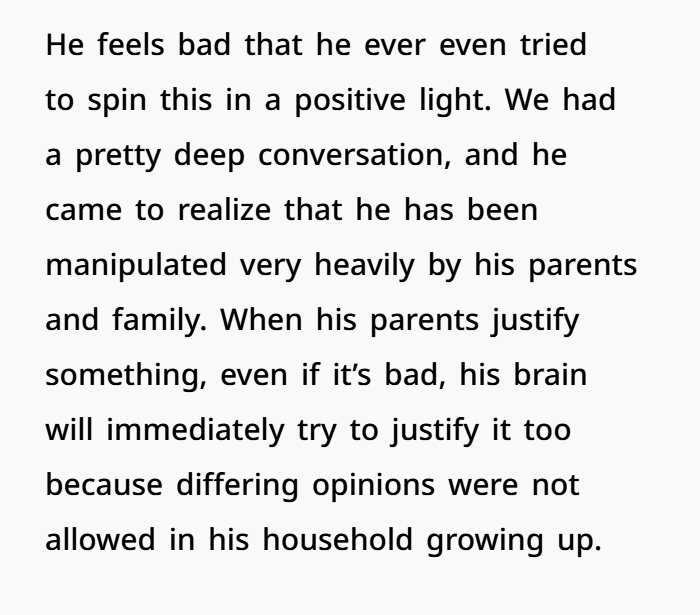
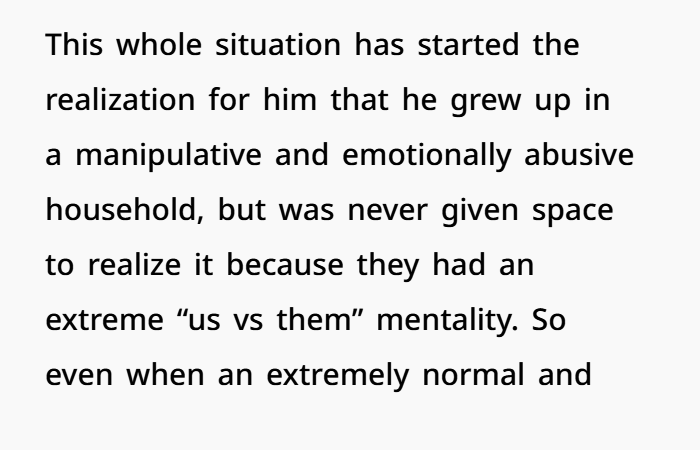
He admitted he struggles to stand up to his parents. That’s a big deal. A lot of adults raised in emotionally controlling or high-pressure households normalize unhealthy dynamics. It just feels normal because it’s familiar. Sometimes it takes outside perspective, relationship counseling, or blunt feedback to realize certain behaviors were manipulative or boundary-crossing.
When he saw outside opinions and recognized the manipulation, that shows growth potential. Self-awareness matters. But growth potential is not the same thing as being ready for marriage or long-term commitment.
Marriage isn’t just romantic vibes and wedding planning. It legally ties together finances, property ownership, medical decision-making, inheritance rights, tax status, and long-term asset protection. Courts treat it as a binding legal contract. Even the Obergefell v. Hodges ruling highlighted that marriage carries serious legal and economic rights. It’s not just emotional. It’s structural. It affects wealth, liability, and future financial security in very real ways.

So walking away — or even just hitting pause — before signing that kind of legal contract isn’t dramatic. It’s cautious. It’s smart. Marriage isn’t just romance and wedding planning. It’s a binding agreement that affects financial security, shared assets, debt responsibility, inheritance rights, even long-term wealth building. Taking a step back before locking that in? That’s not overreacting. That’s protecting your future.
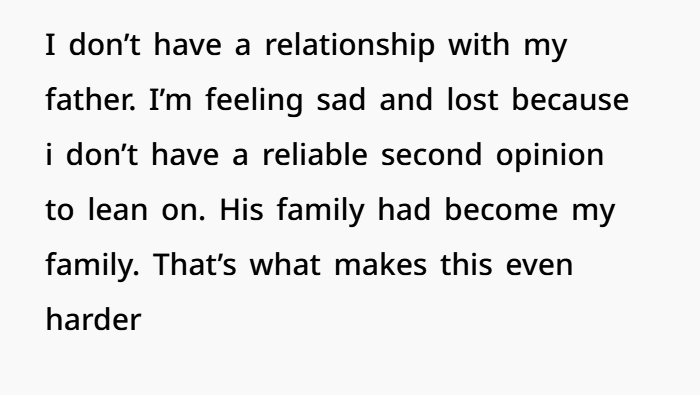
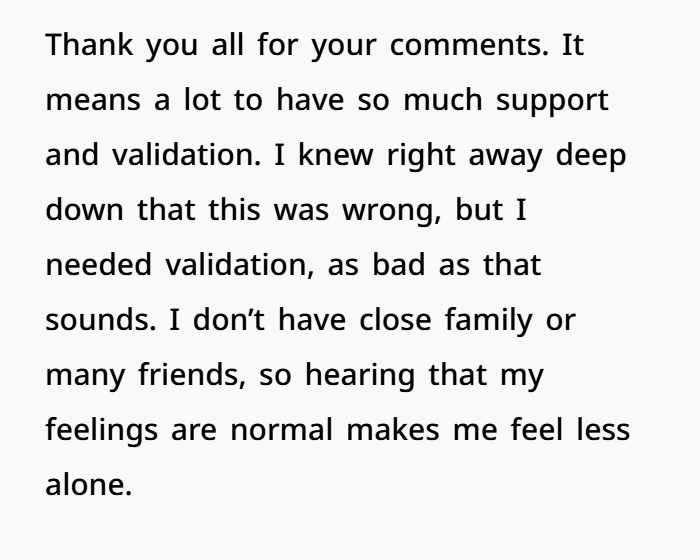
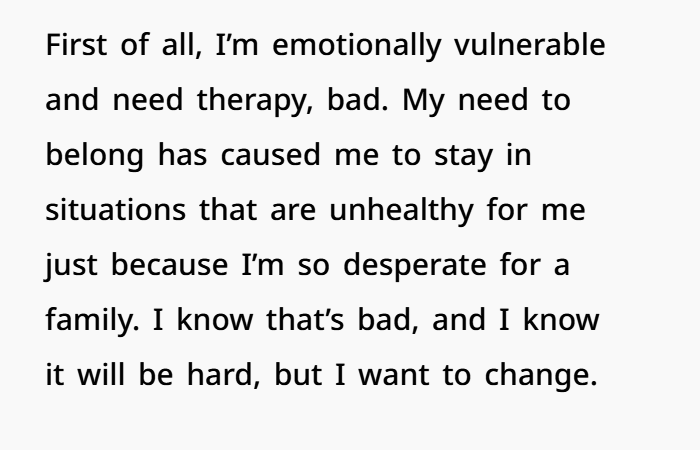
There’s also something deeply human in all this. She lost her mother. She doesn’t really have a strong family safety net. His family became her sense of belonging. Her emotional support system. That makes this betrayal heavier. Because it’s not only romantic trust that cracked. It’s community trust. When you already feel vulnerable and then realize you were being secretly evaluated, it hits on a different level.
When someone already feels exposed, being observed like a character test cuts deeper than people think.
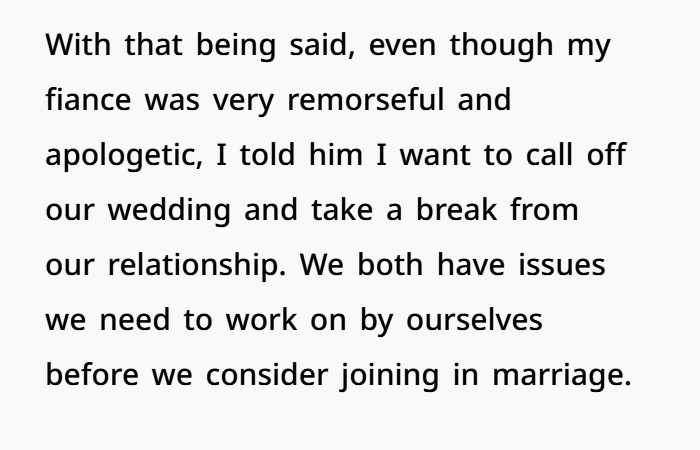
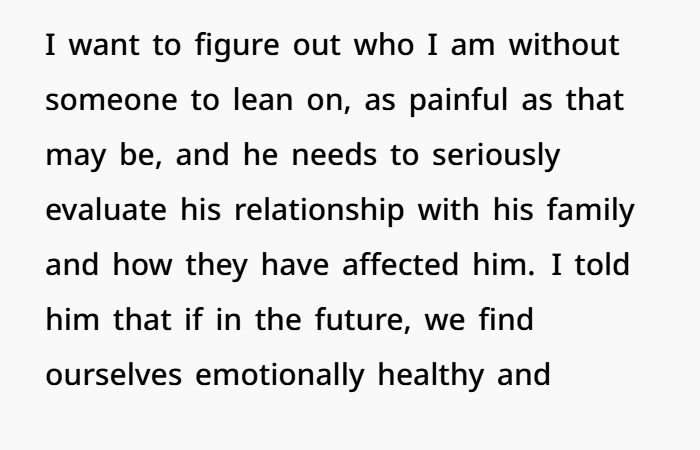
Her decision to call off the wedding but leave the door slightly open for future reconnection is actually emotionally intelligent. It creates space for individual therapy, stronger boundaries, and rebuilding independence before entering a legal marriage contract. That’s not reactive behavior. That’s regulated thinking. That’s someone choosing emotional stability over pressure.
So was she overreacting?
No.
Secret year-long loyalty tests are not normal premarital behavior. Financial due diligence? Normal. Prenuptial agreements? Normal. Couples counseling? Normal. Honest conversations about money management and asset protection? Completely normal.
But staging fake layoffs and watching your partner like a lab experiment? That’s not relationship security. That’s fear and control issues running the show.
And fear is a weak foundation for marriage.
Sometimes love alone isn’t enough. Trust has to be there. Transparency has to be real.
And once trust turns into a social experiment, rebuilding it takes serious work, probably therapy, and a whole new level of boundaries before any healthy long-term commitment can happen.
The woman engaged with people in the comments