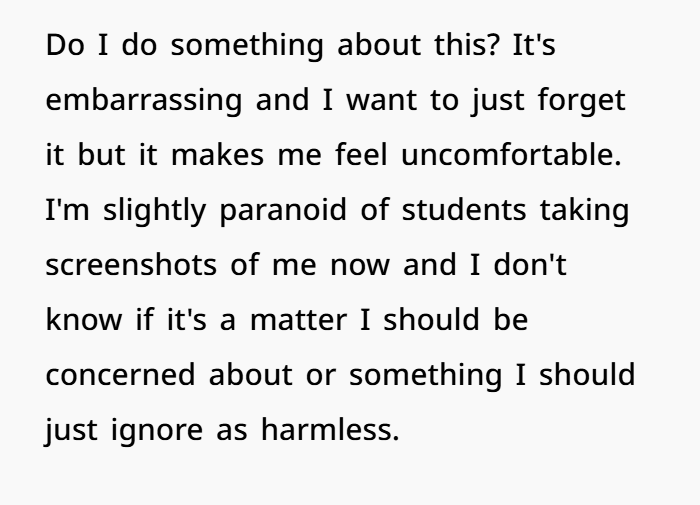
The kid(15M) I(18F) am online teaching took a screenshot of my b*obs

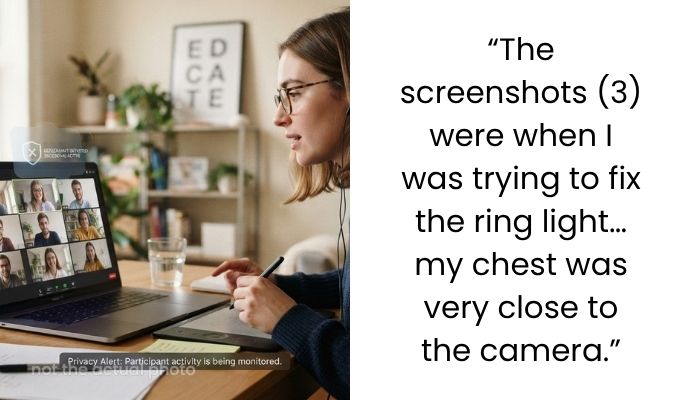
An 18-year-old online tutor was teaching a 15-year-old student through a Skype video call. During the lesson, she was adjusting her ring light and briefly leaned closer to the camera while fixing her setup. She did not realize how she appeared on screen at that moment.
During this time, the student took several screenshots. On Skype, screenshots can sometimes appear in the chat, so other people in the call may also see them.
The screenshots captured an unplanned camera angle while she was adjusting her equipment. There was no intention behind it, but the situation still made her feel uncomfortable and embarrassed.
After the class ended, she found out about the screenshots and became concerned about online teaching safety, digital boundaries, and student behavior during virtual lessons.
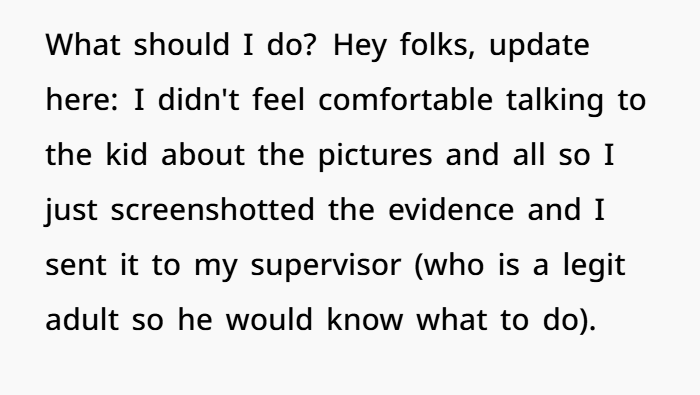
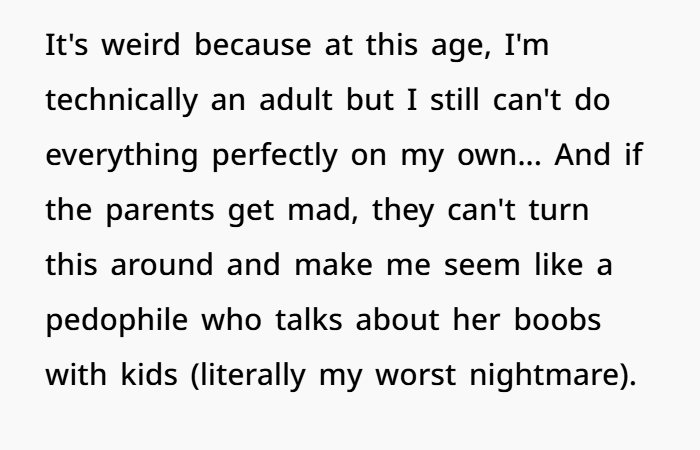
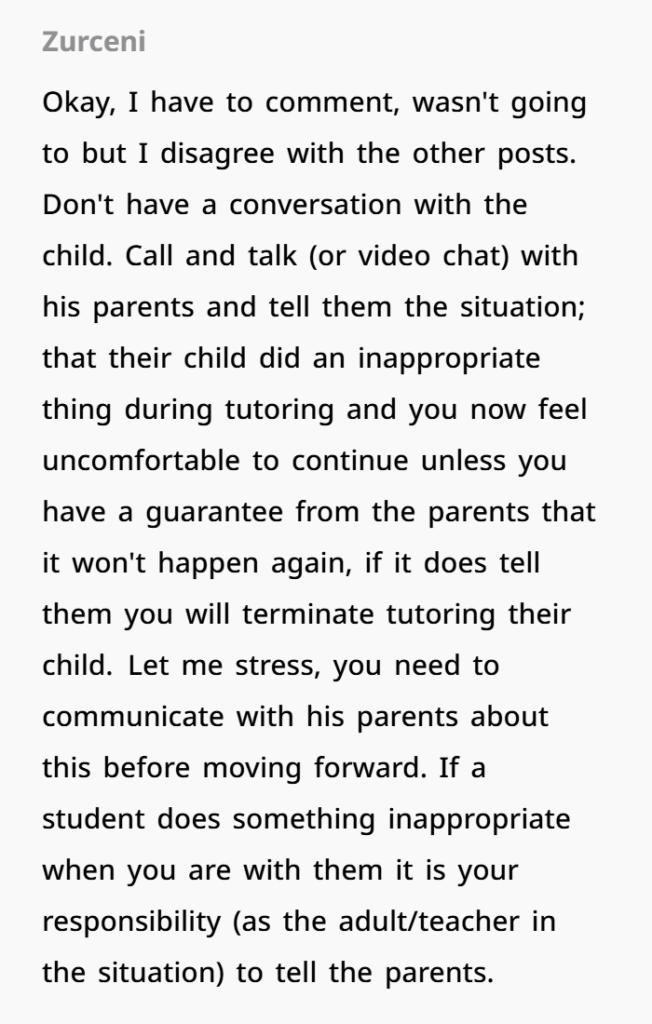
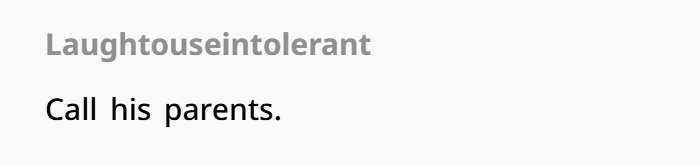
Because she did not feel comfortable dealing with the situation alone with a minor student, she reported it to her supervisor. She asked for proper guidance so it could be handled through official safeguarding and online education policies.
In the end, this situation highlights important issues around digital classroom etiquette, online privacy, and professional boundaries in remote learning, especially when using video call platforms like Skype.
This situation involves an issue that happened during an online tutoring session, raising concerns about digital safety, student behavior, and professional boundaries in virtual classrooms.
1. Student Behavior in Online Classes
In online learning, students sometimes do not fully understand rules about privacy and digital respect.
Research on online safety shows that some students may:
- Take screenshots during live classes
- Share or save images without thinking about permission
- Treat online sessions as less formal than real classrooms
Even if no harm was intended, taking screenshots of a teacher without consent can be seen as a digital boundary issue in education settings.
2. Online Teaching Safeguarding Rules
Most schools and tutoring platforms have strict safeguarding policies for online education.
These usually require teachers to:
- Report any uncomfortable or inappropriate student behavior
- Protect personal privacy during video calls
- Use safe camera positioning and professional setups
- Avoid direct conflict with minors without supervision
In many countries, online learning is treated under student safety and digital conduct rules, similar to in-person classrooms.
3. Privacy and Platform Issues
Video platforms like Skype, Zoom, and others may include features where:
- Screenshots or recordings can appear in chat
- Other participants may see shared activity
- Content can be saved or forwarded unintentionally
Because of this, online teachers are often advised to use privacy-safe teaching setups and control what is visible on camera.
4. Understanding the Student’s Action
From a behavior perspective, actions like taking screenshots in class may come from:
- Curiosity or lack of awareness
- Not understanding online boundaries
- Treating the situation as informal or casual
However, schools still treat repeated or inappropriate screenshotting as a possible digital misconduct issue, even if no harmful intent is proven.
5. Proper Response in Such Situations
Safeguarding guidelines usually recommend:
- Reporting the incident to a supervisor or safeguarding officer
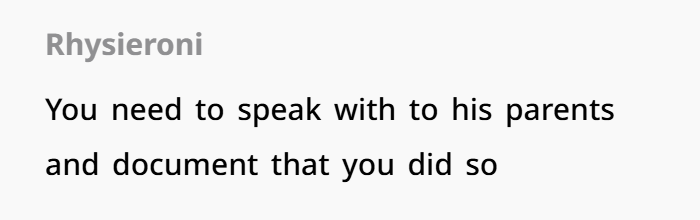
- Keeping records of what happened (timestamps or platform logs)
- Avoiding direct confrontation with the student alone
- Adjusting camera angles and online setup for future safety
This helps ensure both teacher safety and student protection.
See the comments to know what people said
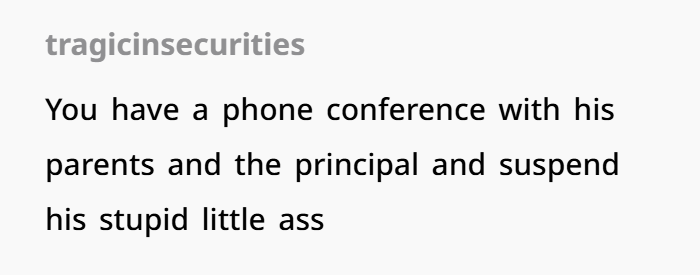
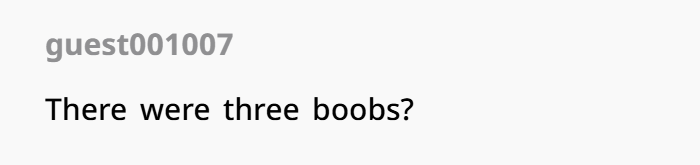
This story highlights growing concerns in online education safety, digital classroom etiquette, and virtual teaching boundaries.
It shows how important it is for schools and tutors to follow safeguarding policies, privacy rules, and proper reporting systems when uncomfortable situations happen during online learning.