My MIL Lied About Me for Years… So I Asked for One Simple Apology
This story really gets into long-term family tension, unresolved resentment, and what happens when one lie quietly shapes relationships for years. Back when the OP got married at 21, things already felt off. Her mother-in-law started acting strange—almost competitive—like it wasn’t just a wedding, it was some kind of rivalry. She even treated her own 40th birthday like a competing event, which is the kind of behavior you’d usually see discussed in toxic family dynamics or relationship advice blogs. What should’ve been a happy time turned into something uncomfortable and honestly confusing. And then there was that moment… catching her MIL literally cutting up her own dress before the party. At the time, it didn’t make sense—but it also didn’t feel worth digging into.
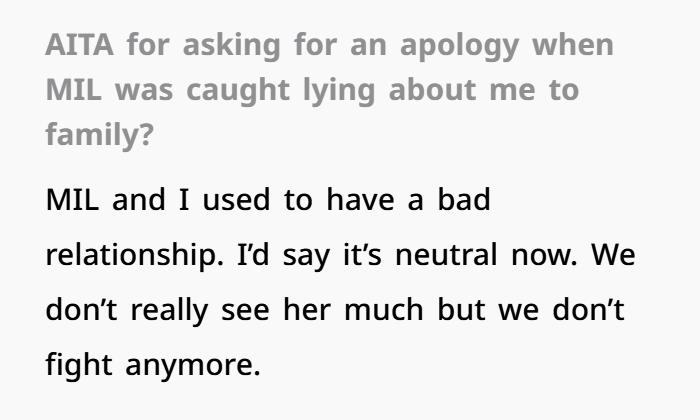
Fast forward years later, and the truth finally comes out—but in the worst way possible. Turns out, the MIL had been telling people that the OP was the one who ruined the dress. That lie didn’t just sit there—it spread. It shaped how people saw her, built resentment, and even led to serious hostility, like her sister-in-law openly saying she wished harm on her. That’s not just drama—that’s long-term reputational damage, something you’d see talked about in emotional abuse or family conflict cases. When confronted, the MIL eventually admitted she lied because she couldn’t explain her own actions. But instead of taking real accountability or offering a genuine apology, she pushed back—acting like it was no big deal. Now the OP is stuck wondering if asking for basic accountability and emotional validation somehow crossed a line… or if she’s just dealing with a situation where responsibility keeps getting avoided.

At first glance, this situation almost sounds ridiculous—like seriously, who lies about cutting up a dress? But when you look closer, it’s not about the dress at all. It’s about long-term emotional damage caused by a lie that just sat there, uncorrected, slowly shaping how people saw her. This is the kind of thing that shows up in family conflict case studies or even reputation management discussions—small lie, big impact over time.
Let’s go back to the beginning, because that part matters more than it looks.
OP was 21 when she got married. That’s still young, especially when you’re dealing with something as stressful (and expensive) as a wedding. At the same time, her MIL was turning 40—and clearly going through something deeper. Not sleeping, not eating, acting unstable… then suddenly turning her birthday into some kind of competition with the wedding. That’s not just awkward behavior. That’s something closer to an identity crisis or emotional instability, the kind of thing often discussed in therapy or mental health spaces.
The competitive behavior says a lot. Trying to outdo the bride, buying better things, focusing on attention—it all points to a need for control or validation. Like she couldn’t handle not being the center of everything for once.
Then comes the dress incident.
OP literally catches her cutting up her own dress. No real explanation, no logic—just “I don’t want to wear it.” Weird, sure. But at the time, it probably felt easier to ignore. Not your dress, not your problem.
Except… it didn’t stay that way.
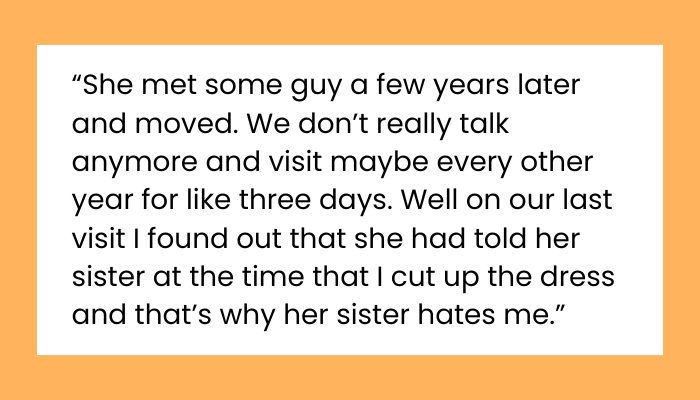
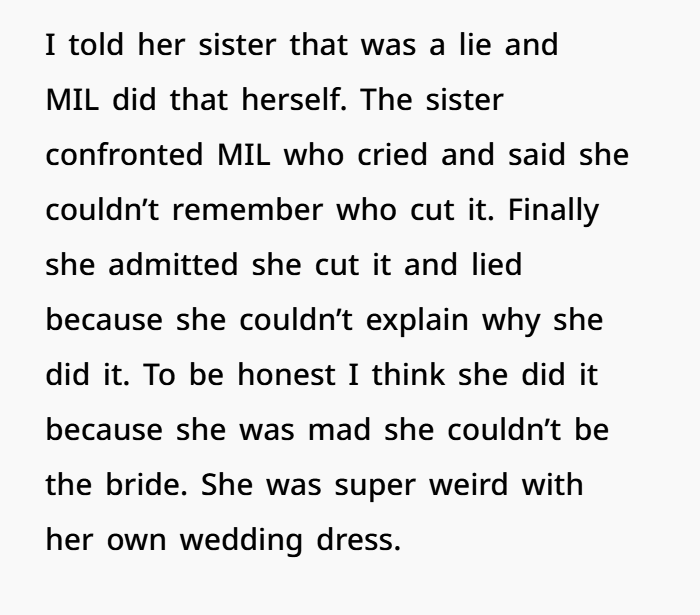
Instead of owning what she did, the MIL rewrote the story. She told her sister that OP was the one who ruined the dress. And that one lie? It didn’t just disappear. It stuck. It shaped how someone else viewed OP for years.
And that’s where this turns serious—long-term reputation damage.
The sister didn’t just dislike OP a little. She built real resentment. Enough to joke about something extreme, like wanting her house to burn down. That level of hostility doesn’t just appear—it’s built over time, usually on a narrative that paints someone as toxic or harmful. And in this case, that narrative was completely false.
That’s the real impact of the lie.
Not the dress. Not the party.
But years of being misjudged without even knowing it.
Now fast forward to the present, when everything finally comes out.
And let’s be real—the way it comes out is messy. Not through a calm conversation, but through a hostile joke that reveals just how deep that resentment went.
So OP corrects it. She tells the truth.
At that point, everything shifts to the MIL.
And her response? First denial (“I don’t remember”), then emotional deflection (crying), and finally partial accountability (“okay, I did it, but I lied because I couldn’t explain why”).
That’s a very human reaction—but it’s also incomplete.
Because admitting the truth isn’t the same as taking responsibility for the consequences.
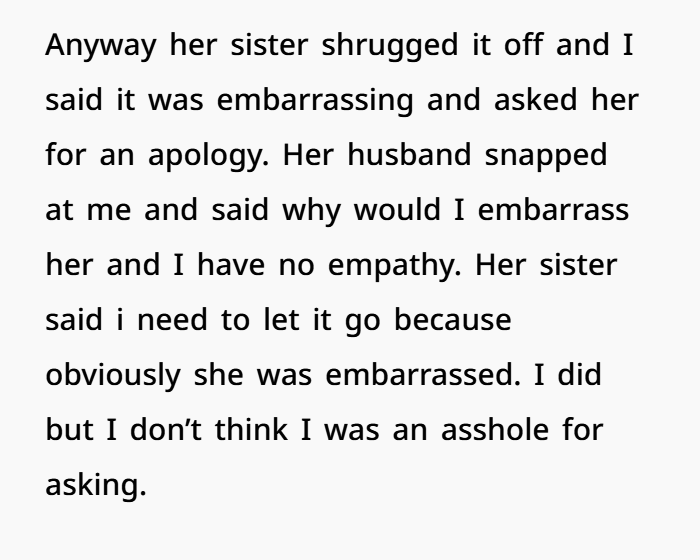
Which brings us to the apology.
OP didn’t scream. Didn’t escalate. Didn’t demand punishment.
She asked for an apology.
That’s it.
And honestly, that’s a very reasonable ask.
In most social and psychological frameworks, an apology serves three purposes:
- Acknowledging harm
- Taking responsibility
- Repairing trust
Without that, the situation just kind of… lingers. Like, yes, the truth is out—but the damage is still sitting there unresolved.
Now here’s where things get frustrating.
Instead of supporting that request, the MIL’s husband and sister flip the narrative.
- “Why would you embarrass her?”
- “You have no empathy.”
- “Just let it go.”
This is a classic example of protecting the person who caused harm instead of the person who experienced it.
And it happens a lot in families.
Why does this happen? Because accountability is uncomfortable. Especially when the person at fault already looks embarrassed or emotional. People start thinking, “well, she feels bad… isn’t that enough?” You see this a lot in family conflict situations and even in therapy discussions around emotional accountability.
But here’s the thing—feeling bad inside and actually fixing the damage outside? Two totally different things.
Embarrassment isn’t accountability.
And asking for an apology isn’t being harsh—it’s about closure. It’s about clearing your name and getting some kind of emotional resolution, something that comes up a lot in mental health and relationship advice spaces.
Now, could OP have handled it differently?
Maybe. She could’ve waited, talked privately, approached it in a softer way. That might’ve reduced the defensive reaction and made things less tense.
But let’s be real—this wasn’t some small mix-up. This was a lie that lasted years and shaped how people treated her. That’s long-term reputational damage. Expecting her to respond in a perfectly calm, controlled way in that moment? Not realistic at all.
There’s also another layer here—delayed emotional response, or what some people call delayed justice.
When you find out you’ve been wronged for years without knowing it, everything hits at once. It’s not just about what’s happening now—it’s about everything that came from that lie. The judgment, the awkward interactions, the quiet resentment you didn’t even understand at the time.
That’s what she reacted to.
Not just the lie itself—but the lost time, the unfair treatment, and the emotional weight of it all finally catching up.
Now, about the MIL’s mental state—it does matter, but only to a certain extent.
If she was genuinely struggling back then—emotionally or mentally—that can explain why she acted irrationally or tried to cover things up with a lie. It gives context. But it doesn’t erase the impact or remove the need for accountability.
But explanation is not exemption.
You can have empathy for someone’s struggles and still expect them to take responsibility for the harm they caused.
Those two things can exist together.
And right now, what OP asked for wasn’t punishment, revenge, or even distance.
It was acknowledgment.
Which is kind of the bare minimum in situations like this.
Finally, let’s address the idea of “just letting it go.”
That advice sounds peaceful, but it often means suppressing valid feelings to keep others comfortable.
Letting go works when the issue has been resolved.
Not when it’s been exposed and immediately brushed aside.
See The Comments Below
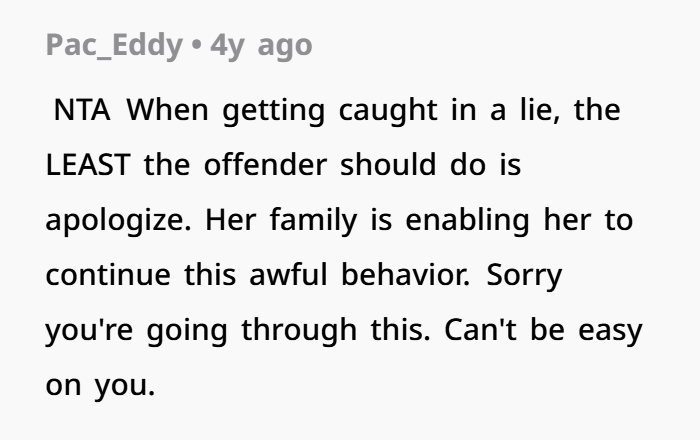
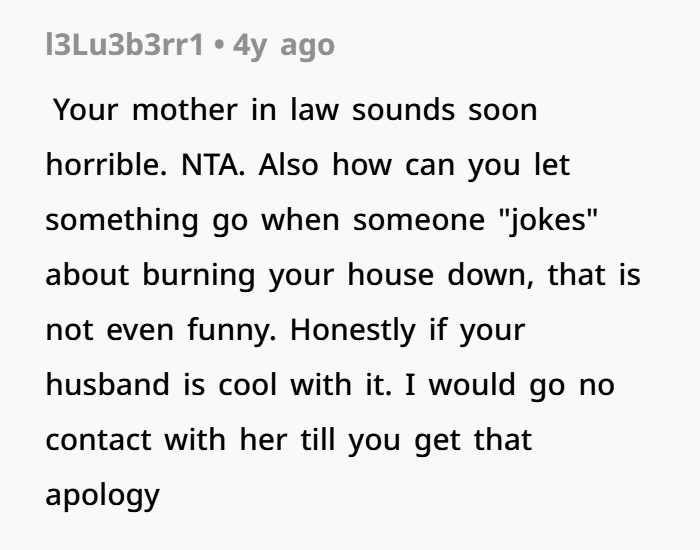
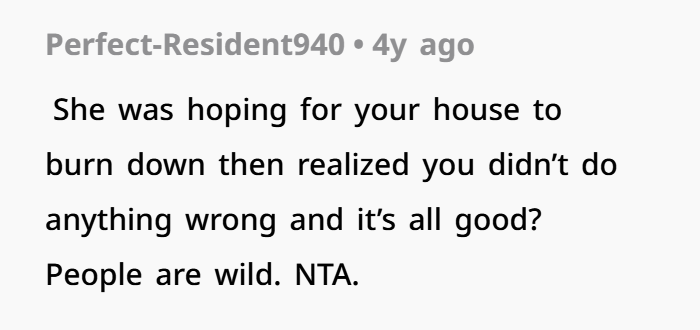
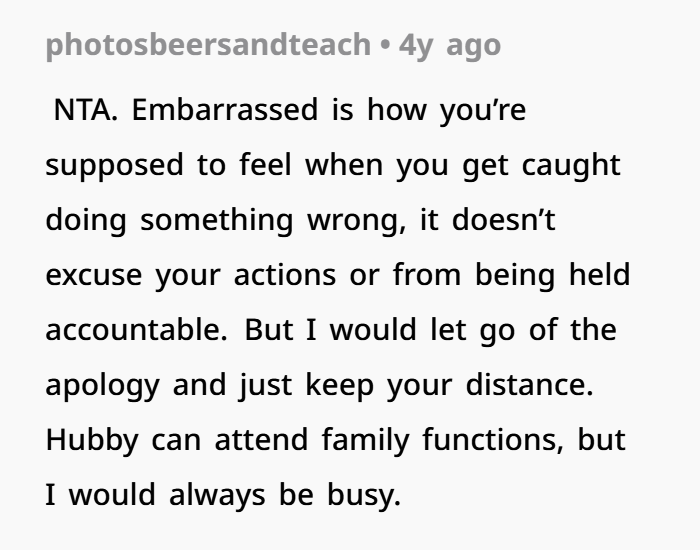
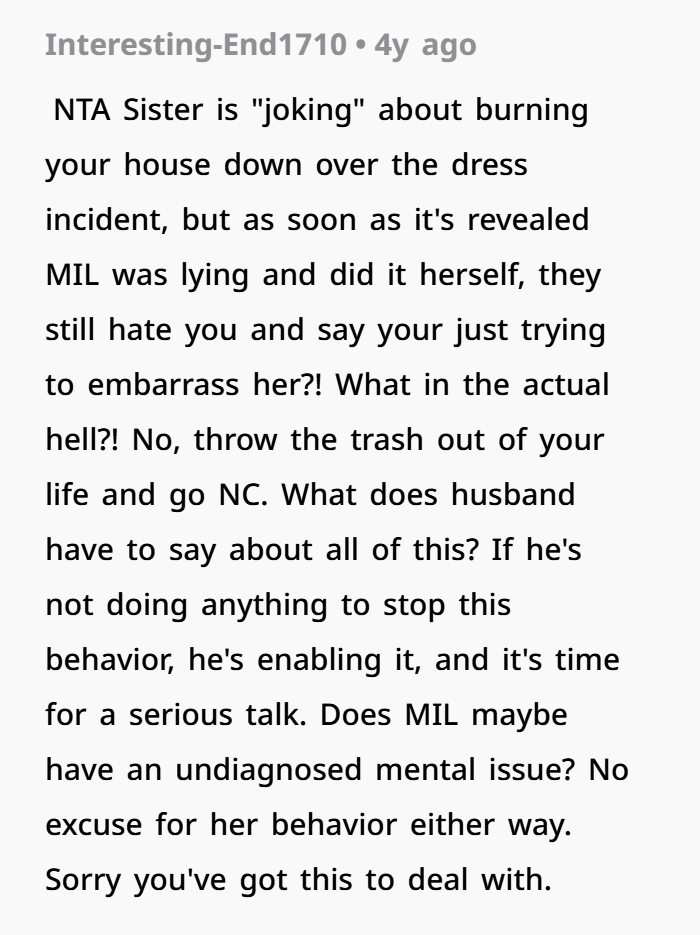
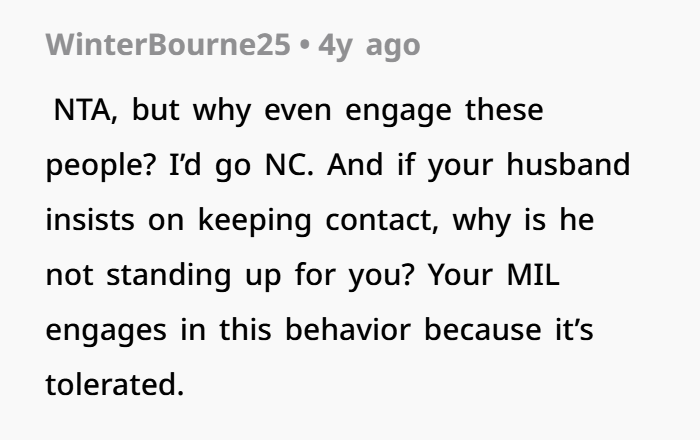
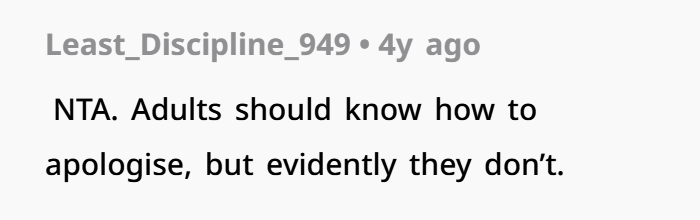
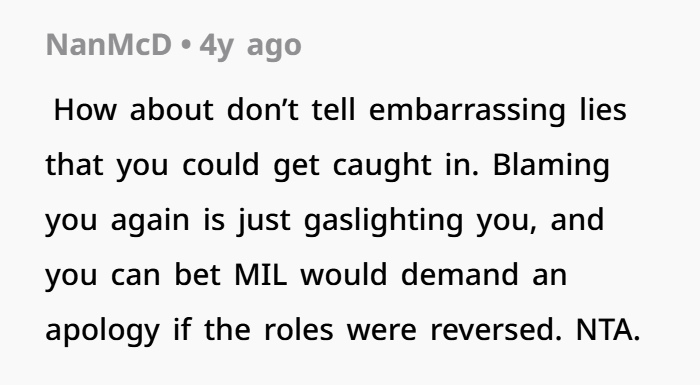
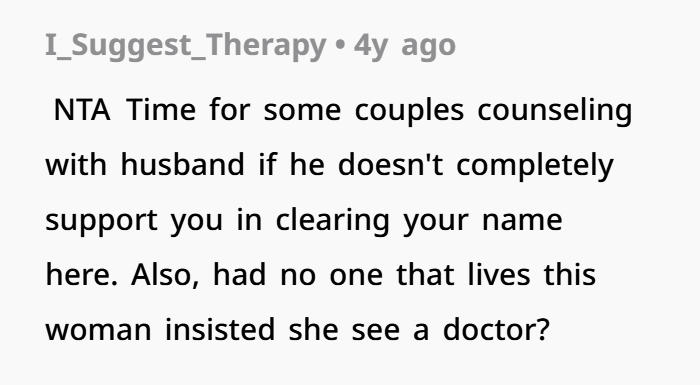
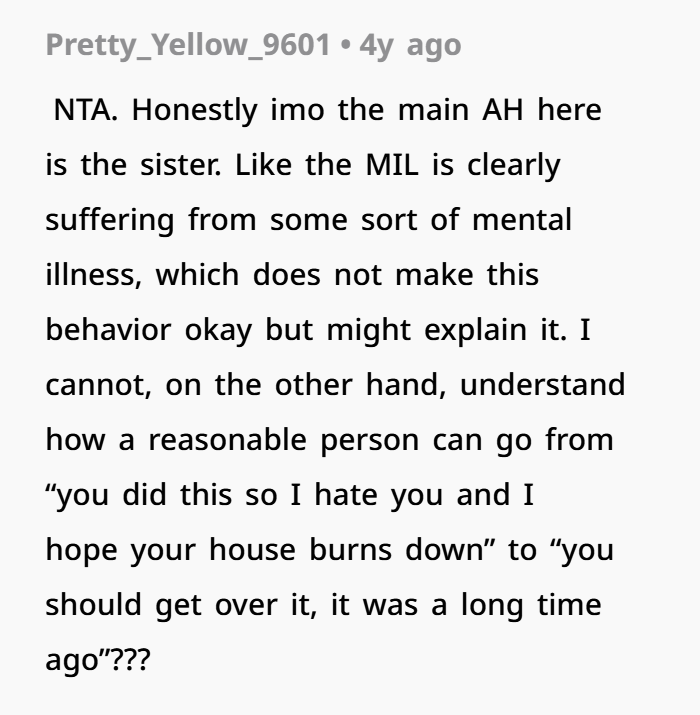
NTA (Not The Asshole)
Asking for an apology after being lied about for years isn’t unreasonable—it’s basic self-respect. Her embarrassment doesn’t erase the impact of what she did.