I Shared One Dinner With My Landlord… Now They Want Every Meal

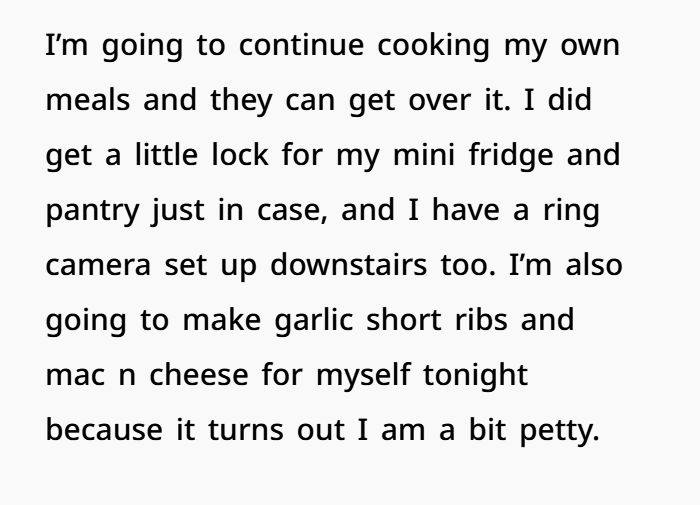
A 31-year-old woman moved into a basement apartment that had been renovated by the owners. The home belonged to a family of three, and the agreement was that she would have her own private apartment area while sharing the kitchen upstairs. The lease stated that everyone would buy their own food and that the landlords’ groceries were not available for her use. She enjoyed cooking and often prepared meals using her own ingredients and kitchen supplies.
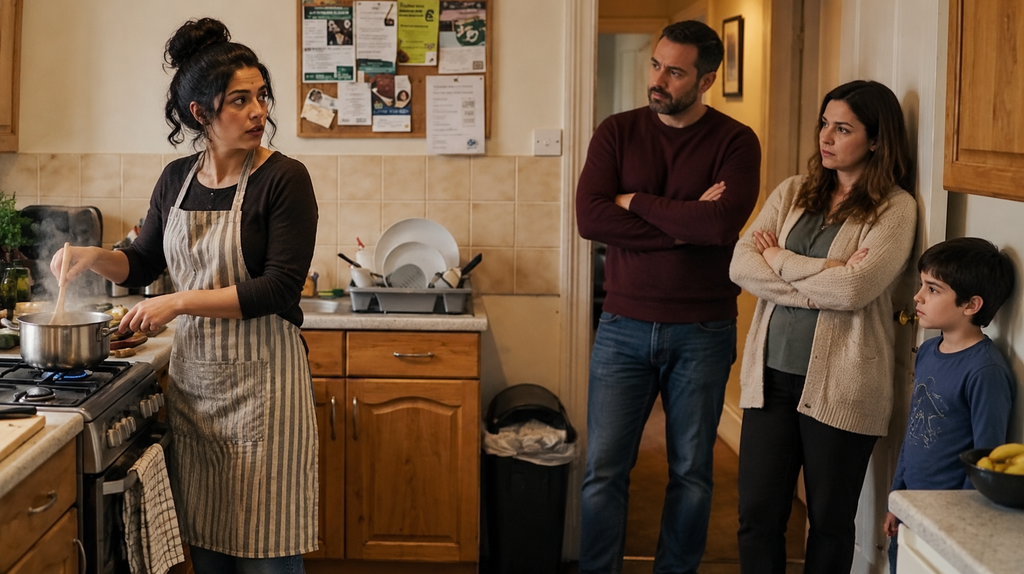
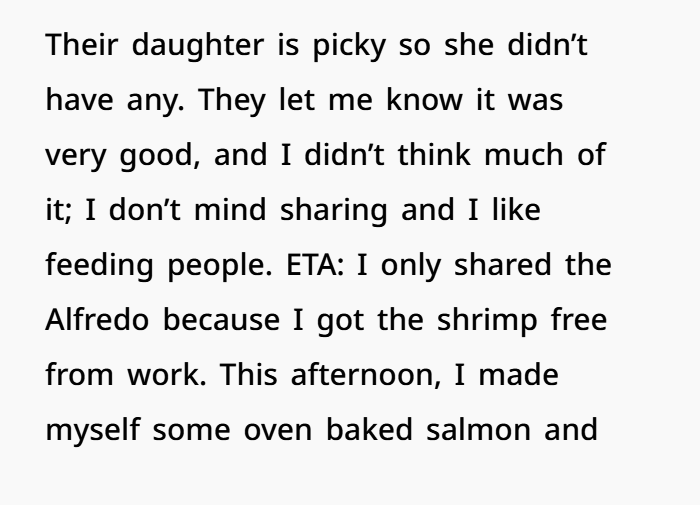
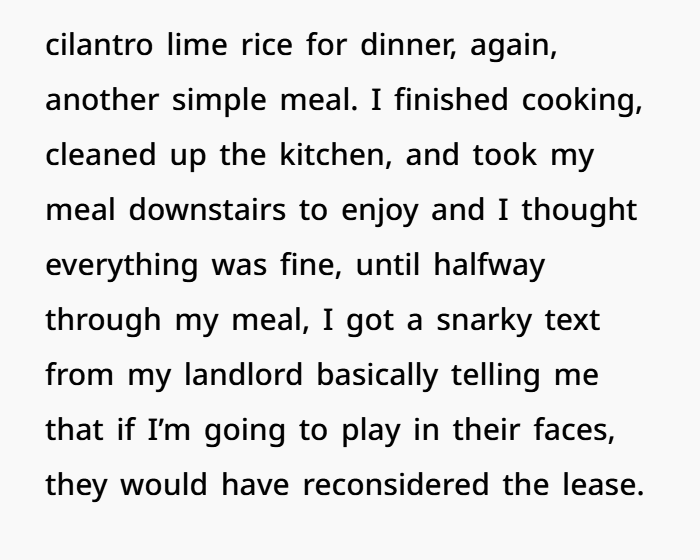
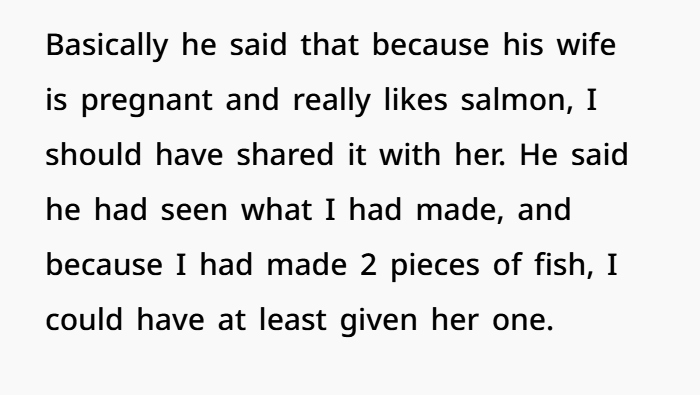
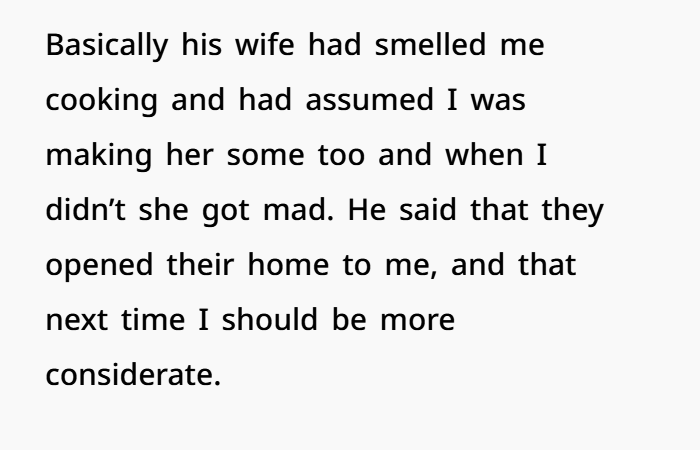
The problem started when she shared a homemade shrimp Alfredo meal with the family shortly after moving in. She offered the food because she had extra and wanted to be welcoming. Later, she cooked a meal of salmon and cilantro lime rice only for herself. She was shocked when her landlord complained and said his pregnant wife wanted some of the food. He believed she should share because they had allowed her to rent their home.
The tenant felt uncomfortable because she believed her kindness was being treated like a responsibility. She explained that she never agreed to provide meals and that her grocery budget was only planned for herself. She felt that a rental agreement should cover important expectations, including privacy, expenses, and shared spaces.
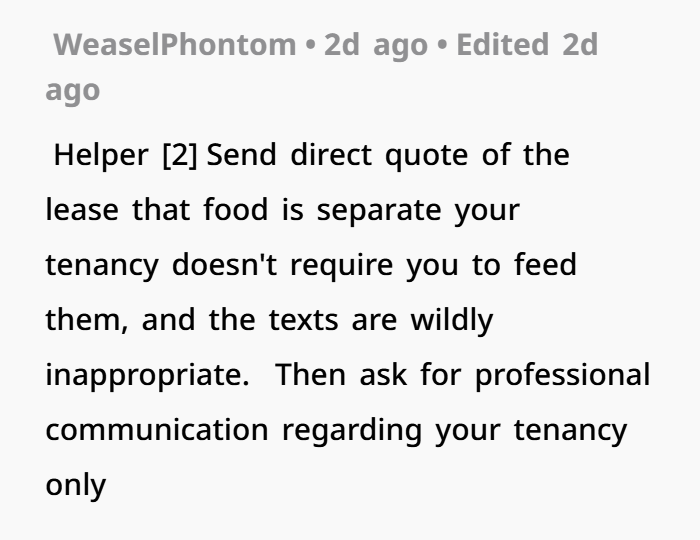
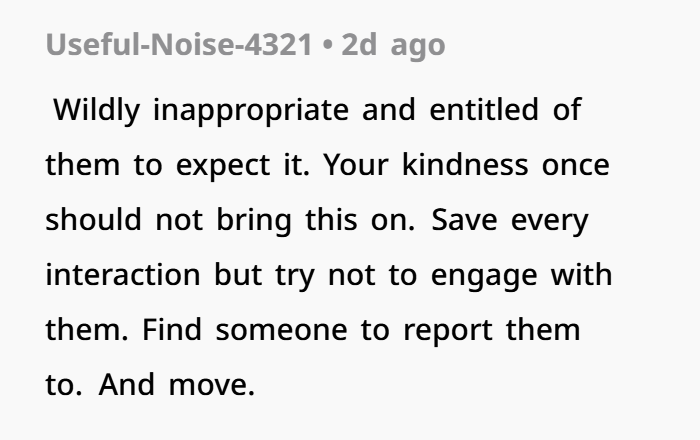
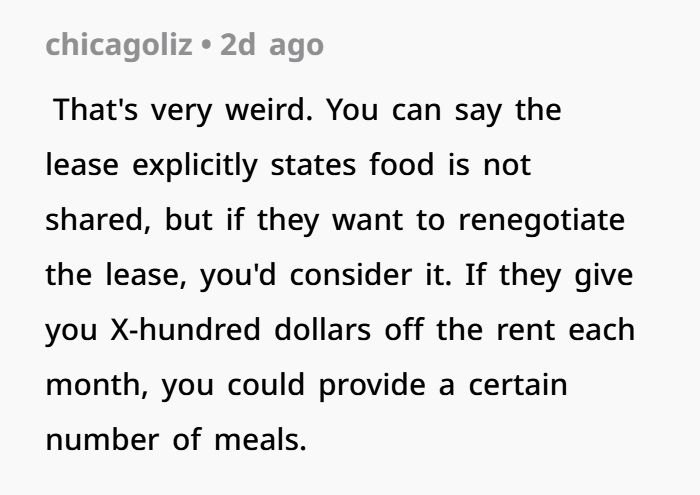
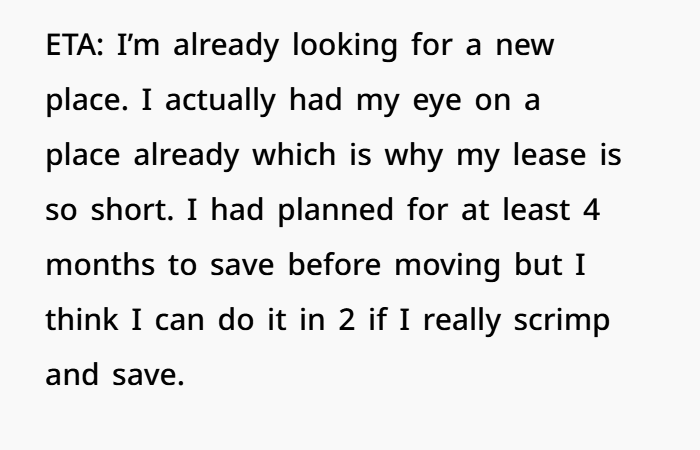
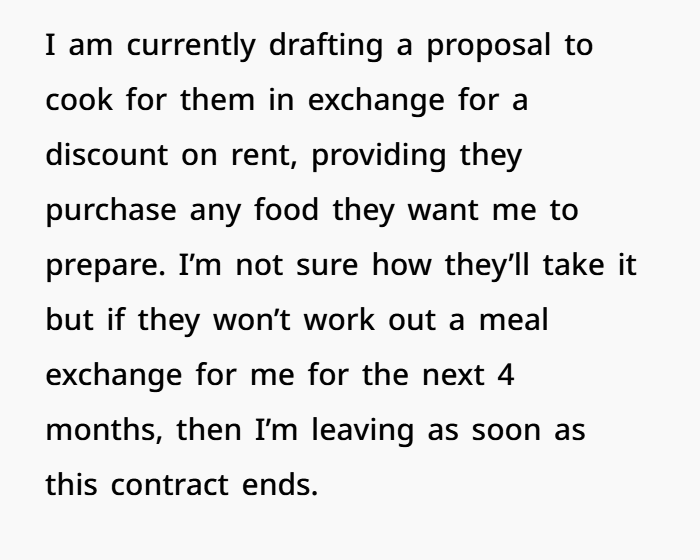
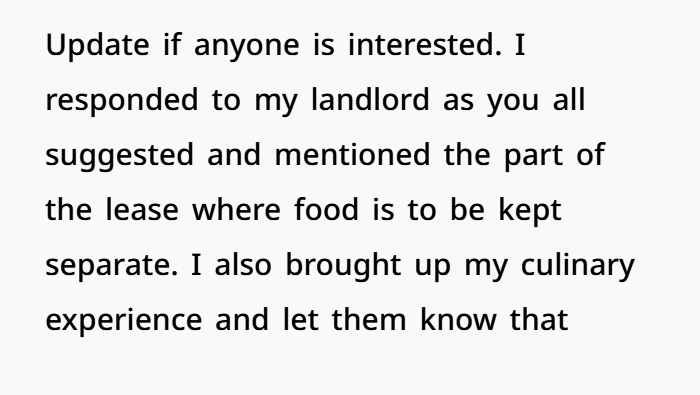
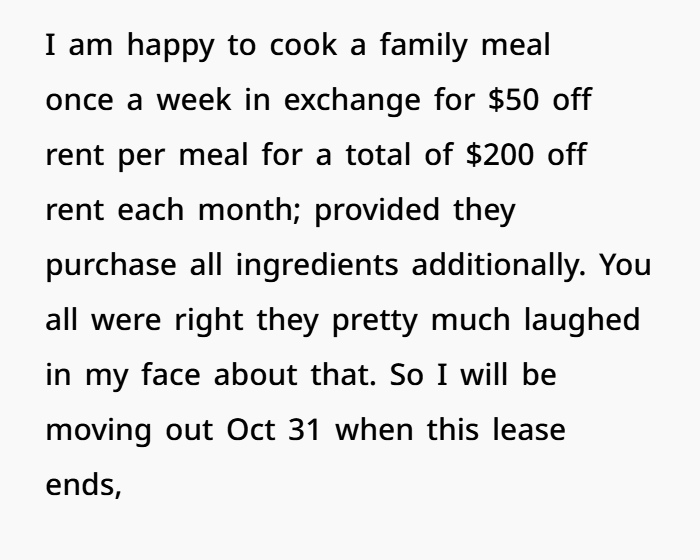
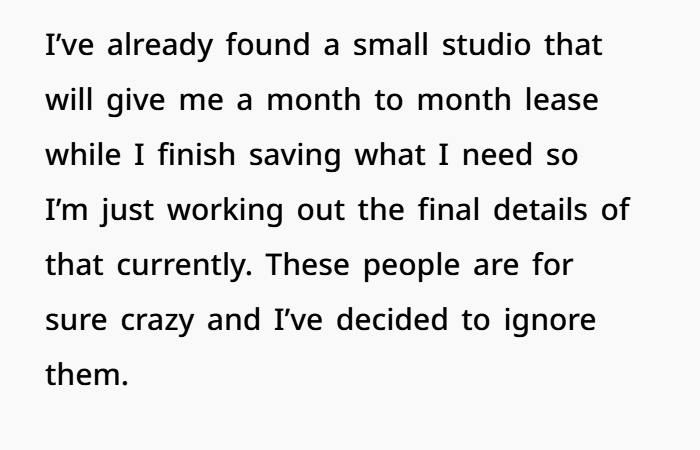
She thought about suggesting a cooking agreement where she would prepare meals in exchange for a lower rent payment. However, after the landlords rejected the idea and continued expecting her to share food, she decided to find another place to live. The story highlights the importance of communication, fair rental arrangements, financial planning, and respecting boundaries in shared living situations.
When Hospitality Turns Into an Unfair Expectation
Sharing food is a simple way people show kindness.
Many people enjoy cooking for others because it helps build friendships and creates a warm feeling at home. This is especially common when people share a living space.
However, problems can happen when a kind gesture slowly turns into something another person expects.
The main issue in this situation is the difference between a gift and an obligation.
A person can choose to share their food, time, and skills. But kindness should always be a choice. It should not become something someone feels forced to do.
A Rental Agreement Does Not Include Free Services
The landlord’s point of view seems to be that because the tenant was allowed to rent the basement apartment, she should do more for the household by sharing her cooking.
But renting a home is a business agreement.
A tenant pays rent to have a place to live. The rental agreement explains what the tenant and landlord are responsible for.
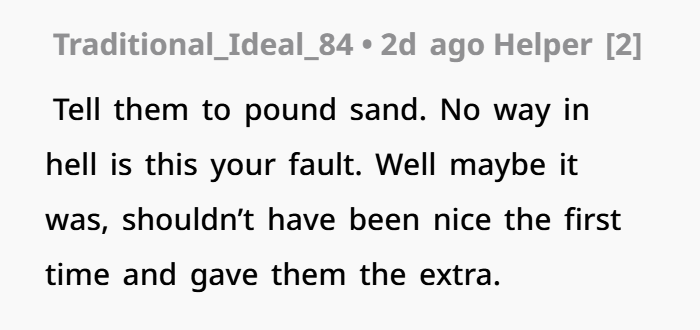
Unless extra duties are clearly included in the agreement, a landlord should not expect a tenant to provide free services like cooking meals.
A healthy landlord-tenant relationship is based on respect, clear communication, and understanding each person’s responsibilities.
Shared Kitchens Can Create Confusing Boundaries
Living in a shared home can sometimes make personal boundaries harder to maintain.
A shared kitchen is one example.
When someone cooks in a common area, other people can see the ingredients, smell the food, and notice what meals are being prepared.
This can sometimes create the feeling that the food is available to everyone.
But a shared space does not mean everything inside that space is shared.
A person’s groceries, meals, and cooking supplies still belong to them.
Buying food, preparing meals, and cooking all require money and effort.
Seeing someone cook does not create a right to their food.
Personal Belongings Should Be Respected
The tenant bought the ingredients, prepared the meal, and planned to eat it herself.
The food was hers.
Sharing a meal can be a thoughtful gesture, but it should happen because someone wants to share, not because they feel pressured.
In any living arrangement, people should respect each other’s personal belongings.
This includes food, money, personal items, and time.
Pregnancy Does Not Mean Someone Must Share Their Things
The landlord mentioned that his wife was pregnant.
Many people understand that pregnancy can be an emotional and important time. It is natural to want to support someone who is expecting a baby.
However, pregnancy does not mean someone else is automatically entitled to another person’s belongings or work.
The tenant prepared the meal for herself.
Wanting to share food is understandable, but expecting someone to give it away changes kindness into a requirement.
Cooking Takes Time and Effort
Some people love cooking.
They may enjoy creating meals and trying new recipes.
But enjoying cooking does not mean their work has no value.
Preparing a meal often includes:
- Planning what to make
- Buying ingredients
- Spending time cooking
- Cleaning afterward
- Using personal skills
A person may enjoy a hobby, but they still get to decide when and how they share that skill.
This applies to cooking, baking, gardening, repairing things, and many other activities.
Enjoyment does not remove the value of someone’s time.
A Clear Agreement Can Prevent Problems
The tenant tried to find a fair solution.
She offered to prepare regular meals for the family in exchange for a lower rent price, while asking the landlords to cover the cost of ingredients.
This would have created a clear agreement.
The tenant would receive something in return for her work.
The landlords would receive meals.
Clear agreements are important because they prevent confusion and help both sides understand expectations.
A favor is different from a paid arrangement.
Small Favors Can Turn Into Bigger Expectations
Many problems in shared housing start with a small request.
Someone does something kind once, and others begin expecting it again.
The first shared meal may have been a friendly gesture.
But when people start assuming they deserve future meals, the situation changes.
This is why setting boundaries early is important.
Healthy boundaries help protect relationships and prevent misunderstandings.
Respect Matters in Shared Living Situations
The decision to move out was likely not only about one meal.
The bigger issue was whether the tenant felt respected in her home.
A healthy shared living arrangement requires:
- Respect for personal belongings
- Clear expectations
- Honest conversations
- Understanding of boundaries
People can be friendly and helpful without giving up their independence.
Being generous is a positive quality.
But generosity works best when it comes from kindness, not pressure or guilt.
A good landlord-tenant relationship is built on mutual respect. Everyone should feel comfortable in their own home and know that their time, money, and personal choices are valued.
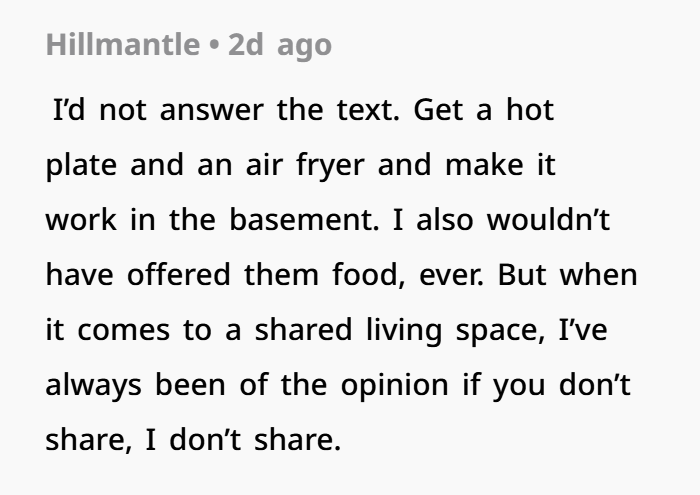
See The Comments Below