My Friend Blamed Me for His Dad’s Death Because I Took a Vacation — AITA?


A woman shared an emotional story about a friendship disagreement that involved money and difficult life choices. She had saved money for a personal goal, which was buying a laptop. When her husband gave her one as a gift, she decided to spend the saved money on a beach vacation with her daughter. For her, the trip was a chance to enjoy quality family time and create happy memories.
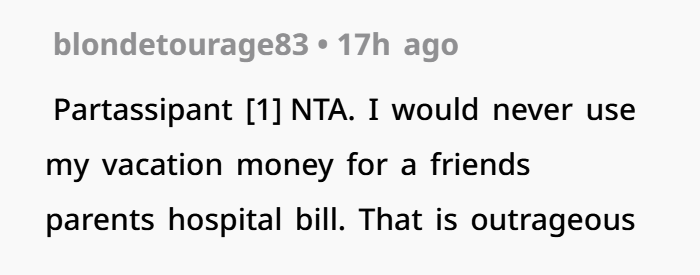
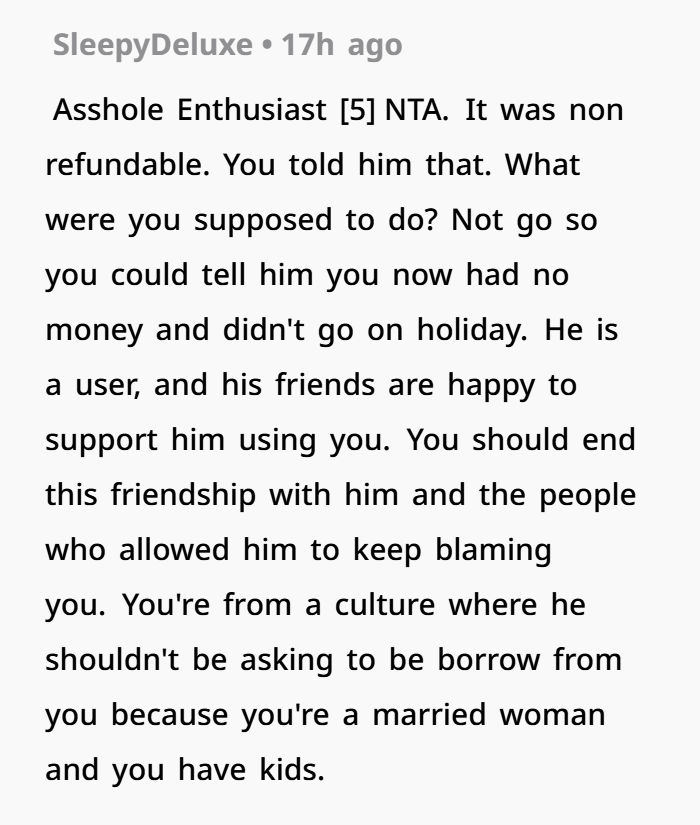
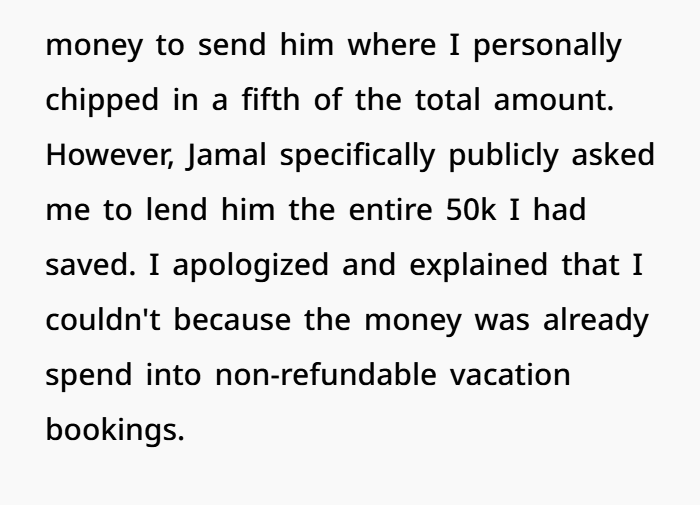
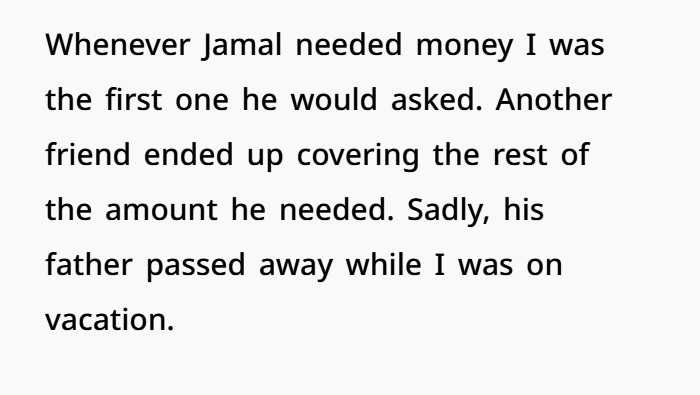
Around the same time, her friend Jamal’s father became seriously ill after suffering a stroke. Jamal needed help with medical expenses, and the woman wanted to support him. She contributed money with their friends, but she did not give him her entire savings because her vacation was already booked and she could not get the money back.
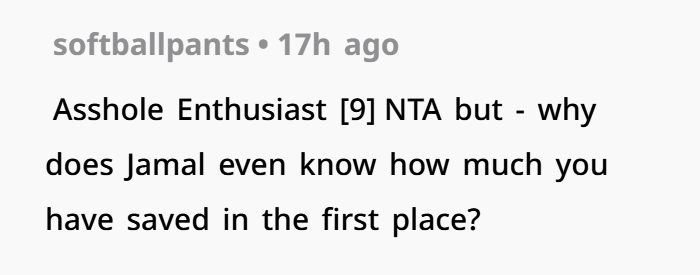
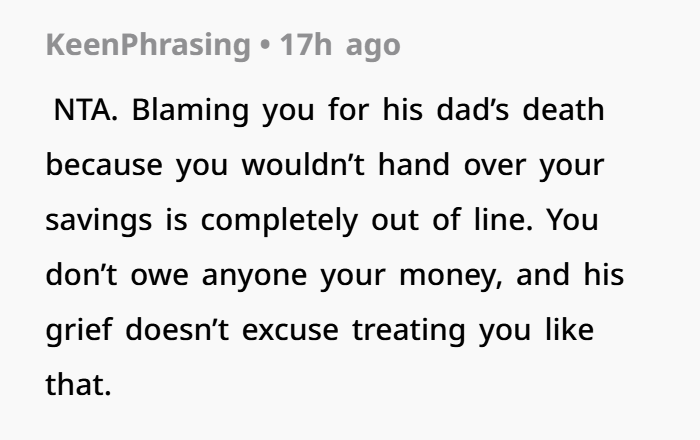
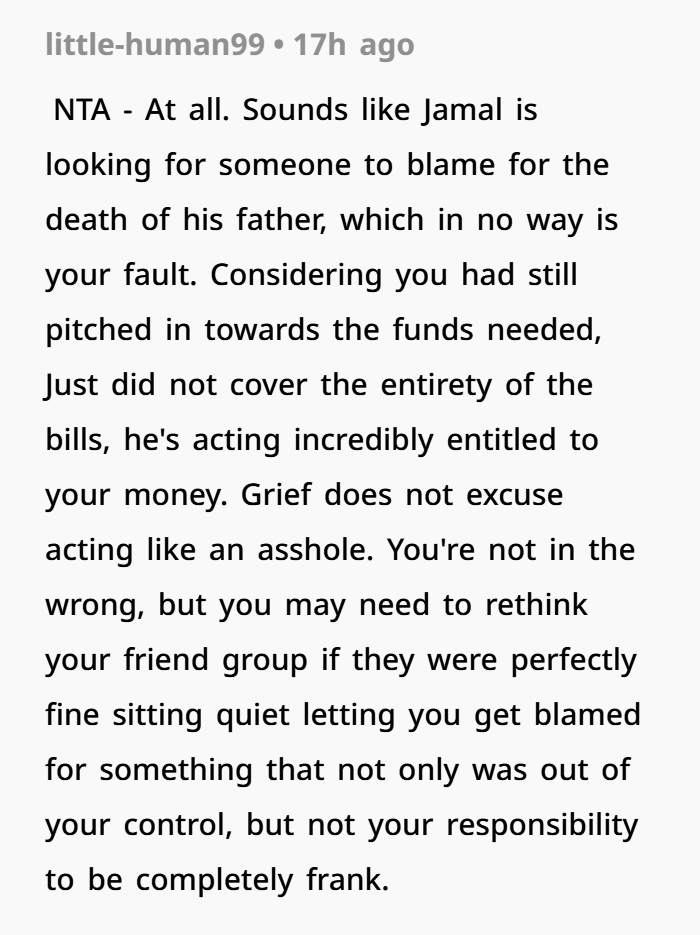
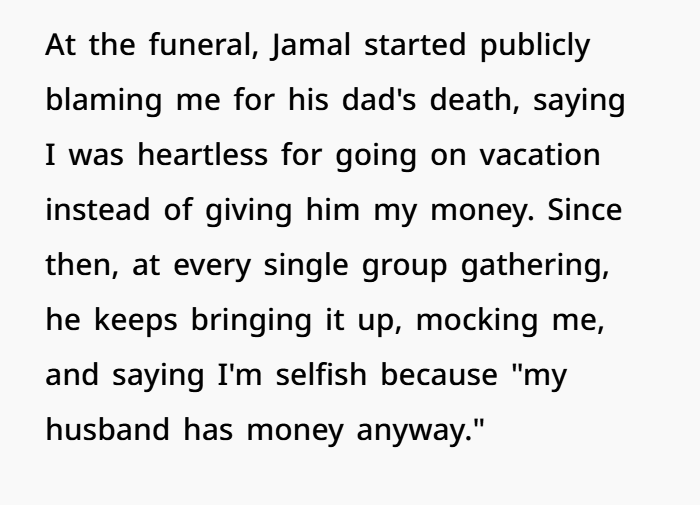
After Jamal’s father passed away, he started blaming her for not giving more money. He said her savings might have helped his father. The woman felt deeply hurt because she had tried to help, and she felt that her own personal needs and family plans were being ignored.
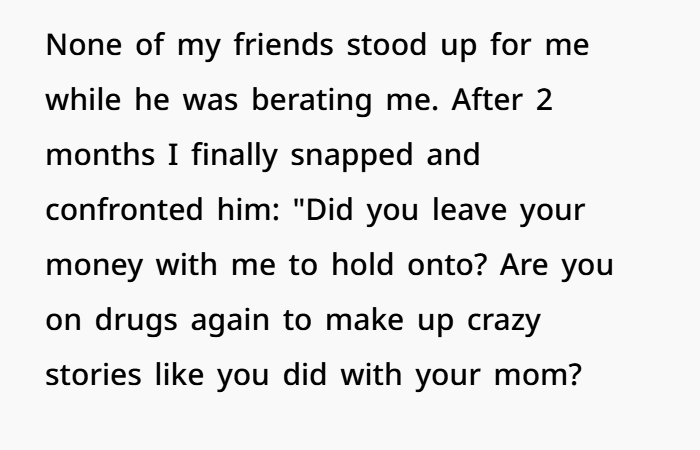
The conflict continued until she finally decided to speak up. She told Jamal how painful his comments had been, but she later felt guilty about the way the conversation happened. At the same time, she felt let down by her friends for staying quiet. The story reflects the challenges people face when managing personal finance, family responsibilities, and friendships during difficult times.

Was She Responsible for Paying Her Friend’s Father’s Medical Bills?
Money, friendship, and difficult life situations can sometimes become very complicated. When a family faces a serious health emergency, emotions can become very strong. People may feel sadness, stress, fear, and anger.
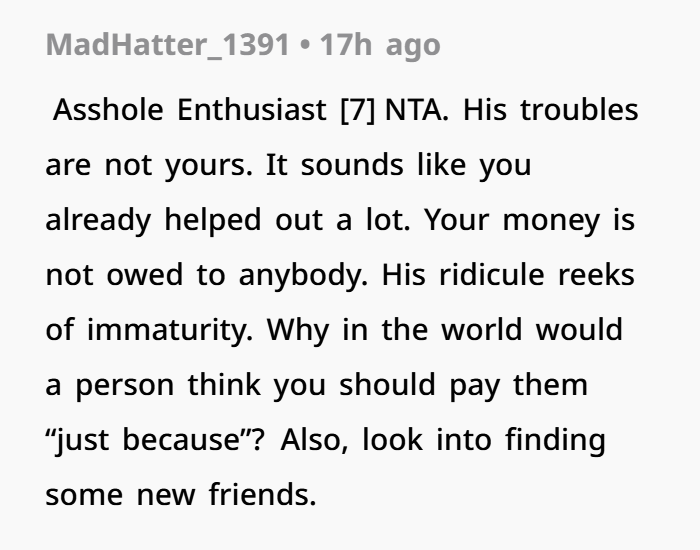
A story like this often creates a big debate. Some people feel sorry for the son who lost his father and wonder if more financial help could have changed the situation. Others believe that a person should not be blamed for protecting their own savings and personal finances.
The main question is simple: Was she really responsible for paying her friend’s father’s medical bills?
Medical Emergencies Can Create Financial Pressure
When someone has a serious medical problem, hospital expenses can become very high. Conditions like strokes, surgeries, and long-term treatments can create unexpected healthcare costs for families.
Many people struggle to manage sudden medical bills. They may look for help from:
- Family members
- Friends
- Community support
- Charity programs
- Medical fundraising websites
- Health insurance plans
- Personal savings
Asking for financial help during a medical emergency is understandable. However, there is a difference between asking for support and expecting someone else to give up their own money.
A friend may choose to help because they care. But helping someone financially is usually an act of kindness, not a responsibility.
Friends Can Help, But They Are Not Always Responsible
Friendship is built on trust and care. Good friends often support each other during difficult times. They may offer emotional support, spend time together, or provide financial help if they are able to do so.
But every person has their own financial responsibilities.
Someone may be saving money for:
- Emergency savings
- Education
- Family needs
- Future plans
- Important personal goals
Using personal savings to help someone else is a personal decision. A person should not be forced to give away their money because they feel guilty or afraid of being judged.
Financial decisions are personal. Everyone has the right to decide how they manage their own income and savings.
Understanding Financial Boundaries
Many people find it hard to say no when a friend or family member asks for money. They worry that refusing help will make them look uncaring.
This is why financial boundaries are important.
Having healthy money boundaries means understanding that you can care about someone without putting your own financial security at risk.
For example, someone can say:
“I care about you, but I cannot use all of my savings for this situation.”
This does not mean they do not care. It means they are making a responsible financial choice.
Problems happen when someone uses guilt or emotional pressure to force another person into giving money. Support should come from a place of kindness, not from fear or pressure.
Grief Can Bring Strong Emotions
Losing a parent is one of the hardest experiences a person can face. Grief can affect the way people think and behave.
After a loss, some people feel anger, sadness, confusion, or regret. They may think about what could have happened differently. Sometimes, they may look for someone to blame because they are struggling with their pain.
These feelings are understandable. However, grief does not give someone the right to hurt another person.
A person can be going through a difficult time and still be responsible for how they treat others.
Blaming someone for a loved one’s death, especially when that person was not responsible, can cause emotional harm.
Is She Legally Responsible for the Medical Costs?
In most situations, a friend is not legally responsible for another adult’s medical expenses.
Healthcare costs are usually the responsibility of the patient, their family, insurance providers, or other official support systems.
There may be special situations involving legal agreements or specific responsibilities. But simply being a friend does not usually create a legal duty to pay someone else’s hospital bills.
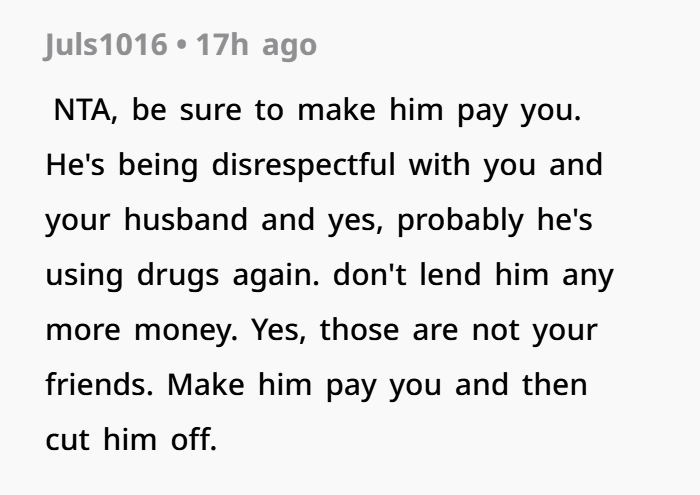
Choosing not to spend personal savings on another person’s treatment is generally a personal financial decision.
The Bigger Problem: Rising Healthcare Costs
This story also shows a larger issue many families face: the increasing cost of healthcare.
Medical emergencies can affect a family’s financial stability. Even people who plan carefully can struggle when unexpected health problems happen.
This is why many experts encourage people to focus on:
- Building an emergency fund
- Planning for healthcare expenses
- Understanding health insurance options
- Creating a personal budget
Financial planning can help people feel more prepared when unexpected costs appear.
The Role of Friends During Conflict
In situations like this, people often focus only on the two people involved. But the actions of the friend group can also matter.
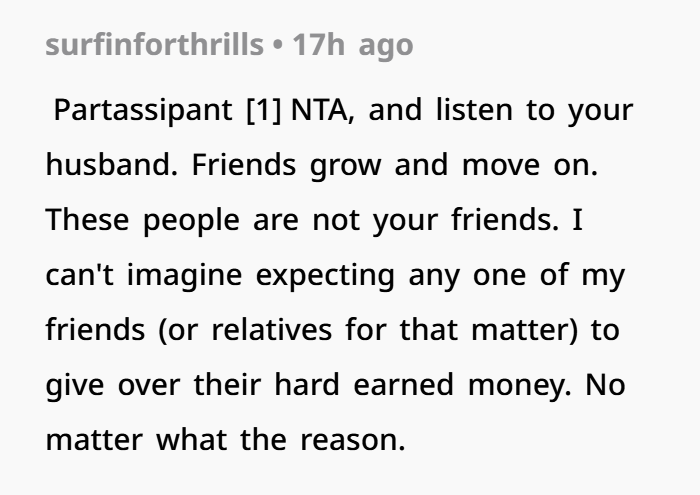
When someone is being blamed or criticized for months, silent friends may accidentally allow the problem to grow.
A healthy friendship requires honesty and respect. Friends should be able to support each other while also respecting personal choices.
Helping someone does not mean accepting unfair treatment.
When Arguments Become Hurtful
After facing repeated blame and criticism, it is normal for someone to feel angry. Sometimes people say harsh things when they feel attacked.
However, hurtful words can make a difficult situation even worse.
In this situation, two things can be true:
One person’s blaming behavior may have been unfair, and the other person’s angry response may have caused additional pain.
The best way to handle serious conflicts is through calm communication and mutual understanding.
The Real Lesson About Money and Friendship
This story is not only about medical bills. It is about friendship, responsibility, money management, and personal boundaries.
Helping someone during a medical emergency can be a beautiful act of kindness. But support should always come from choice, not from guilt or pressure.
People can care about their friends while also protecting their own savings, financial goals, and future plans.
A strong friendship is not based on how much money someone gives. It is based on respect, understanding, and genuine support.
Top Comments From Readers