Serving Time In These Prisons Is Basically A Death Sentence

Prisons, also called correctional facilities, are designed to hold people who have been found guilty of breaking the law. Some people stay there for a short time, while others spend many years or even the rest of their lives inside.
The main purpose of a prison is to remove a person’s freedom as part of their sentence. However, some prisons around the world are known for extremely difficult conditions that make daily life very challenging.
In some high-security prisons, strict rules, limited freedom, and crowded living spaces can create a stressful environment. Inmates may face serious challenges related to safety, healthcare, and basic living conditions.
Not everyone in prison has been convicted. Some people are held in detention while waiting for their trials. This means they are still going through the legal process and have not received a final decision from a court.
From famous prisons in the United States to strict correctional facilities around the world, these places show the many challenges connected with the prison system. Their stories also highlight important discussions about safety, justice, rehabilitation, and human rights.
Camp 14, North Korea
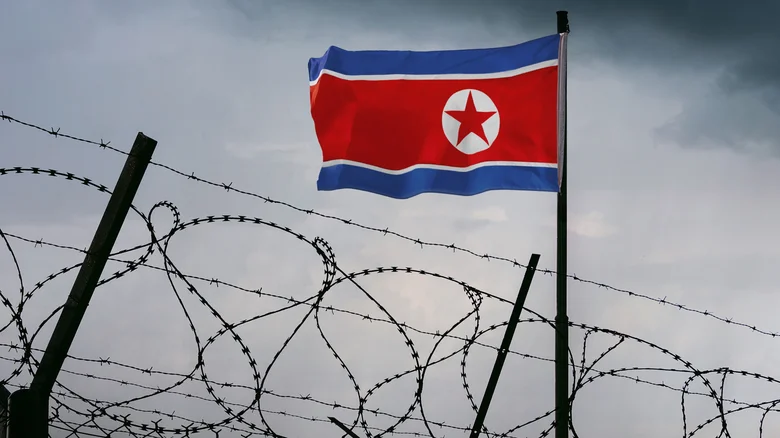
Deep inside North Korea’s prison system is a place known as Camp 14. The government describes it as a type of correction facility, but human rights researchers have reported that it functions as a forced labor camp.
According to reports, people held there have faced extremely difficult conditions, including hard labor, strict control, and limited access to basic needs. Many former prisoners have described long working hours, harsh treatment, and a life filled with fear.
Some areas of the camp are reported to have been designed for people who are never expected to leave. Those held there may spend many years under strict supervision without a normal legal process.
Much of the information about Camp 14 became known through the story of Shin Dong-hyuk, a former prisoner who escaped and shared his experiences. He described growing up inside the camp and living under constant rules and pressure.
His accounts included claims of forced labor, severe punishment, and a system where prisoners were encouraged to report on each other. These stories have drawn international attention to concerns about human rights and prison conditions in North Korea.
Camp 14 remains one of the most discussed examples of alleged human rights issues in the modern world. Reports about the facility continue to raise important questions about justice, freedom, and the treatment of prisoners.
San Pedro, Bolivia
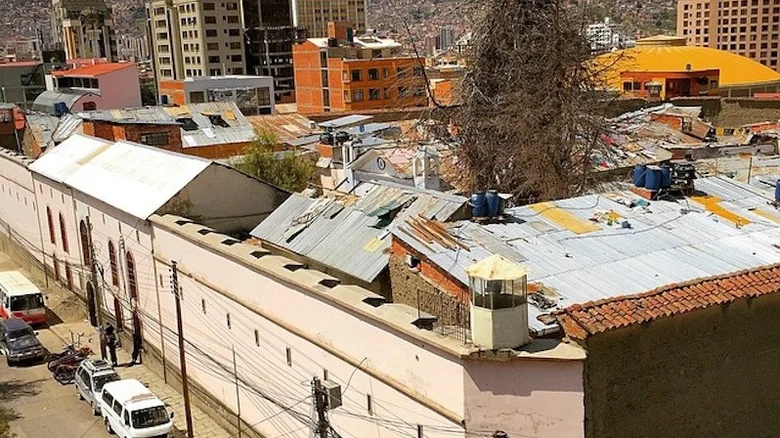
San Pedro Prison in La Paz, Bolivia, became known as one of the most unusual prison systems in the world. It was originally created as an attempt to make prison life more family-friendly by allowing some inmates to stay with their relatives.
Over time, the prison changed in unexpected ways. The facility, which was designed for a much smaller number of people, became home to thousands of inmates and family members. Some children have even grown up inside the prison.
San Pedro is often described as a small community behind prison walls. Reports have mentioned that it has shops, restaurants, and other services that are usually found in a normal neighborhood.
Life inside the prison is not the same for everyone. Some inmates with more money have access to better living spaces and more comfort, while poorer prisoners may live in much harder conditions. This difference has created a strong social divide inside the facility.
The prison has also been reported to have its own internal rules and leadership systems created by inmates. Authorities mainly control the outside of the facility, while daily life inside has often been managed by prisoner groups.
San Pedro Prison shows the challenges that can happen when a correctional system becomes difficult to control. Its history has raised many discussions about prison reform, safety, rehabilitation, and the rights of people living inside correctional facilities.
ADX Florence, US
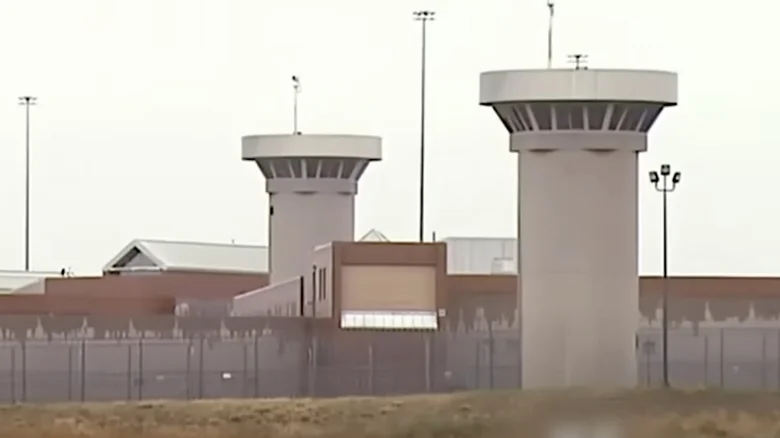
Hidden in the mountains of Colorado, ADX Florence is known as one of the highest-security federal prisons in the United States. It holds some of the country’s most dangerous criminals, including people convicted of terrorism, serious violent crimes, and major organized crime cases.
The prison has held several well-known inmates, including Ted Kaczynski, also known as the Unabomber, and Joaquín “El Chapo” Guzmán, a former Mexican drug cartel leader. ADX Florence was built with strong security measures designed to prevent escapes, and no inmate has successfully escaped from the facility.
Life inside ADX Florence is extremely controlled. Many prisoners spend most of their day alone in small concrete cells. Their rooms include basic items such as a concrete bed, a desk, a stool, and a shelf.
Inmates have very limited contact with other people. They usually eat alone, exercise separately, and have restricted communication with the outside world. Their daily routine is highly structured and focused on security.
The prison allows certain personal items, such as books and letters, but many activities are limited. The strict conditions have led to discussions about prison safety, isolation, and the effects of long-term confinement.
ADX Florence remains one of the most secure correctional facilities in the world and continues to be studied as an example of maximum-security prison systems.
Arthur Road Jail, India
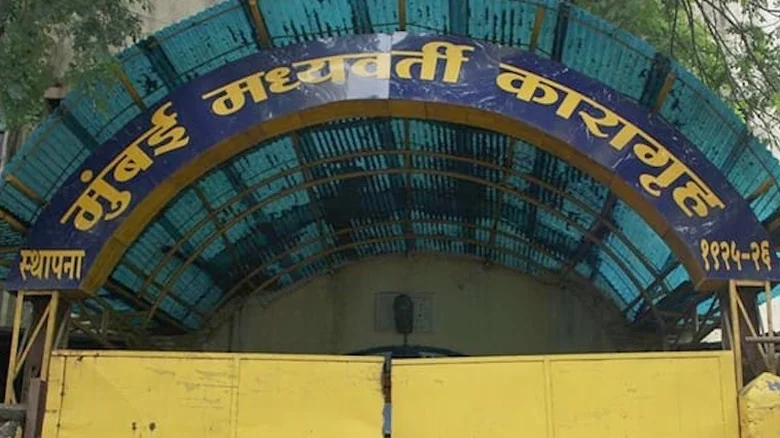
Located in Mumbai, India, Arthur Road Jail is one of the city’s oldest and most well-known prisons. Over the years, it has faced major challenges related to overcrowding and prison conditions.
The facility was built for a much smaller number of inmates, but reports have said that the prison population has grown far beyond its original capacity. Many people inside are waiting for court decisions and have not yet received a final sentence.
Overcrowding has made daily life difficult for many prisoners. Limited space, shared sleeping areas, and crowded facilities have created serious challenges for hygiene and comfort.
Reports have also raised concerns about access to basic needs, including food, healthcare, and clean living conditions. In a crowded environment, maintaining safety and proper facilities can become very difficult.
Like many overcrowded prisons around the world, Arthur Road Jail has faced concerns about security and the treatment of inmates. These issues have led to discussions about prison reform, better facilities, and improving conditions inside correctional systems.
The situation at Arthur Road Jail highlights the importance of creating safer and more effective prison systems that support justice, rehabilitation, and basic human dignity.
Zahedan Central Prison, Iran
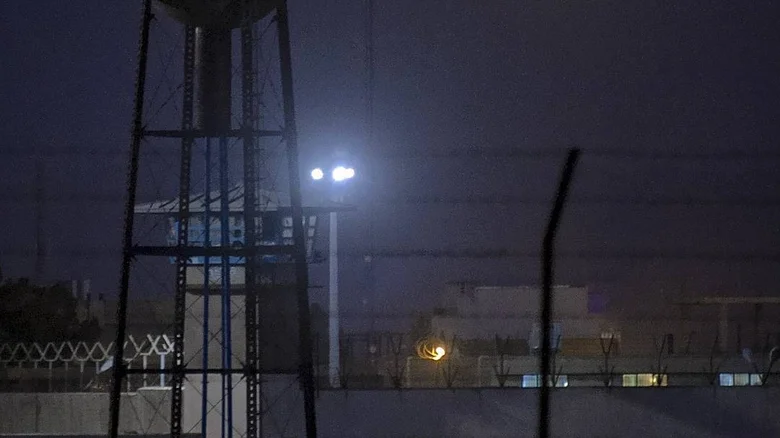
Zahedan Central Prison in Iran is one of the country’s most talked-about correctional facilities. Reports have raised concerns about overcrowding, prison conditions, and the treatment of some inmates.
The prison holds thousands of people, including regular prisoners and political detainees. Human rights organizations have reported concerns about the treatment of prisoners and the conditions inside certain sections of the facility.
Former prisoners and international groups have shared accounts of harsh conditions, limited resources, and strict security measures. These reports have led to global discussions about human rights and prison reform.
CECOT, El Salvador
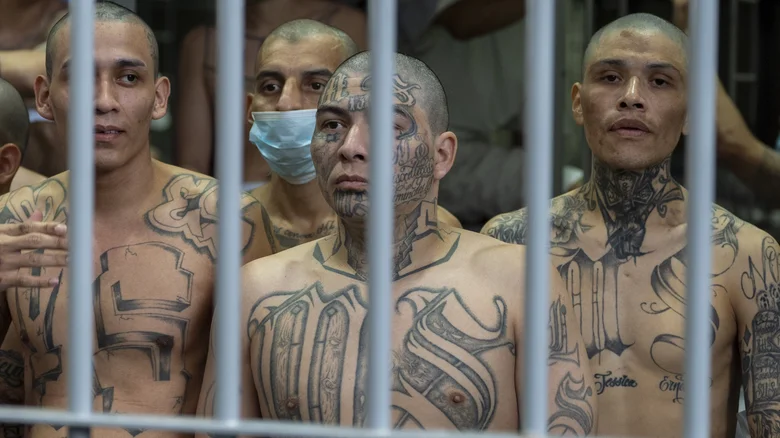
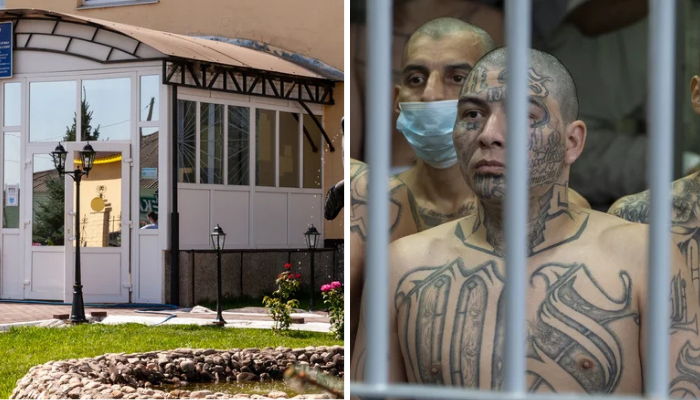
CECOT, also known as the Center for Terrorism Confinement, is a high-security prison in El Salvador. It was created as part of the government’s effort to fight gang violence in the country.
The large facility was built to hold tens of thousands of inmates and has become one of the most well-known prisons in Latin America. It mainly houses people accused of serious gang-related crimes.
Life inside CECOT is highly controlled. Prisoners follow strict routines, have limited movement, and are under constant security monitoring.
The prison has received both support and criticism. Government officials describe it as a strong response to crime, while human rights groups have raised concerns about detention practices and living conditions.
Manila City Jail, the Philippines
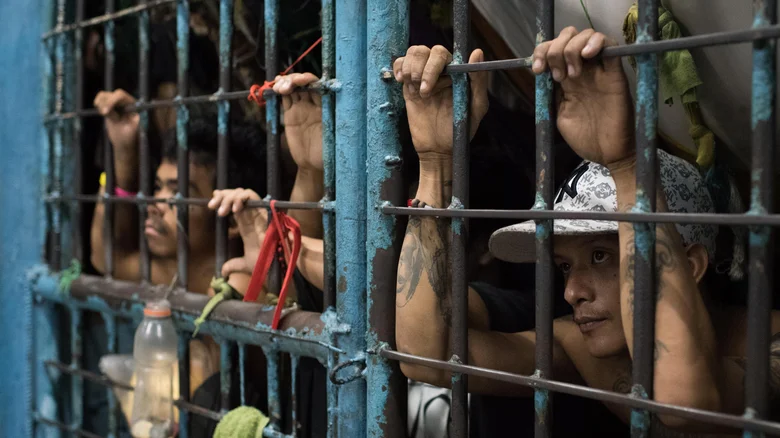
Manila City Jail is one of the most overcrowded prisons in the Philippines. The facility was built for far fewer inmates than it currently holds.
Because of overcrowding, many prisoners have faced challenges related to space, healthcare, and daily living conditions. Some inmates are also waiting for their court decisions and have not yet been convicted.
The situation has increased calls for prison reform, better facilities, and improvements in the justice system.
Black Dolphin Prison, Russia
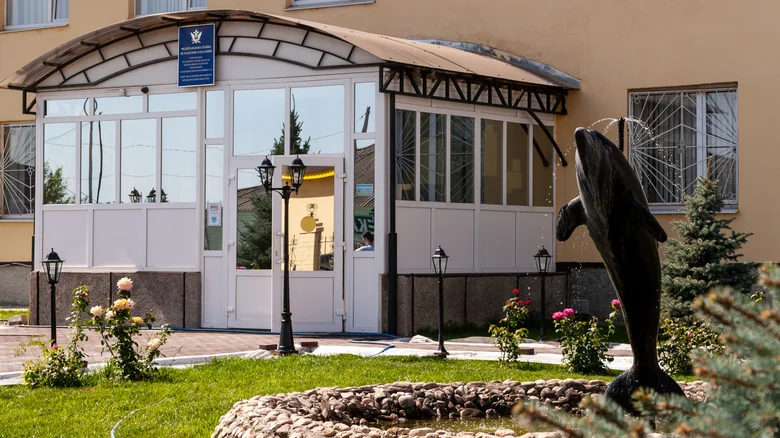
Black Dolphin Prison is a maximum-security facility in Russia known for holding some of the country’s most serious offenders.
The prison has strict security rules and houses inmates convicted of crimes such as terrorism and multiple violent offenses.
Prisoners follow highly controlled routines with limited movement and close supervision. The facility has become a symbol of strict maximum-security prison systems.
Black Beach Central Prison, Equatorial Guinea
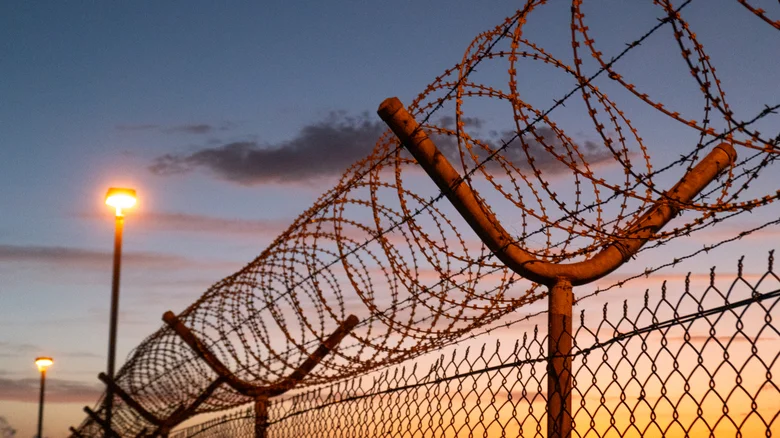
Black Beach Central Prison is one of the most discussed prisons in Equatorial Guinea. Reports about the facility have mentioned concerns related to overcrowding, healthcare, and basic living conditions.
International organizations have raised concerns about prison safety and the treatment of inmates. The prison has become part of larger discussions about justice and human rights in the country.
Bang Kwang Central Prison, Thailand
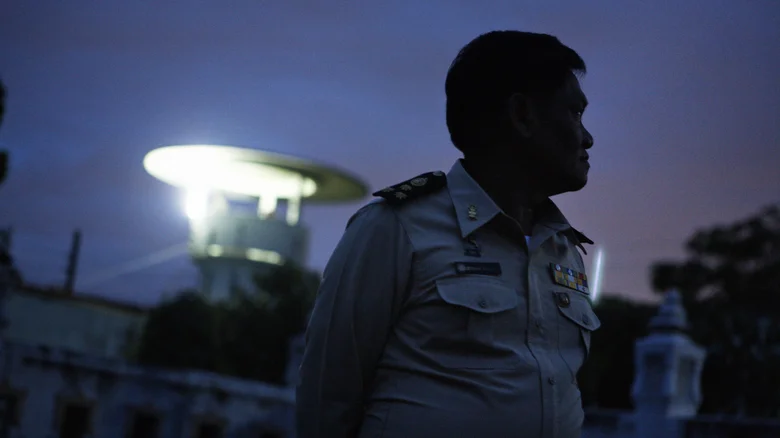
Bang Kwang Central Prison in Thailand is one of the country’s most famous prisons. It holds thousands of inmates, including people serving long sentences.
The prison has strict security procedures and is known for its large population. Over the years, reports have discussed challenges such as overcrowding, healthcare, and daily prison life.
Like many large correctional facilities, Bang Kwang has faced discussions about rehabilitation, prison management, and improving inmate conditions.
Cereso No. 3, Mexico
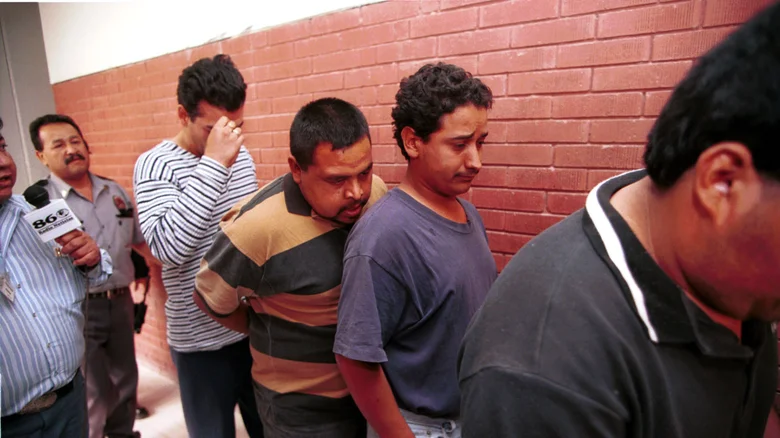
Cereso No. 3 in Ciudad Juárez, Mexico, has received attention because of security challenges and violence connected to organized crime.
The prison has faced incidents involving conflicts between criminal groups. Authorities have carried out security operations and inmate transfers to improve control inside the facility.
The situation highlights the challenges many countries face when dealing with organized crime, prison security, and rehabilitation.