Girlfriend Discovers Boyfriend’s Family’s Disturbing Christmas Tradition—and Leaves Immediately
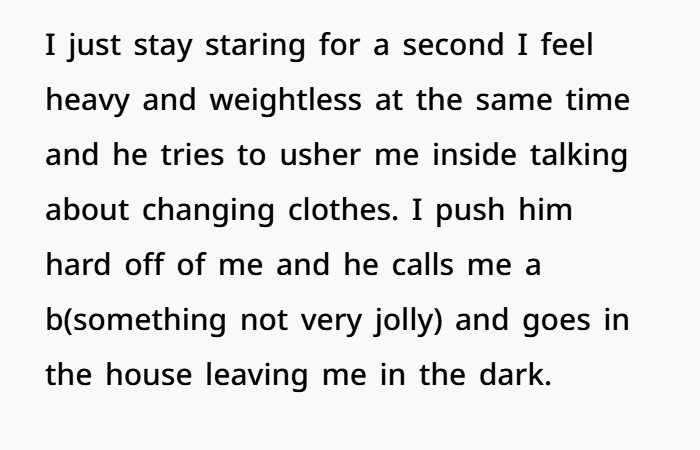
What was supposed to be a peaceful Christmas night turned into a full-on anxiety nightmare. After spending time with her boyfriend’s family, the OP gets woken up at 2 a.m. by pure chaos—yelling, barking, and someone screaming “FIRE.” No time to think. Her body instantly switches to survival mode. And it makes sense—she’s a childhood fire survivor, which means this kind of situation can trigger deep PTSD and panic response. So she reacts fast. Grabs the little sister, runs through the dark, gets injured, and even loses bladder control. It sounds extreme, but that’s exactly how trauma and the fight-or-flight response works. It’s automatic.
Then comes the twist. She gets outside expecting danger—but instead sees people smiling, celebrating, acting like everything’s fine. That’s when she finds out it was all planned. A “family fire drill tradition” started years ago. For them, it’s about emergency preparedness and safety awareness. But for her, it’s something else entirely—emotional distress, psychological shock, and honestly, retraumatization. And here’s where it really hits: her boyfriend already knew. He said nothing. No warning, no preparation, nothing. That silence turned a simple situation into a serious mental health trigger. Now she’s left feeling shaken, embarrassed, and questioning trust, communication, and emotional support in the relationship.

Let’s slow this down a bit, because what happened here isn’t just “holiday drama” or some small misunderstanding. This actually sits right in the middle of trauma triggers, relationship communication issues, and emotional safety boundaries—and yeah, these things matter way more than people think. This isn’t just about one night. It’s about mental health, trust, and how safe someone feels in a relationship.
First, trauma. When someone goes through something like a house fire—especially as a kid—that memory doesn’t just fade away like a normal memory. It gets stored differently in the brain. In trauma psychology and PTSD research, it’s often explained as sensory memory—sounds, fear, urgency, all of it stays active. So when she hears “FIRE” in the middle of the night, her brain doesn’t go, “oh maybe it’s a drill.” Nope. It goes straight to danger mode. That’s how trauma response works. Fast. Automatic. No filter.
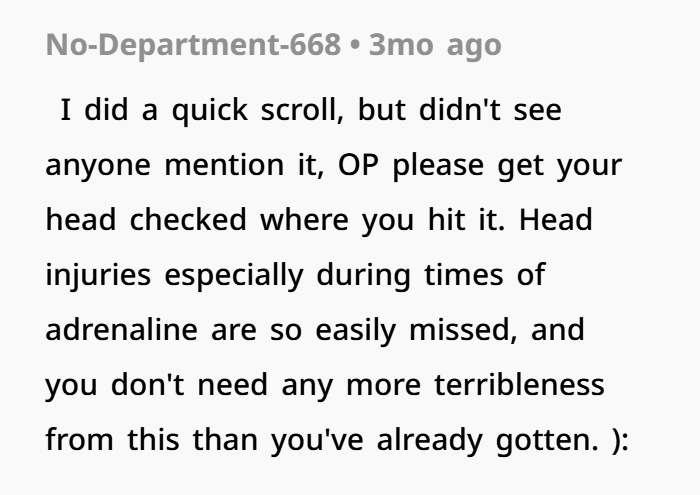
Now this is where trauma triggers come in. A trigger isn’t just remembering something bad—it’s your body reacting like it’s happening again. Heart racing, shaking, panic, dissociation, even losing bladder control—these are real, documented PTSD symptoms. In a lot of mental health cases, the brain literally skips logic. There’s no time to question reality. It just reacts to survive. That’s exactly what happened here.
So no—she didn’t overreact. Her body did what it was trained to do through past trauma. She got herself and a child out of what she believed was a real emergency. That’s not irrational behavior. That’s survival instinct. Honestly, from a behavioral psychology and trauma recovery perspective, her reaction makes complete sense.
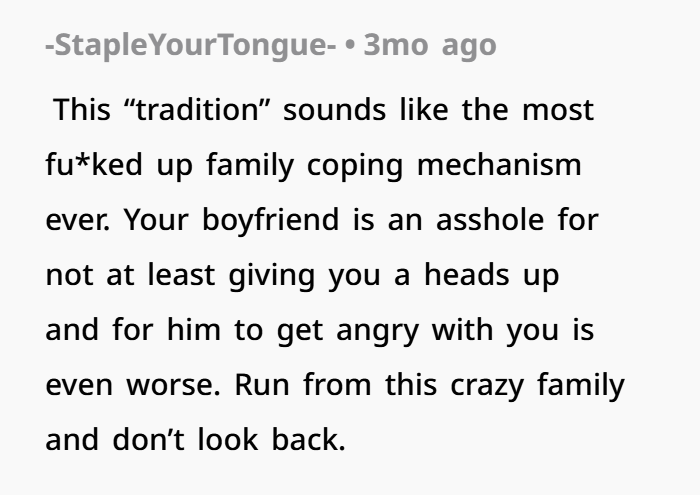
Now looking at the boyfriend’s family tradition. On the surface, it doesn’t seem harmful. Families who’ve been through disasters sometimes build routines like this as a coping mechanism. It gives them a sense of control. Fire drills can also be part of home safety planning and emergency preparedness—something even safety experts recommend. So the idea itself? It’s not completely wrong. But the execution… that’s where things start to fall apart.
But—and this is the critical part—context matters.
There’s a clear difference between a planned fire drill and what happened here. One is structured, communicated, and about safety. The other is sudden, loud, and feels like real danger. For someone with trauma, that difference matters a lot. Because what feels like “practice” to one person can feel like a real emergency to someone else.
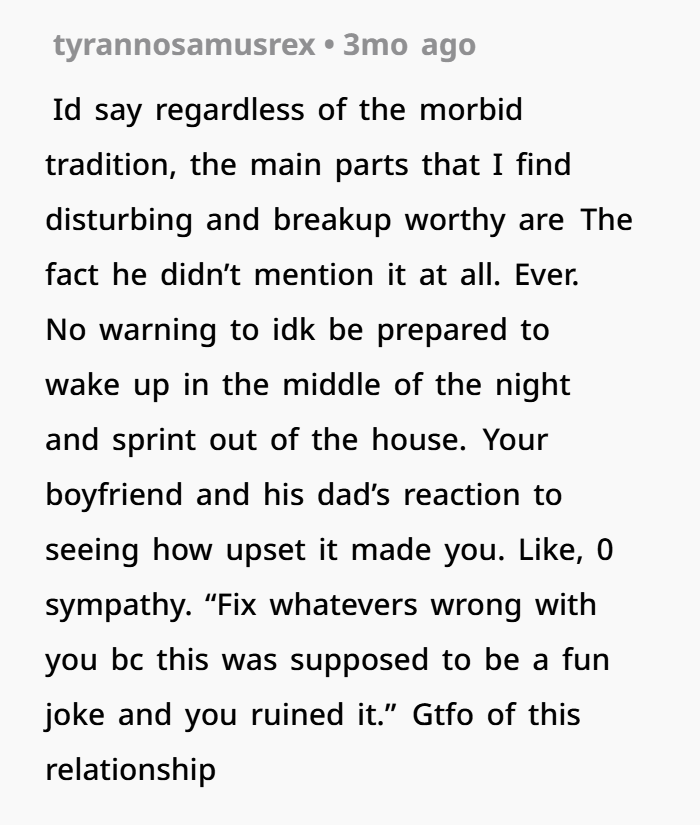
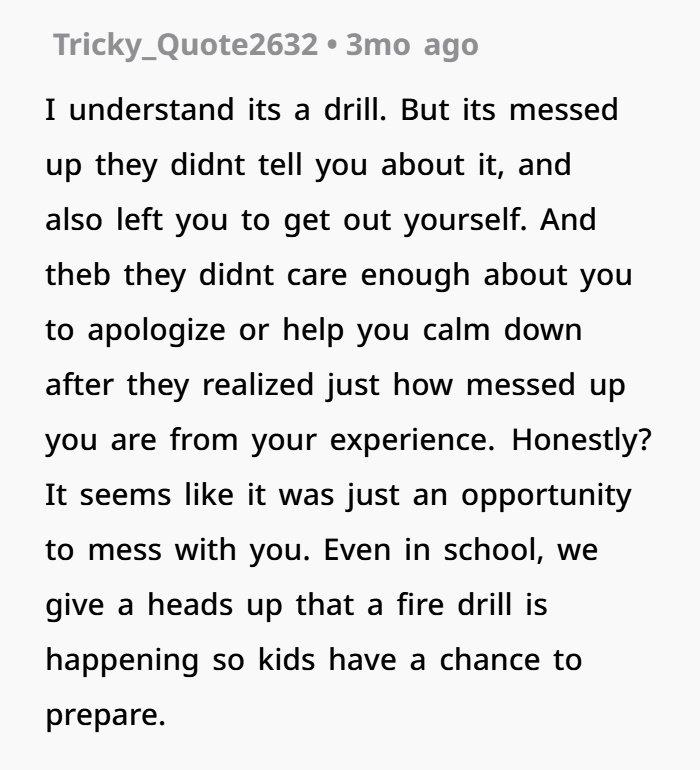
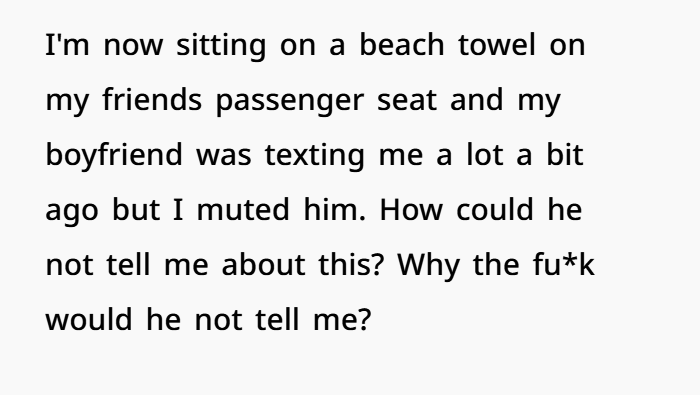
Now, this brings us straight to the boyfriend. Because this is where things actually went wrong. Not the tradition—but the lack of communication, empathy, and emotional awareness in the relationship. He already knew about these drills. And he also knew her history with a childhood fire. That’s not small information. That’s something important.
In relationship counseling and dating advice, this is called emotional intelligence—being aware of your partner’s past and thinking about how situations might affect them. It’s not complicated. It’s just basic empathy and communication skills.
And the truth is, this could’ve been avoided so easily.
All it needed was a simple heads-up like:
“Hey, my family does this intense fire drill every Christmas. It can get chaotic, so I just wanted to warn you.”
That’s it. That one moment of communication could’ve given her control—time to prepare, say no, or at least not be caught off guard. That’s what emotional safety in relationships looks like.
But instead, she was thrown into it without warning.
And when trauma gets triggered like that, the reaction isn’t small. It’s emotional flooding. Everything hits at once—panic, fear, anger, even shame. So her response—crying, pulling away, leaving—wasn’t dramatic. It was her trying to calm her nervous system and feel safe again after being completely overwhelmed.
Now let’s touch on something else that made this worse: the family’s reaction.
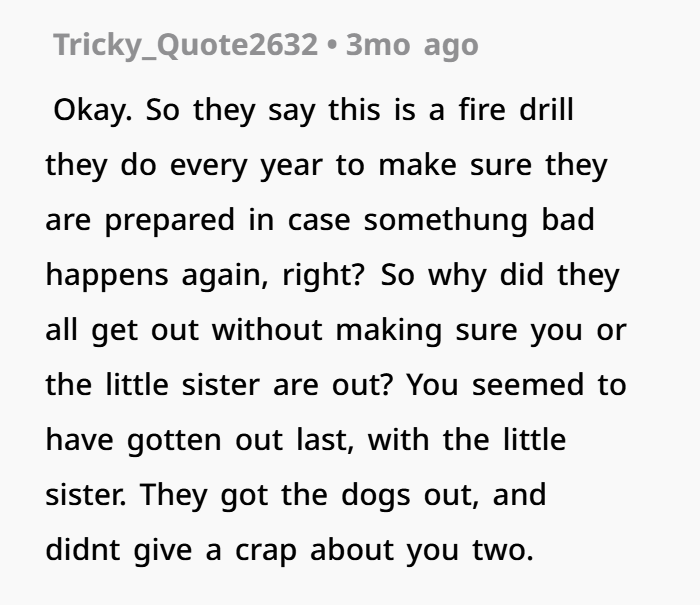
They were cheering. Smiling. Acting like it was a win. From their side, yeah—it probably felt like a successful safety drill, like good emergency preparedness. But from her side? It created serious emotional confusion. Like, one second your brain thinks “I might die,” and the next everyone’s celebrating. That kind of emotional whiplash messes with your nervous system. The brain doesn’t just switch gears that fast, especially when trauma is involved.
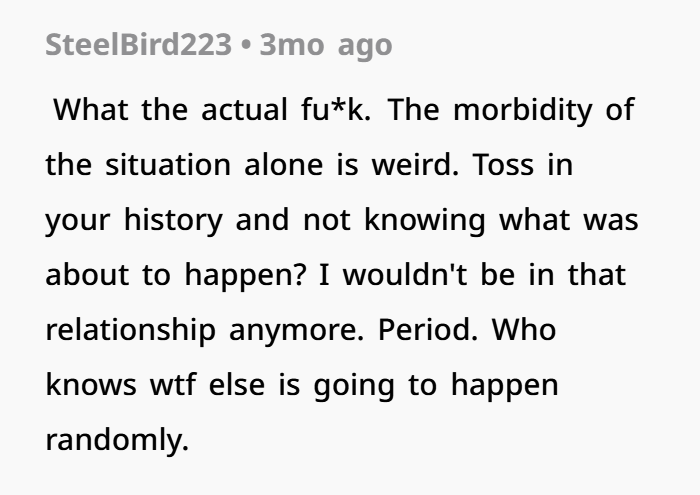
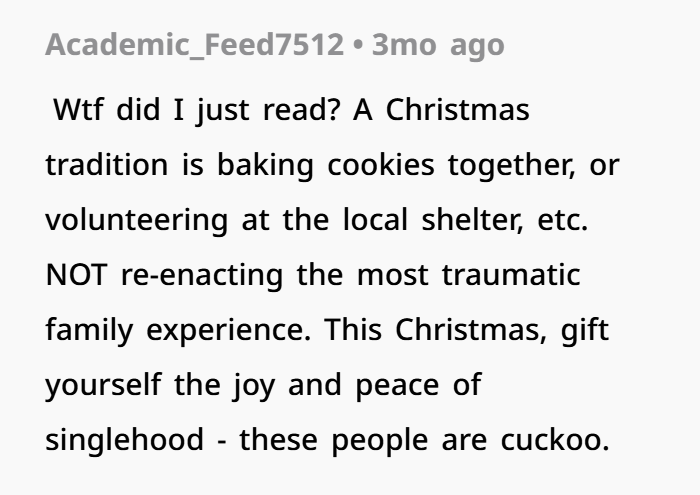
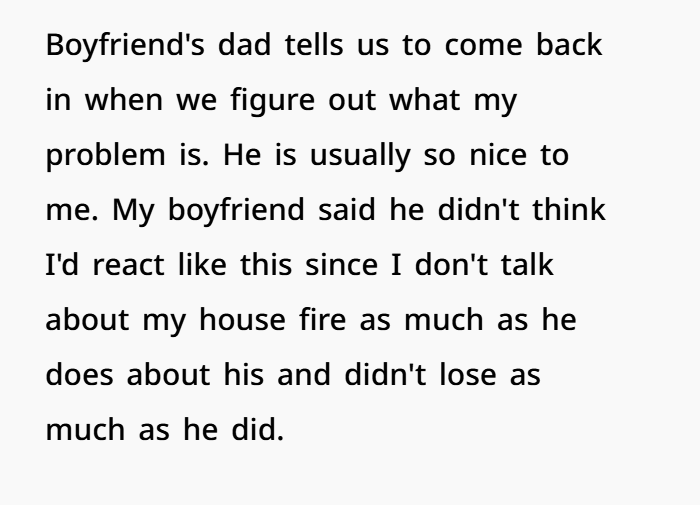
And then the dad says, “when we figure out what your problem is.”
That line… says everything. It completely dismisses her experience. Instead of recognizing that the situation itself could’ve been triggering, it flips the blame onto her. This is what mental health experts call emotional invalidation. And instead of calming someone down, it actually makes the anxiety, stress, and trauma response worse. It tells her, “your reaction is the problem,” when in reality, the situation wasn’t handled with care.
Now let’s look at the boyfriend’s reaction after.
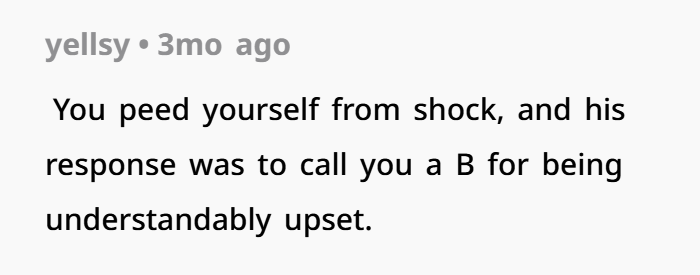
Calling her names, walking away, comparing trauma like it’s some kind of competition—“you didn’t lose as much as I did”—that’s not just poor communication. That’s toxic relationship behavior. Straight up. Trauma isn’t something you rank or compare. Pain doesn’t work like that.
What he—and honestly a lot of people—don’t understand is this: trauma isn’t about what you lost physically. It’s about how the experience rewired your sense of safety. Someone can lose everything and process it one way, while someone else carries deep emotional scars from a different kind of loss. That’s how PTSD and trauma psychology works.
So where does this leave things?
At the core, this situation is about relationship boundaries, trust issues, and communication breakdown. In any healthy relationship, there’s this basic expectation—you won’t knowingly put your partner in harm’s way. Not physically. Not emotionally. And here, that line got crossed. That’s why this feels bigger than just one night. It’s about emotional safety, and whether that safety actually exists in the relationship.
And while the boyfriend may not have intended harm, intent doesn’t erase impact.
Now the OP is left dealing with two things at once. Not just the retraumatization, but also the realization that her partner didn’t look out for her—even though he had the chance. And that? That can seriously damage trust. It makes you question the relationship on a deeper level. Like, if you knew this could hurt me… why didn’t you say anything? That’s where emotional trust starts to crack.
Looking at the bigger picture, this situation connects to something a lot of people talk about in mental health spaces—trauma-informed relationships and emotional awareness in dating. People often overlook how powerful past experiences are. Especially when introducing a partner to new family traditions, environments, or intense situations.
Because what feels “normal” to one person isn’t always neutral or safe for someone else.
And that’s really the core message here.
This wasn’t just about a fire drill gone wrong. It was about lack of communication, assumptions taking over, and someone’s traumatic past being unintentionally triggered by something meant to be harmless. That gap—between intention and impact—is where most relationship issues start.
It’s not pretty. It’s uncomfortable to talk about. But it’s real life. And it shows why emotional intelligence, empathy, and clear communication are so important in relationships. Without those, even small things can turn into big emotional damage.
See The Comments Below