
I Used My Boss’s Own Work Against Her And Watched Her Approve It
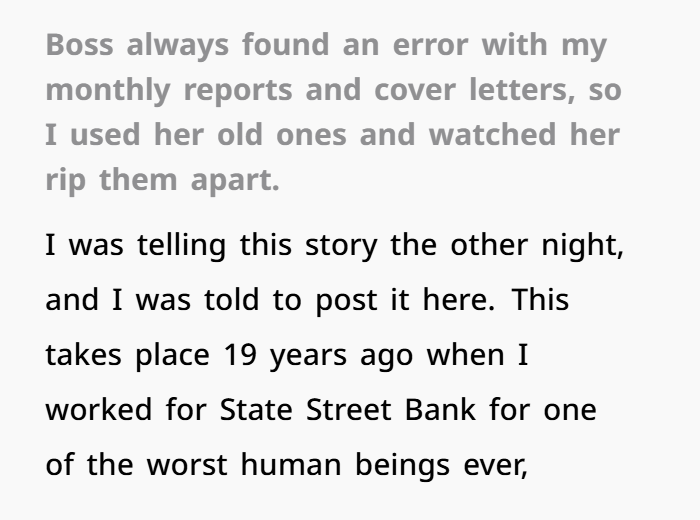
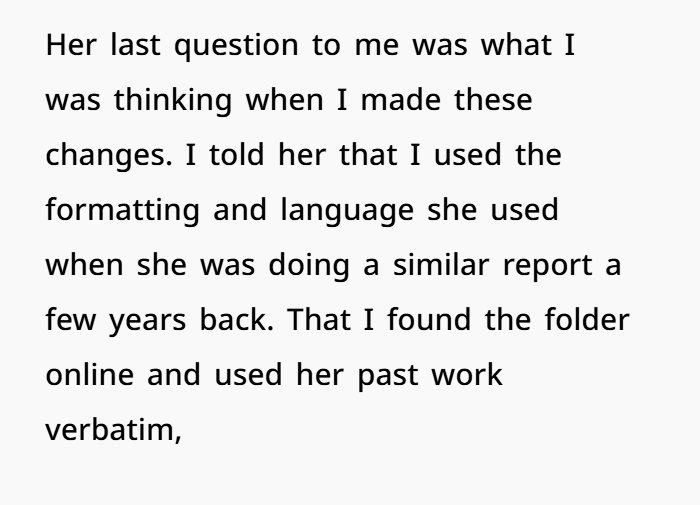
Nineteen years ago, I was grinding it out at State Street Bank in what they pitched as a “high-visibility” financial operations role. Sounds fancy, right? In reality, it felt more like a crash course in toxic workplace survival and corporate politics. My manager, Paula, had this way of turning a straightforward risk management reporting job into daily stress therapy. My task was clear—put together weekly reports on Nigerian oil warrants tied to serious investment risk exposure and global commodity market volatility. We’re talking real financial risk analysis, compliance reporting, the kind of stuff that impacts portfolio management and institutional investors. But no matter how tight my data was, no matter how solid the financial reporting metrics looked, she’d still rip it apart.
A micromanaging boss is a workplace nightmare, but finding a way to get payback might be the sweetest reward of all

One man was facing an impossible boss who tore apart his reports for the most meaningless reasons

Management Psychology, Workplace Dynamics, and Professional Risk
This story is a textbook case of destructive micromanagement, the kind organizational psychology experts warn about all the time. Researchers like Teresa Amabile at Harvard Business School have shown that when managers obsess over tiny, irrelevant details, it kills intrinsic motivation, creativity, and real productivity. When feedback turns into constant nitpicking instead of focusing on measurable performance metrics or business outcomes, employees stop thinking about growth. They start thinking about survival. That shift—from performance mindset to anxiety management—can crush engagement. Over time, it leads to what psychologists call learned helplessness at work. Effort feels pointless. And when effort doesn’t connect to reward, people mentally check out. Bad for morale. Bad for employee retention. Bad for long-term organizational performance.
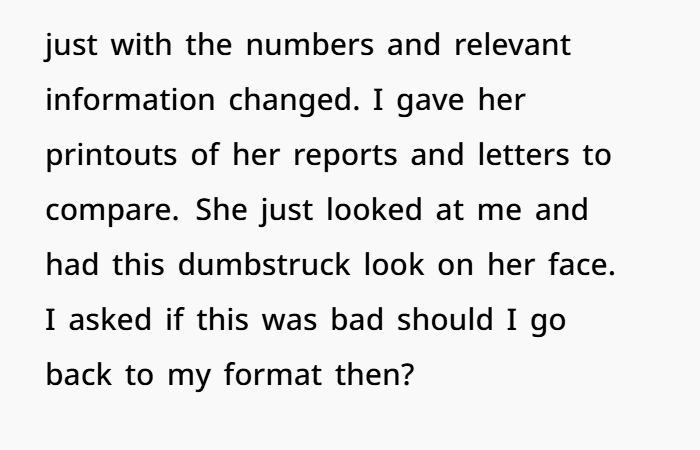
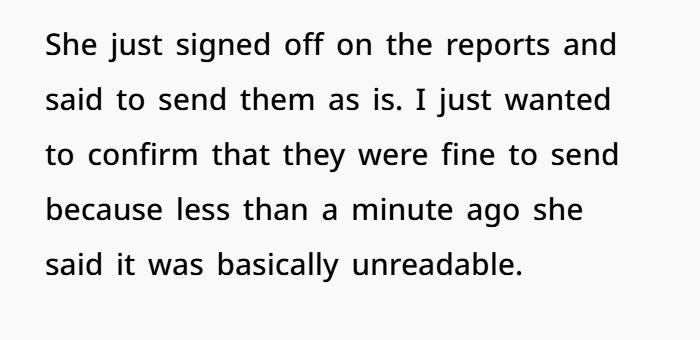
Paula’s behavior also lines up with something leadership development consultants call defensive leadership identity. Studies in the Journal of Applied Psychology have shown that some managers react badly when their authority or competence feels threatened. Especially in high-pressure corporate environments. When the narrator used Paula’s old reports as the benchmark, it triggered cognitive dissonance. Basically, her self-image as a flawless authority didn’t match reality. In leadership theory, that moment is known as self-discrepancy exposure. And it usually goes one of two ways: accountability and growth… or ego protection and escalation. In this case, she chose authority preservation. No admission. No discussion. Just silence. Which honestly says a lot about corporate leadership culture and executive mindset under pressure.

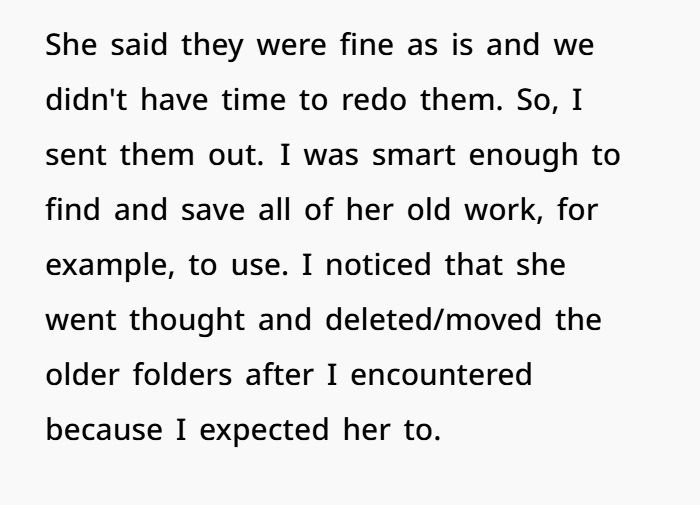
There’s also a smart compliance and risk management angle here. By saving templates and keeping documentation, the narrator was practicing what HR and employment law professionals often call defensive recordkeeping. Not dramatic whistleblower stuff. Just strategic career protection. In industries like financial services, investment banking, and corporate accounting—where compliance standards and audit trails matter—documentation is everything. Employment attorneys regularly advise professionals to keep copies of emails, performance reviews, and precedent work. It protects against wrongful termination claims or arbitrary performance reviews. It’s basic risk mitigation strategy. Quiet, practical, smart. And in a high-stakes corporate job, that kind of documentation can be career insurance.
The internet erupted in applause for his perfectly executed act of revenge, wishing his boss a terrible day, wherever she might be

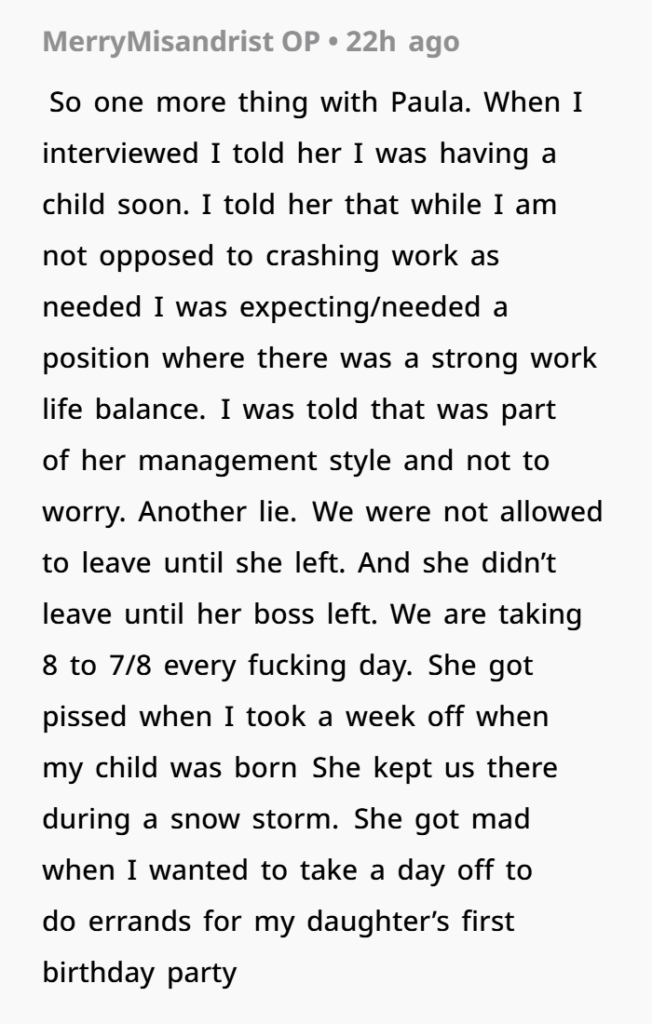

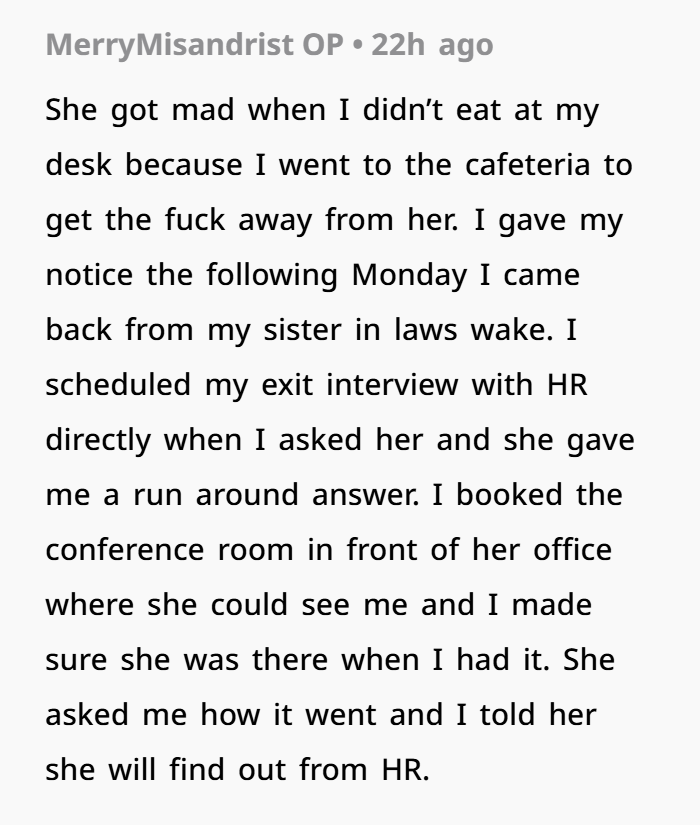


At its core, this story hits because it captures something universal—leaders who weaponize ambiguity. Vague standards. Moving goalposts. Feedback that shifts depending on mood or optics. By using Paula’s own past work as the standard, the narrator removed subjectivity. No arguing. No emotion. Just evidence. It wasn’t revenge. It was controlled exposure of inconsistency. In corporate environments driven by hierarchy, executive presence, and reputation management, that kind of calm accountability can be more powerful than a loud confrontation. Sometimes the smartest workplace strategy isn’t fighting back. It’s holding up a mirror.