Wife Stunned as Husband Urges Her To Give In to His Mom’s Baby Name Choice to Keep the Peace
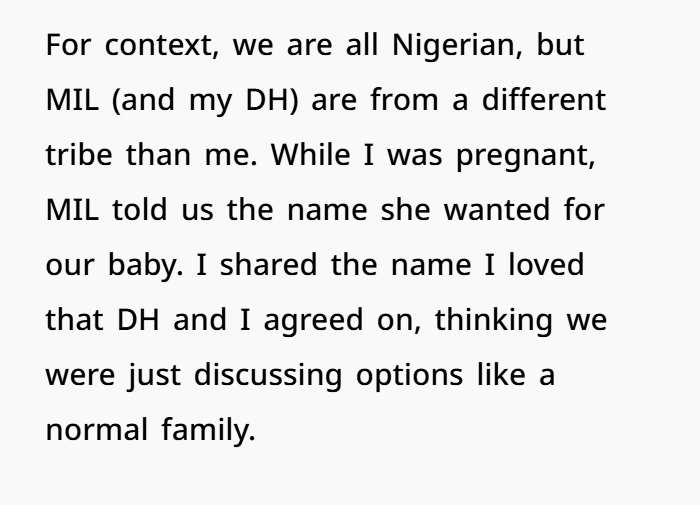
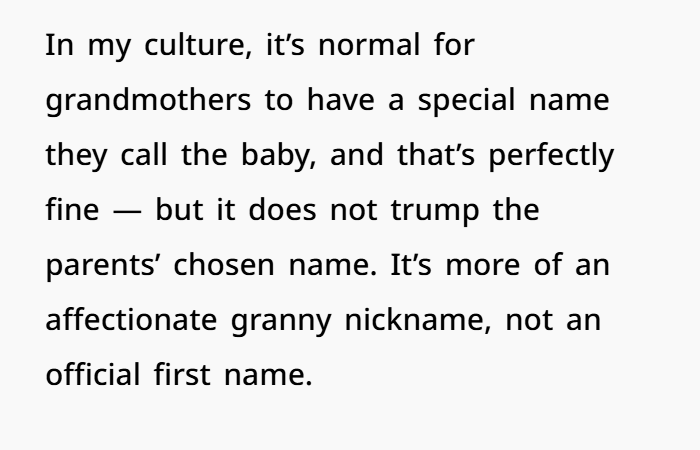
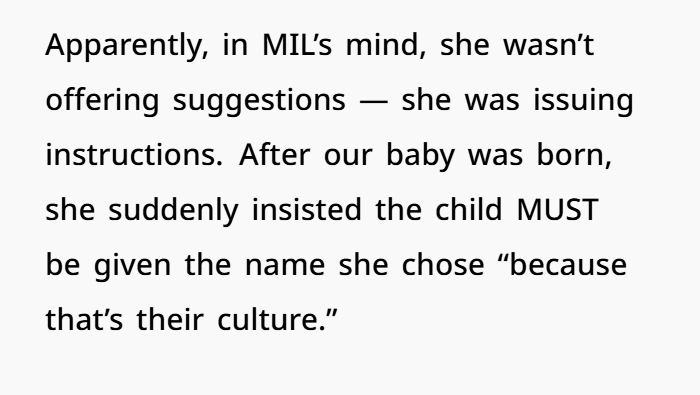
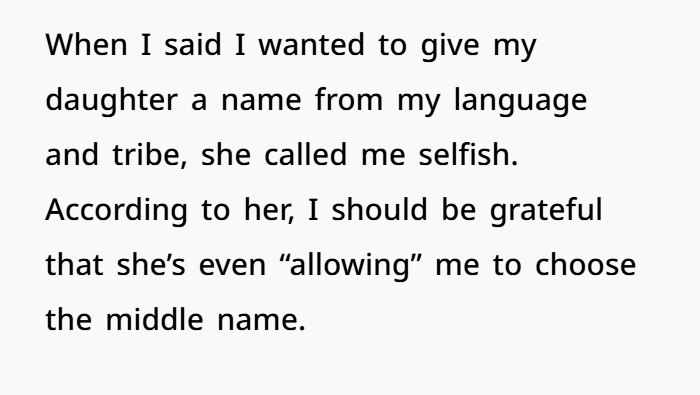
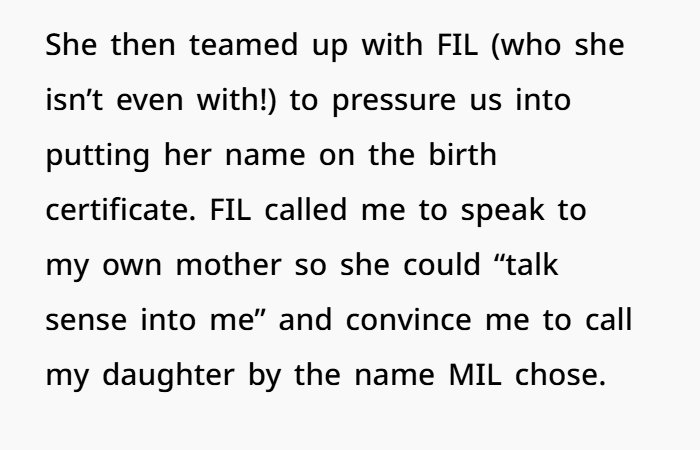
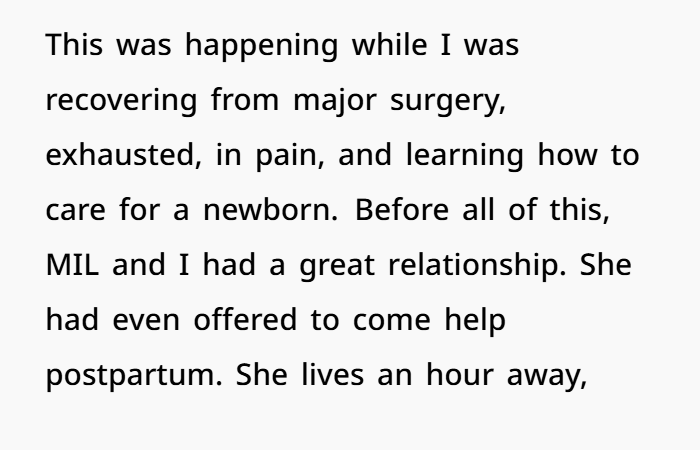
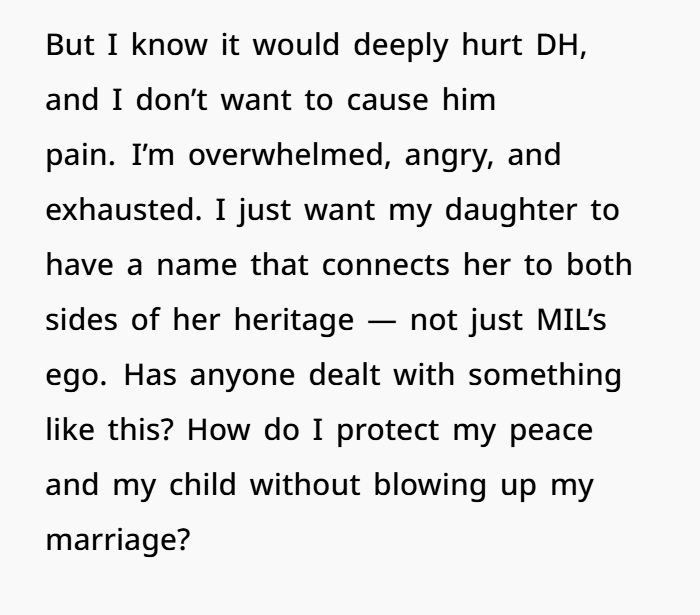
You’ve come out of a heavy birth experience — early delivery at 35 weeks, emergency c‑section, recovery, and in that vulnerable window you suddenly find yourself in the middle of what should have been a joyous moment. Instead of bonding with your daughter, you’re rapidly being pulled into a fight over her name. Your mother‑in‑law (MIL) is insisting the child must bear the name she chose “because it’s our culture,” and when you resist, you get labelled “selfish.” Meanwhile, your own wish to honour your tribe via your chosen name is dismissed.
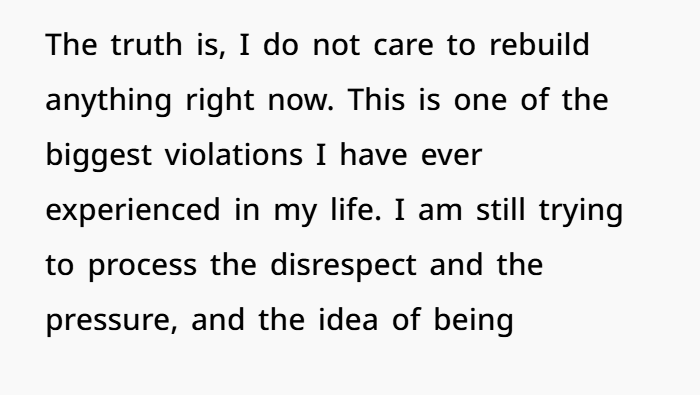
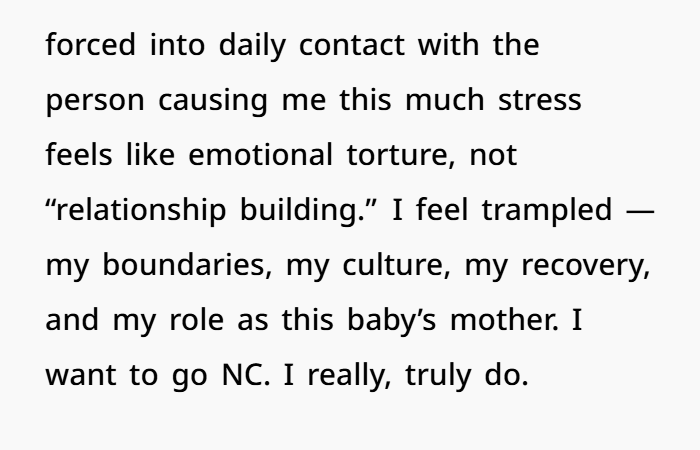
This escalates fast: FIL calls your mother to apply pressure, your husband pressurises you to “just agree” because he hates conflict, and MIL moves from helpful‑helper to control‑mode, demanding daily FaceTime, expecting full access, and acting like your boundaries don’t exist. You’re left feeling trampled — your culture, your recovery, your new‑mom autonomy all under siege. You don’t know how to protect your peace and protect your child without blowing up your marriage.
The postpartum period should be a time of healing, but for one mom, it was a declaration of war

Just two days after an emergency C-section, a new mom’s mother-in-law demanded the right to name the baby





Cultural & Generational Pressure Around Baby Names
Choosing a baby’s name often triggers big feelings — it’s not just a word, it’s identity, heritage, meaning. One piece on parents vs grandparents noted: “Religion or culture may push a parent back into traditions… injecting … pressure into the name‑selection process.” Parents+1 In your situation, the MIL is wielding culture as a reason for her name choice to override yours — making it non‑optional.

Historically, many cultures do have naming ceremonies and older family members often play a role. For example, in Indian traditions an aunt may whisper the baby’s name in the ear during a ceremony. Reddit+1 But the key difference: those traditions usually function with parental consent, or serve as ritual roles, not as non‑negotiable dictations. Many online voices reflect this:
“Although in most families the aunt picks the name the parents like, she does not get to select the name for the child without the parents’ agreement.” Reddit
So while culture may allow a grandmother or aunt a symbolic part, it rarely gives them veto power outright. Your MIL’s tactic — calling your choice selfish, demanding her name be on the birth certificate because “that’s our culture” — transgresses the usual pattern of respectful suggestion or role.
Who Has the Final Say? Parenting vs Grandparenting Roles
There is research showing that grandparents stepping into parenting decisions (including names, discipline, routines) often leads to conflict. In one survey, nearly half of parents reported major or minor disagreements with grandparents about how children are raised. Futurity Though that study focused broadly on parenting issues (discipline, screen time etc), it underscores a pattern: when older generation tries to override younger generation’s decisions, friction ensues.
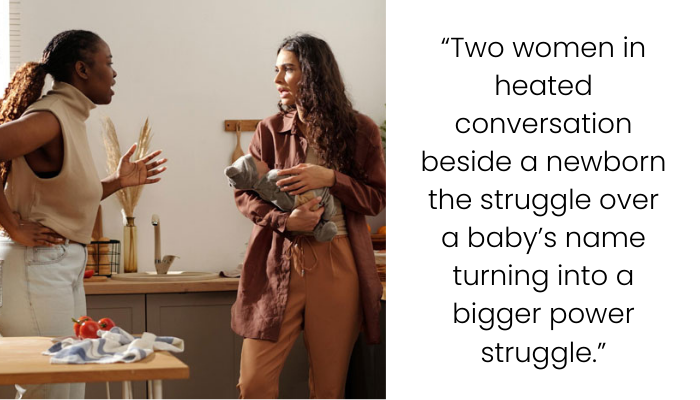
Applied here: naming your child is a major decision. Psychologists and relationship experts emphasise that new parents should hold that decision. One article states: because a name lasts a lifetime, the pressure is real and disagreement can quickly turn into a power struggle. Parents
From a legal standpoint (in certain jurisdictions) naming disputes fall under “major long‑term decisions” and both parents typically must agree. Armstrong Legal While your legal context may differ (Pakistan/Nigeria), the principle remains: as parents you have the right and responsibility to make that decision.
Why This Is Hurting You So Much Right Now
- Postpartum vulnerability: you’re recovering physically (emergency c‑section, pre‑eclampsia, gestational diabetes) and emotionally. That makes you more sensitive to power plays, less able to fight battles.
- Boundary violation: What started as an offer for help (MIL said she’d come assist) shifted to full takeover. When a helper moves into controlling mode it triggers stress and resentment.
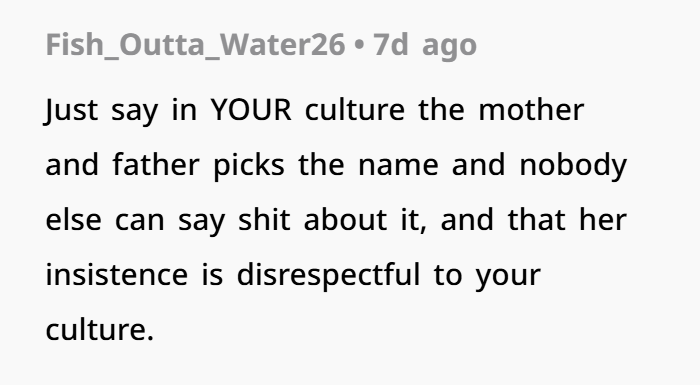
- Cultural identity: You have a legitimate wish to honour your own tribe via your child’s name. MIL dismissing that feels like a rejection of you.
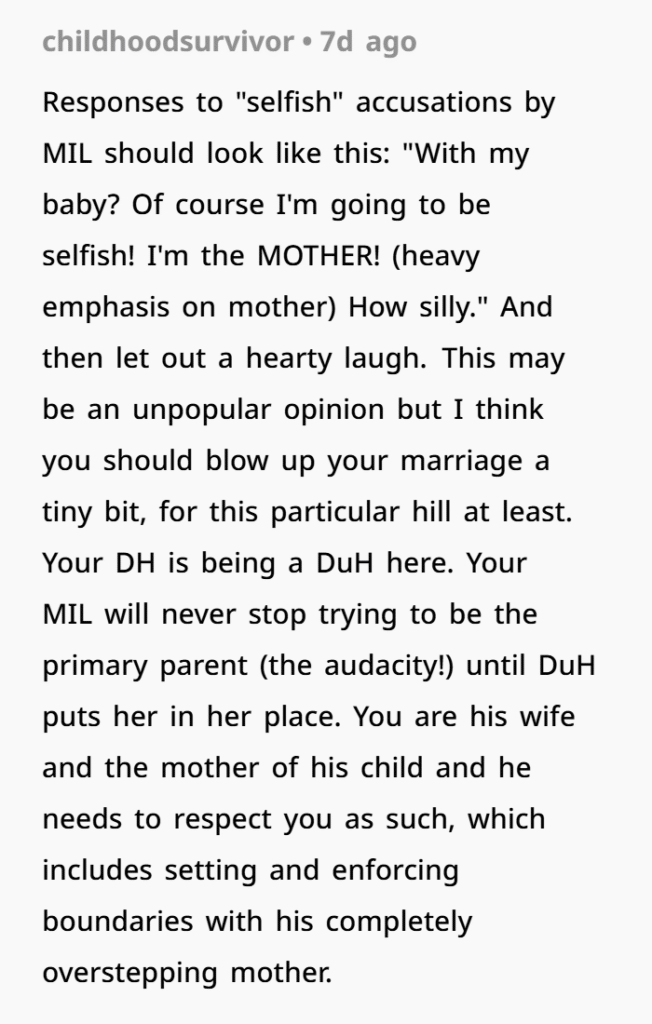
- Conflict avoidance by your husband: When your partner bows to his mother to avoid friction, it leaves you unsupported and exposed. One expert quote said: “A husband’s primary loyalty must be to his wife … the couple must present a united front when dealing with a disrespectful parent.” Bored Panda
- Intergenerational dynamics: Grandparents may feel entitled when they help or invest in a grandchild — this can turn into pressure. As one article found: grandparents who are heavily involved often feel justified to comment or intervene. Adelaide Now

Strategies You Can Use to Protect Your Peace & Make Decisions
- Define the boundary early and clearly
- Sit down with your husband when you’re rested, away from MIL pressure. Ask: “What is our agreement on the baby’s name?” You two decide together and then present a united front.
- Clarify: MIL can praise, suggest, maybe give a nickname — but you and husband choose first name and official name.
- Frame it respectfully: “I appreciate you want the baby to carry your name/tradition — I’d like the baby to carry both sides.”
- Use the “two‑name” or “first + middle name” compromise if that works for you
- Offer: “We’ll use our chosen name as the official first name. We’ll include a middle name from your culture.” If that’s acceptable, it shows you’re willing to honour both sides without giving up your primary choice.
- Be clear about which name gets used publicly, on the birth certificate, etc. Symbolic names vs official names differ.
- Reassert your role gently but firmly
- Use “I” statements: “I feel… because… My recovery is still ongoing and this decision matters deeply to both of us.”
- Ask your husband to help: He needs to communicate to his mother: “We appreciate your involvement, but this is our baby and our decision.”
- If he continues avoiding, you may remind him: “I need you on my side. My support network right now is you.”
- Manage access and help on your terms
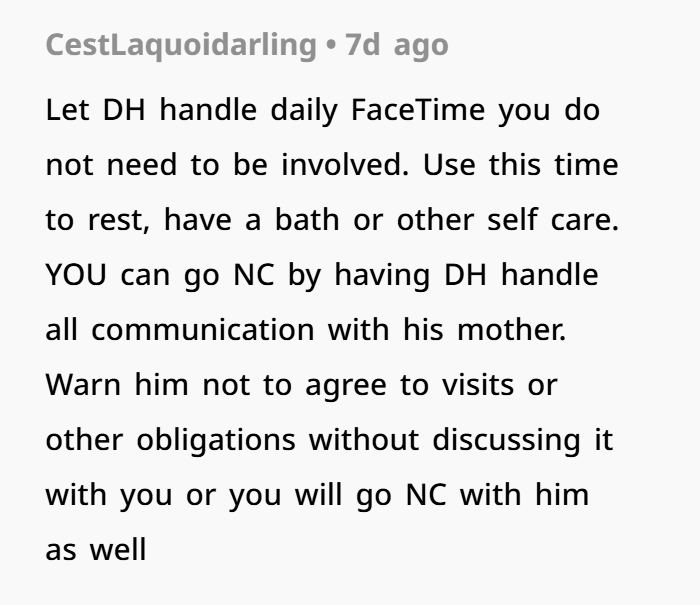
- MIL demanding daily FaceTime is heavy. You can limit it: “Let’s do FaceTime three times a week for 15 minutes.” You set the rhythm.
- Since she offered to help postpartum, maybe revert to that: “We’d value your help on (X) days. On other days we’d like privacy/family time.”
- Encourage her to help in specific ways rather than hover: e.g., cooking, looking after baby while you rest, not monitoring everything.
- Take care of your emotional recovery
- Recognise that you are healing. Stress adds to recovery burdens.
- Surround yourself with your own support (your mother, friends, postpartum group) so you’re not isolated.
- If you’re feeling overwhelmed, it might help to speak with a counsellor. The power plays you’re navigating are emotionally heavy.
- Map long‑term relationship goals vs what you’ll allow
- Decide: What do you want your relationship with MIL to be? What parts are non‑negotiable (your name choice, your parenting decisions)?
- Make a plan: If she continues controlling or disrespectful behaviour, what will you do? (Limit visits, set stricter boundaries, seek husband’s intervention.)
Key Keywords You Can Turn into Action Points
- “baby name pressure from grandparents”
- “mother‑in‑law controlling baby naming”
- “new mom boundaried postpartum help”
- “cultural naming rights parents vs grandparents”
- “parent identity naming child heritage”
- “conflict avoidant husband mother interference”
These keywords reflect what’s happening for you and will help you search for resources, articles or forums to feel less alone.
Some truths to keep in mind
- This is your baby. The name will go on official documents, shown to teachers, colleagues, for a lifetime. It matters.
- Culture is meaningful — it’s valid you want your child to carry your tribe’s name — but “culture” doesn’t give anyone a free pass to override your decision without your consent.
- Your husband’s role is critical. If he won’t step up with you now, future decisions (school, health, identity) may bring similar dynamics.
- The postpartum window is a vulnerable time to establish precedent. If you back down now because you’re exhausted, you may feel regret later.
- Boundaries are not un‑kind. They’re necessary. The resentment you feel is a signal that boundaries got crossed.
What a “script” might sound like
You: “Mom (to MIL), I appreciate your thoughts and how much you care. I hear your chosen name. DH and I have discussed and we’ve decided on [your chosen name] for our daughter’s first name. We’d love for her middle name to honour your cultural side. Thank you for understanding. We value the help you offered and look forward to spending time together, but we also need some days just as our little family. Let’s plan which days work. For FaceTime, let’s connect on Tuesdays, Thursdays, and Sundays at 7pm.”
This way you set the agenda. If MIL protests: Redirect her to husband: “DH, I’d like you to talk to Mom about our decision and help us hold this.” His support will be vital.
The internet unanimously stands behind the mother, urging her husband to stand up for her, too

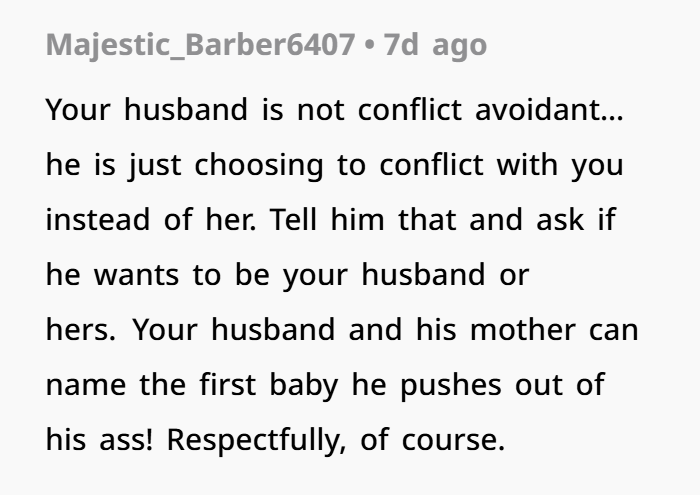
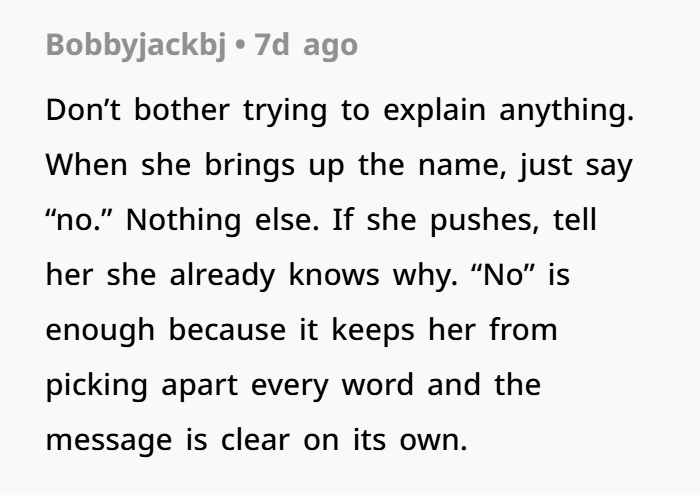
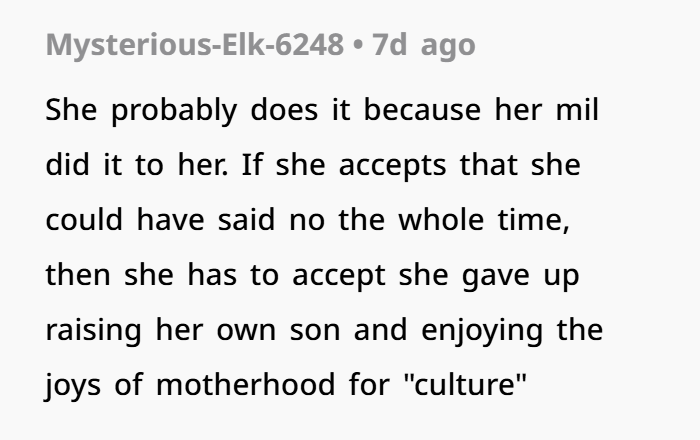


You are right to feel overwhelmed and angry. The scenario you describe is unfair: a new mum, recovering and vulnerable, being pressured by in‑laws to surrender one of the most personal decisions you’ll make. You deserve respect, partnership, and the right to decide. Your daughter deserves a name chosen by you and her father, one that honours your heritage and hers.
At the same time, I also hear your desire not to blow up your marriage. It’s possible to protect your peace and protect your child and preserve the marriage—but it will require you and your husband aligning, communicating a clear decision and standing together. The sooner you set the boundary, the sooner things can shift from toxic tug‑of‑war to co‑operation with respect.