I Accidentally Became My Bully’s Wife’s Safe Space… Then Their Marriage Fell Apart

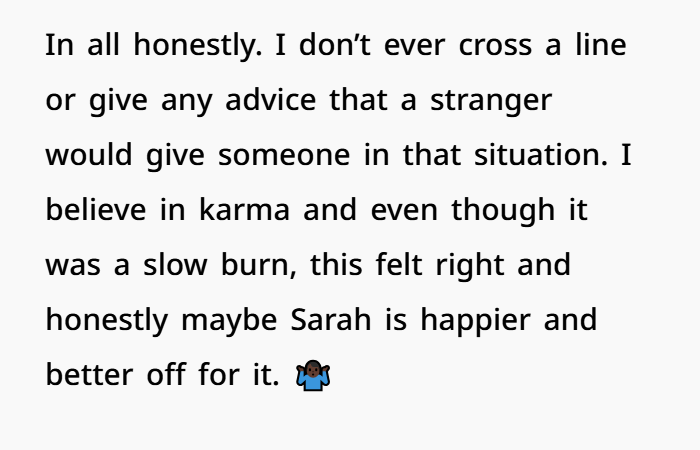
A man shared a story about how difficult experiences from his school years stayed with him for a long time. When he was the only Black student at his small-town high school, he faced bullying, unfair treatment, and hurtful comments from another student named Jake. He felt that teachers and school leaders did not do enough to help him.
After finishing school, he decided not to let those experiences control his future. He focused on personal growth, health, and building a successful career. Over the years, he became a respected massage therapist and created a life that gave him confidence and happiness.
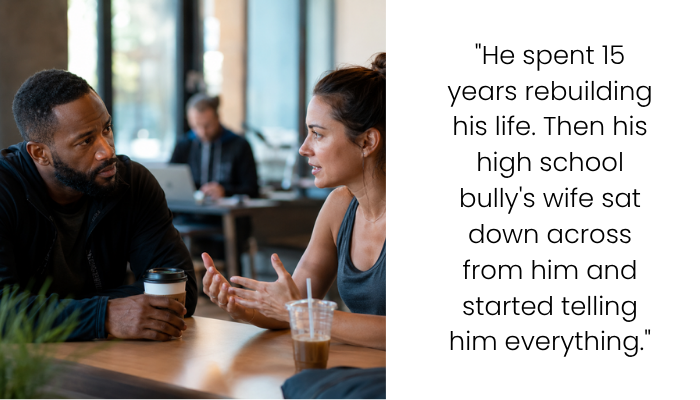
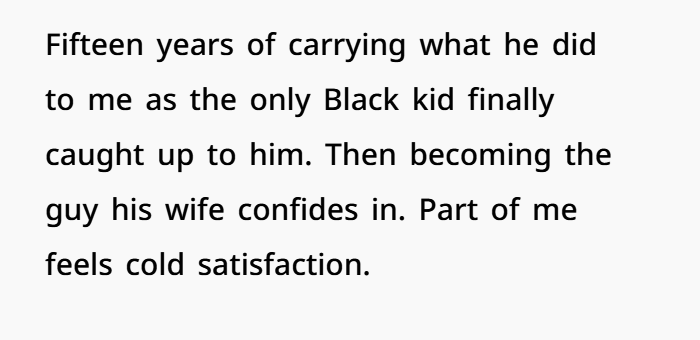
Fifteen years later, he met a woman named Sarah at his local gym and they became friends. Later, he discovered that Sarah was married to Jake, the person who had caused him pain in the past. Sarah began sharing that she was struggling in her marriage and feeling unhappy at home.
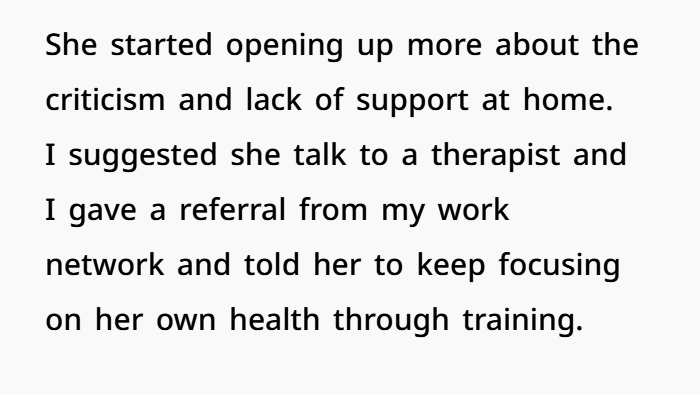
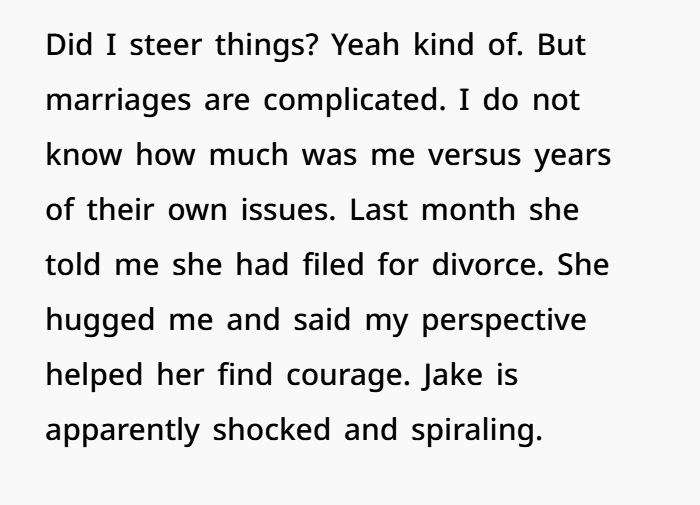
The man chose not to focus on the past and simply listened to her concerns. He encouraged her to consider healthy communication, emotional support, and professional counseling. After some time, Sarah decided to end her marriage and said their conversations helped her understand her situation better.
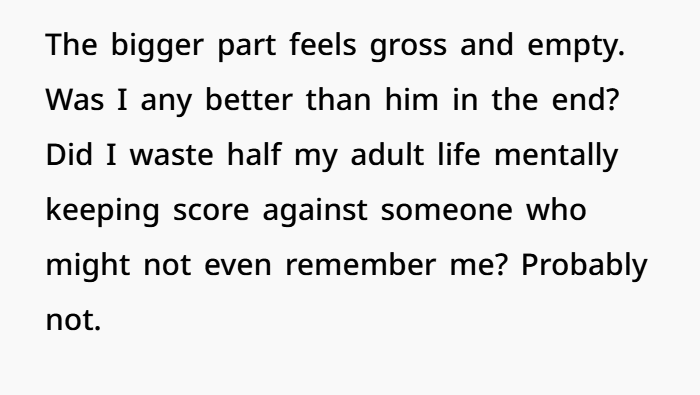
The experience made the man think about forgiveness, healing, and moving forward after difficult moments. His story shows the importance of personal growth, mental well-being, and building a positive future despite past challenges. Supporting others with kindness and understanding can create meaningful changes in people’s lives.


When Past Hurt, Healing, and Relationships Collide
Some stories stay with people because they are not simple. They are not only about revenge or forgiveness. They are about pain, healing, relationships, and how the choices people make can affect their future.
This type of situation shows how difficult it can be to move forward after experiencing deep emotional pain.
The Long-Term Impact of Bullying and Discrimination
Many people think bullying is something that ends when school is over. However, painful experiences during childhood and teenage years can sometimes affect people long into adulthood.
Being treated unfairly because of race, appearance, background, or any other personal difference can leave emotional wounds.
Repeated bullying or discrimination can affect:
- Self-confidence
- Mental health
- Trust in others
- Sense of belonging
- Emotional well-being
These experiences are not always easy to forget. Even when someone leaves the environment where the harm happened, the memories and emotions may remain.
Telling someone to simply “move on” does not always solve the problem. Healing often takes time, support, and personal growth.
Success Can Be Part of the Healing Process
One of the strongest ways people recover from difficult experiences is by rebuilding their own lives.
Personal growth can come through:
- Building a successful career
- Developing healthy relationships
- Taking care of physical and mental health
- Learning new skills
- Creating a positive future
Success does not erase painful memories, but it can help people regain confidence and feel in control of their lives again.
Healing is not about proving something to the people who caused harm. It is about becoming stronger for yourself.
When Someone From the Past Comes Back
Sometimes life creates unexpected situations. A person from the past may appear again years later, but the circumstances may be completely different.
In some cases, someone who once seemed powerful or intimidating may later face their own challenges.
Seeing this can create complicated emotions. A person may feel sadness, satisfaction, anger, or even confusion.
These feelings can exist at the same time.
Human emotions are rarely simple.
Helping Someone Through Relationship Problems
Relationships can become difficult for many reasons. Problems often build slowly over time instead of happening because of one single moment.
Common relationship challenges may include:
- Poor communication
- Emotional distance
- Lack of support
- Ongoing stress
- Unresolved disagreements
When someone is unhappy in a relationship, having a trusted person to talk to can be helpful.
Sometimes people do not need someone to make decisions for them. They simply need someone who listens and helps them think clearly.
The Difference Between Support and Control
There is an important difference between helping someone and controlling their choices.
Healthy support means:
- Listening without pressure
- Encouraging honest conversations
- Respecting another person’s decisions
- Supporting their emotional well-being
Trying to force someone into a decision or creating dependence is different.
A person can offer advice while still allowing someone else to make their own choices.
The Complicated Side of Personal Feelings
Sometimes people have mixed emotions about difficult situations.
Someone may truly want to help another person while also feeling satisfaction that someone who hurt them is facing challenges.
Having complicated feelings does not always make someone a bad person. It shows that human experiences are often emotional and layered.
The important question is how people choose to act on those feelings.
Should the Past Always Be Shared?
Sometimes people wonder whether someone should reveal old experiences when giving advice.
There are different viewpoints.
Some people believe sharing the full history is important because it provides context. Others believe the past may not always be relevant, especially if the advice given is fair and reasonable.
The best approach depends on the situation.
Honest communication is important, but people also have the right to decide what personal experiences they are ready to share.
Understanding Healing and Moving Forward
True healing is not about watching someone else struggle. It is about no longer allowing past experiences to control your present life.
Many people find healing through:
- Therapy or counseling
- Supportive friendships
- Personal development
- Healthy boundaries
- Self-care practices
Moving forward does not mean pretending something painful never happened. It means learning how to live a meaningful life despite what happened.
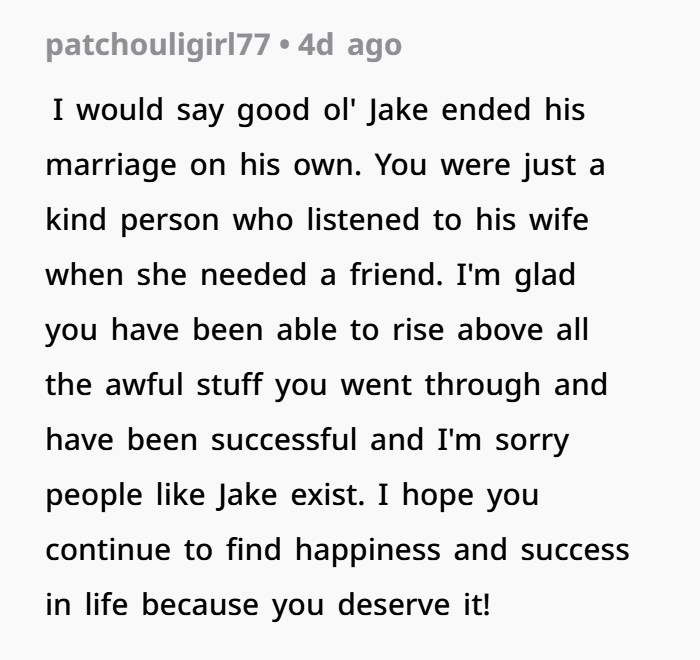
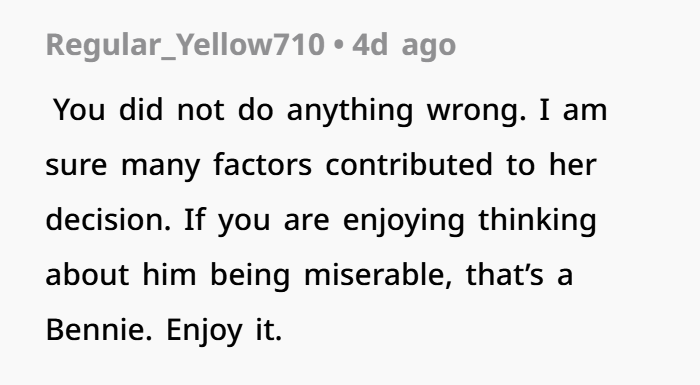
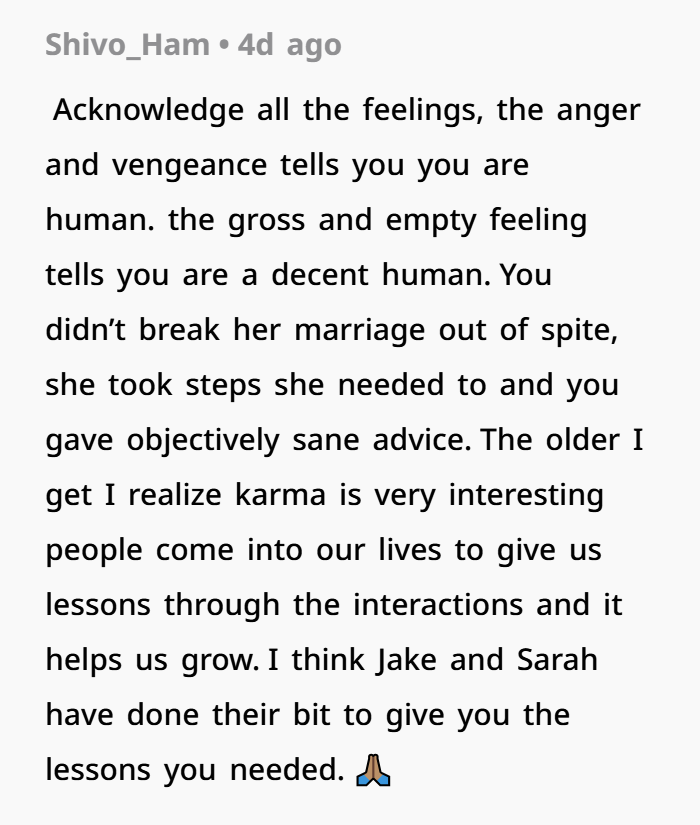
The Comments Are In






Final Thoughts
Stories involving past hurt and unexpected life changes are complicated because people are complicated.
A person can feel kindness and anger at the same time. They can want to help someone while still carrying old pain.
The most important lesson is that healing comes from growth, self-awareness, and making healthy choices.
Life does not always provide perfect endings. Sometimes people simply learn, grow, and move forward in different ways.