My Husband’s Work Friend Has Feelings for Him—Should I Ask Him to End It?

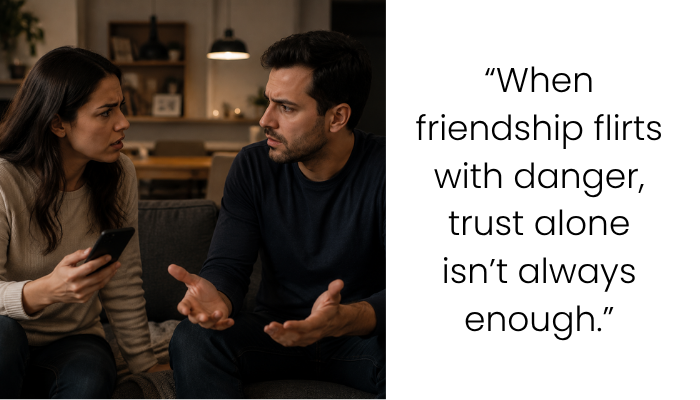
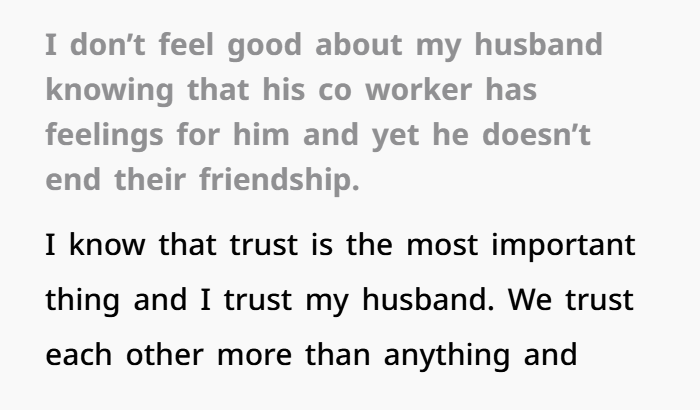
A woman who has been married for 15 years shared her concerns about trust and boundaries in her marriage. She explained that honesty has always been important in her relationship, and both she and her husband have always respected each other’s privacy.
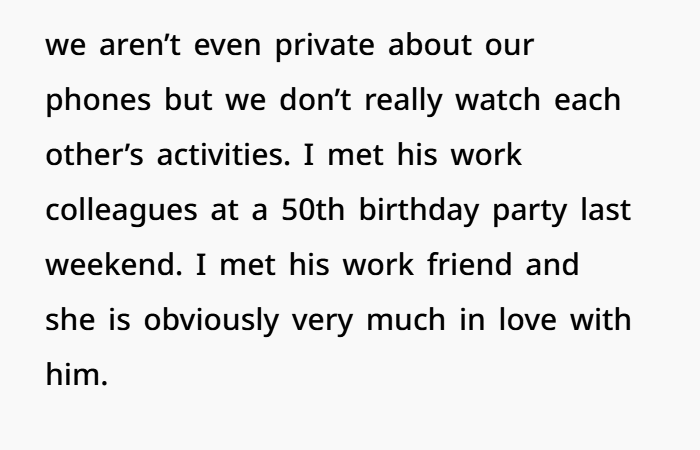
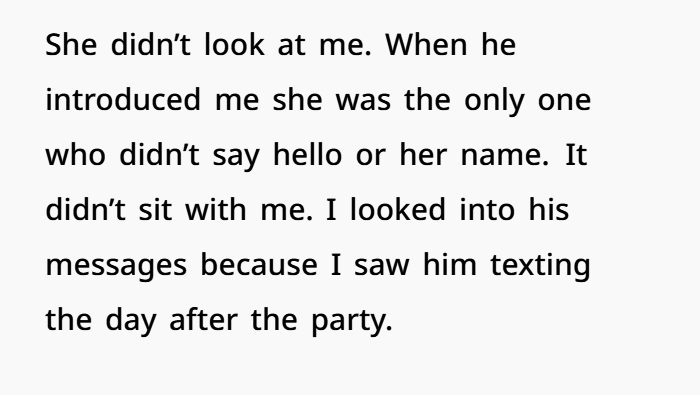
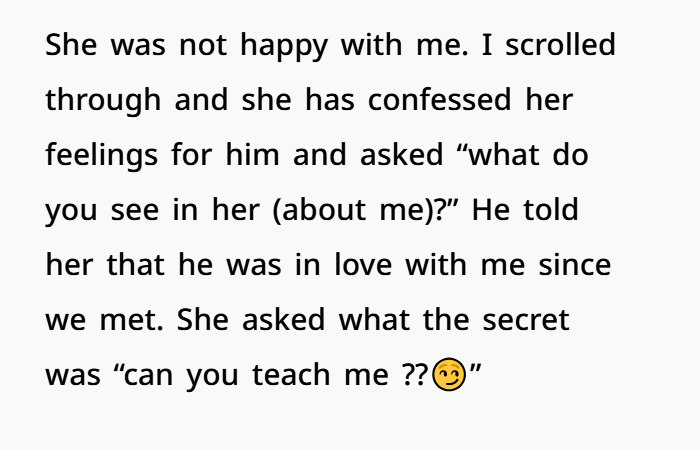
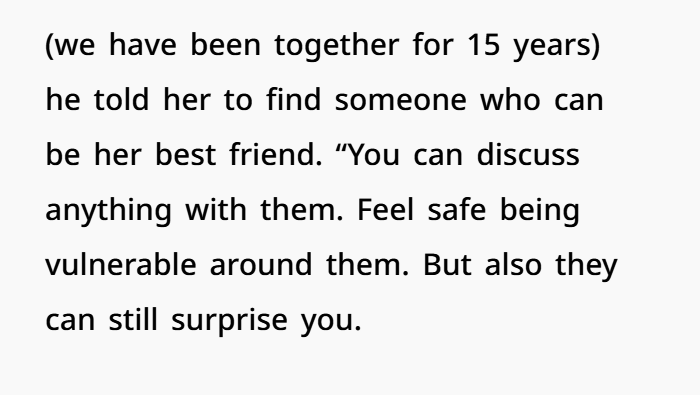
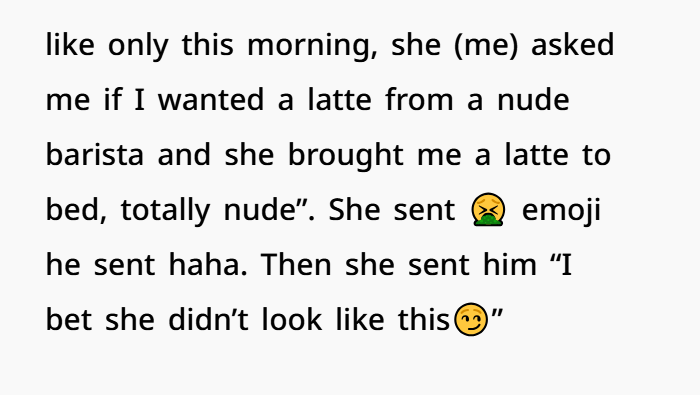
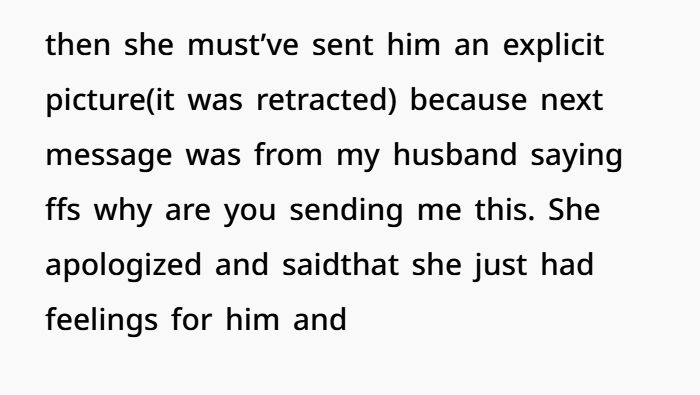
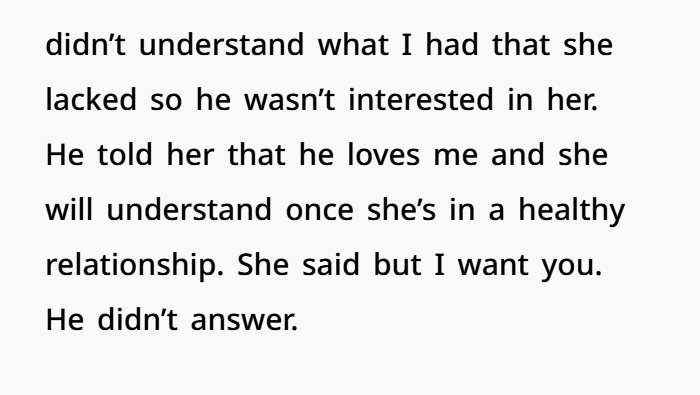
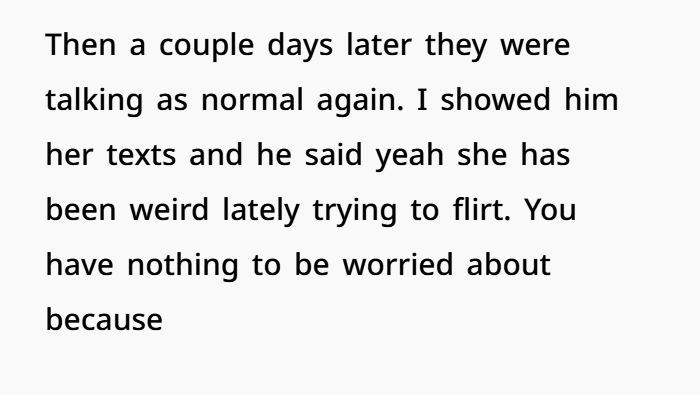
Recently, she met one of her husband’s coworkers at a work event and felt uncomfortable because the coworker seemed interested in him. Later, she learned that the coworker had told her husband she had feelings for him through messages.
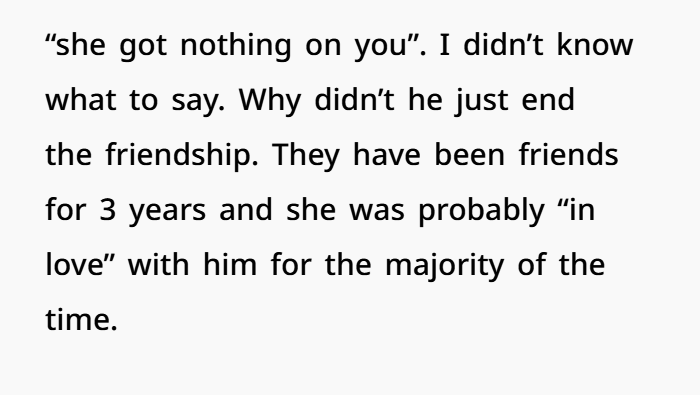
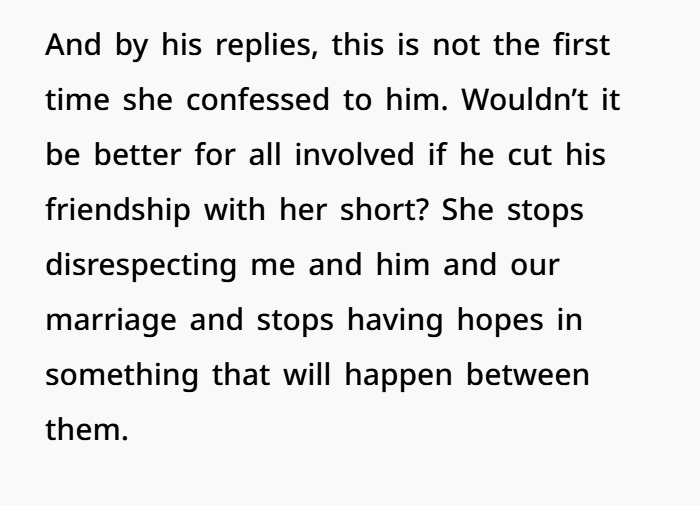
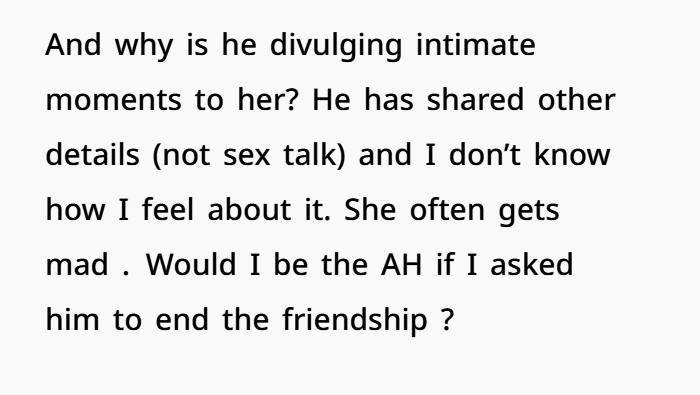
Her husband told her that he loves her and is not interested in the coworker. However, he continued talking with her as usual and even shared personal details about their marriage with her. This made the woman feel hurt and unsure about whether her concerns were being taken seriously.
She does not want to create unnecessary problems, but she also wants to protect her relationship. She is trying to understand whether asking her husband to create distance from this friendship is a reasonable request.
This situation shows why trust, communication, and healthy relationship boundaries are important in marriage. Couples may face difficult situations involving friendships and outside relationships, but honest conversations and mutual respect can help protect a strong partnership.

Trust Is Important, But Marriage Also Needs Healthy Boundaries
Trust is one of the most important parts of a strong marriage. When you trust your partner, it creates a feeling of safety and stability. But trust does not mean that every situation will feel comfortable or that boundaries are not needed.
A healthy marriage needs both trust and clear boundaries. Couples often have to find the right balance between outside friendships, work relationships, and protecting their emotional connection.
When another person starts showing romantic interest in your spouse, it is normal to feel uncomfortable. This does not always mean you do not trust your partner. Sometimes it means you want to protect the emotional security of your marriage.
Why Your Feelings May Feel Hurtful
Emotional connection is a big part of marriage. Cheating is not always about physical actions. Sometimes emotional closeness, attention, and personal sharing with another person can also create problems.
In this situation, your husband’s coworker has shown interest in him, sent messages that felt flirty, and compared herself to you. Even if your husband has no romantic feelings for her, this type of situation can create stress inside a marriage.
When someone outside the relationship is giving your spouse extra attention and admiration, it can make you feel worried or left out.
Your feelings are not about controlling your husband. They are about wanting your marriage to feel protected and respected.
Friendships Need Healthy Boundaries
Having friendships outside marriage is normal. Many people become close with coworkers because they spend a lot of time together.
However, boundaries become important when one person develops romantic feelings.
If someone has already expressed interest in your spouse, continuing a very close friendship can create confusion and emotional pressure. Even if your husband’s intentions are good, the situation may still affect your relationship.
Healthy relationship boundaries can include:
- Keeping conversations respectful and appropriate
- Avoiding private discussions that create emotional closeness
- Limiting communication that feels unnecessary
- Not encouraging attention that crosses friendship lines
Boundaries are not about controlling another person. They are about protecting trust and emotional connection in a marriage.
Honesty Is Good, But Actions Also Matter
It is a positive sign that your husband is open about his conversations. Transparency can help couples build trust.
However, honesty alone does not always solve every problem.
A person can be honest and still need to make changes to protect the relationship. When a friendship creates repeated discomfort, couples may need to discuss what boundaries feel respectful for both partners.
Marriage experts often encourage couples to look at how actions affect the relationship, not just what someone’s intentions are.
Sharing Personal Details Can Cross a Line
Another important issue is sharing private information about your marriage with someone who has romantic feelings.
Your husband may see these conversations as harmless. However, personal stories, emotional struggles, and private moments can create a deeper connection between two people.
Many couples believe that certain personal parts of marriage should stay between partners, especially when another person may have feelings involved.
Protecting your privacy as a couple helps maintain emotional closeness and trust.
Should You Ask Him to End the Friendship?
This is a sensitive decision, and the way you approach it matters.
Instead of starting with blame, try explaining how the situation makes you feel.
For example, you could say:
“I trust you, but I feel uncomfortable when someone who has feelings for you is also receiving personal parts of our relationship. I want us to create boundaries that protect our marriage.”
This type of conversation focuses on solving the problem together.
Instead of demanding an immediate end to the friendship, couples can discuss possible solutions, such as:
- Reducing personal conversations
- Keeping communication focused on work
- Avoiding situations where flirting happens
- Creating clearer boundaries
Working together usually creates better results than making one partner feel attacked.
This Is About Emotional Safety, Not Control
Some people worry that setting boundaries means being controlling.
But there is a difference between control and healthy communication.
Control means trying to manage every action your partner takes.
Healthy boundaries mean discussing what helps both people feel respected, valued, and secure in the relationship.
Every marriage has different comfort levels. What matters is that both partners feel heard.
Consider the Other Person’s Behavior Too
The coworker’s actions also matter.
If someone repeatedly shows romantic interest, sends flirty messages, or creates comparisons between themselves and your spouse’s partner, it can make the friendship more complicated.
A friendship works best when both people respect clear limits.
Sometimes the healthiest choice is creating more distance, especially when the situation continues to create stress in a marriage.
How to Handle Your Feelings
Feeling jealous, hurt, or uncomfortable does not make you a bad partner.
These feelings can be signs that something needs attention.
Instead of ignoring your emotions, use them as a starting point for a calm conversation.
You can:
- Share your feelings honestly
- Explain what behaviors bother you
- Listen to your partner’s perspective
- Find solutions that protect the relationship
Good communication is one of the strongest tools for improving marriage satisfaction and rebuilding emotional connection.
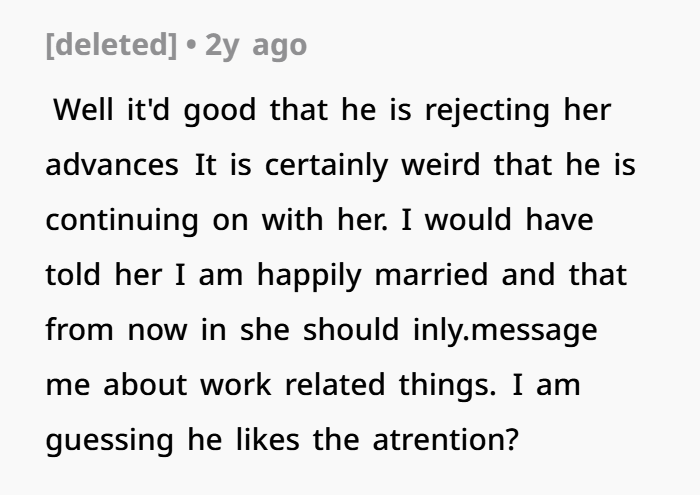
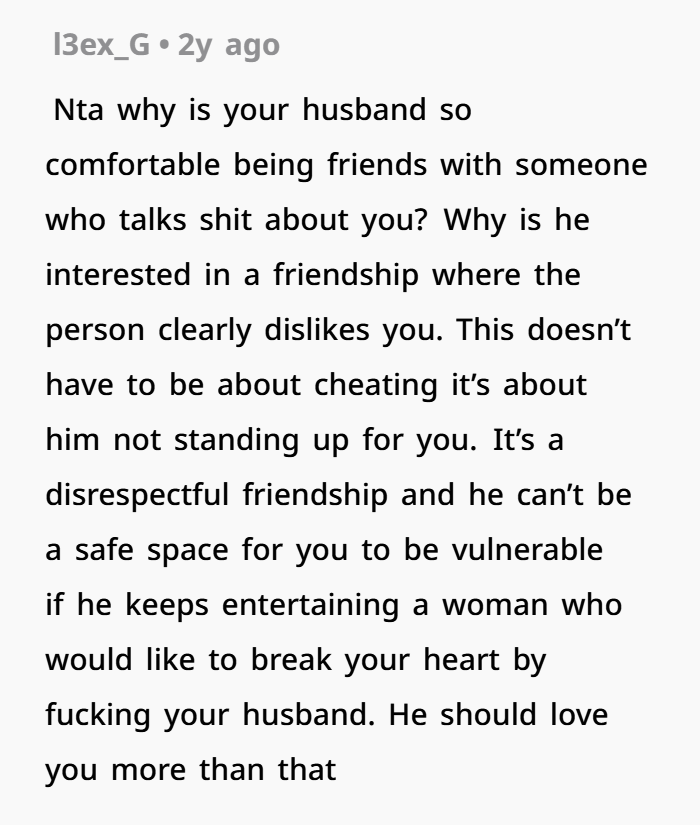
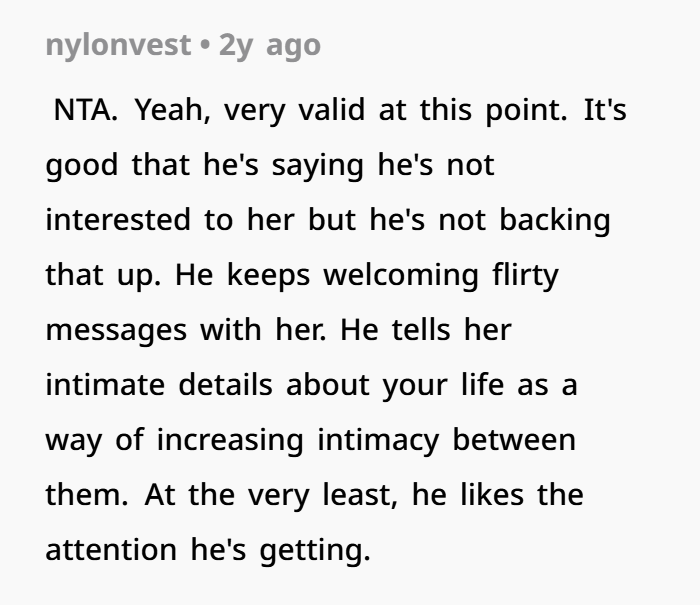
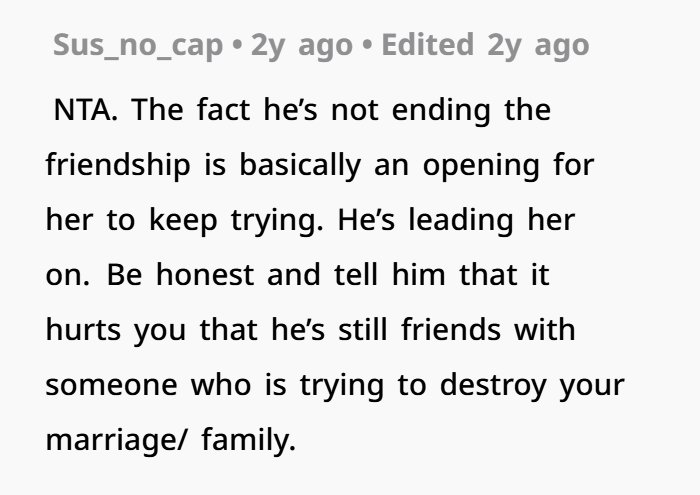
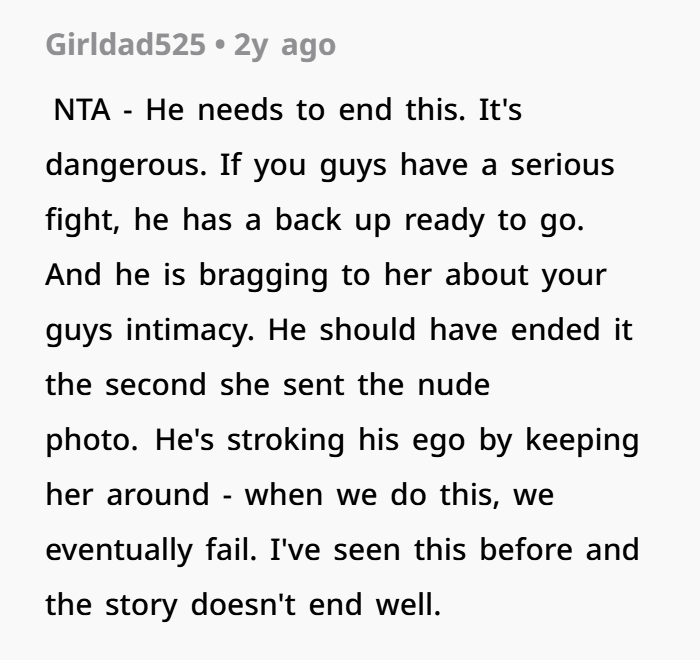
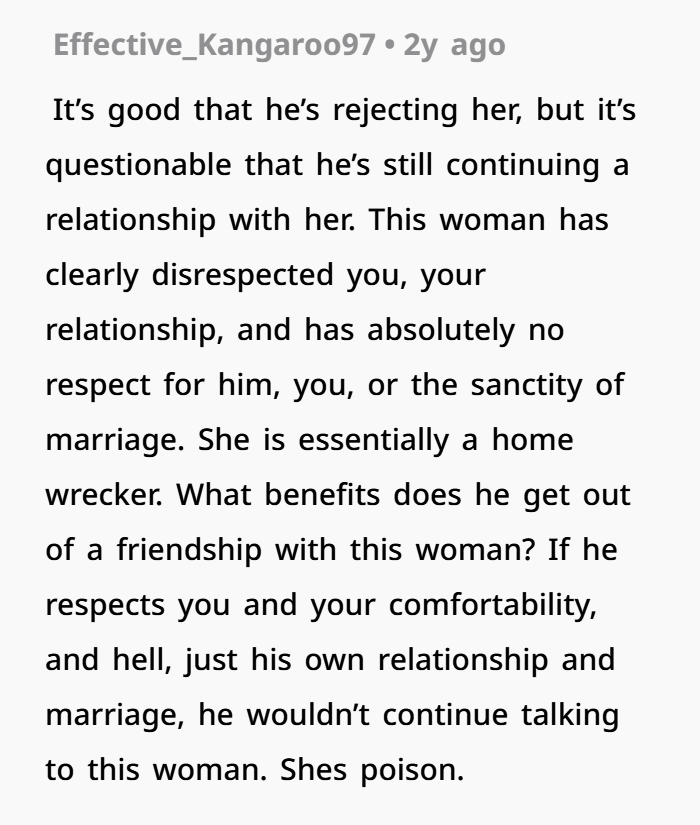
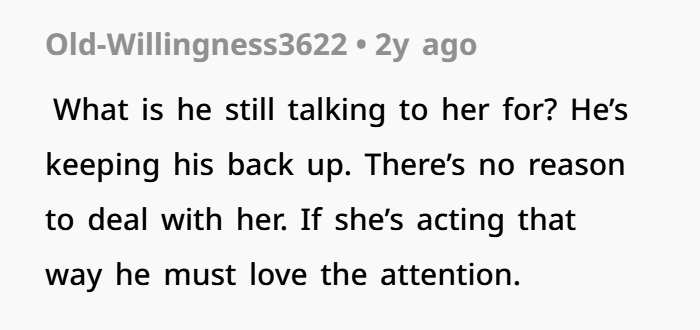
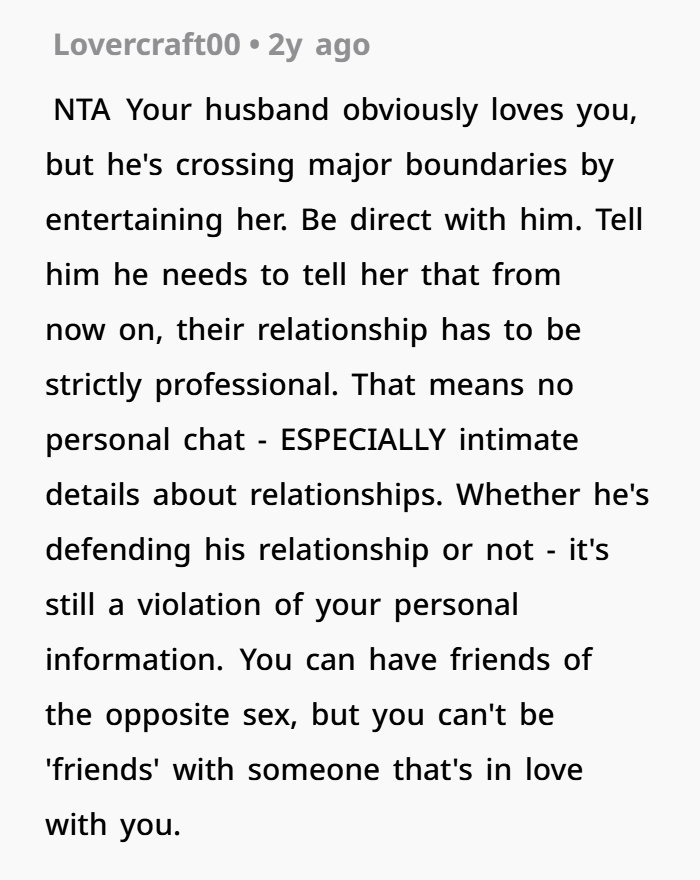
Top Comments From Readers
Final Thoughts
Trust is necessary for a successful marriage, but trust works best when combined with healthy boundaries.
Asking for limits around a friendship that involves repeated flirting or romantic interest is not automatically unreasonable. It can be a way of protecting your relationship and maintaining emotional security.
The goal is not to control your partner’s friendships. The goal is to create a marriage where both people feel respected, valued, and safe.
With honest communication, understanding, and clear boundaries, couples can handle difficult situations and build a stronger relationship over time.