When a Friendship at Work Feels Too Close: A Marriage Dilemma

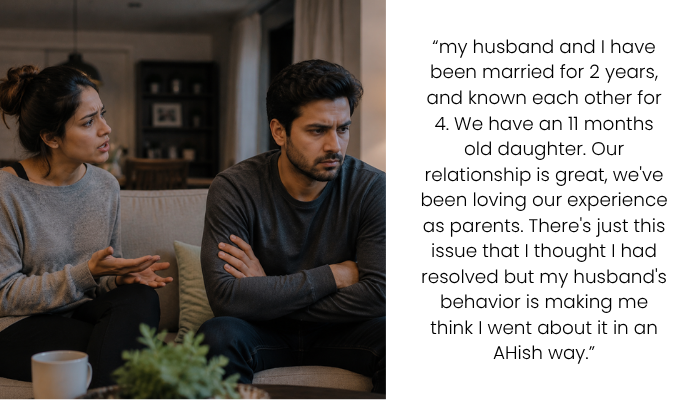
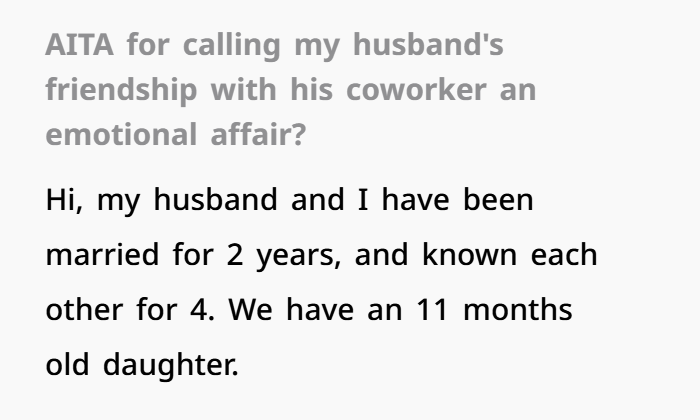
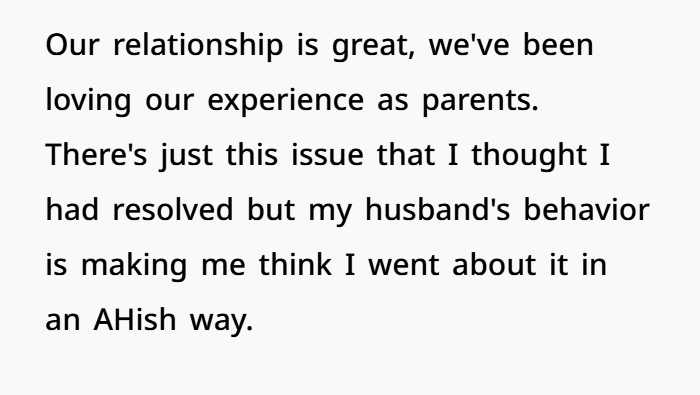
A 28-year-old woman shared her concerns about her marriage after noticing her husband had become very close with a female coworker. She and her husband had been married for two years and had an 11-month-old daughter. She said their relationship was strong overall, but this friendship started making her feel uncomfortable.
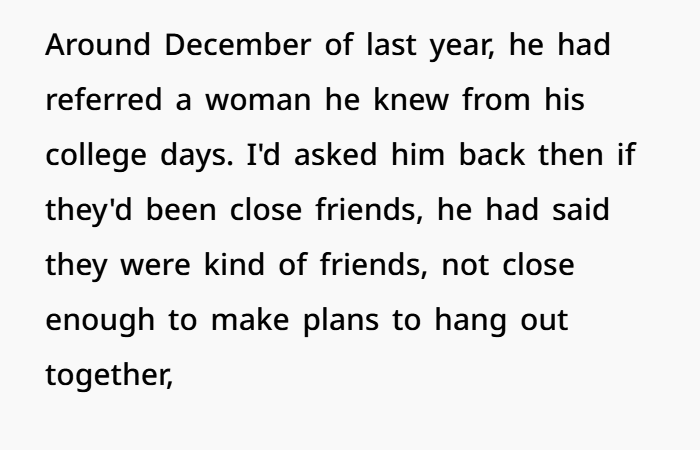
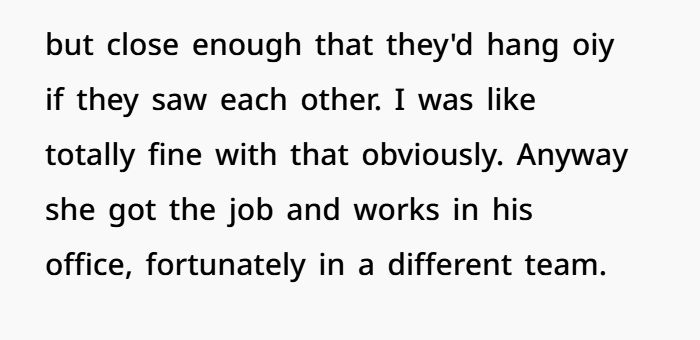
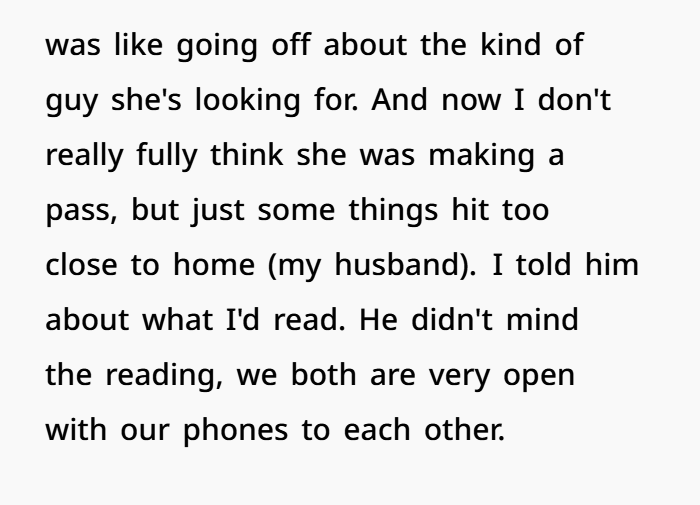
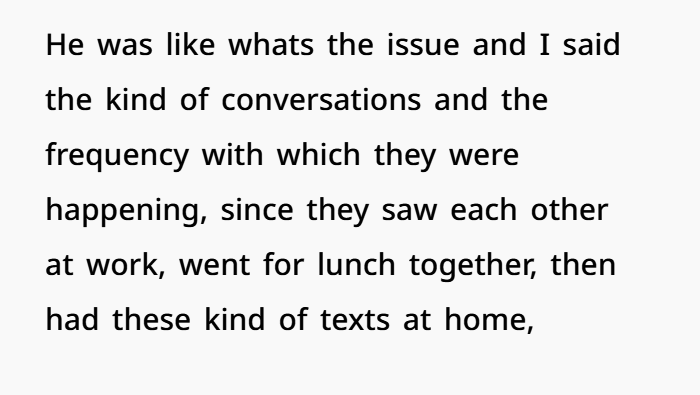
At first, she believed the friendship was normal. However, she became worried when her husband and his coworker started texting often, having regular lunches together, and sharing personal conversations. She felt that their connection had become too close and started affecting her feelings of trust.
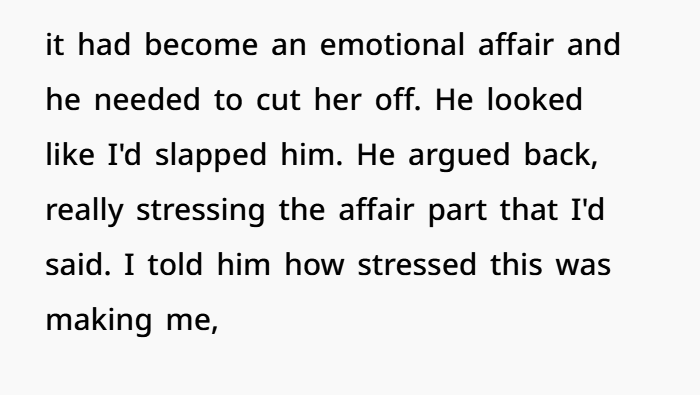
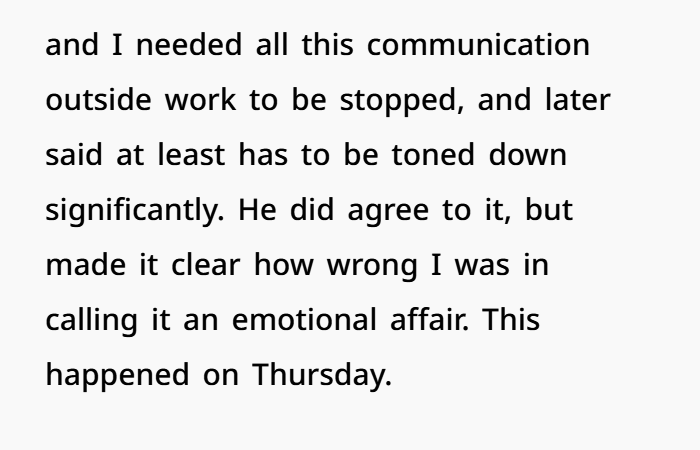
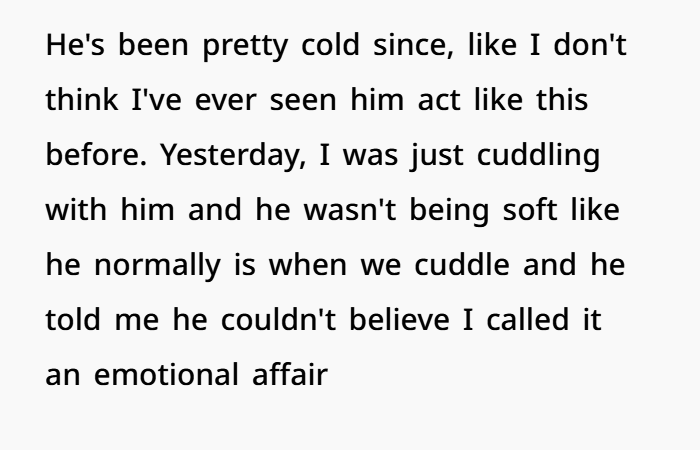
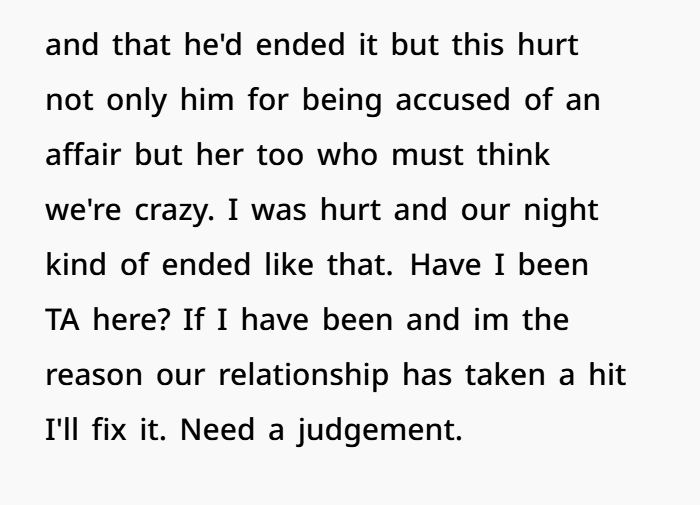
The woman talked to her husband and explained her concerns. She described the situation as an emotional affair and asked him to reduce communication with the coworker. Her husband agreed to create more distance, but he felt hurt by the label and became more quiet and distant afterward.
The situation created stress in their marriage, especially as they adjusted to life with a new baby. The couple now needs to work through questions about trust, communication, and healthy boundaries.
This story shows why honest conversations and emotional boundaries are important in relationships. Couples may have different views about friendships, but discussing feelings with respect can help build trust and create a stronger partnership.

Emotional Affair in Marriage: Understanding Boundaries, Trust, and Feelings
Marriage is built on trust, emotional connection, and respect. But sometimes, a friendship outside the marriage can slowly create problems, even when there is no physical relationship involved.
An emotional affair does not always start with bad intentions. It can begin as a simple friendship with a coworker, a friend, or someone you talk to often. Over time, that connection can become too personal and start taking away the emotional closeness that should exist between spouses.
What Is an Emotional Affair?
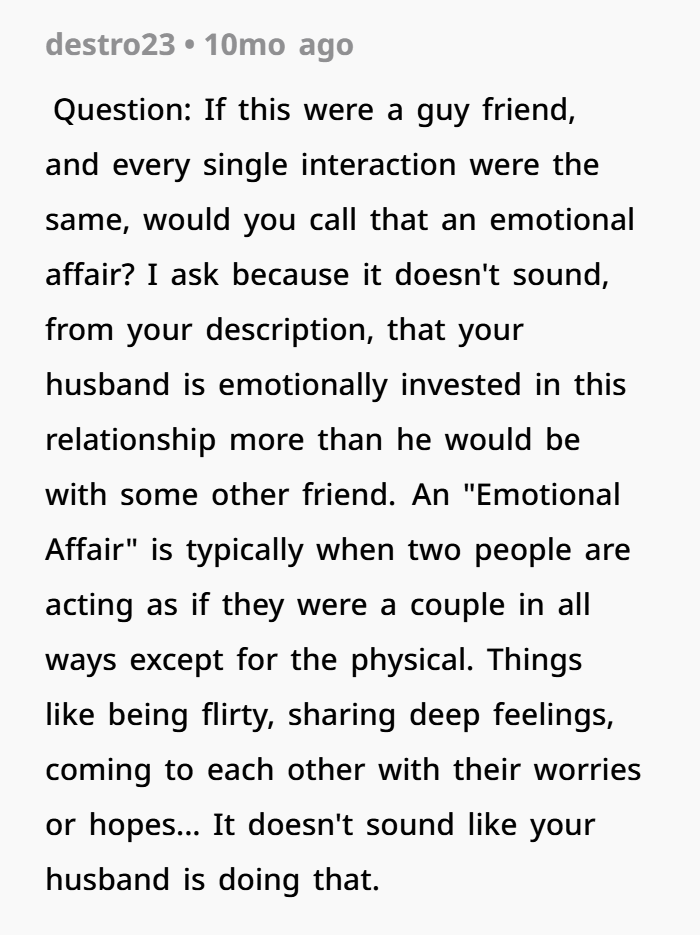
An emotional affair happens when someone outside the marriage starts meeting emotional needs that are usually shared with a spouse.
It may include:
- Talking or texting with someone very often
- Sharing personal secrets or private feelings
- Looking forward to conversations with another person more than with your spouse
- Giving someone else emotional attention that your partner feels is missing
- Creating a special connection that your spouse is not part of
Physical intimacy does not have to happen for emotional hurt to occur. Many people feel betrayed when their partner becomes emotionally closer to someone else.
Were Your Feelings Reasonable?
If your husband was frequently messaging a coworker, meeting her for lunches, and sharing personal details, it makes sense that you felt uncomfortable.
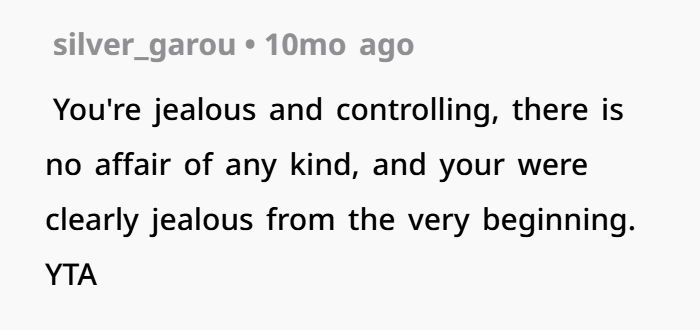
Many people would feel worried if their spouse seemed emotionally connected to someone else. Feeling jealous, anxious, or left out does not automatically mean you are being controlling. Sometimes these feelings are a sign that you need more reassurance, attention, and emotional security in your marriage.
When one partner feels replaced or ignored, it can create distance and stress in the relationship.
Why Emotional Boundaries Matter in Marriage
Healthy boundaries are important in every marriage. Friendships outside the relationship can be normal and healthy, including friendships with coworkers.
However, problems can happen when a friendship starts becoming more important than the marriage.
For example:
- Constant private texting
- Sharing personal problems with someone else instead of your spouse
- Having inside jokes or emotional moments that exclude your partner
- Spending more emotional energy on another person
These behaviors can slowly affect trust and intimacy at home.
Setting boundaries does not mean someone cannot have friends. It means protecting the emotional connection between husband and wife.
The Importance of How We Communicate
One thing that can make these situations harder is the language we use.
Calling something an “emotional affair” can feel like a serious accusation. Even if your concerns are real, your partner may focus on the label instead of understanding your feelings.
Your husband may have felt hurt because he believed you were questioning his character or loyalty.
A better approach is often to explain the behavior and its impact.
Instead of saying:
“You are having an emotional affair.”
You might say:
“I feel hurt and disconnected when I see so much emotional energy going toward another person. I want us to protect our relationship.”
This type of communication focuses on solving the problem instead of creating a fight.
Your Intention Was to Protect Your Marriage
Bringing up a difficult topic does not mean you wanted to attack your husband.
Sometimes couples need uncomfortable conversations to protect their relationship. Speaking up early can prevent bigger problems later.
You noticed something that made you feel unsafe emotionally, and you tried to create a boundary. That can be a healthy step in a marriage when it comes from a place of love and concern.
The goal is not to control your partner. The goal is to make sure both people feel valued and respected.
Why This Situation May Feel Bigger Right Now
Life circumstances can also affect how couples handle conflict.
Having an 11-month-old baby, managing work stress, and dealing with daily responsibilities can make emotional needs feel stronger. During stressful periods, many couples experience less quality time and less connection.
Because of this, even small changes in attention can feel painful.
A spouse who already feels tired or overwhelmed may notice emotional distance more quickly. This does not mean the feelings are wrong. It means the relationship may need extra care and attention.
How to Rebuild Trust After This Conflict
Since your husband agreed to reduce communication with the coworker, that shows he is willing to consider your feelings and protect the relationship.
The next step is rebuilding closeness.
Some helpful steps include:
- Showing appreciation for each other
- Spending quality time together without distractions
- Having honest conversations about emotional needs
- Reassuring each other about commitment and loyalty
- Creating clear boundaries with outside friendships
Trust does not return through one conversation. It grows through consistent actions over time.
How to Handle Workplace Friendships
Work friendships are common, and they do not automatically threaten a marriage. Many people spend a large part of their day with coworkers, so friendships naturally develop.
The important thing is maintaining healthy limits.
Couples can discuss boundaries such as:
- How often personal texting is appropriate
- What topics should stay private between spouses
- How much one-on-one time with coworkers feels comfortable
- Whether outside friendships are affecting time at home
Open communication can prevent misunderstandings before they become bigger issues.
Why Addressing Problems Early Helps
Ignoring emotional distance in a marriage can lead to resentment, loneliness, and loss of connection.
Talking about concerns early gives couples a chance to fix problems before they grow.
A healthy marriage requires both partners to feel chosen, respected, and emotionally supported.
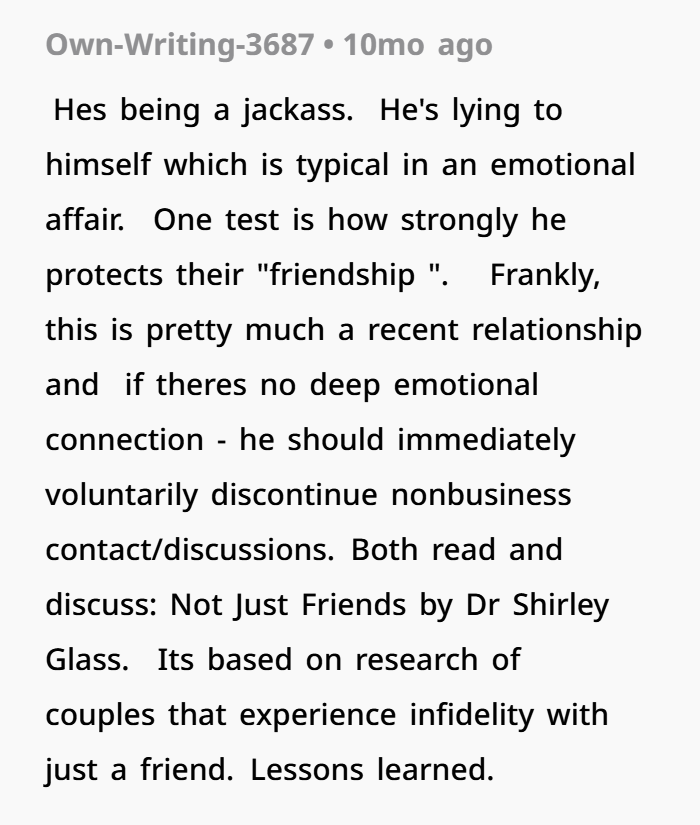
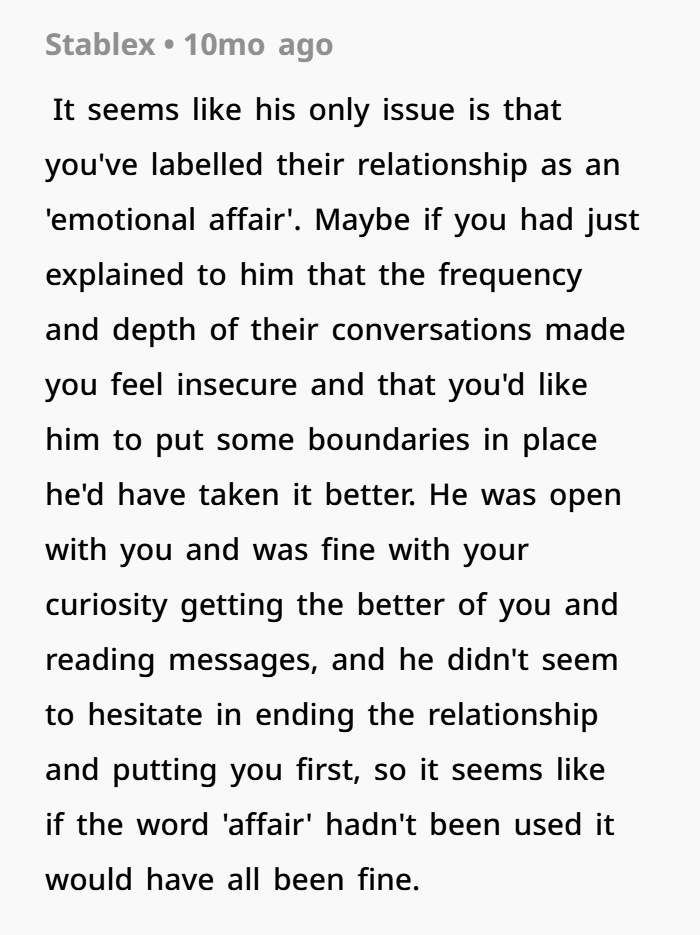
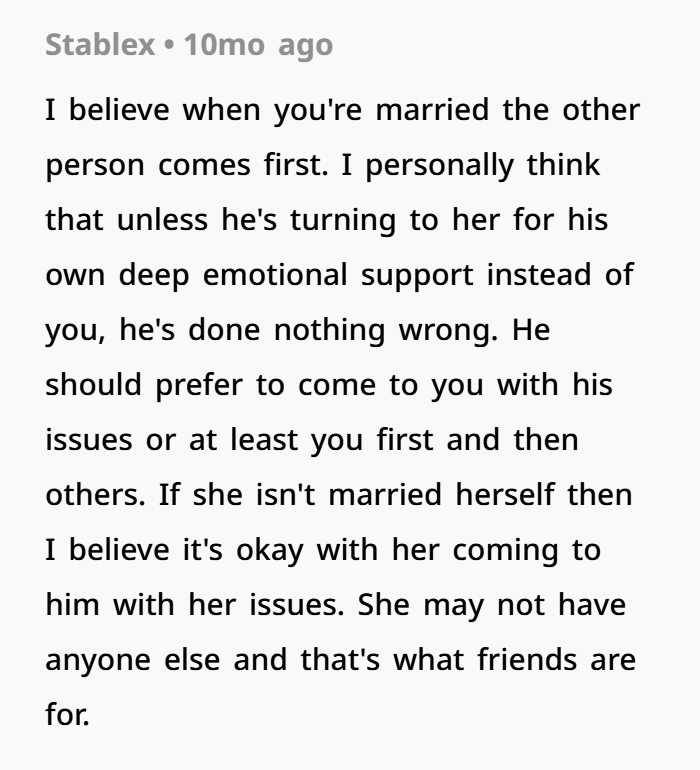
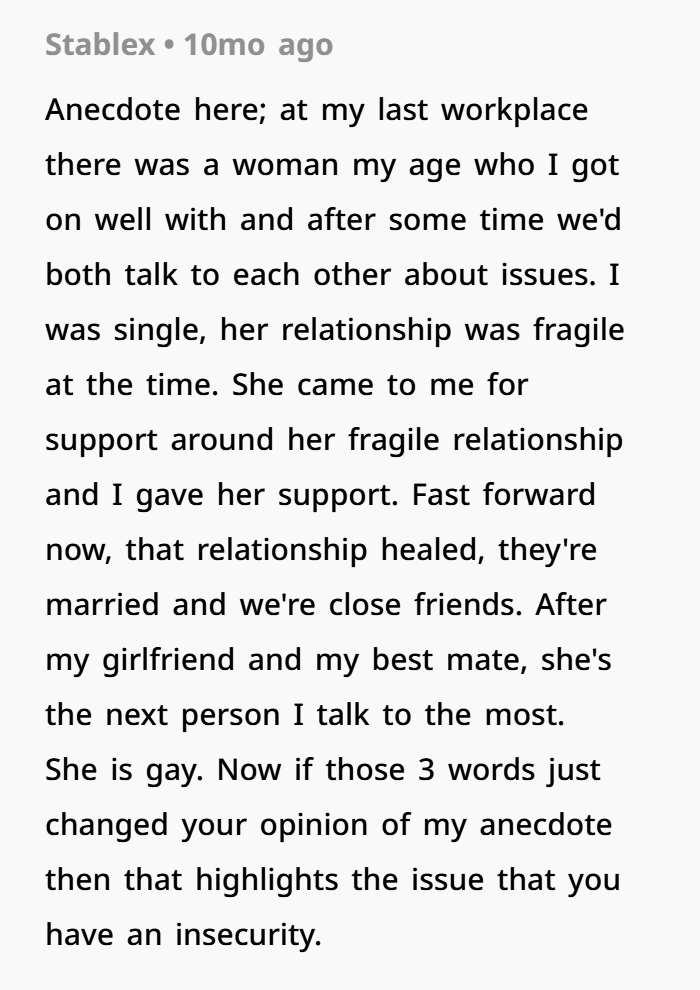
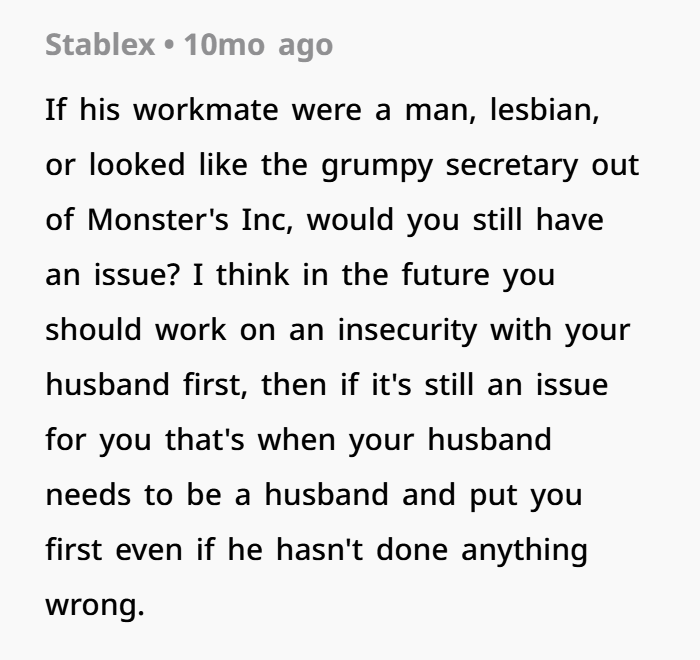
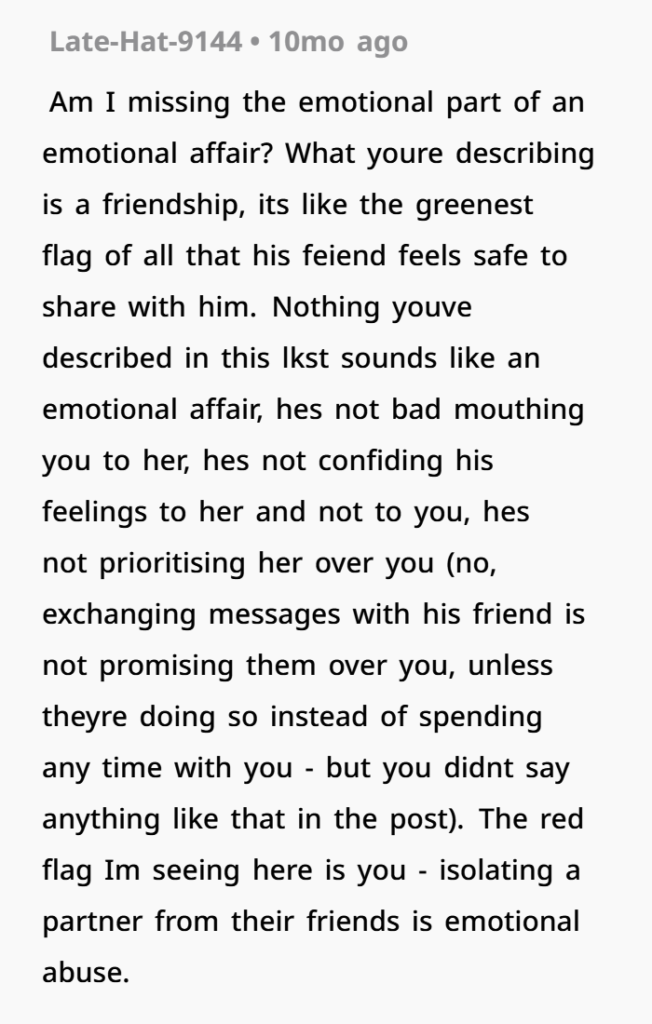
The Comments Are In

Final Thoughts
Your concerns about frequent texting, personal conversations, and emotional closeness with a coworker were understandable. Emotional boundaries are an important part of protecting trust in marriage.
At the same time, the words used during difficult conversations matter. A label like “emotional affair” can hurt, even when the concern behind it is genuine.
The best path forward is empathy, honest communication, and a focus on rebuilding connection. By discussing boundaries, showing appreciation, and making your marriage a priority, both partners can move forward with stronger trust and emotional intimacy.