
AITA for Accidentally Convincing My Coworker’s Husband She Was Having an Affair?

A 29-year-old man shared a story about how a simple music recording created an unexpected problem. He makes music as a hobby and was working on a romantic song called “The Spark.” Because his singing voice sounds different from what some people expected, a coworker named Sarah became interested in hearing the song.
The man shared the demo with Sarah, thinking it was just a normal conversation about his music. Later, Sarah played the song at home, and her husband heard the romantic lyrics. He became confused and thought the voice belonged to someone else.
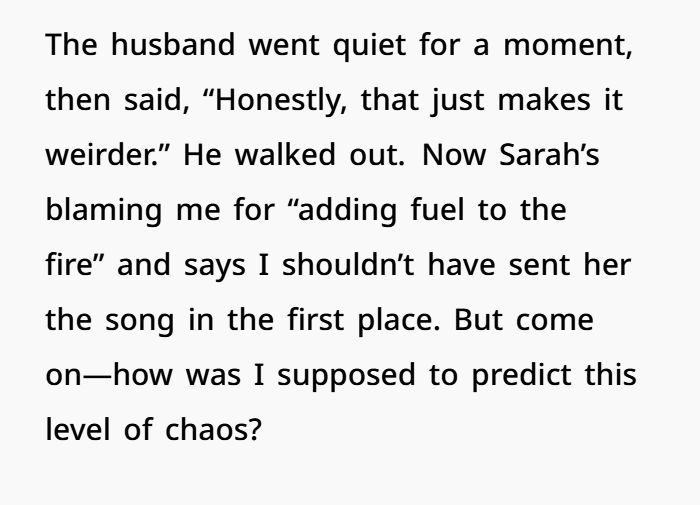
Sarah asked the man to explain the situation, so he met with her husband and showed that he was the person singing in the recording. However, the explanation did not make the situation better. Her husband still felt uncomfortable and left the conversation upset.
The misunderstanding created tension between the couple, and Sarah blamed the man for causing problems even though he never intended for the situation to happen. This story shows how important clear communication and trust are in relationships. Small misunderstandings can become bigger issues when people make quick assumptions instead of talking openly.


When a Simple Song Creates a Relationship Misunderstanding
Sometimes, a small situation can turn into a much bigger problem because of misunderstandings.
This story is a good example of how music, workplace friendships, and communication can become complicated when emotions are involved.
The situation started in a very simple way. Someone created a song, recorded a short demo, and shared it with a coworker who was interested in hearing it.
There was no flirting, hidden message, or bad intention.
It was simply someone sharing a creative hobby.
However, misunderstandings can happen when people attach their own emotions and experiences to something they see or hear.
How Music Can Create Different Meanings
Music is powerful because people connect with lyrics in different ways.
A romantic song can sound personal to one person but completely normal to another.
In this situation, the lyrics included words about feelings and attraction. When the coworker’s husband heard the song without knowing the full context, he believed it had a romantic meaning.
He assumed the song was connected to his wife.
However, the song was actually just a creative project.
This shows how easily people can misunderstand art when they only have part of the information.
The Role of Emotions and Assumptions
When people feel worried about their relationship, they may notice things that confirm their fears.
A person who already feels insecure may see a harmless situation as a possible threat.
This is why communication and trust are important in relationships.
Instead of asking questions and learning the full story, the husband quickly formed an opinion based on what he heard.
The problem was not the song itself.
The problem was the misunderstanding that followed.
When Communication Breaks Down
The coworker explained that the song was created by someone else and that there was no romantic meaning behind it.
However, the husband still had doubts.
This is a common relationship challenge.
Sometimes, when emotions are strong, people have difficulty accepting information that does not match their fears.
Healthy communication requires both people to listen, ask questions, and be open to another perspective.
Trying to Clear Up the Situation
The person who created the song later tried to explain everything.
They met with the husband, played the song, and even performed it to show that there was no hidden message.
This was an attempt to solve the misunderstanding and reduce tension.
However, sometimes trying to prove something can make an already emotional situation feel even more uncomfortable.
When trust has been affected, logic alone does not always fix the problem immediately.
People may need time to process their feelings.
Workplace Friendships Can Be Misunderstood
Friendships between coworkers are common.
People often share hobbies, creative ideas, and personal interests with colleagues.
A workplace friendship does not automatically mean there is anything inappropriate happening.
However, some situations can be misunderstood, especially when personal hobbies and emotional topics are involved.
Clear boundaries and respectful communication can help prevent confusion.
Both coworkers and their partners can benefit from understanding the difference between friendship and romantic interest.
How Technology Can Add Confusion
Sharing things online can sometimes create misunderstandings.
A message, recording, or email does not always include the emotions and background behind it.
Someone listening to a song alone may interpret it differently than someone hearing the creator explain the meaning.
Digital communication can sometimes leave room for assumptions.
This is why asking questions before making conclusions is important.
The Importance of Emotional Intelligence
The way people handle conflict can make a big difference.
In this situation, the creator of the song tried to help solve the problem instead of ignoring it.
They explained the situation and provided clarification.
That shows an effort to use healthy conflict resolution skills.
However, when emotions are high, even honest explanations may not immediately solve the problem.
Trust and understanding often take time to rebuild.
Who Was Responsible for the Conflict?
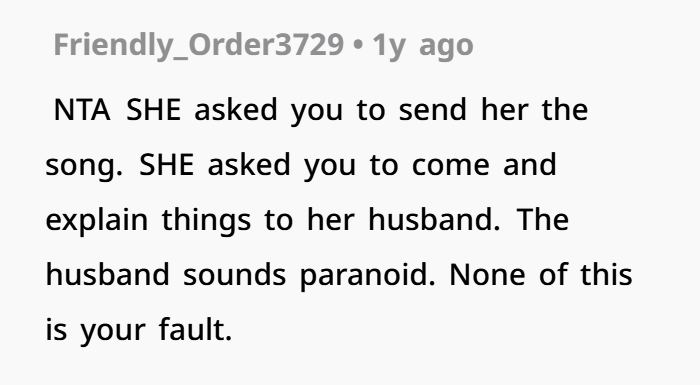
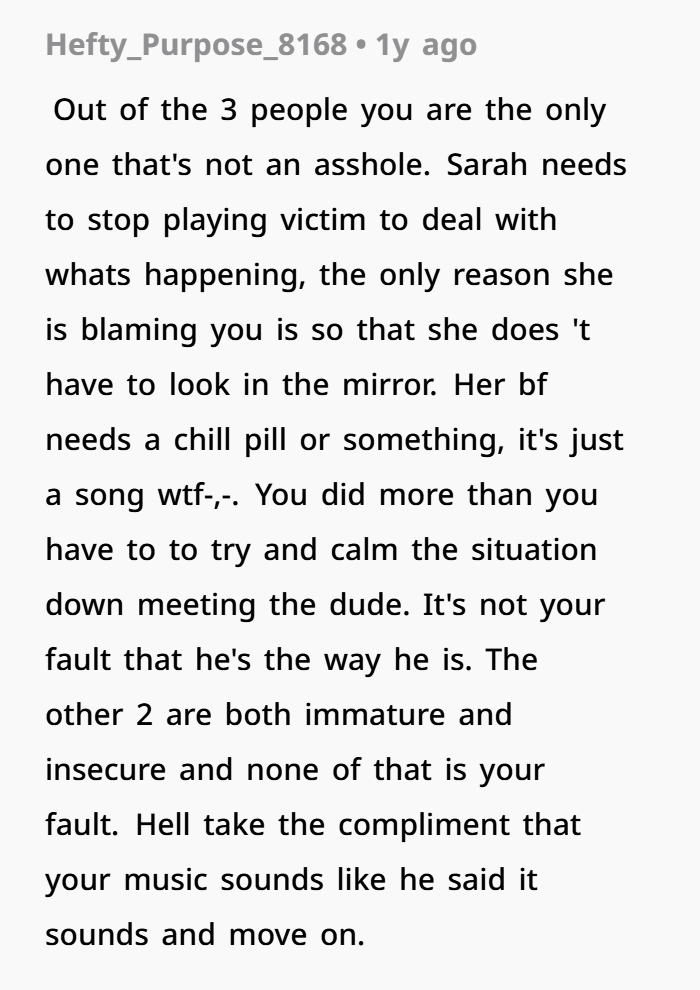
The person who shared the song did not create the misunderstanding intentionally.
They shared a creative project with a coworker who asked to hear it.
There was no attempt to create a romantic connection or cause problems.
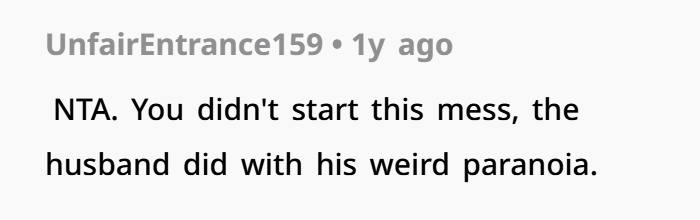
The conflict happened because of assumptions, timing, and emotional reactions.
This is an important reminder that people are not always responsible for how others interpret harmless actions.
Lessons About Trust and Communication
This situation teaches several important lessons about relationships and communication.
Healthy relationships need:
- Trust between partners
- Honest conversations
- Clear personal boundaries
- The ability to ask questions before judging
- Respect for each person’s hobbies and friendships
Creative activities like music can create strong emotions, but they do not automatically represent someone’s intentions.
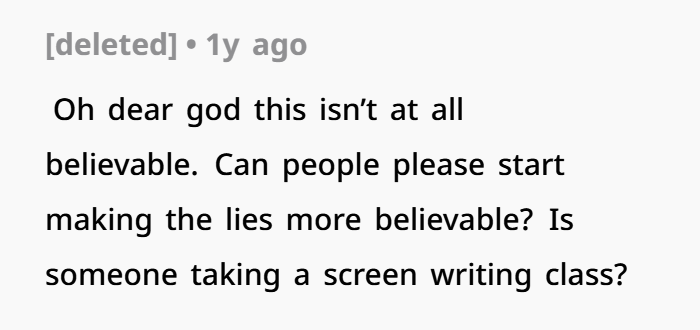
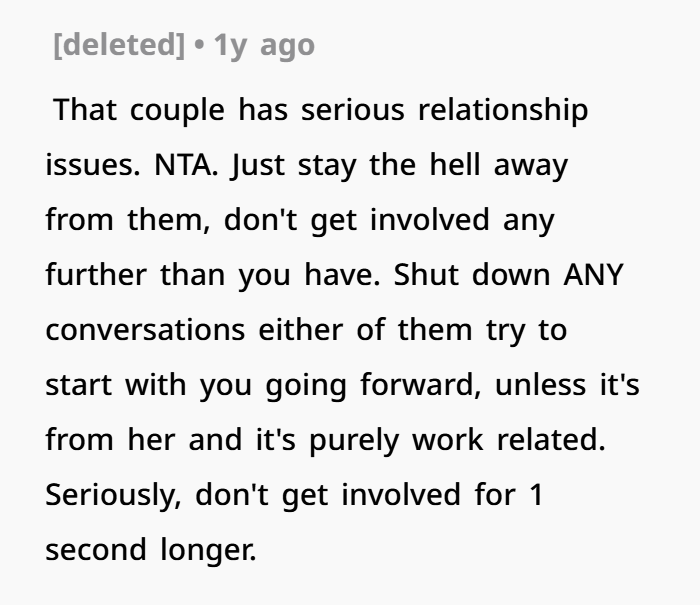
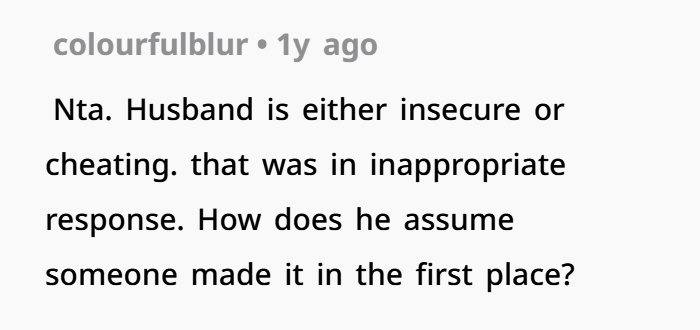
See The Comments Below



Final Thoughts
A simple song turned into a complicated situation because of misunderstanding and emotional reactions.
The person who created the music was sharing a hobby, not trying to create a relationship problem.
The bigger lesson is about communication, trust, and understanding.
In both workplace friendships and personal relationships, it is important to avoid quick assumptions and have honest conversations.
Small misunderstandings can grow when people react from fear, but they can often be resolved through patience, empathy, and respectful communication.