Kicked Out for Standing Up for Myself? A Wedding Drama That Took a Dark Turn

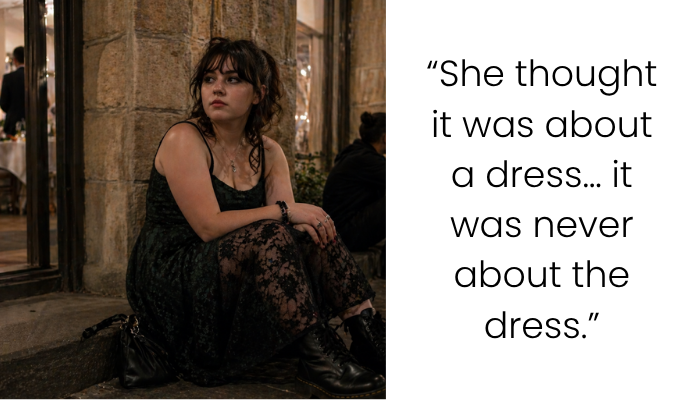
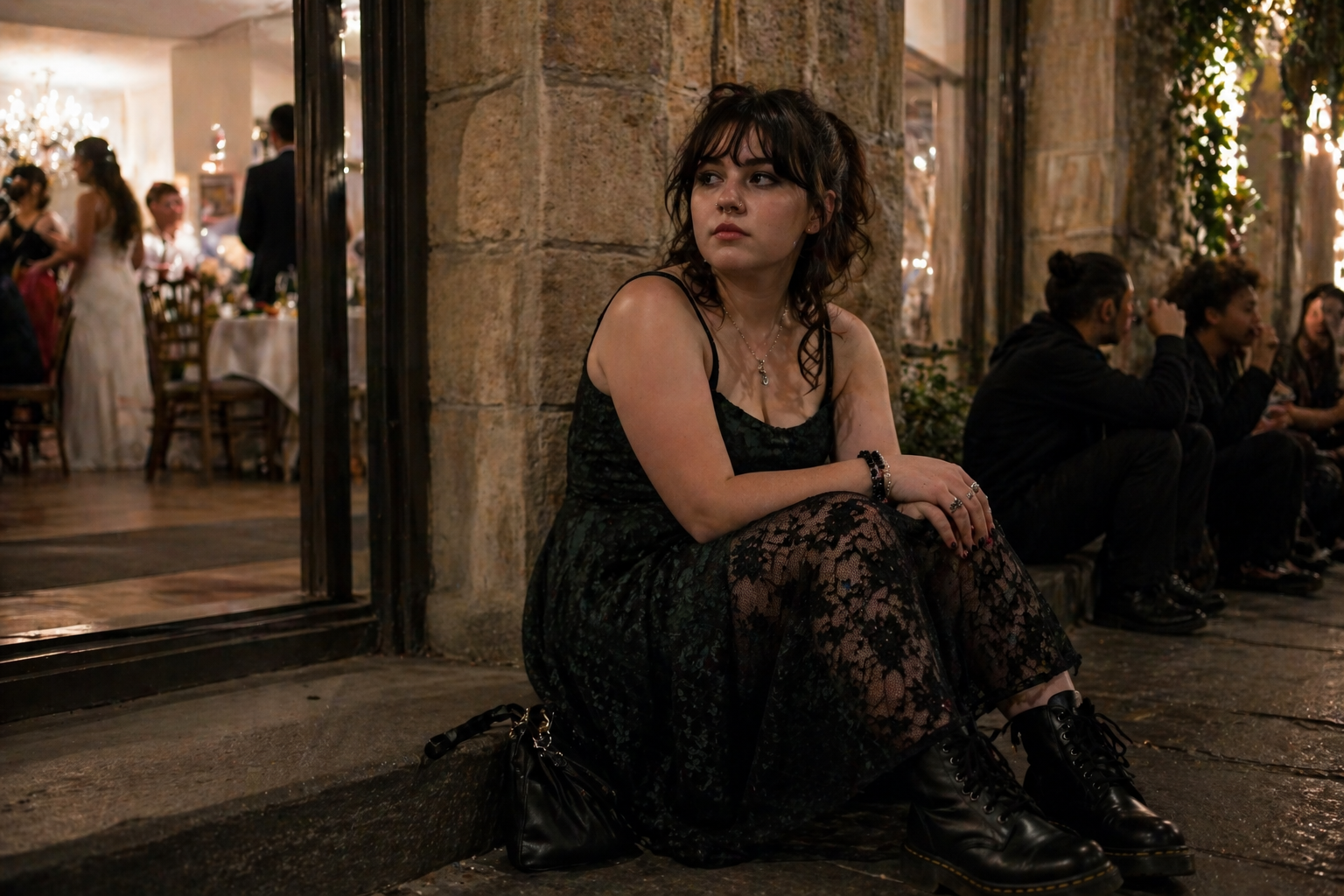
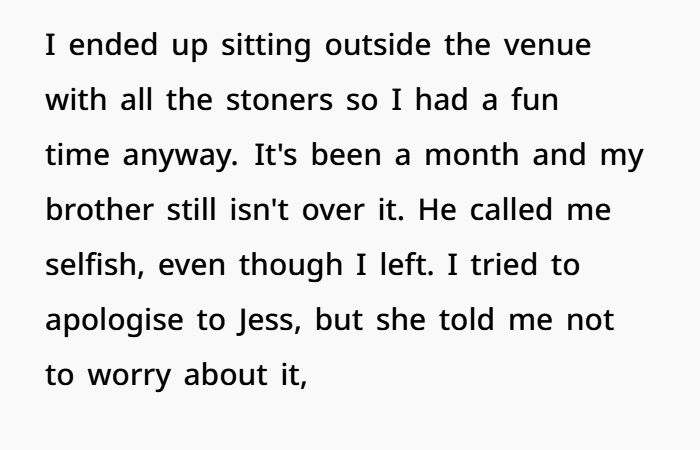
The situation started as a happy moment for one woman who finally felt confident wearing a dress she loved. The bride was involved in choosing the dress and supported her decision. Everything seemed positive, and the woman felt comfortable expressing her own style.
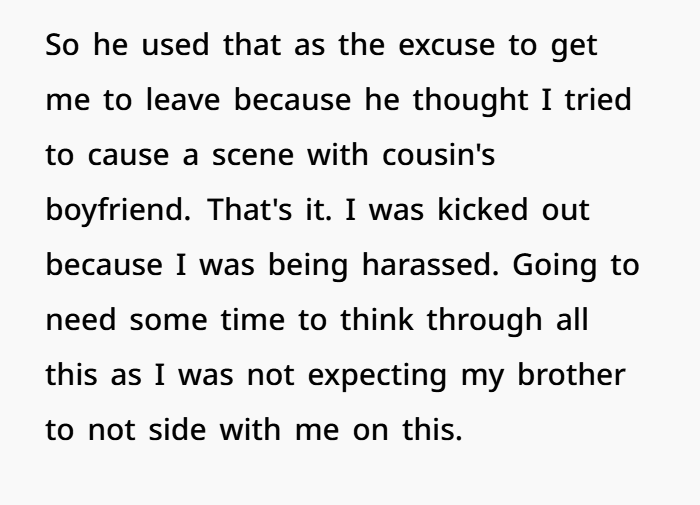
However, things changed during the wedding reception. She was suddenly accused of trying to take attention away from the bride. She was asked to change her outfit, and the situation became more serious when she was told to either fix the problem or leave. What seemed like a simple disagreement quickly turned into a stressful family conflict.
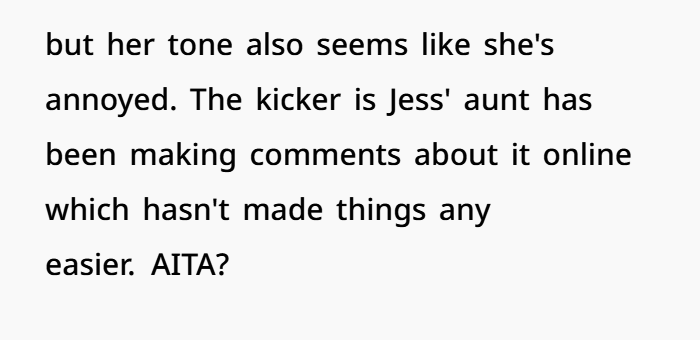
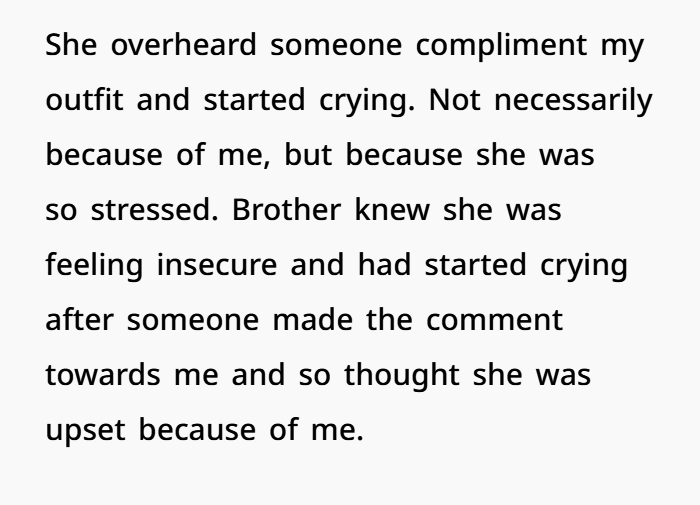
At first, it appeared to be a misunderstanding caused by strong emotions during a big event. The bride may have felt overwhelmed, and others may have reacted without thinking clearly. However, later details suggested that the disagreement involved deeper issues, including gossip, uncomfortable behavior, and accusations that the woman felt were unfair.
The experience left her feeling hurt and disrespected. The situation shows how important clear communication, respect, and healthy boundaries are during family events like weddings. When conflicts happen, handling them calmly and honestly can help prevent small disagreements from becoming bigger problems.
When Wedding Drama Becomes More Than Just a Dress Problem
At first, this story may look like a simple wedding guest problem.
People often argue about wedding clothing, guest rules, and whether someone can “outshine the bride.”
But this situation is about much more than a dress.
It involves communication problems, family pressure, personal boundaries, and how people react when someone feels uncomfortable or unsafe.
The biggest issue was not what someone wore.
The biggest issue was how people handled the situation afterward.
The Dress Was Not the Real Problem
Many people believe there is an unspoken wedding rule:
“Do not wear something that takes attention away from the bride.”
That idea exists in many cultures.
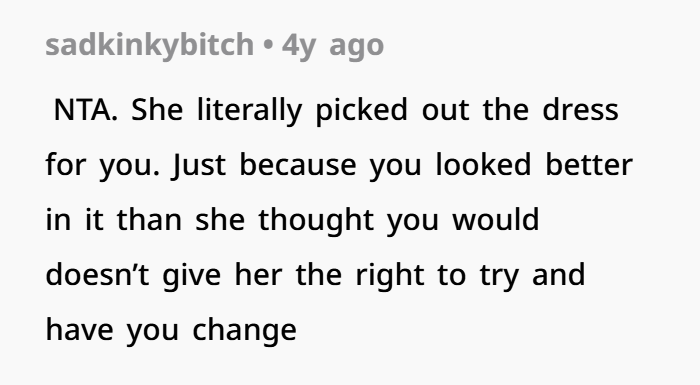
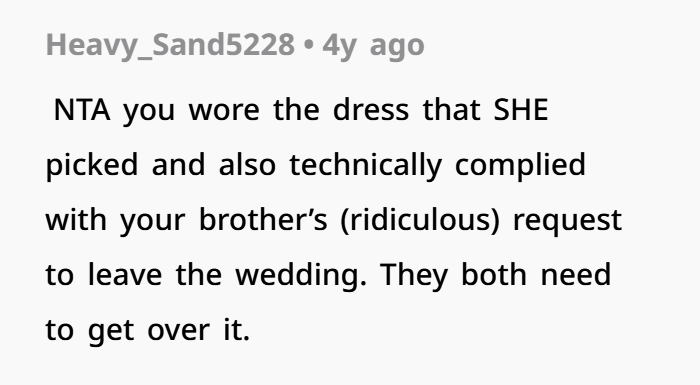
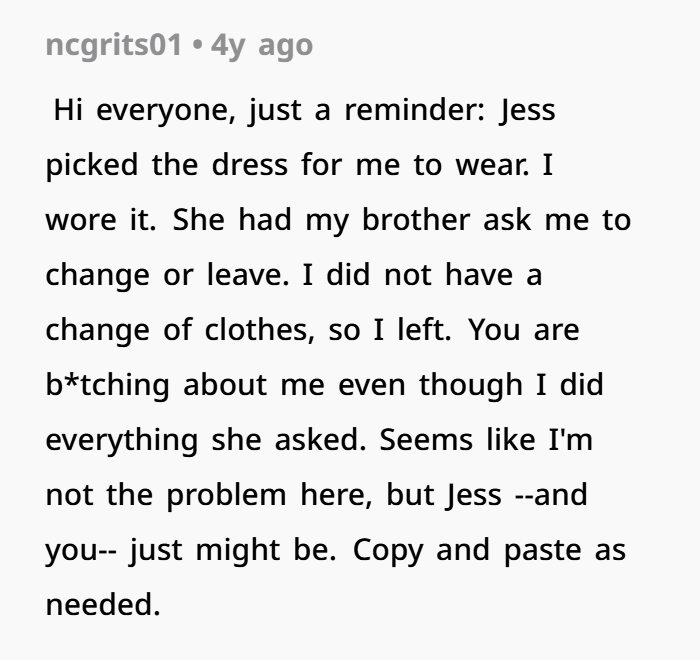
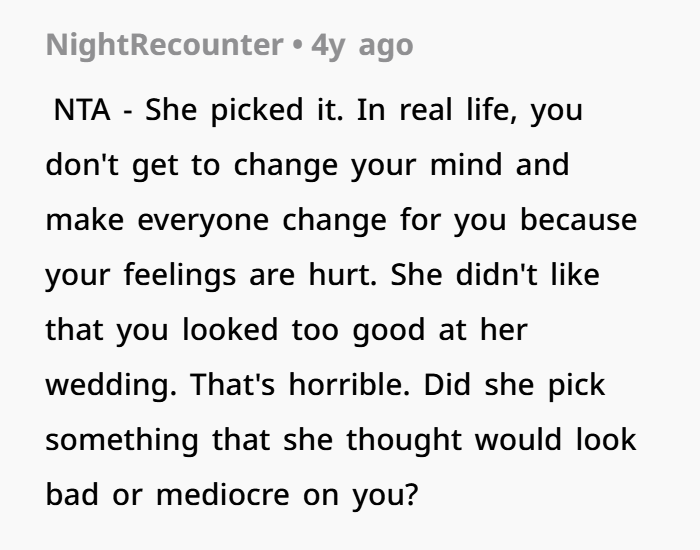
However, this situation was different because the bride had already approved the dress.
When someone gives permission, the responsibility changes.
The guest was not secretly trying to break a wedding rule. She wore something that had already been accepted.
The problem started when other people reacted emotionally after seeing the attention she received.
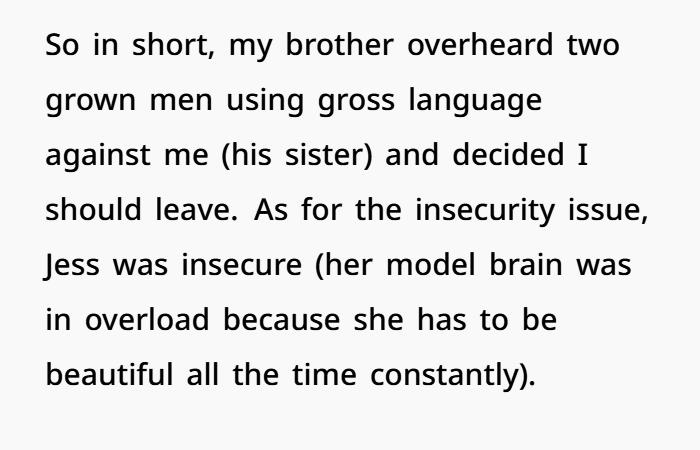
Weddings can be stressful for many people. There are often strong emotions, pressure, and expectations. A simple compliment toward another person can sometimes make someone feel insecure, especially during a very emotional event.
But another person receiving attention does not automatically mean someone is trying to steal the spotlight.
Assumptions Made the Situation Worse
The brother’s reaction also created more conflict.
Instead of asking questions and understanding what happened, he made a quick decision based on what he heard.
The situation became:
- Someone felt upset
- Others assumed someone else was responsible
- A decision was made without knowing the full story
This type of communication problem happens often in families.
When people react before understanding the facts, it can create:
- Hurt feelings
- Anger
- Resentment
- Long-term relationship problems
A calm conversation usually works better than accusations or ultimatums.
The Bigger Issue: Unwanted Behavior
The most serious part of the story was not the dress.
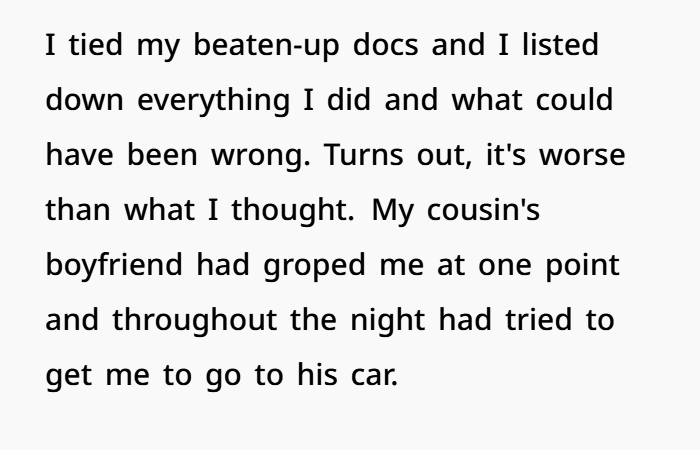
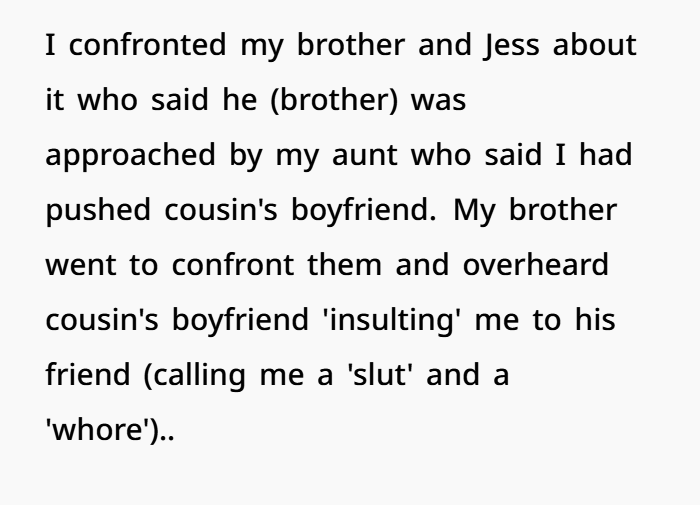
It was the behavior of the cousin’s boyfriend.
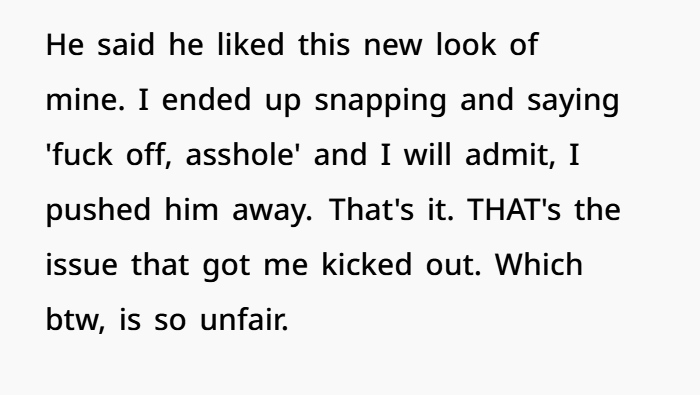
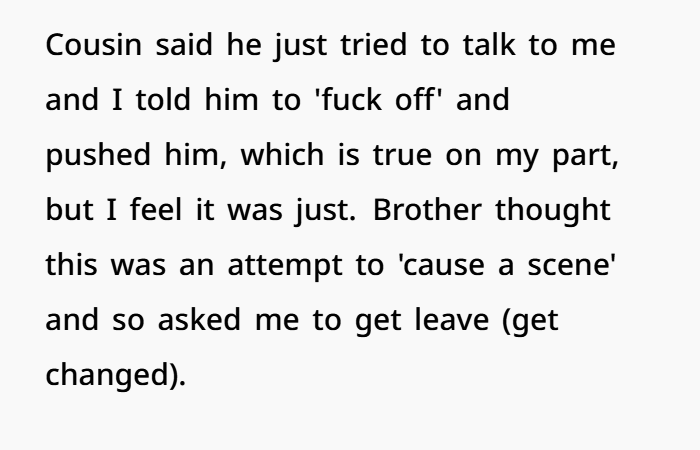
According to the situation, he continued trying to get attention after she was uncomfortable and made unwanted physical contact.
That is not just an awkward social moment.
Unwanted touching, pressure, or ignoring someone’s clear boundaries can make a person feel unsafe.
Everyone has the right to set personal boundaries.
If someone says no, moves away, or shows discomfort, that should be respected.
Defending Yourself Is Not the Same as Causing Drama
The woman’s reaction was criticized by some people because she responded strongly.
However, many people react differently when they feel threatened or uncomfortable.
Some people:
- Speak loudly
- Move away
- Tell the person to stop
- Create distance
These reactions can be ways of protecting personal space.
The important question is not only:
“How did someone react?”
It is also:
“What caused that reaction?”
Looking only at the response while ignoring the original behavior can create an unfair situation.
How Victim-Blaming Happens
One of the biggest problems in situations like this is that attention sometimes shifts from the person who crossed a boundary to the person who reacted.
Instead of asking:
“Why did this person behave that way?”
People sometimes ask:
“Why did the other person make a scene?”
This can make someone feel blamed for protecting themselves.
Calling someone dramatic for speaking up can discourage people from setting healthy boundaries in the future.
Family Loyalty Can Affect Judgment
The family reaction also shows how complicated these situations can become.
During emotional events like weddings, people often want to protect the peace.
They may think:
“Let’s avoid drama.”
“Let’s not ruin the event.”
But avoiding conflict is not always the same as solving the problem.
Sometimes keeping things quiet means the wrong person gets blamed.
Healthy family relationships require honesty, not just keeping everyone comfortable.
Why the Situation Still Feels Unresolved
Even after the truth becomes clearer, problems may continue because emotional damage does not disappear instantly.
For real healing, people usually need:
- Acknowledgment of what happened
- A sincere apology
- Understanding from the people involved
- Responsibility for mistakes
Simply saying “let’s move on” does not always fix hurt feelings.
People often need to feel heard before they can truly move forward.
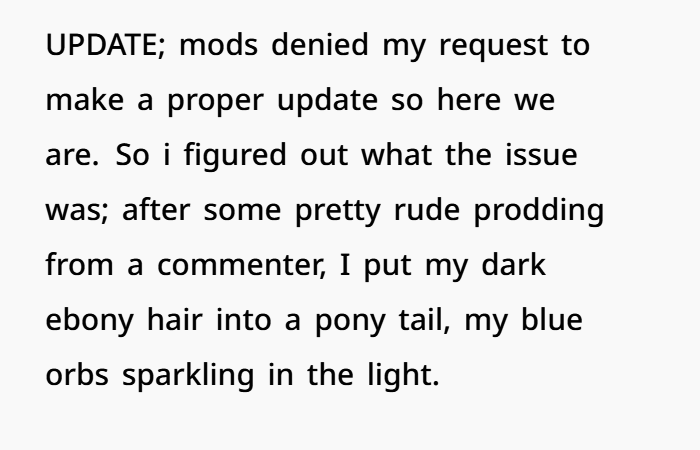
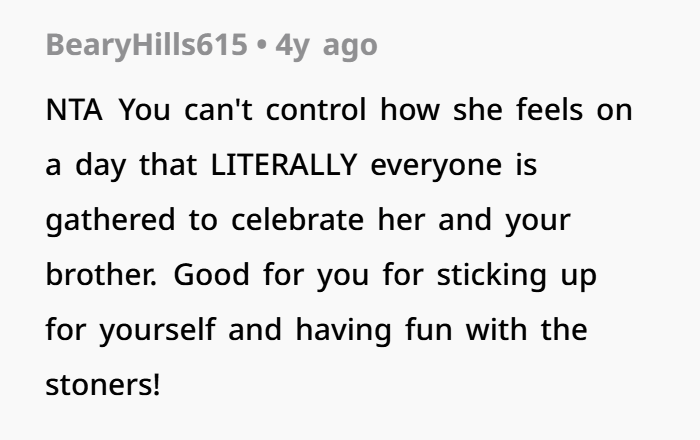
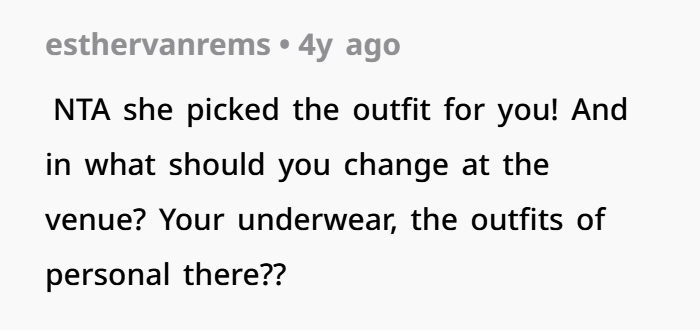
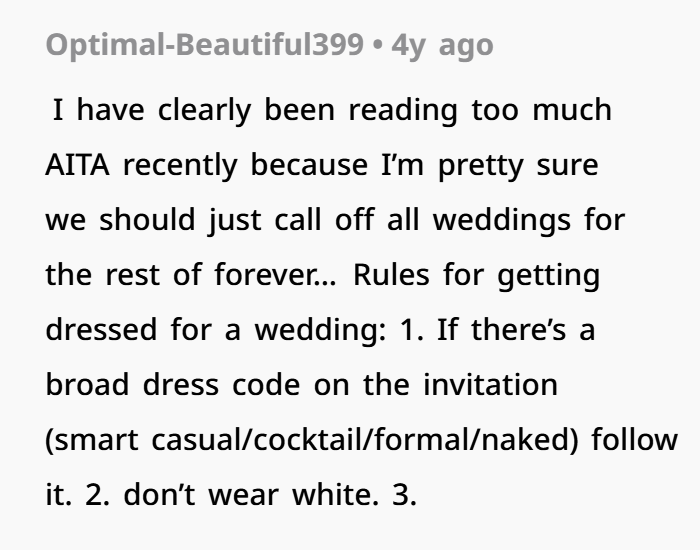
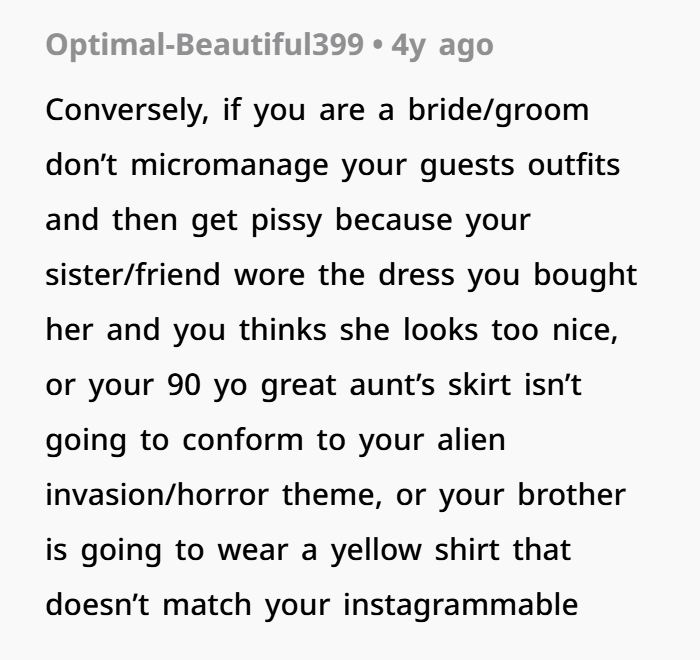
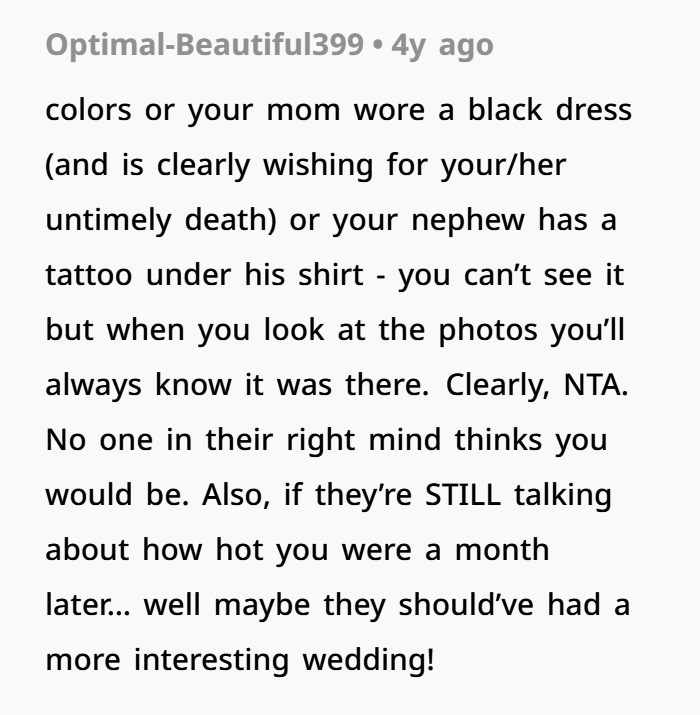
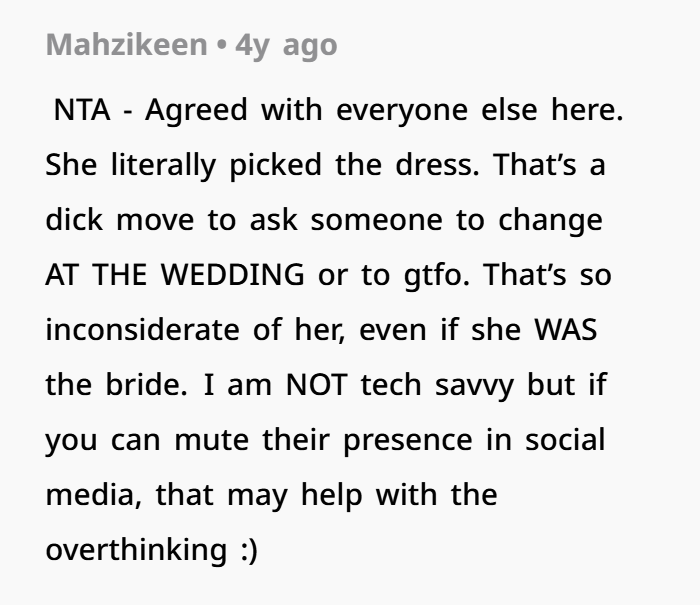
The internet read the update and the conversation shifted entirely; it went from a dress dispute to something considerably more serious that nobody in that venue handled correctly
Final Thoughts
Looking at the full situation:
- The dress was approved beforehand
- There was no clear intention to disrespect the bride
- The serious issue was the unwanted behavior from another guest
- The conflict became worse because of assumptions and poor communication
This story was never really about clothing.
It was about respect, boundaries, and how people respond when someone feels uncomfortable.
A wedding is an important day, but protecting people’s safety and dignity matters too.
Good communication, respect, and listening to the full story can prevent small conflicts from becoming much bigger problems.