My Parents Made My Husband Sleep on the Couch… Then Blamed Me for Joining Him


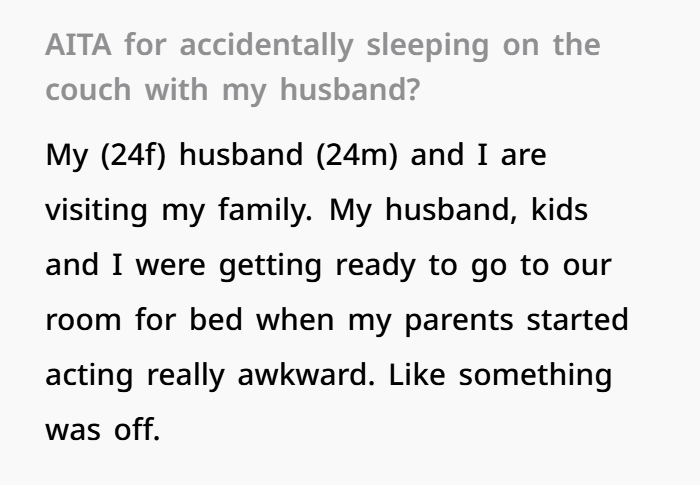
This situation begins with what should have been a normal family visit. A 24-year-old married couple visits her parents’ home with their children. At first, everything seems fine, but the couple notices that her parents are acting uncomfortable and distant. There is tension in the home, but they do not understand why.
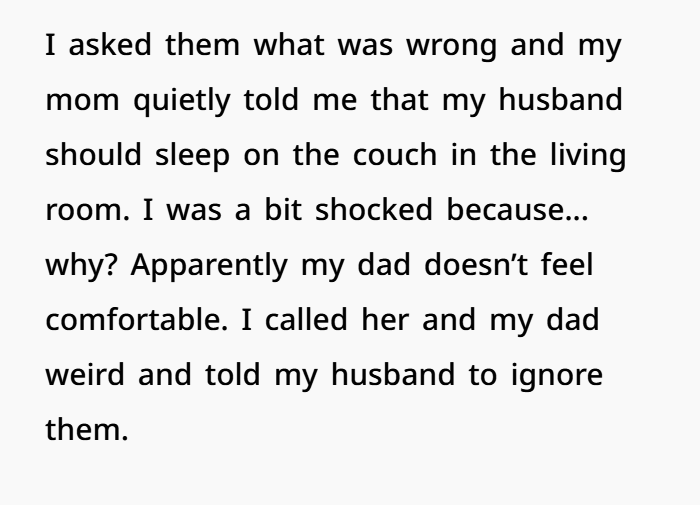
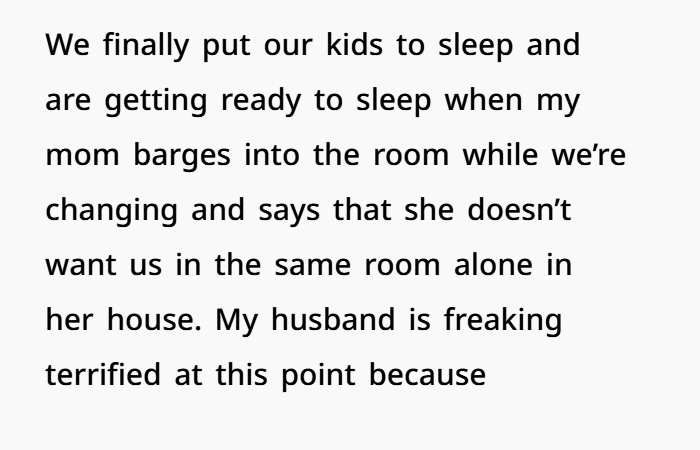
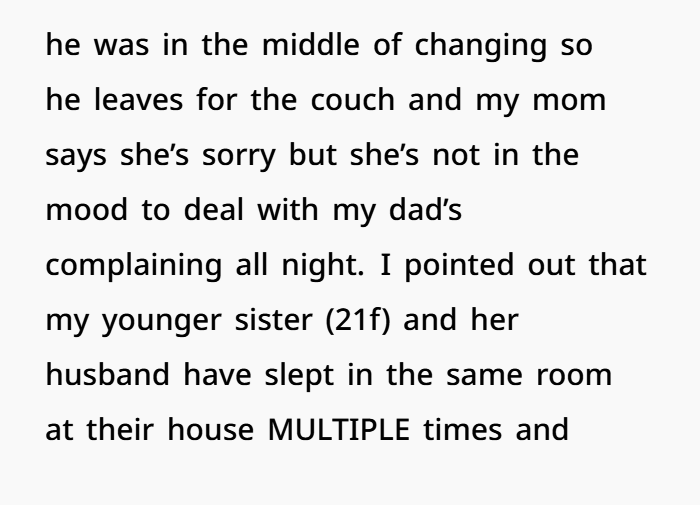
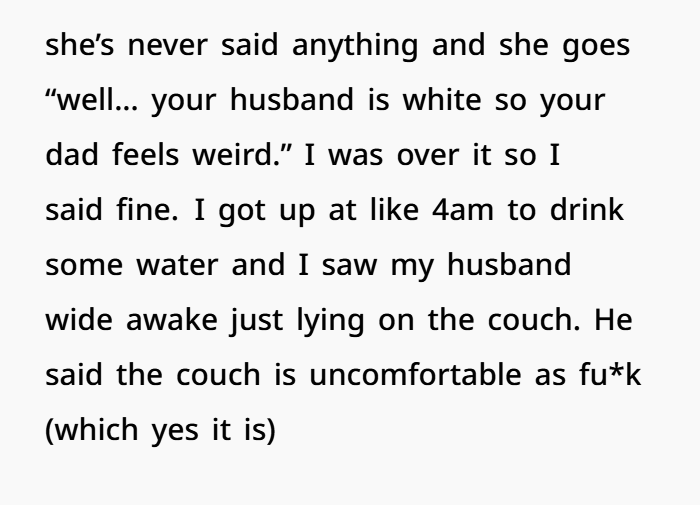
Later, her father explains that he does not want the husband and wife to sleep in the same room while staying at his house. This surprises the couple because they are married and already have children together. The mother agrees with the father’s decision and asks the husband to sleep on the couch instead.
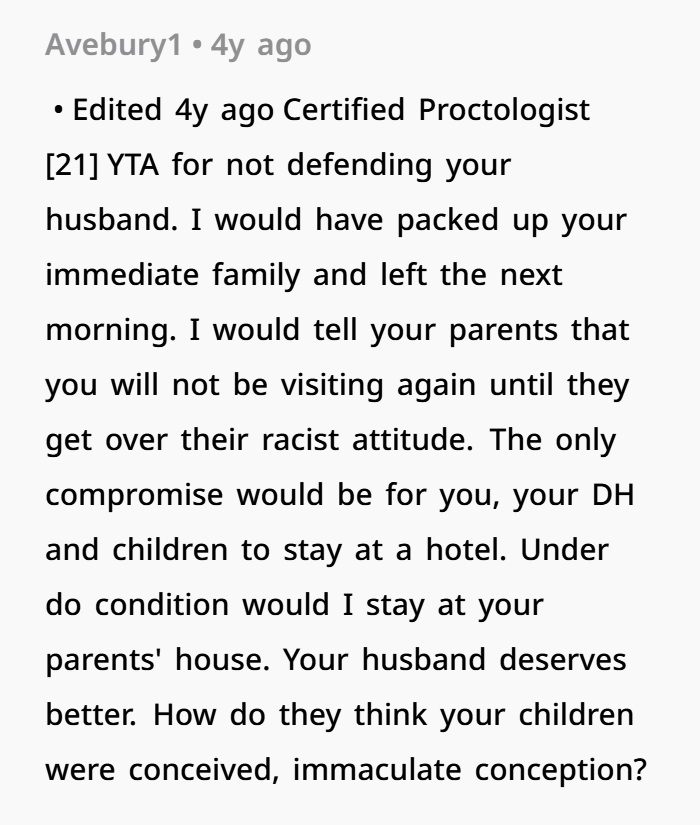
The reason given makes the situation even more difficult. The father says he feels uncomfortable because the husband is from a different racial background. The couple feels hurt and believes the rule is unfair. They decide not to argue because they want to avoid creating more family conflict during the visit.
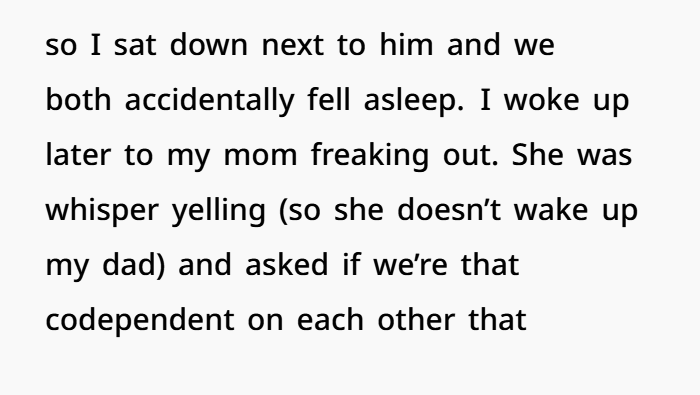
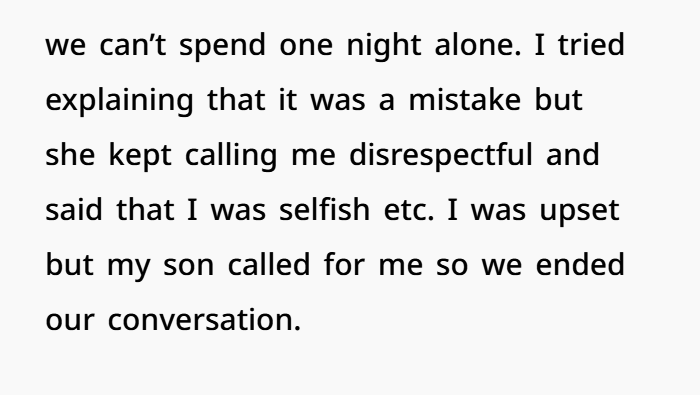
That night, the wife notices that her husband is still awake and uncomfortable. She sits with him, and they both fall asleep together without planning to. The next morning, her mother becomes very upset and accuses her of being disrespectful.
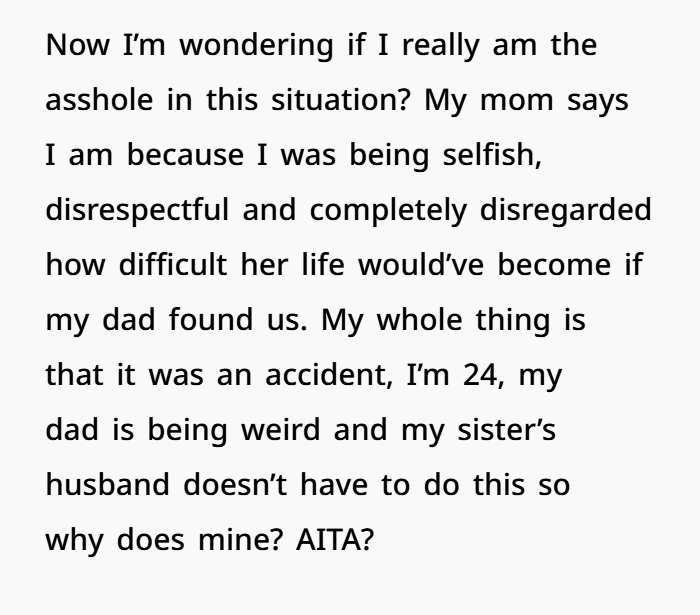
Now the wife is wondering if she made a mistake or if her parents crossed important boundaries. Family visits can become stressful when personal beliefs, respect, and household rules create conflict. Open communication and understanding are important when families have different views and expectations.


When Family Rules Create Relationship Conflict: Understanding Boundaries, Respect, and Communication
At first, this situation may seem like it is only about sleeping on a couch.
But the real issue is much deeper.
It involves family expectations, cultural values, personal boundaries, and the challenge of balancing respect for parents with the needs of a marriage.
Many families experience similar situations, especially when traditional beliefs and modern relationships come together. The problem is often not one small event. It is usually about how people communicate, set boundaries, and respect each other’s choices.
The Difference Between Rules and Respect
In many traditional families, parents believe that their home has certain rules, and guests should follow them.
That idea can be understandable. When someone stays in another person’s home, showing respect is important.
However, problems can happen when those rules begin to affect an adult couple’s personal relationship.
This was not a situation involving teenagers. It was a married couple with children. Asking a husband and wife to sleep separately can feel less like a simple house rule and more like an attempt to control their relationship.
Healthy family relationships require a balance between respect and personal freedom.
When Cultural Differences Create Tension
Another important part of this situation is that the couple comes from different backgrounds.
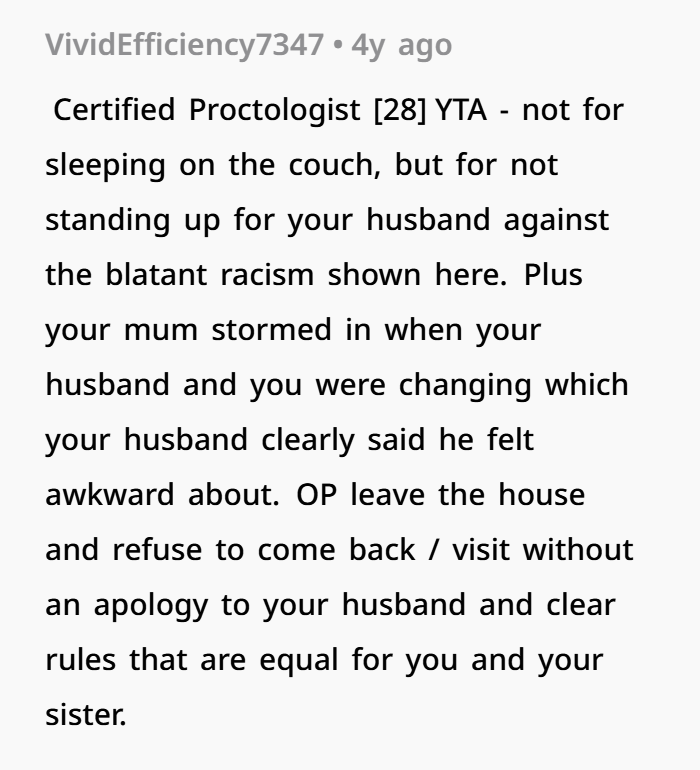
The parents’ discomfort with the husband being from a different race raises concerns about possible bias or unfair treatment.
Sometimes prejudice does not appear through direct statements. It can show up through different rules, unequal treatment, or stronger criticism toward one person compared to another.
The important question is whether everyone is being treated fairly.
If one person faces stricter expectations while another person is accepted more easily, it can create feelings of rejection and disrespect.
Why Double Standards Hurt Relationships
Rules feel very different when they are not applied equally.
If one family member’s partner is treated differently from another family member’s partner, it can create confusion and hurt feelings.
The issue is no longer only about the rule itself. It becomes about whether the person feels accepted and valued.
In a marriage, both partners need to feel respected. Feeling like your relationship is not fully accepted by family members can create emotional stress and long-term tension.
The Couch Situation Was More Than It Looked Like
The situation where the couple fell asleep on the couch became the main focus of the conflict.
However, it does not appear to have been planned as an act of disrespect.
They had traveled, the weather was difficult, and everyone was likely tired. The wife woke up, noticed her husband was uncomfortable, and sat with him. Eventually, they both fell asleep.
That is a normal human reaction.
Supporting your partner when they are uncomfortable is not unhealthy. In a strong relationship, couples often provide emotional support and comfort to each other.
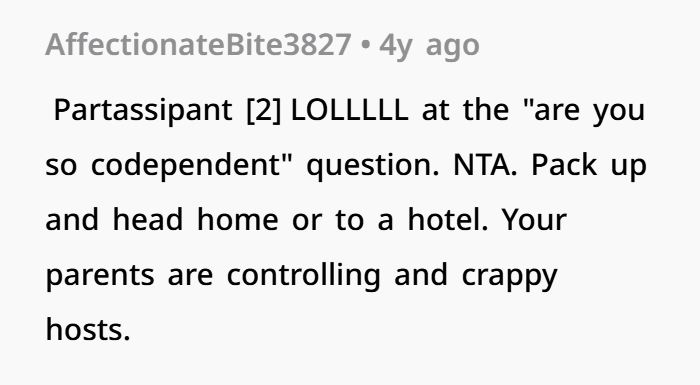
A healthy connection between spouses is not the same as being overly dependent. It is part of building trust and emotional security.
Understanding Emotional Support in Marriage
Some people may misunderstand closeness between married couples.
Spending time together, comforting each other, and making decisions as a team are normal parts of a healthy marriage.
Strong relationships are usually built on:
- Trust
- Respect
- Communication
- Emotional support
- Shared decision-making
A spouse should be someone you can rely on, especially during stressful moments.
Avoiding Conflict Can Create Bigger Problems
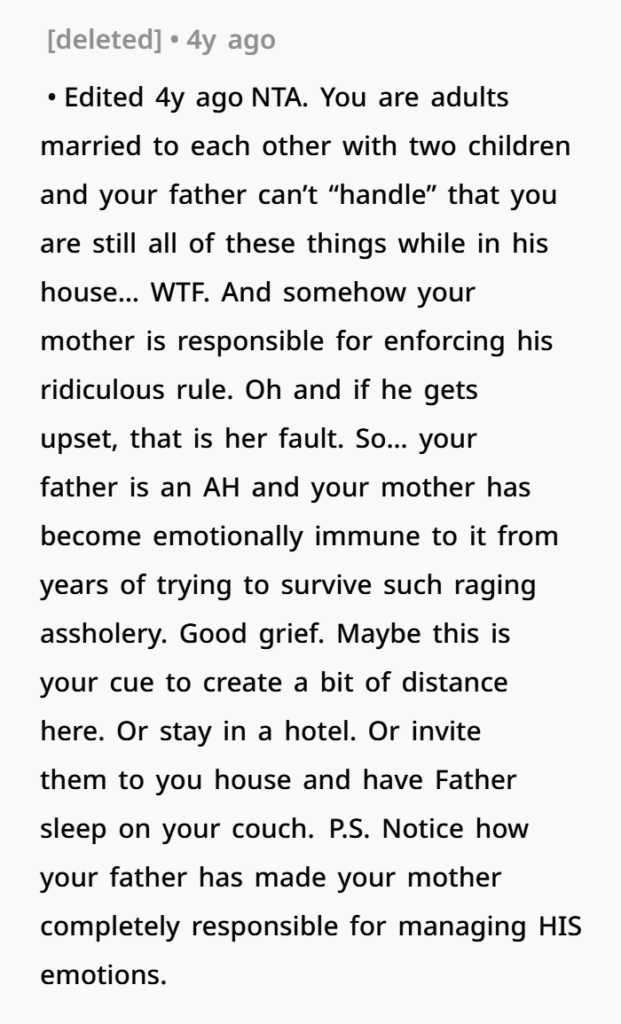
The parents’ reaction may also show a larger family communication issue.
Sometimes people avoid dealing with the real problem because they want to prevent arguments. Instead of having an honest conversation, they ask others to change their behavior to keep peace.
While avoiding conflict may feel easier in the short term, it can create more stress over time.
Healthy communication means discussing concerns openly and respectfully instead of placing all responsibility on one person.
Why Boundaries Matter After Marriage
Marriage often changes family relationships.
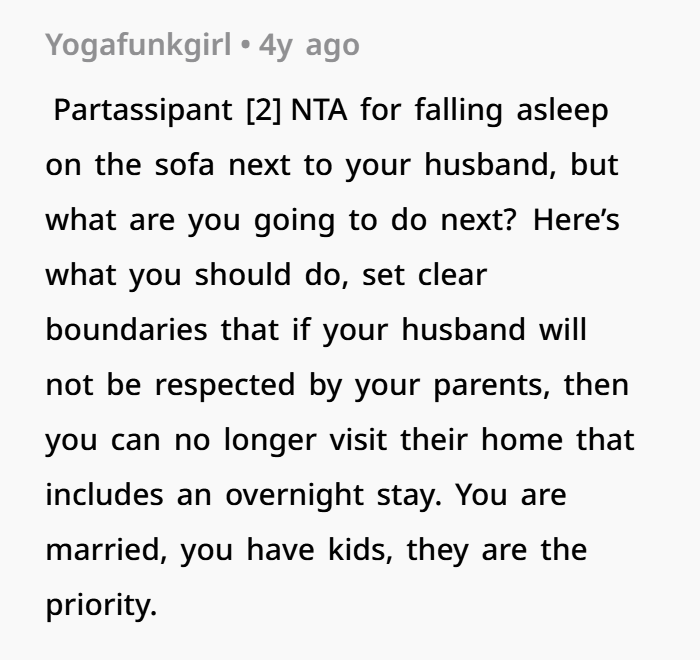
Respecting parents remains important, but adults also have the right to make decisions about their own marriage and family life.
A spouse and children usually become the person’s main family responsibility.
Setting healthy boundaries does not mean disrespecting parents. It means creating a balance where everyone’s feelings and needs are considered.
Family boundaries can help protect relationships and prevent repeated conflicts.
Safety and Practical Decisions Matter Too
Another important detail is the situation around their arrival.
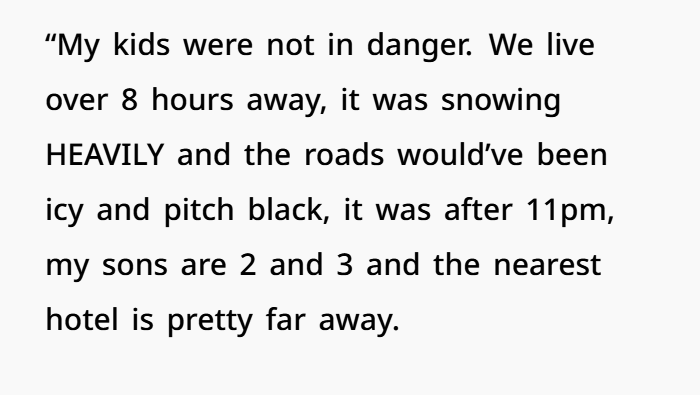
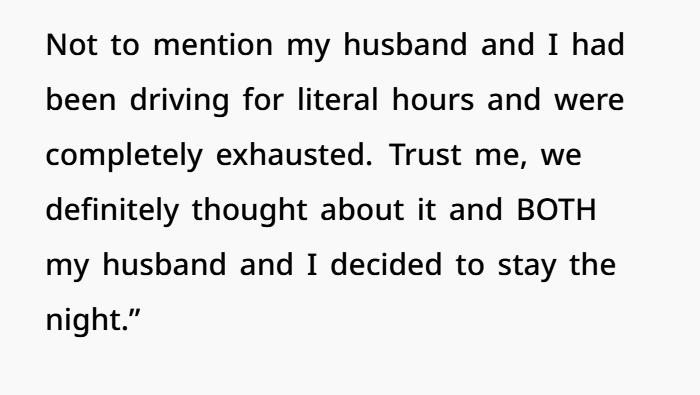
The weather was bad, roads were unsafe, and the children were tired. Leaving immediately may not have been the safest choice.
In situations like this, practical concerns should also be considered.
A family disagreement should not ignore basic safety and comfort.
How Small Conflicts Become Bigger Family Problems
Small moments can become major conflicts when there are already unresolved feelings underneath.
A disagreement about sleeping arrangements may actually be connected to deeper issues such as:
- Different cultural expectations
- Lack of communication
- Unclear family boundaries
- Feeling judged or misunderstood
These problems can affect future visits, trust, and emotional connection between family members.
Finding Balance Between Family and Marriage
Many adults struggle with the same challenge:
How do you respect your parents while also protecting your marriage?
There is no perfect answer, but healthy relationships require understanding from everyone.
Parents deserve respect, but adult children also deserve respect for their choices.
A married couple should not feel like their relationship is a problem simply because it does not match someone else’s expectations.
The Real Issue Was Not the Couch
At the end of the day, this situation was never only about where someone slept.
It was about communication, acceptance, family expectations, and personal boundaries.
The couch was simply the moment that brought deeper problems to the surface.
When families learn to communicate with respect and understand each other’s perspectives, many conflicts can be handled in a healthier way.
Respect should always work both ways.
The Comments Are In