My Nanny Keeps Eating Our Food — So I Started Hiding Chick-fil-A in My Own Fridge

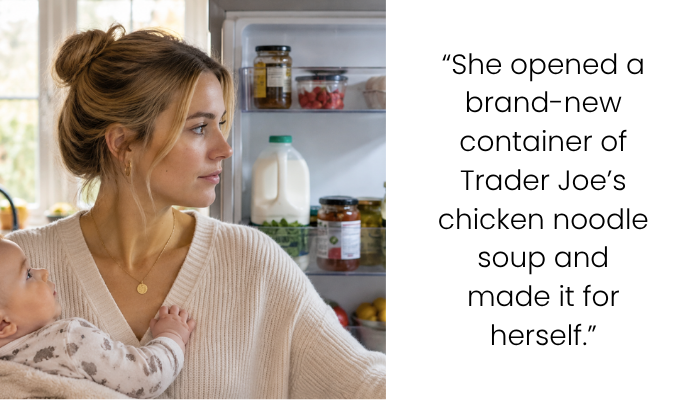
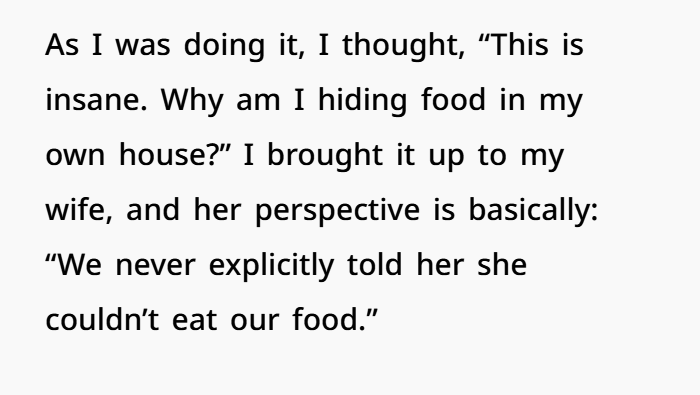
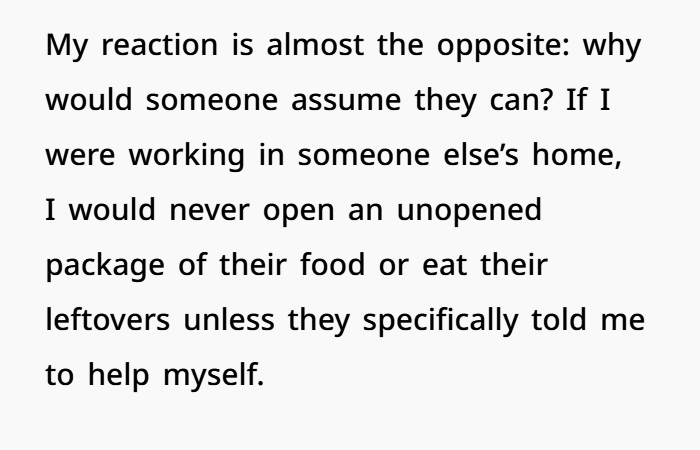
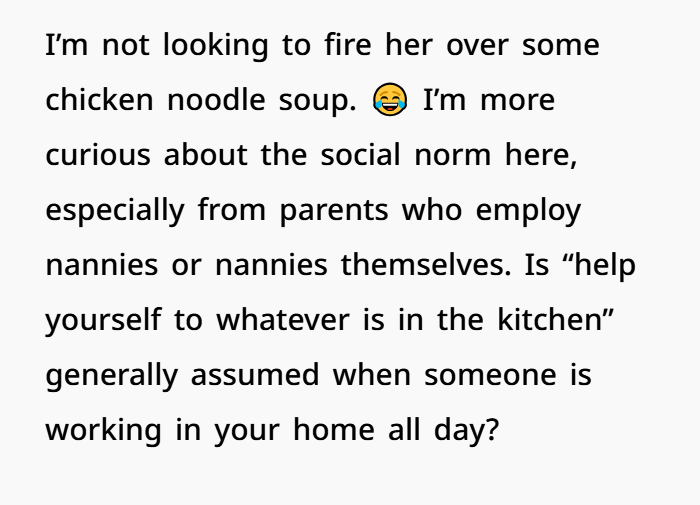
A parent shared a concern about a nanny who works in their home. The nanny is kind and does a good job caring for their child. However, the family has become uncomfortable because the nanny eats food from their refrigerator and freezer without asking.
The family was comfortable with sharing simple things like coffee, fruit, or water. They understood that someone who works in their home may sometimes use small household items. But they felt differently when the nanny ate unopened food packages, saved meals, and leftovers they planned to eat later.
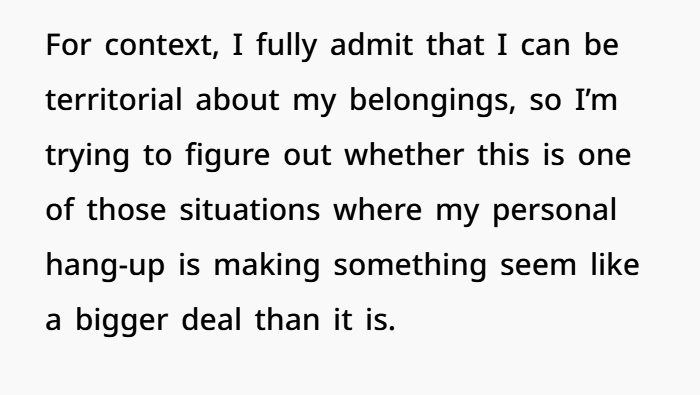
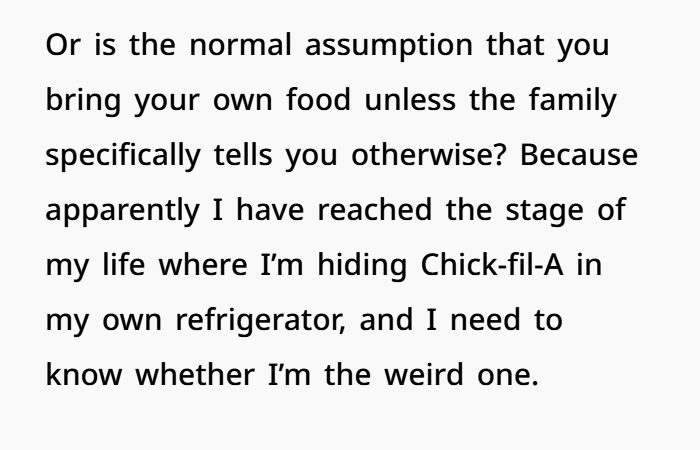
The issue became more noticeable when the parent began keeping certain food hidden in the refrigerator. This made them think about whether the nanny had crossed a personal boundary or whether the family should have explained their expectations more clearly.
The parent’s spouse believed the problem may have happened because there was no direct conversation about the food rules. The situation highlights the value of setting clear workplace guidelines, respecting personal belongings, and having honest conversations in a home-based work environment.

Nanny Food Rules: Understanding Boundaries Between Families and Caregivers
Hiring a nanny creates a unique type of working relationship. Unlike a normal office job, the work happens inside a family’s home. Because of this, the line between a personal space and a workplace can sometimes become unclear.
Many families and caregivers build friendly relationships over time. A nanny may become part of the family’s daily routine while still being an employee with specific responsibilities.
This is why clear communication about household rules, meals, snacks, and personal items is important.
Why Household Boundaries Can Become Confusing
In a traditional workplace, rules are usually clear. Employees know what belongs to the company and what belongs to other workers.
A home is different.
A nanny works in a private space where family routines, personal belongings, and job responsibilities all exist together. This can create confusion if expectations are not discussed.
For example, a family may believe they are being welcoming by saying, “Make yourself comfortable.” A nanny may understand this as permission to use available food and drinks.
However, the family may only mean that the nanny can have basic snacks, coffee, or drinks during work hours.
Both sides may have different ideas about what is acceptable.
Food Expectations Are Different for Every Family
There is no single rule about whether a nanny can eat food from the home.
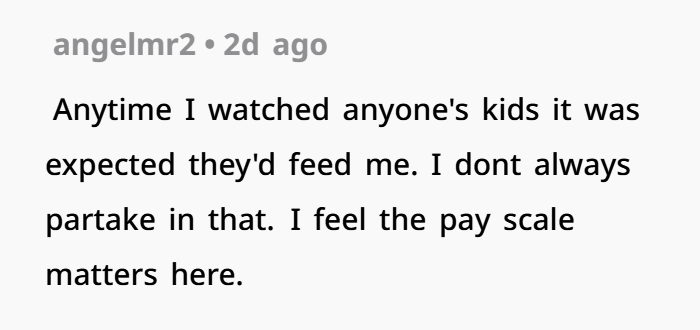
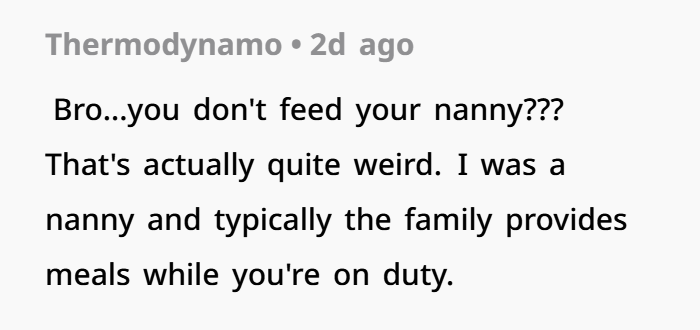
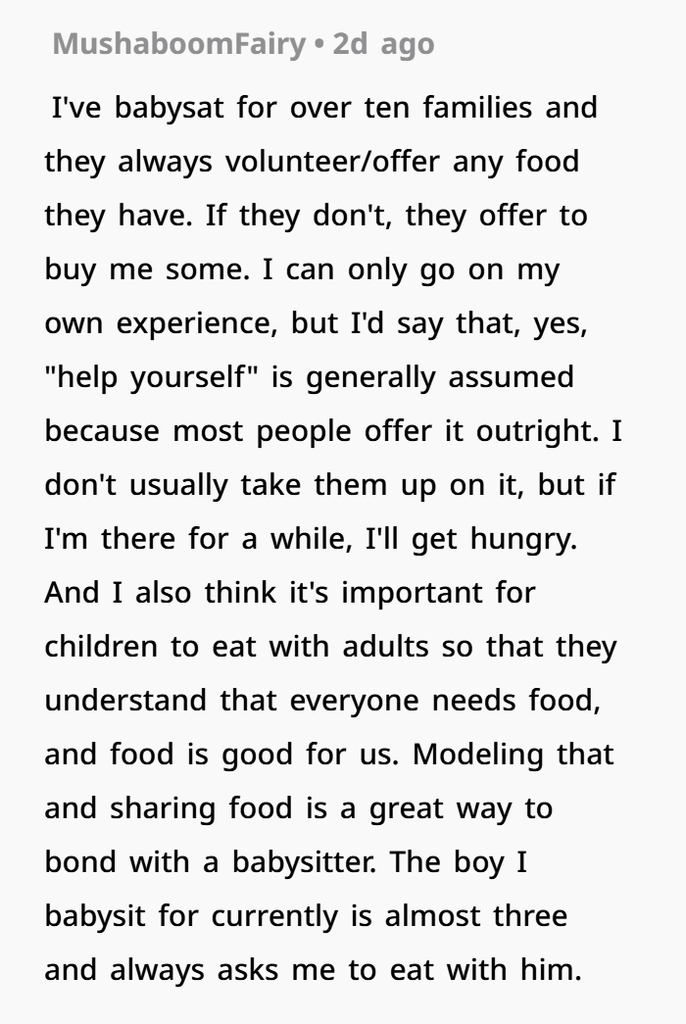
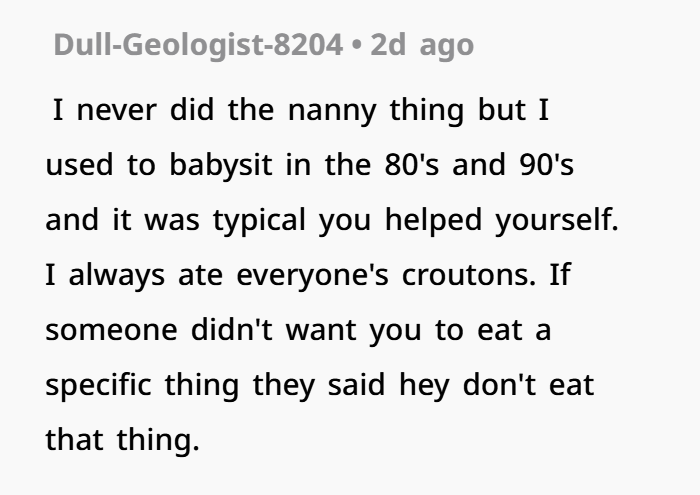
Some families treat their nanny like part of the household and are comfortable sharing meals, snacks, and pantry items.
Other families expect the nanny to bring their own lunch and only use food that has been specifically offered.
Both arrangements can work.
The important thing is that everyone understands the expectations from the beginning.
A professional nanny agreement can include details about:
- Meals during working hours
- Snacks and drinks
- Kitchen access
- Break times
- Food preferences or restrictions
- Household rules
Clear agreements help prevent misunderstandings later.
The Difference Between Permission and Assumption
Many disagreements happen because one person assumes something while the other person sees it differently.
For example, if a family says, “Feel free to grab a snack,” the nanny may think this includes food in the kitchen.
But the family may only mean items like fruit, coffee, or packaged snacks.
Prepared meals, leftovers, and special foods may feel different because family members may have planned those items for themselves.
The key difference is permission.
Food that is openly offered becomes shared. Food that is personal or saved for someone else should usually be left alone unless permission is given.
A Simple Workplace Example
Think about a regular office.
Most employees would not open another coworker’s lunch container or take food from a personal desk drawer without asking.
However, if the office provides free snacks in a common area, employees understand those items are available for everyone.
The same idea can apply inside a home.
Shared items should be clearly offered. Personal items should be respected.
Nannies Are Employees, Not Guests
A nanny plays an important role in childcare and family support. They are not simply visitors in the home.
Because they are working, many families choose to provide comfortable conditions, including access to water, coffee, and snacks.
Some employers may also provide meals during long shifts because it is practical and considerate.
However, providing food during work hours does not always mean unlimited access to every item in the kitchen.
A family can create reasonable household policies, such as:
- “You are welcome to use the coffee and snacks.”
- “Please ask before eating prepared meals.”
- “Feel free to use anything in this pantry area.”
Simple rules can make the working relationship easier for everyone.
How to Handle Food and Household Disagreements
The best solution is usually a calm conversation.
Instead of focusing on one missing meal or snack, families and caregivers can discuss overall expectations.
A respectful conversation might sound like:
“We realized we never talked about kitchen rules. We are happy for you to have drinks and snacks while you are here, but please check with us before eating meals or leftovers we have prepared.”
This type of communication creates a clear boundary without making the other person feel attacked.
Why Clear Communication Matters
The real issue in these situations is usually not the food itself.
The problem is that two people may have different understandings of what was allowed.
A nanny may believe they were following a welcoming invitation. A family may believe certain items were still private.
Good household management, clear employee expectations, and respectful workplace communication can help avoid these situations.
Final Thoughts
A nanny arrangement works best when both sides understand their roles and responsibilities.
Families should communicate household rules clearly, and caregivers should feel comfortable asking questions when something is unclear.
Simple conversations about food, breaks, and home access can create a better working relationship and a more positive environment for everyone involved.
See The Comments Below