I Discovered My Dad Wasn’t My Biological Father While Giving Birth — The Truth Changed Everything

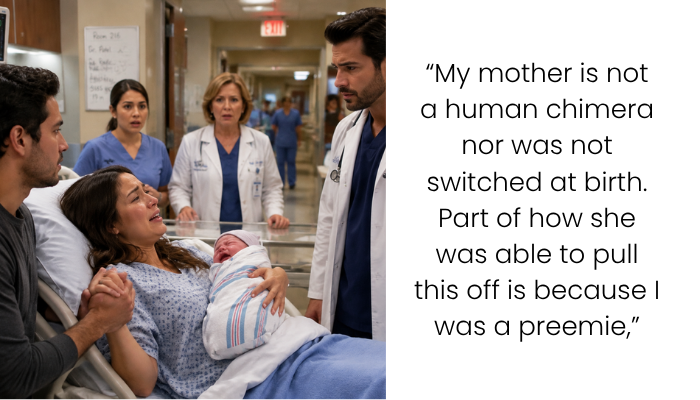
Finding out something unexpected about your family can be an emotional experience. One woman shared a story about discovering a hidden truth during the birth of her first child. A routine medical test revealed information that made her question everything she knew about her family background.
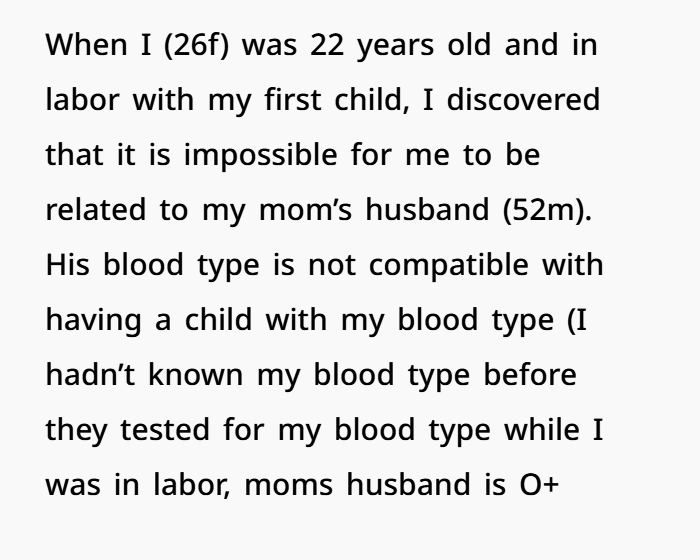
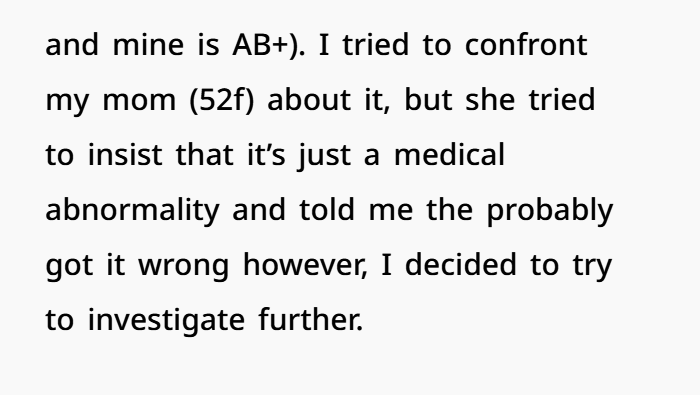
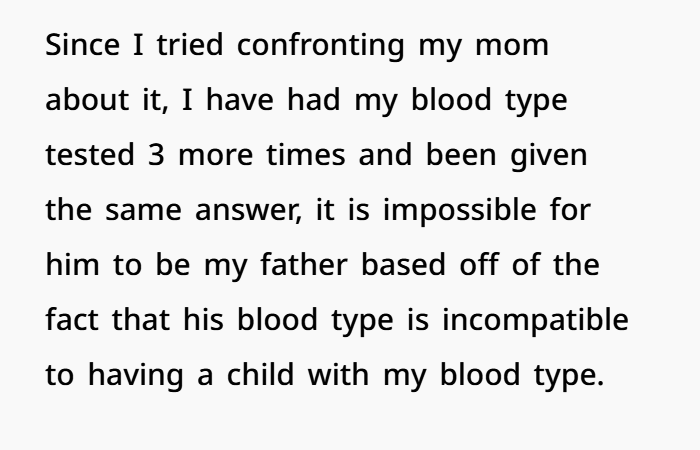
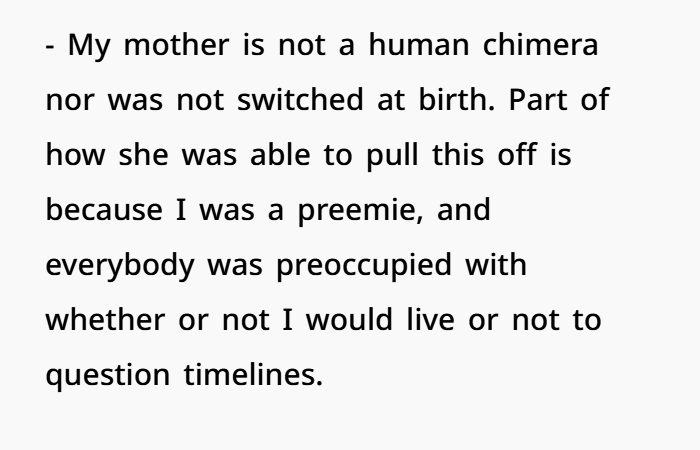
During her hospital stay, doctors found that her blood type was AB+, while the man she believed was her father had an O+ blood type. After reading about DNA, genetics, and blood type inheritance, she realized there could be a possibility that he was not her biological parent. Further testing confirmed that her concerns were valid.
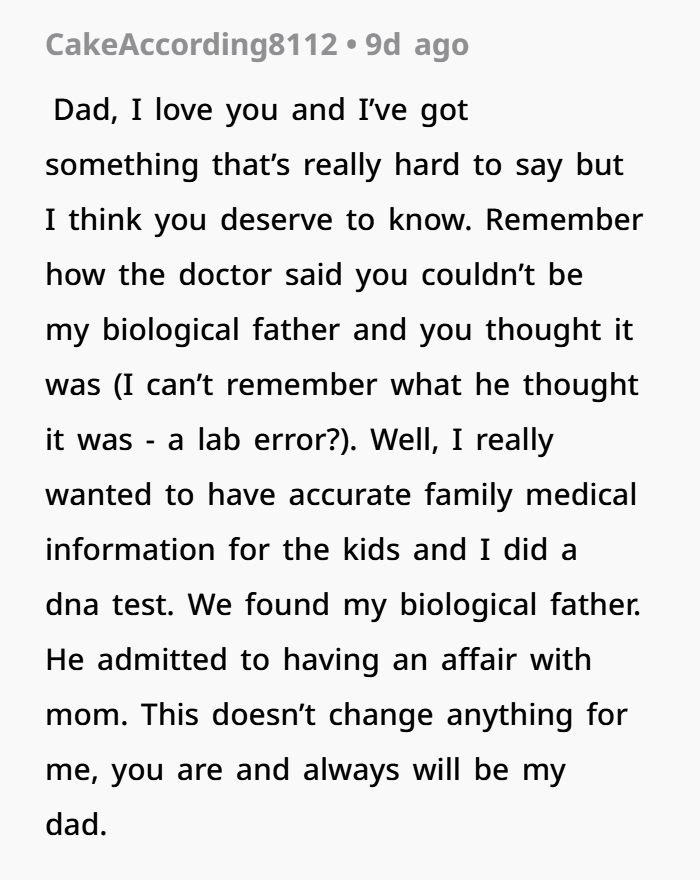
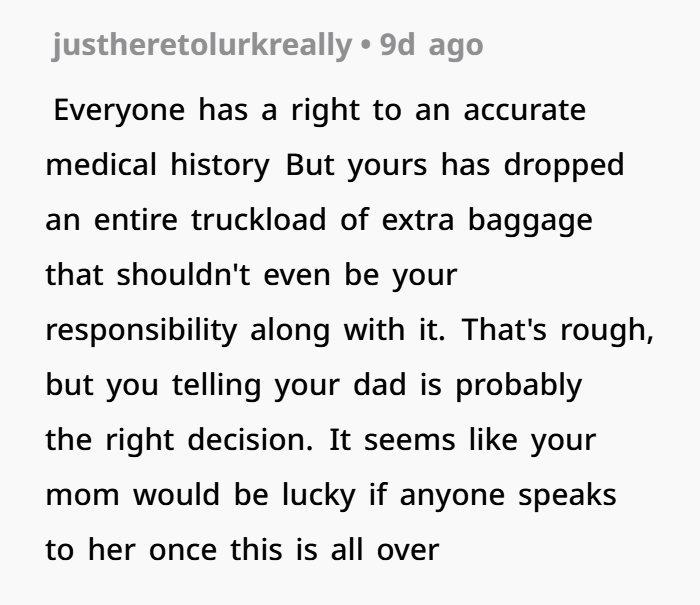
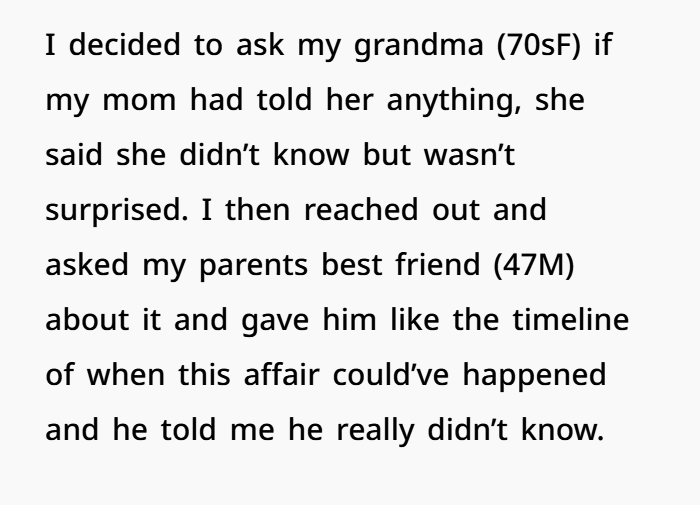
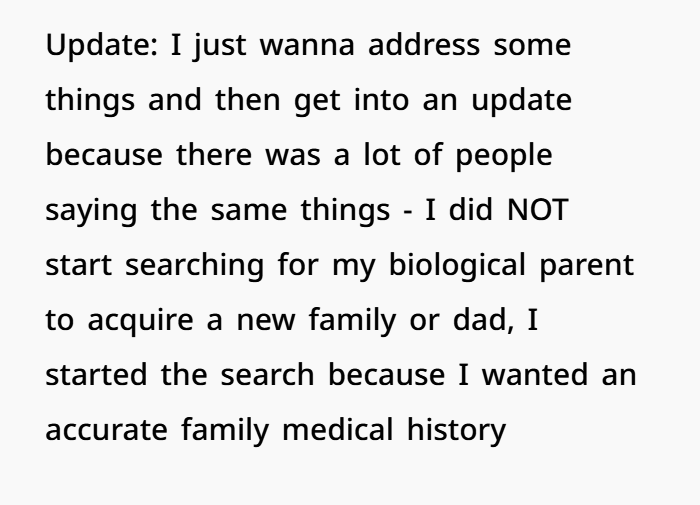
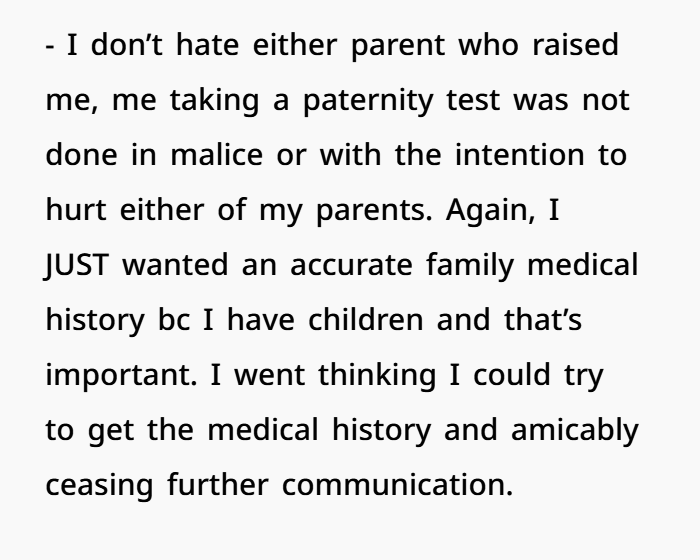
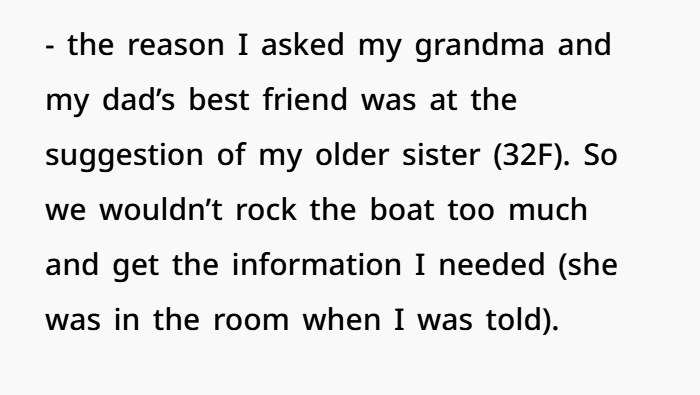
She decided to search for answers because understanding your biological family history can be important for health and personal reasons. She contacted relatives and talked with people who knew her family during that time. The search helped her uncover details that had been hidden for many years.
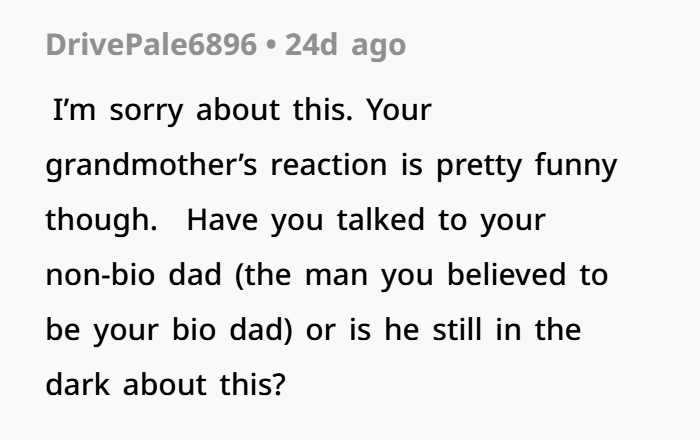
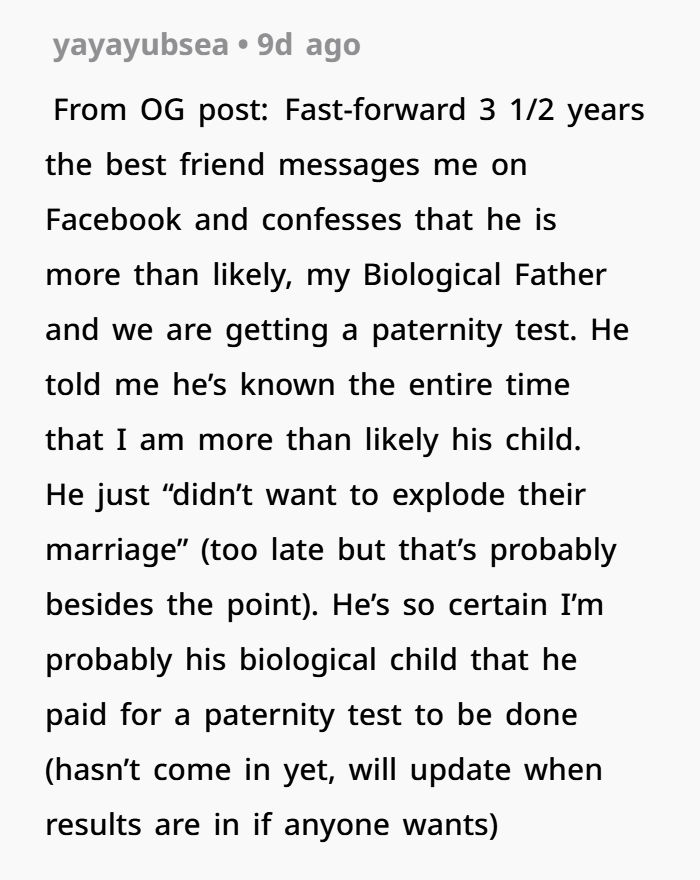
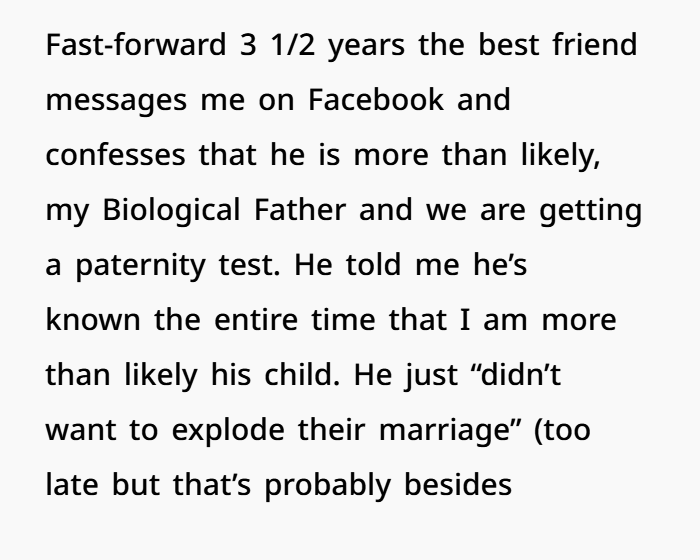
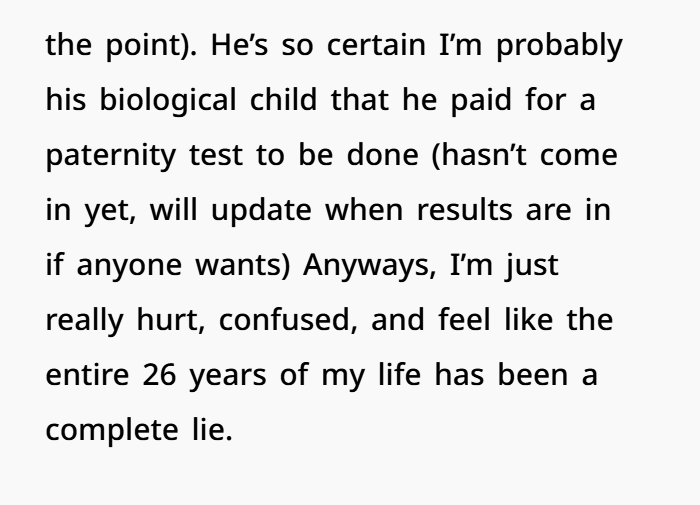
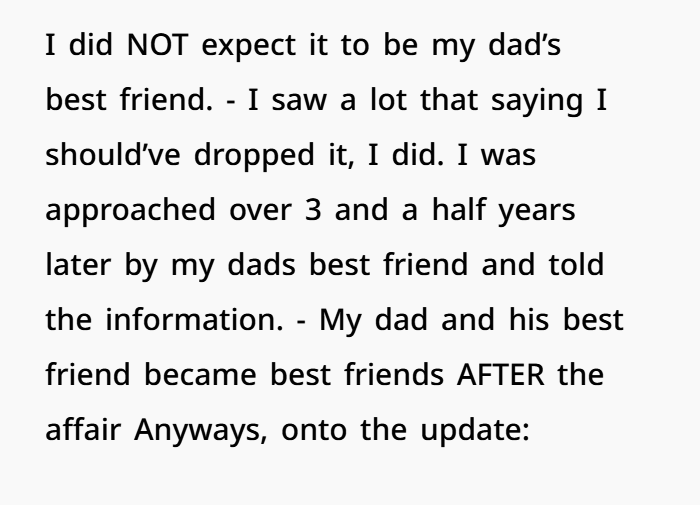
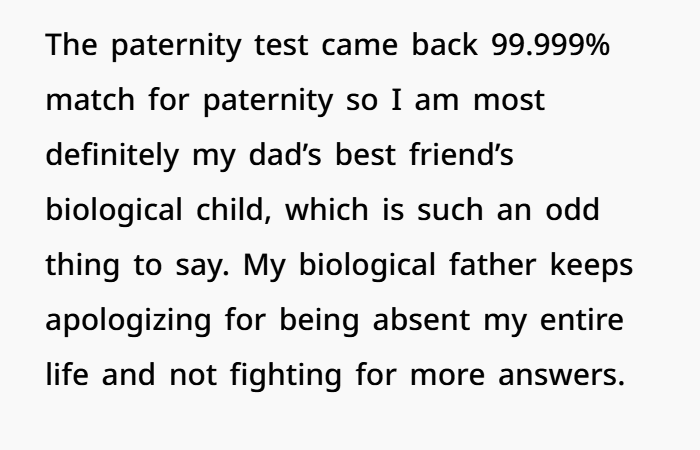
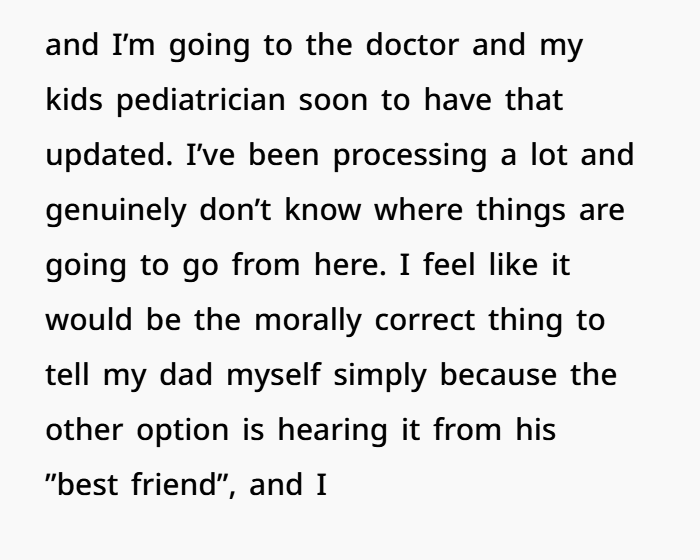
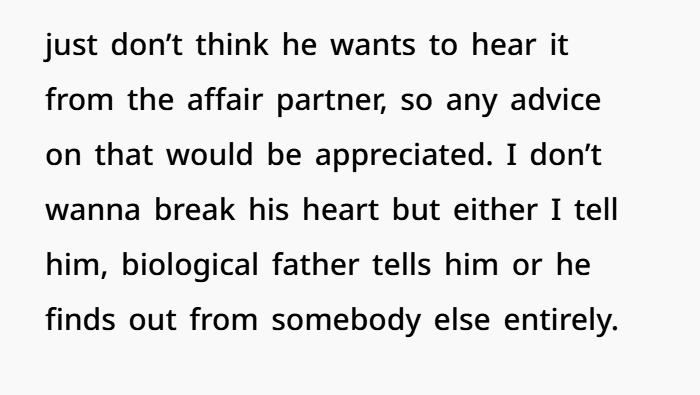
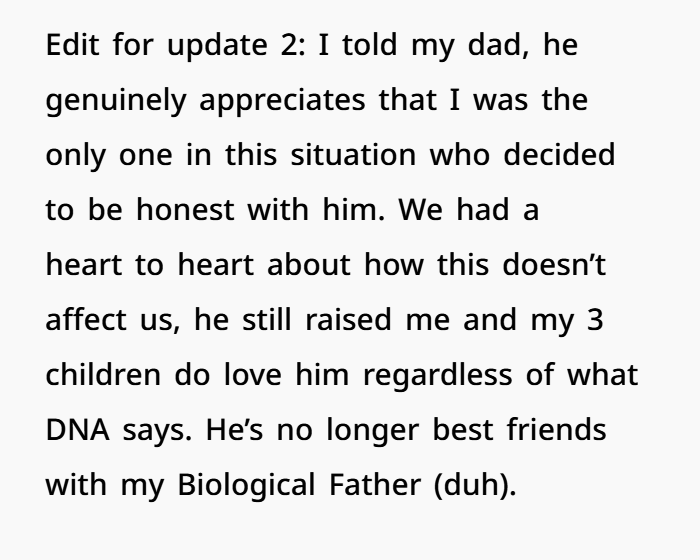
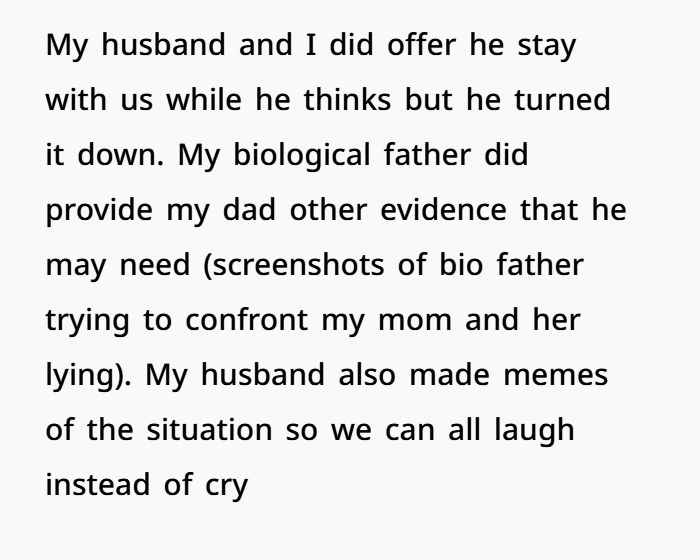
Eventually, a family friend came forward and shared that he believed he was her biological father. A paternity DNA test confirmed the relationship. While the news was difficult to process, it also helped her learn more about her identity, genetic health information, and family connections.



The Truth About DNA Tests, Family Secrets, and Unexpected Discoveries
A DNA discovery can feel like something from a movie.
Someone takes a DNA test expecting to learn about their family history, but the results reveal something completely unexpected.
They may discover a different biological parent, an unknown sibling, or a family secret that was hidden for many years.
These situations are becoming more common as DNA testing becomes easier and more affordable.
Today, many people use DNA tests for different reasons. Some want to learn about their ancestry. Others want to understand their genetic health history. Some take paternity tests to answer questions about biological relationships.
For some people, the results bring excitement and happiness.
For others, the results can create a mix of emotions that are difficult to process.
How DNA Discoveries Can Change a Person’s Life
Finding out unexpected information about your family can be overwhelming.
A person is not only learning new facts about their DNA.
They are also dealing with changes to the family story they have known their entire life.
Someone may start asking questions like:
“Who am I connected to?”
“Why did I not know this before?”
“What does this mean for my family relationships?”
These feelings are normal.
Family is not only about genetics. It is also about the people who provide love, support, and care throughout life.
Can Blood Type Reveal Family Connections?
In some cases, questions about parentage begin with something simple, such as blood type.
Blood type testing has been used in the past during paternity investigations. However, it is not a complete replacement for modern DNA testing.
Blood type can sometimes show that two people cannot be biologically related, but it usually cannot confirm a relationship with complete certainty.
This is because blood type depends on genes inherited from biological parents, and human genetics can be complicated.
Modern paternity tests use DNA analysis because they provide much more detailed information.
How DNA Paternity Testing Works
A DNA paternity test compares genetic information between people.
The test looks at specific parts of DNA to determine whether two individuals share a biological relationship.
Modern DNA testing is highly accurate and is commonly used for:
- Paternity testing
- Family history research
- Genetic information
- Identifying biological relatives
DNA results can also become important in legal situations involving family law.
These cases may involve issues such as child support, custody, inheritance, or legal parent status.
Biological Parent vs Legal Parent
One important thing many people do not realize is that a biological parent and a legal parent may not always be the same person.
A biological parent is the person who shares DNA with a child.
A legal parent is the person recognized by the law as the parent.
Sometimes they are the same.
Sometimes they are different.
For example, someone may raise a child for many years and become that child’s legal parent. Later, a DNA test may reveal that they are not biologically related.
In these situations, courts may look at many factors, including:
- The relationship between the child and parent
- The child’s age
- The family situation
- The child’s best interests
- Local laws
Family law cases involving parentage can be complicated because they involve both legal decisions and strong emotions.
Why People Search for Their Biological Family History
Many people take DNA tests because they want accurate information about their family background.
This can be especially important for health reasons.
Doctors often ask about family medical history because some health conditions can have genetic connections.
Knowing your biological family history may help healthcare providers understand possible health risks and make better decisions.
However, learning this information can also bring emotional challenges.
The medical answers may be helpful, but the personal impact can be much harder.
The Emotional Impact of Unexpected DNA Results
A DNA test is about more than science.
It can affect memories, relationships, and a person’s sense of identity.
Many people experience mixed emotions after discovering unexpected family information.
They may feel happy about meeting a biological relative while also feeling strong love and loyalty toward the person who raised them.
Both feelings can exist together.
A person who provided care, guidance, and support can still be an important part of someone’s life, even without a biological connection.
Why Hidden Family Secrets Can Hurt
One of the hardest parts of these discoveries is often not the information itself.
It is the feeling that something important was kept hidden.
Many people wonder:
“Why did my family not tell me?”
They may feel hurt because they believe they lost the chance to understand their own story earlier.
Family secrets can sometimes affect trust because people may feel that important decisions were made without them.
This is why honest communication is often an important part of healthy relationships.
When Family Secrets Involve Betrayal
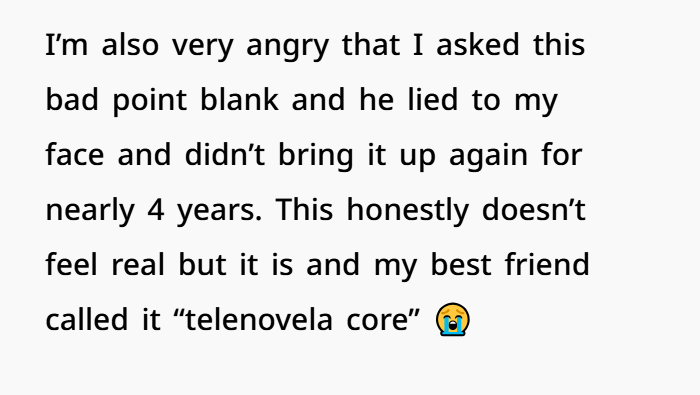
Some DNA discoveries involve difficult situations between adults, such as broken relationships or hidden information.
When secrets involve a partner, close friend, or family member, the emotional impact can become even stronger.
A person may feel hurt by:
- A broken relationship
- A loss of trust
- Years of missing information about their own history
Every family situation is different.
Some people choose to build relationships with biological relatives. Others focus on the family members who supported them throughout their lives.
There is no single right way to handle these experiences.
Truth, Healing, and Moving Forward
What makes stories like this meaningful is the search for honesty.
Many people who discover unexpected DNA information are not looking to replace the people they love.
They are often looking for answers.
They may want:
- Medical information
- A better understanding of their identity
- Connection with biological relatives
- The truth about their family history
Learning the truth can be difficult, but it can also help people understand themselves better.
Family Is More Than DNA
DNA explains biological connections.
But family is also created through love, care, and shared experiences.
The people who raise us, support us, and stand beside us often shape who we become.
A DNA test can reveal information about the past, but it does not erase years of memories or relationships.
The biggest lesson from these stories is simple:
DNA can tell us where we come from, but family is also built through the people who love and support us.
Unexpected discoveries can be challenging, but with patience, honesty, and understanding, people can find a way forward.
See The Comments Below