Landowner Fights Back After HOA Attempts To Take His Property

Rules are important for keeping communities organized, but fairness is just as important. Over the years, many people have learned that too much control without proper understanding can create problems between neighbors, organizations, and property owners.
A Homeowners Association (HOA) plays an important role in many residential communities. It can help with neighborhood maintenance, safety standards, and protecting property investments. However, homeowners may face challenges when they feel HOA decisions do not match their expectations or rights.
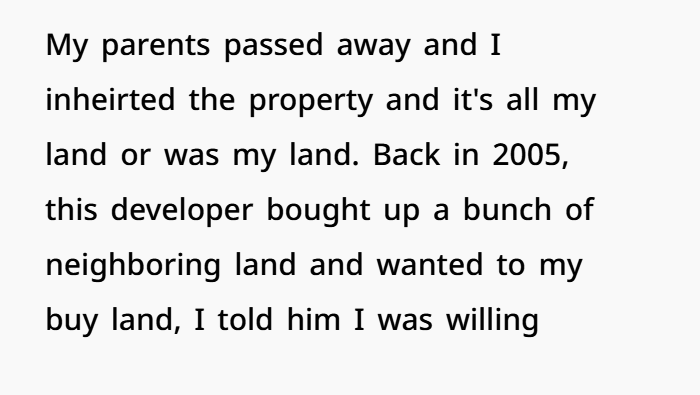
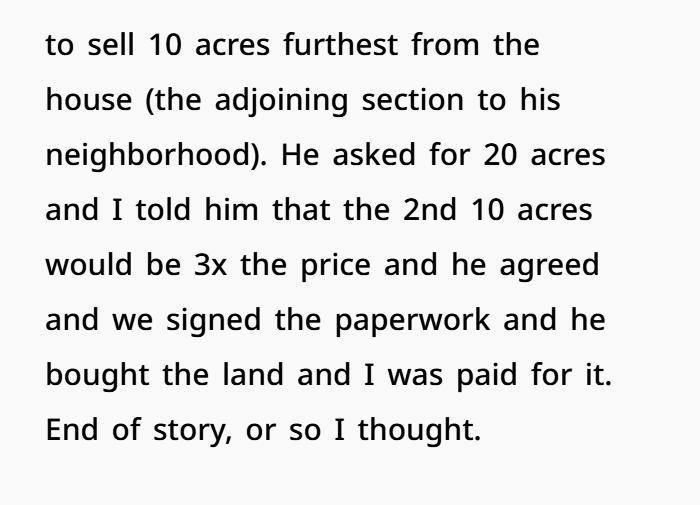
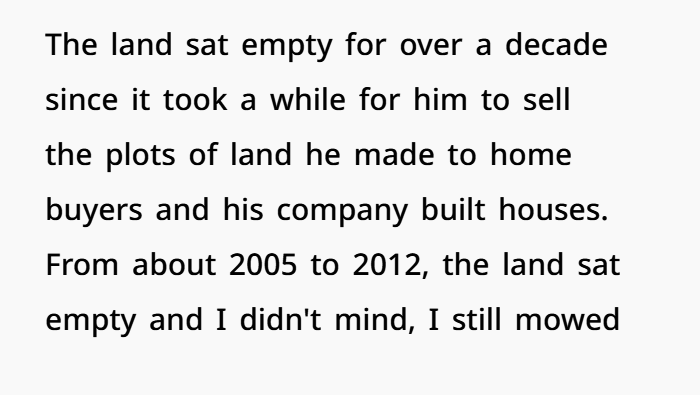
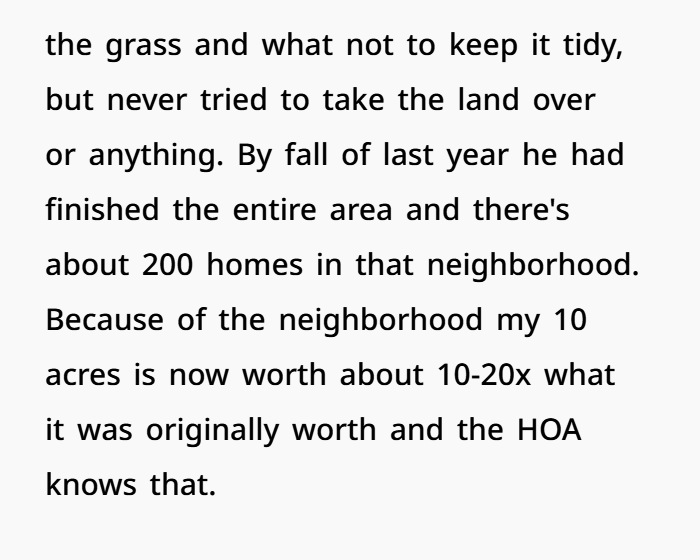
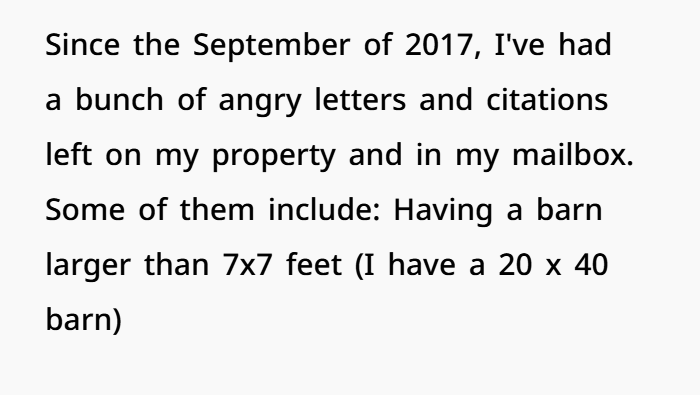
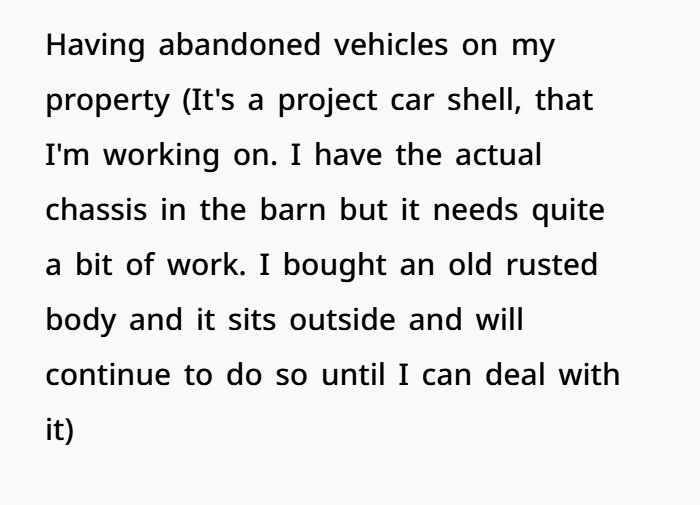
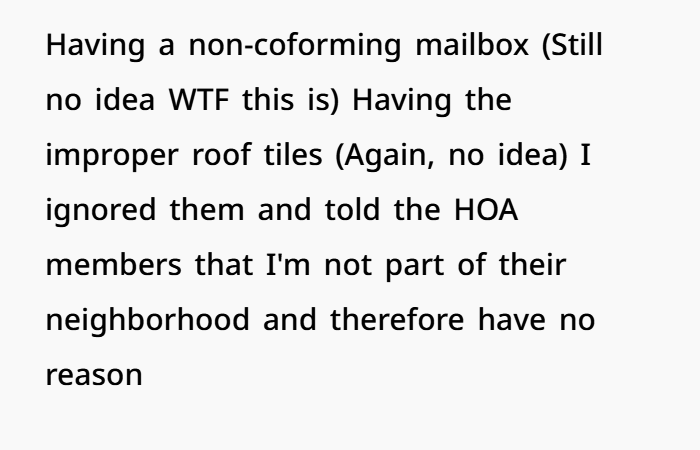
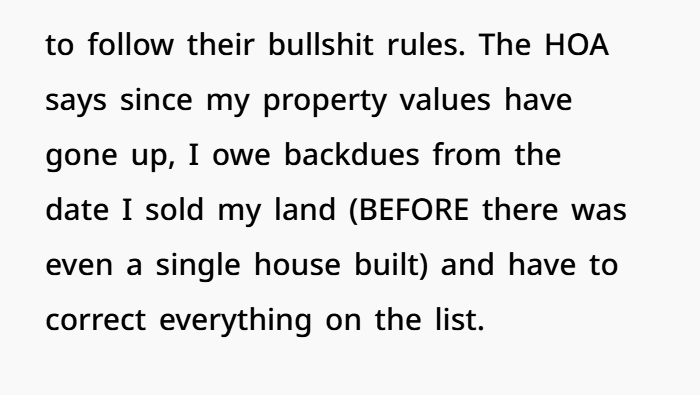
In this situation, a property owner had a disagreement with an HOA after surrounding land was sold for development. The homeowner decided to defend their position and make sure their property ownership rights were respected.
The conflict ended with financial costs for the people involved. This example reminds homeowners to stay informed about HOA policies, understand their responsibilities, and use proper communication when dealing with property management concerns.


How Having Authority Can Change the Way People Think
HOA board members are usually everyday residents who want to help their community. They volunteer their time, take part in neighborhood decisions, and may eventually be elected to serve on the HOA board.
Being given a leadership role can feel rewarding, but it also comes with a lot of responsibility. Having the power to make decisions about community rules, property matters, and homeowner concerns may sometimes change how a person views their role.
Some leadership experts believe that having authority can affect the way people think and behave. In certain situations, people with power may become less aware of how their decisions impact others. They may focus more on their own opinions instead of listening to different viewpoints.
This can create problems when HOA board members forget that their role is to serve the community and follow fair practices.
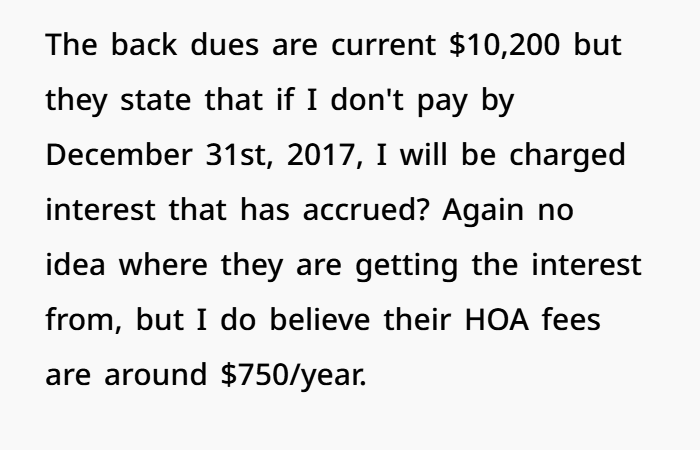
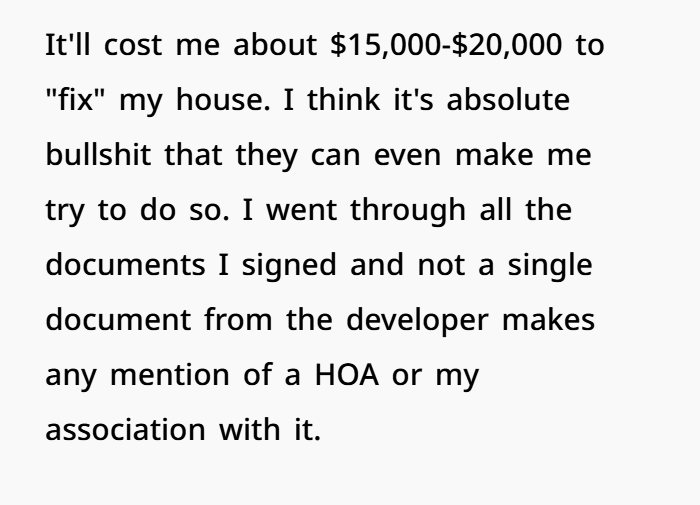
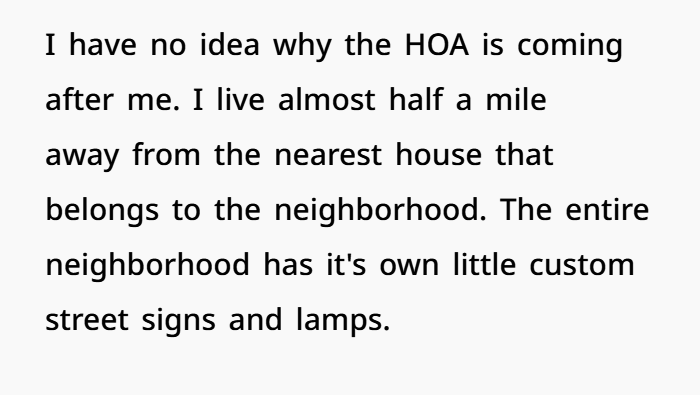
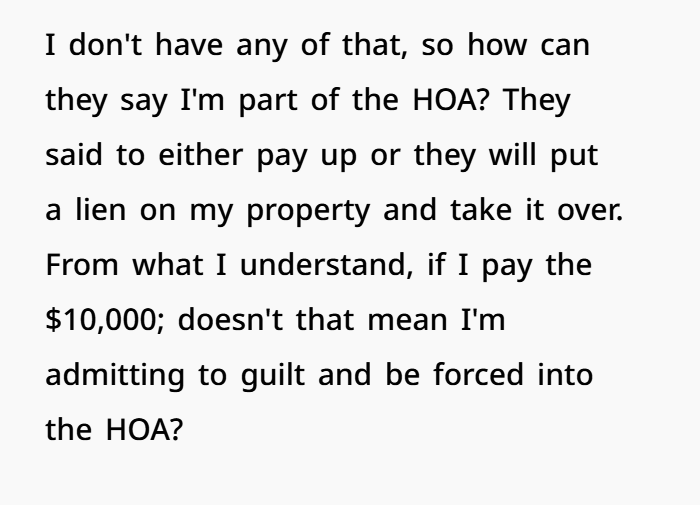
In this situation, a landowner faced several challenges with an HOA. What began as disagreements over community matters became more complicated, creating concerns about unfair treatment and decision-making.
According to HOA attorney Michael Benavides, board members have a duty to act responsibly and make decisions in good faith. HOA leaders have a fiduciary responsibility, meaning they must handle community matters honestly, avoid personal conflicts of interest, and consider the best interests of homeowners.
What Happens When an HOA Fails to Follow Its Responsibilities?
When an HOA board does not properly follow its duties, homeowners or property owners may have legal options.
The first step is often gathering information and keeping clear records. Emails, letters, notices, financial documents, and meeting records can help provide a better understanding of what happened.
Homeowners also have certain rights, including the ability to request important HOA records and learn how decisions are being made. Transparency and proper communication are important parts of good HOA management.
If someone experiences financial losses, property-related issues, or possible misuse of HOA authority, speaking with a qualified real estate attorney can help. A legal professional can explain homeowner rights and provide guidance based on the situation.
Possible solutions may include requesting changes, resolving disputes through legal communication, seeking compensation for damages, or taking steps to hold board members accountable.
Why Legal Guidance Can Make a Difference
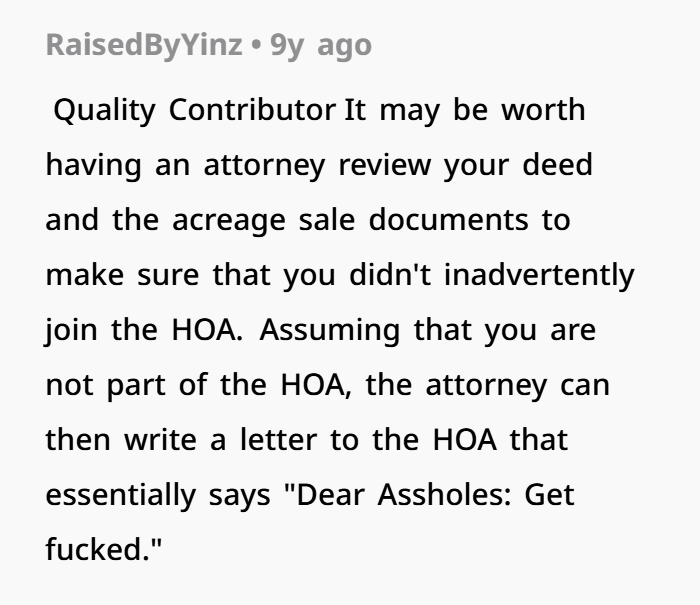
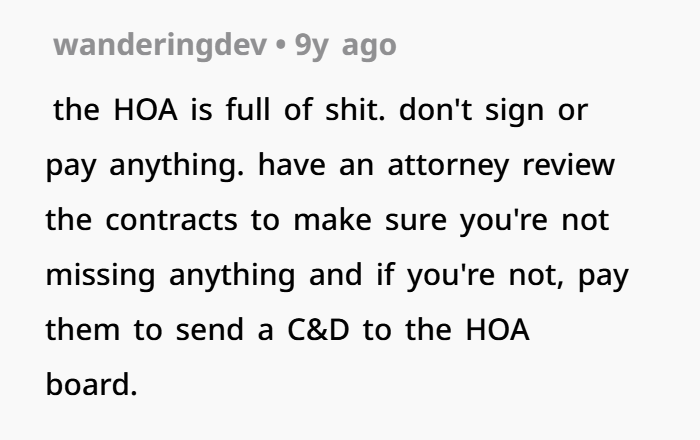
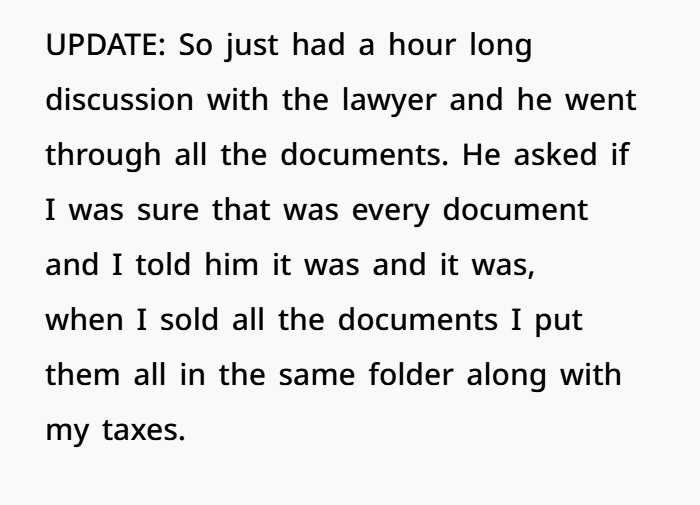
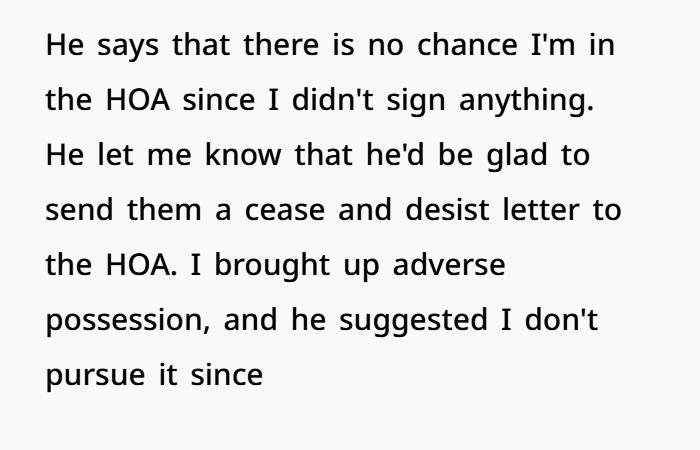
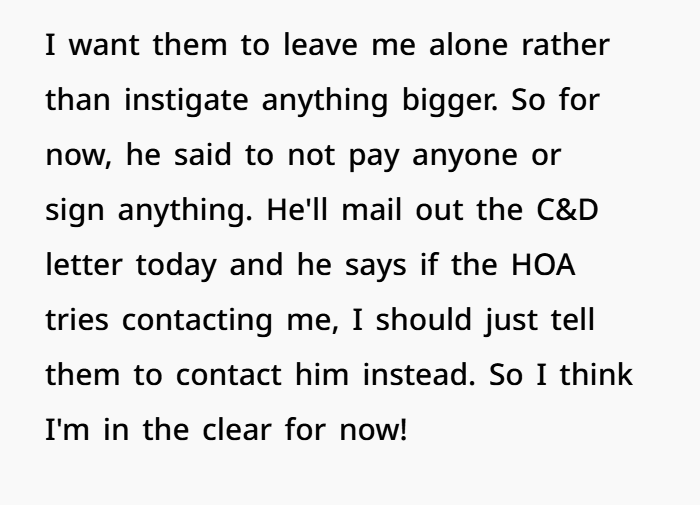
The landowner decided to hire an attorney to protect their rights. This was an important decision because HOA disputes can involve complex rules related to property law, contracts, and community regulations.
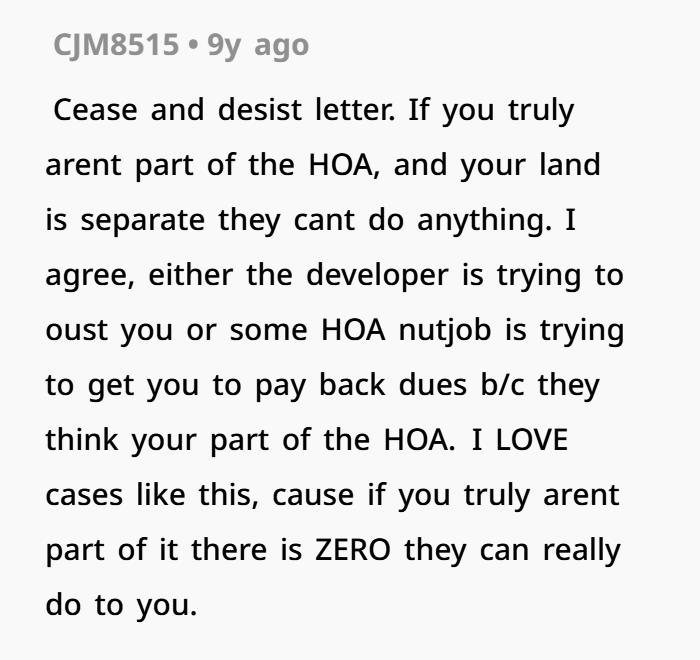
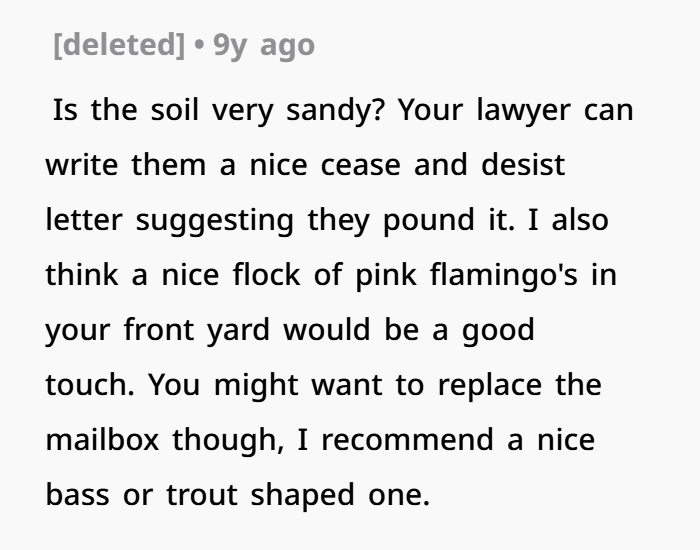
The attorney helped take action, including sending a cease-and-desist letter to address the issue and prevent further problems.
Having professional legal support can help property owners understand their options and handle difficult situations in a more effective way. It can also help ensure that important deadlines, documents, and legal requirements are properly managed.
The Importance of Responsible HOA Leadership
HOAs can provide valuable benefits when they are managed properly. They help maintain shared areas, support neighborhood standards, and protect property values.
However, HOA board members must remember that leadership is based on trust. Their decisions can directly affect homeowners, their finances, and their properties.
Fair treatment, transparency, and responsible decision-making are key parts of successful community management.
This situation shows why accountability matters. When people are given authority, they must use it carefully and respect the rights of others. Homeowners who believe their rights have been affected can take steps to understand their options and protect their property interests.
See The Comments Below