Woman’s Racist Behavior Tears Her Family Apart, But She Refuses to Take the Blame

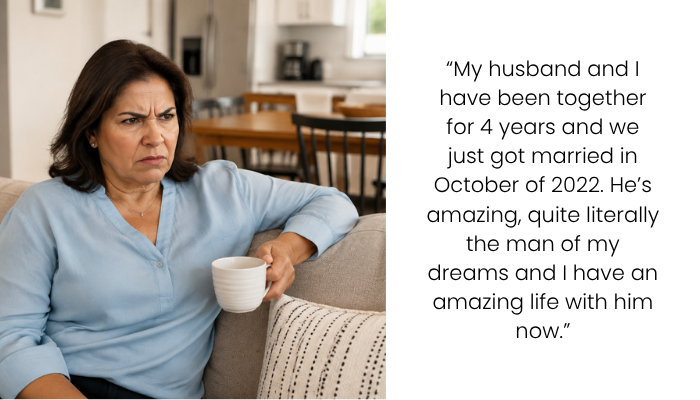
Family relationships can become difficult when people do not show respect and understanding toward each other. Sometimes, hurtful words and unfair treatment can create deep conflicts that are hard to repair. Many inspiring stories remind us that kindness and acceptance are important parts of a healthy family life.
This story follows a woman who struggled to accept her Native American daughter-in-law. Instead of creating a positive connection, she made hurtful comments that caused emotional pain and family tension. Her choices affected the relationship and changed how others viewed her actions.
Respecting different cultures, backgrounds, and personal experiences helps create stronger relationships. Every person deserves to feel valued and accepted, whether at home or in their community. Learning from these situations can help families build better communication and stronger bonds.
As time passed, the woman faced the outcome of her behavior. The events that followed showed how actions can impact relationships and personal connections. Continue reading to discover how this family story developed.
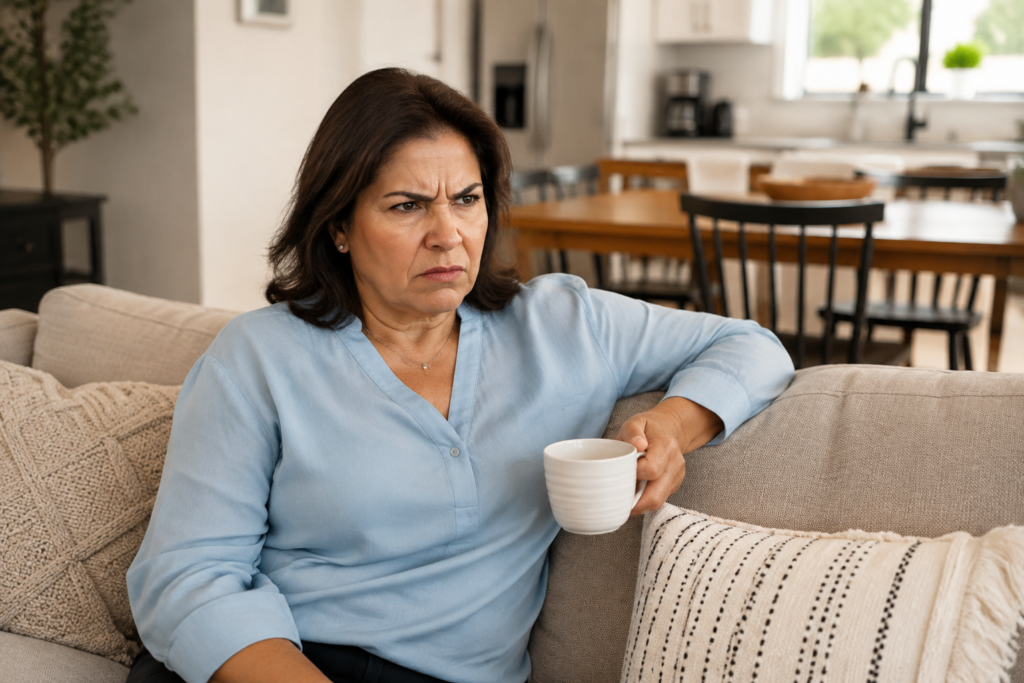

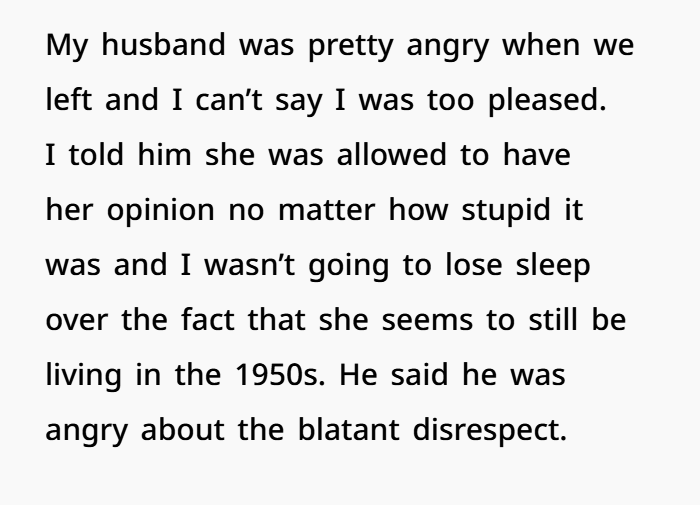
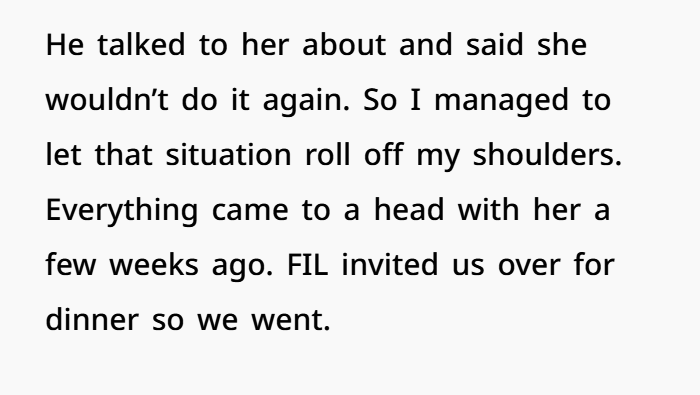
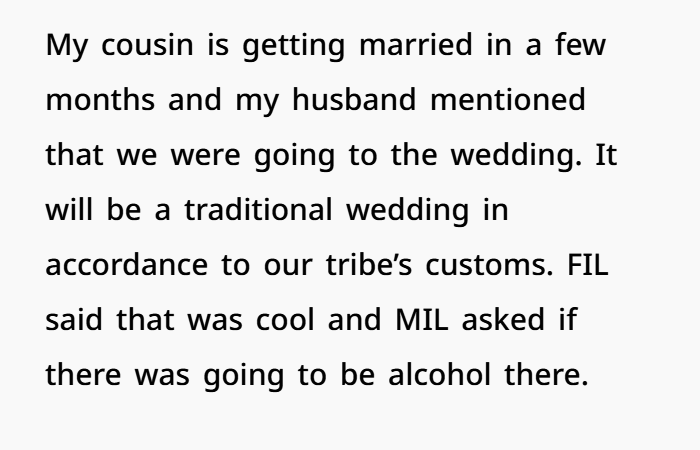
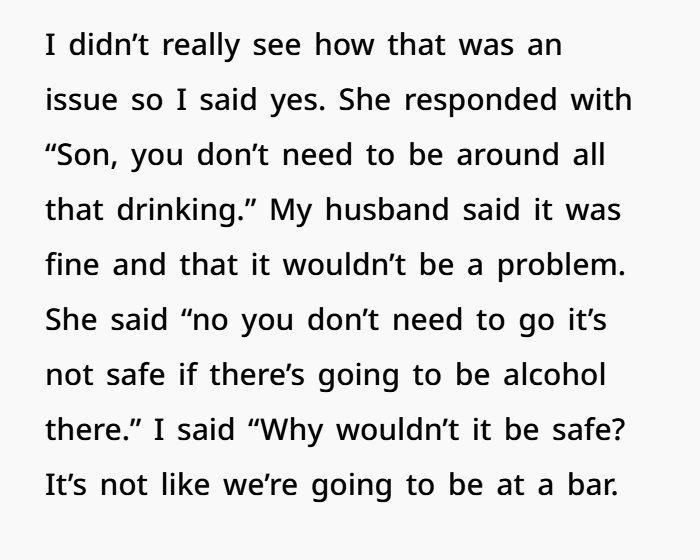
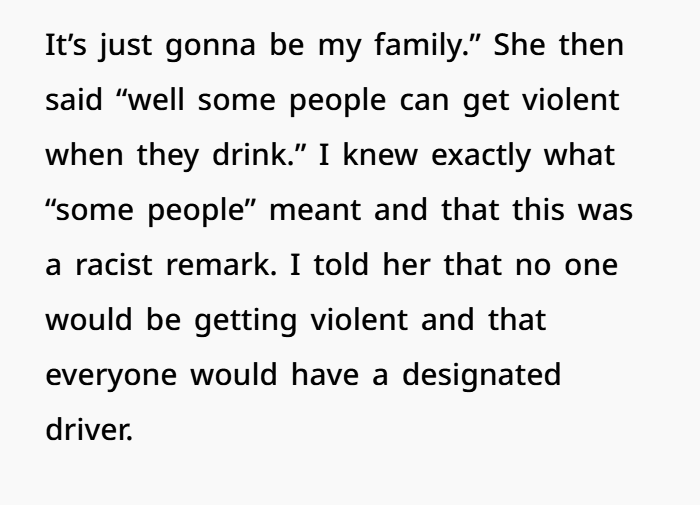
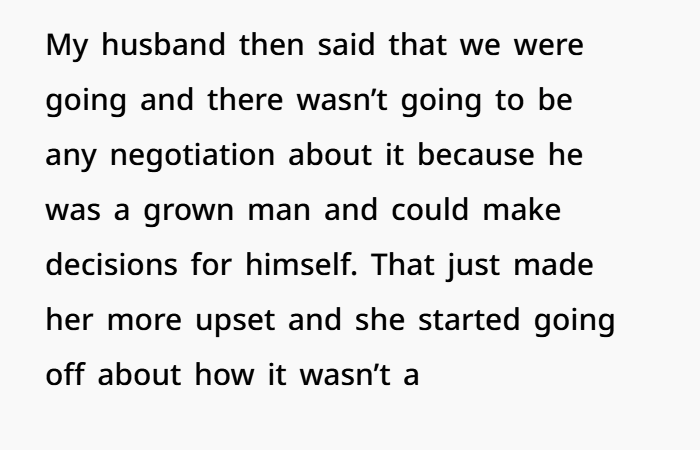
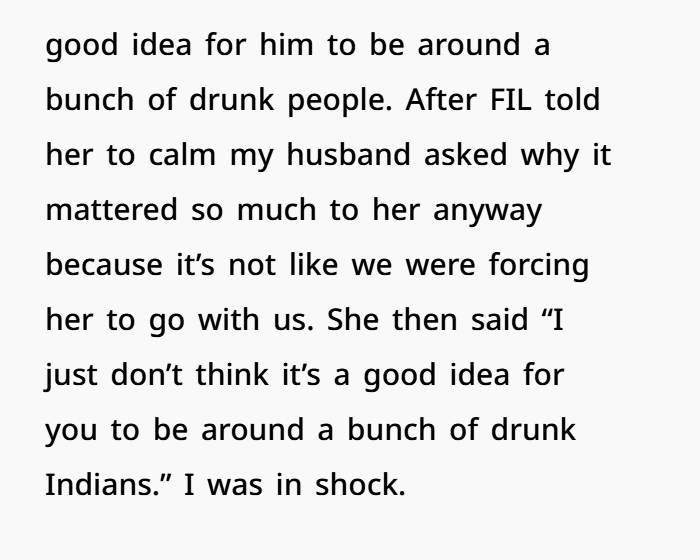
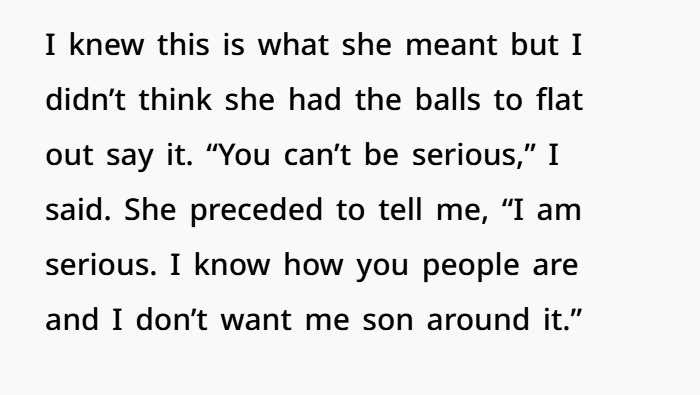

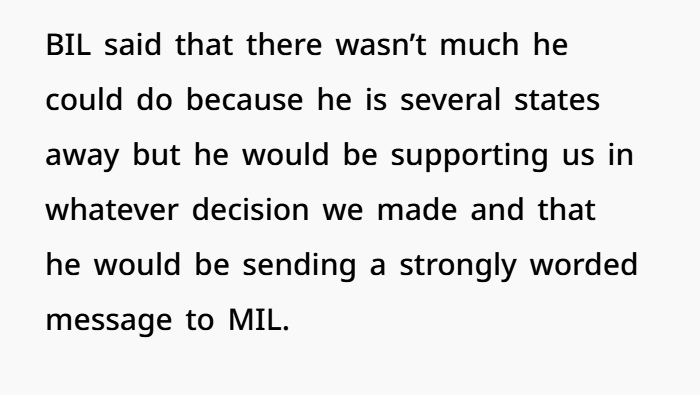
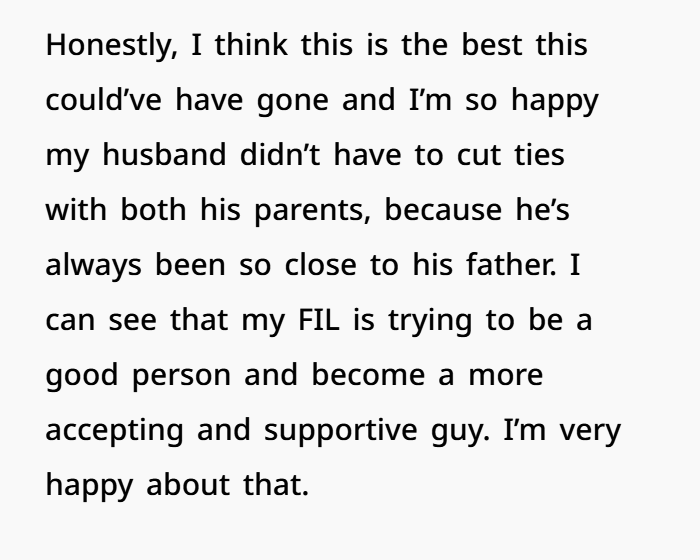
Family conflicts can be difficult, especially when personal beliefs and harmful behavior affect relationships. This story shows how one woman’s actions caused a serious divide in her family and how her loved ones eventually chose to protect their own emotional well-being.
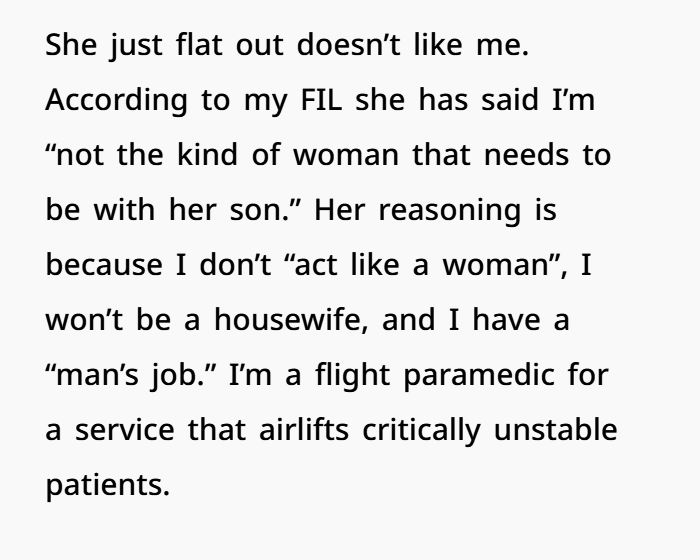
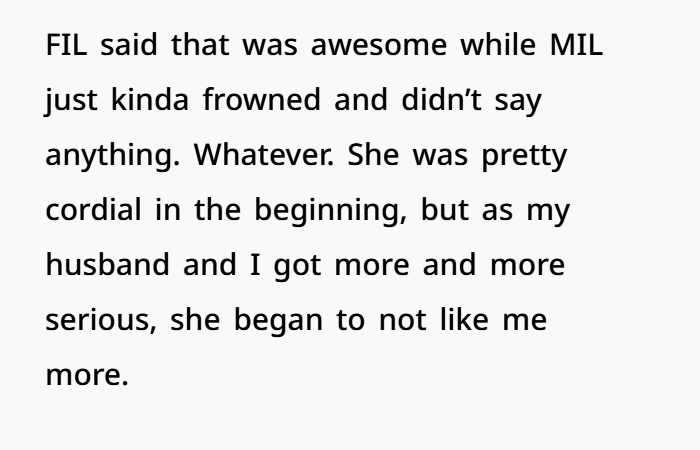
The original poster (OP) shared that her mother-in-law had very traditional views about marriage. The older woman believed that women should focus only on household responsibilities while men should be the main providers.
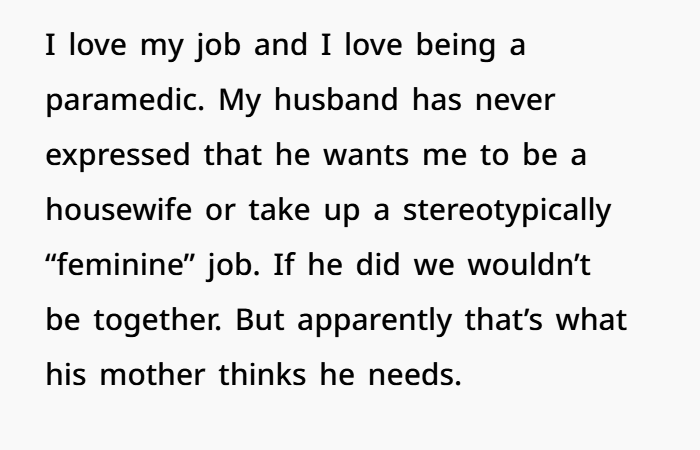
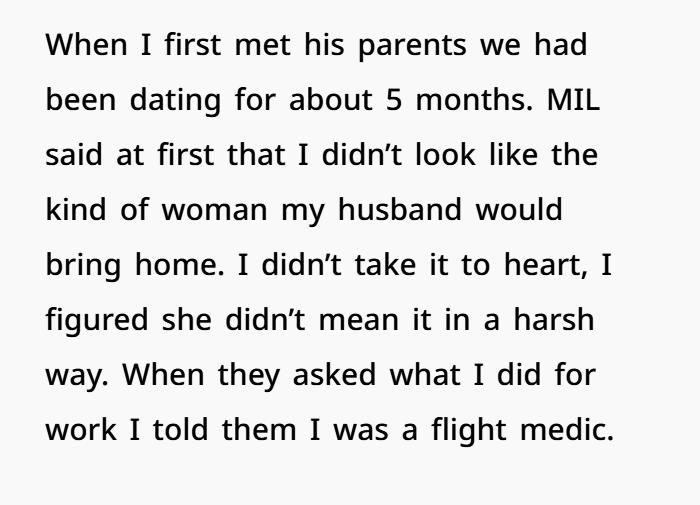
However, OP had a different lifestyle. She worked as a flight paramedic and was proud of her career. Instead of supporting her choices, her mother-in-law often made negative comments about her not being a “traditional” wife.
OP’s husband usually defended her and asked his mother to respect their marriage. But despite several warnings, the situation continued to get worse.
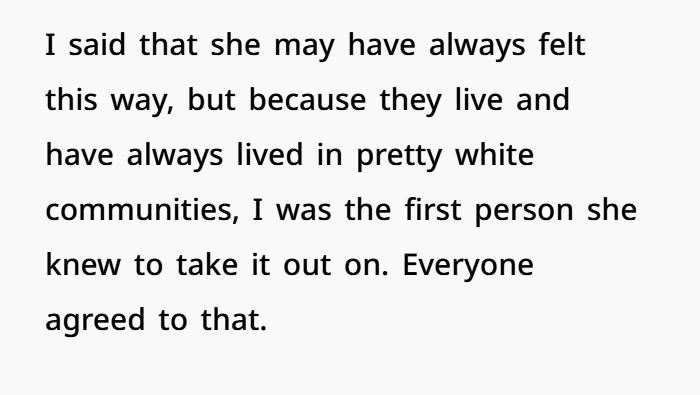
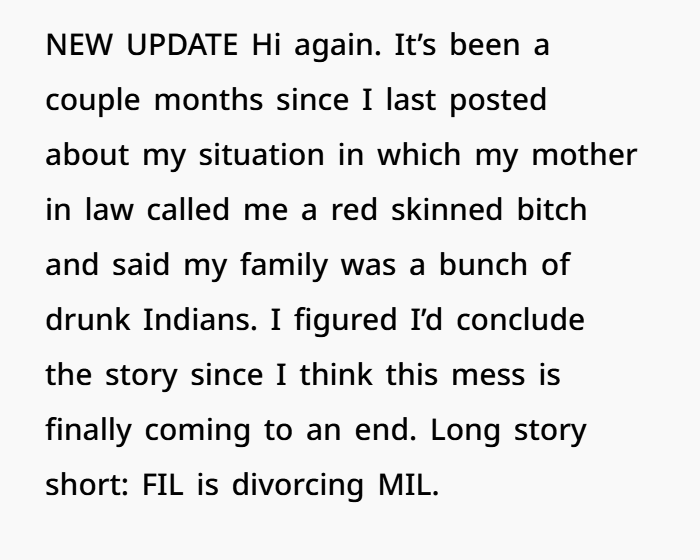
Things reached a breaking point when OP’s mother-in-law objected to her son attending OP’s cousin’s wedding. She made disrespectful comments about the guests and also said hurtful things about OP’s background and family.
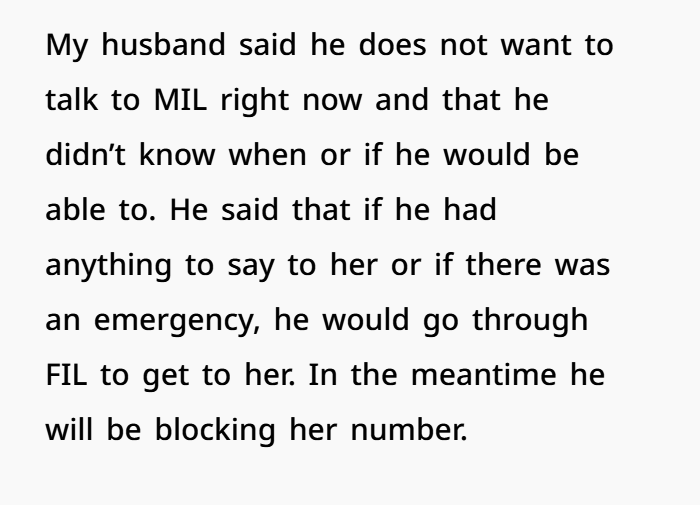
Her husband was deeply upset by what happened. He felt that his mother’s words crossed an important line, and he decided to distance himself from her.
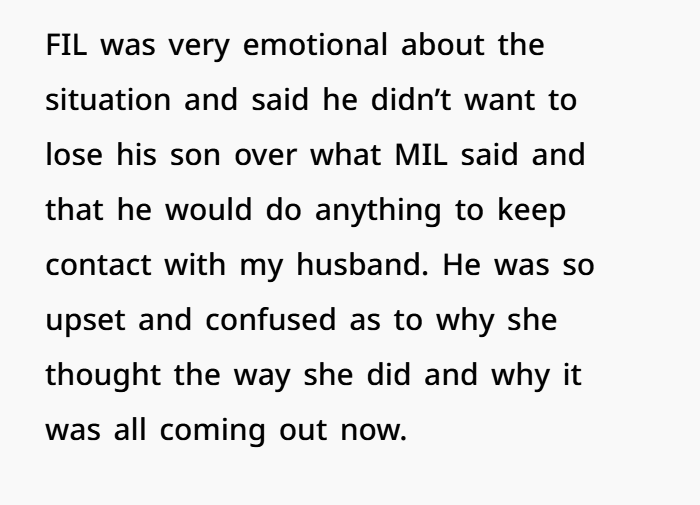
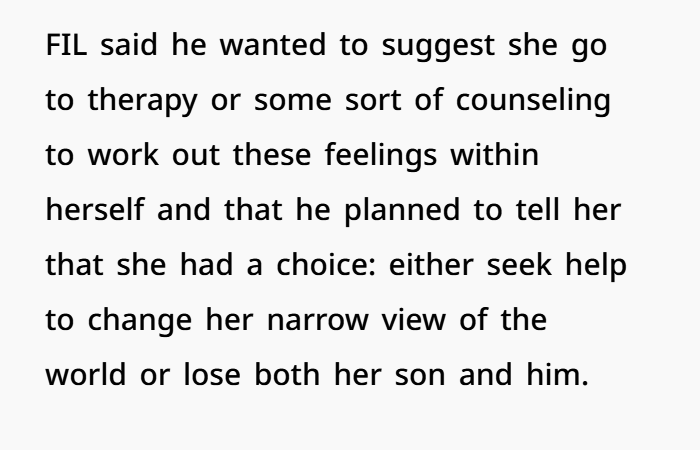
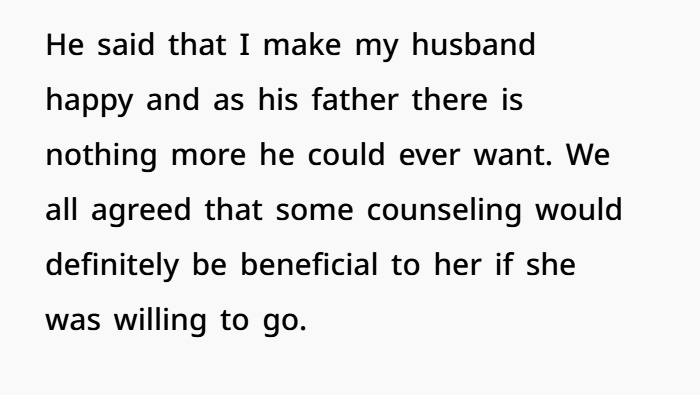
Soon after, OP’s father-in-law contacted the couple. He admitted that he was shocked by his wife’s behavior and did not support the way she had treated them. He believed that she needed help understanding her actions and improving her behavior.
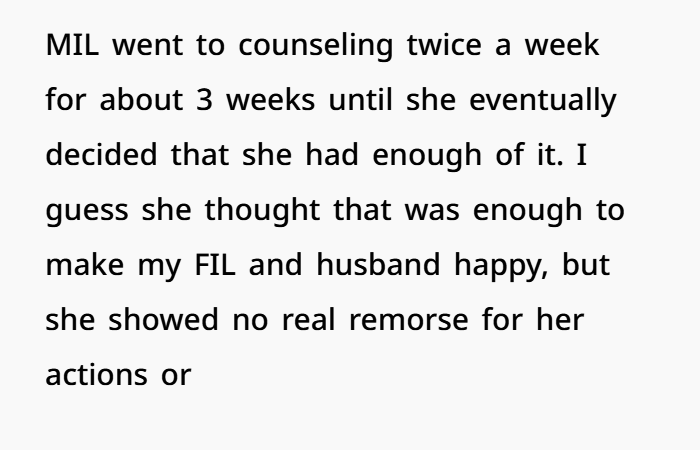
The family encouraged her to attend therapy and work on her negative beliefs. At first, she agreed and attended a few sessions. However, she did not truly accept responsibility for the pain she had caused.
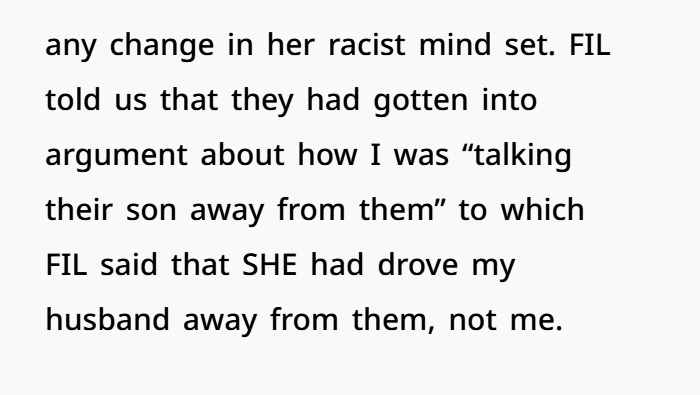
Instead of focusing on personal growth, she blamed OP for the family problems. She believed OP was the reason she was losing her relationship with her son.
Over time, her behavior affected more relationships. Her other son also decided to create distance, and her husband eventually chose to end their marriage.
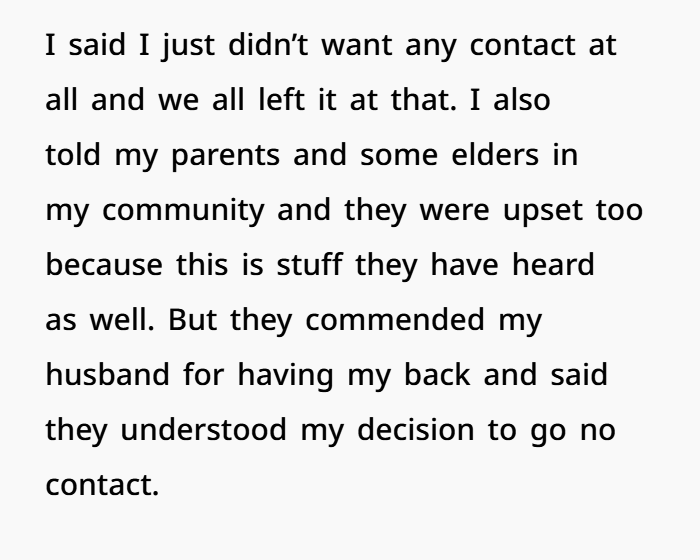
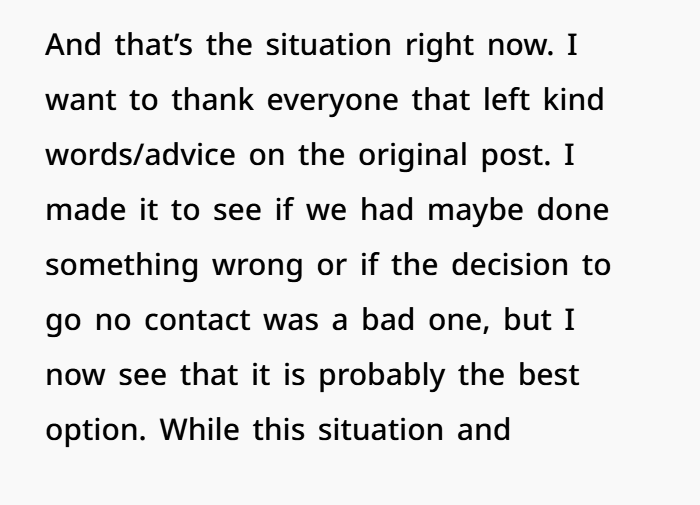
While this was a painful outcome, OP shared that she believed people must take responsibility for the way they treat others. She felt that her mother-in-law’s choices had consequences.
Stories like this highlight the importance of healthy boundaries in family relationships. Experts often say that strong relationships require respect, understanding, and a willingness to change when our actions hurt others.
Family disagreements are normal, but repeated disrespect, prejudice, or harmful behavior can create long-term emotional stress. Learning to communicate better, accept differences, and seek professional support when needed can help families heal.
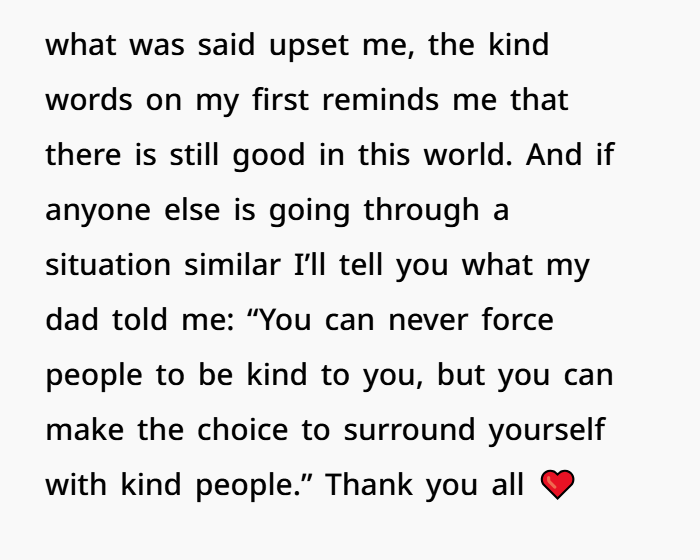
This story also shows why surrounding yourself with supportive and kind people matters. Nobody can force another person to change, but everyone can choose relationships that bring respect, kindness, and emotional safety.
OP shared one important lesson from her experience: you cannot make everyone treat you well, but you can choose to build a life around people who value and respect you.
In the end, healthy relationships are built on compassion, acceptance, and the ability to recognize when our actions affect others.
Readers’ Comments Speak Out