Man Gets Sweet Revenge 20 Years Later After Ruining His Childhood Bully Financially


Bullying is a serious issue that can affect children during their school years and sometimes continue to impact them later in life. A supportive environment at home and school can help children feel protected and learn how to deal with difficult situations.
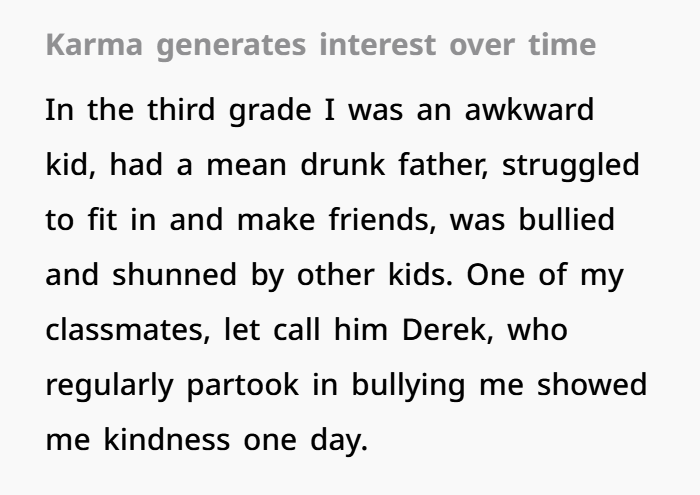
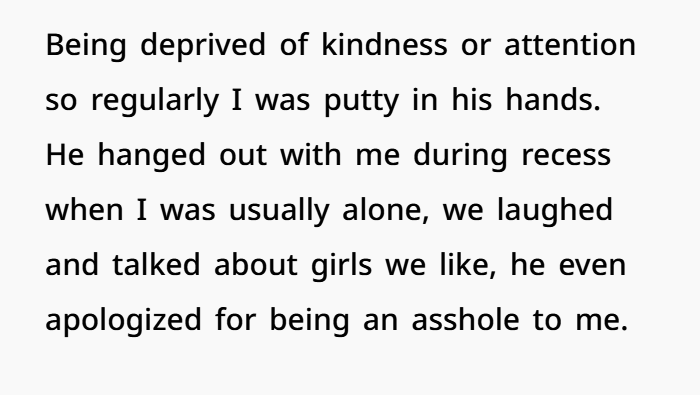
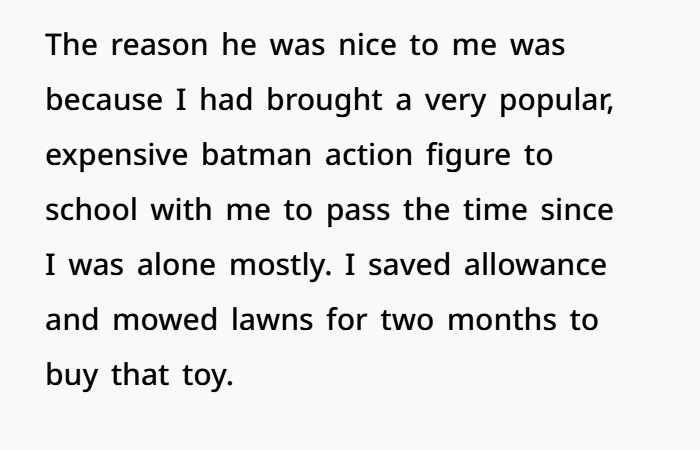
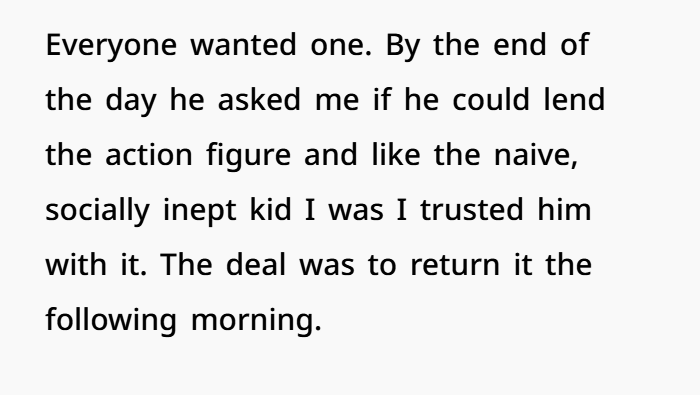
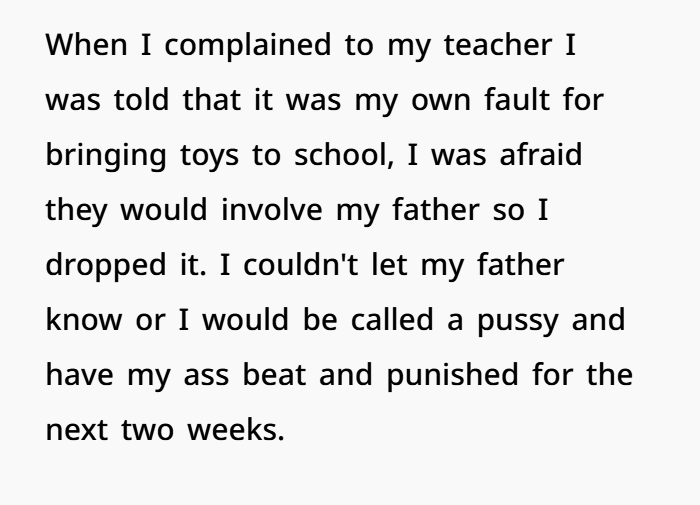
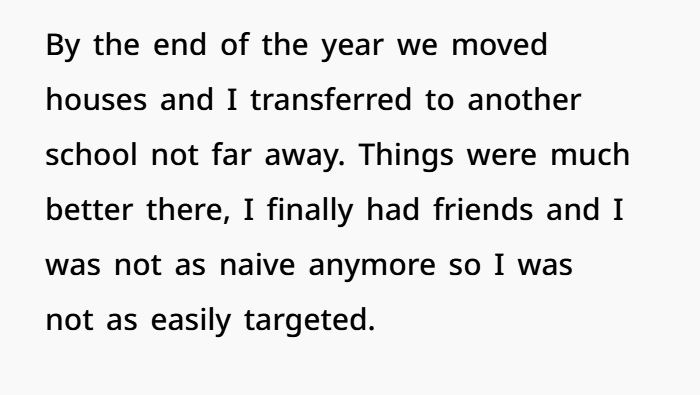
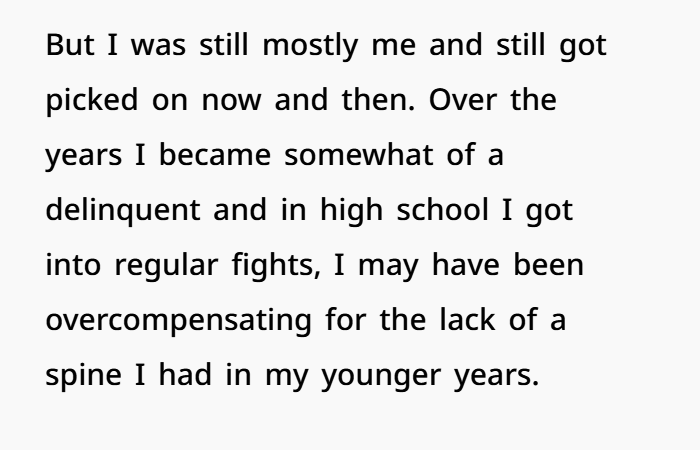
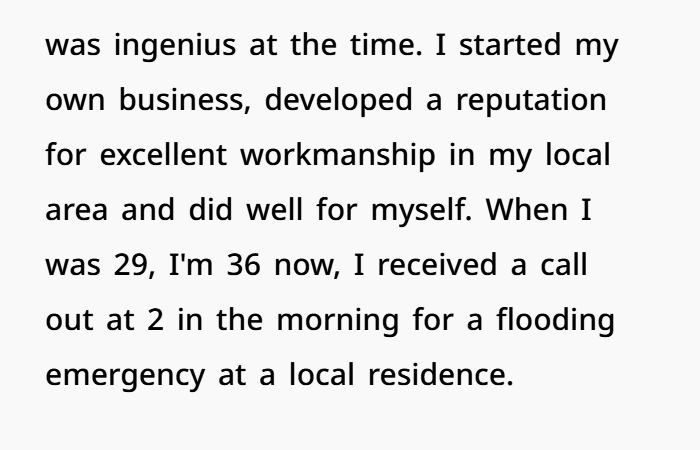
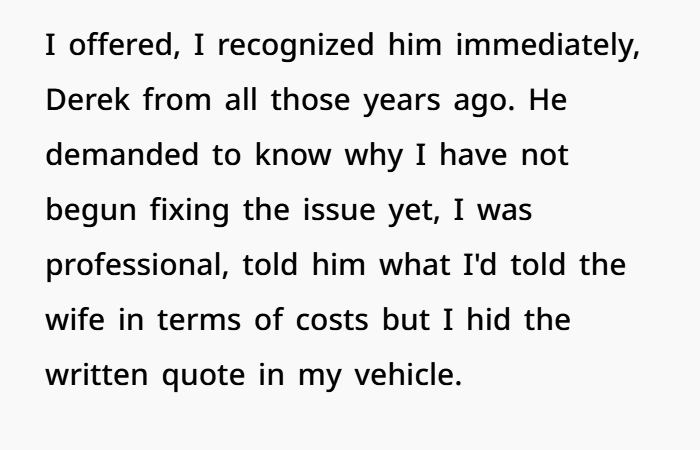
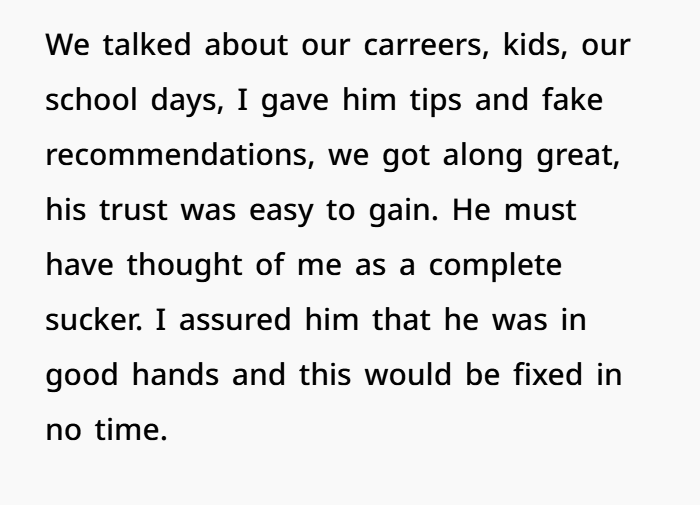
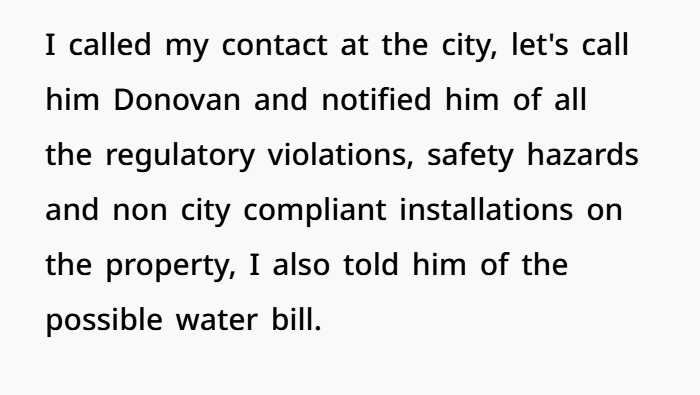
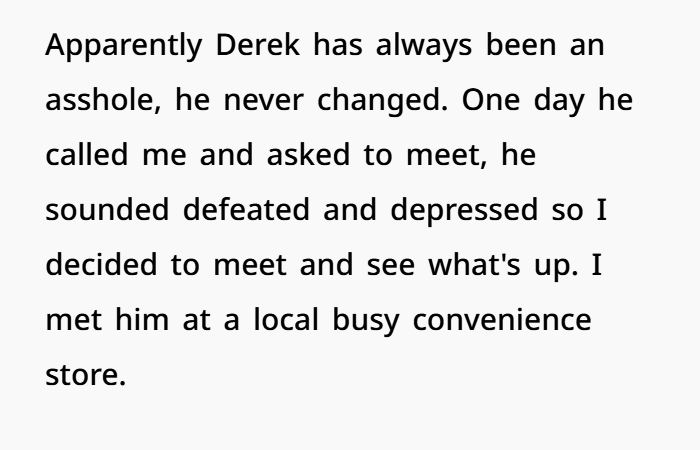
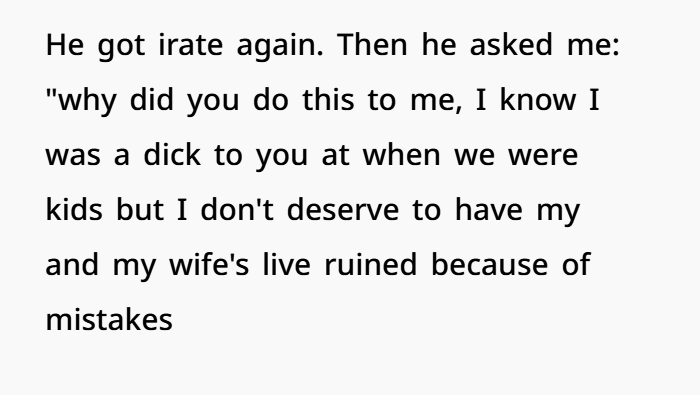
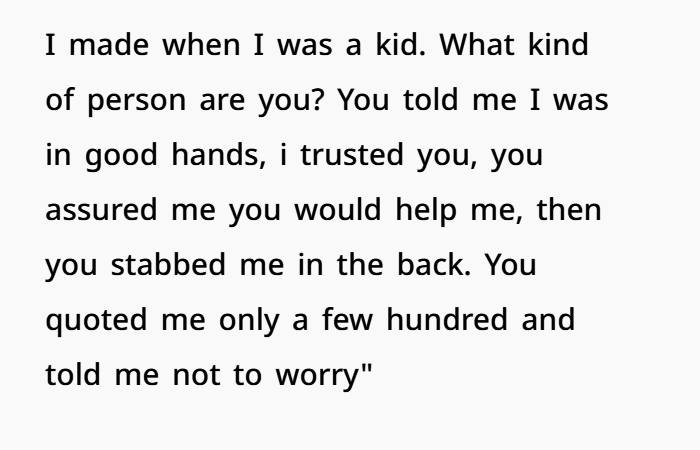
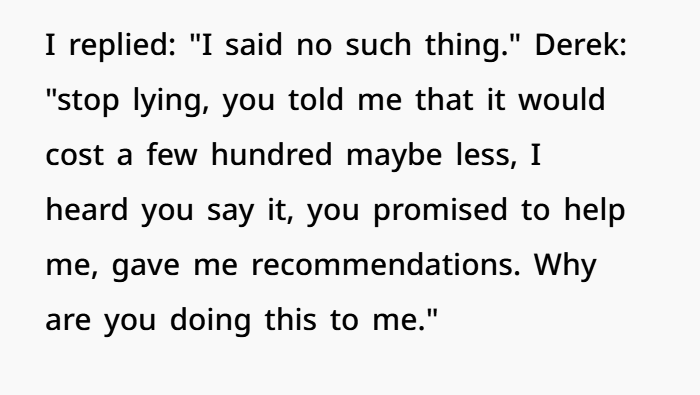
In this story, a man remembered an upsetting event from his childhood. A school bully borrowed his favorite Batman toy but refused to return it. The bully’s actions caused more problems for him at school, leaving a memory that stayed with him for many years.
Two decades later, the man and his former bully met again unexpectedly. By that time, their lives were completely different. The person who had once felt powerless now had a chance to respond to the situation in a new way.
This experience highlights the importance of treating others with care and respect. Small actions during childhood can have a lasting effect, which is why schools and families should continue promoting kindness, understanding, and emotional support for children.























How Bullying Can Affect Mental Health and Why Support Matters
Bullying is a serious problem that can affect a person’s confidence, mental health, and overall happiness. It can happen at school, at work, or even between friends.
Bullying is not just one rude comment or a small disagreement. When someone is repeatedly hurt, embarrassed, ignored, threatened, or treated badly, it can have a lasting impact.
Many people who experience bullying start to feel less confident. They may avoid certain places, feel nervous around others, or begin to question their own worth. Over time, bullying can affect relationships, school performance, work life, and emotional well-being.
Even after the bullying stops, the memories and feelings connected to those experiences may continue for years.
The Impact of Bullying on Mental Health
Bullying can create emotional stress that affects many areas of life. People who experience bullying may struggle with:
- Low self-esteem
- Stress and anxiety
- Feeling lonely or isolated
- Trouble focusing at school or work
- Fear of social situations
- Loss of confidence
For children and teenagers, bullying can make school feel like an unsafe place. Instead of enjoying learning and friendships, they may spend their days worrying about being judged or targeted.
School bullying is a growing concern around the world. It can include behaviors like name-calling, spreading rumors, social exclusion, threats, and physical aggression.
Many organizations now recognize bullying as an important issue because it can affect a child’s emotional development and future well-being.
Bullying Can Also Happen Among Adults
Bullying does not only happen during childhood. Adults can experience bullying in workplaces, social groups, and personal relationships.
Workplace bullying may include repeated criticism, unfair treatment, humiliation, exclusion, or attempts to damage someone’s reputation.
A person experiencing workplace bullying may feel stressed before going to work, lose motivation, or struggle with their mental health.
A healthy workplace should be a place where people feel respected and supported. When bullying continues, it can affect both employees and the overall work environment.
How Bystanders Are Affected by Bullying
Bullying does not only impact the person being targeted. People who see bullying happen can also experience emotional stress.
Bystanders may feel:
- Helpless because they do not know what to do
- Worried they could become the next target
- Guilty for not speaking up
- Uncomfortable in their environment
When bullying is ignored, it can make schools, workplaces, and communities feel less safe for everyone.
Creating a supportive environment where people can speak openly can help prevent bullying from continuing.
Why Early Support Is Important
Helping someone who is experiencing bullying can make a big difference. Children and adults should know that asking for help is not a weakness.
For children, talking to a trusted adult can be an important first step. This could be:
- A parent or family member
- A teacher
- A school counselor
- A coach
- Another trusted person
A child should never feel that they have to handle bullying alone.
Adults facing bullying can also take steps to protect themselves. In workplace situations, keeping a record of incidents can be helpful. Writing down dates, conversations, messages, and details about what happened can provide useful information if the issue needs to be reported.
Depending on the situation, a person may choose to speak with a manager, human resources department, or another trusted professional.
Understanding the Behavior Behind Bullying
Bullying can also affect the person who is doing the bullying. Research suggests that repeated bullying behavior may be connected with future problems, including difficulty managing emotions, handling conflicts, and building healthy relationships.
This does not mean every person who bullies others will have the same future. However, it shows why addressing bullying behavior early is important.
Teaching kindness, respect, and empathy can help create healthier relationships from a young age.
Healing After Bullying Experiences
Many people who experience bullying carry those memories for a long time. However, support, understanding, and positive relationships can help people rebuild their confidence.
Talking about these experiences can help people feel heard. Support from family, friends, counselors, and communities can play an important role in emotional healing.
Everyone deserves to feel respected and safe.
What The Comments Reveal









Final Thoughts
Bullying can have a powerful effect on mental health, confidence, and daily life. Whether it happens at school, at work, or in personal relationships, repeated harmful behavior should not be ignored.
Supporting people who experience bullying and encouraging respectful behavior can help create safer environments for everyone.
If someone is dealing with bullying, reaching out for help is an important step. No one should feel that they have to face bullying alone.